Film review

My Own Private Idaho

1991 · Directed by Gus Van Sant · 1h 44m · MPA R

In a sentenceRiver Phoenix makes us want to offer a hug and ask the Shakespeare to wait outside

Drama

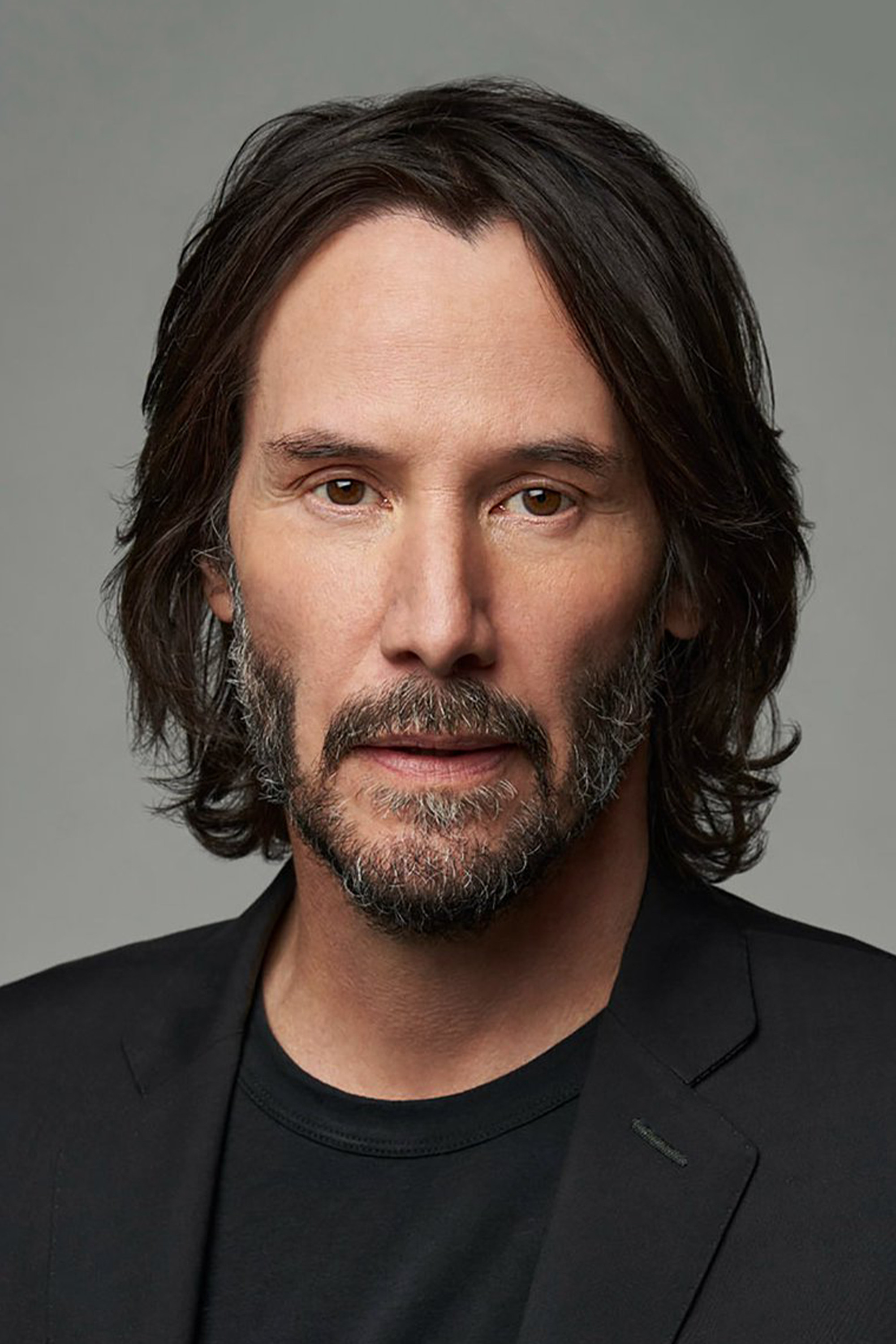
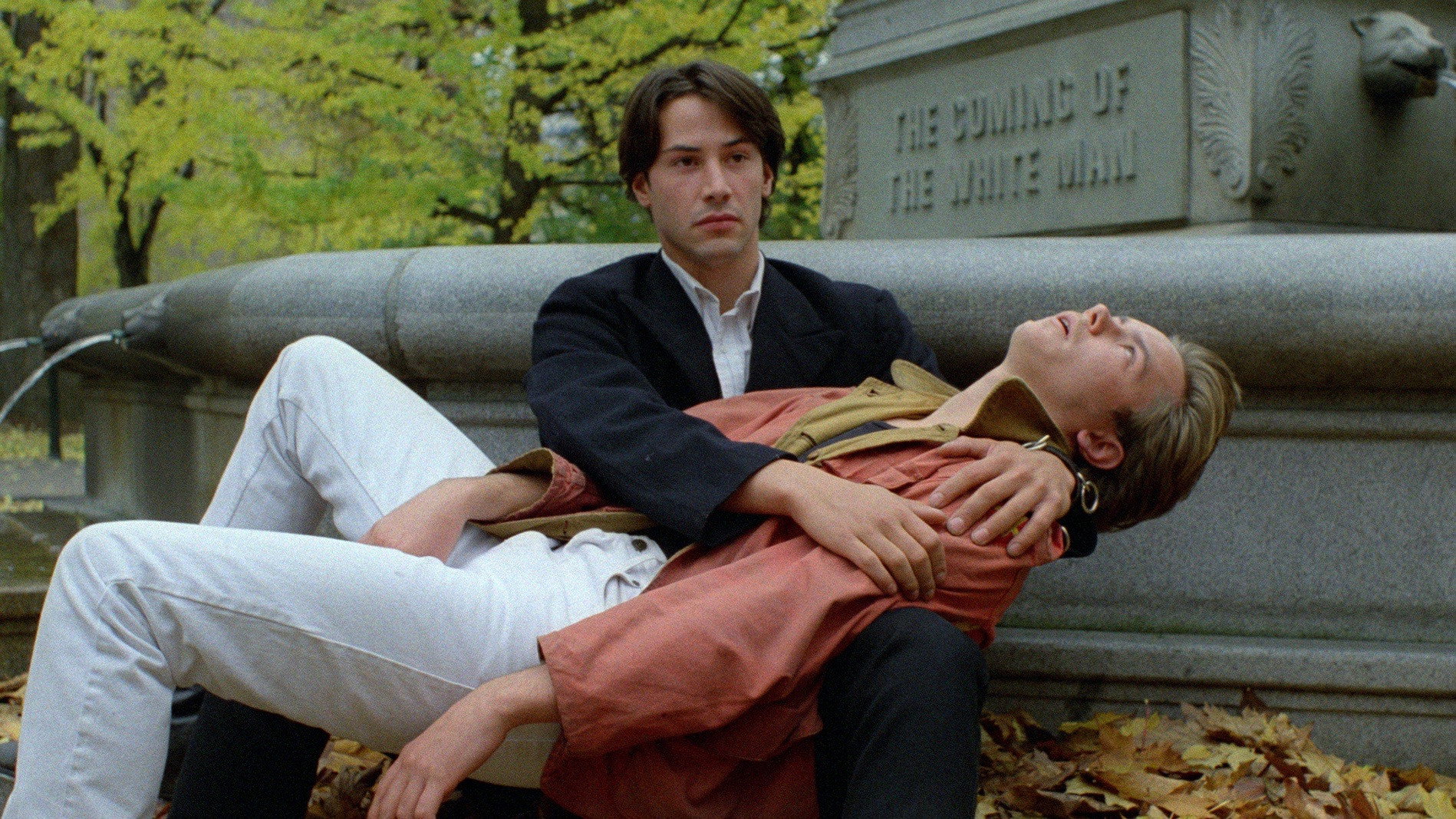
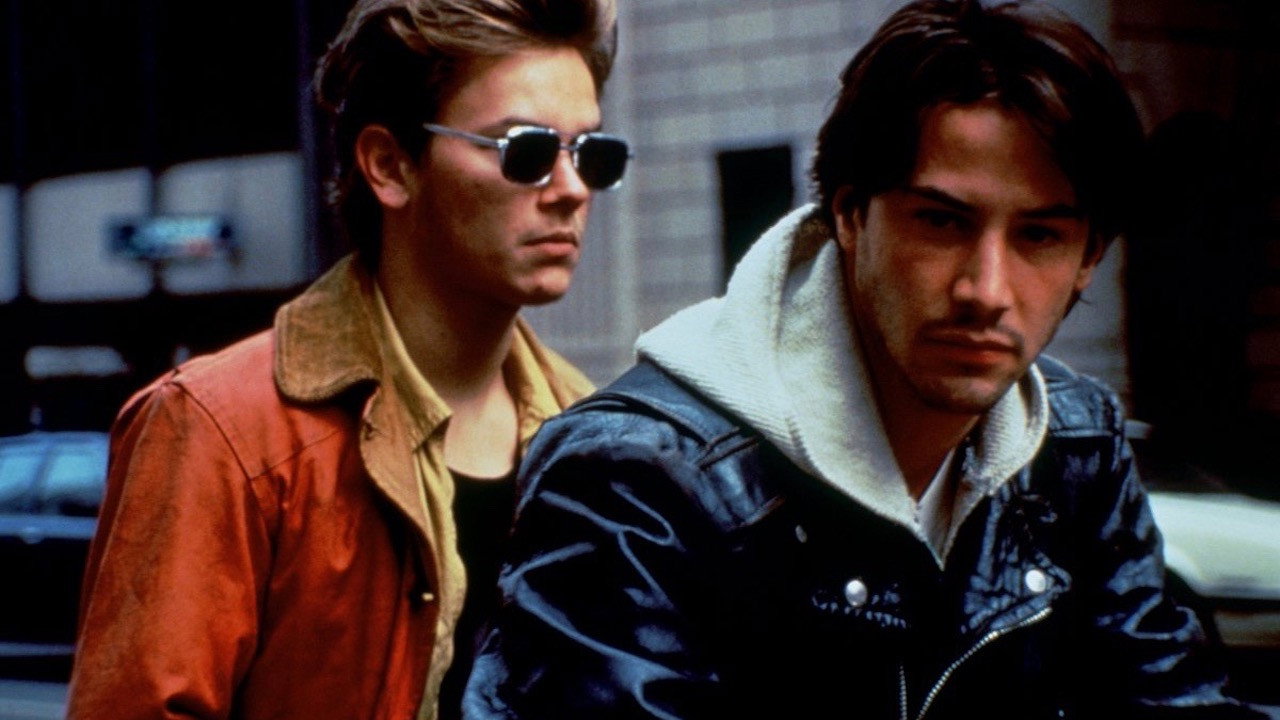
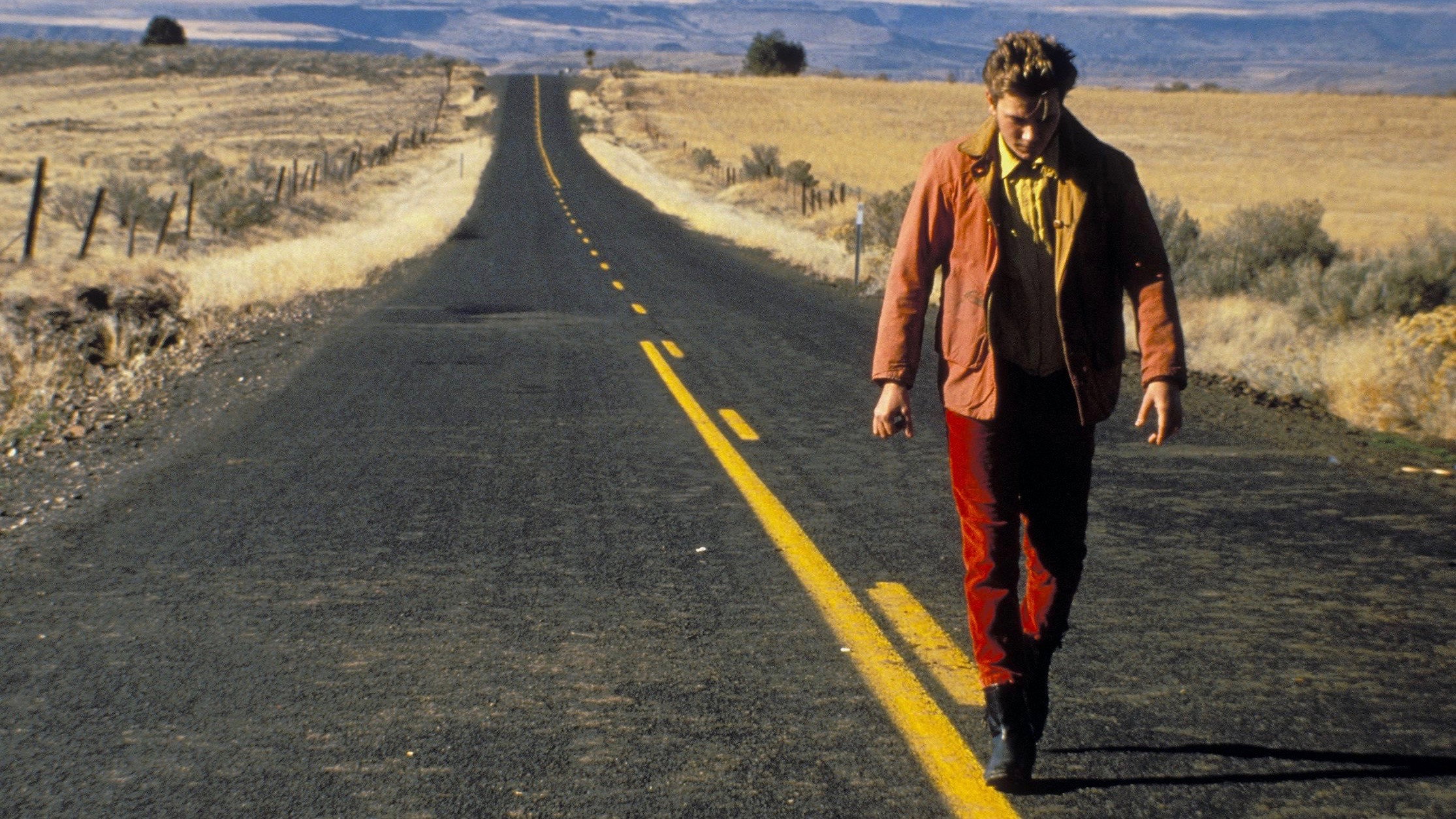
Mike Waters (River Phoenix) is a young gay hustler with narcolepsy. Scott Favor (Keanu Reeves) is another hustler who becomes his close friend. Their lives around Portland lead into a journey in which Mike’s need for affection accompanies the business of getting through each day. As the two spend time together, friendship and desire become difficult to separate. Written and directed by Gus Van Sant, the film moves between their encounters, dreamlike sequences and fragments of home films, with dialogue that draws on Shakespeare’s Henry IV as well as everyday speech.

Plays from YouTube when you press play; nothing loads from them until then.

Fi1m review

Gus Van Sant’s wandering drama is tender, funny and held together by River Phoenix’s vulnerable performance. The Shakespearean passages strain, but Mike’s longing for affection gives us ample reason to stay.

Gus Van Sant’s My Own Private Idaho is a tender, uneven drama about young men who sell sex and struggle to find affection. We recommend it for River Phoenix, whose Mike Waters gives even the more mannered passages someone worth staying with. Van Sant writes and directs a road film that keeps wandering into Shakespeare, dreams and fragments of home films. The mixture is sometimes awkward, but his attention to Mike’s loneliness makes the wandering worthwhile.

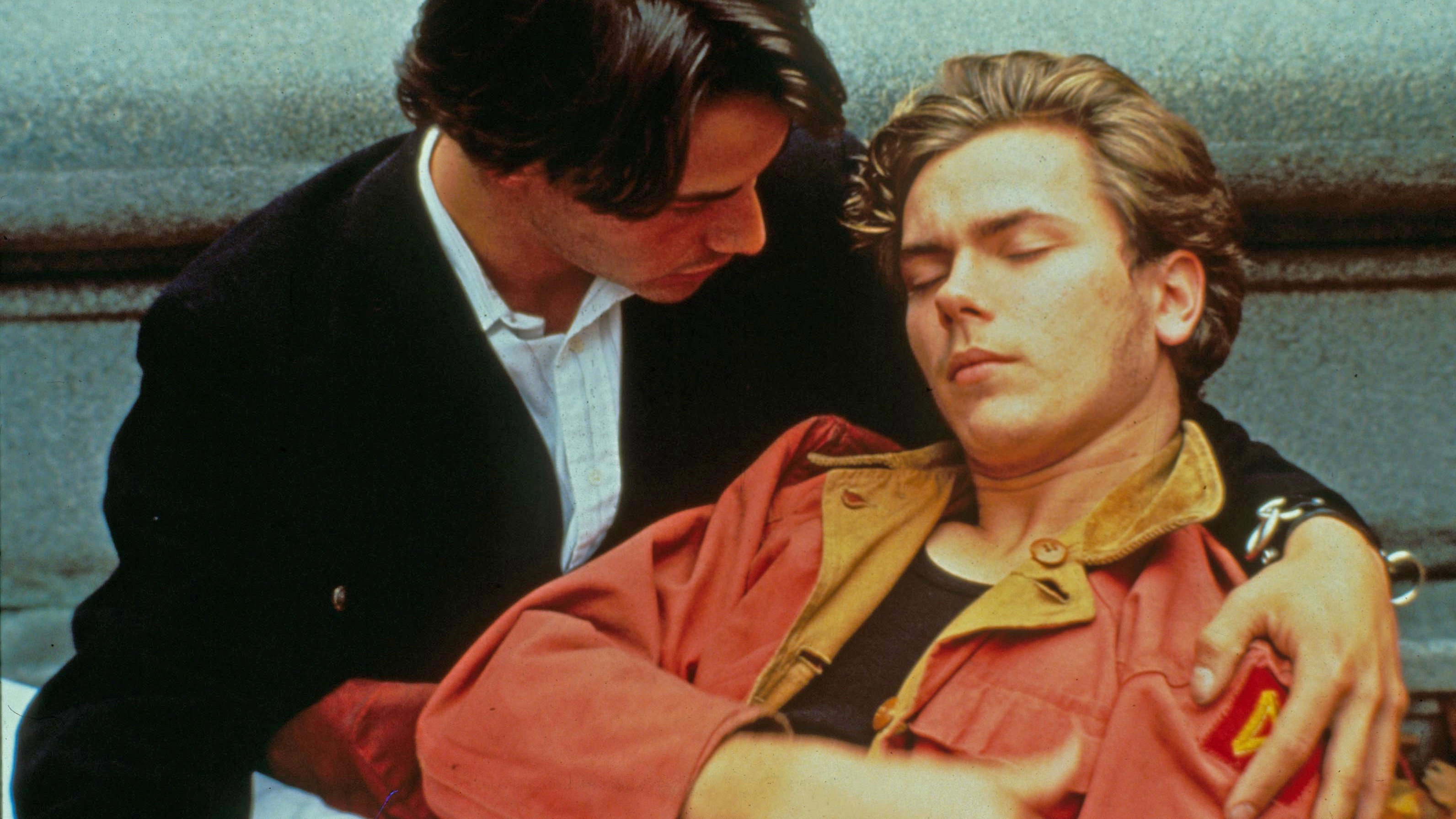
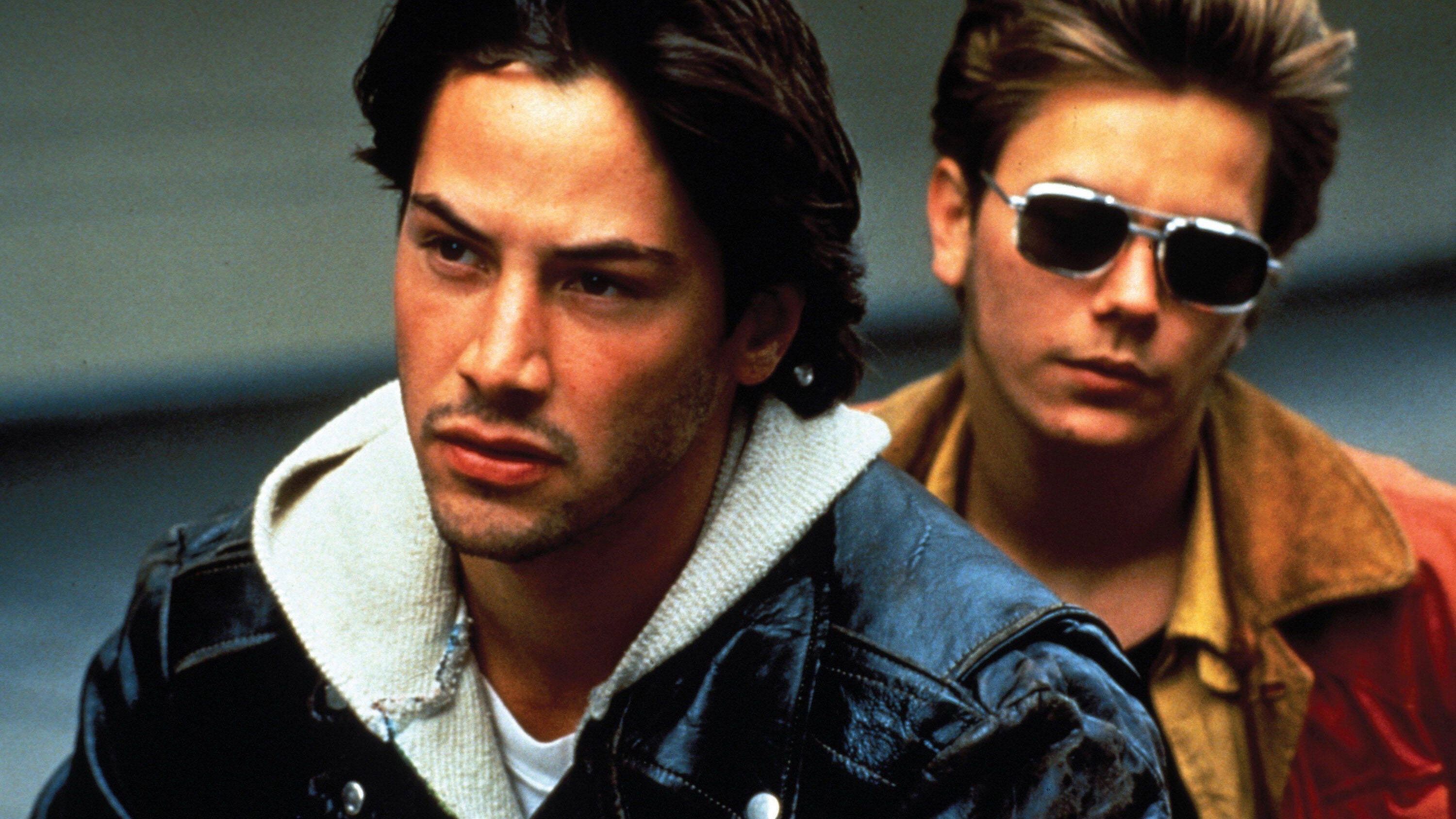
Mike is a gay hustler with narcolepsy; Scott Favor, played by Keanu Reeves, is his friend and fellow hustler. Their lives around Portland give Van Sant room to observe how companionship develops between people with different emotional needs. Phoenix seems painfully available to other people, while Reeves often looks as if he could step away without much difficulty. We were moved by Mike’s longing for Scott, because Phoenix makes the wish to be loved seem embarrassing to the person feeling it. He lets us see the effort involved in admitting a need.

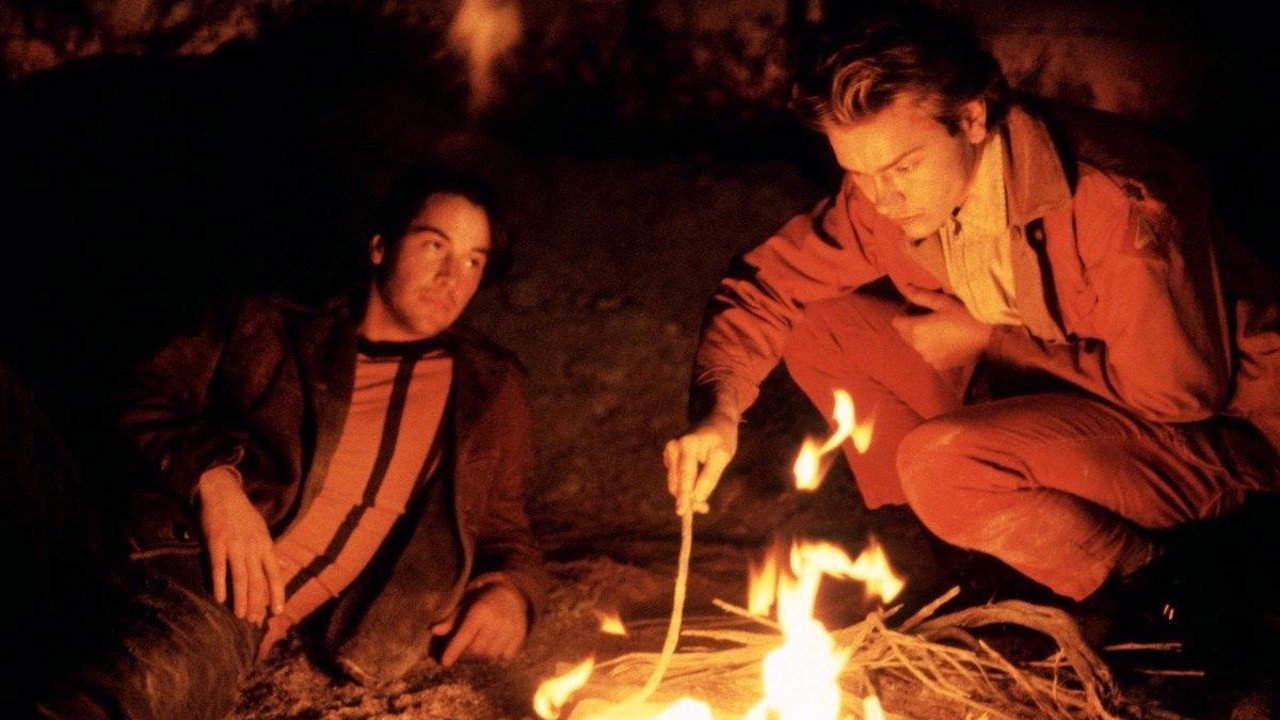
John J. Campbell and Eric Alan Edwards photograph landscapes with a spaciousness that suits lives spent moving without getting far. The rougher street imagery keeps those views from turning the journey into a holiday. Curtiss Clayton’s editing allows inserts of home films and dreamlike passages to interrupt the present, putting us close to Mike without making his experience entirely clear. These interruptions are often more expressive than another scene of explanation would have been. Clayton lets us register the difference between the street scenes and the more private images, rather than smoothing everything into one continuous journey.

David Brisbin’s production design gives the Shakespearean exchanges the same contemporary setting as the hustlers’ ordinary conversations. That continuity helps, even when the language makes the two kinds of scene difficult to reconcile. Bill Stafford’s music gives the wandering an inviting rhythm, helping the quieter stretches hold our attention. There is a risk of making this unsettled life seem too appealing, but the music’s warmth makes sense beside Van Sant’s affection for the people living it.

The trouble is the Henry IV material, which makes the film’s changes of voice harder to accept. Van Sant’s screenplay moves between ordinary speech and Shakespearean rhythms, and the join can be distracting. Reeves is effective when his reserve leaves Mike doing the emotional work, but the heightened dialogue asks for an ease he does not consistently find. These passages can feel rehearsed in a film whose appeal elsewhere is the sense that people have been caught living. We wanted some of these exchanges to finish sooner.

As a road film, it spends more time on how people pass their days than on arranging a useful lesson at the next stop. That patience allows Mike and Scott to exist without being made to explain everyone who lives as they do. The humour matters too: lonely, vulnerable people are allowed to be funny without their loneliness becoming the joke. At 104 minutes, the film does not outstay our interest, even when the Shakespeare becomes a strain. Watch it for Phoenix, and allow Van Sant a few detours you may not want to take twice.

Critical consensus AI synthesised

78
Positive
5
Mixed
0
Negative
1

Most critics respond warmly to My Own Private Idaho, with praise centred on River Phoenix’s vulnerable performance and Van Sant’s tenderness towards lonely young men. The reviews repeatedly single out the film’s drifting, dreamlike style, its sense of place and its willingness to follow desire and uncertainty without forcing them into a conventional plot. Phoenix provides a point of agreement even among detractors, who find his performance persuasive when the writing is not.

The Shakespearean passages divide opinion most sharply, and the spread runs from wholehearted admiration to disappointment. The AV Club finds that subplot uneven beside the intimate story of unrequited love, while Empire sees the mid-section and inconsistent script as substantial failings. Paste takes the opposite view, praising the transplantation of Henry IV to Portland and the blend of verse with everyday speech. The disagreement is chiefly over how well the film’s different approaches fit together.

Slant Magazine
22 October 2015 · ★★★★/4
100

The review hails it as Van Sant's freest and most daring work in New Queer Cinema, singling out the stream-of-consciousness style and River Phoenix's ineffable performance for particular praise.

Read the full review →
Sight and Sound
85*

The critic praises Van Sant’s associative, poetic style blending neorealism and lyricism, highlighting the film’s fluid shifts between intimacy and distance, its sense of place, and its exploration of young men’s subjectivity through home-movie inserts and dreamlike sequences.

Read the full review →
RogerEbert.com
18 October 1991 · Roger Ebert
80*

The critic praises the film's evocation of its characters' drifting need and sense of loneliness in a human comedy style illuminated by insight that experience can seem absurd. It notes the lack of mechanical plot or contrived tests, focusing instead on two particular young men and how they pass their lives.

Read the full review →
The AV Club
7 October 2015 · B · Mike D'Angelo
77

The critic calls the film half-great, praising the tender story of unrequited love between the two hustlers and River Phoenix's vulnerable performance while faulting the uneven Shakespearean subplot.

Read the full review →
Empire
1 January 2000 · Phil Thomas
40*

The film is a major disappointment despite high expectations for Van Sant. It falters with an ill-advised Shakespearean mid-section and uneven script, though River Phoenix gives a standout performance and some visual flourishes succeed.

Read the full review →
Los Angeles Times
18 October 1991 · Kenneth Turan

The critic describes the film as puckish, understated and defiantly idiosyncratic, weaker on plot than Van Sant's previous work but redeemed by being edgily funny and suddenly tender. It singles out the handling of loss, loneliness and romantic dreams through Phoenix's delicate performance, while noting the quirky Shakespearean elements and Van Sant's sensibility.

Read the full review →

Cast

Stills

Awards

Independent Spirit Awards, 1992

Nominated
Best Cinematography
Nominated
Best Director
Won
Best Male Lead
Won
Best Screenplay

National Society of Film Critics Award for Best Actor, 1991

Won
National Society of Film Critics Award for Best Actor

Venice Film Festival, 1991

Nominated
Golden Lion

Volpi Cup, 1991

Won
Volpi Cup

If you liked this, try…

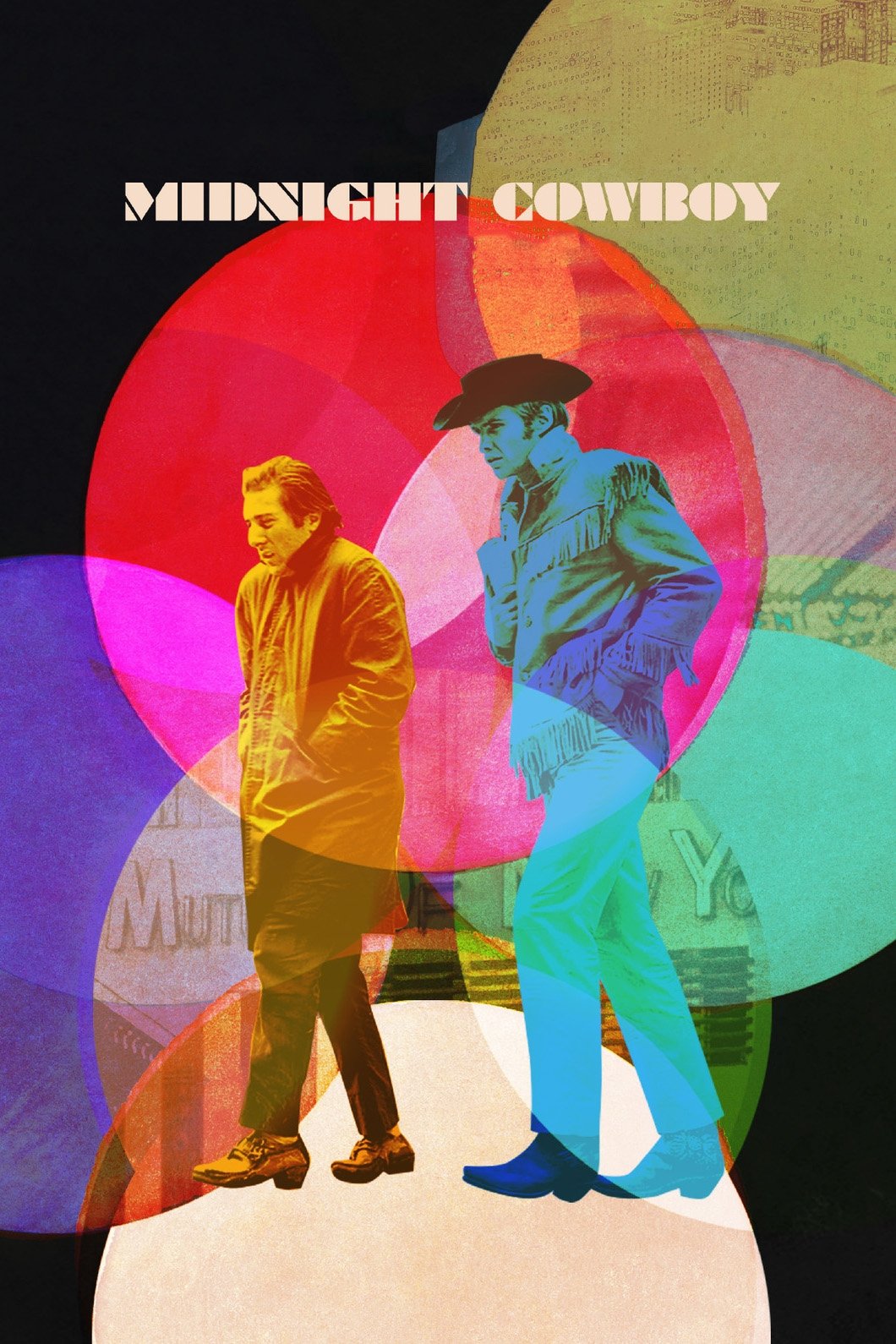
Midnight Cowboy poster

Midnight Cowboy

1969 · Another makeshift friendship among hustlers, with affection surviving some thoroughly inhospitable surroundings.

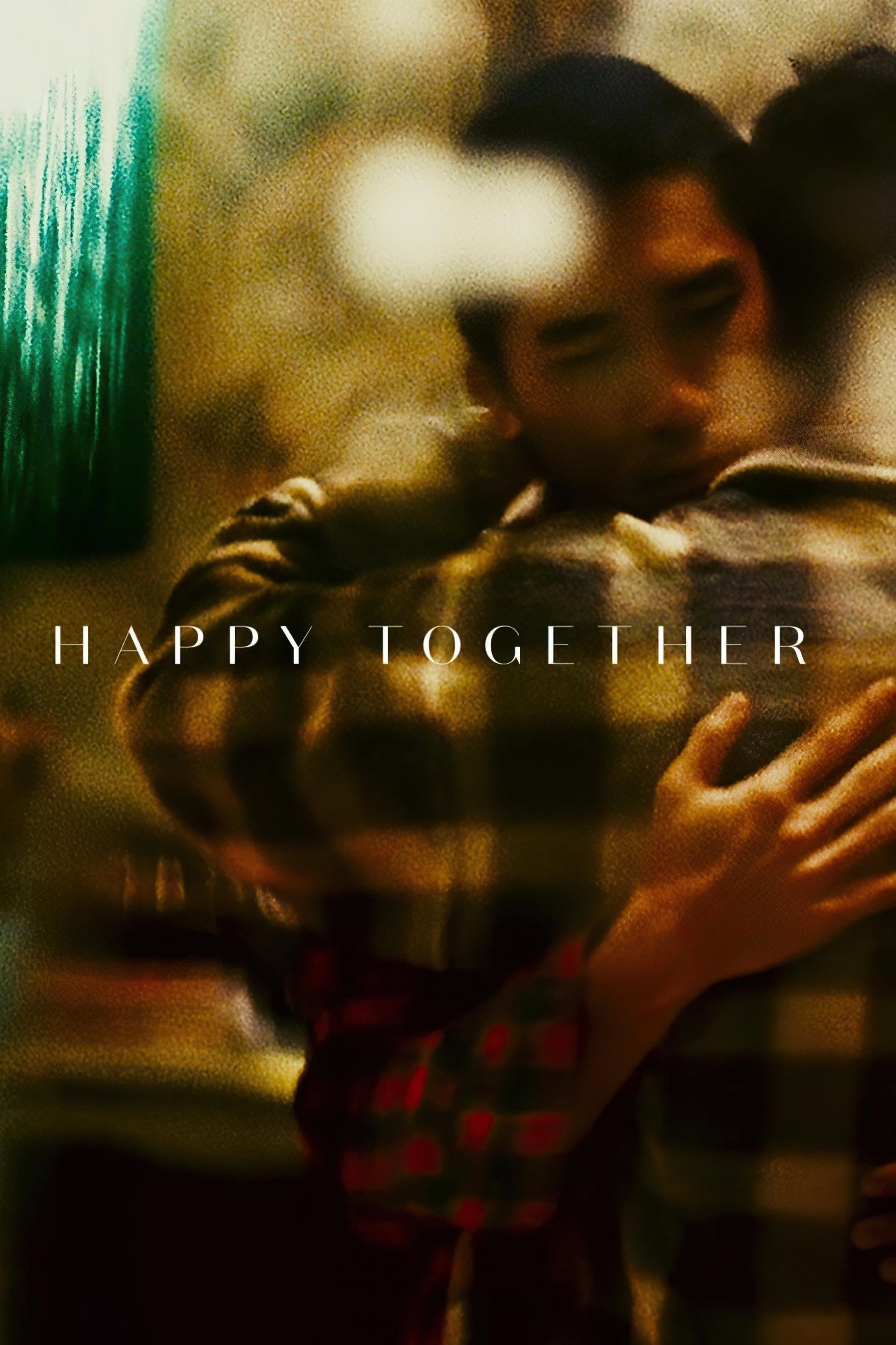
Happy Together poster86

Happy Together

1997 · For restless travel, uneven desire and the difficulty of leaving someone behind.

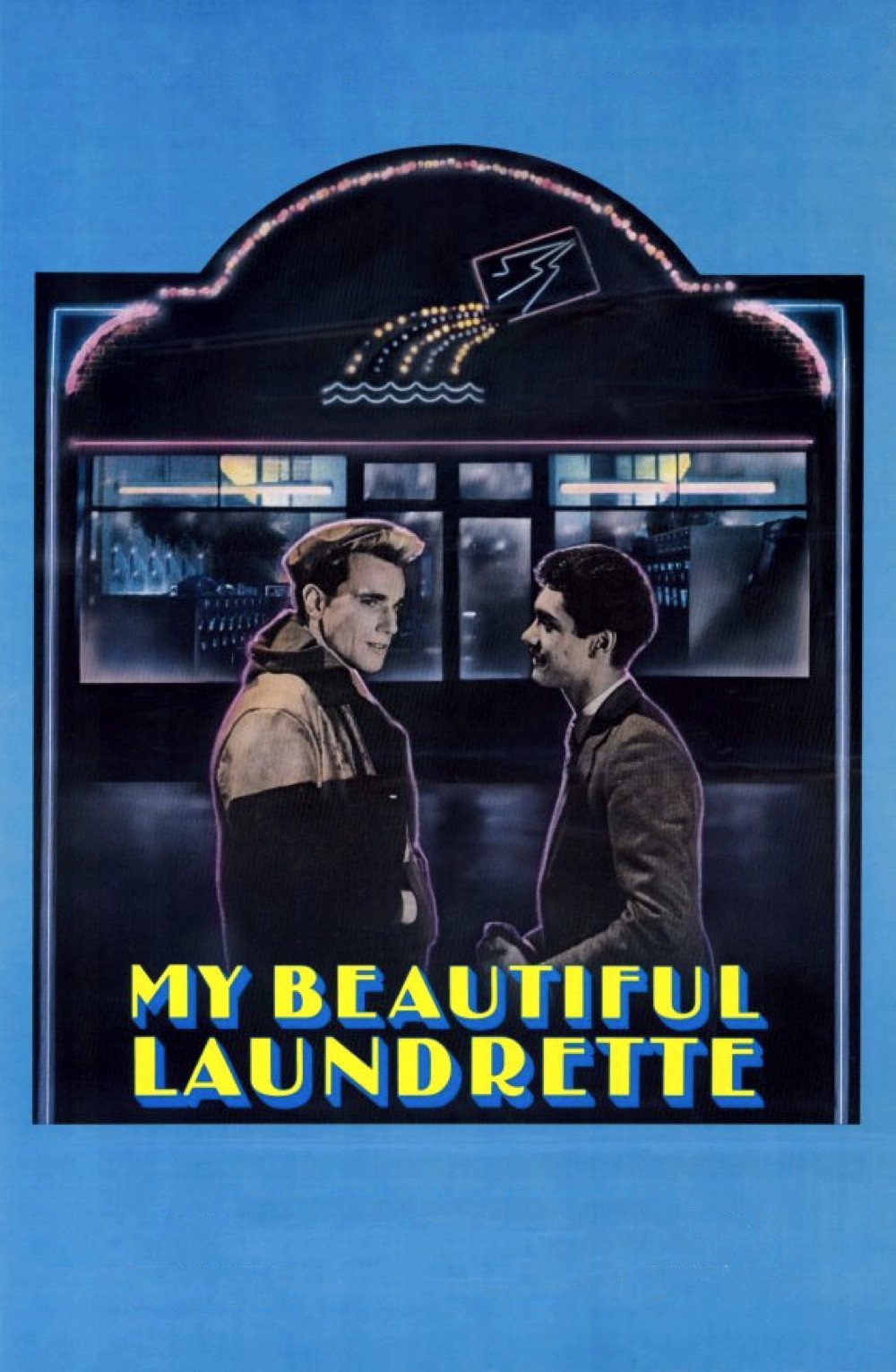
My Beautiful Laundrette poster

My Beautiful Laundrette

1985 · A sharper social comedy about desire, class and building something together.

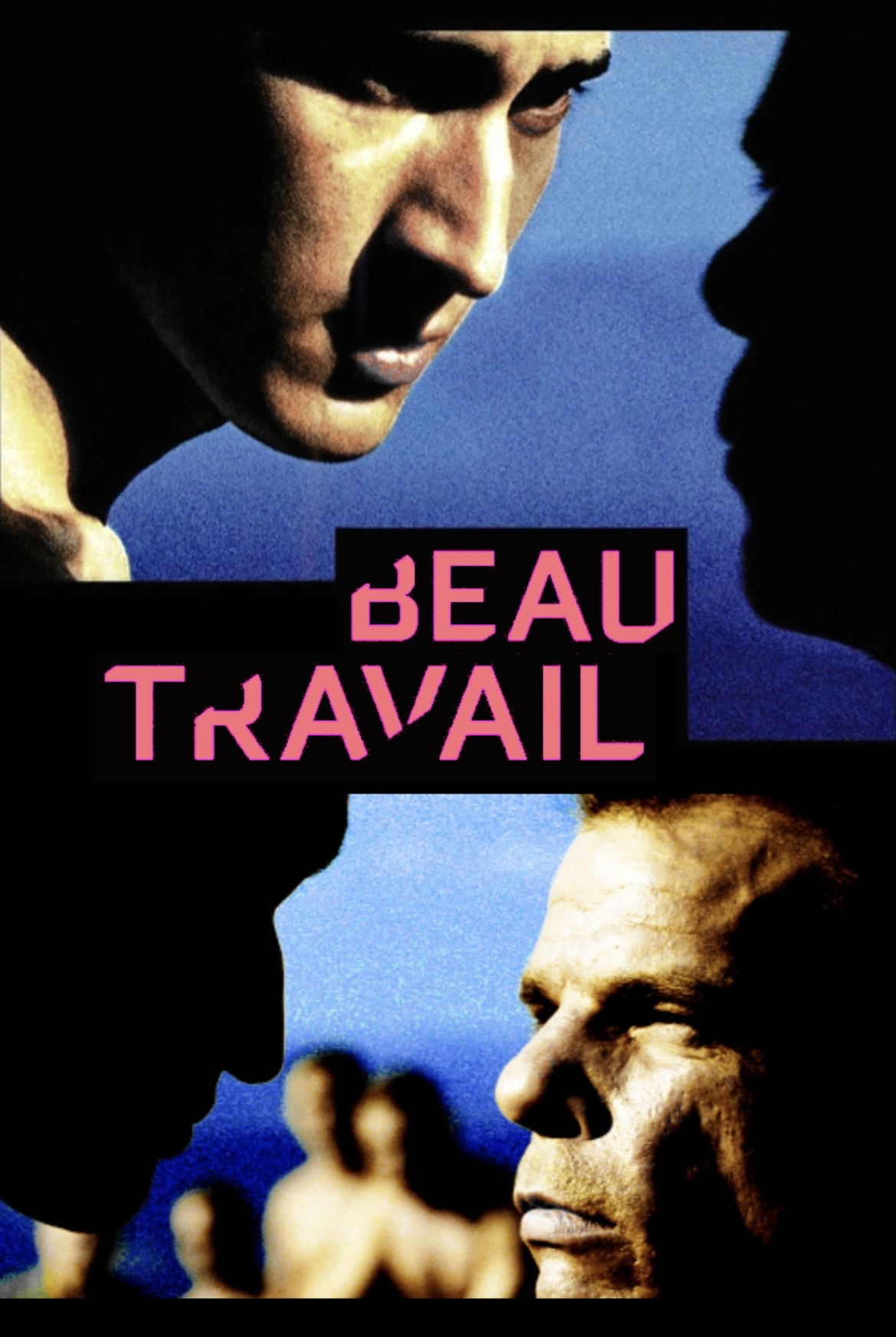
Beau Travail poster

Beau Travail

1999 · Male longing expressed through bodies, landscapes and the things nobody says.

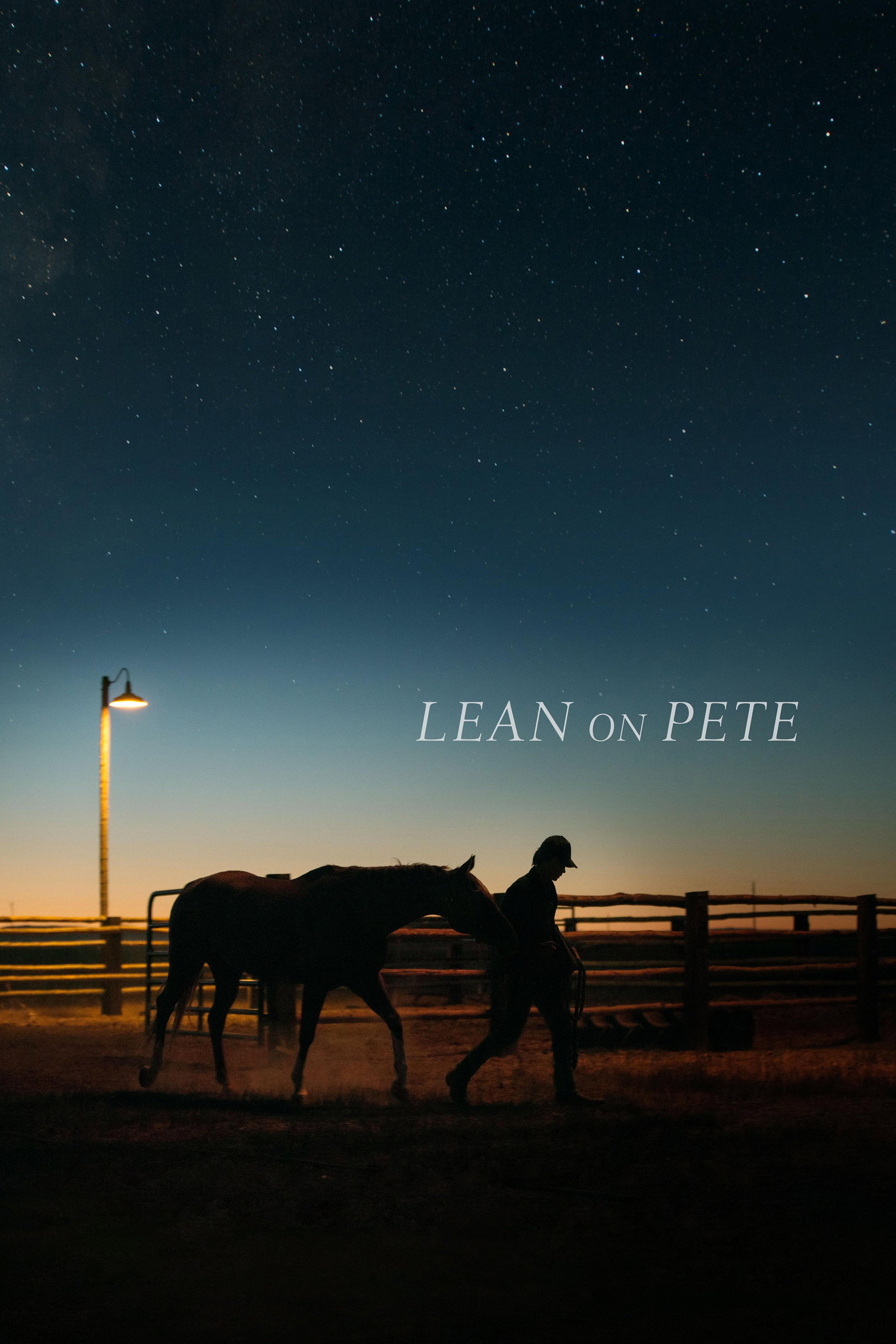
Lean on Pete poster

Lean on Pete

2017 · Another vulnerable young traveller, treated with patience rather than easy consolation.