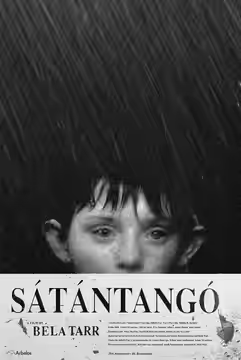
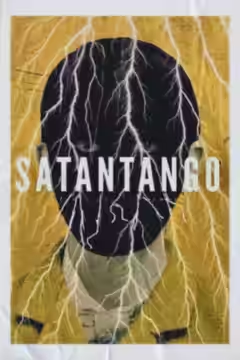
Béla Tarr’s 432-minute drama rewards a substantial commitment with absorbing monochrome images, concentrated performances and insistent atmosphere. We recommend it with a firm reservation: some passages continue after their effect is clear, and patience should not mean unquestioning acceptance.
Béla Tarr’s Satantango is worth the time, provided the decision to watch it is deliberate. At 432 minutes, it requires a substantial part of a day, and we would not pretend that every stretch rewards attention equally. Its length eventually becomes something we can settle into, although that adjustment takes effort. There are passages when the effort remains more noticeable than the reward, and we would rather acknowledge them than suggest that impatience disqualifies anyone from appreciating the film.
Béla Tarr shares the screenplay credit with László Krasznahorkai, whose novel supplies the source. The adaptation feels unusually confident about how much attention it can ask for. We admire that confidence, but it does not excuse every moment when concentration slips. The writing gradually establishes enough interest in its people to sustain the undertaking, though occasionally we understood what a passage was doing well before the film was ready to leave it.
Mihály Víg’s performance as Irimiás gives us a firm point of attention without making the surrounding cast feel incidental. Putyi Horváth, as Petrina, and Székely B. Miklós, as Futaki, are equally important to the film’s hold on us. The performances do not seem eager to make their characters agreeable, which we appreciate. Across such a long drama, that restraint matters: an actor constantly requesting sympathy would become exhausting, and these performances allow our responses to remain unsettled.
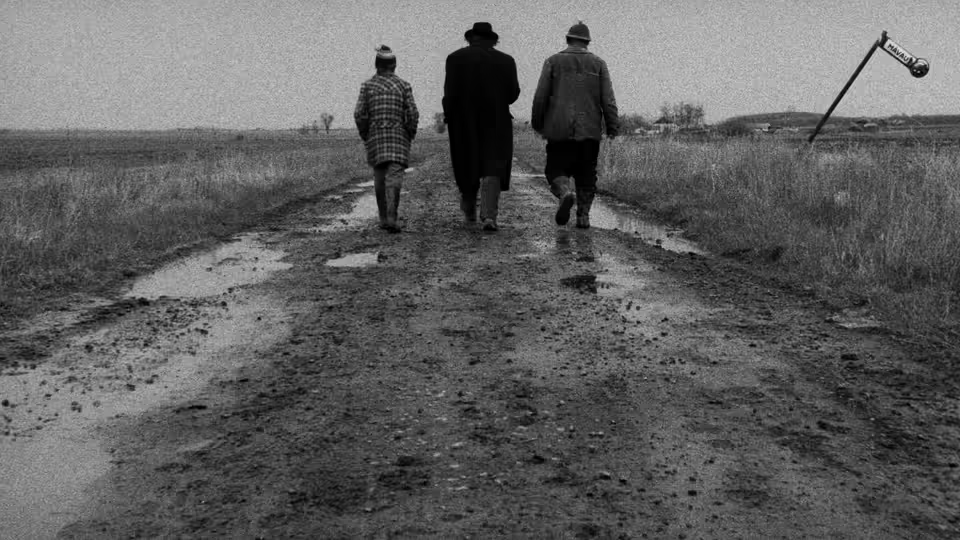
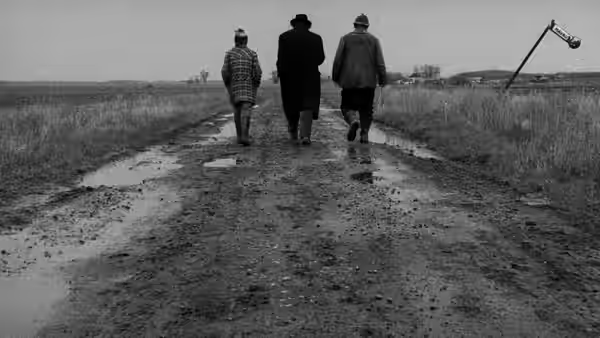
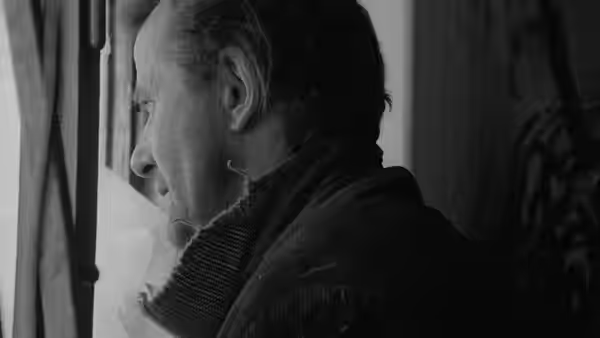
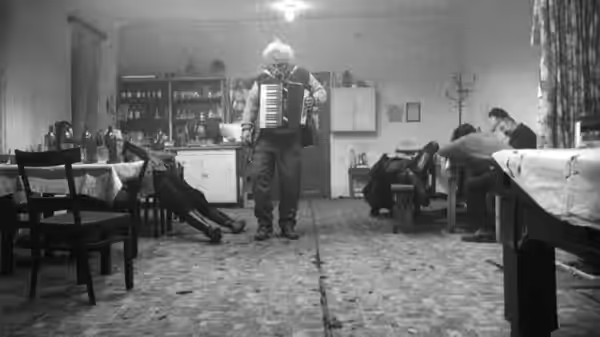
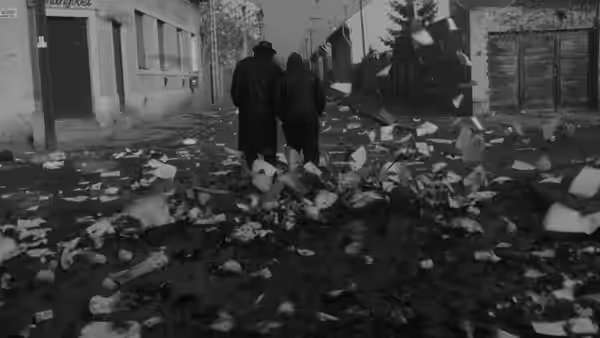
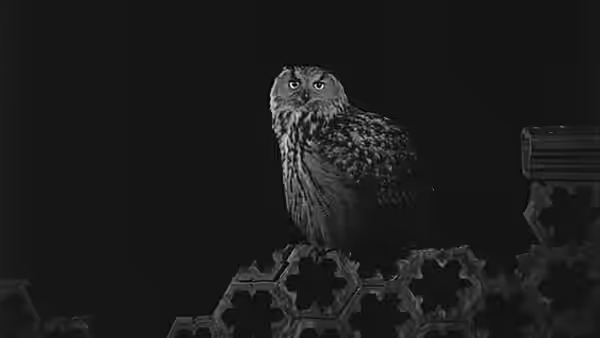
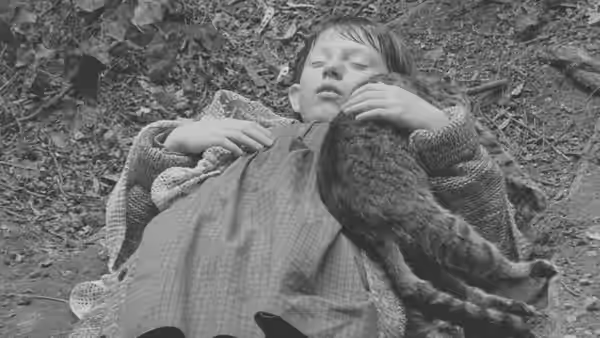
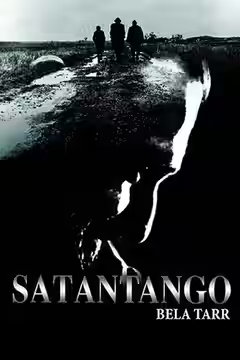
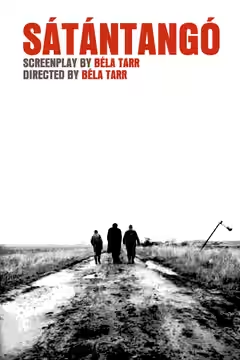
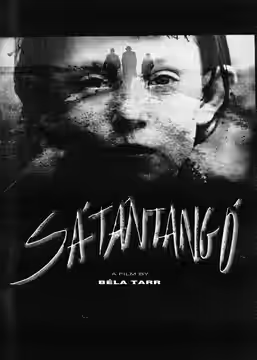
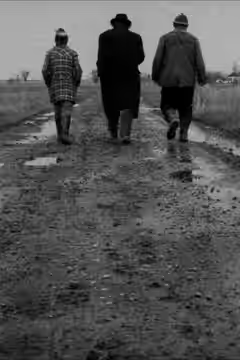
Gábor Medvigy’s monochrome cinematography is the clearest reason to keep looking. The black-and-white images make differences in light and shade absorbing without constantly advertising their own beauty. We were more absorbed than we had expected, and those images first overcame our resistance to the length. Sándor Kállay’s production design also withstands prolonged attention; it feels convincing without repeatedly drawing attention to the work involved. Together, their contributions give the film a visual consistency that makes its demands easier to accept.
Ágnes Hranitzky’s editing is where our admiration becomes less comfortable. The structure requires concentration, and there are stretches in which another minute adds little to what we have already understood. We would have welcomed a firmer cut in those passages without wanting the whole film hurried towards conventional dramatic pace. The editing nevertheless makes the scale feel considered, so our frustration concerns particular stretches rather than a general sense that nobody has decided what belongs.
Mihály Víg also supplies the music, whose atmosphere is essential to the experience. It gives the images an emotional pressure that prevents the film from becoming merely an exercise in looking for a long time. We found that combination moving, particularly when the visual severity might otherwise have become tiring. A demanding drama needs to offer more than the satisfaction of having endured it, and the sound and images provide substantial reasons to remain attentive.
Our reservation about the length remains, even after accepting the decision to make a film this long. We can admire the care involved and still think that some passages have done enough. The performances, photography and music earn the commitment often enough for a strong recommendation, with no promise of an easy evening. Choose it when spending hours with one film sounds like a pleasure, and leave yourself permission to become impatient.