Steven Spielberg’s Holocaust drama is harrowing, humane and worth the difficult hours it asks of us. Neeson, Kingsley and Fiennes give it an immediacy that the occasional sentimentality cannot diminish.
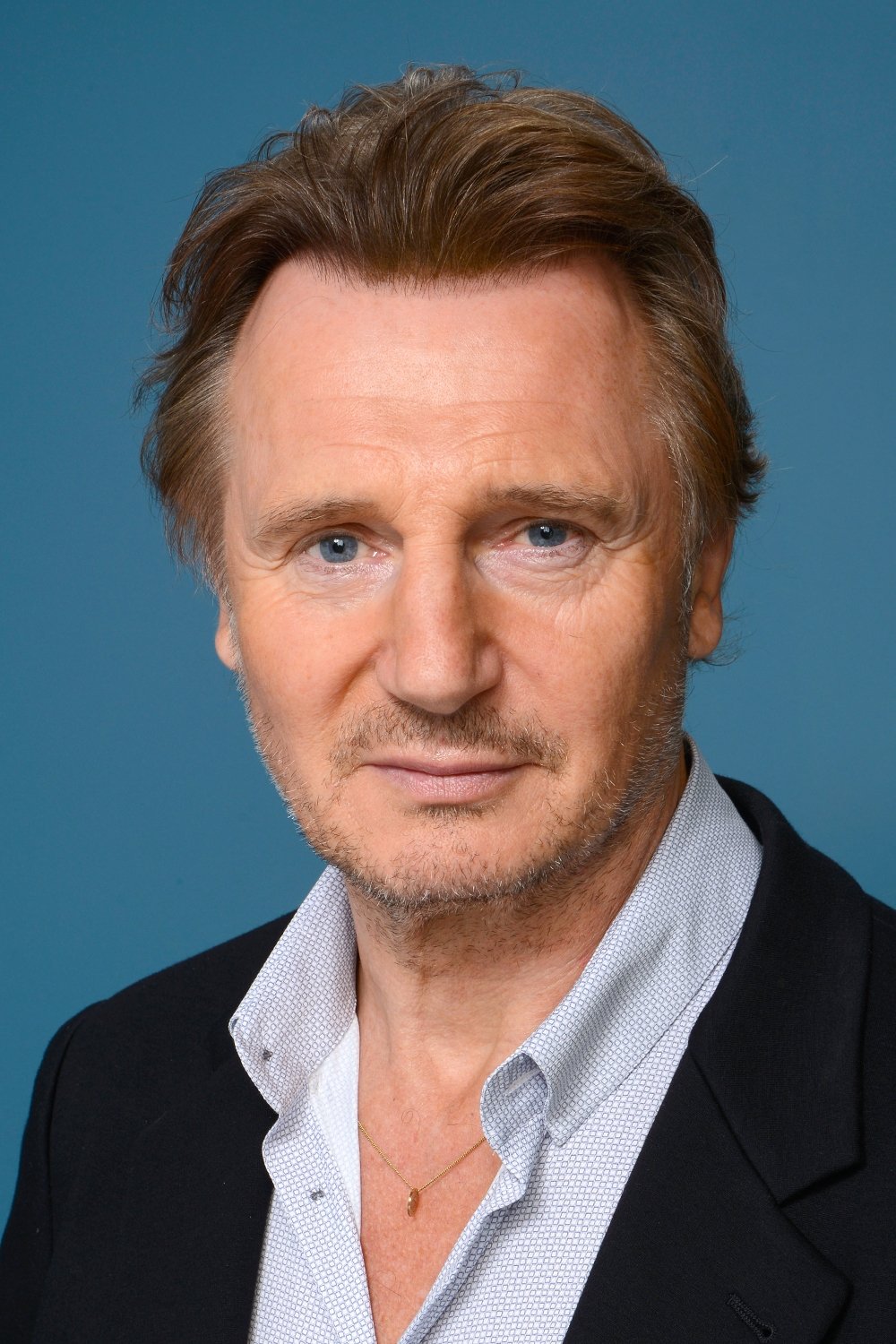
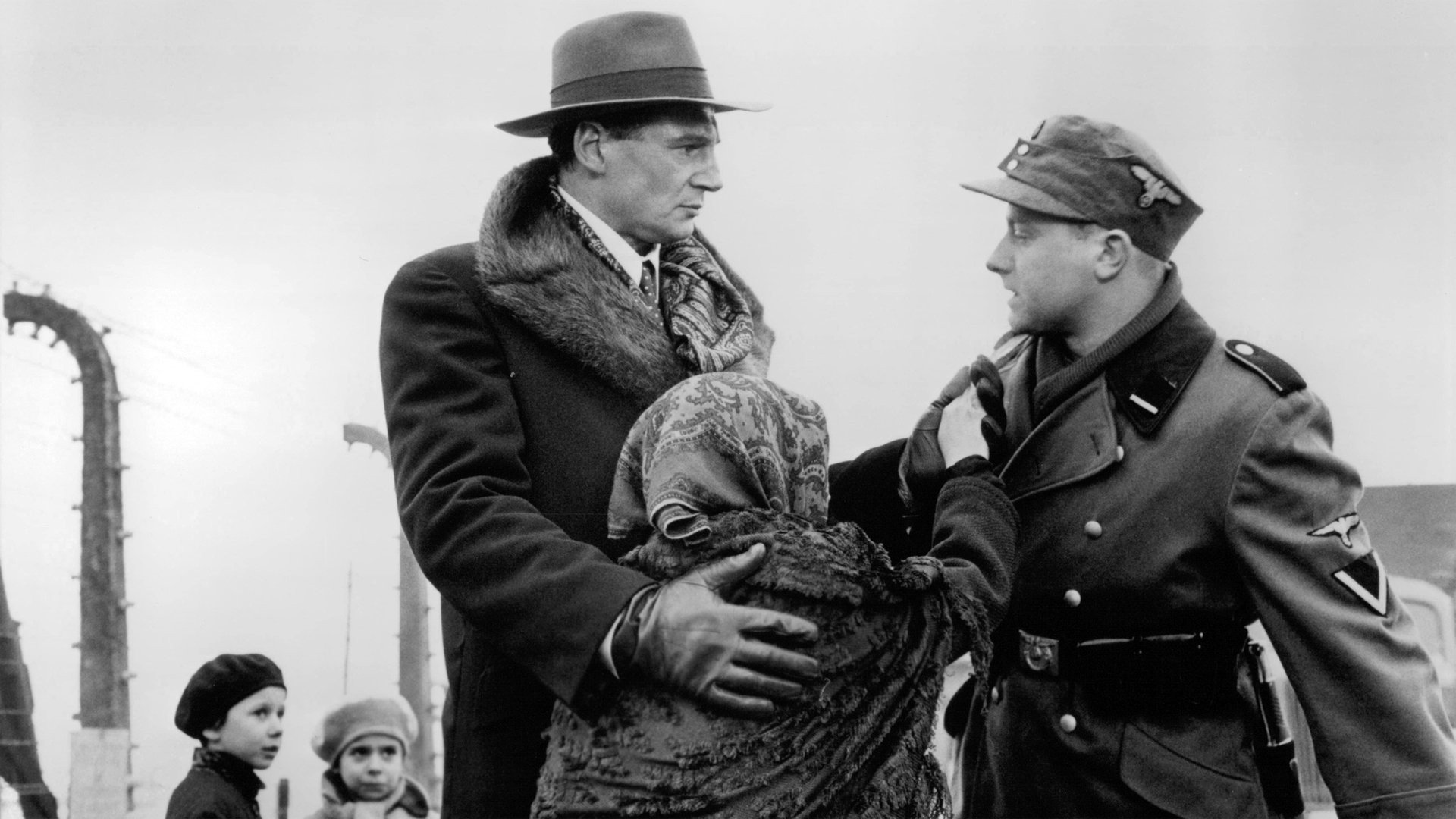
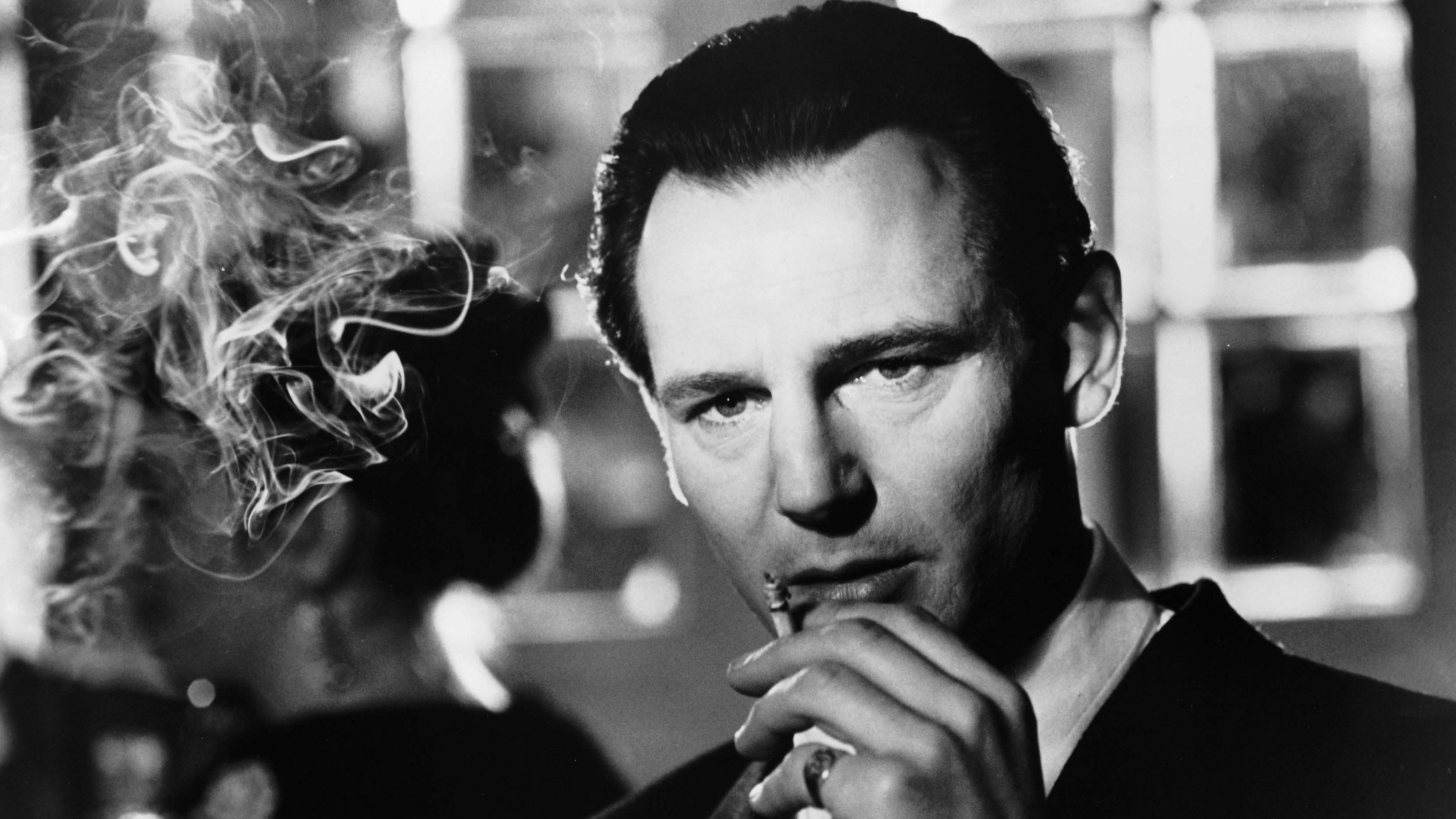
Schindler’s List is a film we would recommend even to someone who rarely chooses historical drama. Steven Spielberg makes the Holocaust difficult to watch without making the people within it difficult to follow, and that clarity is a considerable achievement. The risk is that Oskar Schindler’s moral choices will make an immense history seem manageable, with one recognisable leading man to guide us through it. Spielberg does not avoid that risk entirely, but he earns our attention through Liam Neeson’s performance.
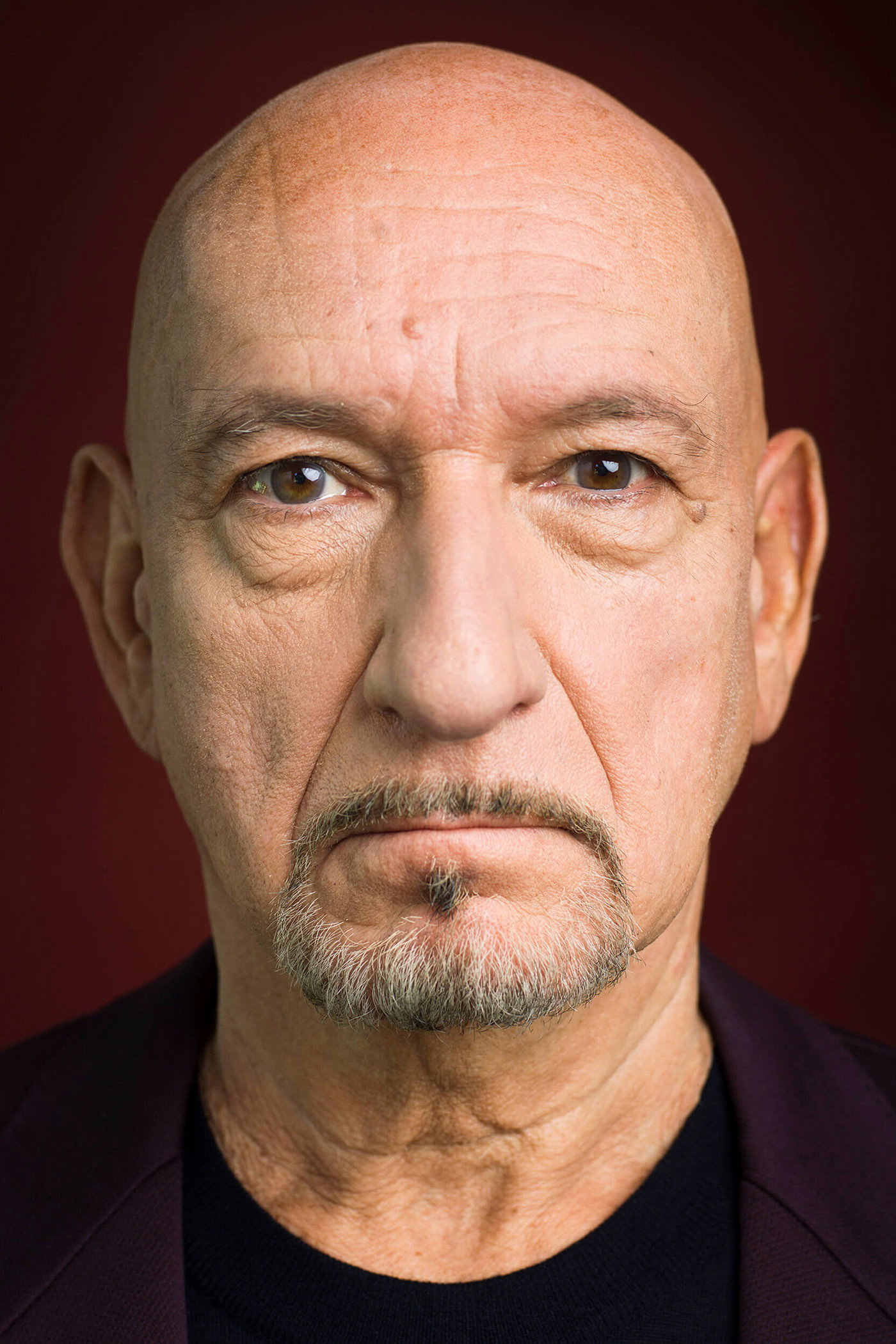
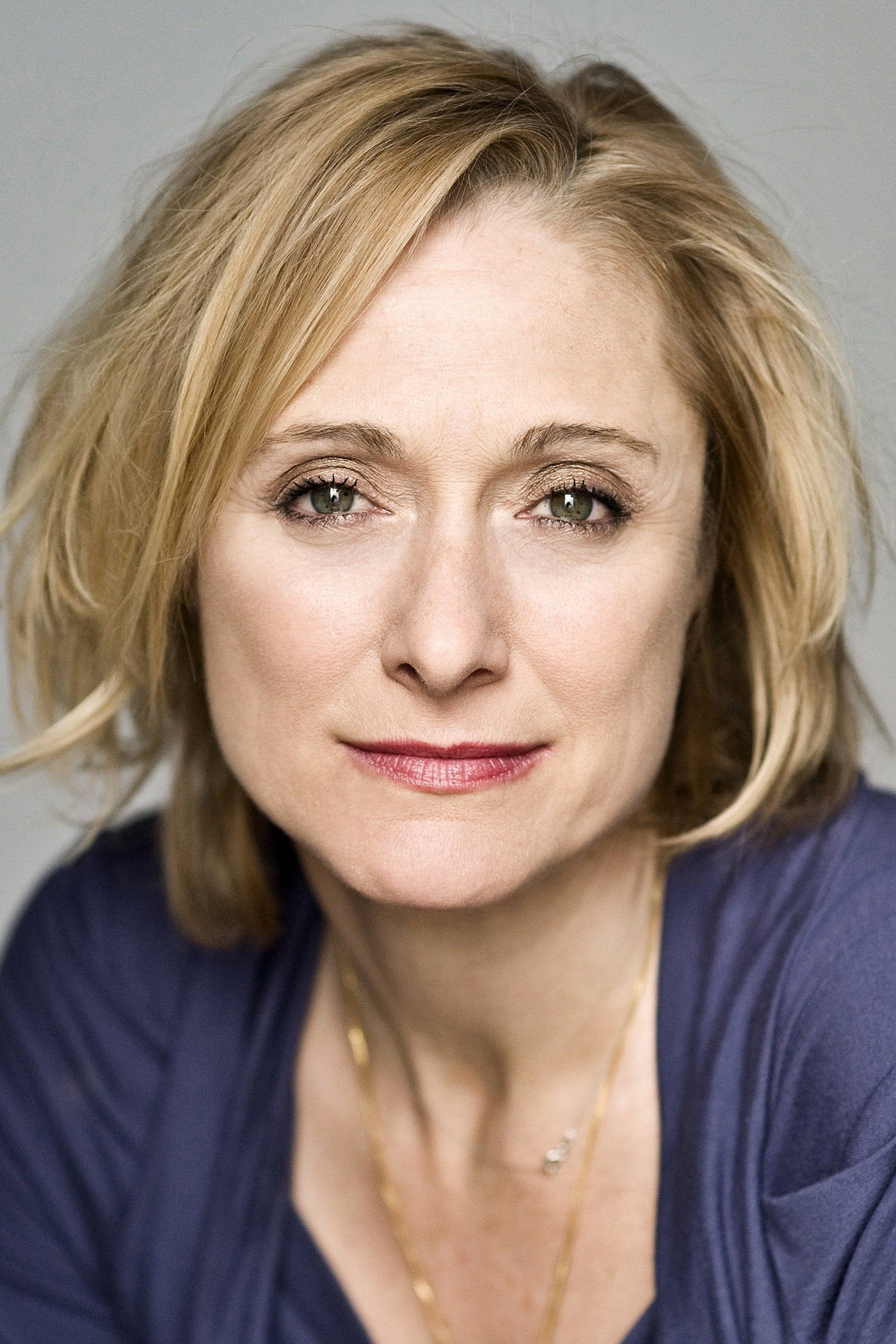
Neeson holds our attention with the assurance of someone accustomed to being listened to. That confidence is useful to the film because we can understand Schindler’s appeal while remaining uncertain about his choices. Ben Kingsley’s Itzhak Stern makes us watch the quieter face beside him, and the difference in their performances gives Steven Zaillian’s screenplay much of its force. Adapting Thomas Keneally’s novel, Zaillian leaves these men enough complexity for the actors to work with.
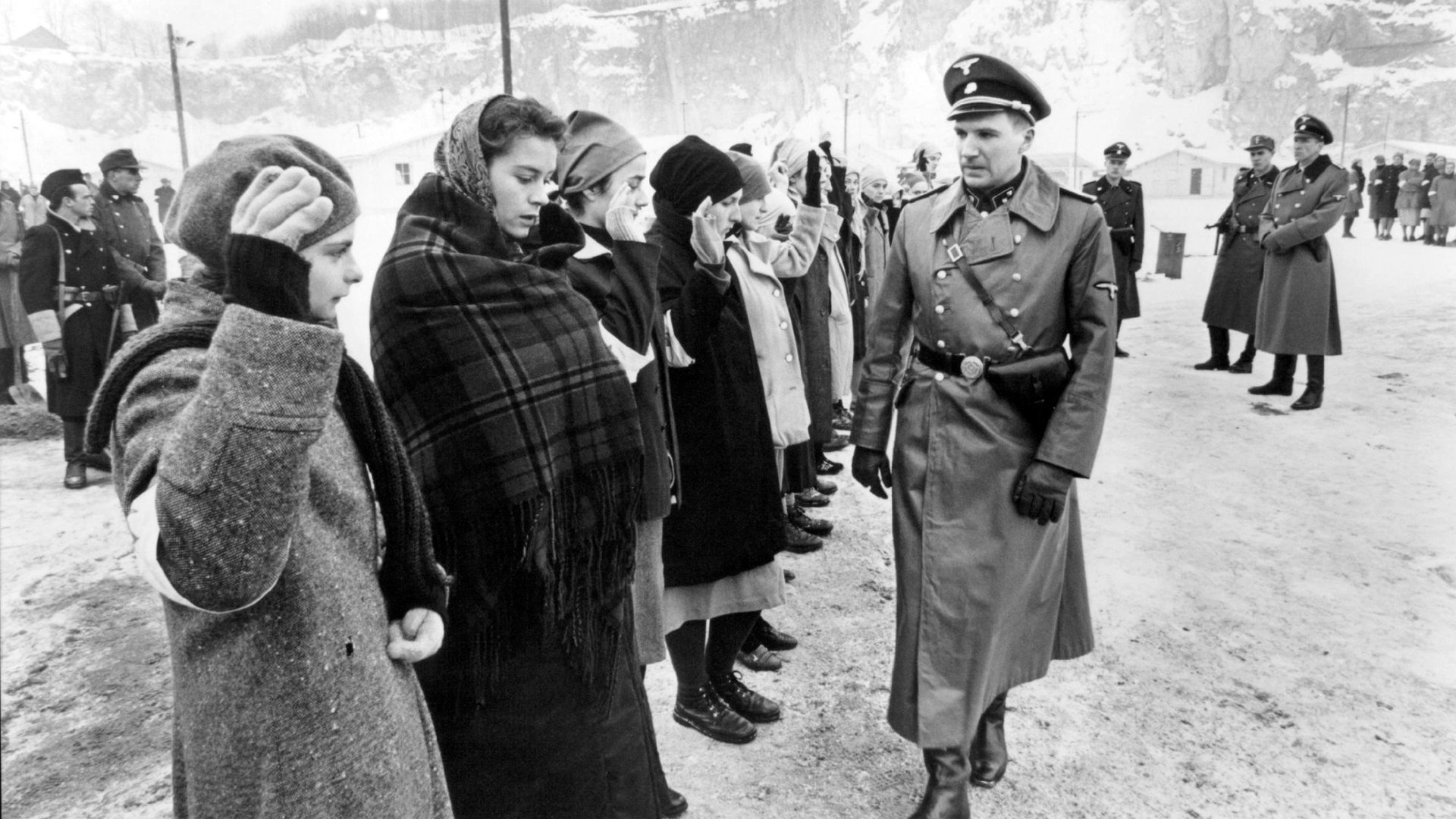
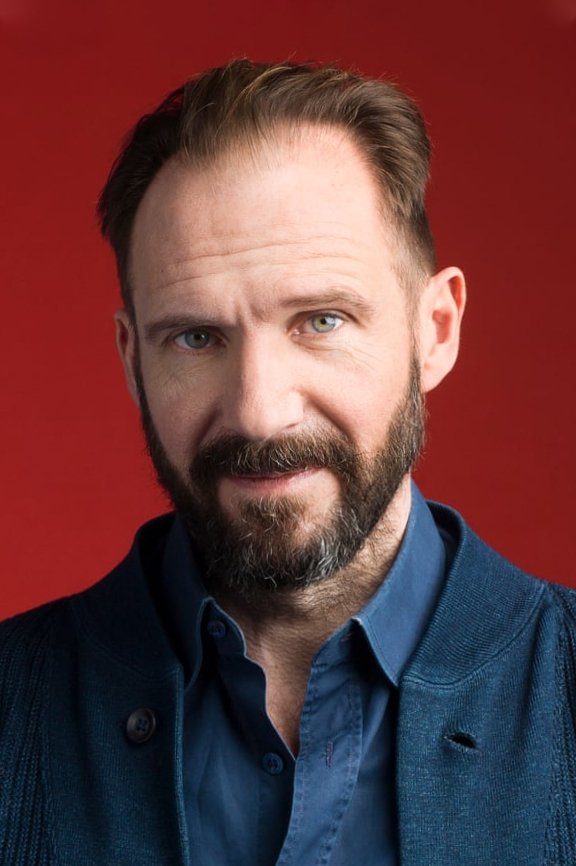
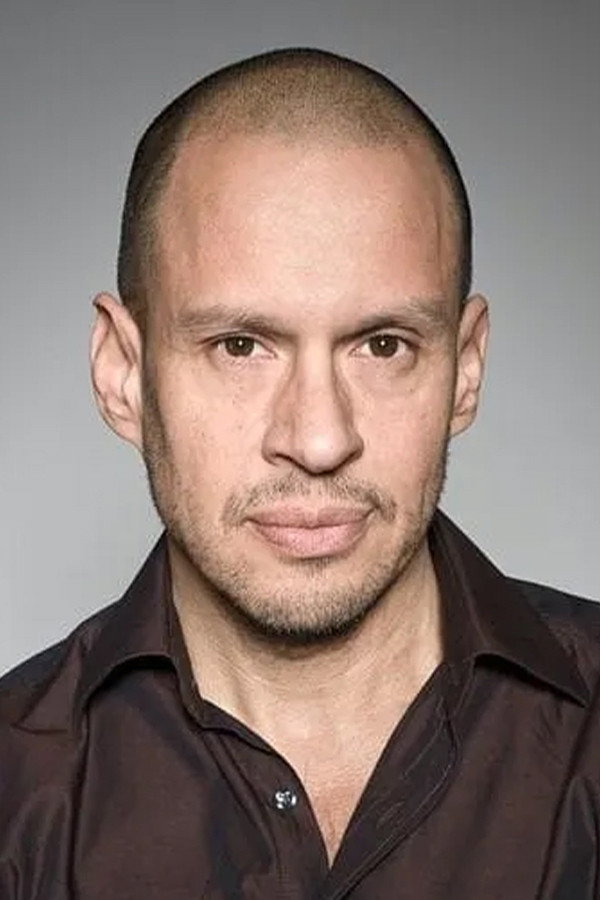
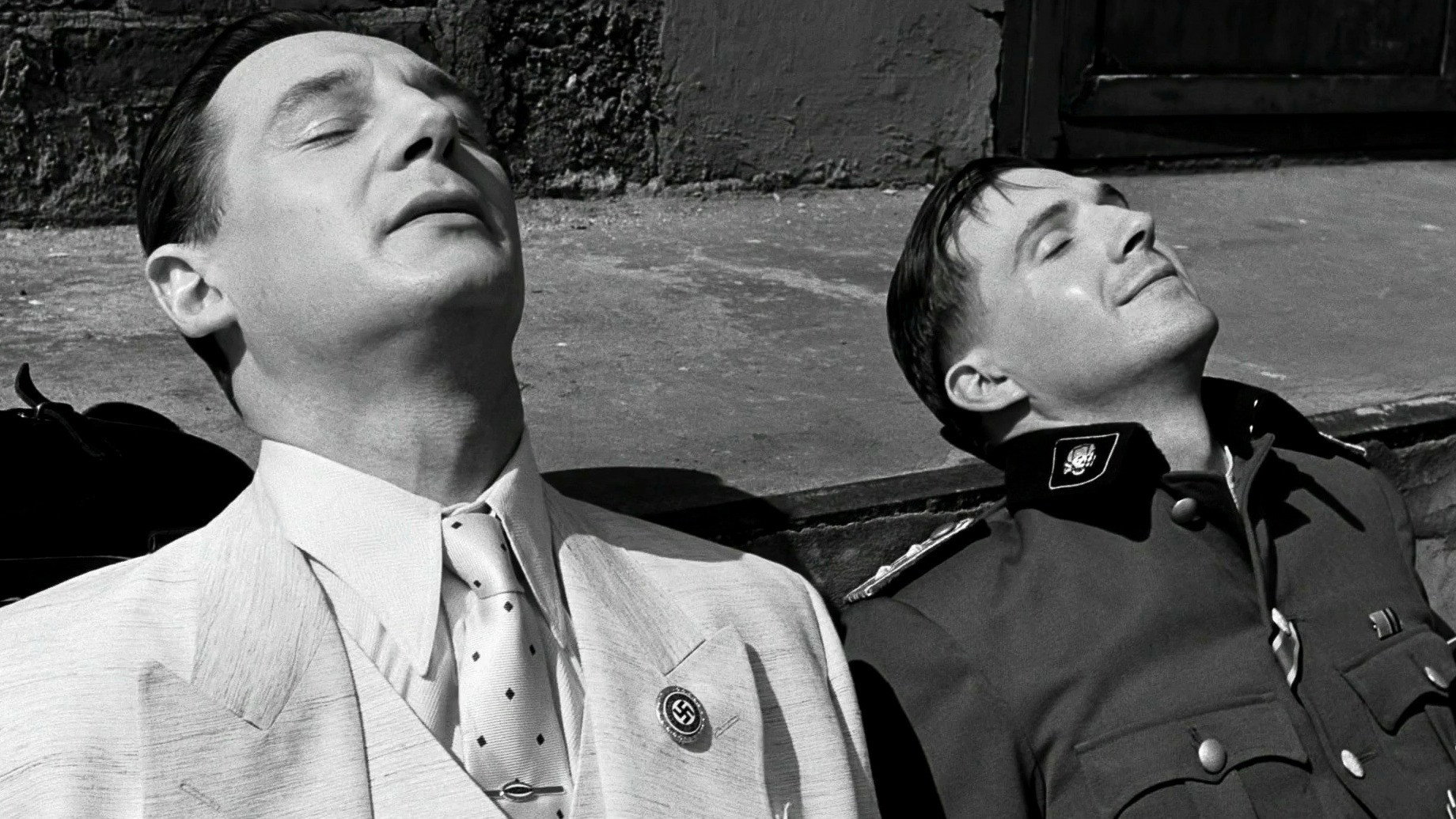
Ralph Fiennes’s Amon Goeth is the performance that frightened us. Fiennes makes the cruelty seem so unforced that we found ourselves wishing for the relief of an obviously theatrical villain. There is no comfort in watching someone behave as though other people’s fear scarcely requires his attention. Spielberg’s restraint is most effective here: he lets Fiennes make Goeth horrible without allowing the performance to become an entertaining display of wickedness.
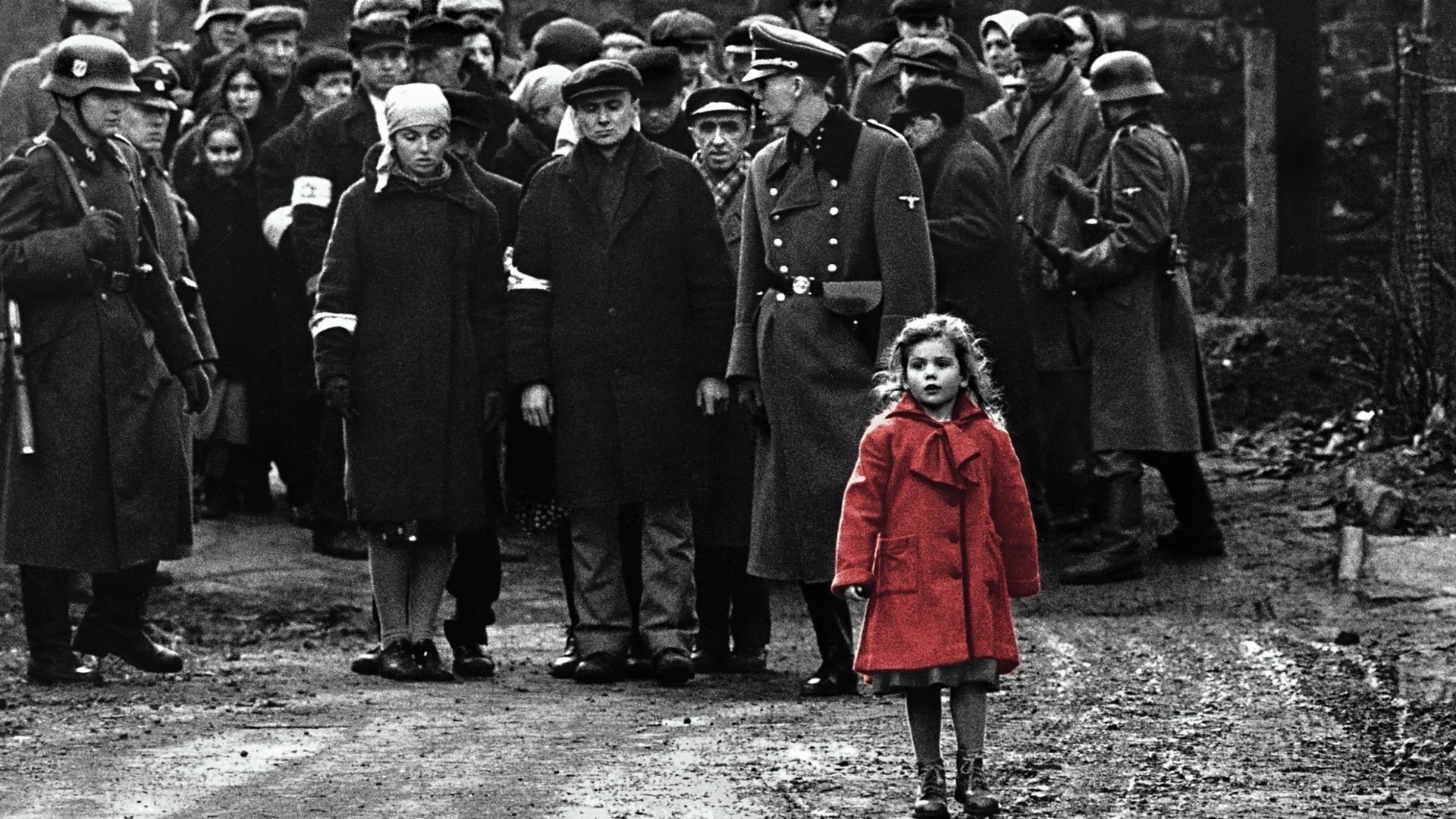
Janusz Kamiński’s black-and-white photography is crucial to that restraint, though it is never merely dutiful. The contrast between hard light and deep shadow keeps us looking closely at faces, even when the images themselves command attention. Allan Starski’s production design helps by keeping the surroundings convincing without letting them compete for our admiration. We rarely find ourselves inspecting the setting at the expense of the person in it.
Michael Kahn’s editing makes the 195 minutes feel considered, and we would not shorten the film merely to make an easier evening of it. The performances have time to register, while the larger story remains clear. We can attend to Kingsley’s reserve and Neeson’s greater ease without feeling hurried towards the next point the screenplay wants to make. This patience is a large part of the film’s force, allowing us to spend time with people whose predicament cannot be made comfortable.
The reservation concerns Spielberg’s occasional need to make the emotion unmistakable. John Williams’s music is affecting, but at times its insistence makes us conscious of being prompted when the performances have already done enough. This is where the film comes closest to the solemnity it otherwise handles so well, and where greater restraint would have been more moving. The objection matters because the quieter passages have shown how much Spielberg can achieve by giving an actor time and leaving the audience to respond.
Historical dramas often provide a reassuring distance simply by looking finished and well behaved. Spielberg’s film repeatedly breaks through that distance, and the care taken over its making does not protect us from what it shows. It is demanding viewing, including for anyone who already knows the history, and its length requires a commitment we think it repays. Give it an uninterrupted evening, and do not plan on light conversation afterwards.