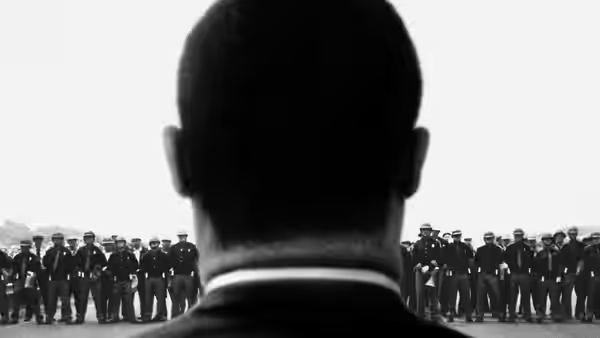
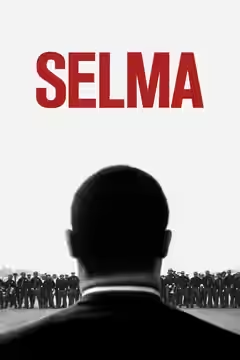
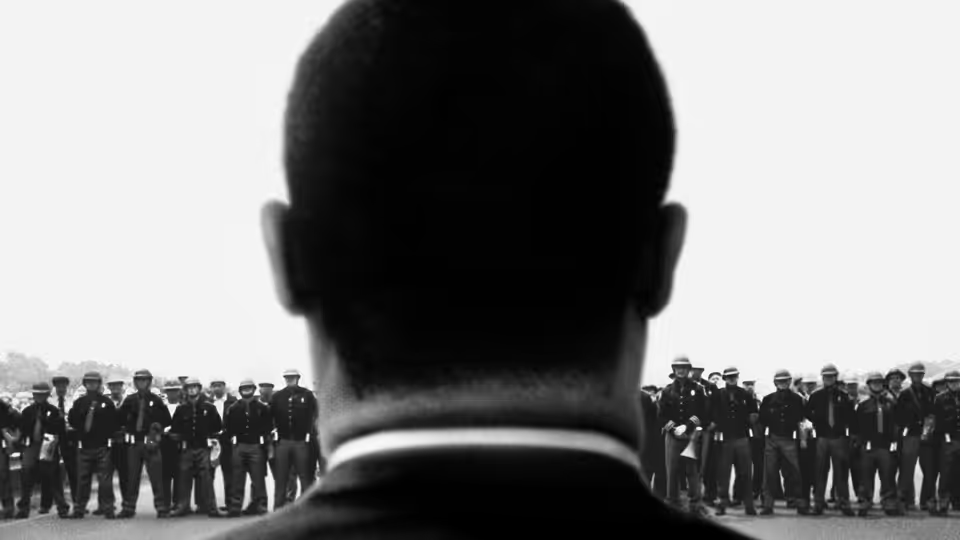
Man facing rows of helmeted police officers standing in formation on pavement
Film review

Selma

2014 · Directed by Ava DuVernay · 2h 08m

In a sentenceEven with Martin Luther King doing the asking, getting a politician to commit remains a full-time job

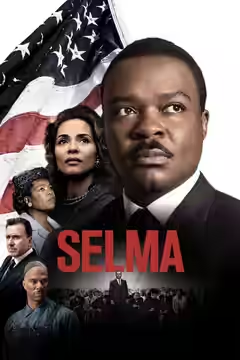
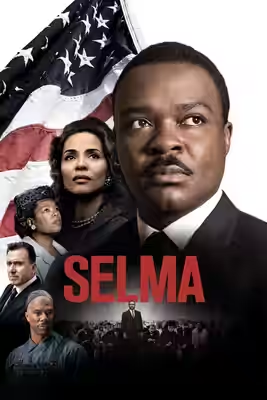
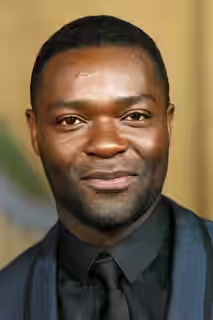
In 1965, Dr Martin Luther King Jr focuses his civil-rights campaigning on voting rights and the marches in Selma. David Oyelowo plays King as he works with fellow activists, weighs the risks of non-violent protest and presses President Lyndon B. Johnson, played by Tom Wilkinson, to act. Carmen Ejogo plays Coretta Scott King, whose relationship with her husband is part of the pressure surrounding the campaign. Ava DuVernay directs a drama that follows the organising and political negotiations behind the public speeches, with Tim Roth as Governor George Wallace and Stephan James as John Lewis.

Plays from YouTube when you press play; nothing loads from them until then.

Fi1m review

Ava DuVernay’s Selma makes political organising gripping and gives David Oyelowo room to find the strain beneath King’s authority. Some exchanges sound too prepared, but the film earns its anger and much of its hope.

Selma is a persuasive, often moving political drama, most interesting when people disagree about what to do next. Ava DuVernay concentrates on King’s 1965 voting-rights campaign, giving the organising and negotiation the attention usually reserved for the public address. Paul Webb and DuVernay’s screenplay understands how much a leader has to calculate before asking anyone else to take a risk. The arguments among activists and the negotiations with political leaders are given space to develop.

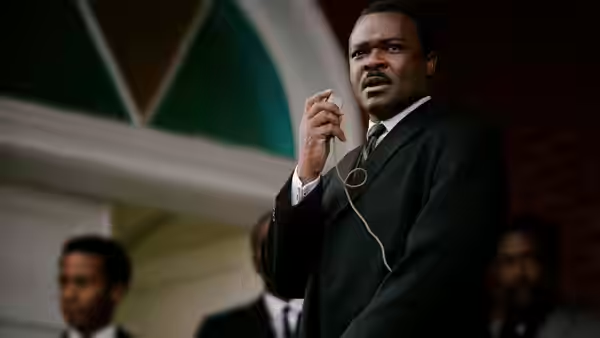
David Oyelowo makes that responsibility readable without turning every quiet moment into a demonstration of suffering. He lets King listen, consider an objection and choose how firmly to answer it. The speeches are forceful, as they need to be, yet the private conversations make the greater claim on our attention. The confidence takes effort, and Oyelowo lets enough of that effort show to suggest what constant demands from other people might cost.

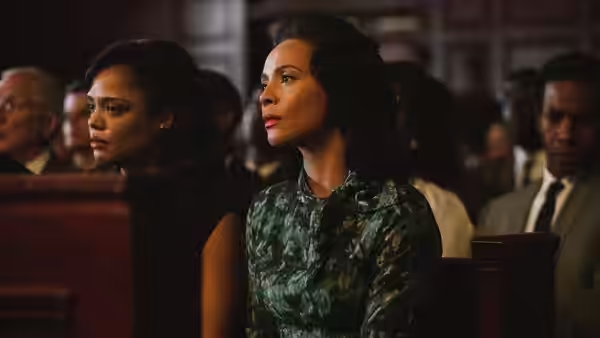
Carmen Ejogo gives Coretta Scott King an independence that stops the domestic scenes becoming mere reassurance about the man at their centre. We were moved by the quieter exchanges between Ejogo and Oyelowo, because her reserve makes his public confidence feel less certain. DuVernay is good at keeping other people present even when King is doing the talking. The campaign has the friction and affection of people who have spent time together, and that makes its disagreements worth following.

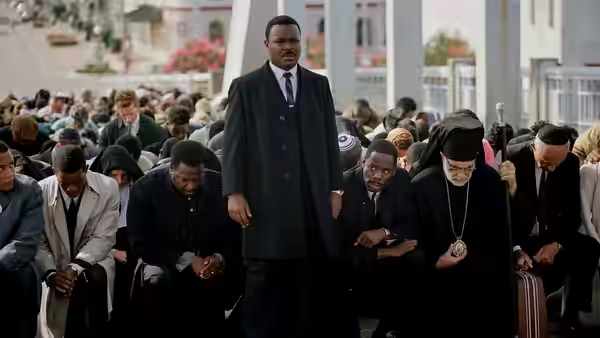
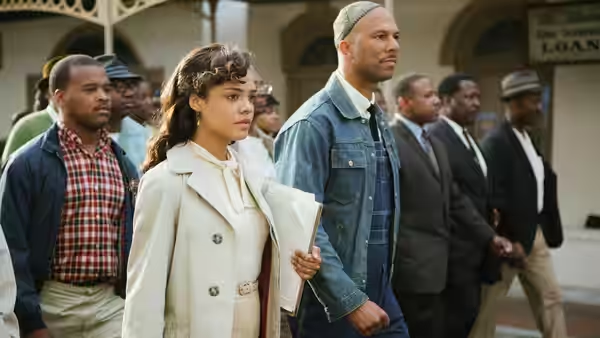
Bradford Young gives the outdoor crowds a hard, sunlit clarity, which makes their exposure to violence difficult to watch. We were horrified by the brutality against people gathered to protest; the force used against them feels sickeningly disproportionate. Mark Friedberg’s production design is most persuasive in the rooms used for political discussion, where the surroundings never compete with the actors. Those scenes need little decoration to hold our attention.

The weaker passages come when Webb and DuVernay let a conversation sound as though everyone has already prepared a speech. Tom Wilkinson’s President Lyndon B. Johnson is too conveniently obstructive in places, while Tim Roth’s Governor George Wallace has little space to be anything else. Both performances give the resistance force, but the writing makes these men easier to categorise than the activists. A film so interested in the mechanics of persuasion could have trusted us with less tidy opponents.

Spencer Averick’s editing gives the strategy discussions time to develop, and we can follow the pressure being applied from one exchange to another. The movement into crowd action is occasionally too brisk, shortening our sense of what it takes to gather people and keep them together. Jason Moran’s score supports the film’s gravity, though at points its insistence adds feeling the performances have already supplied. These are lapses in emphasis, and they seldom break our concentration.

The familiar danger of this kind of historical drama is that foreknowledge makes every choice look inevitable. DuVernay keeps enough uncertainty in the conversations to make us attend to decisions instead of waiting for the next famous speech. At 128 minutes, the film has time for discussion, and it mostly uses that time well. See it for Oyelowo, but give the arguments around him as much attention as the oratory.
Critical consensus AI synthesised

81
Positive
19
Mixed
2
Negative
0

Most critics respond warmly to Selma, praising its focus on the practical work behind the marches: negotiations, strategy and difficult personal relationships. David Oyelowo’s King draws the strongest agreement, with reviews finding both authority in his speeches and vulnerability in quieter scenes. DuVernay’s direction is widely credited with avoiding the usual cradle-to-grave biography and giving the movement’s violence, solidarity and political decisions a force that reaches beyond historical reconstruction.

The reservations concern pace, speechifying and how fully the supporting figures are drawn. The spread runs from strong enthusiasm to mixed responses, though even qualified reviews usually praise Oyelowo. Film Comment questions the psychological depth others admire and finds supporting characters reductive; the Evening Standard finds the film pompous despite its lead performance. Eye for Film is an unusual dissent on Oyelowo himself, judging him dull and the pacing slack. The disagreement is sharper over the drama’s restraint than its subject’s importance.

Little White Lies
5 February 2015 · 4/5/5 · David Jenkins
100

Selma is a vital, sophisticated and unsentimental drama that frames racial violence as an ongoing historical issue. It excels through David Oyelowo’s revelatory performance as King and avoids biopic conventions.

Read the full review →
Time Out
13 January 2015 · ★★★★★ · Joshua Rothkopf
100

The film works brilliantly as both expert historical re-creation and a powerful reflection of ongoing racism. DuVernay creates a lived-in state of unrest with complex performances and psychological depth.

Read the full review →
Empire
19 January 2015 · Chris Hewitt
85*

The critic calls it a deeply affecting and inspirational movie despite flaws, anchored by Oyelowo's awards-worthy performance. It singles out DuVernay's skill with actors and the powerful depiction of King's oratory and quieter moments.

Read the full review →
Radio Times
★★★★ · Andrew Collins
80

DuVernay’s history lesson focuses tightly on the 1965 marches and avoids biopic pitfalls with a career-defining Oyelowo performance. The sense of righteous anger is palpable despite some panto elements.

Read the full review →
The Independent
5 February 2015
80*

The critic praises the film as a forceful historical drama with modern resonance that focuses on King's Selma campaign and its political intricacies. It singles out the vivid crowd scenes and backroom discussions for their energy and emotional impact.

Read the full review →
Total Film
2 February 2015 · James Mottram
80*

The review hails the film as a powerful achievement and hugely impressive directorial effort from DuVernay. It singles out Oyelowo's commanding lead performance and the vivid handling of tension and trauma scenes for particular praise.

Read the full review →

Straight answers AI written, from our review

Is Selma worth watching?
Selma is worth watching for anyone who wants a political drama built on argument rather than oratory, and we scored it 84. David Oyelowo lets the strain beneath King's authority show, and the negotiations and disagreements among activists are the film's strongest passages. Some exchanges sound too prepared, and the opponents are drawn more tidily than the activists.
How long is Selma, and what is it rated?
Selma runs 2h 08m. It is a history and drama film.
Where can I watch Selma in Poland?
Selma is not on any streaming or rental service in Poland at the moment. It is available in 24 other countries; change your country at the top of the page to see where. Availability is checked daily.
How violent or frightening is Selma, and is it suitable for children?
Selma carries a UK 12 certificate and shows the brutality used against peaceful protesters plainly enough that we found it hard to watch. There is no gratuitous gore, but the violence against gathered crowds is sickening in its disproportion, and younger children would find it distressing. Teenagers should manage it, and the film's arguments will reward them.
How does Selma compare to The Battle of Algiers?
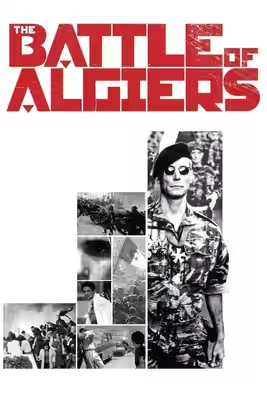
Selma is the warmer and more talkative of the two, spending its time in rooms where people argue about what to do next, while The Battle of Algiers is harsher and stays closer to the crowd. Pontecorvo's documentary style makes the violence feel nearer, and his crowds never look like scenery. Choose Selma for the people, the earlier film for the campaign.
What should I watch after Selma?
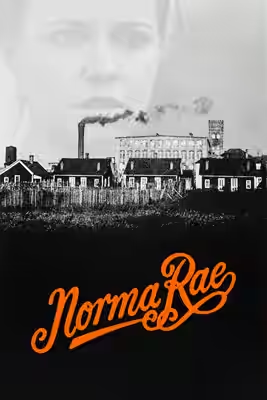
After Selma, try The Battle of Algiers (1966, Fi1m 93): A harsher account of organised resistance, with crowds that never feel like scenery. Then Norma Rae (1979, Fi1m 82): For the patient, exhausting work of persuading people to stand together; and No (2012, Fi1m 91): Another political campaign where strategy matters, and persuasion brings uncomfortable compromises.

Cast

Awards

Academy Awards, 2015

Nominated
Best Picture

If you liked this, try…

  1. The Battle of Algiers (1966, Fi1m 93)A harsher account of organised resistance, with crowds that never feel like scenery.

  2. Norma Rae (1979, Fi1m 82)For the patient, exhausting work of persuading people to stand together.

  3. No (2012, Fi1m 91)Another political campaign where strategy matters, and persuasion brings uncomfortable compromises.

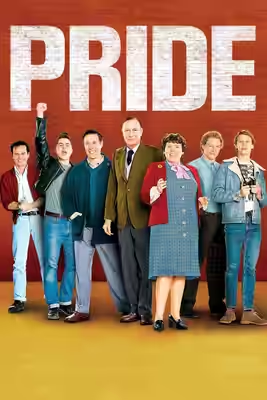
  4. Pride (2014, Fi1m 82)Collective action with more laughter, and a similar interest in difficult alliances.

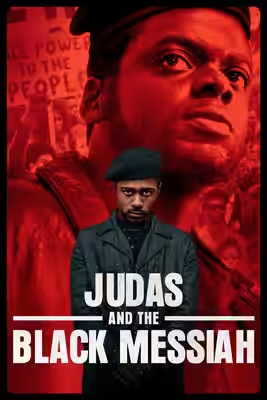
  5. Judas and the Black Messiah (2021, Fi1m 80)A more fearful portrait of leadership, solidarity and the dangers surrounding political organising.

Free account

Know what to watch tonight

Two lists that know where things are streaming, collections you can share, your own score beside ours, and Discover that remembers what you have seen.

  • Want to see, sorted by what is streaming now
  • Seen, with your score out of ten
  • No adverts, ever