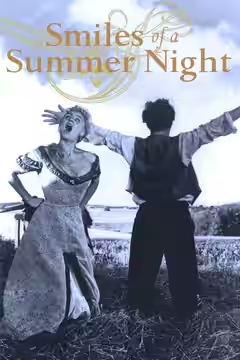
Ingmar Bergman’s romantic comedy is warm, sharply acted and occasionally too elaborate for its own good. Eva Dahlbeck and Harriet Andersson are particular pleasures in an ensemble that makes room for affection as well as foolishness.
Ingmar Bergman’s Smiles of a Summer Night is a warm, funny romantic comedy with a weakness for making things more elaborate than they need to be. We recommend it, especially for the actors, who make clever dialogue sound like something people might actually enjoy saying. There is considerable polish here, but little pressure to admire everyone for being sophisticated. The film lets us enjoy their foolishness without requiring us to think ourselves superior.
Eva Dahlbeck gives Desirée Armfeldt the composure this comedy needs. She can make a response seem considered without letting us catch her preparing it, and her assurance gives the other performances something to work against. Gunnar Björnstrand makes Fredrik Egerman’s dignity amusing while preserving enough of it for us to care about his discomfort. Together they establish how much can be done without pressing a joke, and how much fun there is in watching capable actors decline to hurry.
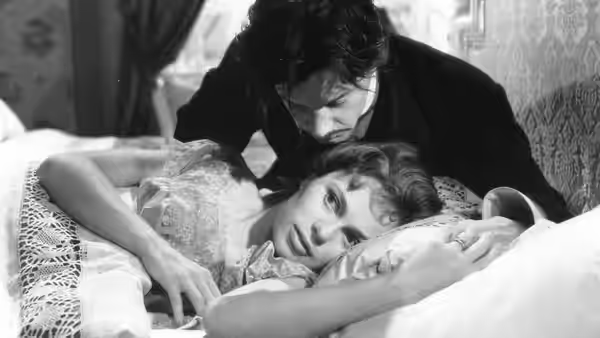
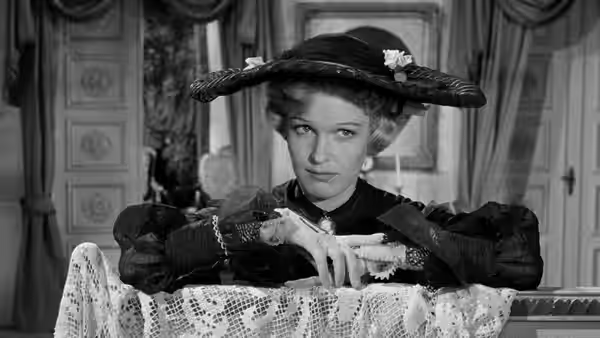
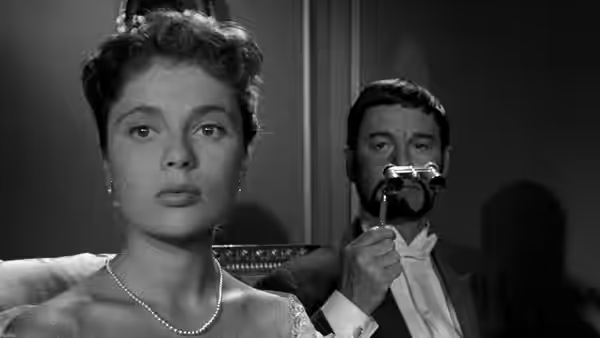
Ulla Jacobsson brings an alertness to Anne Egerman that keeps the performance from becoming merely decorative. Margit Carlqvist gives Countess Charlotte Malcolm’s humour a welcome bite; we believe there is some knowledge behind the amusement. Jarl Kulle is broader as Count Carl Magnus Malcolm, but the extra emphasis belongs in this company. The performances differ enough in force and manner that the ensemble never settles into a procession of people demonstrating the same kind of cleverness.
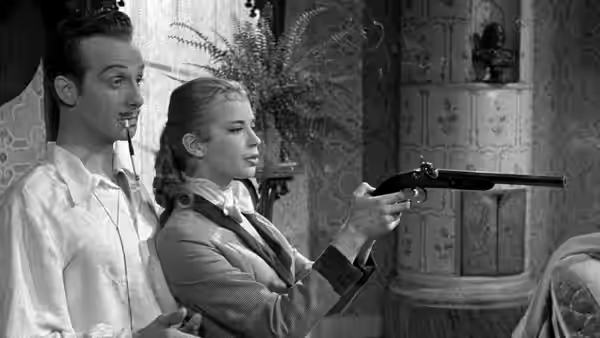
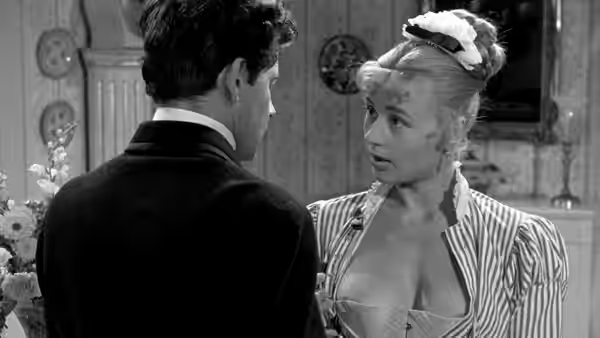
We laughed at Petra and Frid, then felt unexpectedly fond of them. Harriet Andersson and Åke Fridell make their exuberance so unembarrassed that the surrounding formality briefly seems unnecessary. These passages have a physical ease that the more polished exchanges cannot quite supply, and the film benefits from allowing both kinds of comedy their space. Andersson is particularly good at making pleasure seem uncomplicated, without making the person enjoying it seem simple.
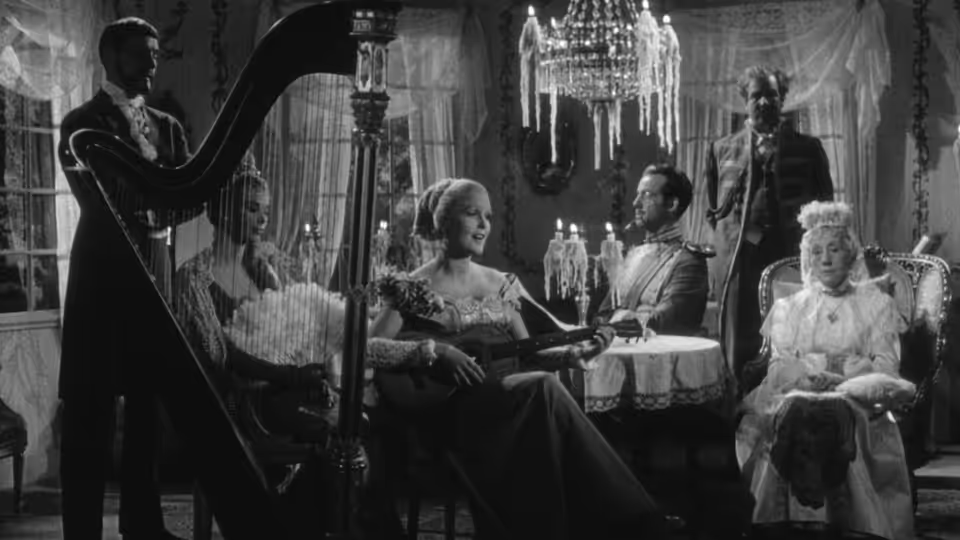
Gunnar Fischer’s photography rewards attention to faces, which matters when an actor’s response can carry so much of the humour. P.A. Lundgren’s ornate production design gives the company a suitably elaborate setting without reducing the performers to accessories. We enjoy the decorative richness, though the elegance occasionally begins to feel over-managed. The most appealing passages leave enough room for the actors to disturb all that composure, rather than merely maintain it.
Oscar Rosander’s editing is generous to the performances; occasionally we would have preferred a firmer cut. Ingmar Bergman’s screenplay can linger over an exchange after its cleverness has become more noticeable than its humour. Erik Nordgren’s music helps sustain the lightness, though the actors are quite capable of supplying it themselves. At 109 minutes, this is hardly an endurance test, but a little less ceremony would improve the pacing. It is a modest reservation about a film whose company we mostly enjoy keeping.
Romantic comedy becomes tiresome when everyone is required to be charming before we are allowed to care about them. Here the actors have room to be vain, foolish and entertainingly difficult, and the warmth survives those failings. That makes the affection persuasive without requiring the comedy to become solemn about it. Watch it with someone who enjoys a film taking its time over a good performance.