This N.W.A. biopic is worth seeing for its young cast, studio humour and forceful music. The business disputes drag, and the men receive a more forgiving hearing than the women.
Straight Outta Compton is a good music biopic with performances strong enough to carry its considerable evasions. The director makes the formation of N.W.A. feel exciting before asking us to regard it as history. The early stretch earns that excitement by putting the musicians in streets and studios, showing the hostility they meet and the pleasure they take in working together. It also has a sense of humour about getting started. The trouble comes when the film grows more protective of the people it is celebrating.
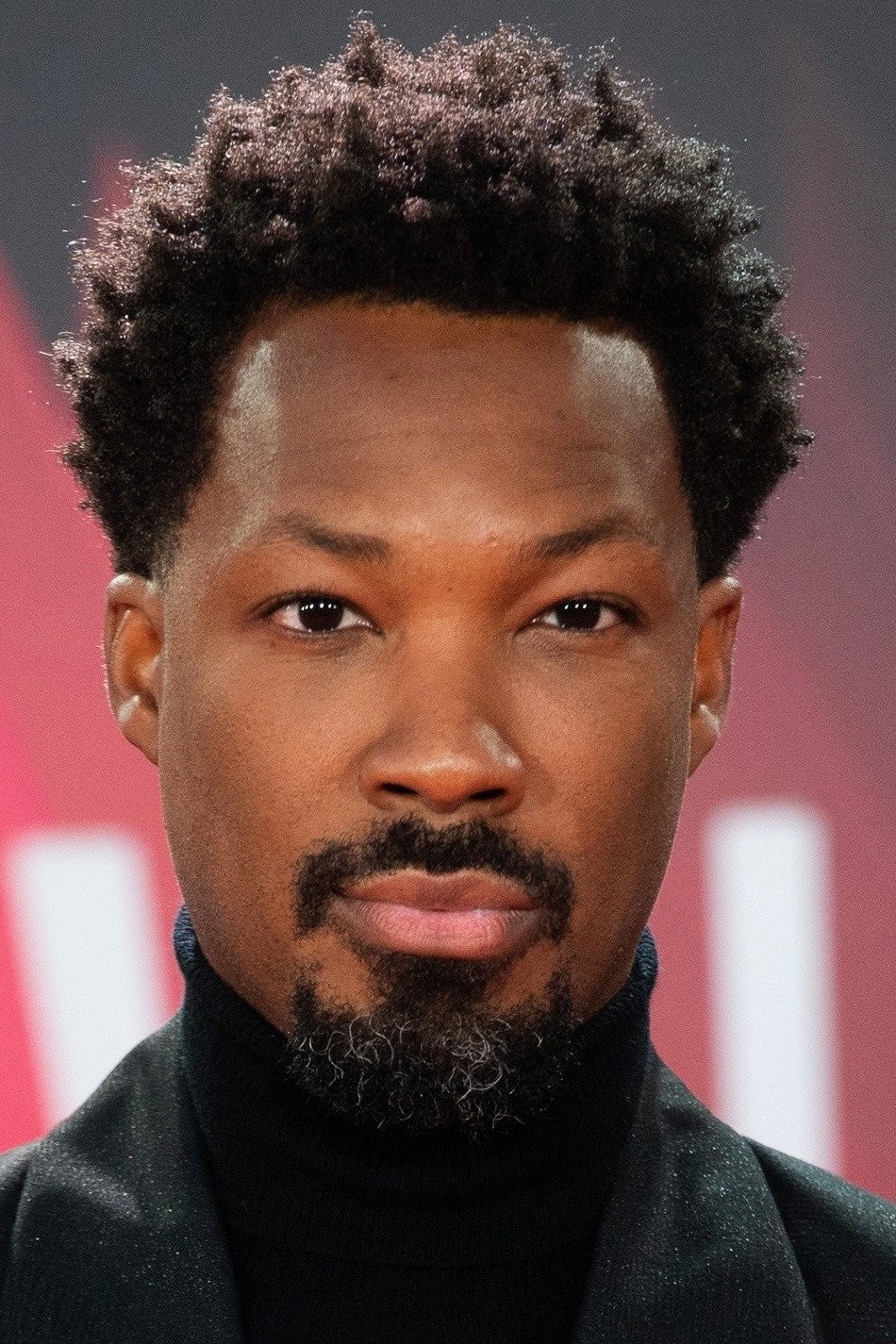
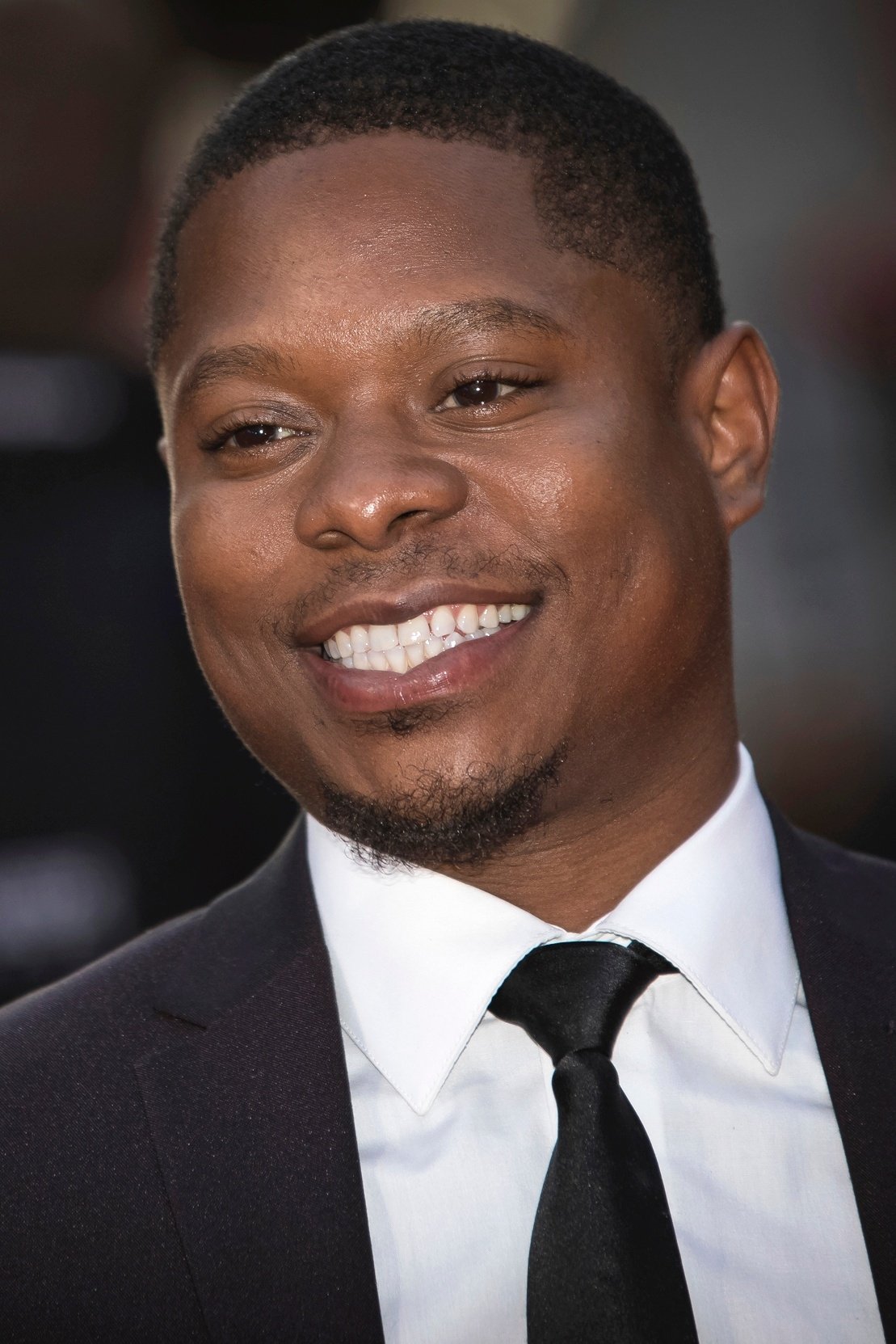
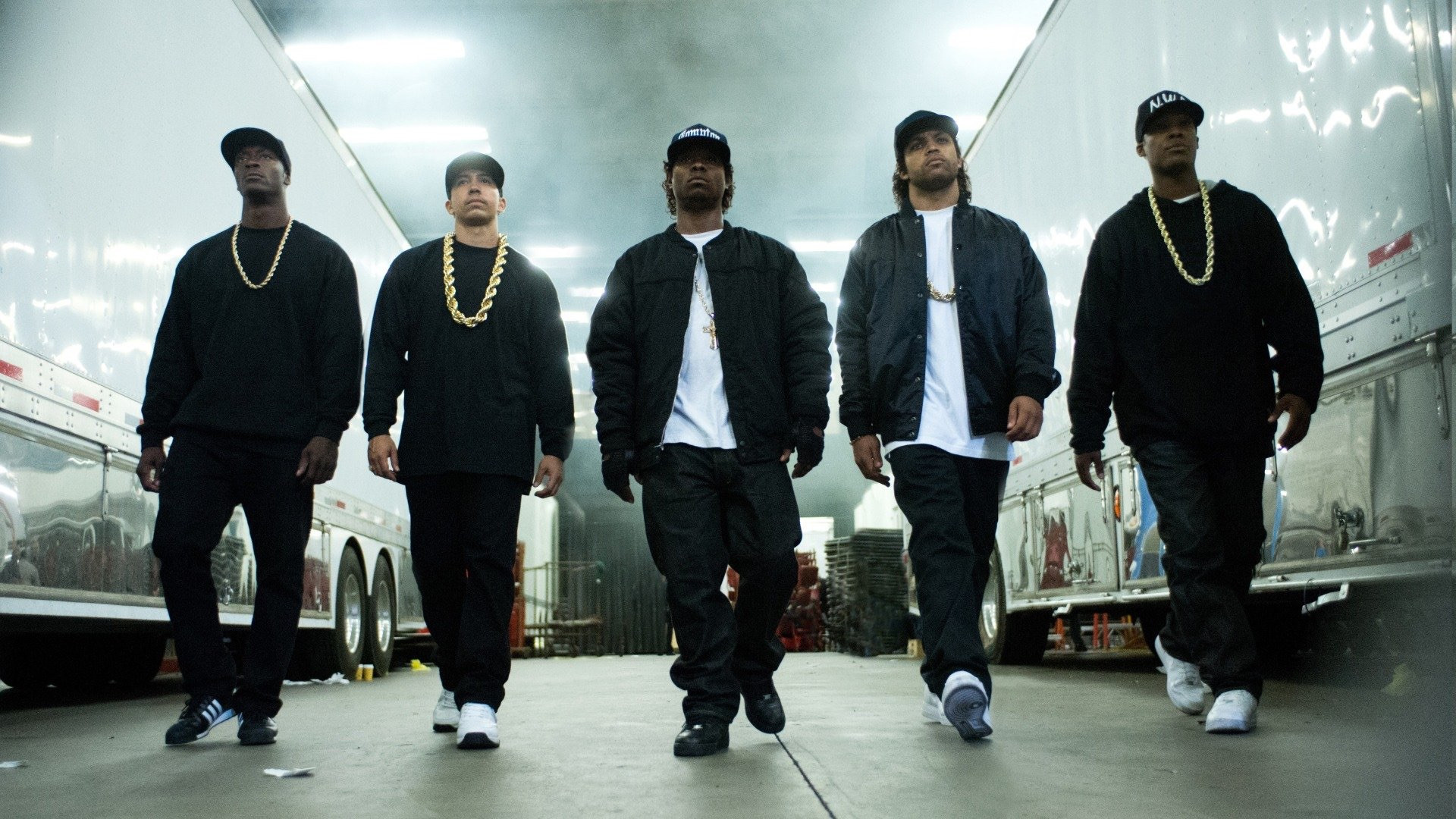
O’Shea Jackson Jr. gives Ice Cube a watchfulness that makes his anger convincing, while Corey Hawkins keeps Dr. Dre’s musical concentration from becoming solemn. Jason Mitchell is the most affecting of the three as Eazy-E, allowing uncertainty to sit alongside the swagger. Their exchanges in the studio make the group feel like people who enjoy one another’s company. Those scenes give the actors room to be funny without making the musicians seem foolish.
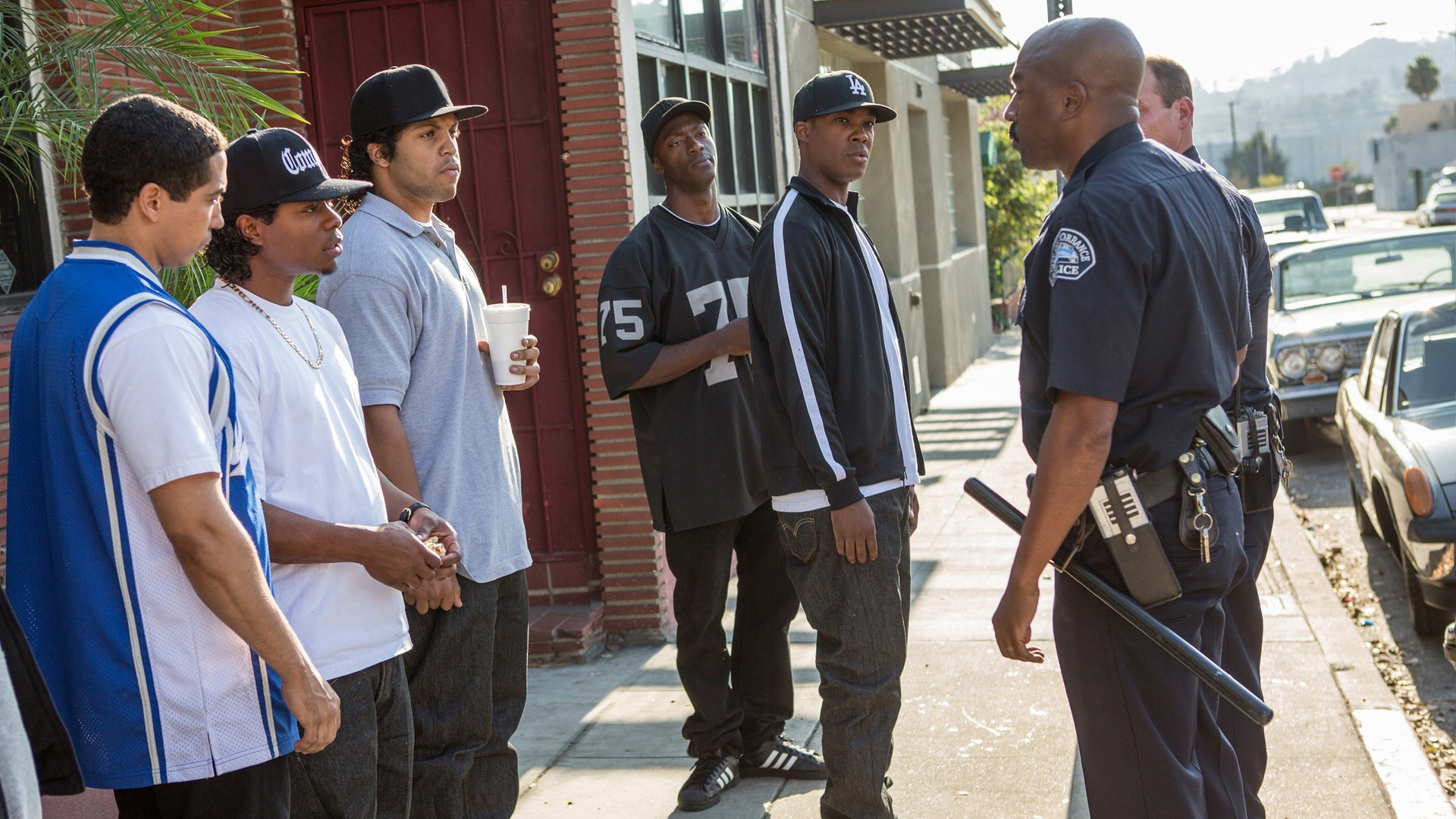
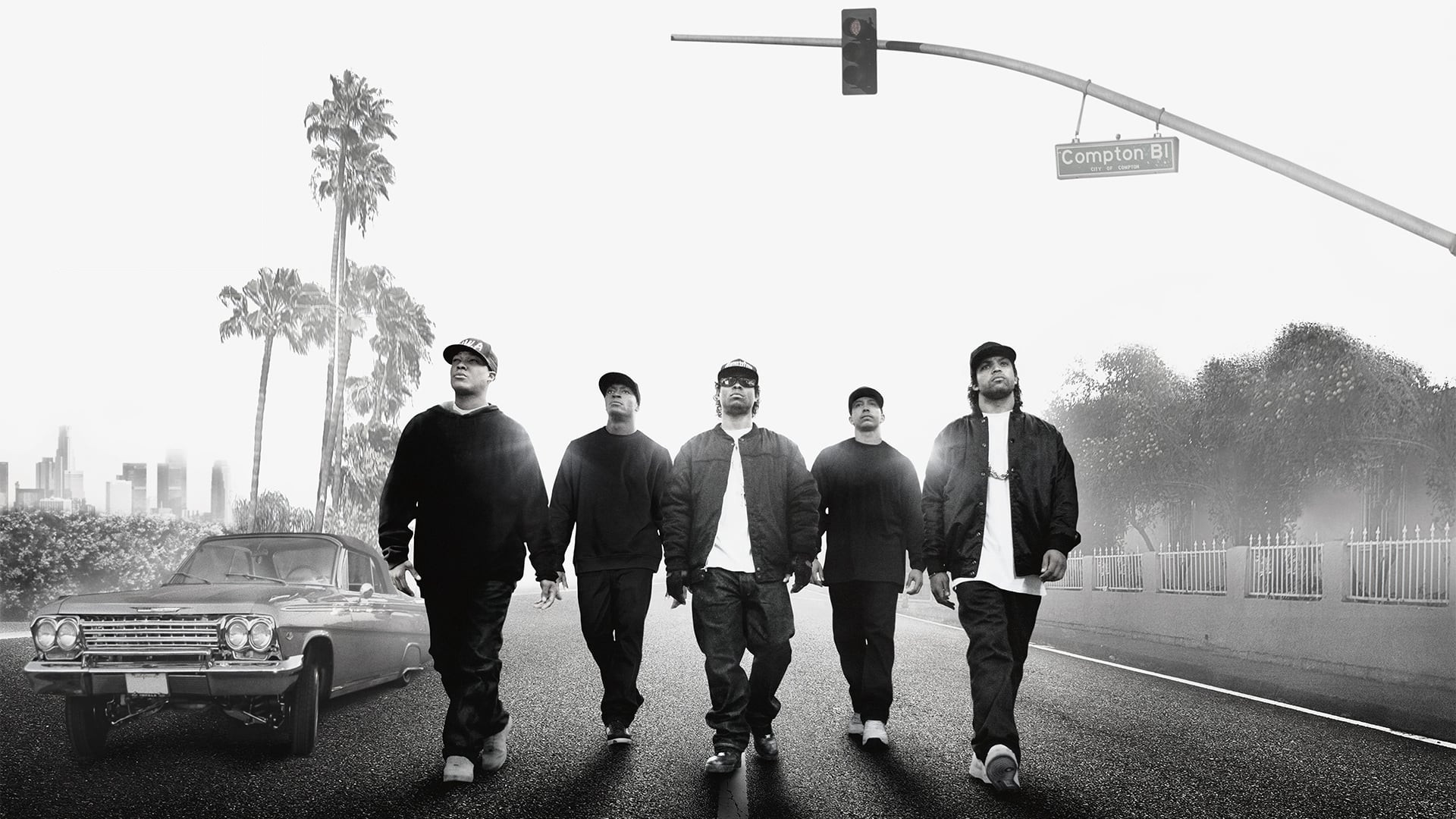
Matthew Libatique’s photography gives the early street scenes an action film’s urgency, and the threat in the police encounters makes that choice useful. We were angry watching those encounters: they give the hostility in the lyrics a cause we can see, rather than leaving it as a claim about the group’s reputation. Shane Valentino’s production design is most useful in the garage and recording spaces, where the surroundings keep our attention on people working together. The film keeps connecting what happens outside to what gets made in the studio.
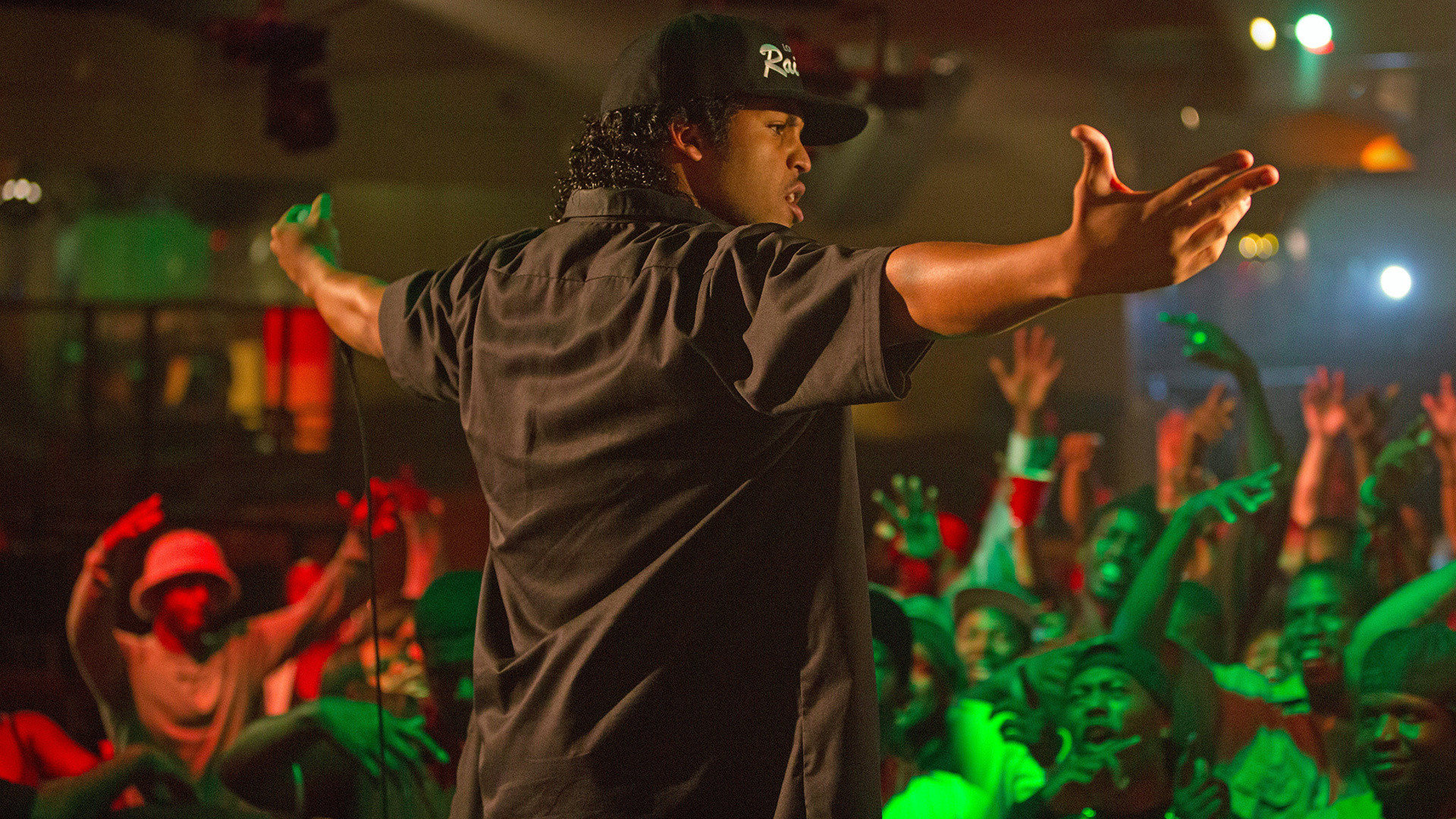
Editors Michael Tronick and Billy Fox keep the group’s early progress moving briskly, with the recording and performance sequences supplying much of the pleasure. The music is forceful enough to make the familiar rise-to-success story feel worth hearing again. Joseph Trapanese’s score is less persuasive when it adds emphasis to emotional scenes that already have enough from the actors. The director occasionally pushes those moments too hard. The performances are better when he leaves them alone.
The screenplay by Jonathan Herman and Andrea Berloff becomes less nimble once business disputes begin occupying more of its attention. The arguments about contracts have a place here, especially in a story about black artists dealing with the people who profit from their work. Too many make much the same point. Paul Giamatti brings welcome unease to Jerry Heller, though a persuasive performance cannot make each business discussion necessary. At 147 minutes, it has room to repeat itself and does.
The larger weakness is how carefully the film handles its subjects’ reputations. Ice Cube and Dr. Dre are among the producers, and their screen selves receive patient explanations that the women rarely get. Those women have too little space for wishes or grievances of their own. The group’s misogyny is something the film largely steps around, which makes its account of artistic honesty feel selective. A fuller treatment would have made the men more interesting.
That caution keeps the film within the safer habits of the music biopic, despite the aggression of the music itself. Yet the young cast make the early friendships persuasive, and the recording scenes retain a pleasure the later disputes cannot quite erase. We recommend it for the performances and the music, with patience advised for the second half. Keep some scepticism for the version of the men offered alongside their records.