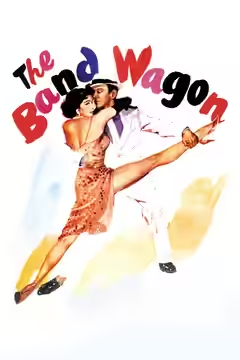
Vincente Minnelli’s backstage musical is funny and splendidly staged, with dancing worth giving the evening to. The romance is thin, but Fred Astaire, Cyd Charisse and Jack Buchanan make that a manageable disappointment.
The Band Wagon understands why putting on a show makes useful material for a musical: everyone can disagree about everything and still have to perform together. It is a funny, generously entertaining film, held back by a romance that never becomes particularly convincing. Fred Astaire’s Tony Hunter needs a comeback, and the high-minded ambitions surrounding his show threaten to make a difficult job needlessly complicated. There is enough trouble in that arrangement to keep us interested, though the dancing remains the stronger attraction.
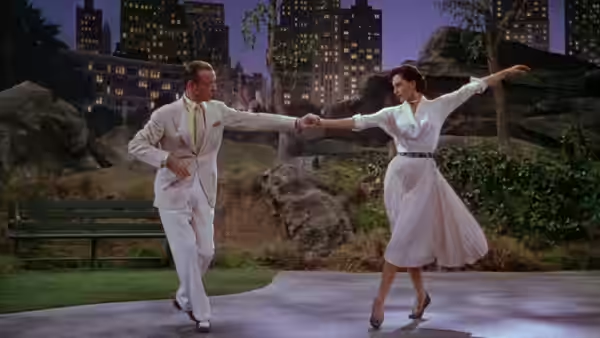
We felt cheered by Fred Astaire’s solo dancing. The precision of his feet is extraordinary, but there is no fuss about the difficulty, and nothing that makes enjoying it feel like an obligation to appreciate technique. He makes the movement look agreeable enough that we briefly forget what it requires. That ease also makes the comeback premise more affecting: the talent is plainly there, whatever trouble the production might have finding a use for it.
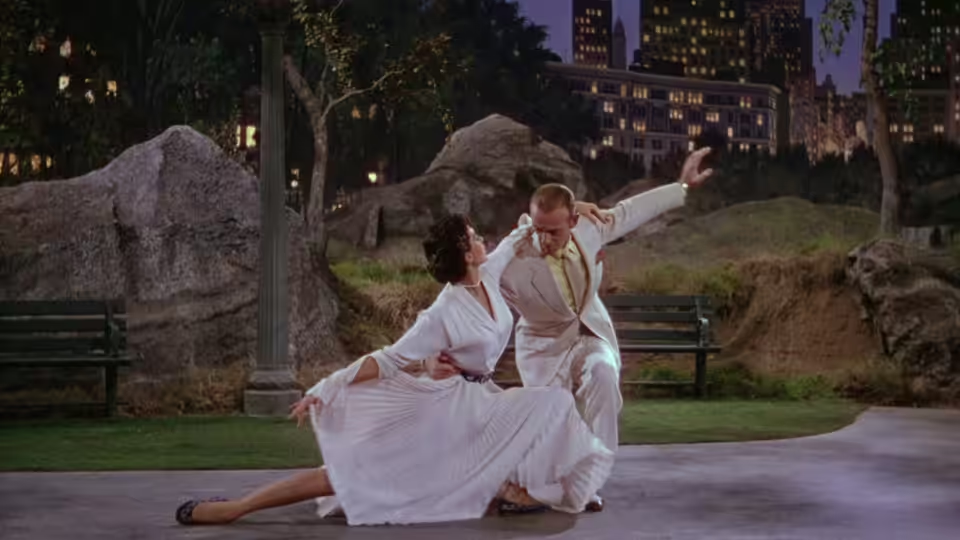
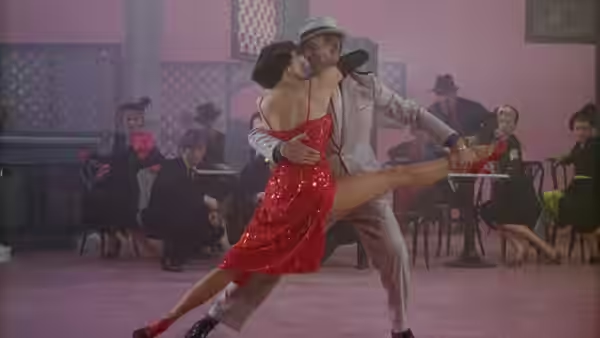
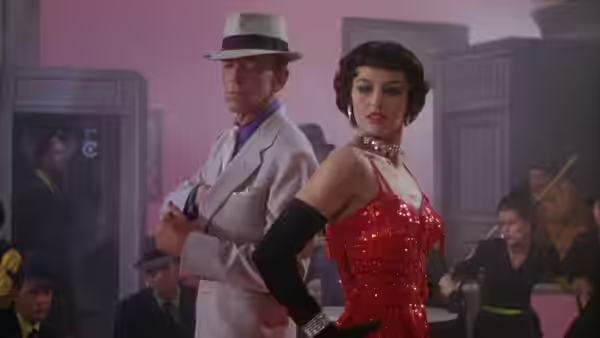
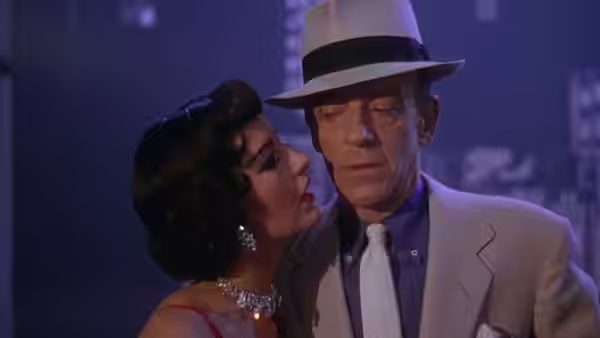
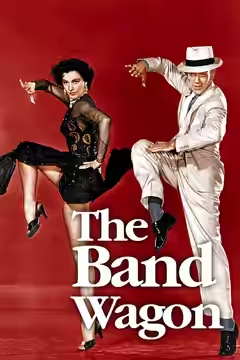
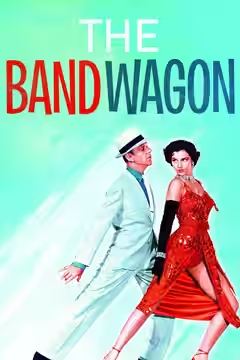
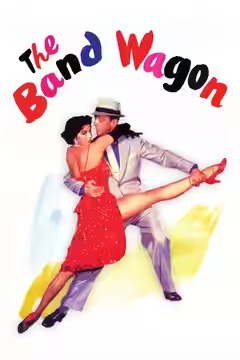
Cyd Charisse is a persuasive partner, and the film is right to make so much of watching the pair together. Their dancing gives the relationship a conviction that the romantic writing never quite supplies. We understand why these characters belong in the same show without becoming equally invested in their courtship. This matters when the film asks the offstage relationship to hold our attention, and admiration for the performers cannot entirely cover the shortfall.
Oliver Smith’s production design deserves much of the credit for making the numbers worth waiting for. The Girl Hunt ballet brings that care together with Mary Ann Nyberg’s costumes, most memorably the red dress worn by Cyd Charisse. Harry Jackson’s photography gives the colour its force without making the dancer incidental to it, while Vincente Minnelli keeps the staging clear despite the competing attractions. There is plenty to look at, but the movement remains the first thing we notice.
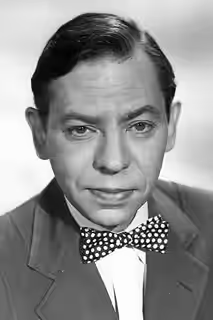
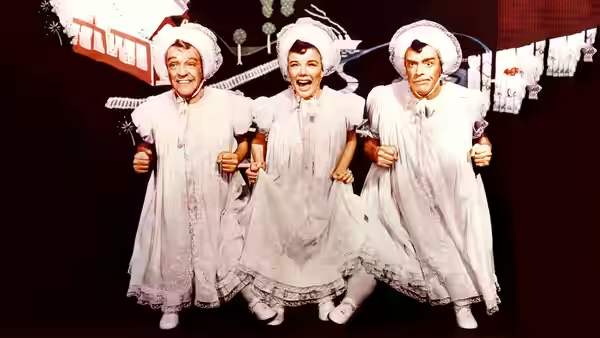
Jack Buchanan’s Jeffrey Cordova makes the company’s competing ambitions funny rather than merely tiresome. Adolph Green and Betty Comden give him the high-minded side of the dispute, and his comedy prevents it becoming a flat complaint about people who take theatre seriously. His confidence makes the grand ideas briefly seem plausible, which is important if we are to enjoy the trouble they cause. The premise gives these people something practical to argue about: what sort of show they are supposed to be making.
Albert Akst and George White’s editing is most satisfying within the numbers, where the performances have room to be enjoyed. The return to the plot can feel dutiful, particularly when the romance requires attention it has not quite earned. At 112 minutes, the film occasionally feels longer than its story can comfortably support. We would be reluctant to shorten the dancing to solve that problem.
A backstage musical needs us to care about the show being made, and this one clears that test easily. There is enough pleasure in the dancing, and enough comedy in the attempt to organise it, to make the offstage shortcomings bearable. Give it an evening when the steps matter more than the courtship.