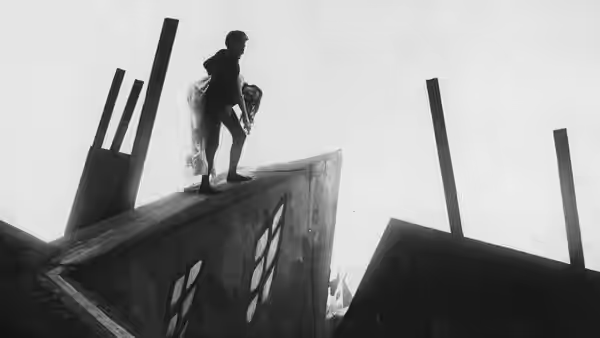
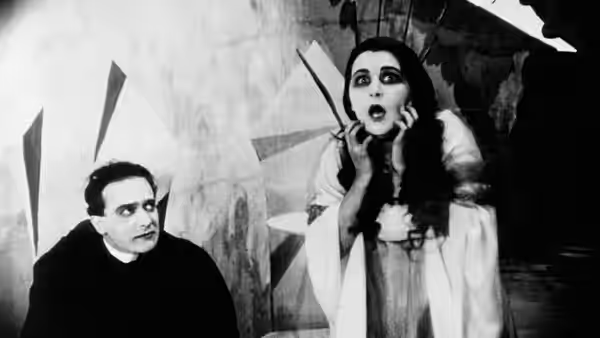
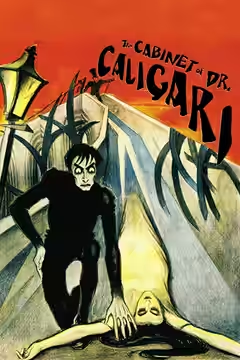
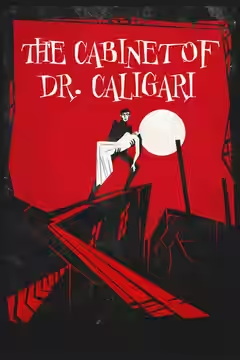
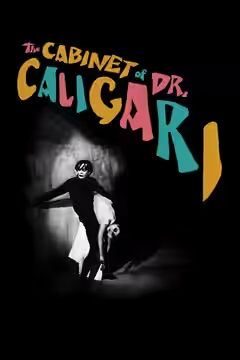
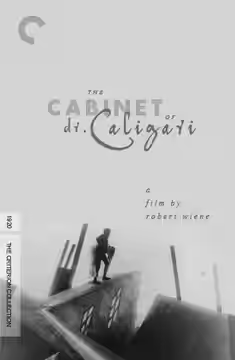
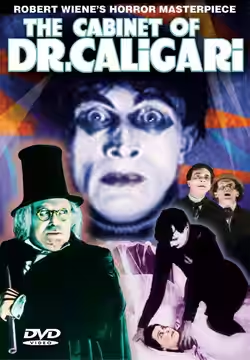
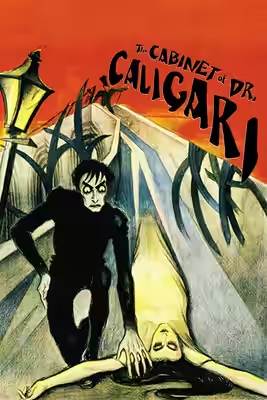
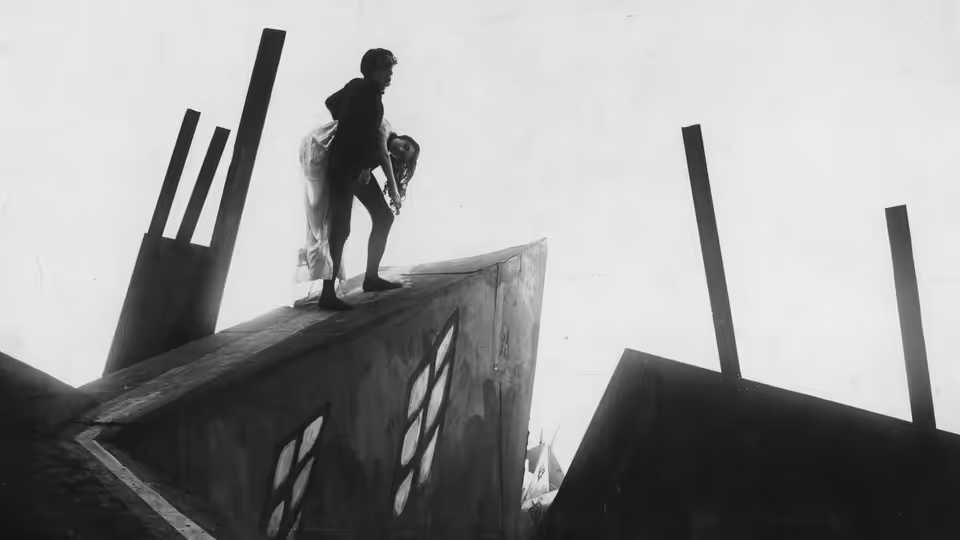
Cesare carrying Jane across the angled rooftops of the town
Film review

The Cabinet of Dr. Caligari

1920 · Directed by Robert Wiene · 1h 17m

In a sentenceEven the walls look as though they need a lie-down

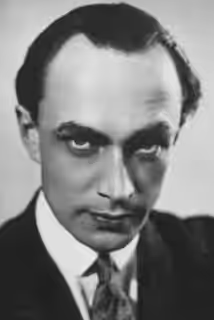
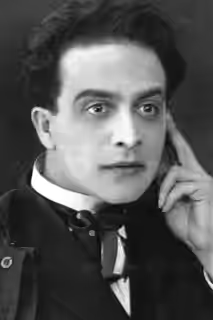
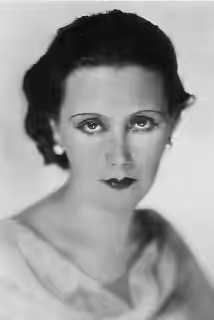
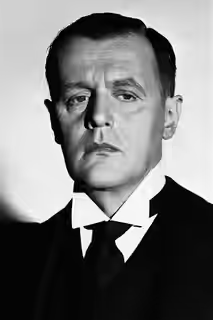
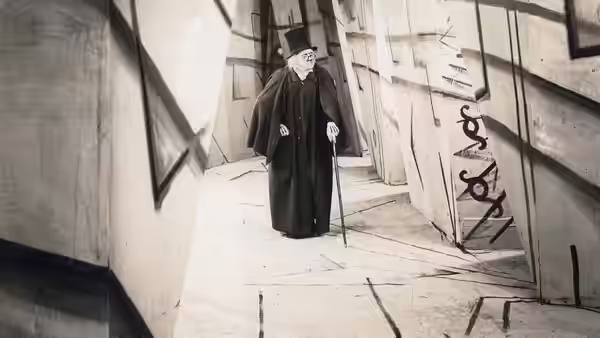
Dr. Caligari (Werner Krauss), Cesare (Conrad Veidt) and Francis (Friedrich Feher) are the central figures in a mystery told through stories within stories. Jane (Lil Dagover) and Alan (Hans Heinrich von Twardowski) also inhabit its surroundings of tilted walls, jagged backdrops and painted shadows. Ordinary perspective gives way to sloping angles, while the performers use gestures and expressions that do not aim for naturalism. This silent horror film moves through nested flashbacks, placing its characters in spaces shaped by fear, suspicion and menace.

Plays from YouTube when you press play; nothing loads from them until then.

Fi1m review

Robert Wiene’s silent horror still unsettles, chiefly through Conrad Veidt and sets that give the eye nowhere comfortable to rest. The relentless crookedness occasionally grows tiresome, but we recommend it warmly.

Robert Wiene’s The Cabinet of Dr. Caligari is a rewarding horror film, provided we accept that it intends to keep almost everything looking wrong. We recommend it warmly, with a warning that its unbroken visual strain can become tiring. This 1920 silent film makes fear visible in the scenery, rather than leaving the actors to supply it all. The sloping perspectives and jagged backdrops tell us not to relax long before the mystery has much explaining to do.

Hermann Warm, Walter Röhrig and Walter Reimann deserve much of the credit for that unease. Their production design uses crooked angles and painted light to make the surroundings as disturbing as the people. We felt trapped by those tilted walls and shadows, because even the places that should give the eye somewhere to rest seem to lean against it. The sets are plainly constructed, and their lack of realism is part of what makes them work: there is no familiar, ordinary space against which to measure the strange behaviour.

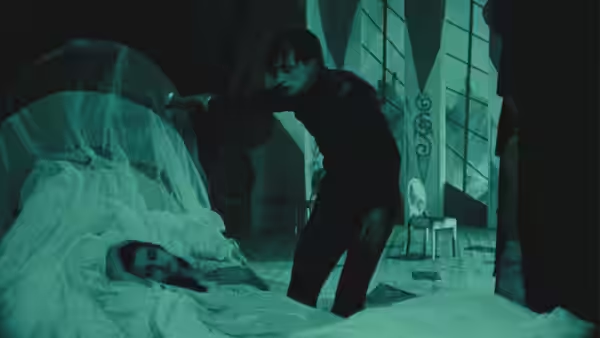
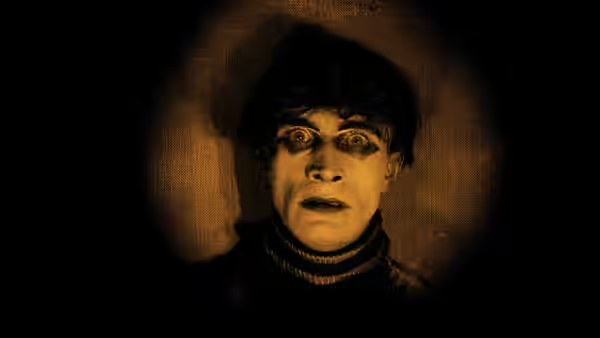
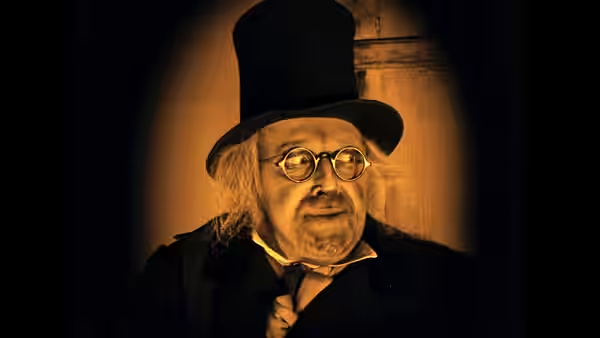
Conrad Veidt is the performer most at home here. As Cesare, he gives the exaggerated acting a precision that makes it unsettling rather than merely emphatic. Werner Krauss’s Dr. Caligari is a broader presence, and there is pleasure in how readily he belongs among these improbable shapes. Friedrich Feher’s Francis and Lil Dagover’s Jane are less arresting; beside Veidt, their expressions of distress can feel like instructions about how we ought to react. That imbalance matters, because the scenery is already doing plenty of instructing.

Willy Hameister’s cinematography gives the painted light and dark the clarity they need, without trying to make the rooms look plausible. The pleasure lies in being able to examine their shapes, even while those shapes make the space difficult to settle into. That gives the film a different rhythm from horror built around sudden shocks: looking is itself an uneasy activity. Giuseppe Becce and Alfredo Antonini are credited for music, though it is the painted shadows that stay with us when we think back on the film.

The reservation is repetition. When every angle signals danger, a fresh stretch of distorted scenery has to work harder to disturb us, and occasionally the effect becomes decorative. Carl Mayer and Hans Janowitz’s screenplay keeps a mystery running through these surroundings, but the elaborate storytelling can seem less compelling than a single image of Cesare. The cutting helps maintain forward movement; it cannot always stop us noticing how insistently the film returns to the same visual pressure. At 77 minutes, there is still room for the feeling that a quieter passage would have helped.

For all that, The Cabinet of Dr. Caligari makes a persuasive case for horror that does not try to reproduce ordinary life. Its influence on the genre is substantial, but that is a poor reason to ask anyone to sit through a film; the test is whether the pictures can still unsettle us. These can, particularly when Veidt is given our attention. Try it if carefully arranged strangeness appeals, and allow the exaggerated acting a little time to stop seeming like an obstacle.
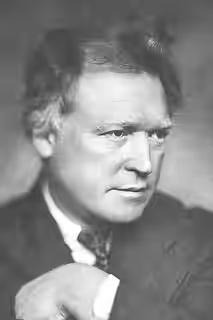
Critical consensus AI synthesised

86
Positive
16
Mixed
0
Negative
0

The reviews are unanimously positive, with praise centred on the jagged Expressionist sets, painted shadows and distorted perspectives that make fear visible. Most critics regard the film as foundational to horror, but also stress its continuing ability to unsettle rather than treating it merely as a historical milestone. Conrad Veidt and Werner Krauss receive particular praise for their performances. Several reviews also credit the restorations with making the visual detail clearer while preserving the film’s character.

The differences concern the degree of enthusiasm, with scores ranging from warm approval to outright celebration. The New Yorker offers the clearest reservation about the style itself, finding that the décor can become monotonous and the acting limited. Collider raises a separate concern about the framing story weakening the anti-authoritarian message. Neither reservation overturns those critics’ appreciation, and there is no substantial negative dissent in this selection.

Time Out
31 July 2014 · ★★★★★ · DP
100

The critic calls it one of the most exciting and inspired horror movies ever made, full of expressionist paranoia and gloom from post-WWI Germany. They single out the extraordinary use of painted light and Conrad Veidt’s marvellous performance for praise.

Read the full review →
Empire
11 August 2014 · Anna Smith
90*

The critic praises the 4K restoration of the 1920 silent classic, highlighting its jagged Expressionist sets, non-naturalistic acting, nested flashbacks, and enduring twist ending as reasons it remains a disorienting masterpiece worth seeing on the big screen.

Read the full review →
RogerEbert.com
3 June 2009 · Roger Ebert
90*

The film creates a mindscape of subjective psychological fantasy through its jagged, tilted Expressionist sets, making it arguably the first true horror movie. Ebert praises its unsettling visual style and lasting influence on the genre.

Read the full review →
Sight and Sound
25 February 2020 · Alex Barrett
90*

The critic celebrates the film as a landmark of silent cinema and one of the first true horror films that helped establish cinema as an art form. They single out its innovative expressionist set design and ambiguous frame story with twist ending for particular praise.

Read the full review →
The Guardian
5 October 2014 · Philip French
90*

French praises this exceptional restoration of the 1920 expressionist masterpiece as probably the best version anyone alive has seen, accompanied by a strong documentary on its Weimar-era context. He finds the film as arresting and provocative as ever despite past criticisms of it as dated or overrated.

Read the full review →
The Times
29 August 2014 · Kate Muir
90*

Muir highlights the splendid digital restoration that removes scratches and jump-cuts from old prints, making the German Expressionist classic deserving of fresh viewing. She calls it the mother lode of the horror genre, full of pop-eyed terror, lunatics, murderers and possessed somnambulists in eerie shadows.

Read the full review →

Straight answers AI written, from our review

Is The Cabinet of Dr. Caligari worth watching?
The Cabinet of Dr. Caligari is worth watching for anyone who can accept a silent horror film in which almost everything is meant to look wrong, and we scored it 87. Conrad Veidt and the tilted, painted sets still unsettle; the unbroken visual strain does grow tiring across 77 minutes. Give the exaggerated acting a little time before deciding.
How long is The Cabinet of Dr. Caligari, and what is it rated?
The Cabinet of Dr. Caligari runs 1h 17m. It is a drama and horror film.
Where can I watch The Cabinet of Dr. Caligari in Türkiye?
The Cabinet of Dr. Caligari is streaming on MUBI in Türkiye. Availability is checked daily; the links above go straight to each service.
How violent or frightening is The Cabinet of Dr. Caligari, and is it suitable for children?
The Cabinet of Dr. Caligari carries a U certificate in the UK, so nothing in it is explicit or graphic. Its fear comes from crooked scenery, painted shadows and the strange, slow menace of Conrad Veidt's Cesare rather than from violence shown on screen. Small children may find the silent, distorted world eerie or simply baffling; older ones should be fine.
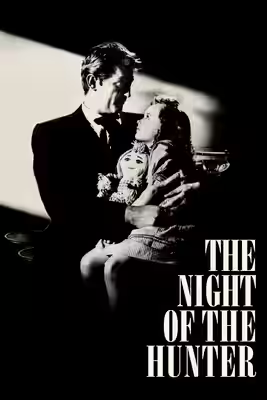
How does The Cabinet of Dr. Caligari compare to The Night of the Hunter?
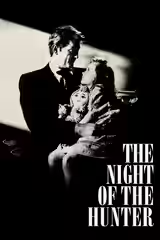
The Cabinet of Dr. Caligari is the more relentless and the more purely strange of the two, while The Night of the Hunter has the same deep shadows and theatrical menace but makes room for tenderness and a story that is easier to follow. We think Laughton's film is the better one, and the easier place to begin. Caligari suits those drawn to arranged strangeness for its own sake.
What should I watch after The Cabinet of Dr. Caligari?
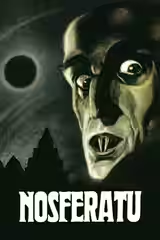
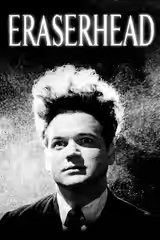
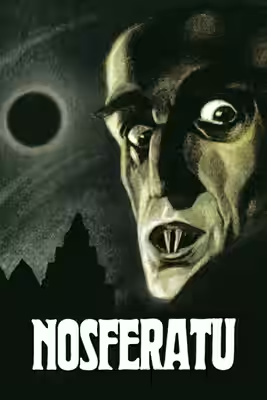
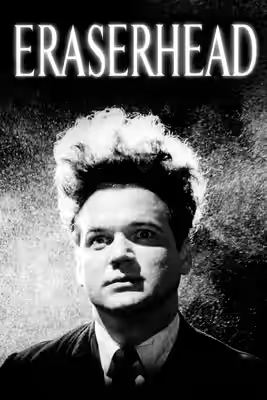
After The Cabinet of Dr. Caligari, try Nosferatu (1922, Fi1m 88): Another silent horror whose unnatural figures make ordinary spaces feel unsafe. Then The Night of the Hunter (1955, Fi1m 91): Deep shadows and theatrical menace, with room for tenderness as well; and Eraserhead (1977, Fi1m 84): A more abrasive nightmare, with equally little interest in reassuring surroundings.

Cast

If you liked this, try…

  1. Nosferatu (1922, Fi1m 88)Another silent horror whose unnatural figures make ordinary spaces feel unsafe.

  2. The Night of the Hunter (1955, Fi1m 91)Deep shadows and theatrical menace, with room for tenderness as well.

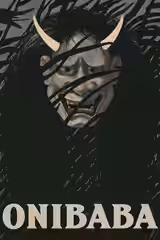
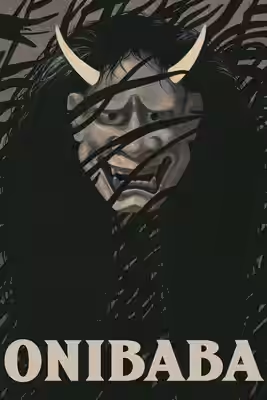
  3. Onibaba (1964) · not reviewed yetFor dread built from bodies, landscape and the difficulty of hiding.

  4. Eraserhead (1977, Fi1m 84)A more abrasive nightmare, with equally little interest in reassuring surroundings.

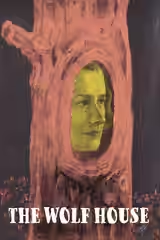
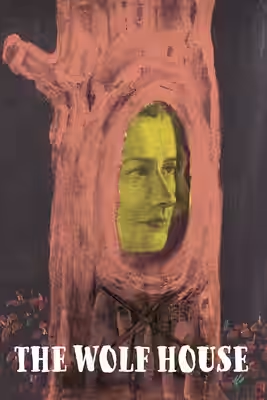
  5. The Wolf House (2018) · not reviewed yetRooms keep changing shape in animation that makes shelter feel unreliable.

Free account

Know what to watch tonight

Two lists that know where things are streaming, collections you can share, your own score beside ours, and Discover that remembers what you have seen.

  • Want to see, sorted by what is streaming now
  • Seen, with your score out of ten
  • No adverts, ever