Film review

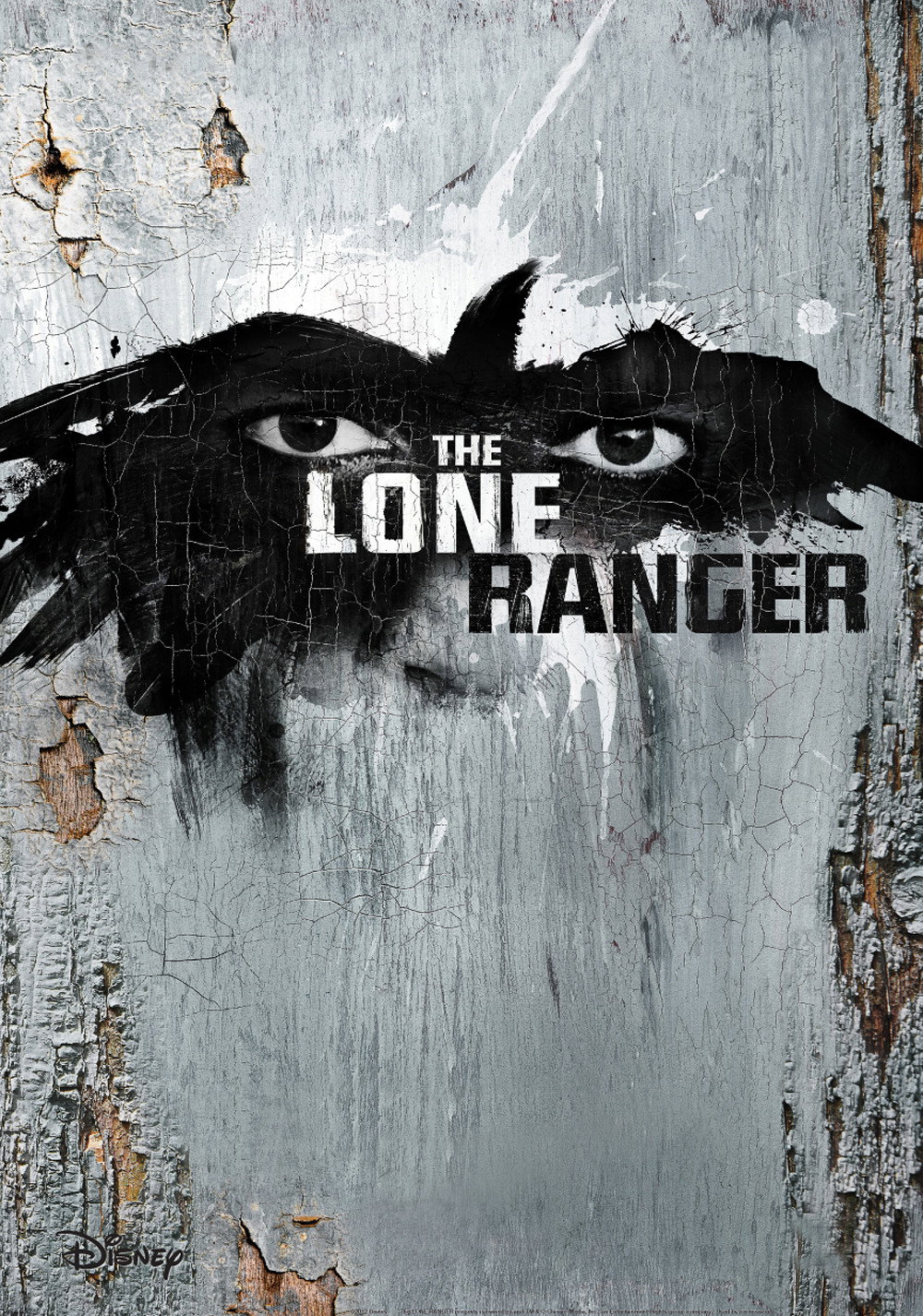
The Lone Ranger

2013 · Directed by Gore Verbinski · 2h 29m · MPA PG-13

In a sentenceA hundred and forty-nine minutes to explain why a man wears a mask, and the horse still gets the best jokes

ActionAdventureWestern

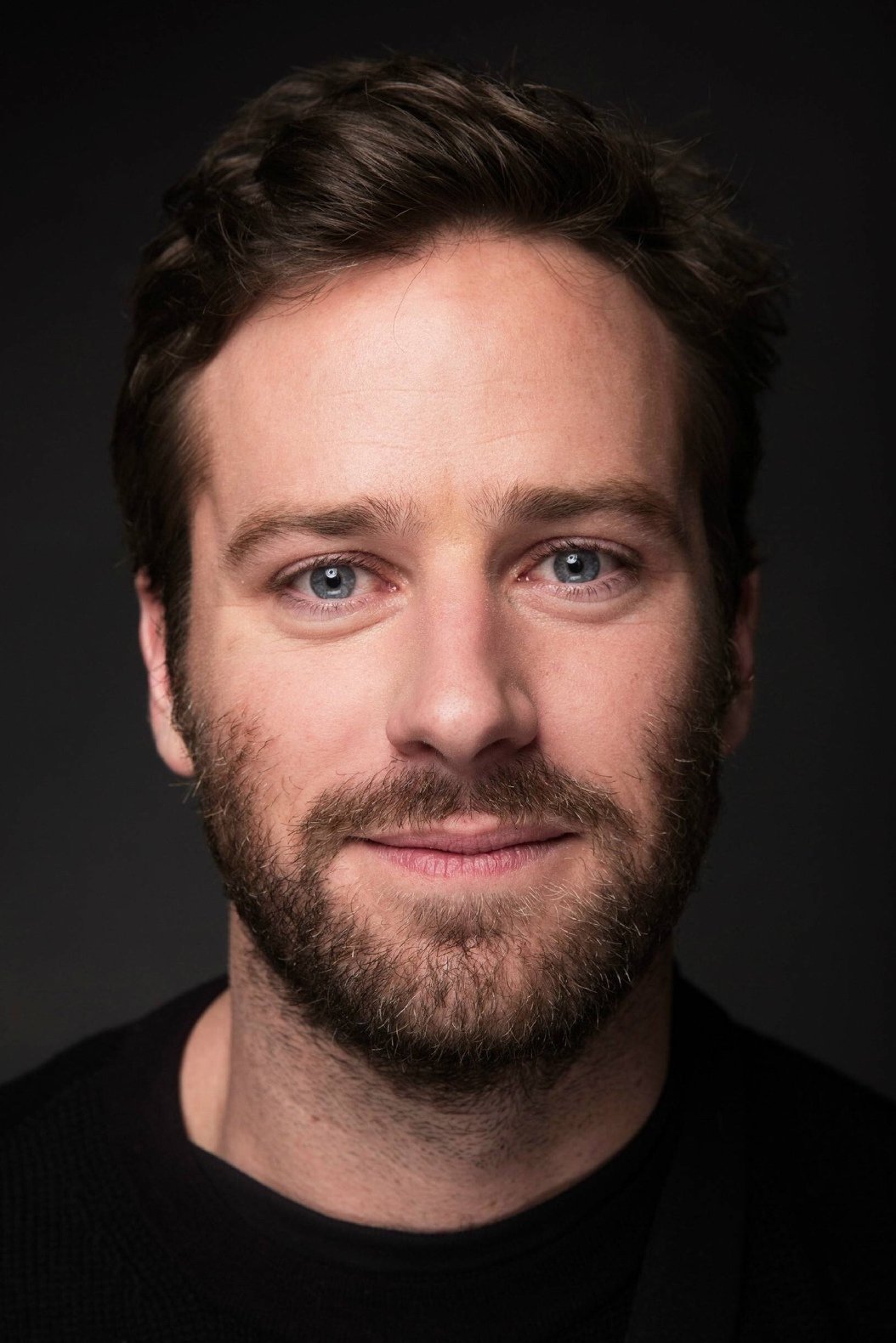
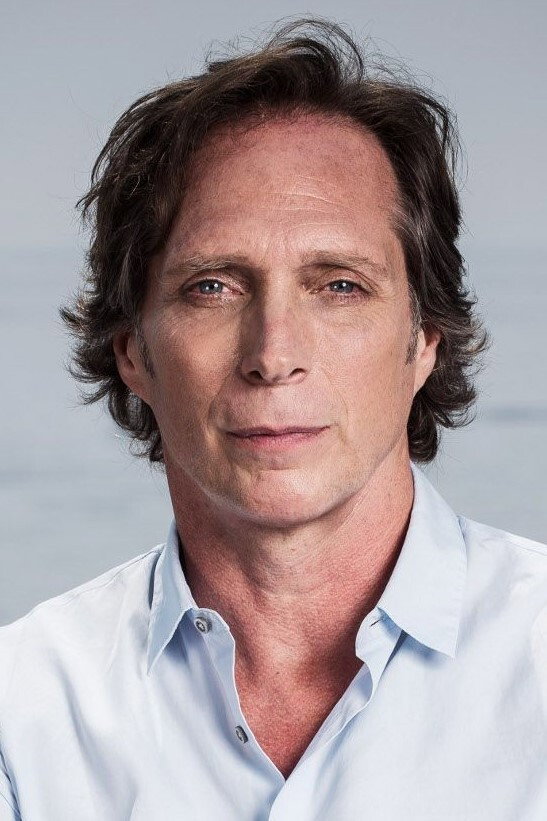
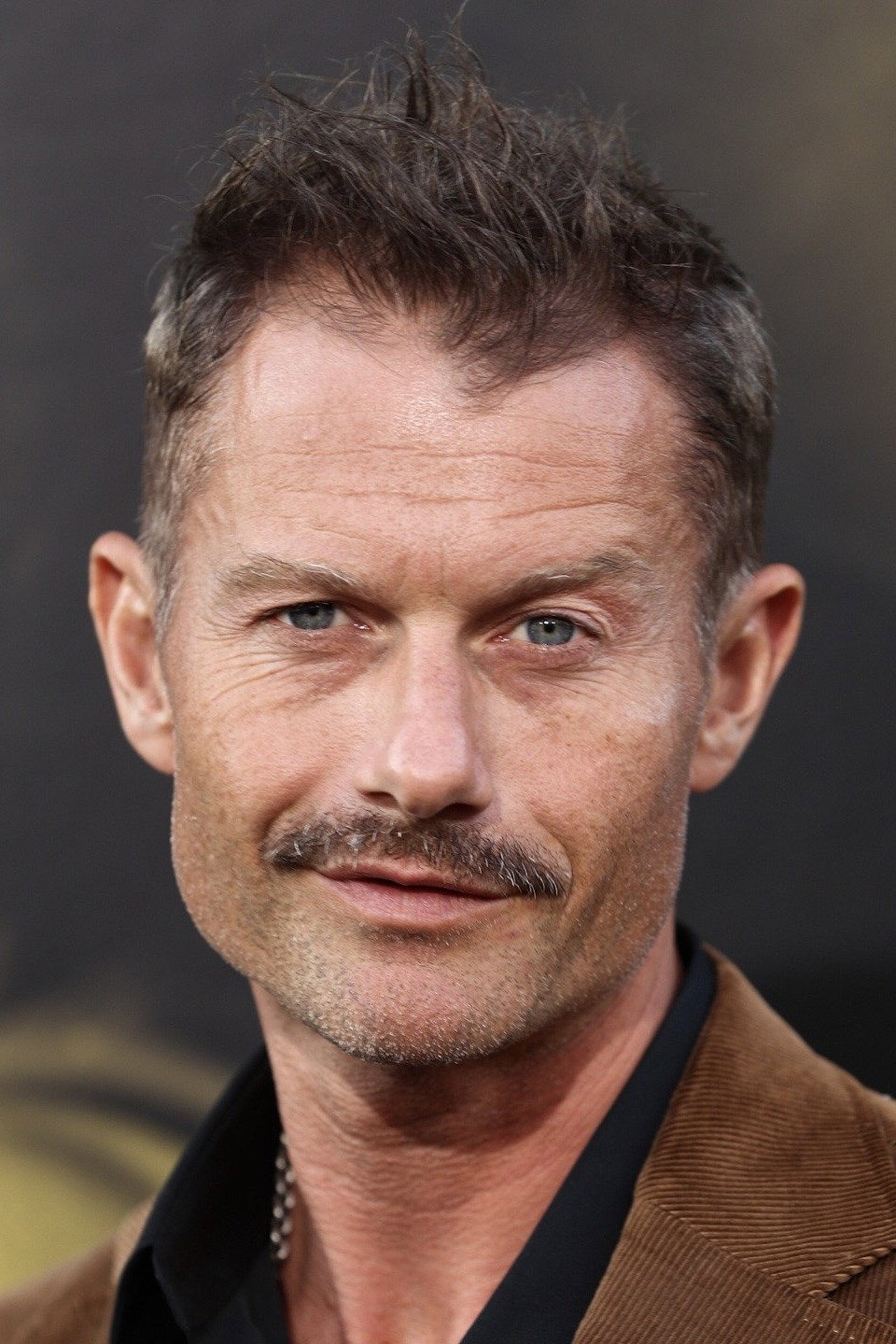
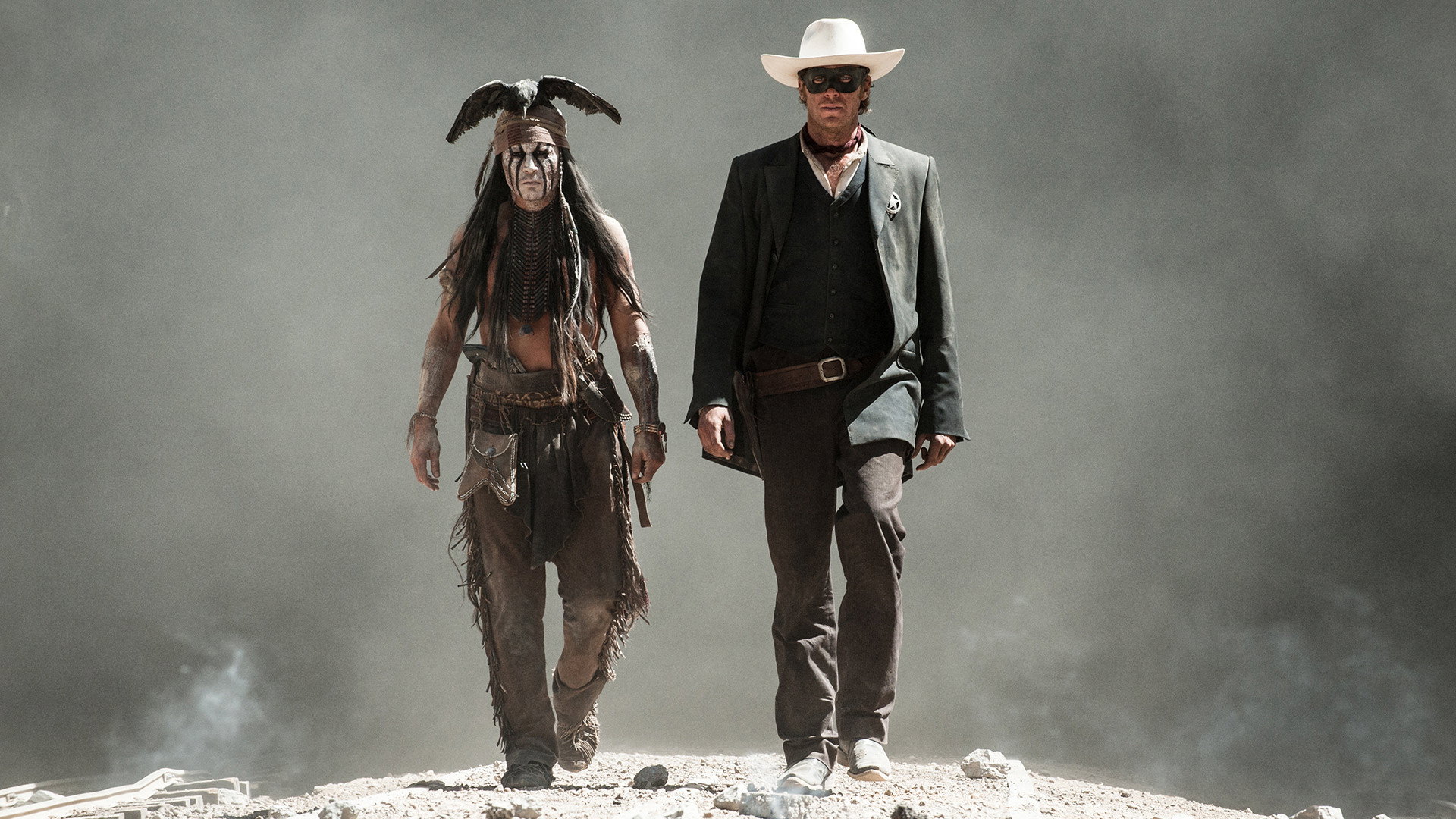
In 1933 a boy in a Lone Ranger costume wanders a San Francisco fairground and finds an ancient Comanche, Tonto (Johnny Depp), in a sideshow, who tells him how it happened. Texas, 1869: John Reid (Armie Hammer), a city lawyer, comes home by train to the railroad town of Colby, where his brother Dan (James Badge Dale) is a Texas Ranger married to Rebecca (Ruth Wilson). On the same train, in chains, are Tonto and the outlaw Butch Cavendish (William Fichtner), whose gang tears up the track to free him. Railroad man Cole (Tom Wilkinson) is driving the line west across Comanche land. The Rangers ride after Cavendish and are ambushed; Tonto finds John among the dead.

Plays from YouTube when you press play; nothing loads from them until then.

Fi1m review

Gore Verbinski opens and closes with runaway trains as well staged as anything in his Pirates films, and spends the two hours between them unsure whether his hero is a joke. Worth an evening for the finale; bring patience.

Gore Verbinski, Jerry Bruckheimer and the writers Ted Elliott and Terry Rossio made the first Pirates of the Caribbean out of a theme-park ride, so a western made out of a radio serial should surprise nobody. With Justin Haythe they have given The Lone Ranger a framing idea: the story is told by an ancient Tonto to a boy at a fairground, which means the masked man is remembered as a fool and the sidekick as the one who understood. It is a decent idea inside a 149-minute film with two marvellous train sequences at either end and, in the middle, a picture that cannot decide what it thinks of its own hero.

John Reid (Armie Hammer) and Tonto (Johnny Depp) are shackled together on the roof of a moving carriage while Butch Cavendish’s gang rips up the rails ahead, and Bojan Bazelli keeps the camera far enough back that we can always see how little track is left. James Haygood and Craig Wood cut it long, on the movement rather than the impact, so a man falling from a roof reads as a man falling and not as a flurry. The engine goes through the end of the line and keeps going. We sat up.

Hammer plays Reid as an upright prig who does not carry a gun and is slightly proud of it, and the script never lets him become anything else. Depp’s Tonto is a face of cracked white paint under a dead crow he keeps trying to feed, and his timing is silent-comedy timing: the long stare, the small adjustment. Some of it is funny. But the film wants him to be both the clown and its conscience, and a white actor in paint playing a Comanche as an eccentric sits badly, however much Penny Rose’s outcast costume protests. Every sad piece of backstory feels like an apology for the previous joke.

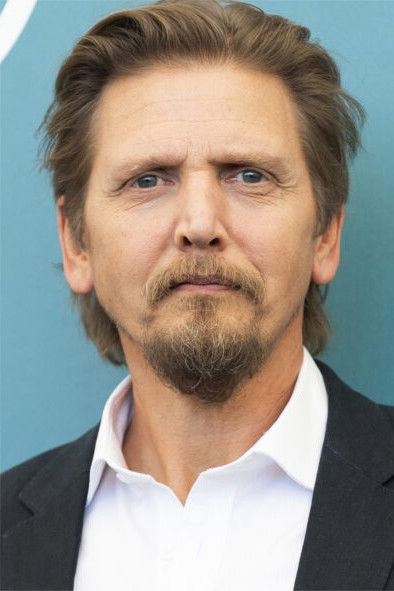
The middle hour and a half argues with itself. William Fichtner’s Cavendish is a proper villain, with a ruined mouth and dead eyes, and he does something to a dying man in the first act that we were startled to find in a 12A. Then there is a horse standing in a tree. Then the cavalry, under Barry Pepper’s Fuller, opens up on a Comanche charge with a Gatling gun and the film treats it as a massacre, which it is, and cuts to Helena Bonham Carter’s Red Harrington and her ivory leg. Tom Wilkinson’s Cole delivers speeches about progress in a voice like a closing door. We were bored, then unsettled, then bored again, and none of it led anywhere.

The craft is expensive and mostly good. Jess Gonchor’s Colby is a town of raw planks and one brick building with the railway running straight through it, and the half-finished trestle bridge is a set that earns its screen time. Bazelli shoots the desert wide and flat, in the compositions John Ford made the shape of the genre, and Hans Zimmer holds the one tune everybody is waiting for until the last possible minute.

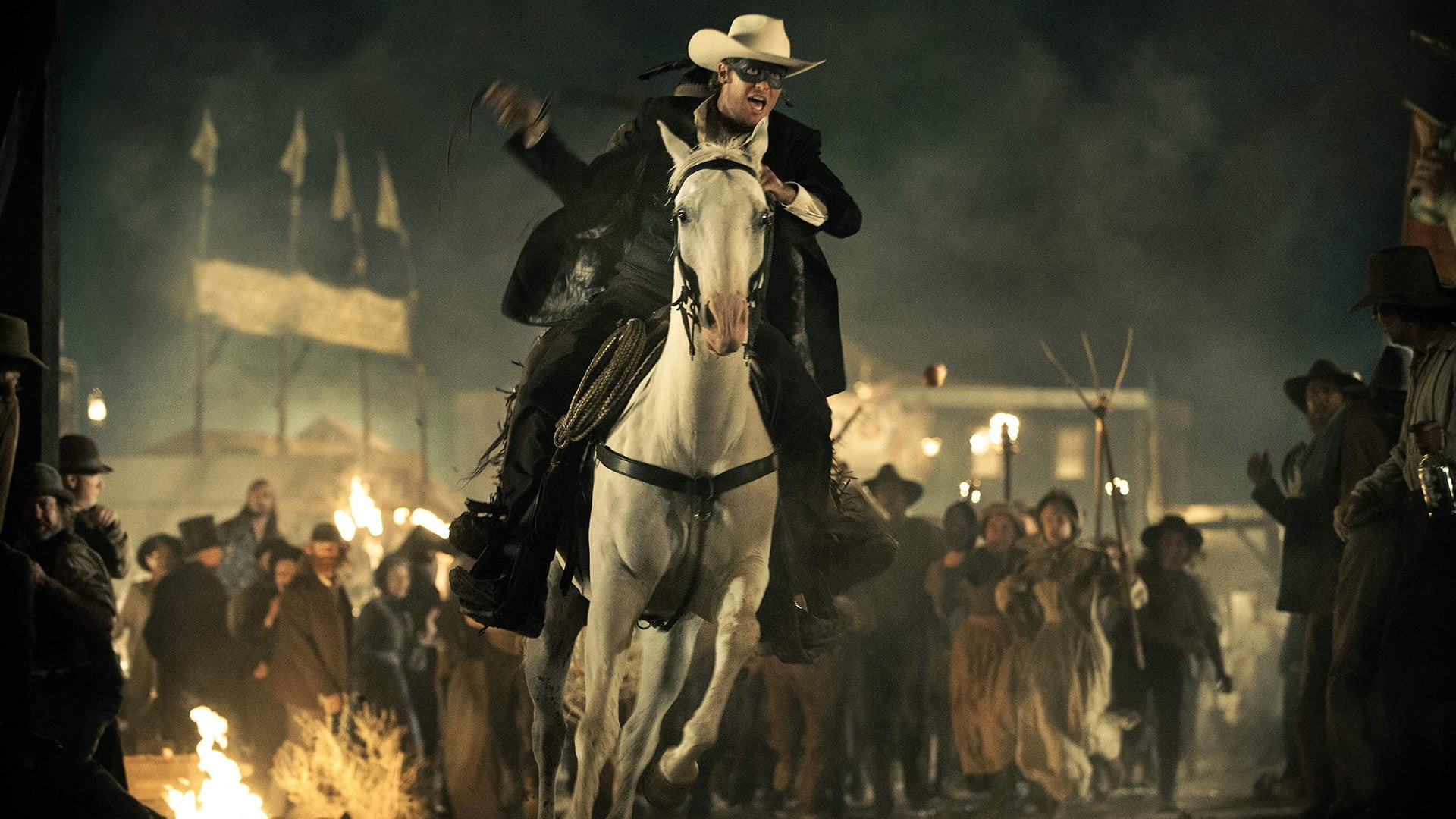
When the William Tell Overture does arrive, over two trains on parallel tracks and a white horse galloping along a carriage roof, it works on us completely. We grinned, we sat forward, and we were slightly ashamed of ourselves after the previous hour. Verbinski stages the whole finale as a single piece of clockwork, with people changing trains, a ladder swung between carriages and a bridge coming apart under the lot, and he never lets us lose track of who is where. It is the best sustained action he has directed.

His own Rango, from 2011, was a comedy western with the same landscapes, a fraction of the sprawl and a clear view of its hero. This one seems embarrassed by him and then asks us to cheer. Most critics landed near where we have, half won over and half exhausted.

See the first twenty minutes and the last twenty in the largest room you can find. What you do with the two hours between them is your own business, and the film will not notice.
Critical consensus AI synthesised

48
Positive
3
Mixed
6
Negative
8

Most critics find The Lone Ranger too long and too uncertain of what kind of film it wants to be, and the reviews lean negative. What praise there is gathers around the same things: the two runaway train sequences, which several reviewers name as the best reason to stay, the scale of the locations, and Gore Verbinski’s eye for a wide shot. Armie Hammer is generally judged to be game and engaging in the title role.

The reservations are consistent even where the scores are not. Nearly everyone complains about the runtime and the origin-story padding that precedes the action; many find the tone lurching between slapstick and slaughter; and the handling of Depp’s Tonto draws objections from several quarters. The spread is wide. Empire stands almost alone in calling it a surprising success, and The Telegraph admires it as a fascinating folly, while The Wrap and Screen Daily rate it a near-total failure.

Empire
· Angie Errigo
90*

The critic praises the film as a surprising, well-executed blockbuster with strong storytelling, humor, and spectacular action sequences, especially the climactic train set-piece. Performances by Depp and Hammer are highlighted as engaging and well-pitched.

Read the full review →
The AV Club
2 July 2013 · B- · Ignatiy Vishnevetsky
70

The review describes an ironic, overstuffed adventure full of visual gags, references, and train chases that compensates for lacking sustained energy. It praises Hammer’s game performance and Verbinski’s compositions but faults the portrayal of Depp’s Tonto and the overlong runtime.

Read the full review →
The Telegraph
8 August 2013 · Robbie Collin
70*

The film is a strange, fascinating and often thrilling grand folly despite its problems and pre-ordained flop status. The critic singles out Depp's distinctive performance as half Buster Keaton, half outcast clown, and Verbinski's ambitious borrowings from classic westerns.

Read the full review →
The New Yorker
3 July 2013 · Richard Brody
60*

Gore Verbinski’s film is the Western for the age of meta-cinema, functioning as conceptual art that says more about contemporary Hollywood filmmaking than the American West. It assembles signifiers of classic Westerns with clever but abstract action, winking at genre lovers while prioritizing the idea of the movie over its embodiment.

Read the full review →
Slant Magazine
2 July 2013 · ★★/4 · R. Kurt Osenlund
50

The review calls the film a predictably bloated tentpole that regurgitates Depp’s Sparrow tics and indulges in excess while evoking John Ford visuals. It singles out the numbing action set pieces, hypocrisy in its themes, and problematic casting/characterization of Tonto for criticism.

Read the full review →
The Hollywood Reporter
30 June 2013 · Todd McCarthy
50*

The critic calls it a moderately amusing but very uneven revisionist adventure that tries too many ways tonally and wobbles as a result. He singles out the scenic locations, Hans Zimmer score, and William Fichtner’s villain performance for praise while noting the overlong runtime.

Read the full review →

Cast

Awards

Academy Awards, 2014

Nominated
Best Makeup and Hairstyling
Nominated
Best Visual Effects

If you liked this, try…

Rango poster

Rango

2011 · Verbinski’s other western, with the same desert, sharper jokes and a hero it likes

Dead Man poster84

Dead Man

1995 · Depp as a lost easterner with a Native guide, taken seriously and shot in black and white

Little Big Man poster

Little Big Man

1970 · An old man’s tall tale of the frontier that makes the joke and the grief land

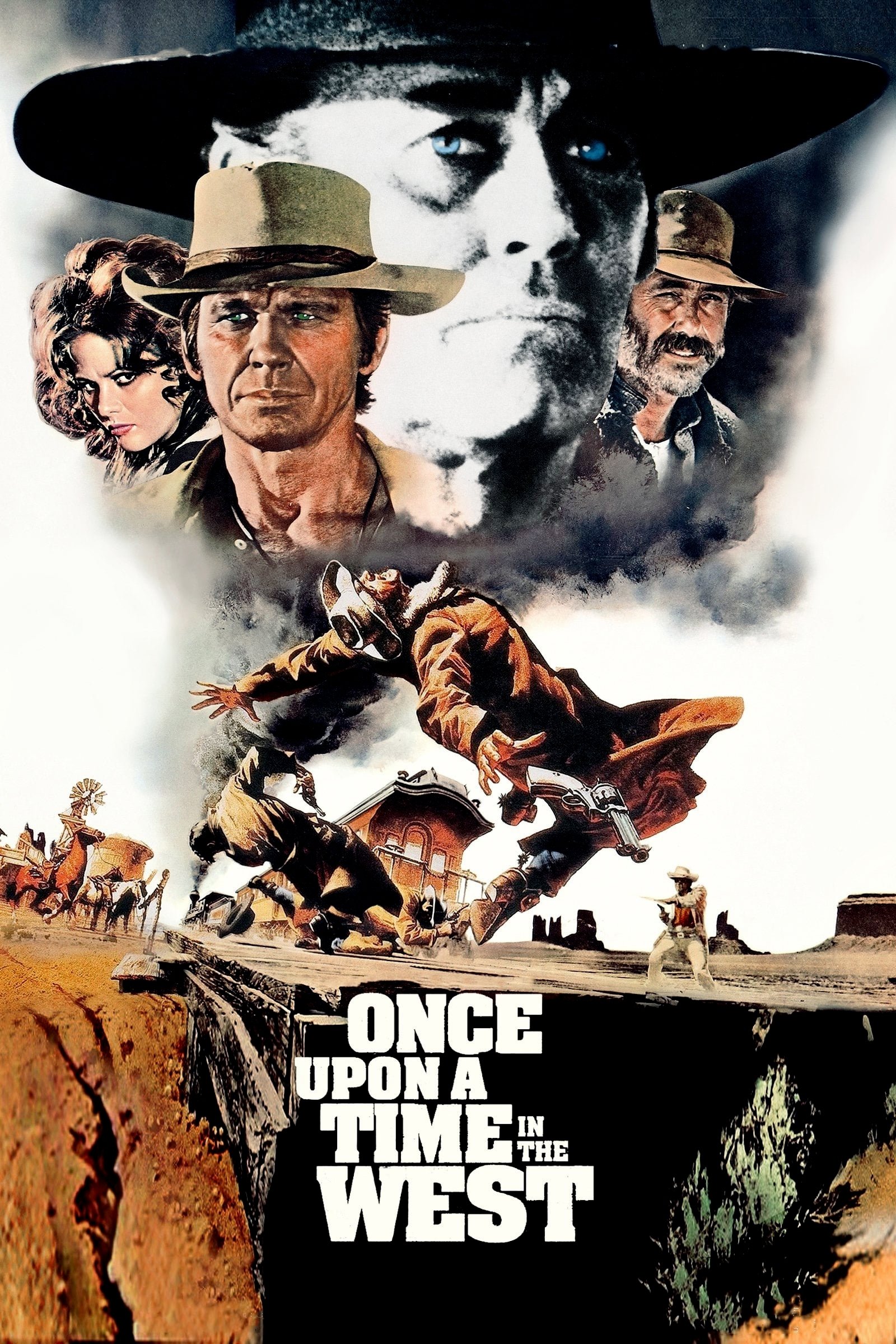
Once Upon a Time in the West poster91

Once Upon a Time in the West

1968 · The railroad villain western done slow, patient and with a proper sense of menace

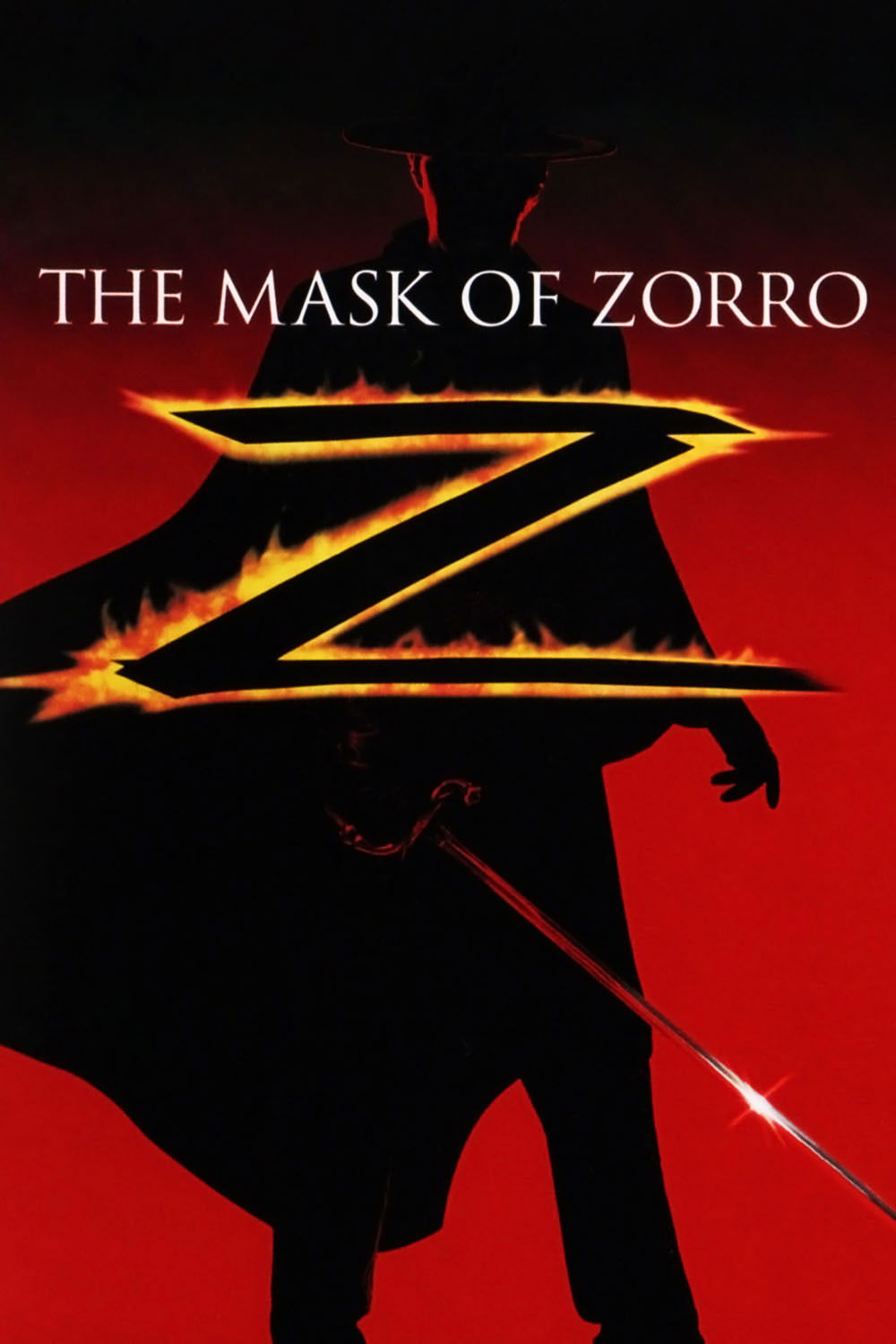
The Mask of Zorro poster

The Mask of Zorro

1998 · How to reboot a pulp hero straight, with a mask, a mentor and no apology