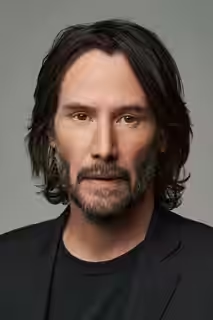
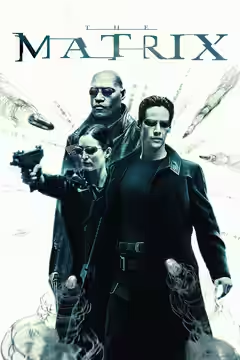
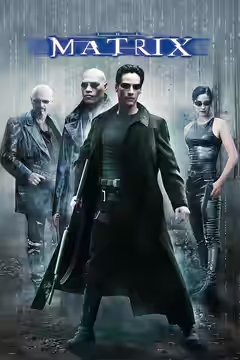
The Wachowskis turn familiar questions about reality into thrilling physical action, with Keanu Reeves and Carrie-Anne Moss giving the spectacle a human centre. The explanations can be heavy-handed; the fights make us eager to listen.
The Matrix is an excellent action film with a weakness for explaining itself. Lana and Lilly Wachowski, who write and direct, understand how much more interesting a question about reality becomes when it changes what a body can do on screen. We recommend it warmly, despite dialogue that sometimes seems to have brought its own lectern. The film takes its ideas seriously enough to let them determine how the action works, and that is a substantial part of the pleasure.
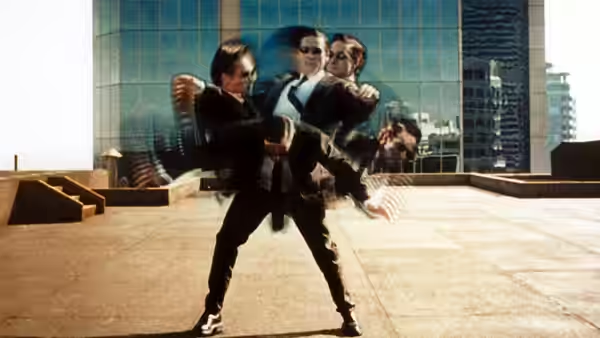
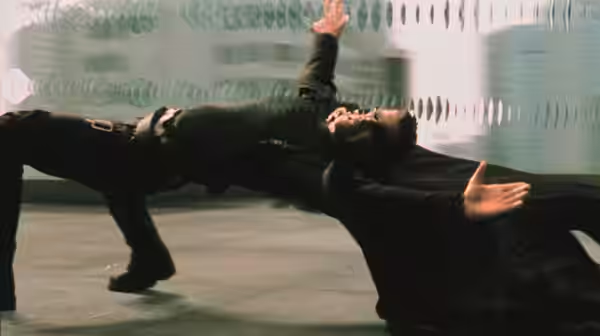
Bill Pope’s cinematography gives us time to appreciate movements that would otherwise pass too quickly to register. Bullet time slows a movement enough for us to inspect it, while the wire-assisted martial arts retain a satisfying sense of physical effort. We were thrilled by the sight of bodies suspended in mid-movement, because the impossible still looked strenuous. The effects invite close attention to the performers, which makes these sequences more involving than a succession of ingenious tricks would be.
Zach Staenberg’s editing preserves the shape of a fight even as its speed changes. We can enjoy an individual movement without losing our interest in what comes next, and the pauses become something to anticipate rather than endure. Don Davis’s score keeps the pressure on, giving the action urgency without making it feel frantic. Together, the cutting and music prevent all that admiration for a particular image from bringing the film to a halt.
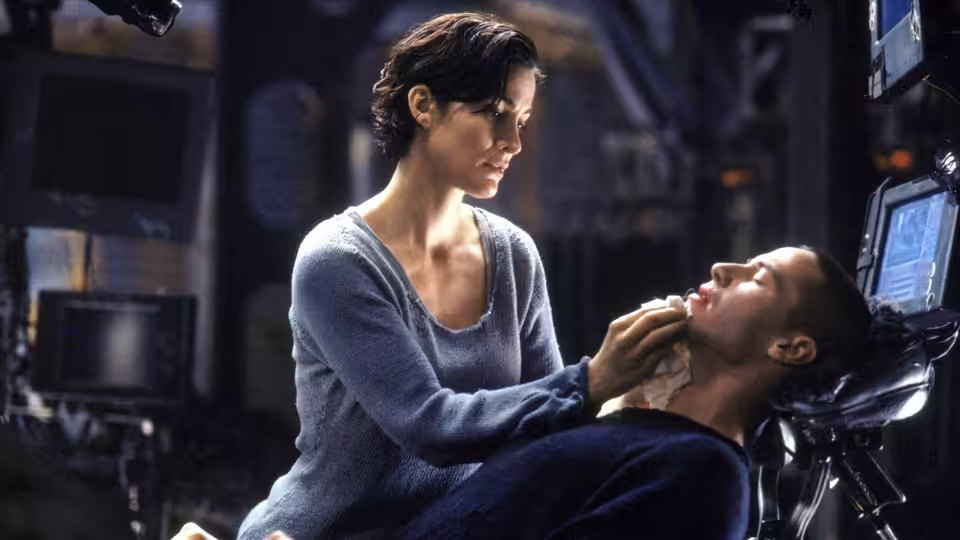
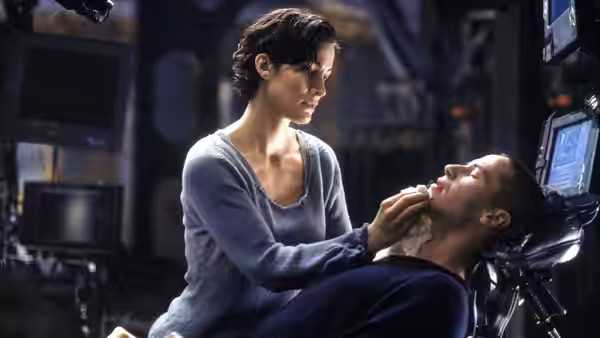
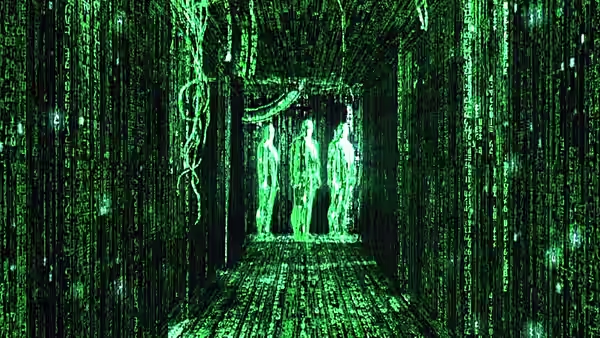
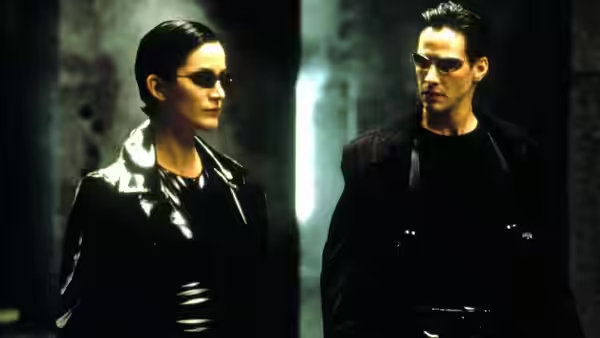
Owen Paterson’s production design gives the dystopian setting a severity that suits the film’s concern with control, although the effect can be oppressive. Kym Barrett’s costumes provide some welcome theatrical pleasure amid all that seriousness. Carrie-Anne Moss, as Trinity, has the composure to make the styling feel natural, and her chemistry with Reeves gives the film warmth that its explanations cannot supply. The screenplay could afford to spend more time on that connection and less on making sure we understand its premises.
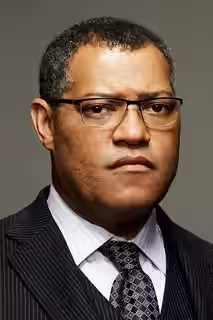
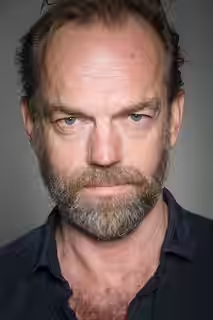
Reeves’s Neo works because his reserve leaves room for uncertainty. He does not supply a separate expression for every stage of a thought, and the restraint is useful in a film so anxious to explain what deserves thinking about. Laurence Fishburne brings Morpheus the gravity the material asks for, even when it asks too much. Hugo Weaving’s Agent Smith is more immediately entertaining, with an amused precision that makes the solemnity around him easier to bear. Weaving finds room for humour without making his performance seem detached from the film.
Some of the explanations continue after we have understood them. At 136 minutes, the film has room for people as well as ideas, yet supporting characters can remain thin while the dialogue insists on its importance. The screenplay is more confident about how its world works than about how much conversation we need to grasp it. Those stretches are a real limitation, particularly when the physical storytelling has already demonstrated how quickly the film can make a complicated proposition clear.
The questions about reality and control are familiar science-fiction material, so their presence alone would not justify the solemnity. What distinguishes the Wachowskis’ approach is the combination of martial arts and computer effects: both make the limits of ordinary movement worth questioning. That gives the film a persuasive reason to pursue its ideas through action, even when the dialogue has exhausted our patience with them. Give the fights your full attention; the explanations can withstand a raised eyebrow.