Jonathan Demme’s thriller is frightening, humane and worth the discomfort. Jodie Foster keeps the investigation personal while Anthony Hopkins makes conversation feel dangerous, though his relish occasionally draws too much attention to the performance.
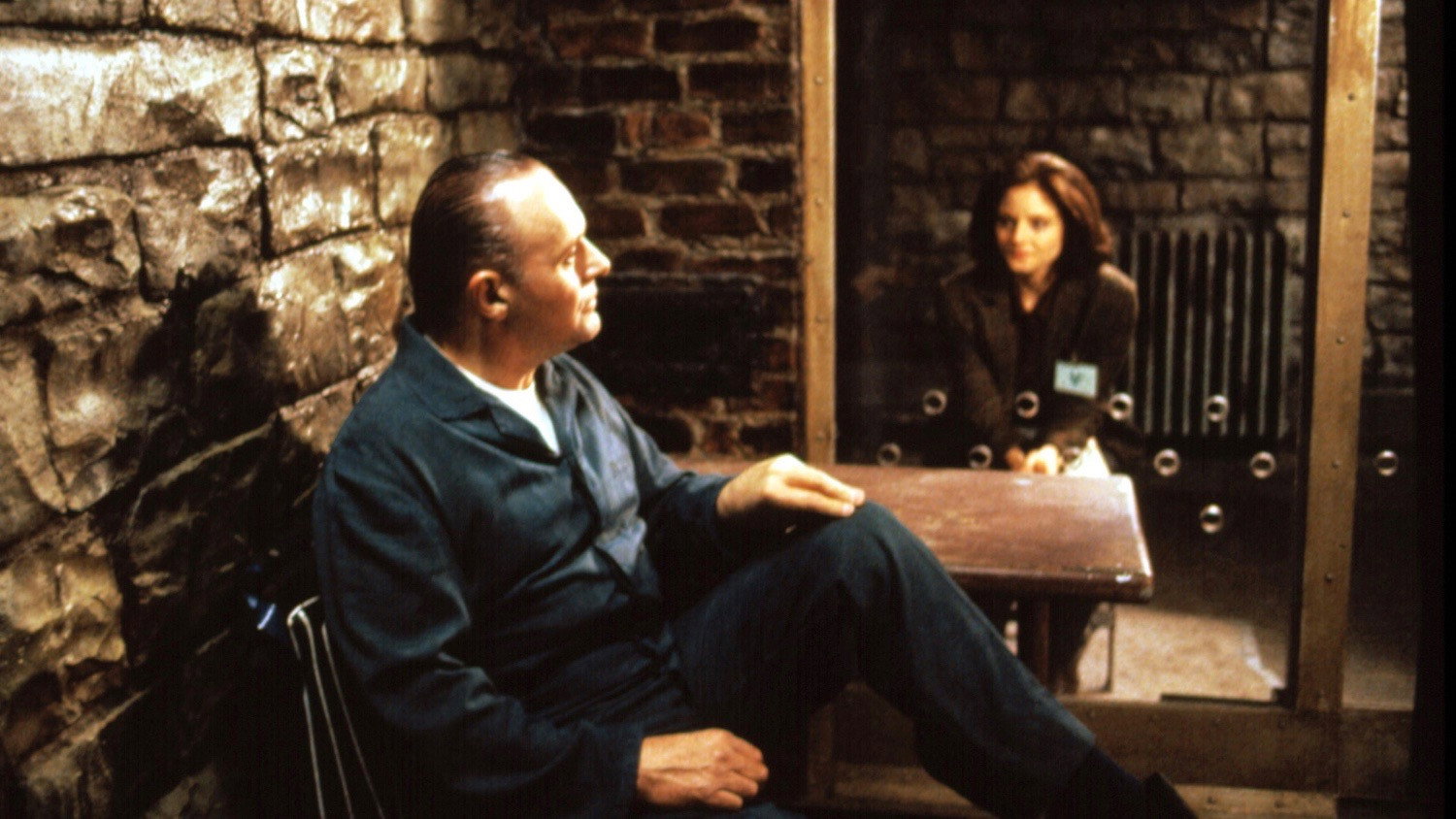
Jonathan Demme’s The Silence of the Lambs makes a conversation frightening enough to justify a crime thriller built around it. Adapted by Ted Tally from Thomas Harris’s novel, it gives Jodie Foster’s Clarice Starling and Anthony Hopkins’s Dr. Hannibal Lecter time to study each other while the hunt for Buffalo Bill supplies the urgency. We would recommend it even to someone with little appetite for the genre, provided they can bear its cruelty. The performances deserve the attention they receive, but Demme’s judgement about where to put us matters just as much.
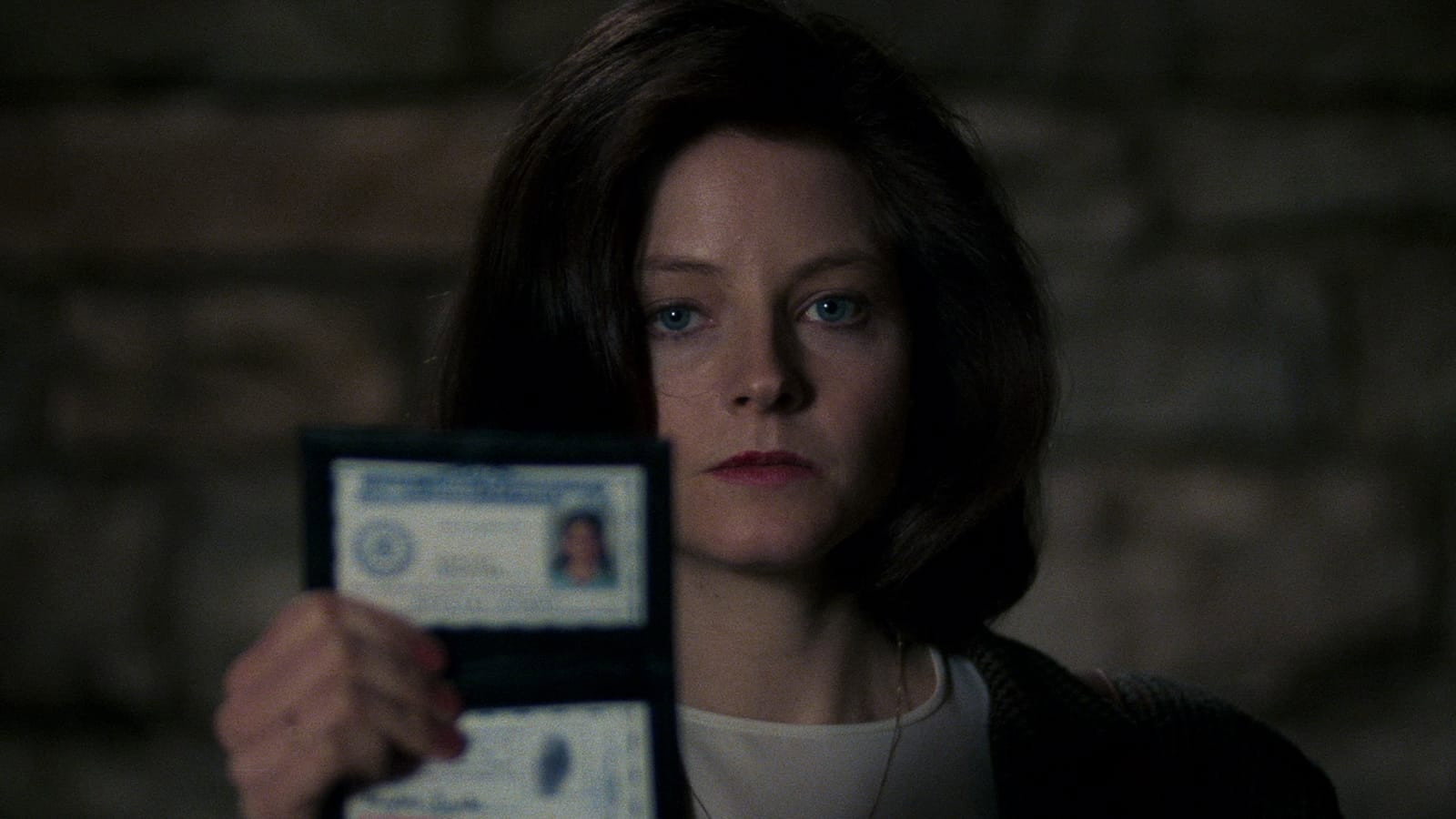
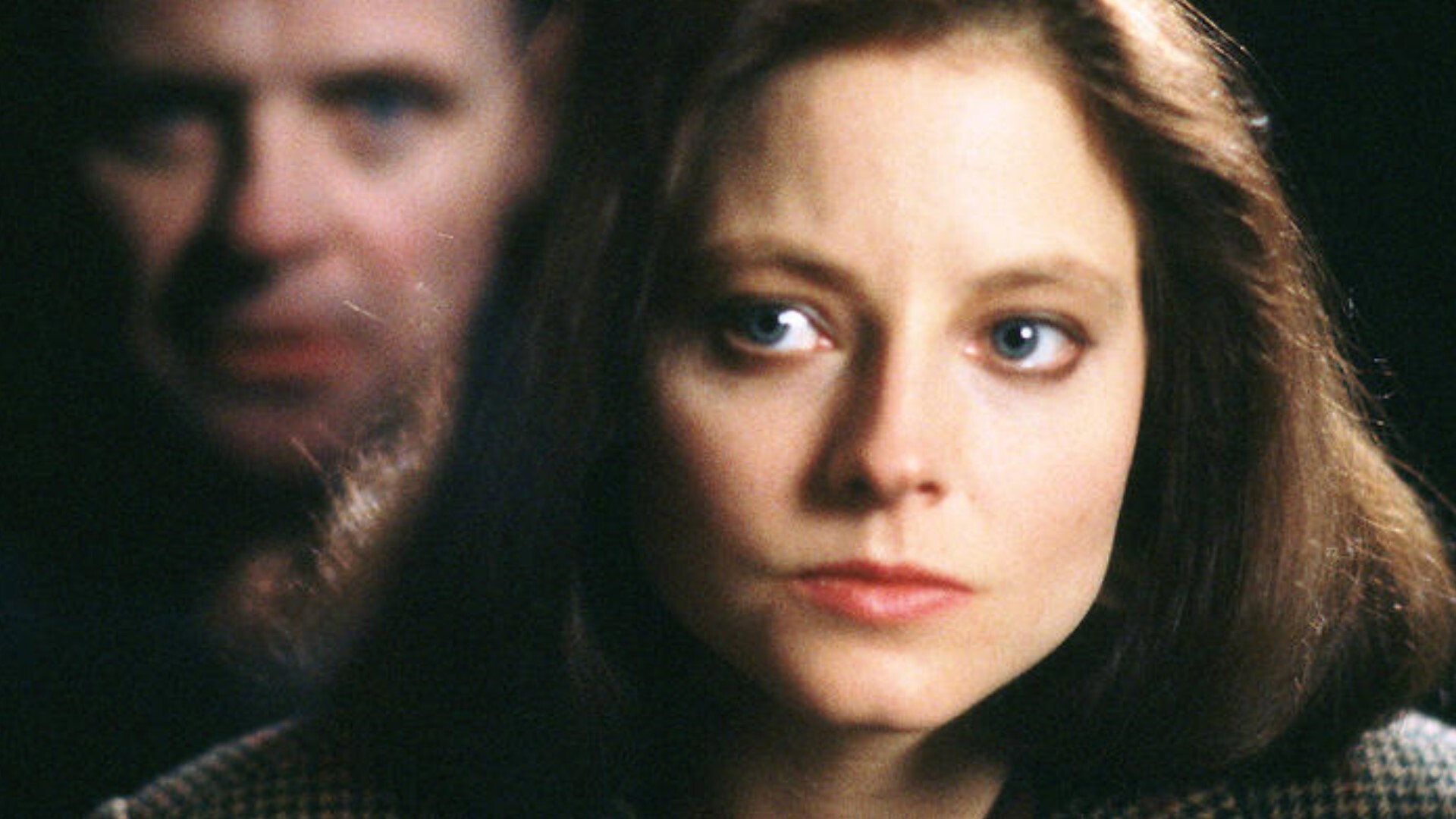
Clarice is an FBI trainee, and Foster makes the effort of being taken seriously part of the suspense. Her intelligence is practical: she has work to do, and cannot afford either to be intimidated or to pretend she is not. The vulnerability never cancels the competence. We felt protective of her during the exchanges with Lecter, because Foster makes clear how much attention it takes to keep answering him without giving ground.
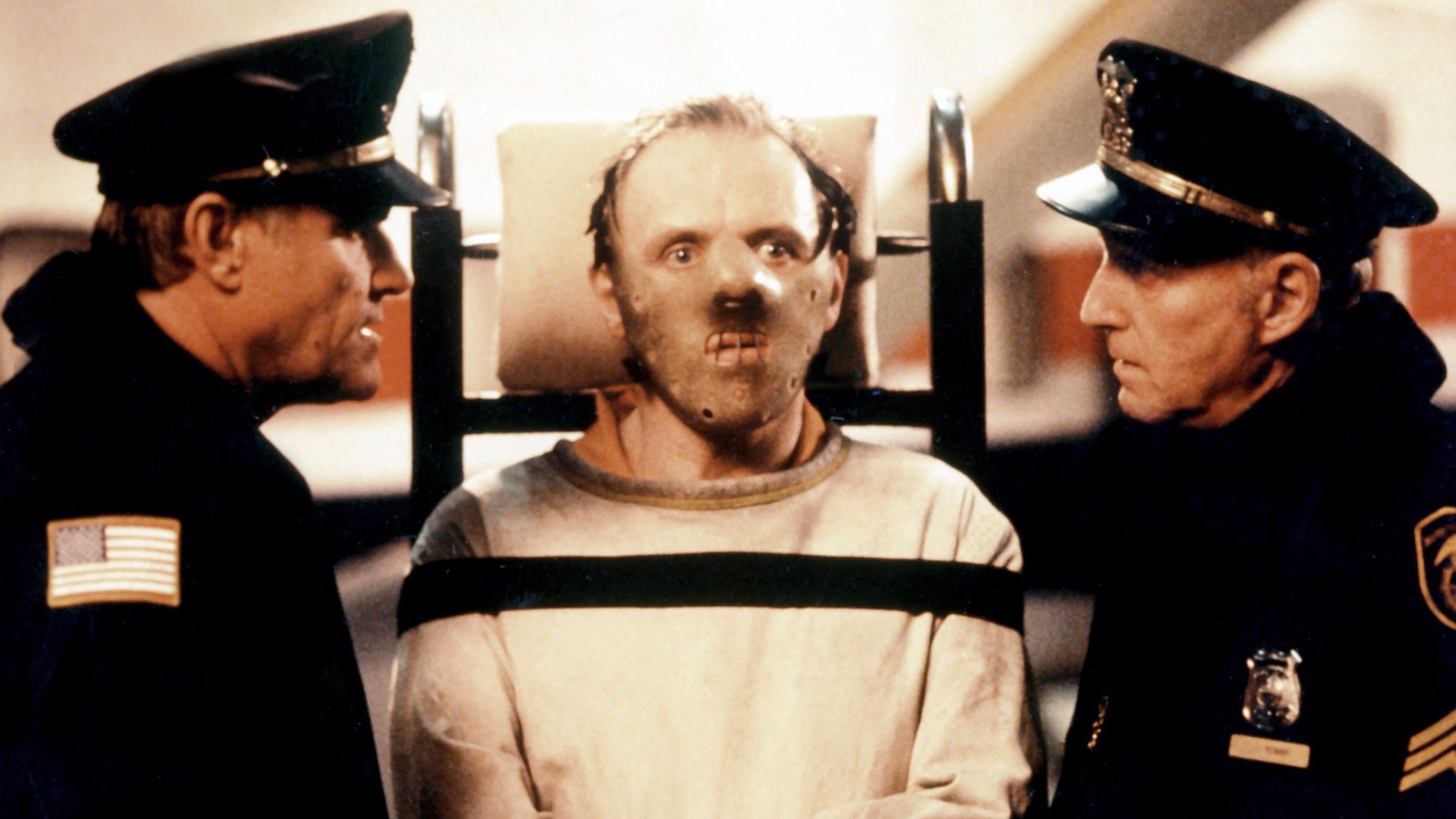
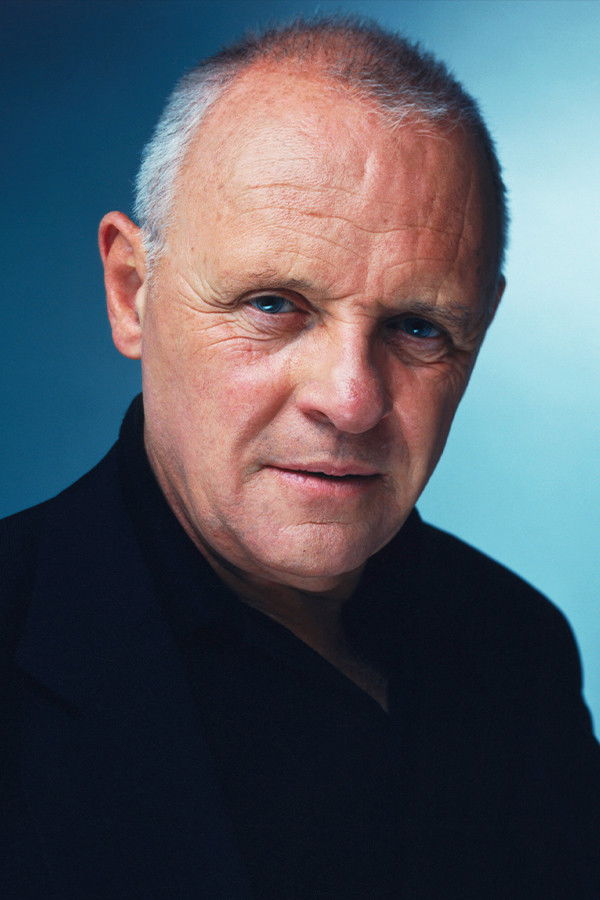
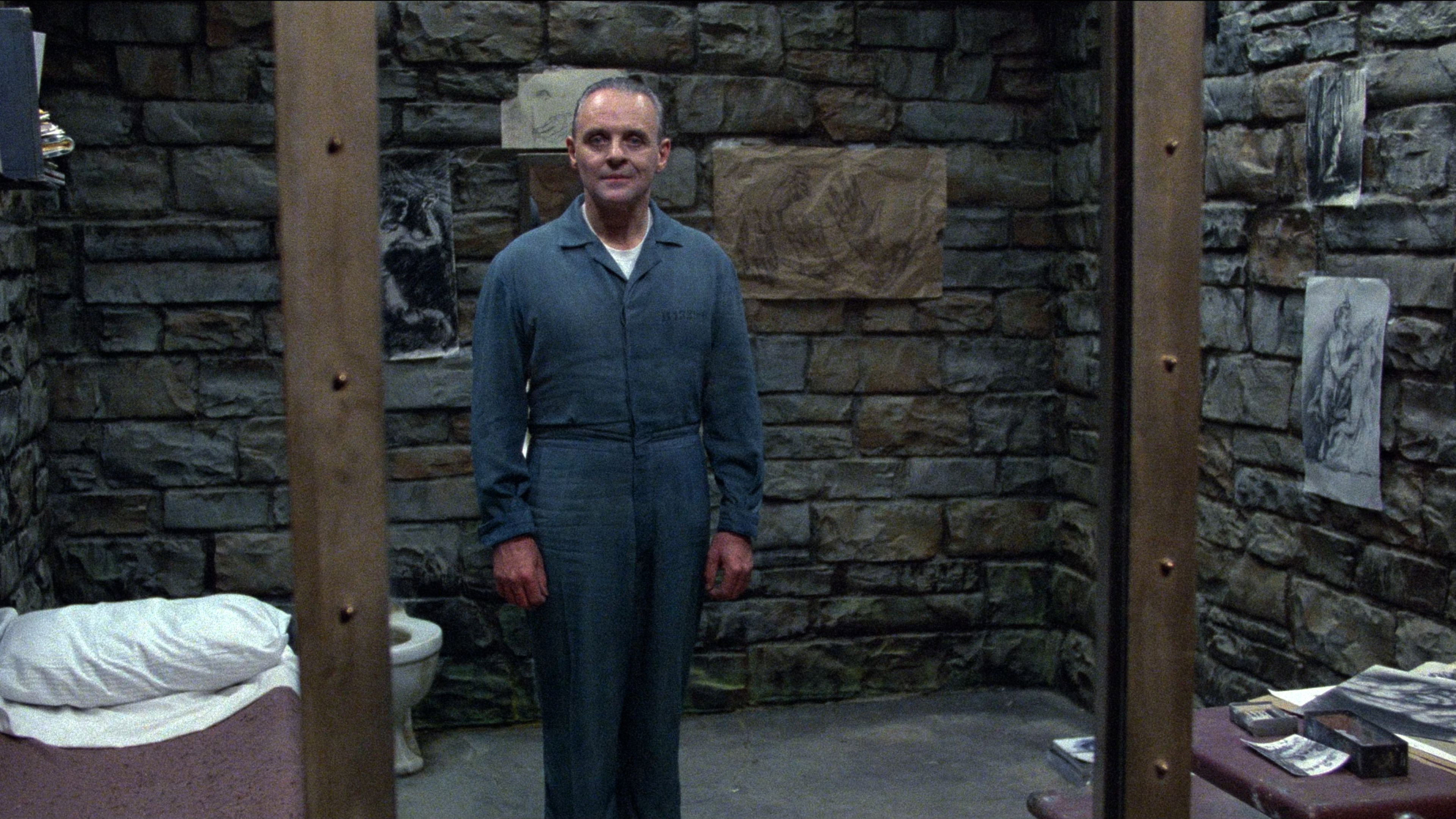
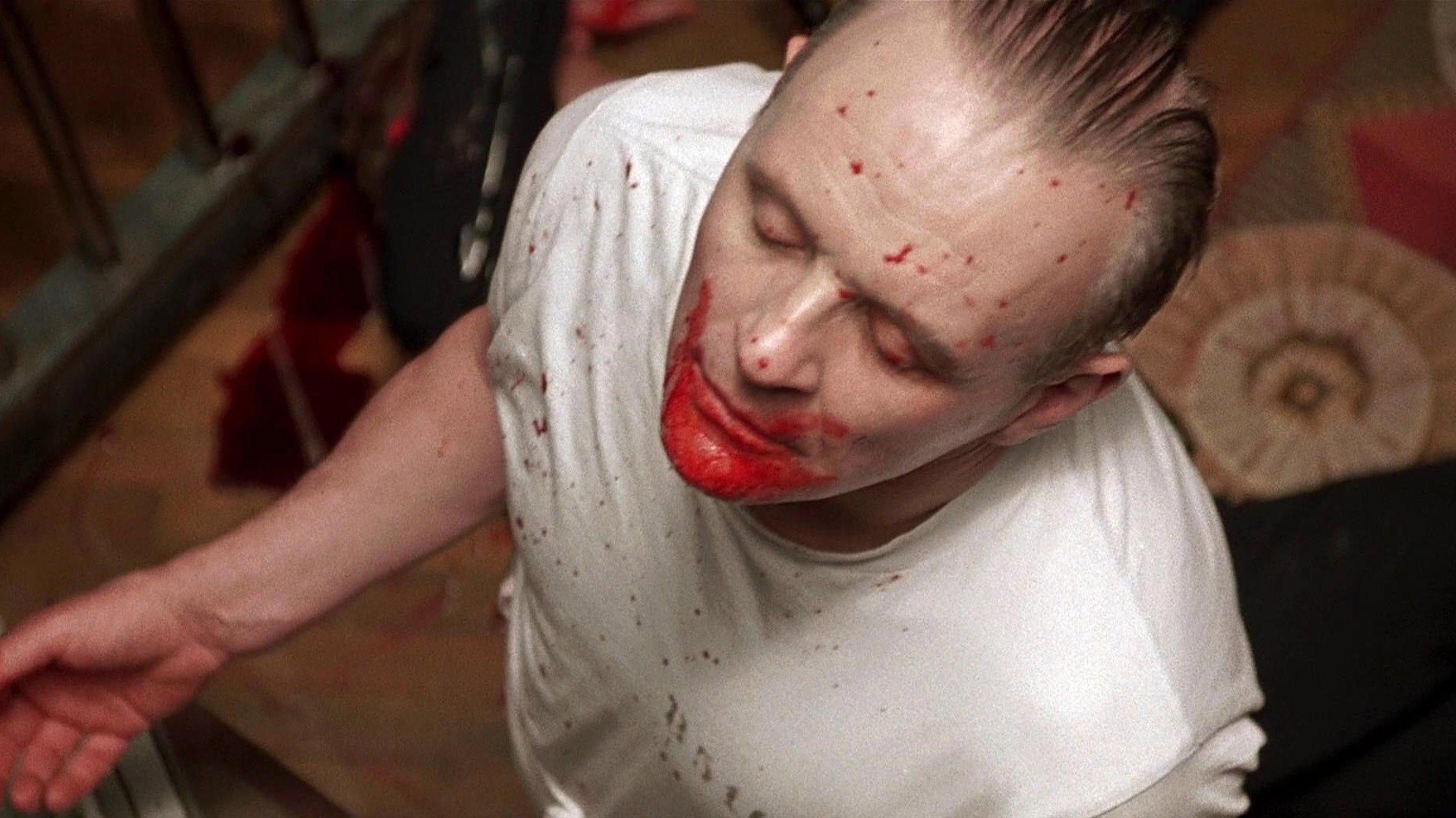
Hopkins makes that task unpleasant through the precision of his attention. His Lecter seems to hear more in an answer than the person speaking intended, and the insinuation is often worse than an open threat. There is humour in the performance, too, and occasionally so much enjoyment that we become conscious of an actor savouring his opportunities. That is our chief reservation: Lecter can be a shade too entertaining for the fear to remain undisturbed.
Demme and cinematographer Tak Fujimoto put the faces close enough for those small shifts to count. The confrontations have an uncomfortable directness, making it difficult to sit back and enjoy Hopkins’s technique at a safe distance. We were unnerved by those close-ups, because his scrutiny feels aimed at us as well as her. The attention to men looking at Clarice also makes the simple business of doing her job feel exhausting.
Craig McKay’s editing keeps the investigation moving without hurrying the exchanges that make it matter. Tally’s screenplay gives those conversations enough uncertainty to sustain suspense even when the immediate business is simply asking and answering questions. The supporting characters are less absorbing, and Anthony Heald’s Dr. Frederick Chilton offers less to discover than either of the leads. Still, the film is economical enough that this unevenness seldom costs it momentum.
Kristi Zea’s production design makes the surroundings feel oppressive enough that the film hardly needs to insist on its subject’s ugliness. Howard Shore’s music adds to that pressure, though we are less conscious of it than of the voices. Both contributions work because they leave the actors room to make us uncomfortable. Demme gets the greatest effect from letting us look and listen for longer than feels pleasant.
As a crime thriller, it understands how quickly gruesome material can become routine. Demme keeps our attention on Clarice’s practical intelligence and on the strain of facing someone who enjoys studying her. The result is frightening without letting the people doing the investigating disappear behind the case. Give it your full attention, particularly when Hopkins appears to be doing nothing at all.