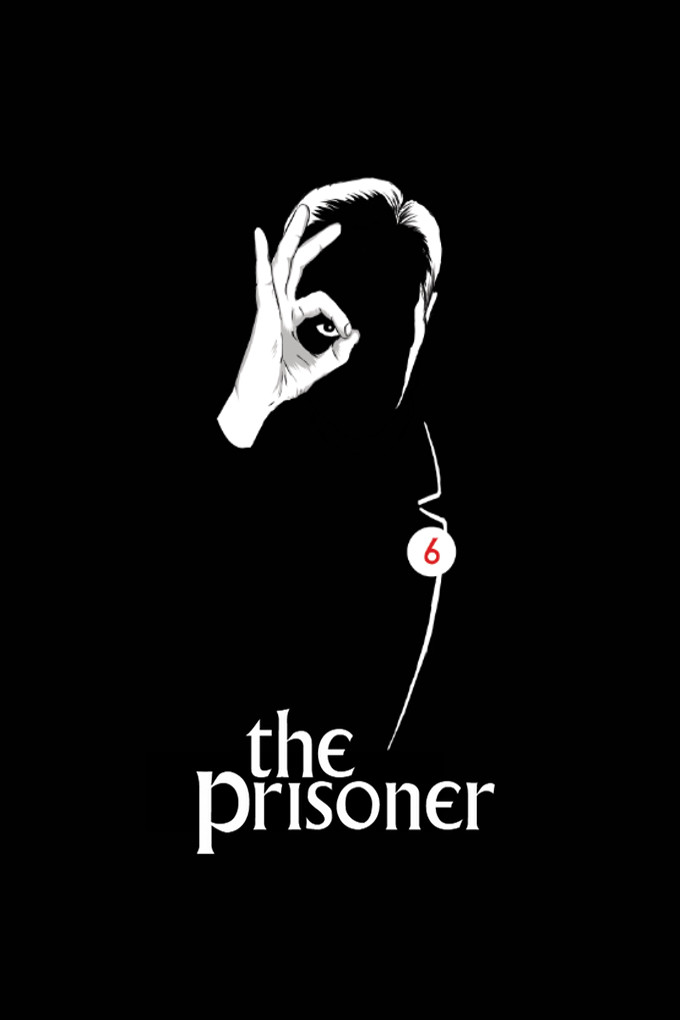
David Tomblin helped make The Prisoner gripping, uneasy television, occasionally too solemn for its own good. His later career rewards attention to another skill: helping other directors manage complicated productions.
Fi1m perspective
In The Prisoner (1967), the Village makes familiar surroundings feel unsafe, while Patrick McGoohan gives the mystery someone stubborn enough to hold our attention. We found that combination gripping: the setting unsettles us without weakening our interest in the man at its centre. David Tomblin co-created the series with McGoohan, produced every episode and contributed as writer and director. This is the work that makes the strongest case for taking him seriously as a creative partner, rather than simply an expert organiser.
His contributions as writer and director include the episodes Arrival, Living in Harmony and The Girl Who Was Death. Those credits make him an important part of its success, without making the whole programme his personal creation. We recommend the series warmly, with a reservation about its solemnity, which can become wearing. McGoohan supplies the stubborn centre it needs, but the programme sometimes asks us to tolerate more seriousness than it needs. Admiration need not mean enjoying every minute.
Further television directing followed on Gerry Anderson productions including UFO, Space: 1999 and The Protectors. From the mid-1970s, however, his career chiefly developed through first assistant directing on large international features. He handled assistant and second-unit directing duties on Superman (1978), then served as first assistant director on The Empire Strikes Back (1980) and Raiders of the Lost Ark (1981). These are different responsibilities from those he held on The Prisoner, and we should keep the distinction clear. A familiar title alone tells us little about his decisions on set.
Gandhi (1982) gives us something more specific: Tomblin supervised a crowd sequence involving 250,000 participants. His repeated collaborations with Richard Attenborough, Irvin Kershner and the Lucasfilm team belong to this part of the career, built around managing complicated productions. It is work worth recognising without pretending that those films express his personal view. For the director and writer, start with The Prisoner, allowing for the stretches when its seriousness makes a second episode less tempting.
Biography
David Tomblin (18 October 1930 – 20 July 2005) was an English film and television producer, assistant director and director. Born in Borehamwood, Hertfordshire, he began working in the film industry as a runner at the age of 14 and became a first assistant director in 1954 after National Service in the Royal Marines.
Tomblin is best known as the producer of the 1967–1968 series The Prisoner, which he co-created with Patrick McGoohan. He also wrote and directed episodes of the series, including "Living in Harmony" and "The Girl Who Was Death". He directed episodes of other series such as UFO, The Protectors and Space: 1999.
As a first assistant director or second unit director, Tomblin worked on numerous high-profile films including Barry Lyndon (1975), Superman (1978), The Empire Strikes Back (1980), the Indiana Jones series, Braveheart (1995) and The Man in the Iron Mask (1998). He received an OBE and a BAFTA Michael Balcon Award for his contributions to cinema.