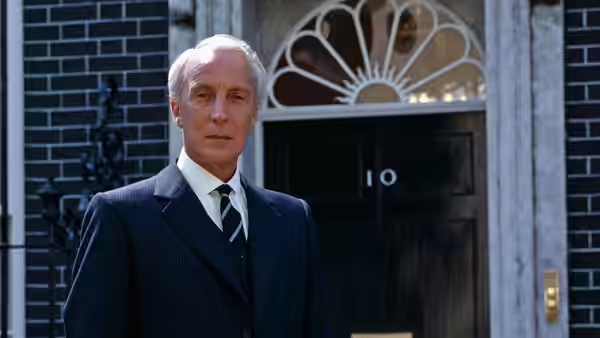
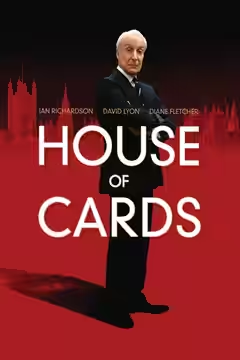
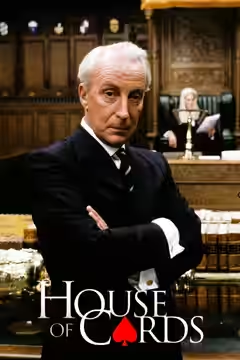
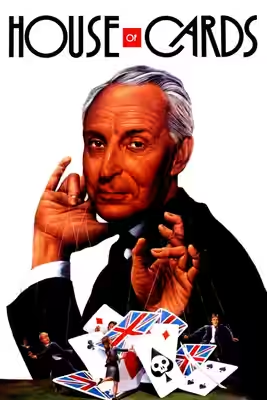
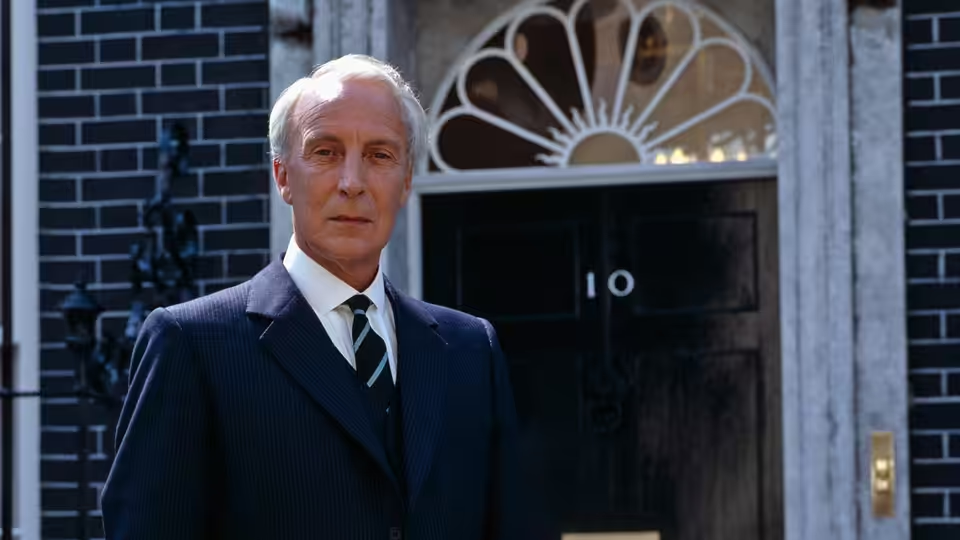
Francis Urquhart (Ian Richardson) stands outside the door of Number 10
Series review

House of Cards

1990 · Created by Andrew Davies · Series · 55m

In a sentenceIan Richardson makes political corruption sound like a minor breach of table manners

Public office, private ambition and the usefulness of other people occupy Francis Urquhart (Ian Richardson), a chief whip looking for promotion. House of Cards follows his manoeuvring in Westminster, where getting ahead involves calculations about who can help and who stands in the way. Susannah Harker plays Mattie Storin, Miles Anderson plays Roger O’Neill and Diane Fletcher plays Elizabeth Urquhart. Directed by Paul Seed, this four-part adaptation of Michael Dobbs’s novel combines a political thriller with comedy, concentrating on Urquhart’s efforts to advance his own position.

Fi1m review

Ian Richardson makes this sharply written political thriller a disreputable pleasure. The supporting characters need more life of their own, but the scheming is brisk, funny and worth the time it asks of us.

House of Cards is a sharply entertaining political thriller with one considerable advantage: Ian Richardson makes its chief schemer worth watching even when everyone else needs more to do. Paul Seed directs the four-part series with a welcome appetite for the unpleasantness of Francis Urquhart, a chief whip impatient for promotion. The humour depends on our enjoying a man we would have good reason to distrust. Richardson makes that bargain easy to accept, which is where some of the discomfort comes from.

Richardson’s delivery is arch, but he avoids making every line sound like an invitation to applaud. His Urquhart seems certain that he has understood the people around him before they have finished understanding themselves. We laughed at the way he makes contempt sound courteous, then felt grubby for enjoying it. That reaction matters: the performance keeps the scheming entertaining without asking us to mistake Urquhart for a decent man.

Andrew Davies’s script gives him plenty to work with. Adapted from Michael Dobbs’s novel, it takes evident pleasure in political calculation and in the language used to make ambition sound respectable. Seed treats the material as melodrama and allows it to be theatrical without letting the humour cancel the threat. The plotting is devious enough to hold our attention, though the sharpest writing is concentrated so heavily on Urquhart that the imbalance eventually begins to show.

Jim Fyans and Ian Punter’s cinematography feels appropriately formal around Richardson, whose performance would not benefit from a camera trying to be equally knowing. Ken Ledsham’s production design gives the pursuit of office a persuasive air of entitlement. These are useful choices for a story about people who regard proximity to power as their natural condition. The surroundings support the performances without demanding that we admire them separately.

Howard Billingham’s editing is particularly valuable in keeping the plotting clear. There is pleasure in following the manoeuvres, and the cutting does not confuse complication with excitement. Jim Parker’s music is more insistent about the drama’s wickedness than we always need it to be. Richardson already supplies so much amusement and menace that the extra encouragement can feel unnecessary, though it is a small complaint in a series that generally knows how to maintain its pace.

The supporting characters are the more substantial limitation. Susannah Harker’s Mattie Storin and Miles Anderson’s Roger O’Neill have to hold our attention beside a central role that gets most of the wit and psychological interest. Davies does not give the surrounding people enough independent life, and their usefulness to Urquhart can become too apparent. A thriller benefits from characters whose desires seem to continue beyond the immediate plot; here, we too often find ourselves waiting for Richardson to return.

As political melodrama, this asks us to accept a concentrated dose of calculation and vanity. Anyone after a broad account of how government works should adjust their expectations before settling in. Four episodes is a sensible commitment for this much enjoyable bad behaviour, even with the thinner roles. Choose it when the prospect of a well-spoken scoundrel sounds like better company than someone admirable.
Critical consensus AI synthesised

85
Positive
4
Mixed
0
Negative
0
The Guardian
15 February 2014
90*

The 1990 four-part BBC series adapted by Andrew Davies from Michael Dobbs's novel is described as a fabulous hybrid of political satire and human drama. It is praised for being gleefully astute and magisterially arch, revelling in theatrical duplicity distilled in the memorable catchphrase, with serpentine machinations that felt indulgently native to Westminster.

Read the full review →
Radio Times
8.5/10 · David Brown
85

The critic praises this 1990 depiction of Westminster machinations at their most devious, centered on the promotion-hungry chief whip Francis Urquhart. The British original remains the most devilishly compelling version compared to the later US remake.

Read the full review →
The Telegraph
9 April 2013 · Daisy Bowie-Sell
85*

The original British TV series is back-stabbingly glorious. It follows the ruthless machinations of Chief Whip Francis Urquhart with seductive, ruthless cool in a sordid portrait of Westminster politics.

Read the full review →
The Times
19 November 1990 · Sheridan Morley
80*

The critic finds the series a timely and entertaining political thriller, with Ian Richardson delivering a silky, arch performance as the scheming Francis Urquhart that elevates the material. Davies' script is praised for its witty, devious plotting and Jacobean melodrama style, though supporting characters are seen as underdeveloped.

Read the full review →

Straight answers AI written, from our review

Is House of Cards worth watching?
House of Cards is worth watching for anyone who enjoys a well-spoken scoundrel, and we scored it 84. Ian Richardson makes Francis Urquhart's scheming brisk, funny and quietly menacing across four episodes. The supporting characters are thinner than they should be, and viewers wanting a broad account of how government works should look elsewhere.
How long is House of Cards, and what is it rated?
House of Cards has episodes of about 55m. It is a war & politics and comedy series.
Where can I watch House of Cards in New Zealand?
House of Cards is not on any streaming or rental service in New Zealand at the moment. It is available in 5 other countries; change your country at the top of the page to see where. Availability is checked daily.
How violent or frightening is House of Cards, and is it suitable for children?
House of Cards carries a UK 15 certificate, which rules it out for children and younger teenagers. Its unpleasantness lies in political corruption, contempt and manipulation rather than in anything frightening or graphic, so the squeamish have little to fear. Older teenagers with a taste for adult drama will follow it without difficulty.
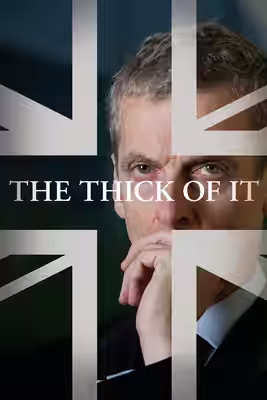
How does House of Cards compare to The Thick of It?
House of Cards is the more controlled of the two, built around one man's calm, courteous scheming, while The Thick of It is louder, more frantic and far ruder. The earlier series depends almost entirely on Ian Richardson; the later one spreads its wit across an ensemble. Choose Richardson for menace and formality, Capaldi for chaos and abuse.
Is House of Cards based on a true story or a book?
House of Cards is based on Michael Dobbs's novel of the same name, not on a true story. Andrew Davies adapted it for the four-part series directed by Paul Seed, with evident pleasure in political calculation and the language that makes ambition sound respectable. You do not need to have read the book to enjoy Richardson's performance.
What should I watch after House of Cards?
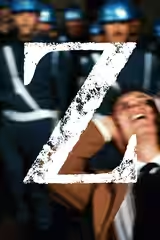
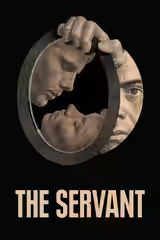
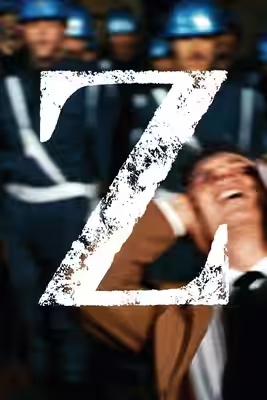
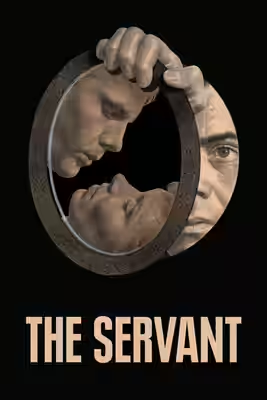
After House of Cards, try The Thick of It (2005, Fi1m 94): Political vanity gets a louder, more frantic examination, with less reliable manners. Then Z (1969, Fi1m 84): For political corruption treated with greater urgency and considerably less amused detachment; and The Servant (1963, Fi1m 89): A quieter contest of power, where manners provide little assurance of good intentions.

Cast

Awards

Peabody Awards, 1996

Won
Peabody Awards

BAFTA Television Awards, 1991

Nominated
Best Actress
Nominated
Best Drama Series
Won
Best Actor

If you liked this, try…

  1. The Thick of It (2005, Fi1m 94)Political vanity gets a louder, more frantic examination, with less reliable manners.

  2. Z (1969, Fi1m 84)For political corruption treated with greater urgency and considerably less amused detachment.

  3. The Servant (1963, Fi1m 89)A quieter contest of power, where manners provide little assurance of good intentions.

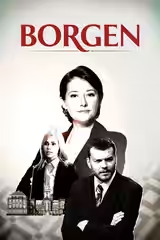
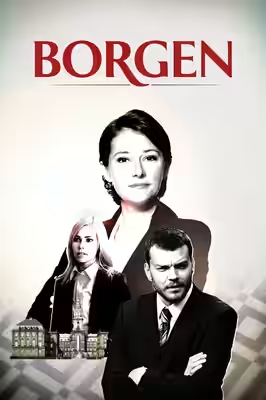
  4. Borgen (2010, Fi1m 84)For a broader political drama that allows ambition some respectable company.

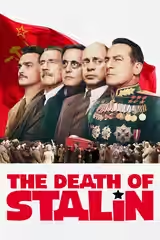
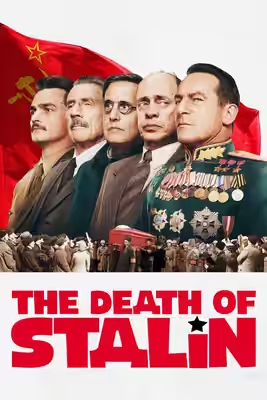
  5. The Death of Stalin (2017, Fi1m 83)The scramble for power becomes even uglier, and the comedy more alarming.

Free account

Know what to watch tonight

Two lists that know where things are streaming, collections you can share, your own score beside ours, and Discover that remembers what you have seen.

  • Want to see, sorted by what is streaming now
  • Seen, with your score out of ten
  • No adverts, ever