Lenny Abrahamson and Hettie Macdonald’s twelve-part adaptation of Sally Rooney’s novel is patient, close and unusually honest about sex and class. Paul Mescal and Daisy Edgar-Jones carry it; the people around them are drawn thinner.
Sally Rooney’s novel was published in 2018 and was read, it seemed, by everyone under forty, which is usually bad news for an adaptation. The shape chosen here is the right one. Twelve episodes of half an hour, written by Rooney with Alice Birch and Mark O’Rowe, with Lenny Abrahamson directing the first six and Hettie Macdonald the last six. The book moves in short chapters that skip weeks or months between them. The series does the same, and each episode stops where a feeling stops rather than where a plot does.
The story is small on purpose. Connell Waldron and Marianne Sheridan start sleeping together in her mother’s kitchen during their last year at school in Sligo, keep it secret because he asks her to, and then spend their years at Trinity College Dublin failing to say what they mean to each other. That is nearly all of it. Nobody is a villain. Connell is kind and frightened of his friends; Marianne is honest and thinks so little of herself that she agrees to be hidden. The series understands that the not-saying is the story.
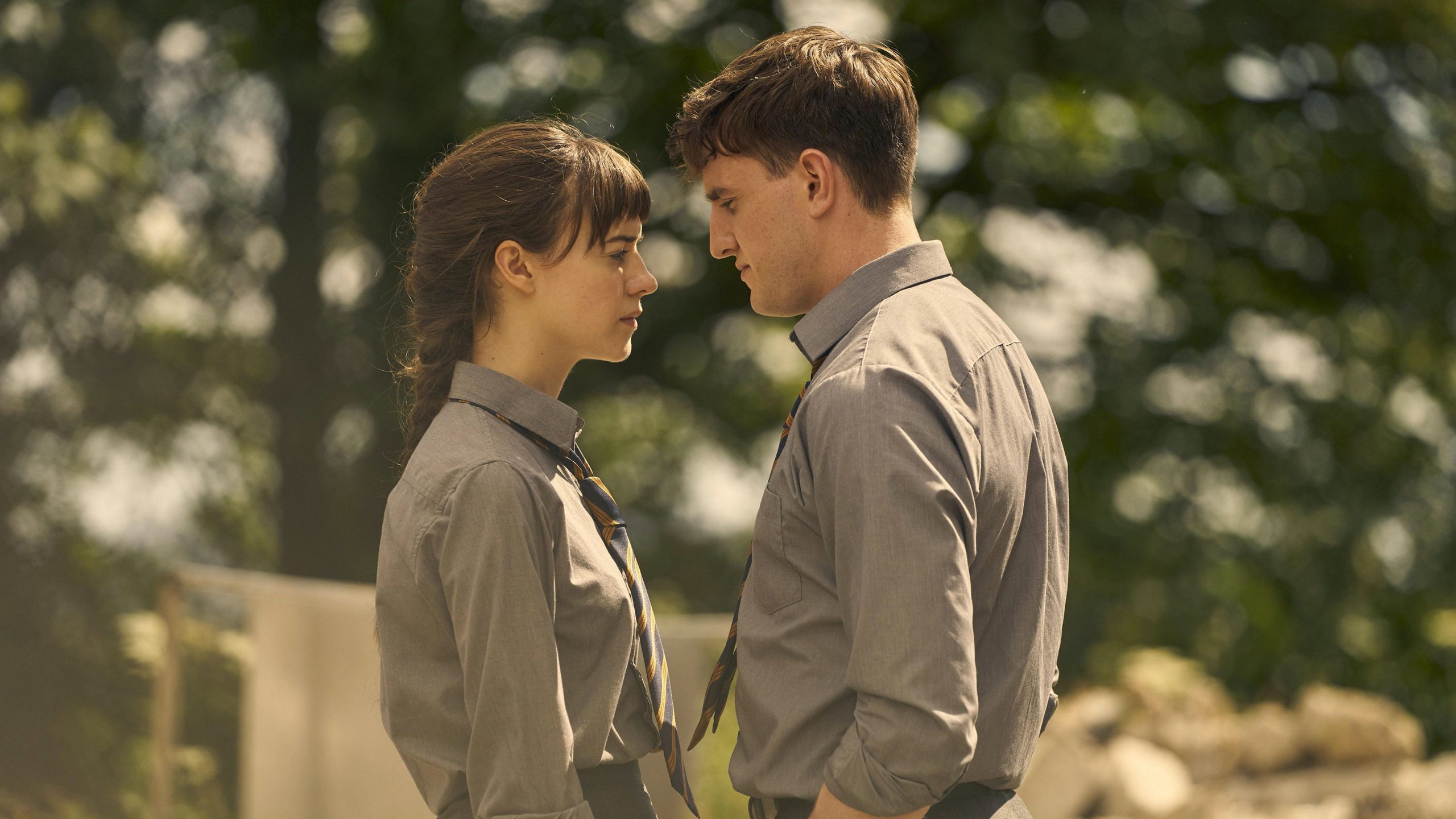
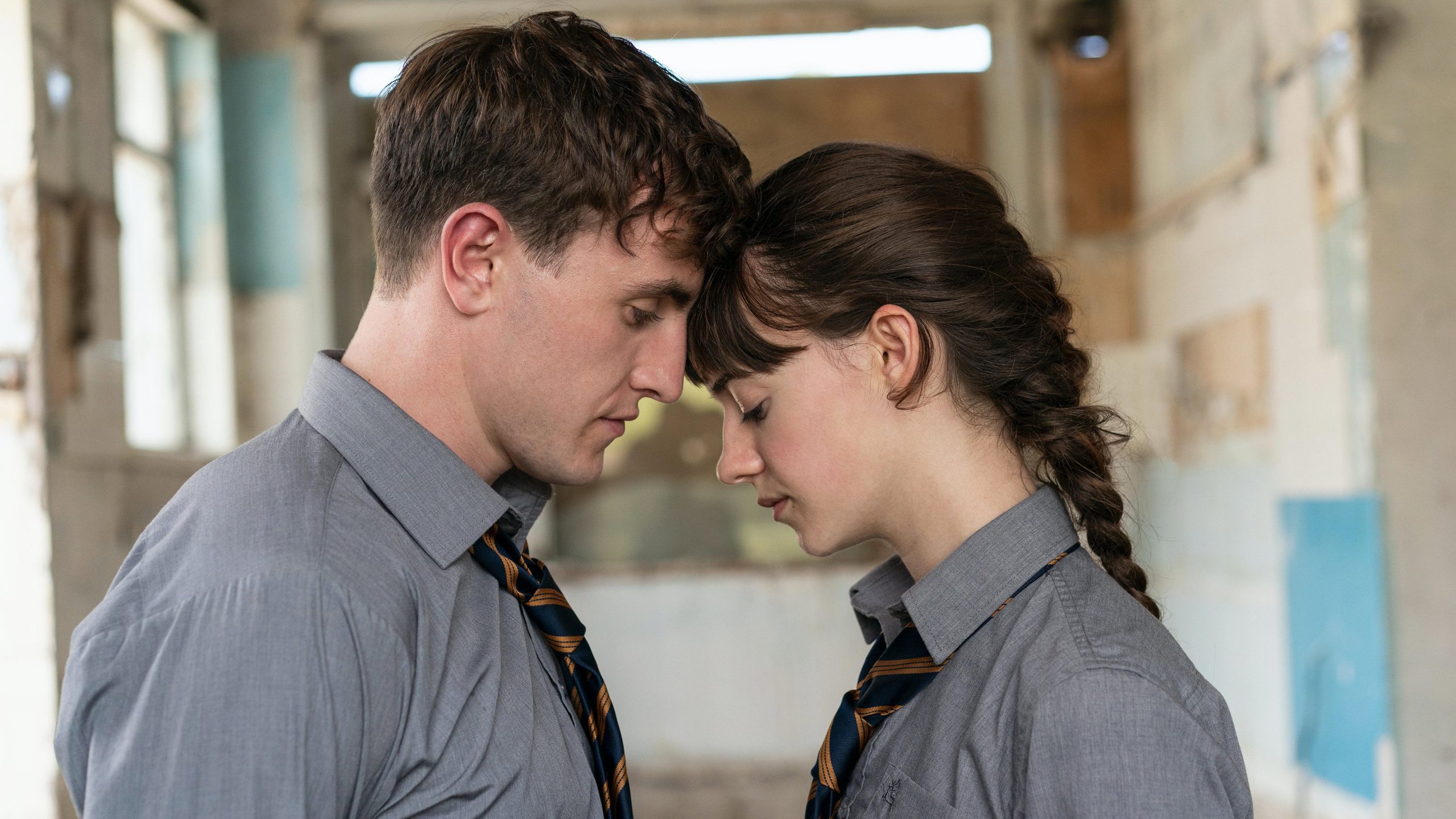
Paul Mescal plays Connell with his shoulders, drawn up in a school corridor and dropped in her bedroom, and he has the rare gift of looking like he is thinking when he says nothing. Daisy Edgar-Jones gives Marianne a stillness that reads as arrogance in the first episode and, once we know her, as something closer to a flinch. The scene in which he asks her to tell nobody, and she agrees, and the two of them stand there pretending this is fine, left us hot with embarrassment on both their behalves. Neither actor raises a voice. Edgar-Jones lets one small nod carry the whole of the damage.
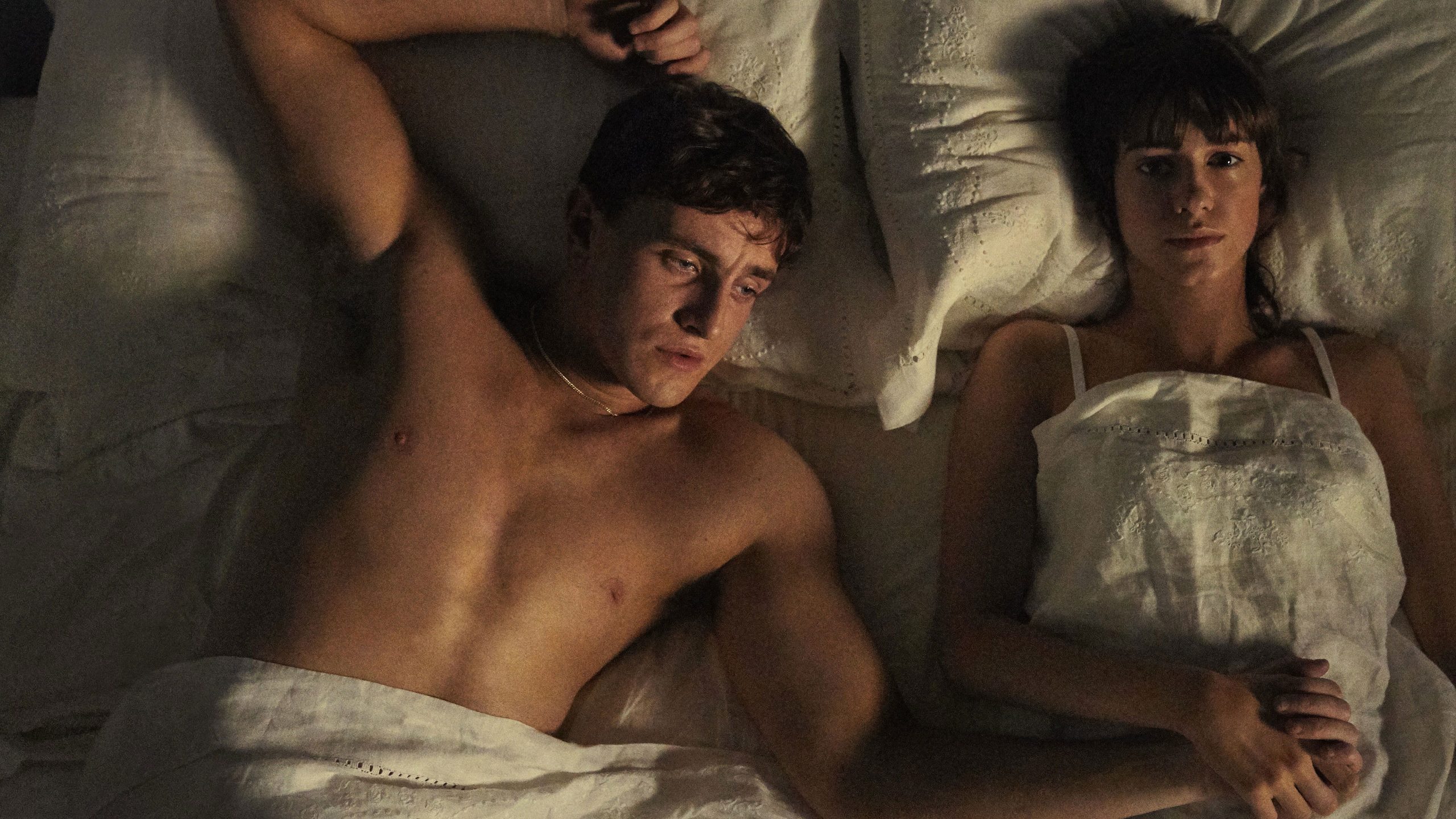
Kate McCullough and Suzie Lavelle shoot faces close, in daylight from windows, with the backgrounds gone soft, so that a two-shot of the pair in bed feels overheard. Sligo is grey, green and wet; the Dublin flats are lamps and red wine. Lucy van Lonkhuyzen’s production design makes the Sheridan house large, pale and under-furnished, a place where footsteps carry, and the Waldron house small and full. Lorna Marie Mugan puts Connell in football shorts, grey tracksuits and one thin chain, and Marianne in dark, expensive, slightly wrong clothes at school; in Dublin she gets the right clothes and he keeps the chain, and the class reversal is done before anyone mentions it. Stephen Rennicks’s music mostly stays away. A piano line arrives, does its job and leaves.
A great deal has been said about the sex, and the plain fact is that most of it is about talking. The camera stays on faces. Consent is asked for out loud, and the scenes are cut by Stephen O’Connell and Nathan Nugent at the length of a conversation rather than a montage, so nothing is hurried past. When the two are in a room together, this is as good as anything about young love we have seen on television.
When they are apart, it is less good. Marianne’s Dublin set, led by Gareth (Sebastian de Souza), the confident sort who says “actually” a great deal, are drawn as types to be seen through, and Connell’s friend Niall (Desmond Eastwood) is decent and not much else. Marianne’s mother and brother are given so little beyond cruelty that her home life reads as a fact we are told rather than a place we know. And the series keeps the book’s habit of parting the two on a misunderstanding a single sentence would fix. On the page you forgive it. On screen, watching two intelligent faces, we wanted more than once to shout at them.
Most television about teenagers is shot as though they were about to be arrested. This is shot as though they were about to be understood, and it is worth the six hours for that alone. It is a 15 certificate and has earned it. Watch it two episodes at a time and no more; it was built in half-hours for a reason, and the ache goes further spread out.