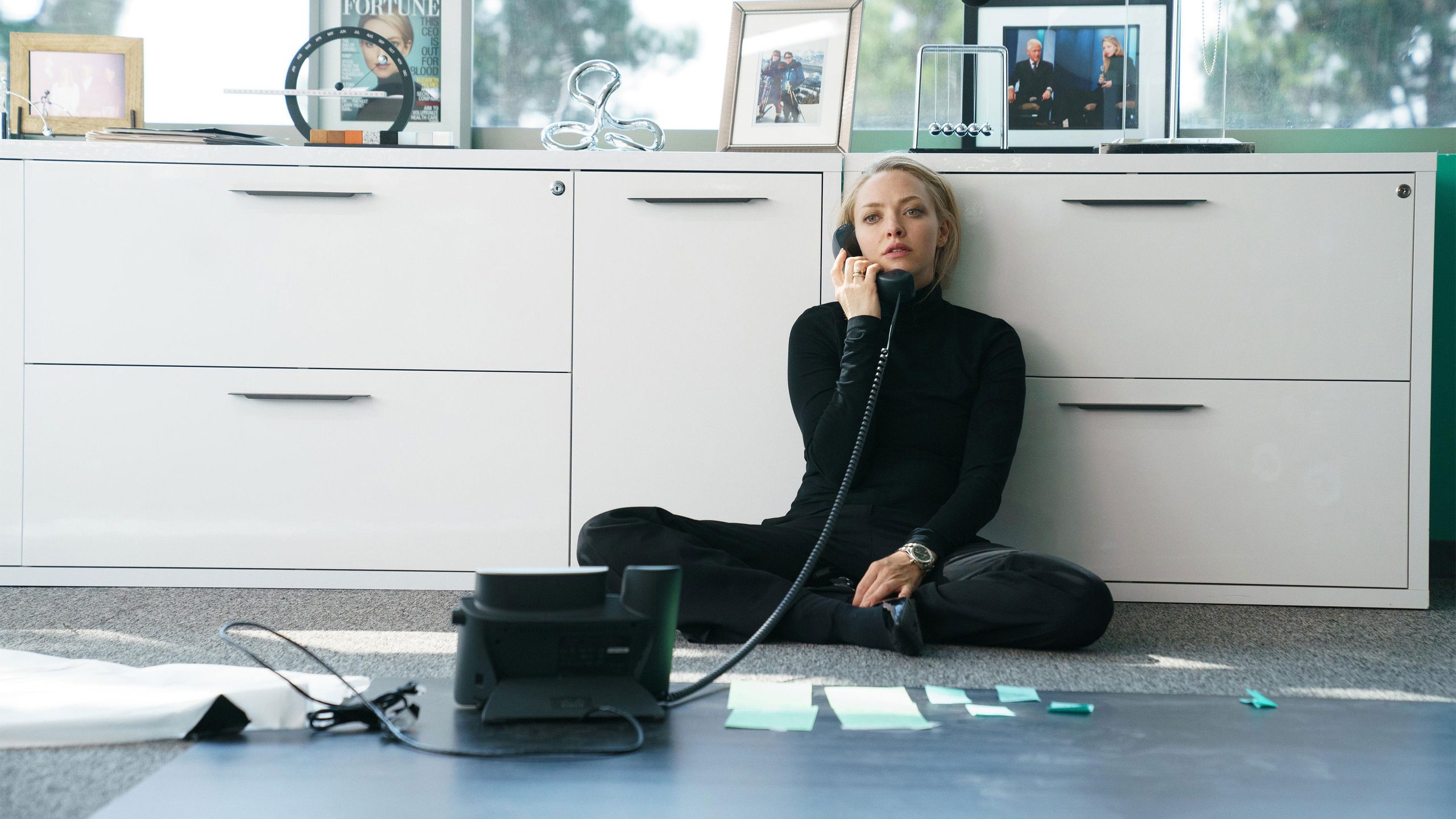
Amanda Seyfried is remarkable as Elizabeth Holmes, and the series around her is careful, well made and a little too tidy. It tells you what happened at Theranos, clearly and in order, and stops short of telling you what it thinks.
Elizabeth Meriwether’s eight-part series tells the story of Elizabeth Holmes and Theranos, the company that promised to run a full panel of blood tests from a single drop taken at the fingertip, and could not. It begins with the teenager and ends with the woman the world knows, and it goes there in order, one step at a time, with the dates on screen. It is well acted, handsomely made and as clear as a textbook, and that is our reservation as well as our praise. It shows you what happened. It is less sure what it thinks about it.
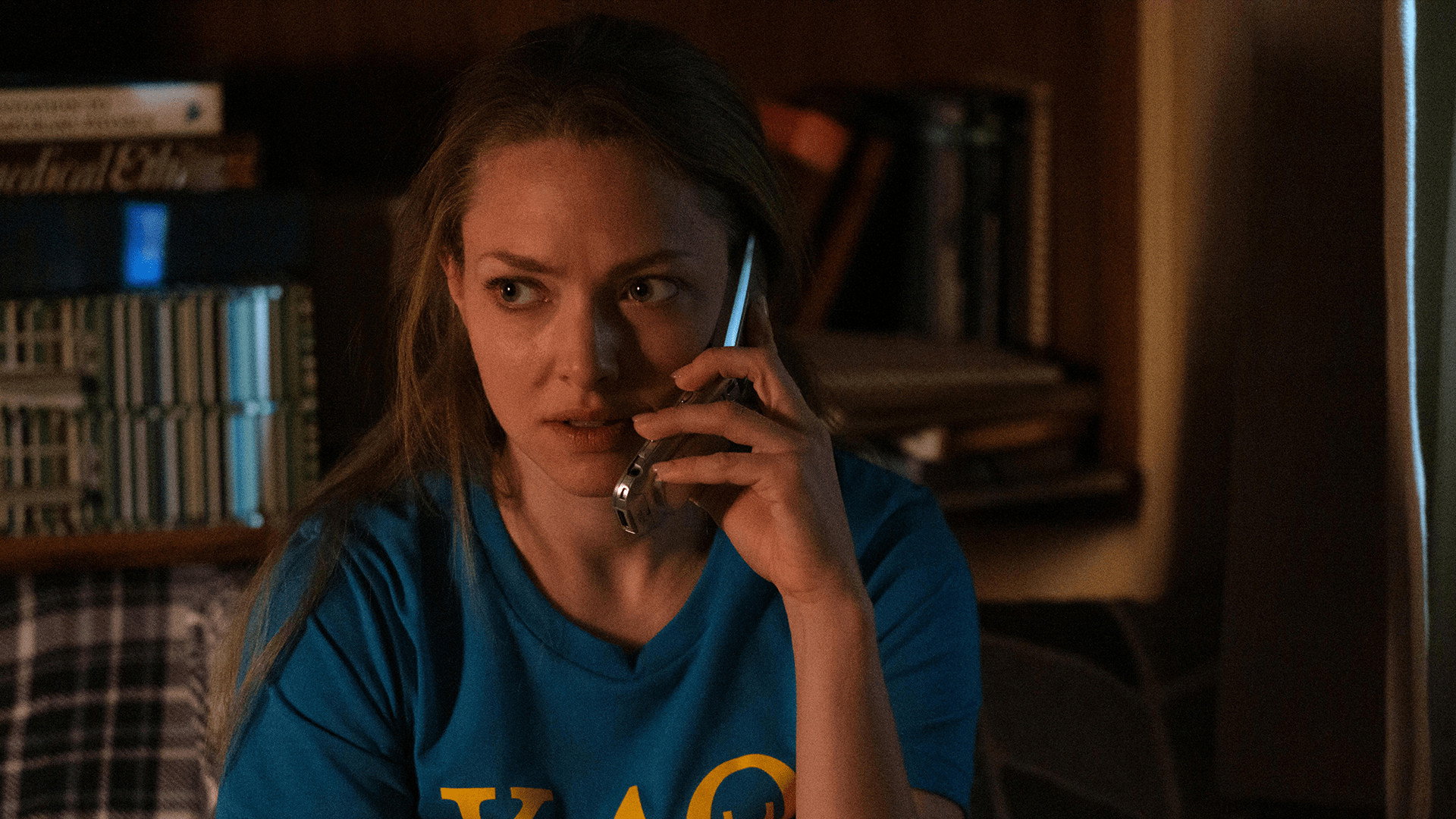
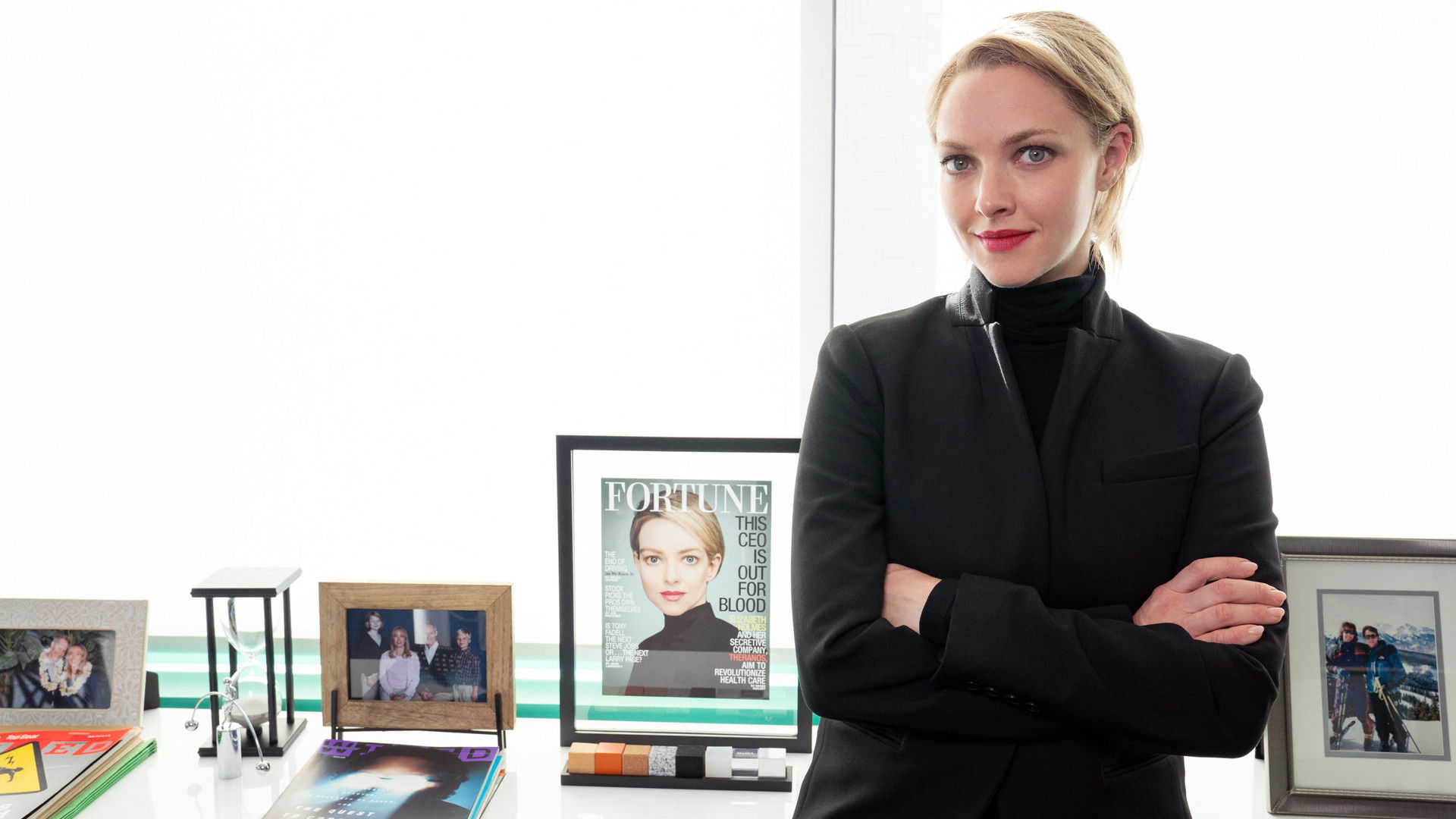
Amanda Seyfried carries it, and carries it further than the script sometimes asks. She plays Holmes as a person who has decided what a founder looks like and is building one from the outside in: the stare that does not break, the dancing alone in an office, and the voice, which drops over the episodes from a young woman’s to something an octave lower and sanded flat. Seyfried lets us see the effort every time. There is a scene where she practises the new voice in a mirror and gets it slightly wrong, and we squirmed, and then felt uneasy that a series about a woman who put patients at risk had made us embarrassed on her behalf. Claire Parkinson’s costumes do the same job more slowly, the black turtleneck arriving not as a decision but as a habit.
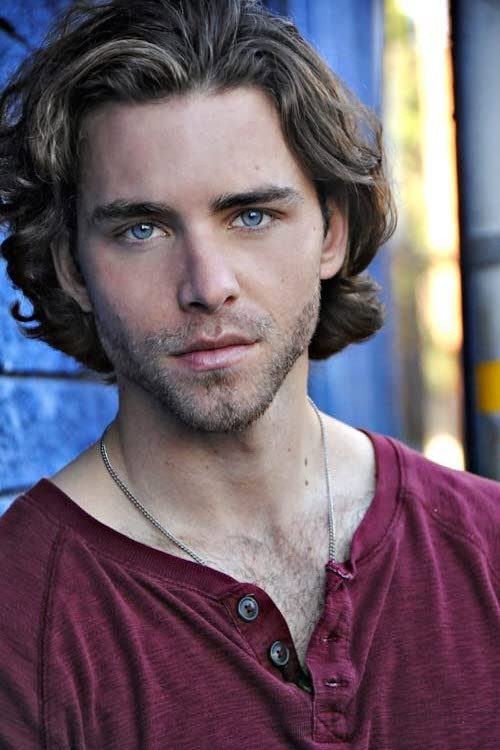
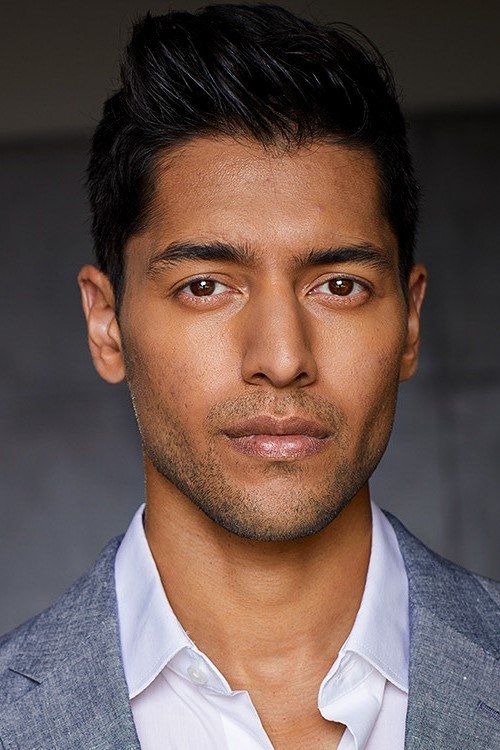
Naveen Andrews plays Sunny Balwani, the older man with money whom she meets in Beijing and who becomes her partner in both senses, as someone who mistakes bullying for loyalty and cannot tell when the mistake has stopped being useful. He is frightening in small rooms. Stephen Fry, as the chemist Ian Gibbons, is the person the series wants us to worry about, a scientist who believes the machine can be made to work and keeps saying so to people who have stopped listening. Fry plays him quietly, and it is a fine, sad, unshowy piece of work.
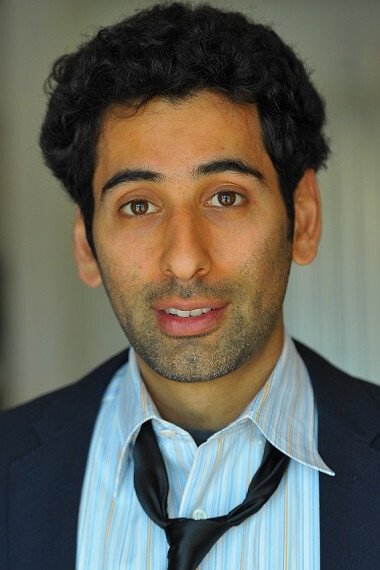
Cat Smith builds Theranos as a great deal of white wall and glass, so the labs where the machines do not work look exactly like the boardrooms where people are told that they do. Blake McClure, Michelle Lawler and Jonathan Furmanski share the photography across the episodes and keep to one look, bright and even, with the shadows saved for the basement and for Holmes’s face when the door shuts. Anne Nikitin’s score sits spare and slightly off-key under the pitches, which is the right choice. The editors, David Berman, Susana Benaim and Steve Welch, cut the demonstrations tight, above all the one in the second episode where the machine fails in front of a room of investors and a lie is decided on in seconds; that is the sequence where the whole series clicks into place. Michael Showalter, Francesca Gregorini and Erica A. Watson direct, and you could not tell from the screen where one hands over to the next, which for a series is a compliment.
The trouble is the first three episodes, which spend a long time on Holmes’s childhood and Stanford years, offered as explanation, and the pace only picks up once there is a company to lie about. Some critics have found the series too fond of her. We would not go that far, but it does give her hurt a great deal of screen time and her victims relatively little, and when the patients finally appear they are brief. The people who built Theranos are shown, and so is what they did. The question the series never quite asks is why so many clever, rich adults wanted so badly to believe a twenty-something with no product. It has the material for that. It moves on.
There has been a run of these lately, series about founders who told the truth last, and this is the neatest of them and the most disciplined, with a lead performance the others do not have. Watch it for Seyfried, who is doing something difficult and does not drop it once in eight episodes. Just do not expect the series to be angrier than you are; it seems to have decided that was your job.