David Simon and Eric Overmyer’s series about New Orleans after the flood has no plot to speak of and does not need one. It is slow, talkative and full of music played all the way through, and it earns its patience. One character we could happily have lost.
The programme is named after a neighbourhood, and that tells you how it works. David Simon and Eric Overmyer, who wrote together on The Wire, have set Treme in New Orleans three months after Hurricane Katrina, and they have not given it a case to solve or a villain to catch. They have given it a dozen people and a city that has been half-drowned, and they ask what those people do next. Mostly they do what they did before, badly, with no money, and the series is about whether that counts as rebuilding. We think it is very good. We also think it asks more patience than most drama and that you should know that before you start.
The cast is spread wide and the stories rarely touch. Wendell Pierce’s Antoine Batiste is a trombonist who is always in work and always broke, and Pierce plays him as a man who has decided charm is cheaper than rent. Khandi Alexander’s LaDonna Batiste-Williams runs a bar and hunts for a brother lost somewhere in the prison system, and Melissa Leo’s Toni Bernette, a lawyer, does the hunting with her. Clarke Peters is Albert “Big Chief” Lambreaux, a Mardi Gras Indian chief who comes home to a ruined house and starts sewing a new suit of beads and feathers before he has fixed the roof. Kim Dickens’s Janette Desautel keeps a restaurant open without a working gas line. Michiel Huisman and Lucia Micarelli are Sonny and Annie Talarico, a couple busking in the Quarter. Rob Brown’s Delmond Lambreaux, Albert’s son, plays trumpet in New York and would rather stay there.
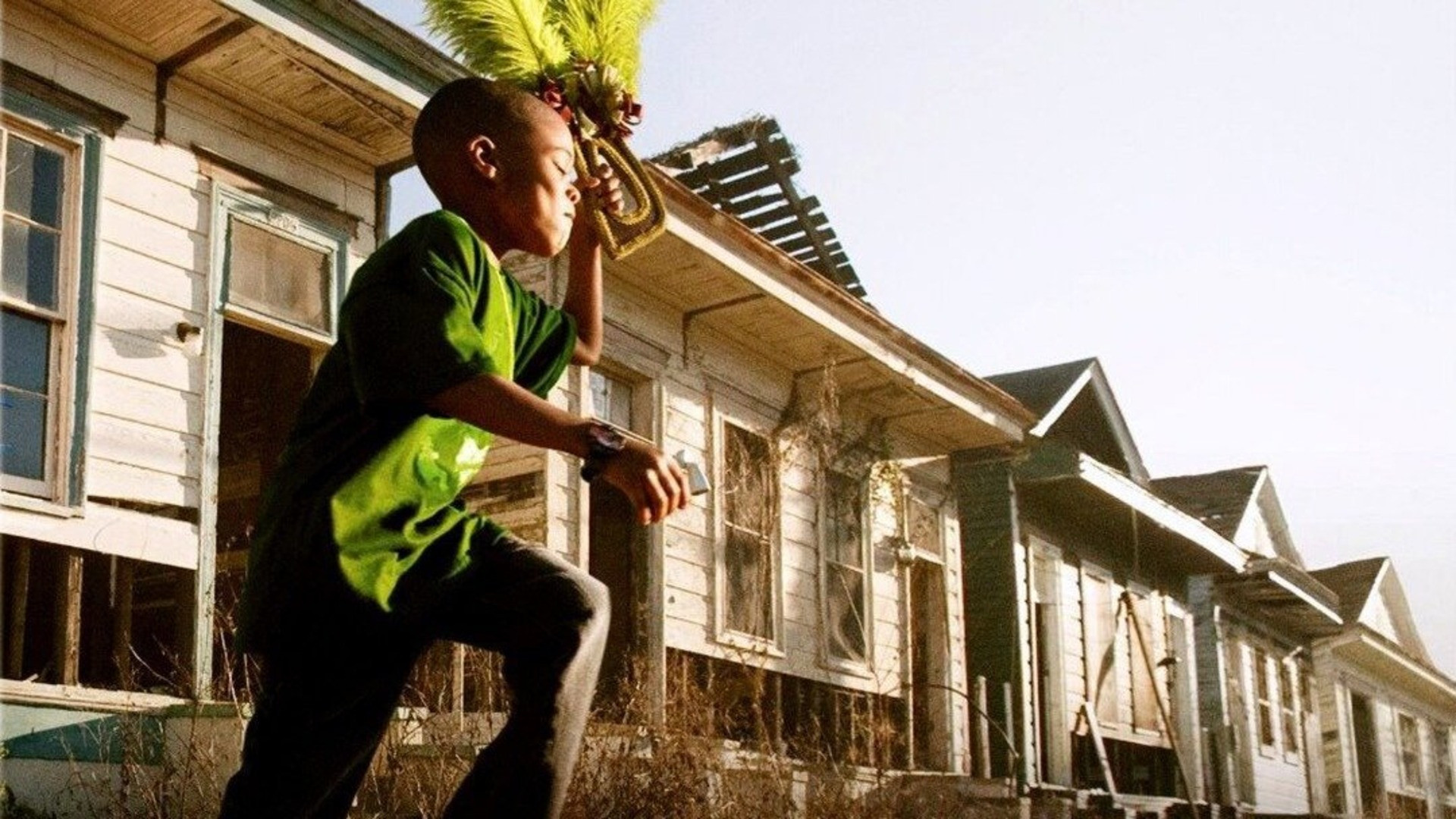
The music is not a soundtrack. Songs are played in full, in bars and on street corners and at funerals, and the camera waits for them to finish. Real musicians appear as themselves; Cornell Williams turns up in the credits as Cornell Williams. Antoine’s gigs are staged so that we hear the whole set, including the parts where he is coasting. The moment that got us came in the first season, when Albert walks down a dark street with no working lamps in his full chief’s suit, alone, chanting, and nobody is there to see him. We had not expected to cry at a man in feathers. It is the loneliness of it, a ritual performed for a crowd that has not come back.
The writing room explains the texture of the talk. Anthony Bourdain is among the writers, and the kitchen scenes sound like someone who has worked a line on a bad night. Lolis Eric Elie and Chris Rose, both New Orleans writers, are credited, and the arguments about who is a real local and who is a tourist have the sourness of people who have had them for real. George Pelecanos and Tom Piazza are here too. Agnieszka Holland directs the opening episode and sets the pace: long scenes, no hurry, the wreckage in the background and never lingered on. Ernest R. Dickerson and Tim Robbins are among the directors who follow her, and the look holds.
Now the complaint. Steve Zahn’s Davis McAlary is a DJ and would-be musician who lectures anyone within reach about authenticity, and the series likes him a great deal more than we did. He is meant to be exasperating and he is, but he is also given the speeches, and when Treme wants to tell us what it thinks about the city, the government or the tourists, it usually hands the job to him. We were bored by the fourth of these, and then irritated that a series this confident felt it needed them at all. The Sonny and Annie strand takes a season to find a reason to exist.
Against Simon’s own standard, this is the gentler work. The Wire was an argument about a system, and Treme is a portrait of people living in the aftermath of one. Jon Seda’s Nelson Hidalgo, a developer who arrives in the second season with money and a grin, brings some of the old anger about who profits when a city is rebuilt, and Chris Coy’s reporter L.P. Everett does the same in the third. The fourth season is five episodes long and feels like it: threads are tied off quickly and kindly.
Give it two episodes. If Antoine’s trombone and Albert’s needle and thread have not got you by the end of the second, it is not for you, and no harm done. If they have, there are thirty-six hours of it, and we envy you the first time.