Damon Lindelof’s nine-part sequel to the comic is nervy, strange and mostly gripping, with Regina King carrying it and Tim Blake Nelson stealing it. His habit of hoarding answers costs it something, but not enough to change our verdict.
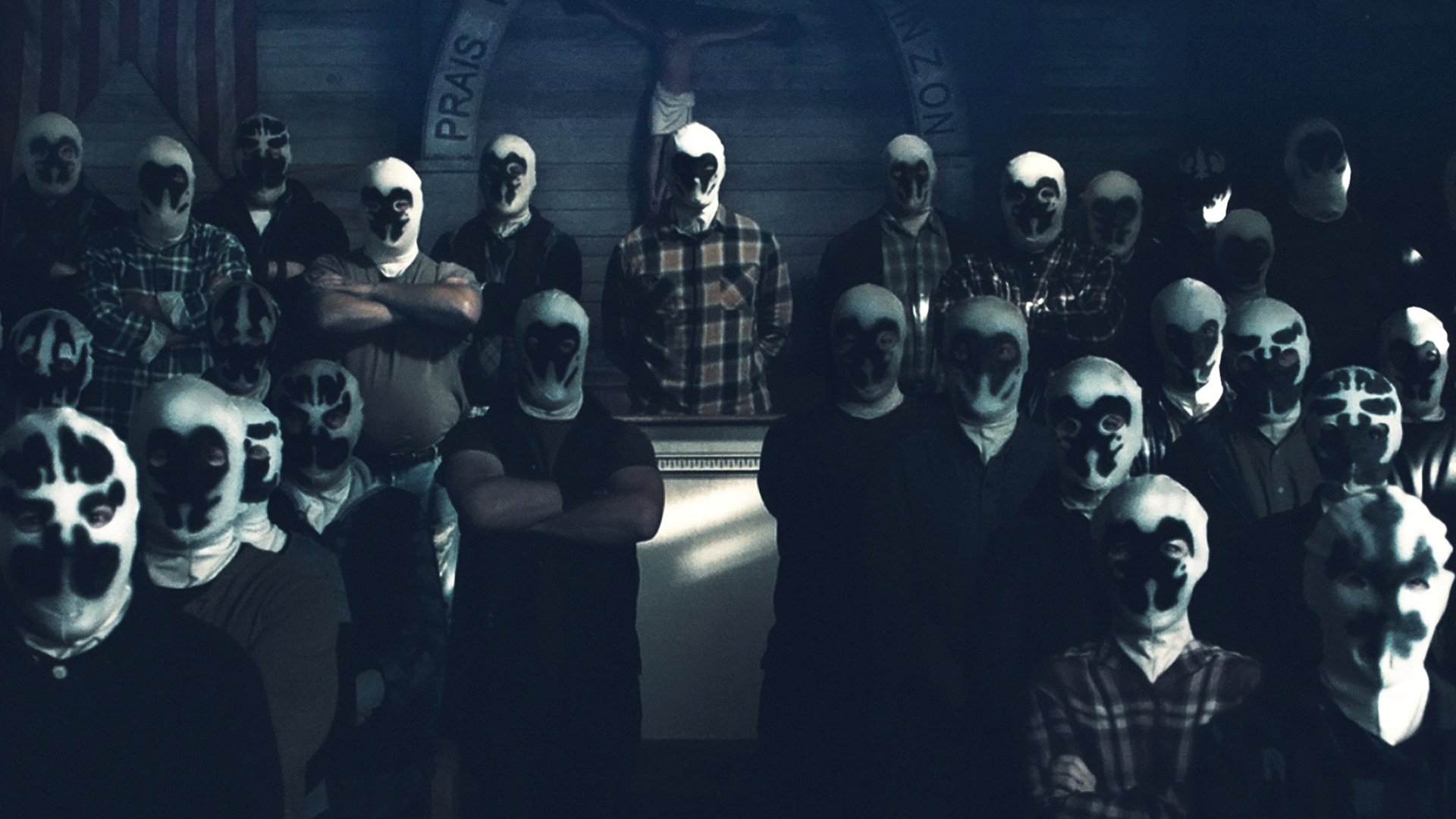
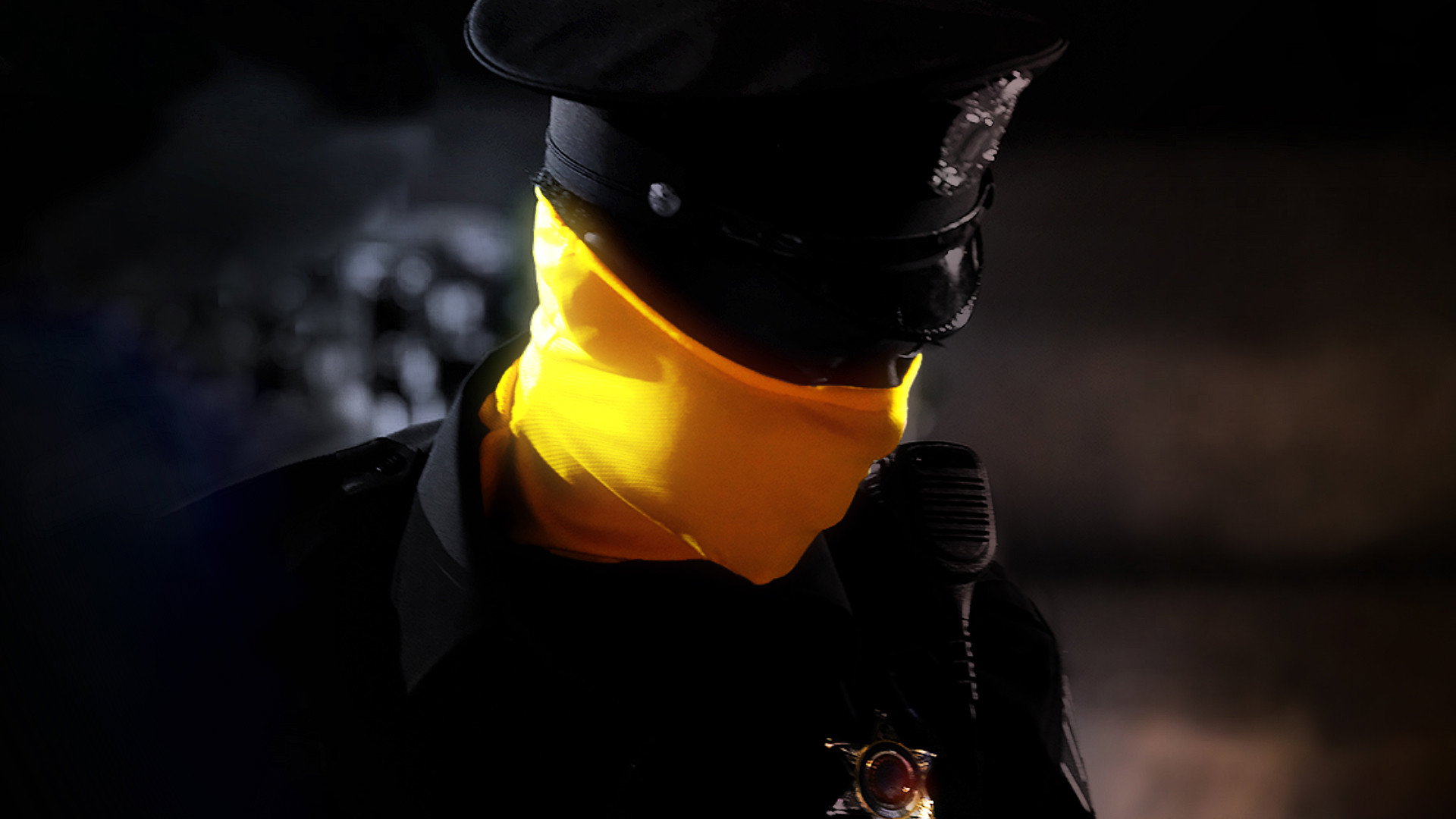
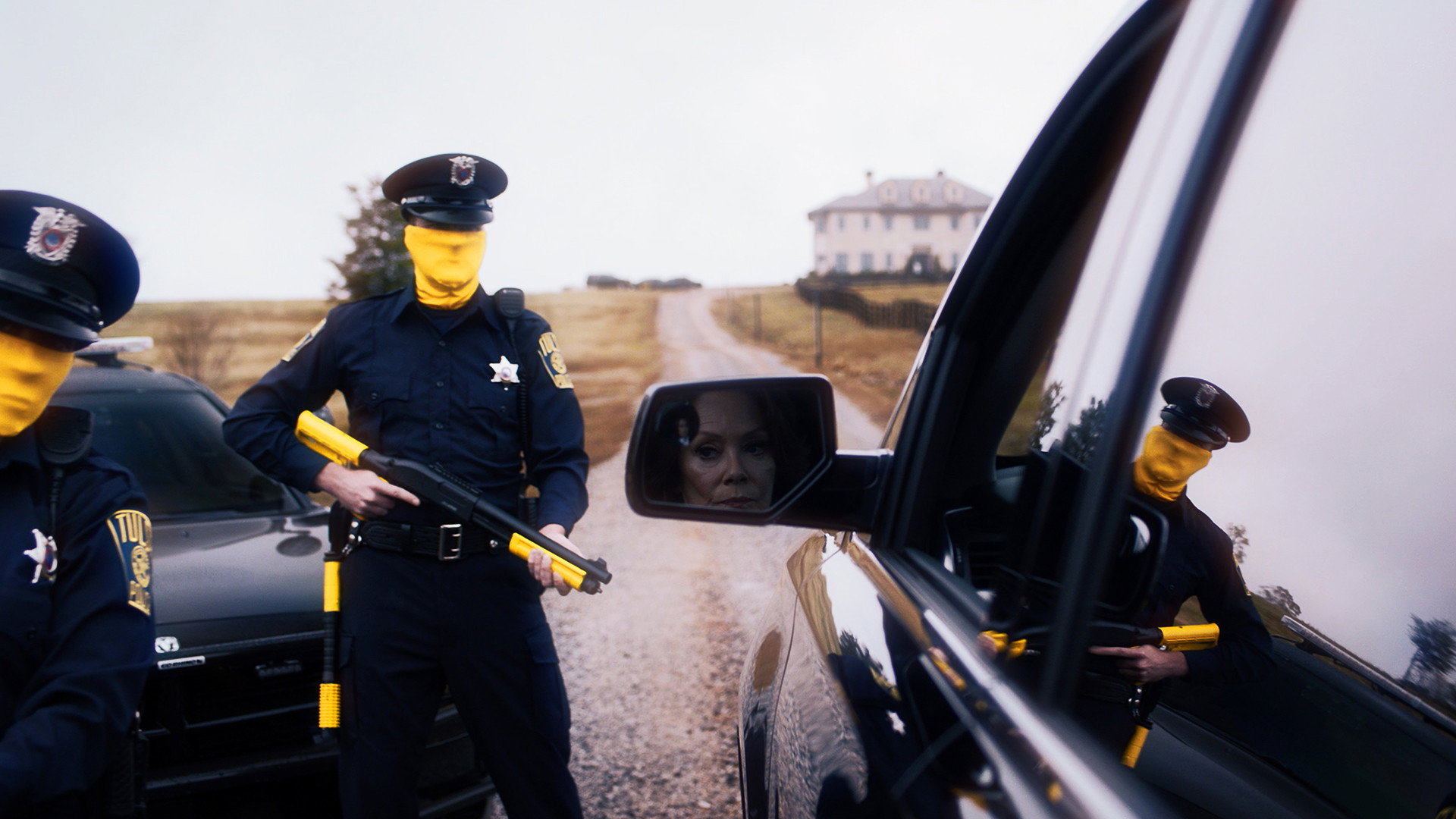
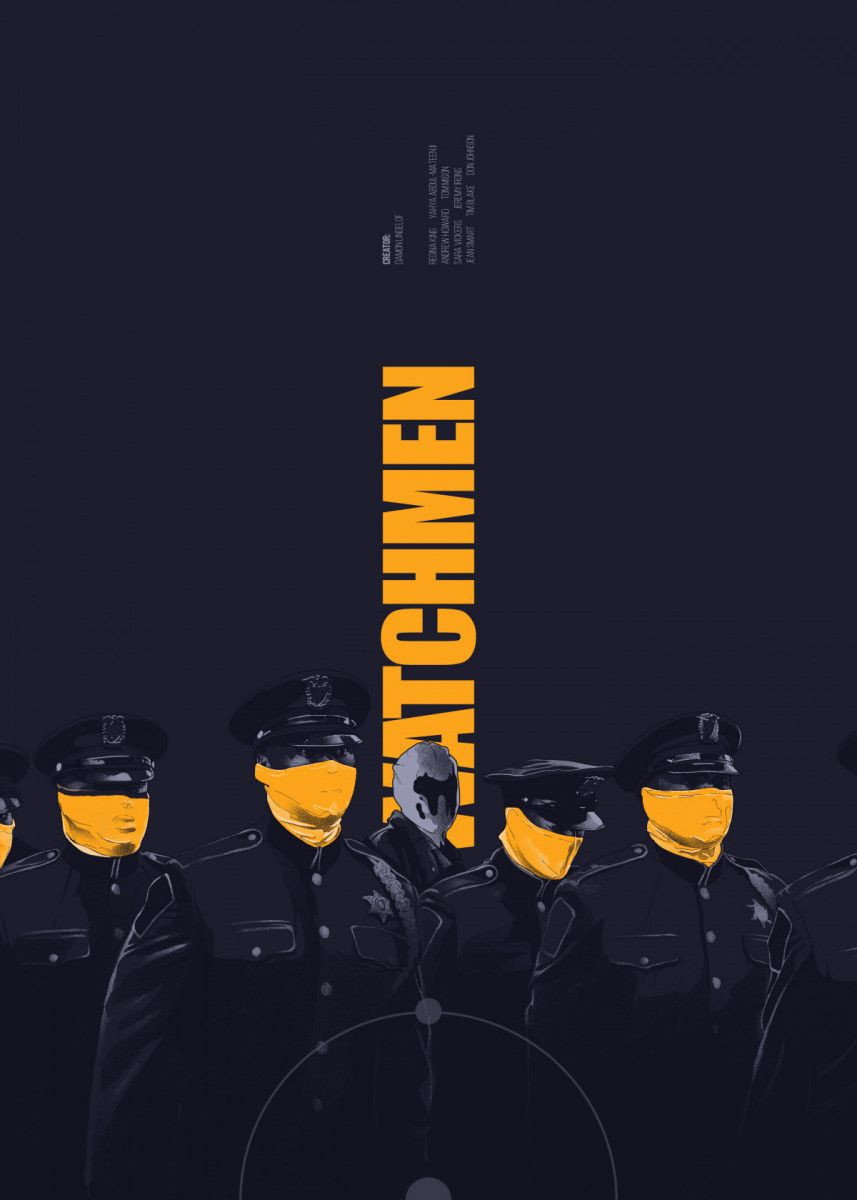
Damon Lindelof’s Watchmen is not an adaptation of Alan Moore and Dave Gibbons’s 1986 comic. It is a sequel, set 34 years on, in an America where Robert Redford has been president, where squid fall out of the sky, and where the police of Tulsa, Oklahoma, wear masks because a white-supremacist group called the Seventh Kavalry shot officers in their homes. It is the best thing anyone has done with this material, and it is a bold, odd, mostly gripping piece of television. It is also a Lindelof series, which means it saves its answers up and then delivers them in speeches.
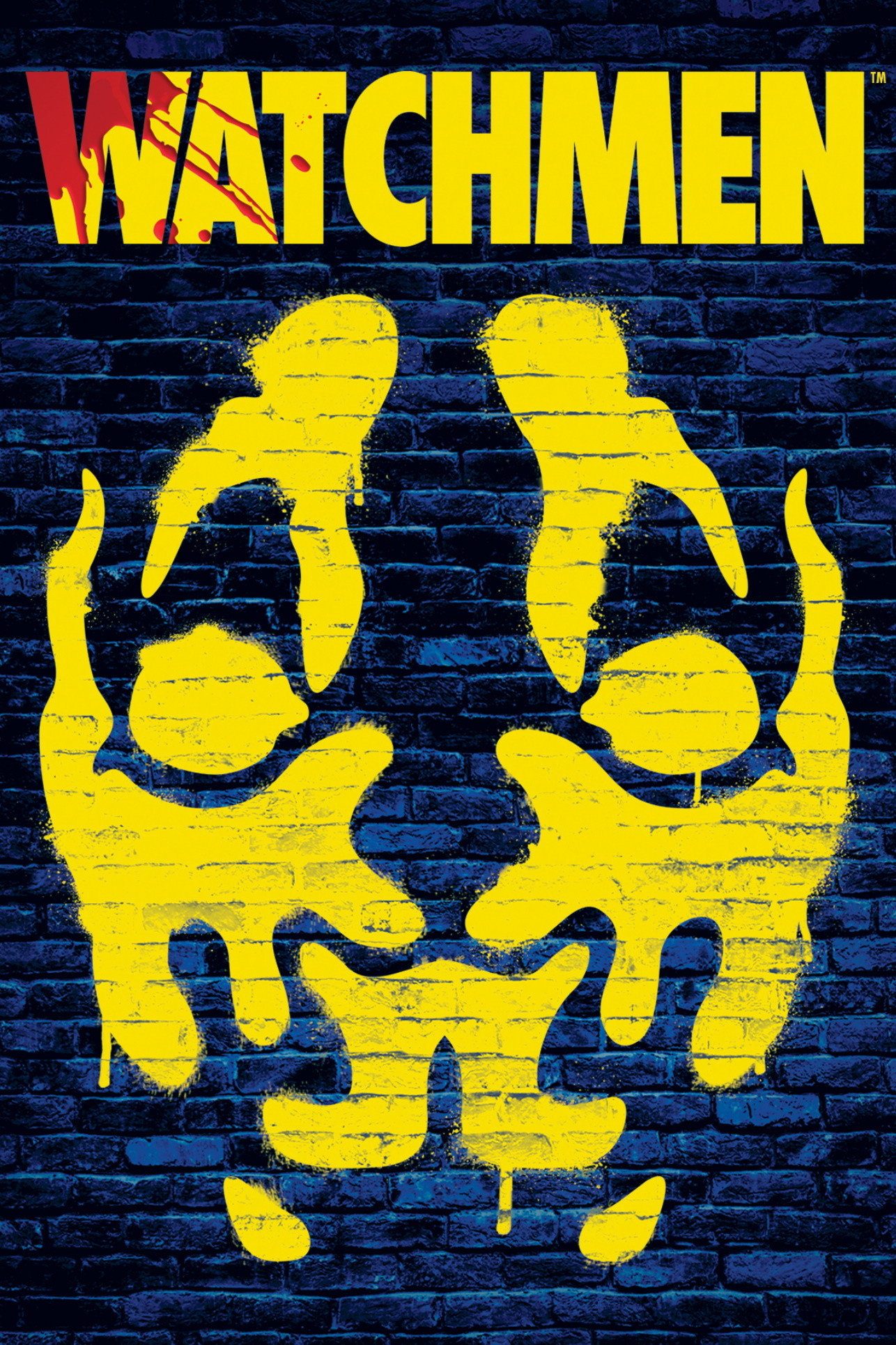
The first ten minutes settle what it is about. Tulsa, 1921: a boy in a cinema watches a silent western about a black marshal while, outside, the town’s black district is burned. We were horrified, and it was the ordinariness that did it: broad daylight, dust, no music, people running as if they had done it before. Then Anna Hauger, Henk van Eeghen and David Eisenberg cut to 2019 and a traffic stop, a policeman in a yellow mask pulling over a pickup, the driver’s face hidden by shifting ink blots, and the series has told us who wears masks in this country and why without explaining a thing.
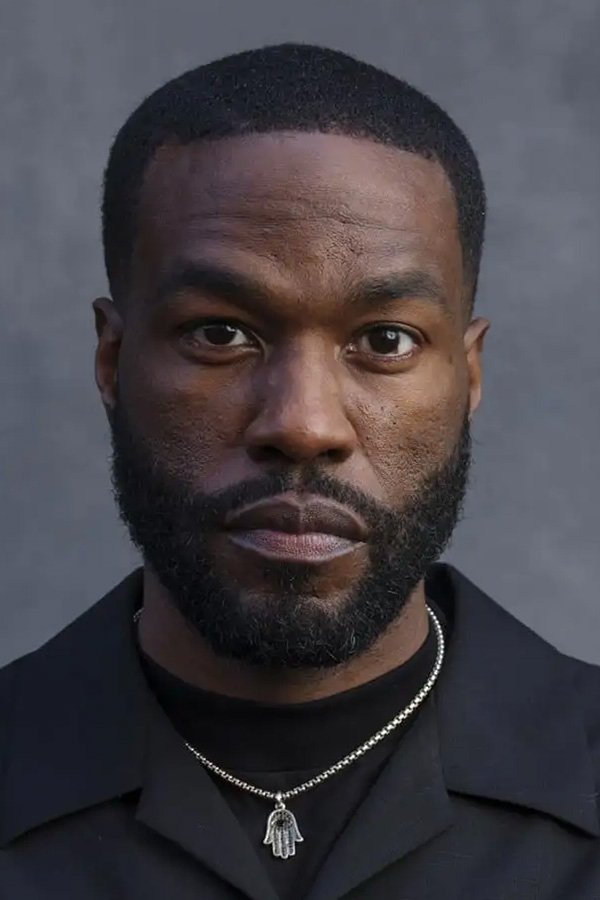
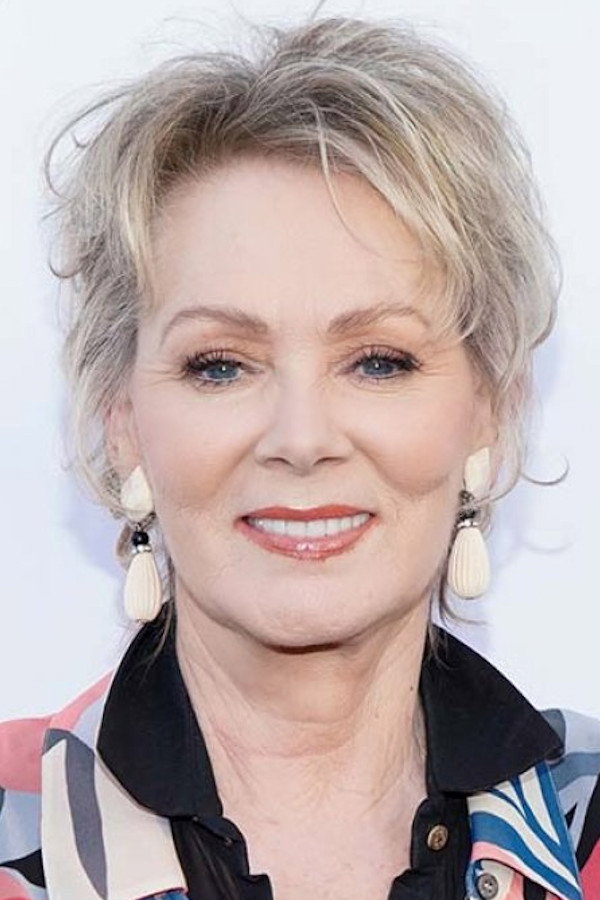
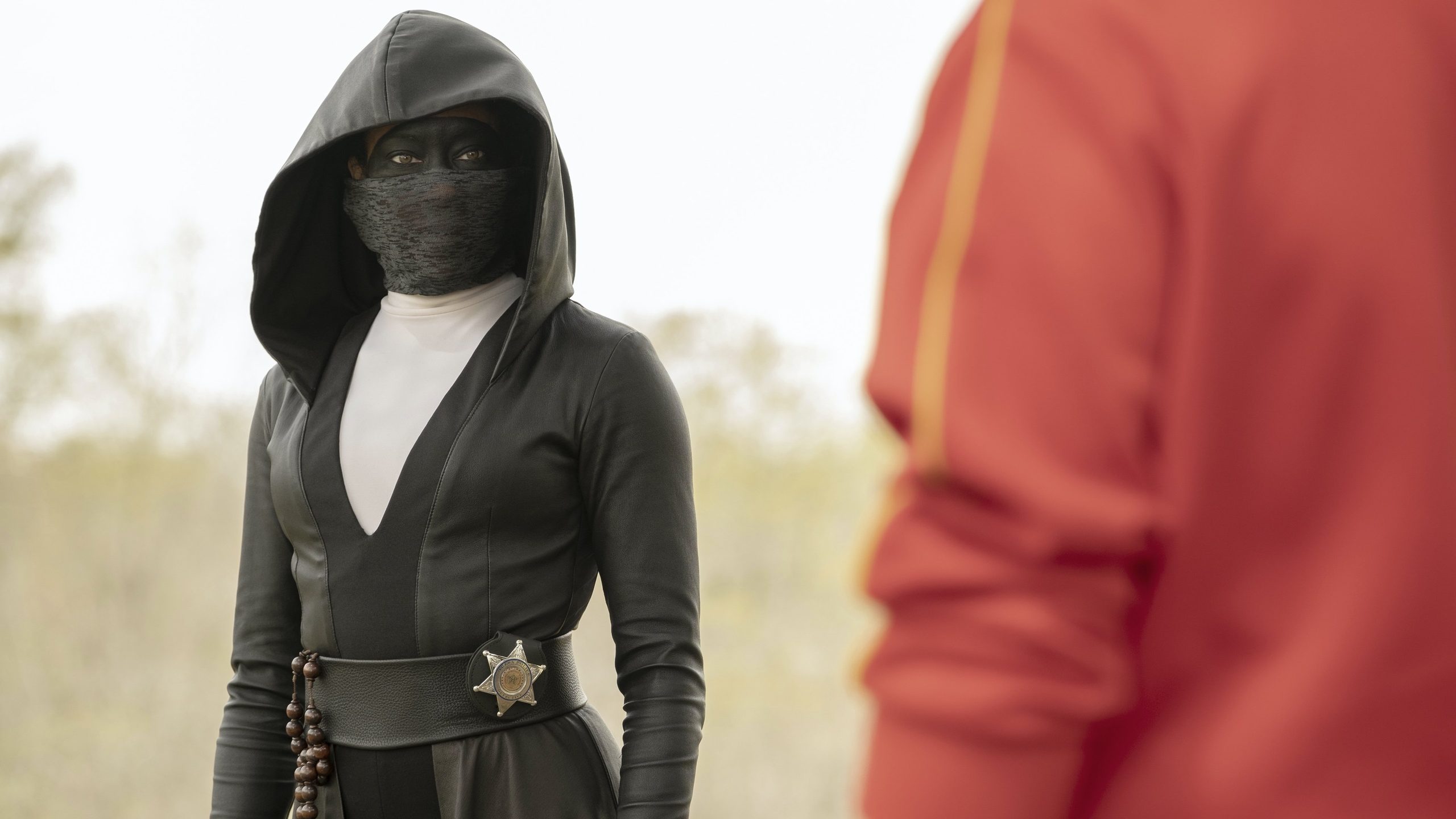
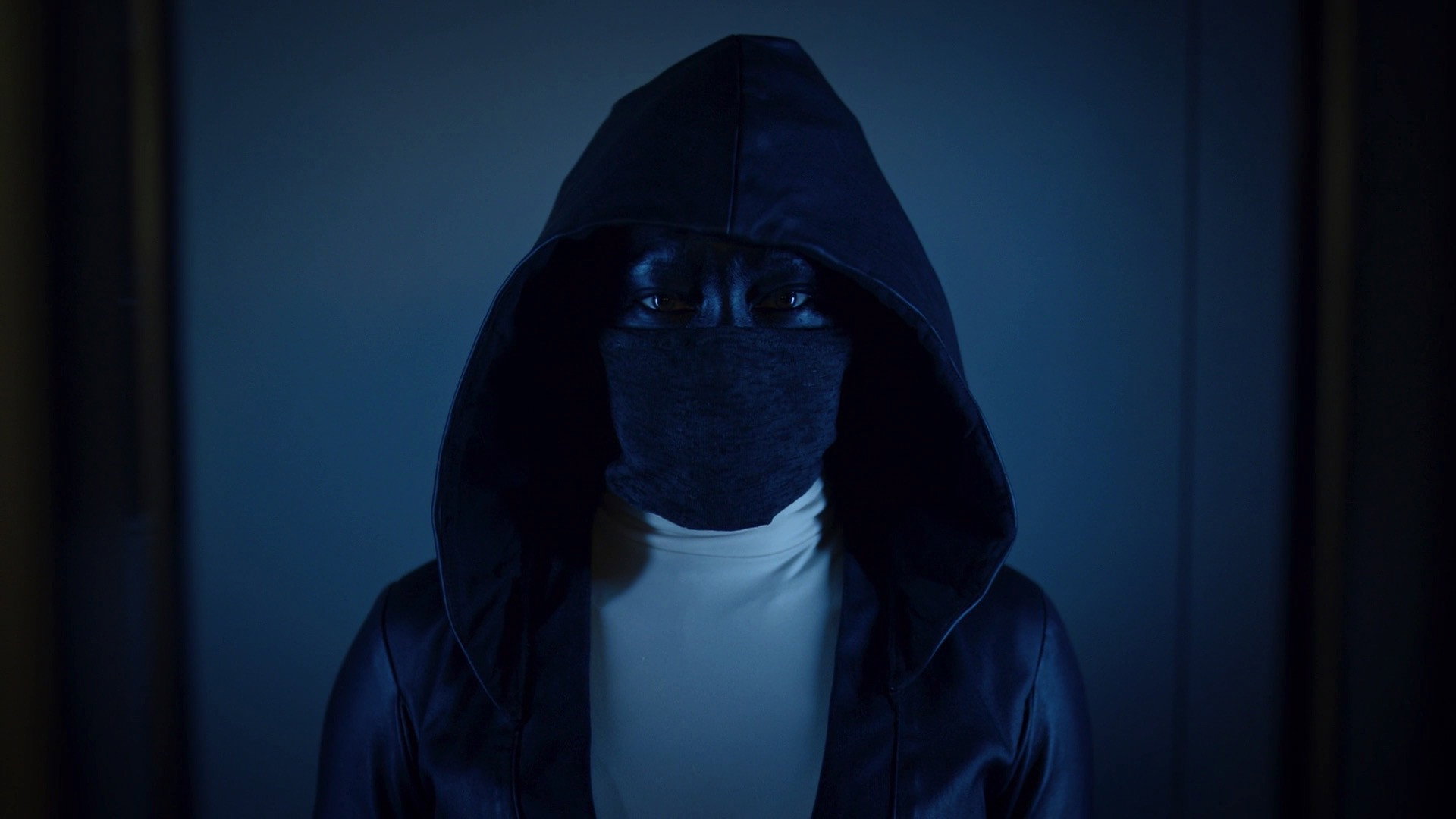
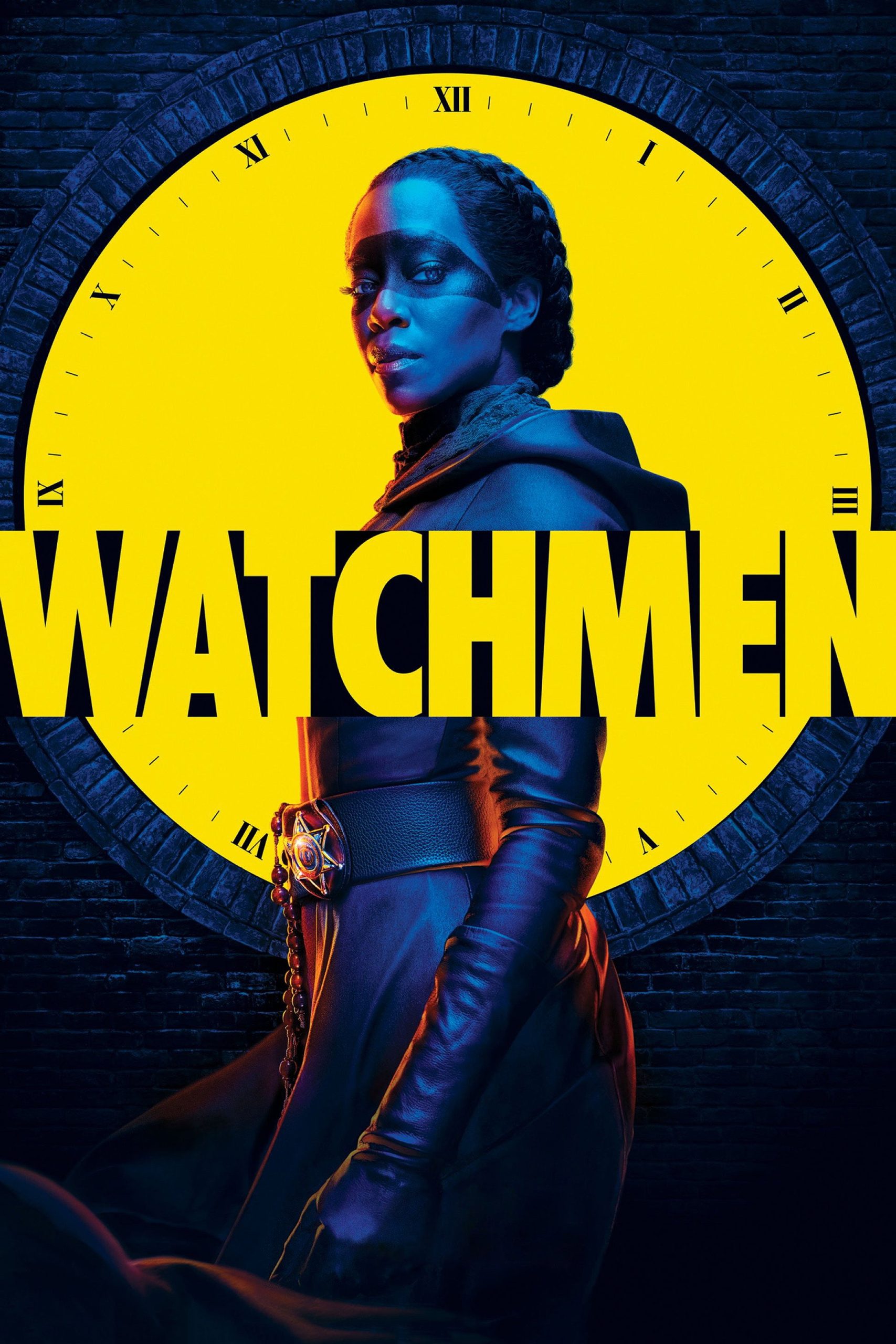
Regina King plays Angela Abar, a detective who officially retired to run a bakery and works cases as Sister Night, in a black coat cut like a habit and a hood that leaves only her eyes. Meghan Kasperlik and Sharen Davis dress the Tulsa police as if from a hazard sign, and dress Angela as something older and more frightening. King plays her tired and furious at once, and never asks us to like her. Don Johnson’s Chief Judd Crawford is more charming than a police chief needs to be, Yahya Abdul-Mateen II’s Cal is calm to the point of stillness, and Jean Smart arrives as Laurie Blake, a federal agent who has seen all this before.
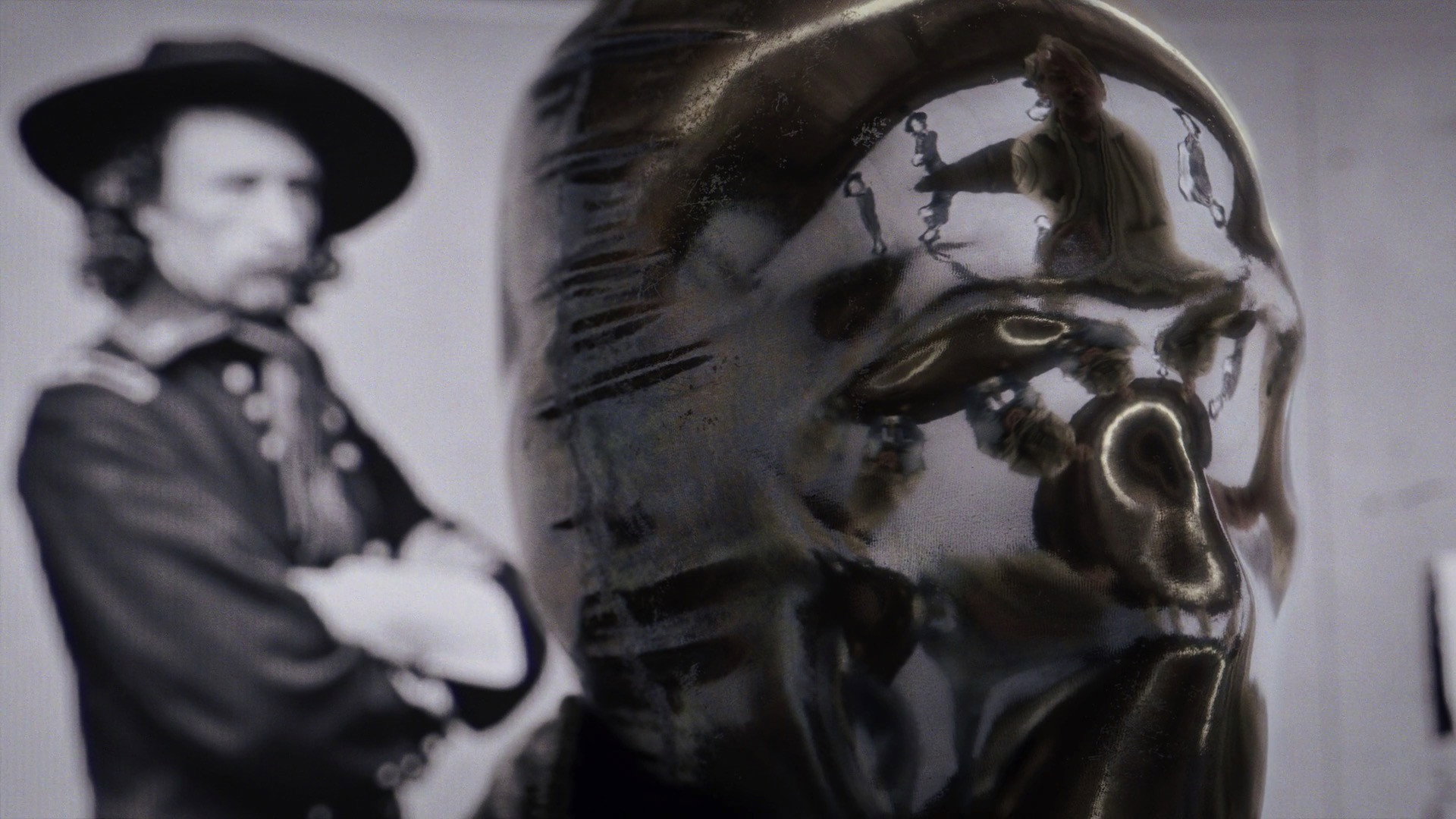
The performance we keep returning to is Tim Blake Nelson’s. Wade Tillman, called Looking Glass, interrogates suspects inside a pod lined with screens, his face a mirror so they see themselves while he watches, and he speaks in a flat Oklahoma murmur that never rises. He gets one hour built almost entirely around him, and it frightened us more than anything with a gun in it, because Nelson plays a man who has spent thirty years waiting for the sky to fall again. Kristian Milsted and Mark Worthington give him a house full of tinfoil and canned food.
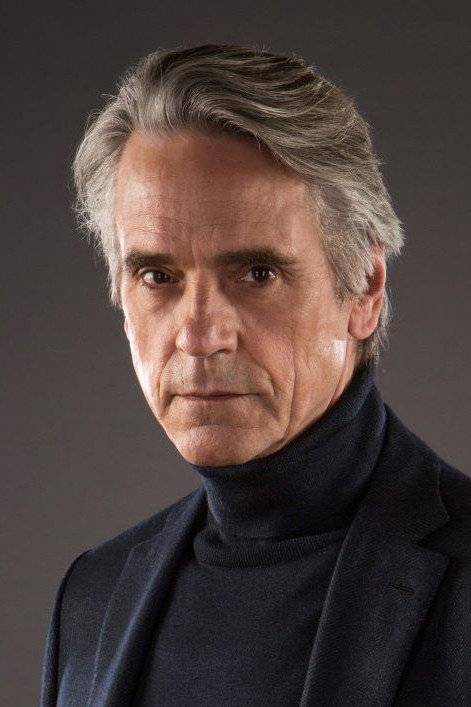
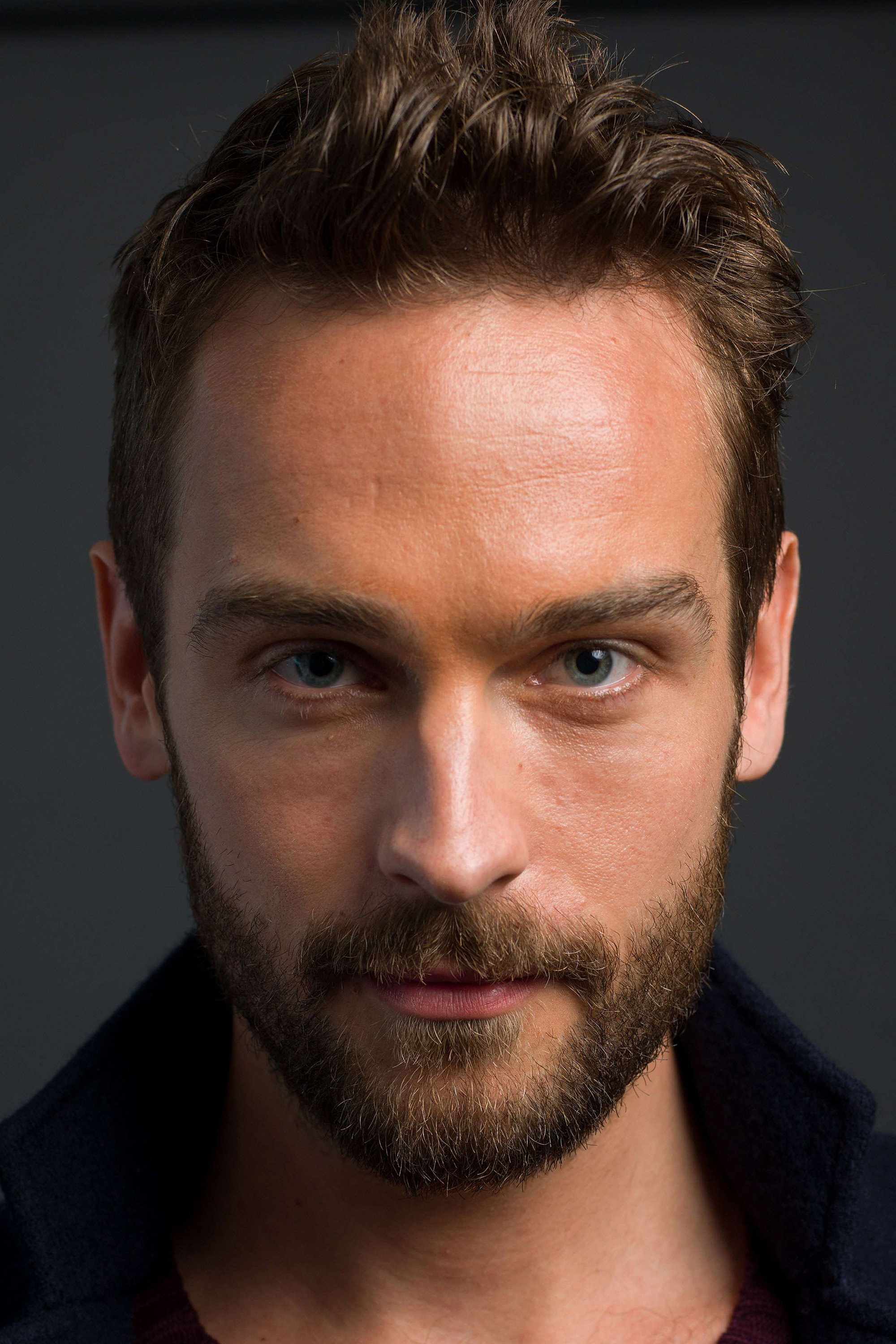
Somewhere green and far away, Jeremy Irons’s Adrian Veidt lives in a manor with a manservant, Mr Phillips (Tom Mison), and a maid, Ms Crookshanks (Sara Vickers), and writes a play. Xavier Grobet, Gregory Middleton, Alex Disenhof and Andrij Parekh light this strand in soft gold and light Tulsa in hard flat daylight, and Trent Reznor and Atticus Ross score the manor with something jaunty and the city with a low synthesiser pulse that ticks like a clock. We laughed at Irons, and then we grew impatient, because these scenes exist to be a puzzle and Lindelof will not say what kind.
That habit costs the series. Hong Chau’s Lady Trieu, a trillionaire building an enormous clock, is the best-cast character in it and is given the least to do; she talks in riddles because the script needs her held back. Lindelof plants mysteries and, when he pays them off, does it in speeches, tied with a neatness the comic refused. In those stretches we felt managed rather than trusted.
Zack Snyder’s 2009 film reproduced the comic’s panels and missed its argument. Lindelof and his writers, among them Cord Jefferson, Stacy Osei-Kuffour and Lila Byock, throw the panels away and keep the argument, which is that a mask is a way of deciding who gets to be frightening.
It is a 15 certificate, and earned. Watch it over a week rather than a weekend; the mystery is kinder at that pace. The tagline is ‘Nothing ever ends…’, and this is the rare series that would have been better for believing it.