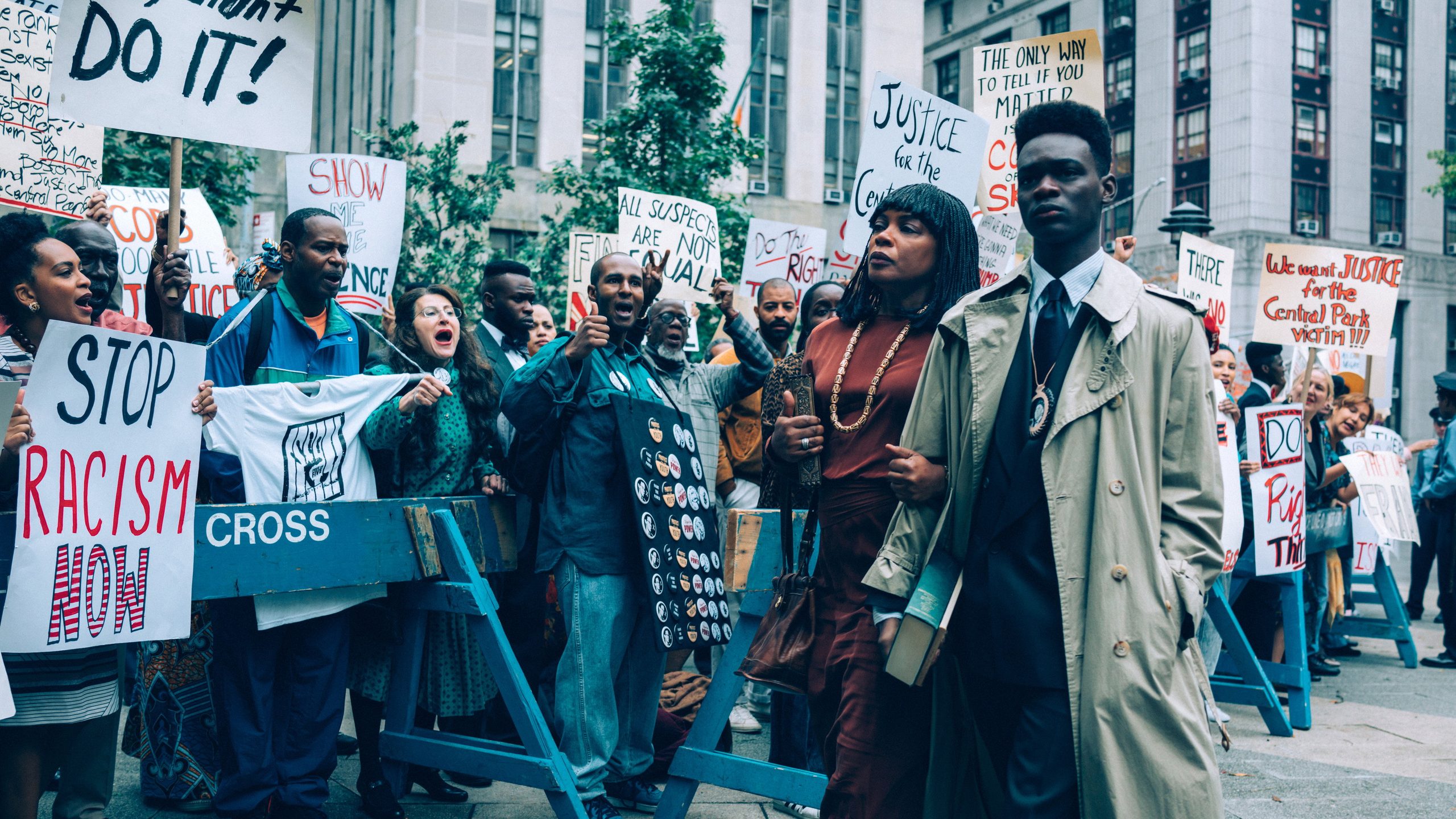
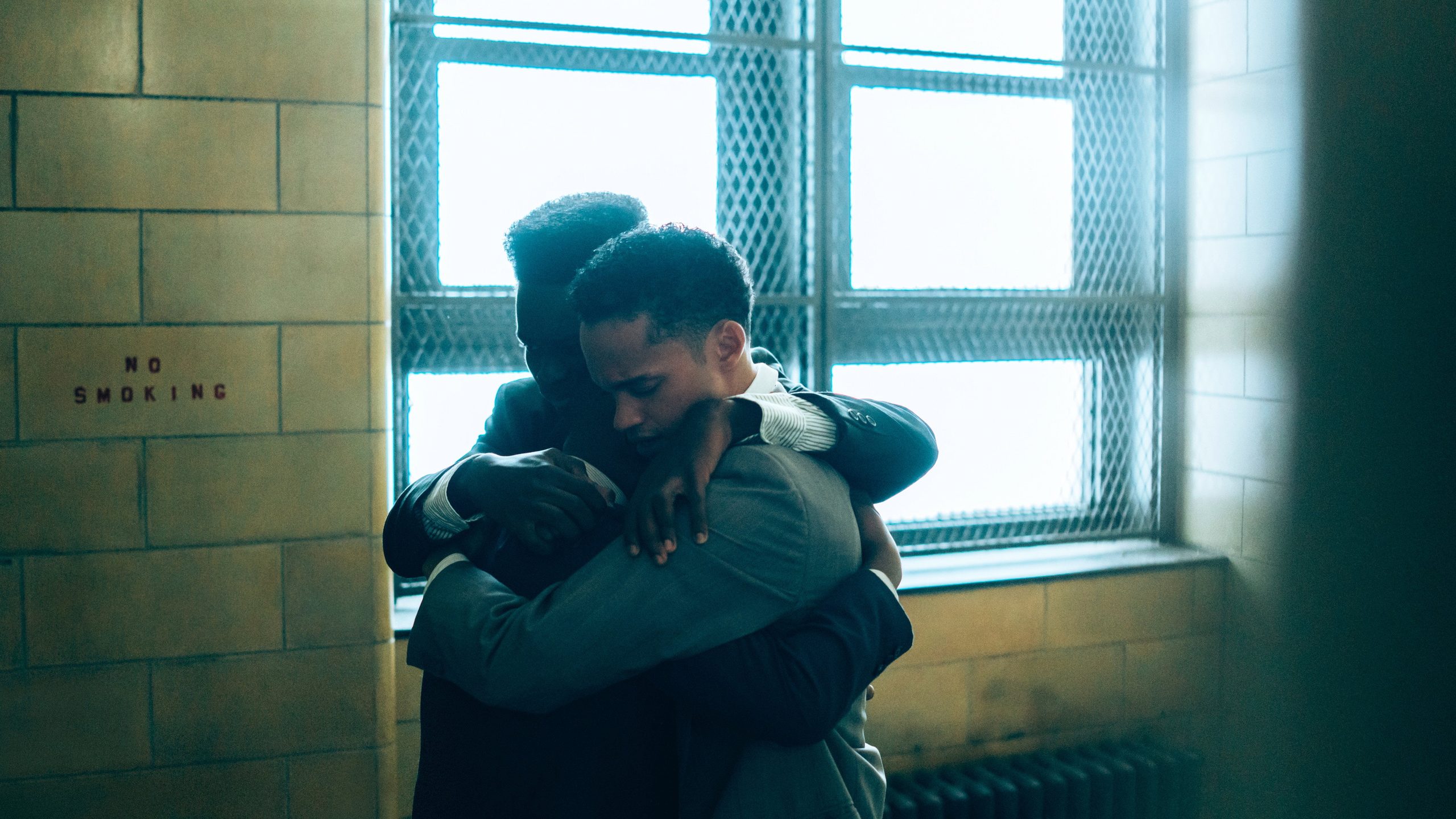
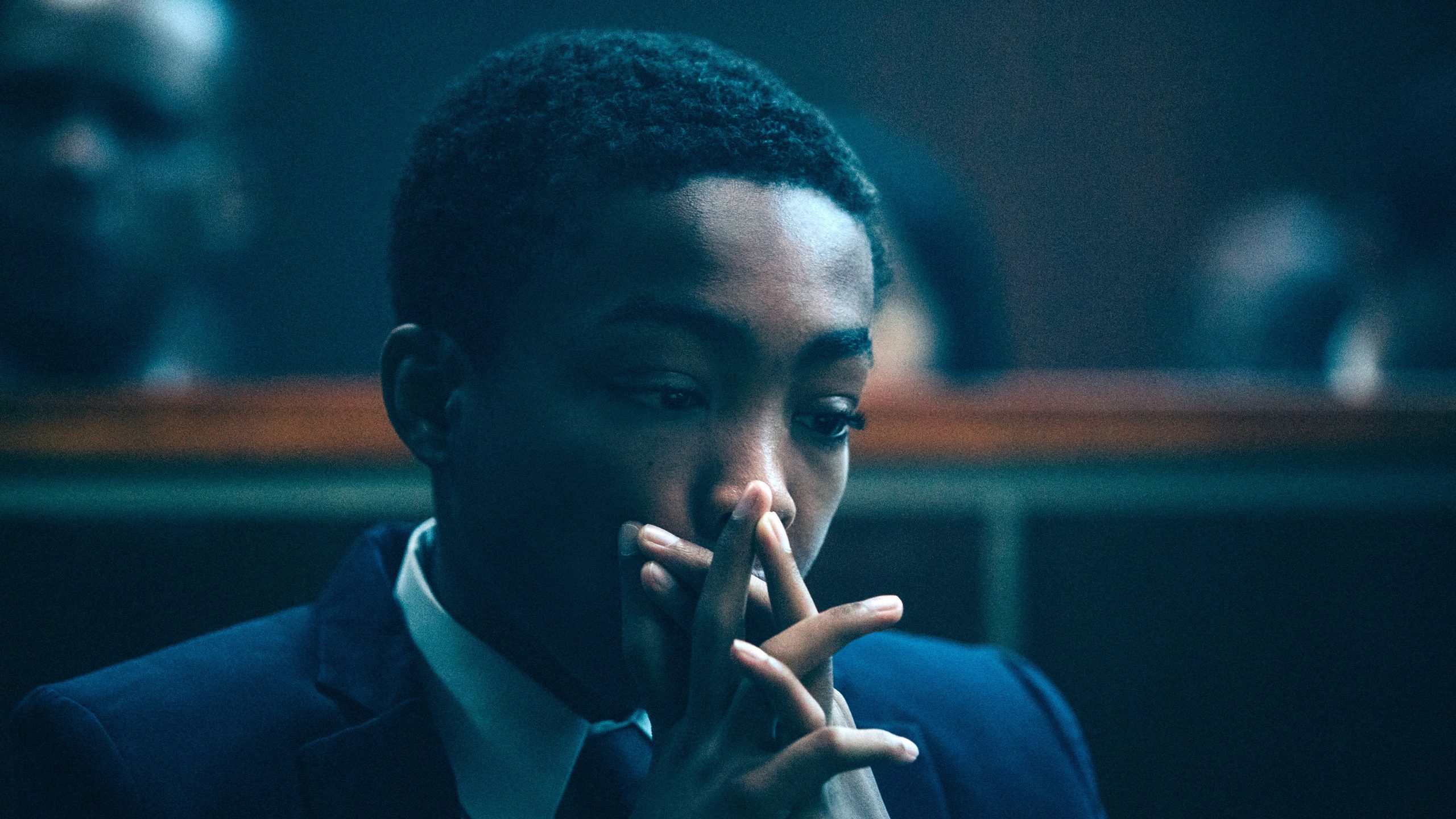
Ava DuVernay’s four hours on the Central Park Five are strongest in small rooms with frightened boys and their parents, and they are hard to shake. The series is weaker when it stops to make a speech, but Jharrel Jerome alone justifies the evening.
In April 1989 a woman out running in Central Park was raped and beaten nearly to death, and within days the New York police had five names: Kevin Richardson, Antron McCray, Yusef Salaam, Raymond Santana and Korey Wise, black and Latino boys from Harlem, the oldest sixteen. Ava DuVernay’s four-part series is about what was done to them. The case is famous and its outcome is on the record, so DuVernay assumes you know the headline. What she is sure you do not know is the boys, and she keeps the camera on them and their parents and lets the detectives and lawyers come and go at the edge of the frame.
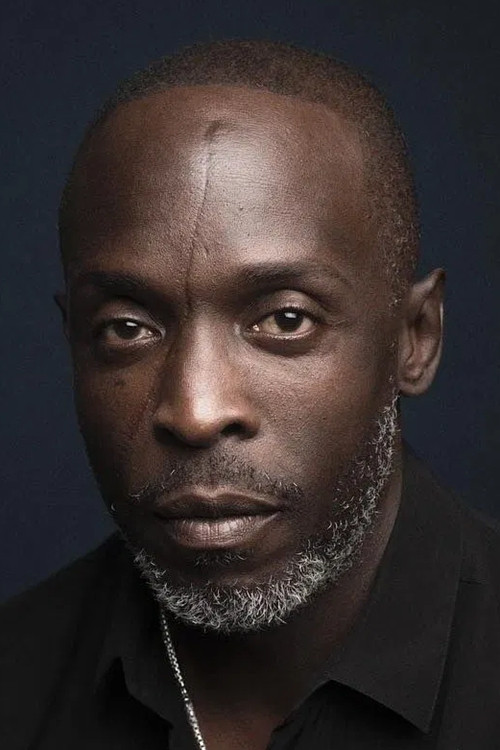
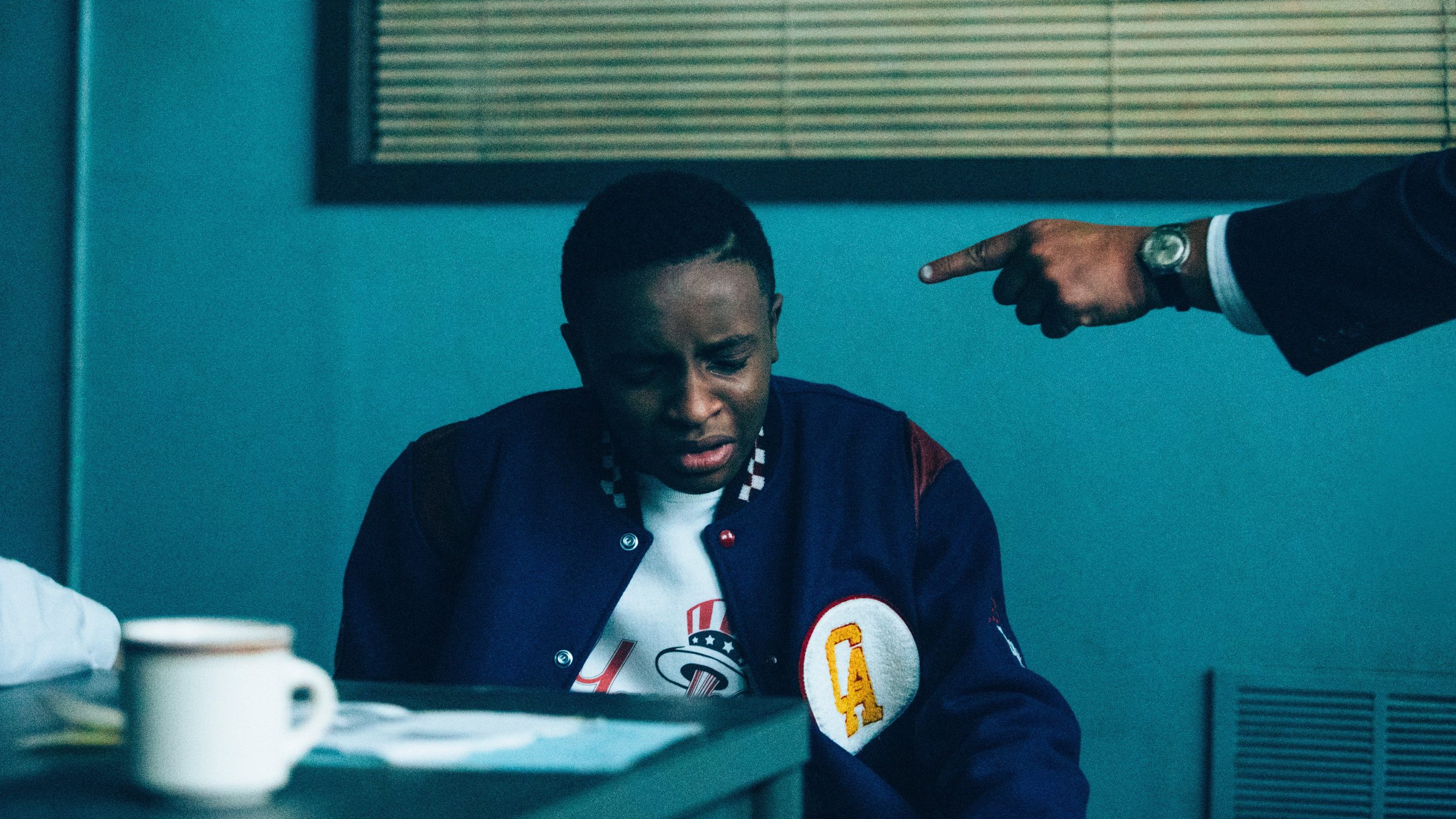
The first episode is the best hour about a police interrogation we have seen on television. The editors, Spencer Averick, Terilyn A. Shropshire and Michelle Tesoro, cut between five rooms in one precinct, and we watch the confessions being assembled in front of us, each boy handed the others’ names as if they were already friends. Asante Blackk’s Kevin asks whether he can go home once he has written it down. Caleel Harris’s Antron is told by his own father, Bobby (Michael K. Williams), to say what they want because then the police will let him leave. We were angry, and the anger did not lift for a day. DuVernay earns it with detail rather than volume: the strip lights, the takeaway cups, the boys’ hands.
Bradford Young shoots in low light and keeps the boys’ faces warm, which the newspaper photographs of the time did not. The park at night is a scramble of handheld shapes, and that is honest: nobody in the series knows exactly what happened there and Young does not pretend the camera does. The precinct and the courtroom, built by Henry Dunn and Akin McKenzie, are beige and brown with the colour drained out. Kris Bowers’s score is mostly piano and low strings and stays out of the interrogation rooms altogether. Caroline Duncan’s costumes carry the passing years; you notice the decade has turned from the width of a collar before anyone says the date.
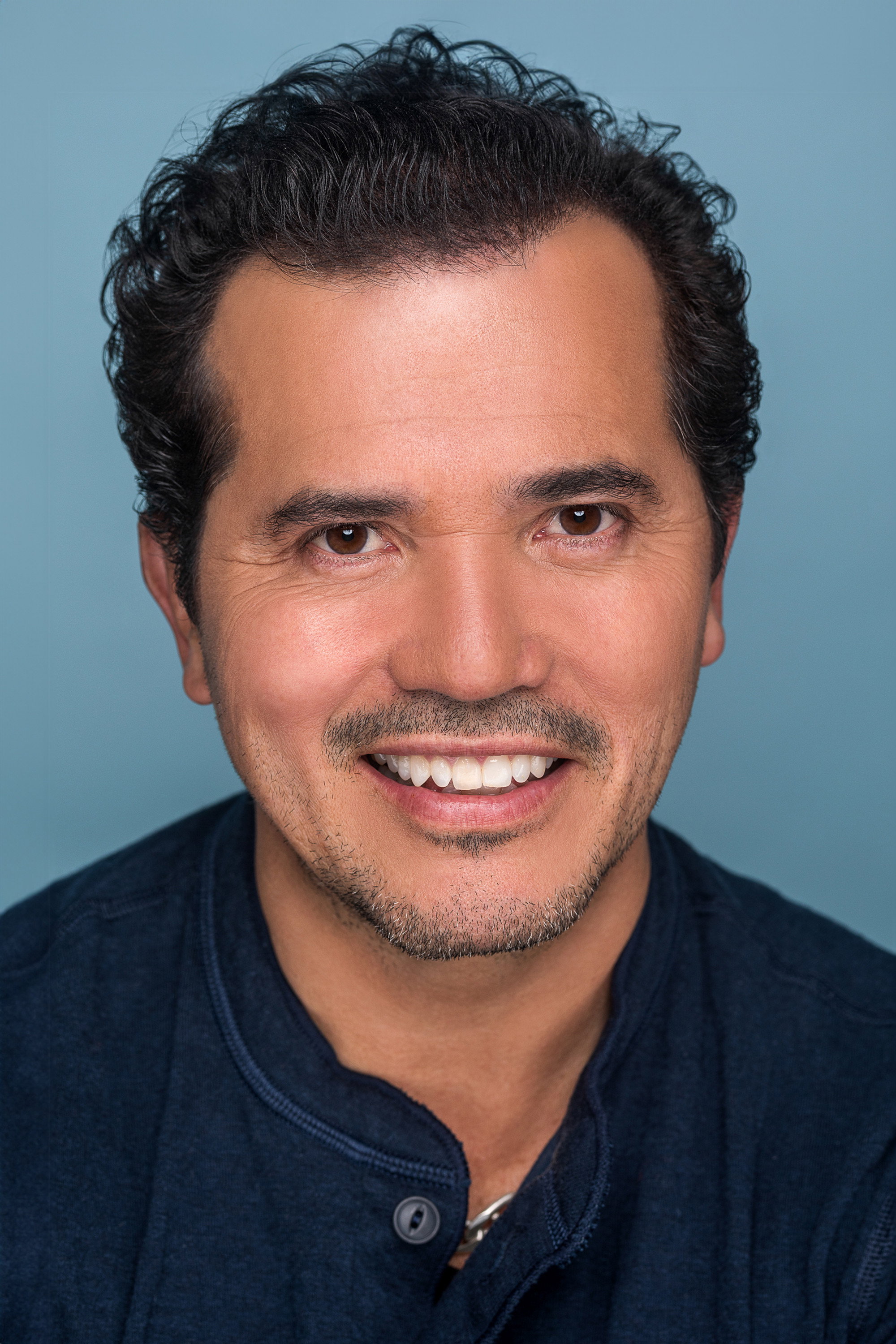
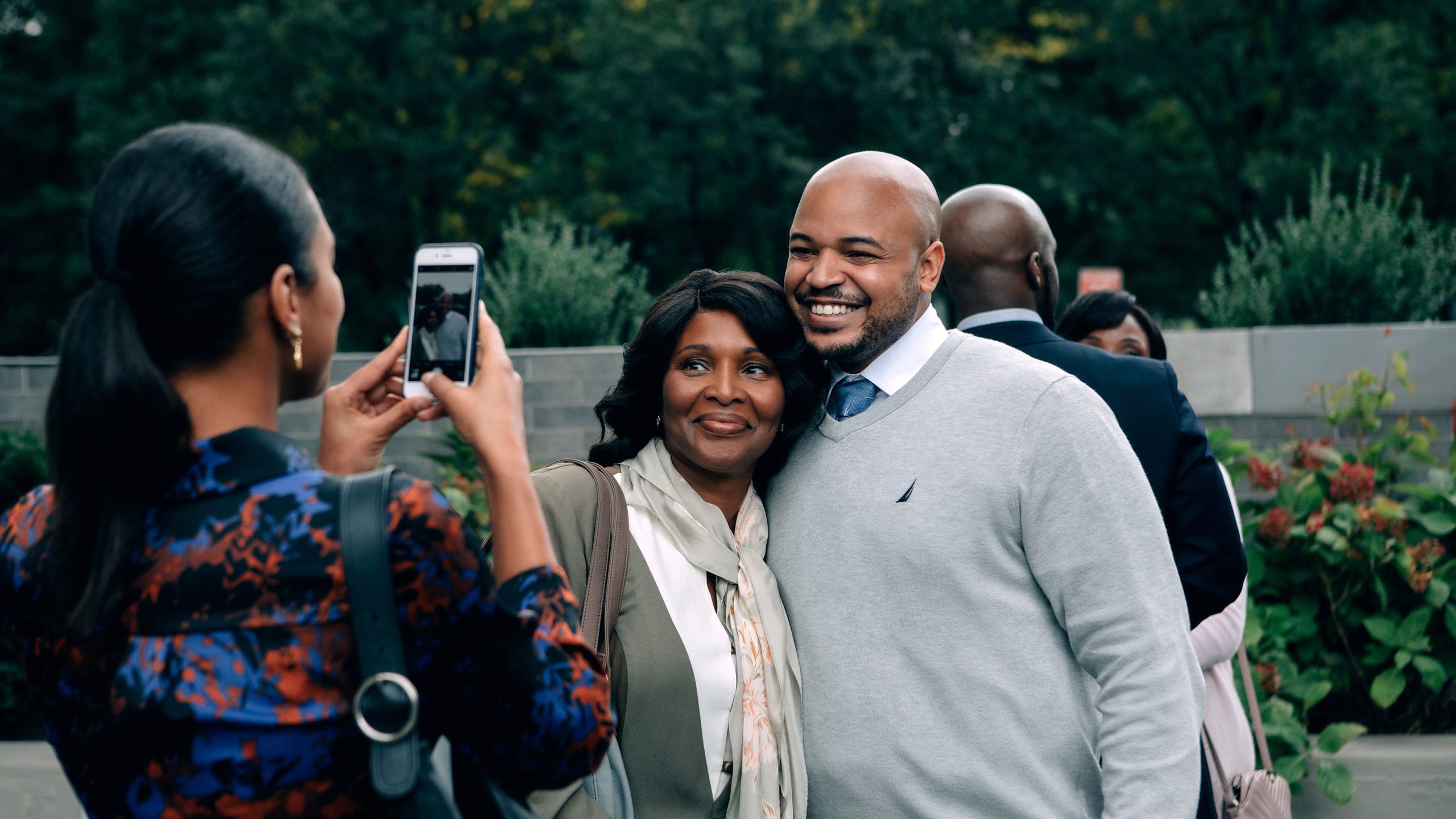
The parents do much of the acting. Marsha Stephanie Blake’s Linda McCray and Williams’s Bobby have the hardest marriage in it, a man who thought he was saving his son and a woman who cannot forgive him, and Williams plays the shame without asking for pity. Aunjanue Ellis-Taylor’s Sharonne Salaam is the one parent who arrives in time and knows the rules, and the series is honest that this helps less than it should. Niecy Nash’s Deloris Wise has fewer scenes and lands every one. John Leguizamo’s Raymond Santana Sr. is quieter than we have seen him and better for it.
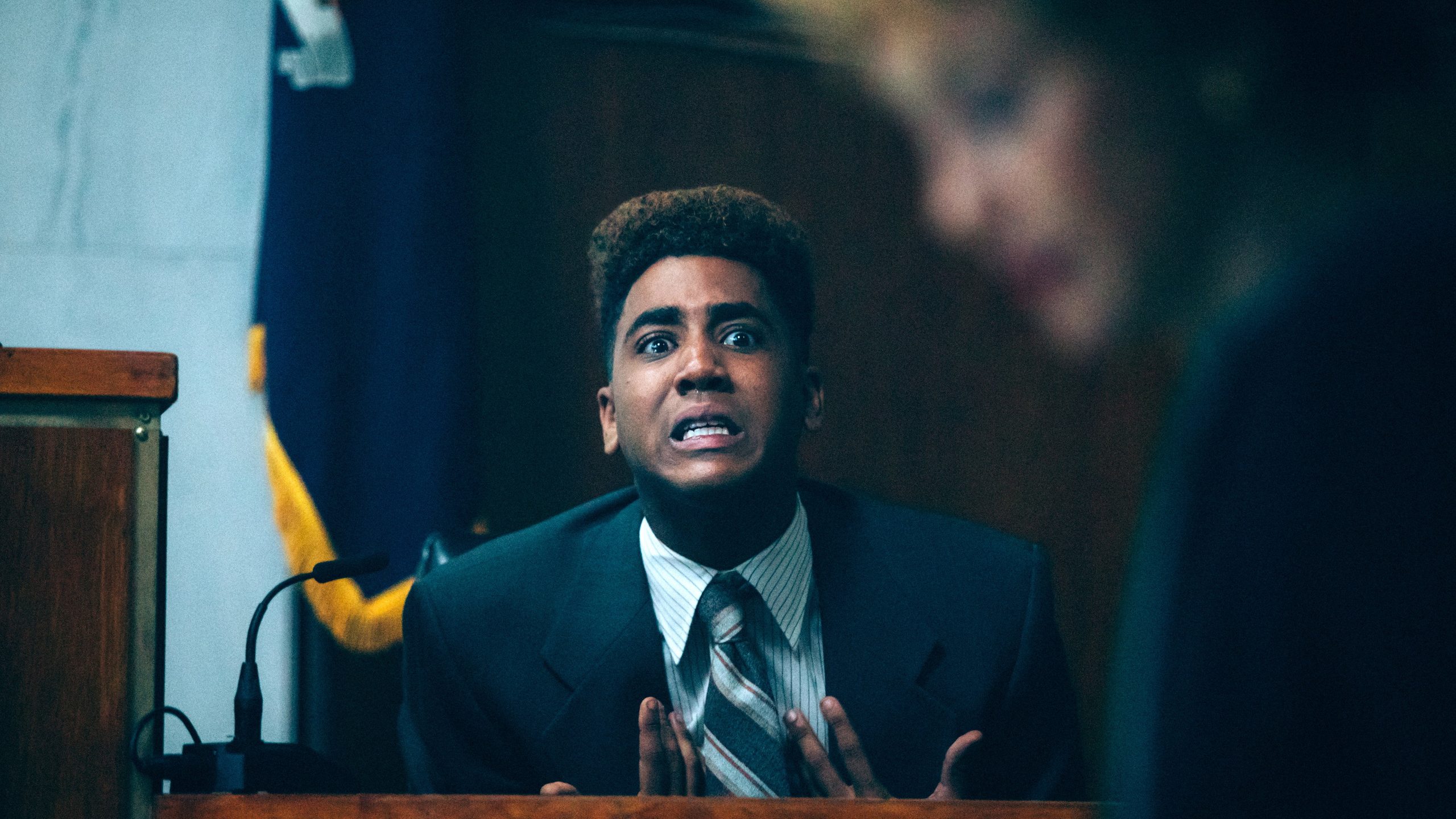
Then there is Korey. Jharrel Jerome plays Korey Wise from the sixteen-year-old who walked into the precinct only to keep his friend Yusef company through to the man he becomes, the only one of the five played by a single actor across the whole span. The fourth hour is his, and it moved us more than we were ready for, not in the big scenes but in a visiting room, where he cannot bring himself to ask his mother the question he has been saving up. Jerome gives him a stammer and a way of ducking his head that never asks to be liked.
What works less well is everything that moves away from the boys and their parents. The detectives and prosecutors are one note each, and the teleplays, credited to DuVernay with Julian Breece, Robin Swicord, Michael Starrbury and Attica Locke, have a habit of standing someone up to make a speech about the system that the previous twenty minutes had already made without words. The archive footage of the city’s rage in 1989, including a property developer named Trump buying newspaper space to call for the death penalty, belongs here, but DuVernay leans on it as though the line to the present needed drawing. Most critics rate the series a little higher than we do, and those speeches are the difference.
It is a 15 certificate and it is not for one sitting. Take an episode a night and let each settle; the third and fourth ask the most patience. Anyone who knows the case will know where it goes, and will find that knowing helps less than they expected.