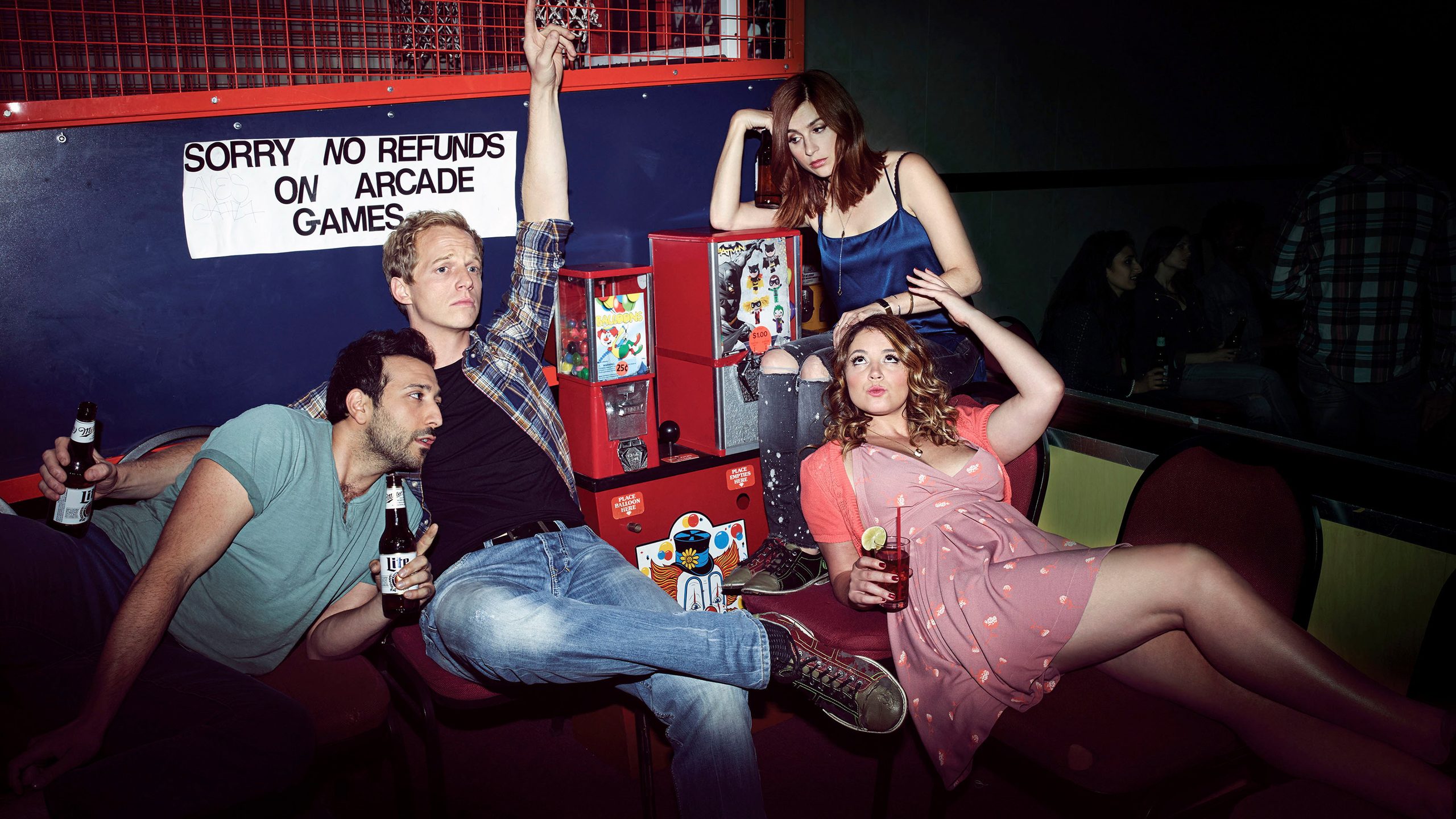
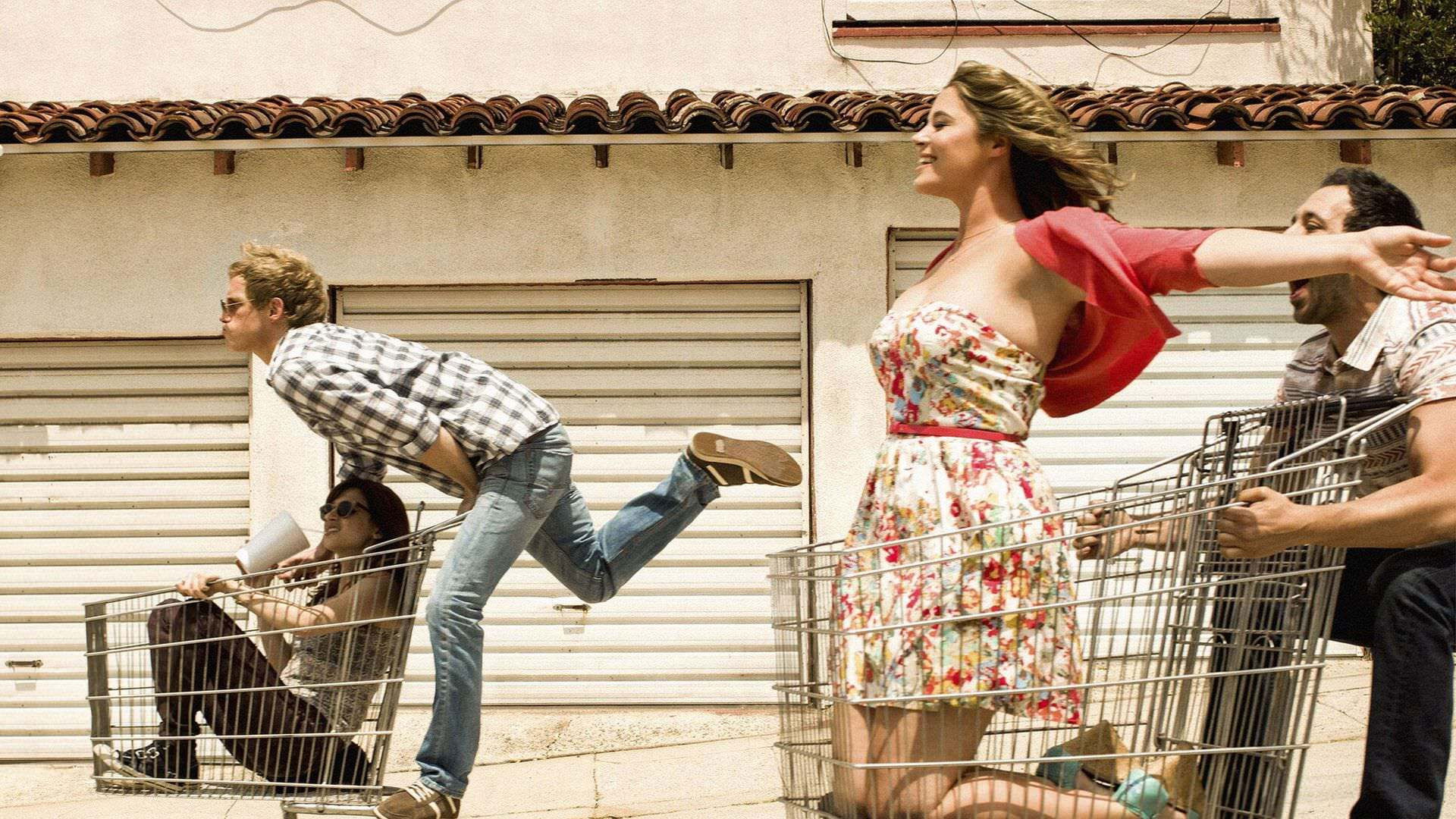
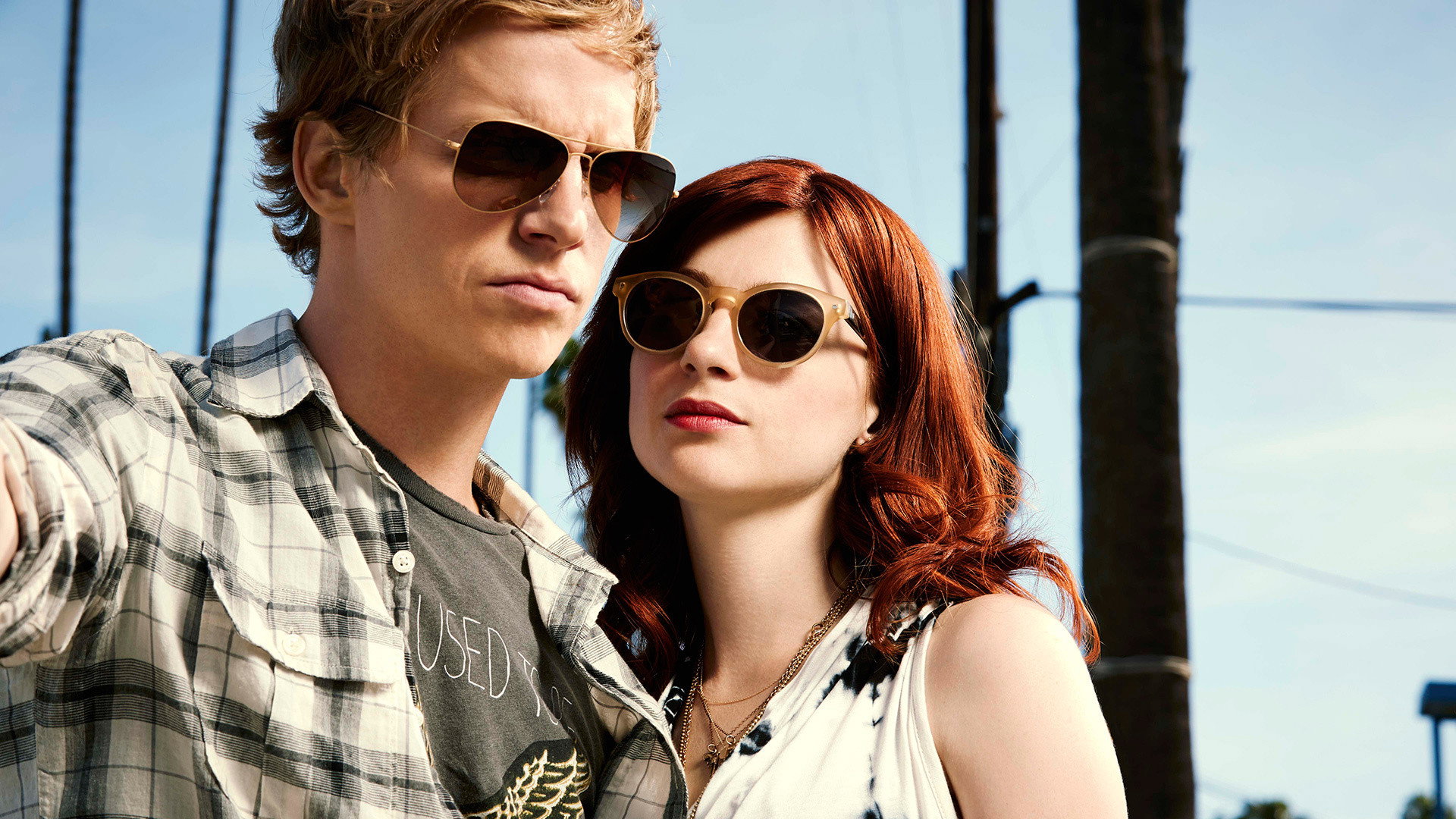
Stephen Falk’s comedy about two people who insist they are not a couple starts as a crude, glossy sitcom and grows into something far sharper and sadder than its pilot promises. Give it past the first episode; the show does.
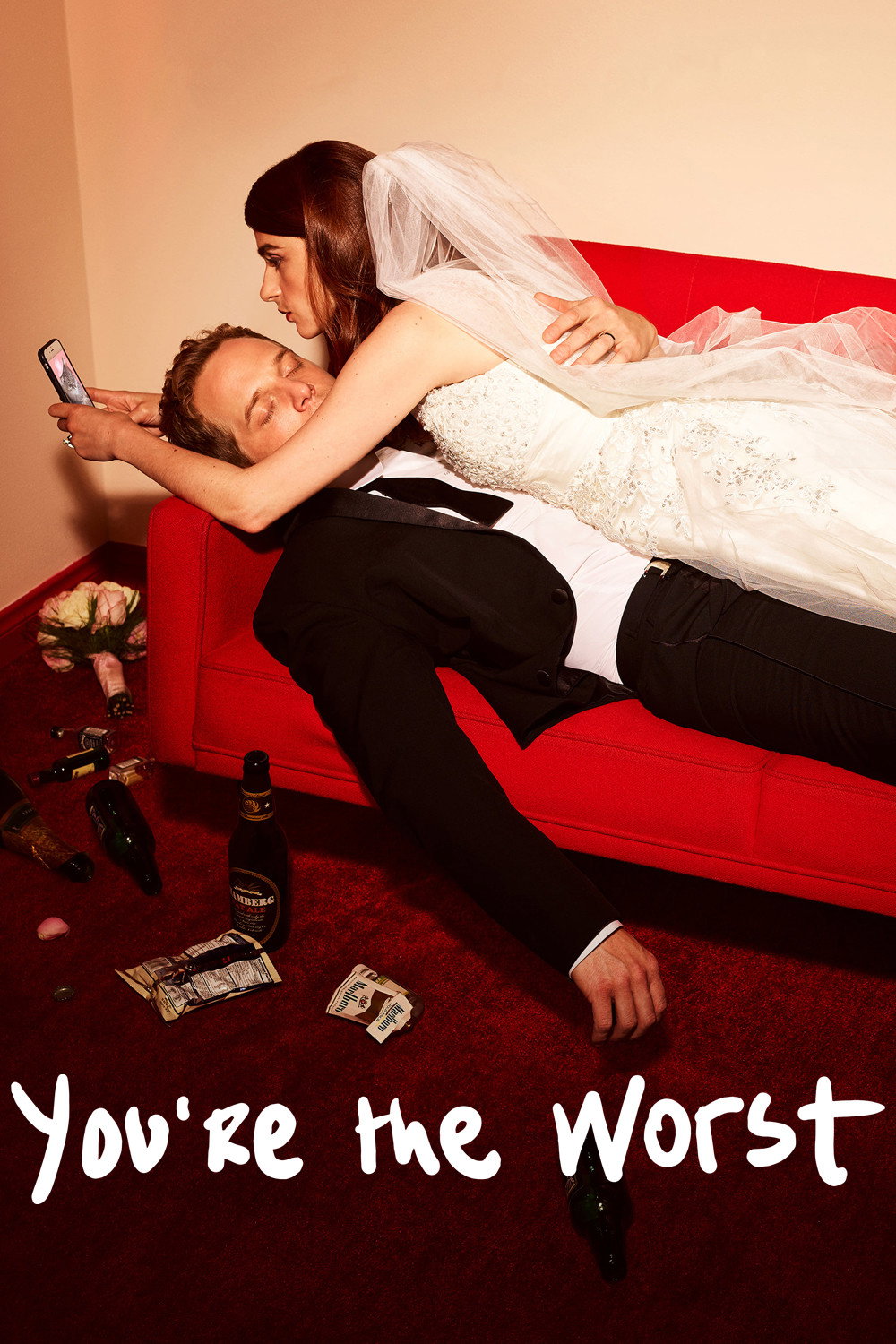
Stephen Falk’s series begins at a wedding and asks a plain question: what happens when two people who have decided they are unfit for love go home together anyway? You’re the Worst is a romantic comedy made by people who find romantic comedy embarrassing, and for its first few episodes it hides behind filth. It gets over that. By the middle of its first run it has found the two people underneath the jokes, and across five series and 62 episodes it becomes one of the more honest things we have seen about being hard to live with.
The pilot, directed by Jordan Vogt-Roberts, is the weakest thing here. It tells us Jimmy and Gretchen are terrible a dozen times in 26 minutes, characters say the title out loud, and the sex jokes arrive with the timing of someone working through a list. We laughed at some of it and felt faintly grubby about the rest, and only the first half of that is fun.
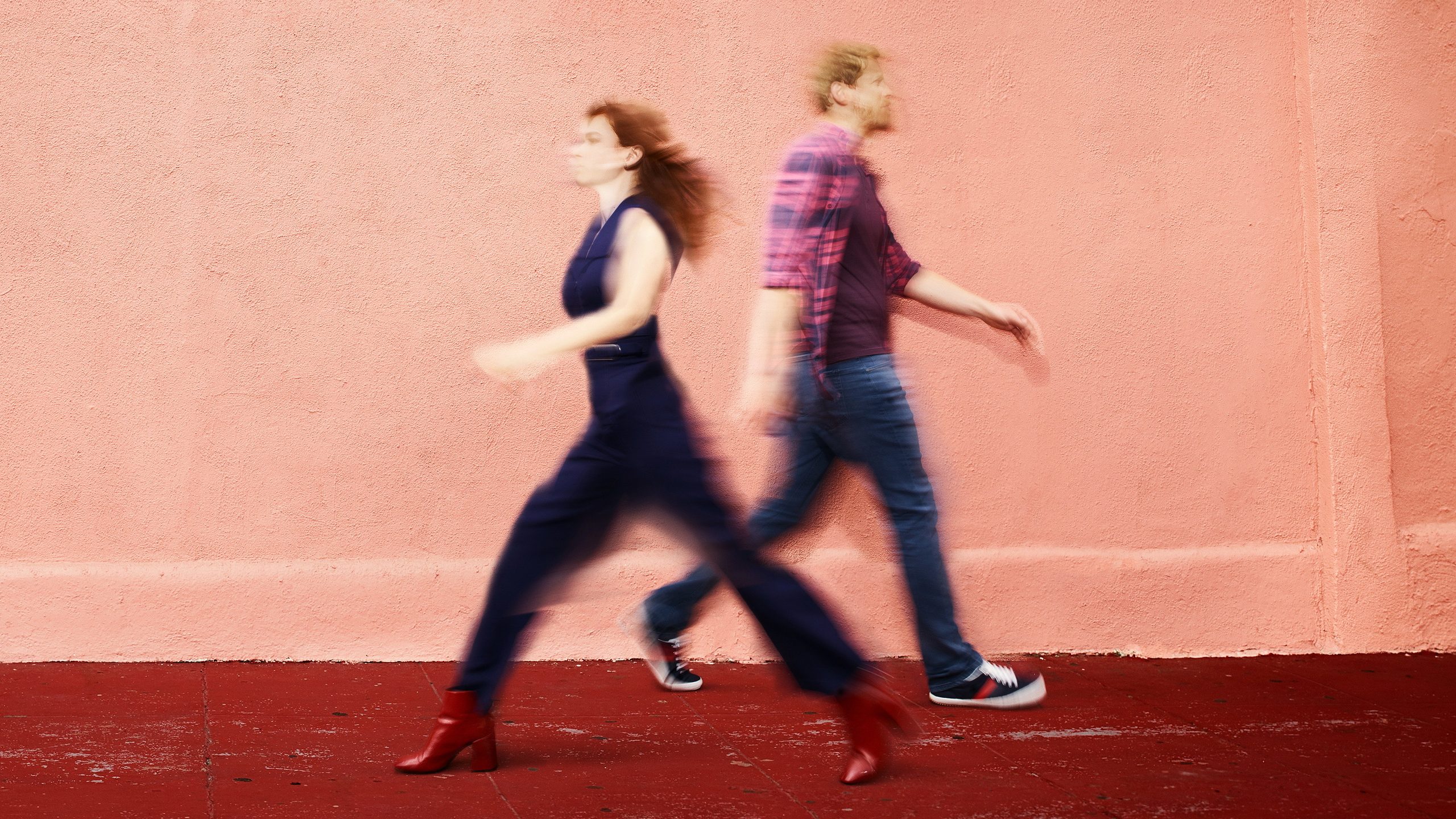
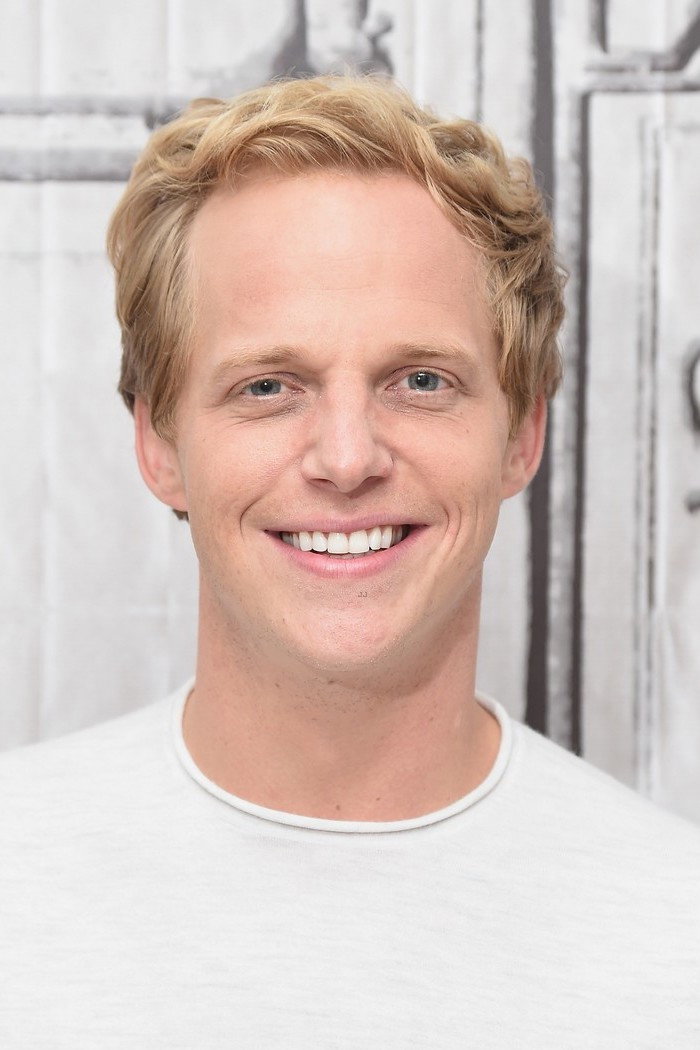
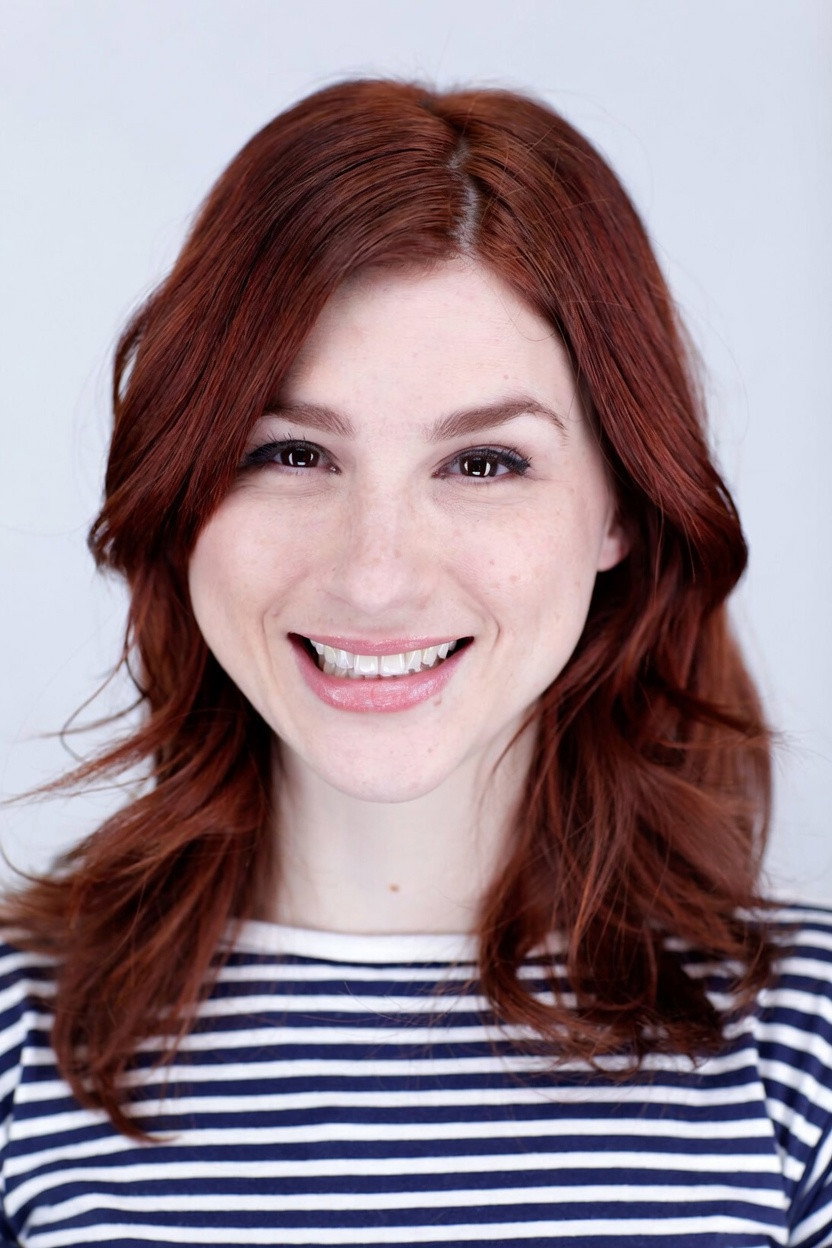
Chris Geere plays Jimmy Shive-Overly, a novelist with one book behind him, as a man whose contempt is a habit he can no longer switch off, and lets the panic show in every pause. Aya Cash gives Gretchen Cutler a laugh that comes a beat too early and a way of leaving rooms before anyone can ask her to stay. They talk fast and over each other, and the writers, Eva Anderson, Franklin Hardy and Shane Kosakowski among them, give them things a real couple might say. When they lie to each other it is funny because we can see them both deciding to be lied to.
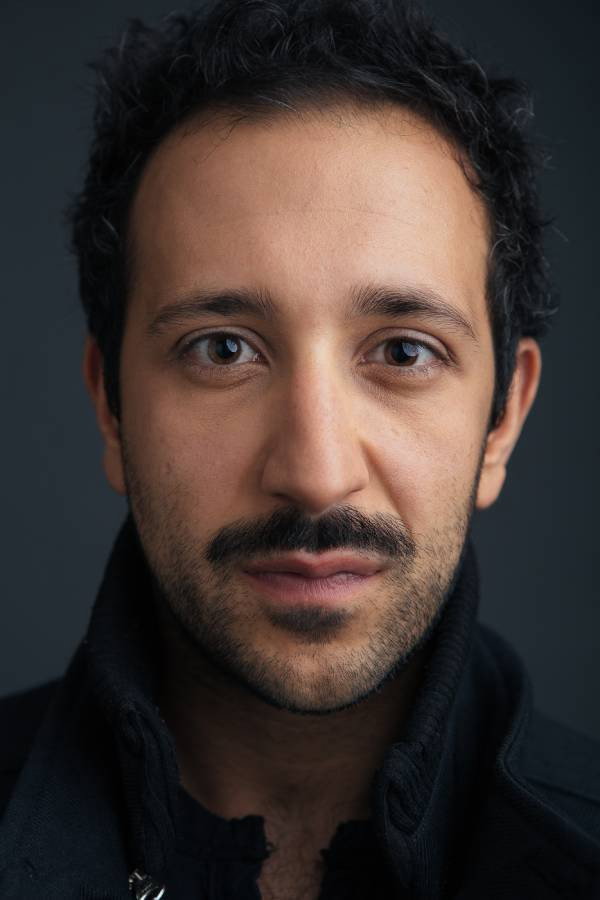
Desmin Borges is Edgar, Jimmy’s housemate, a veteran who cooks and is treated as furniture by everyone; Borges plays his good manners as something Edgar is holding on to with both hands. Kether Donohue’s Lindsay, Gretchen’s best friend, married to a man she cannot stand (Allan McLeod, patient as a wall), gets the biggest laughs and the least dignity. We laughed at something Lindsay did early on and then felt ashamed of ourselves; Donohue had let us see, half a second before the punchline, that Lindsay knew how sad it was. The show uses that half-second more as it goes on.
Blake McClure and Ross Riege shoot Los Angeles in flat, bright afternoon light with no interest in making anyone look their best, so hangovers show. Claire Bennett gives Jimmy a hillside house with more books than furniture and a kitchen only Edgar has touched. Wendy Benbrook dresses Jimmy in the blazers of a man who has read about writers, and Gretchen in whatever was nearest the bed. Adam Blau’s score stays out of the way, and the editors, Adam Burr and Stacey Schroeder among them, cut the arguments so the pause before the cruel line runs a frame longer than the line.
Then, in the second series, the show does something with Gretchen that we will not describe. Cash plays much of it in silence and Falk refuses to let it turn into a lesson. We came for jokes about narcissists and found ourselves sitting still with the remote in our hand, not ready to start the next episode. The comedy does not stop while this happens; Lindsay is still Lindsay in the next room. That is what the pilot’s crudeness was protecting.
Most critics disagree with us. Nearly every review we read covered the first episode or two, when the show was still telling us how awful everyone was rather than showing us; some judged it alongside another new comedy it was paired with, which did it no favours. Among sitcoms about self-absorbed people it is neither the cruellest nor the funniest, but it is the one that keeps asking whether its people can change and does not cheat on the answer.
Give it until the middle of the first series before deciding; if Jimmy’s voice still grates by then, it will not stop. It ran from 17 July 2014 to a fifth series in January 2019, and it knew when to finish, which its leads never do.