Sam Mendes’s suburban drama is worth watching for its performances, particularly Annette Bening’s. Alan Ball’s script can be smug about the people it mocks, but the actors find enough unhappiness beneath the jokes to make them matter.
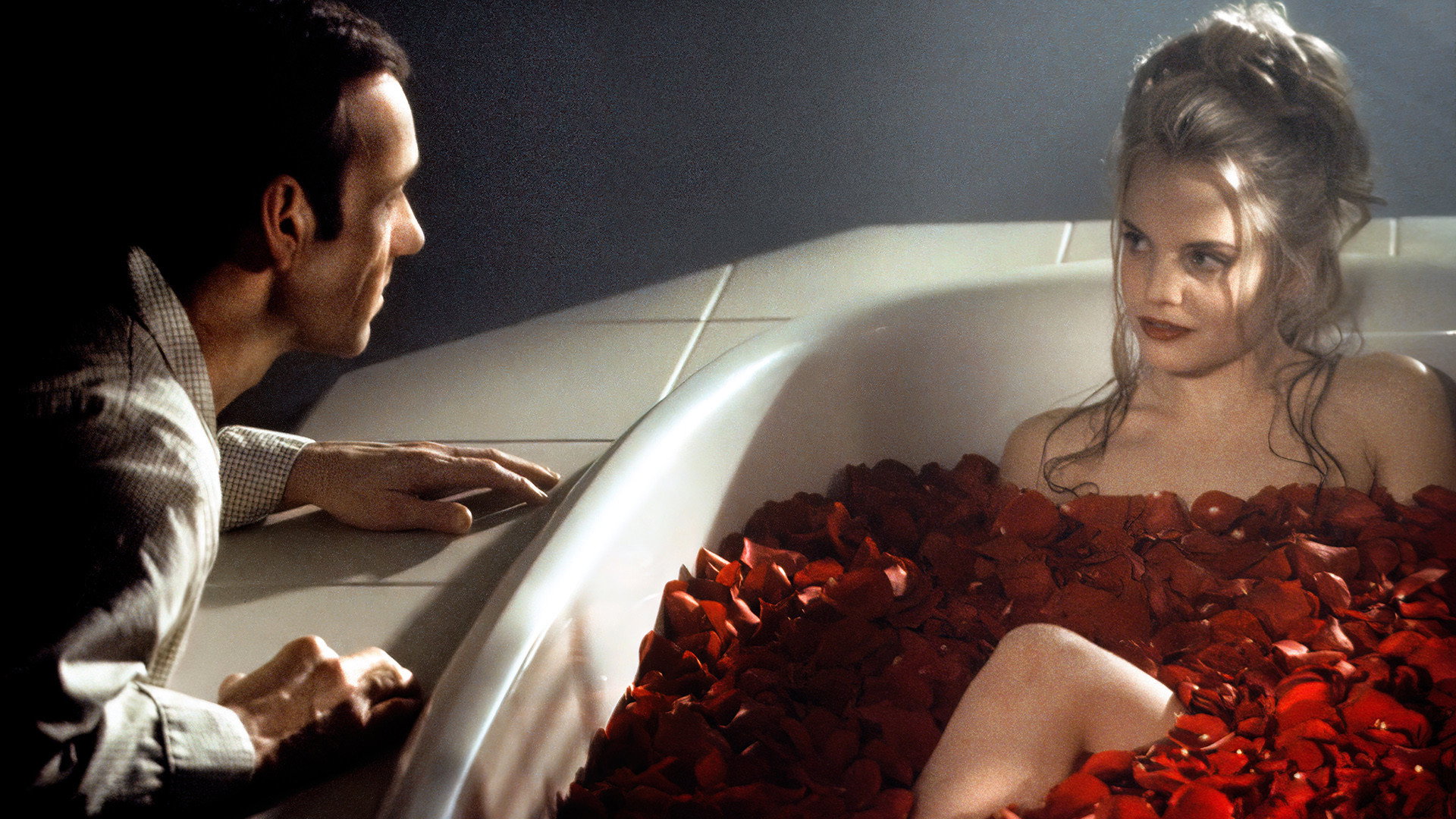
American Beauty is worth an evening for its acting and its command of tone, though its discoveries about suburban unhappiness are less startling than it thinks. Sam Mendes directs Alan Ball’s drama as if the ordinary business of marriage, work and keeping up appearances could become unbearable at any moment. That gives the comedy an edge without making misery seem exceptional. The trouble comes when the script expects us to be impressed simply because these respectable people are dissatisfied.
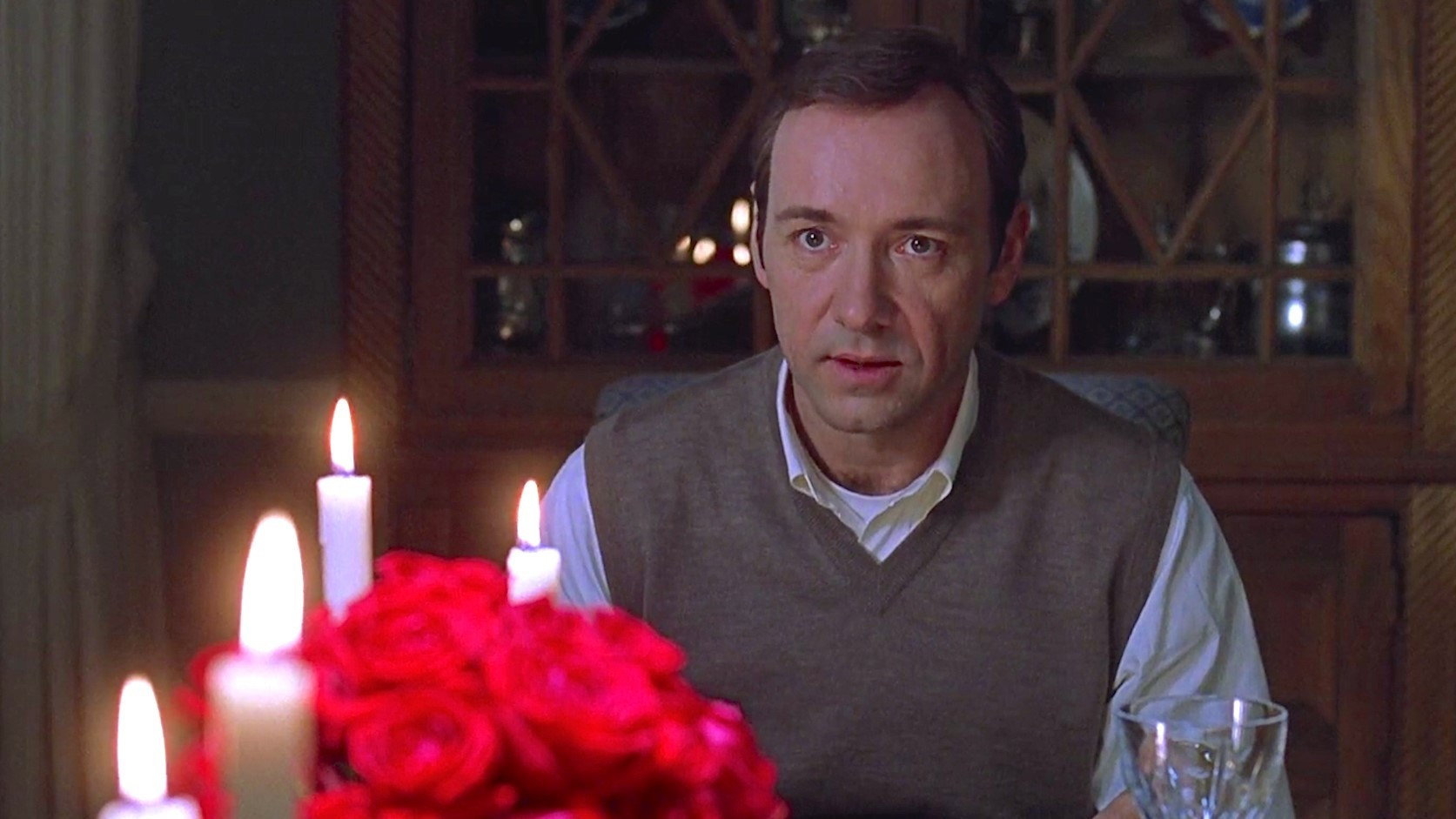
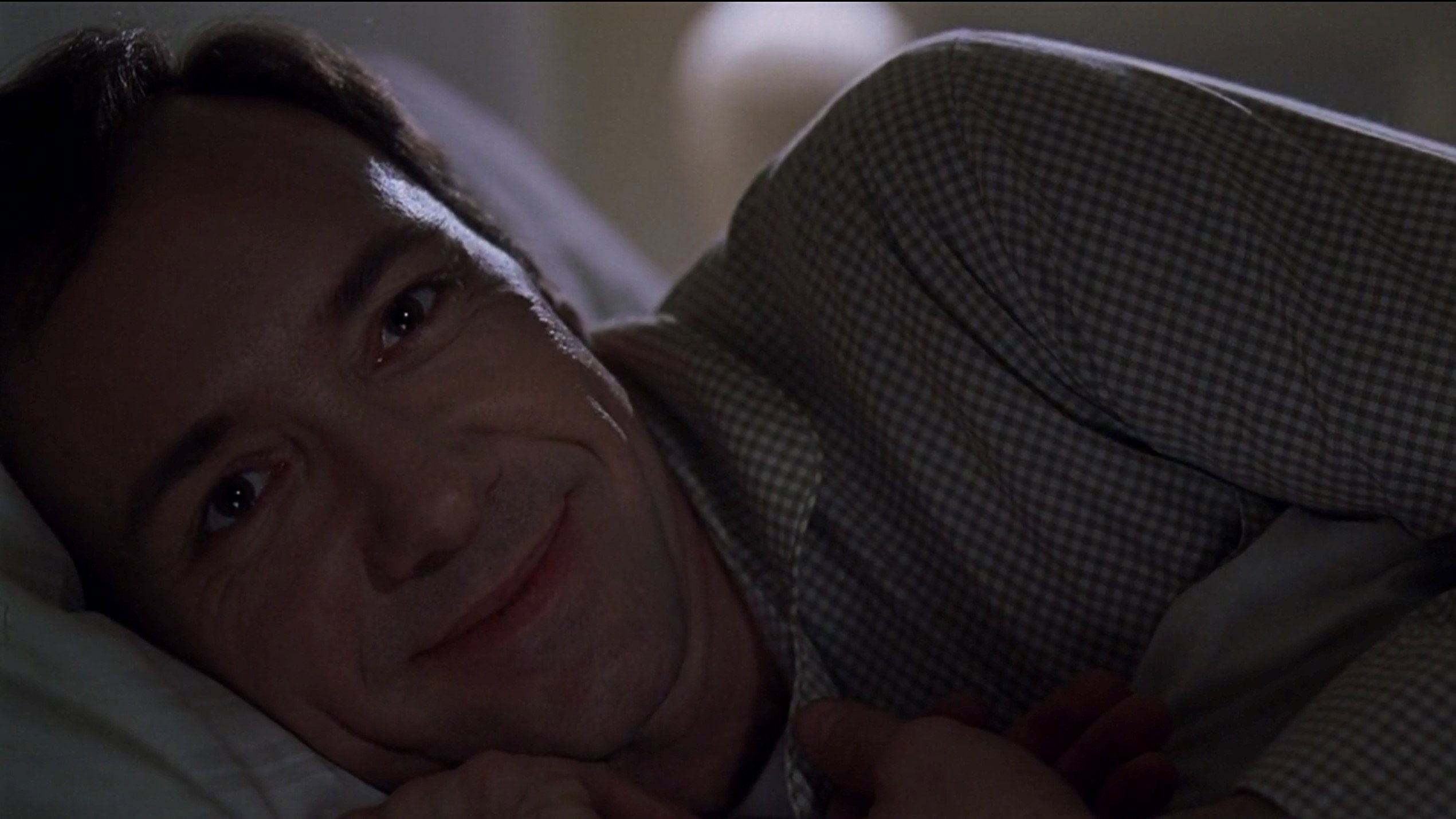
Kevin Spacey makes Lester Burnham’s dissatisfaction entertaining enough to keep us watching him closely. There is a precision to the performance that lets irritation become funny without entirely losing the unhappy man underneath. We can follow his changes of mood even when the script has not done enough to prepare us for them. But Ball is so interested in Lester’s midlife crisis that other people’s grievances can feel like interruptions to the main event.
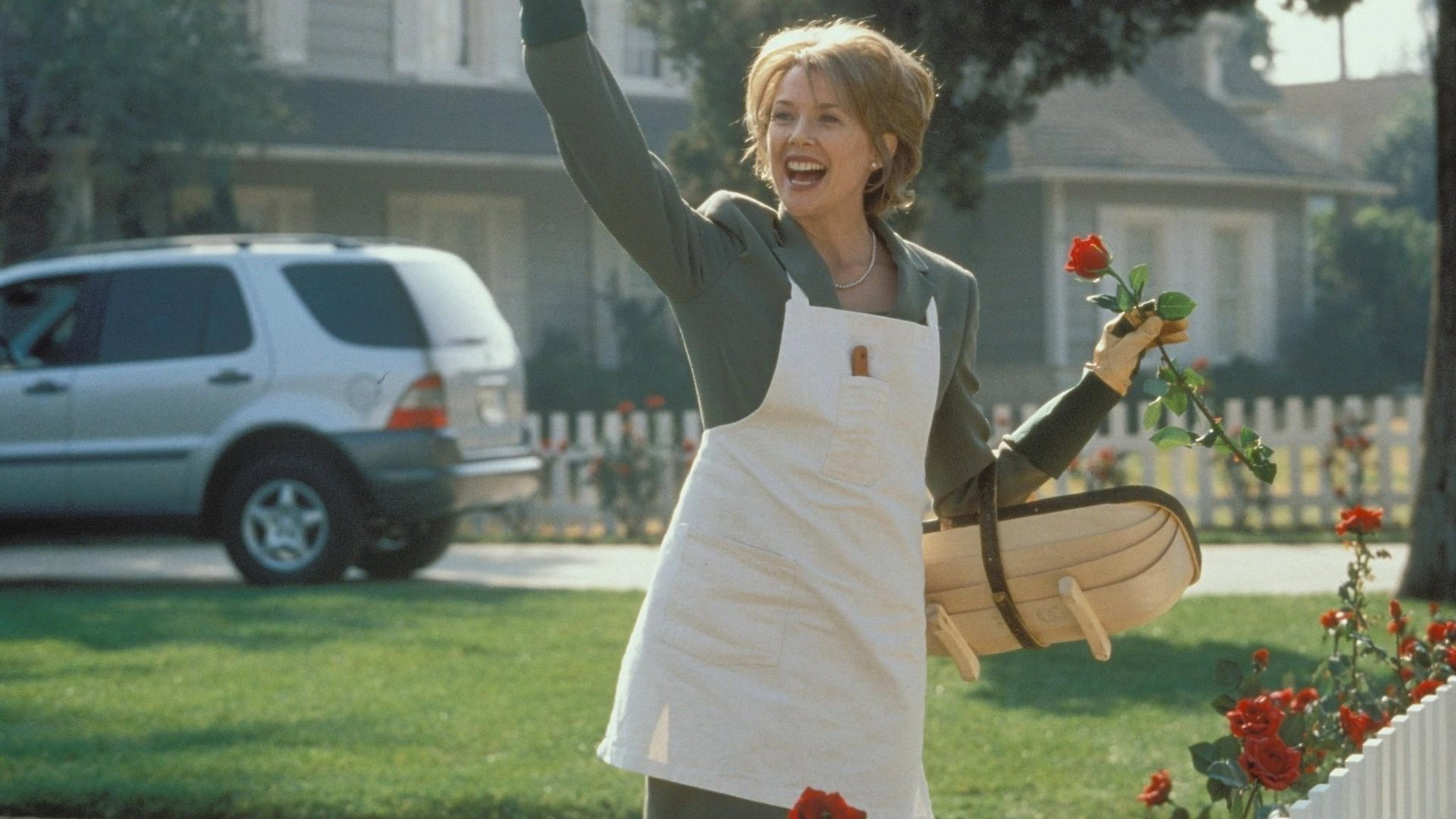
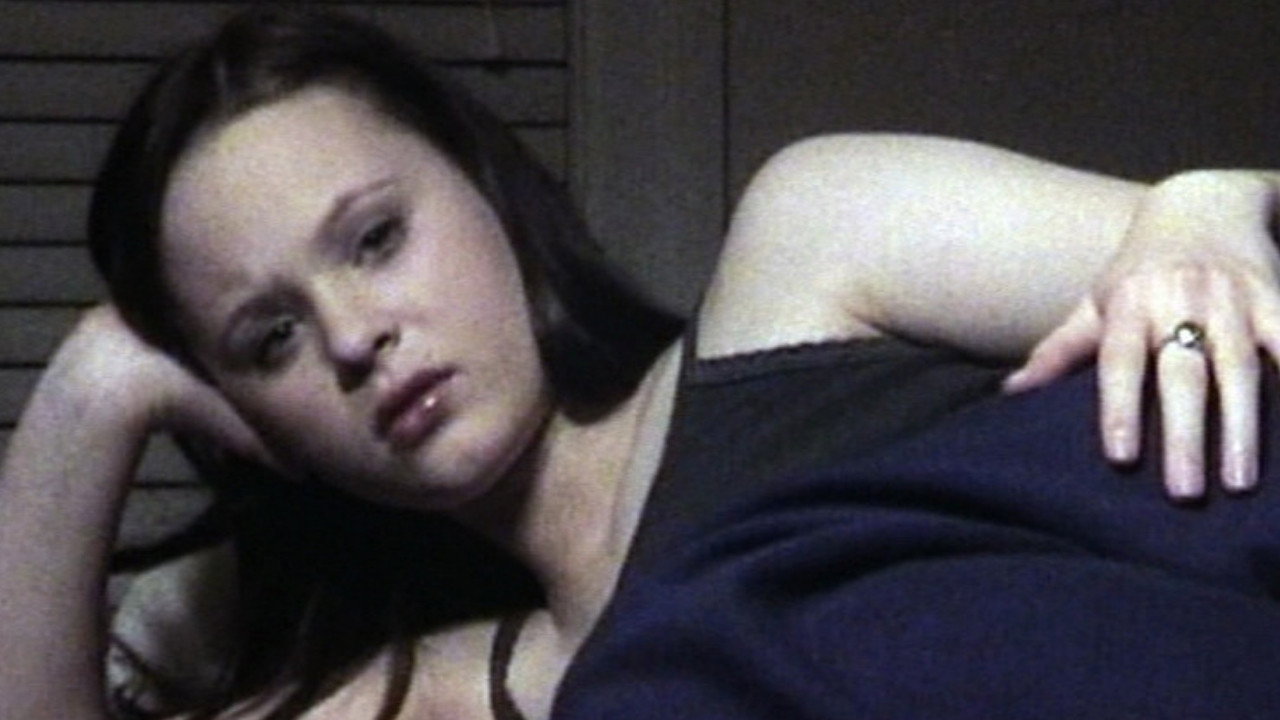
Annette Bening makes that imbalance harder to ignore. As Carolyn, she gives the marriage a frustration that cannot comfortably be laughed away, however insistently the film invites us to do so. We felt for her more than we expected: Bening makes the effort of remaining in control look exhausting. She allows the character to be ridiculous without surrendering her claim on our sympathy, and we wanted Ball to grant Carolyn the same patient attention he grants Lester.
Conrad Hall’s cinematography is instrumental in making these people worth looking at even when their behaviour tests our patience. The controlled compositions make suburban respectability feel restrictive, while the dreamlike quality of the images allows moments of tenderness that the sharper jokes would struggle to accommodate. Naomi Shohan’s production design contributes to that discomfort: domestic comfort feels like another demand being made on the characters. Their surroundings seem to require a degree of composure that they cannot sustain.
Editors Tariq Anwar and Christopher Greenbury keep the changes of mood sufficiently measured for a joke to give way to distress without making the actors seem inconsistent. Some of that credit belongs to the performances, but the cutting gives them time to make the adjustment. Thomas Newman’s music supplies a lightness that suits the comedy and usefully reduces the solemnity of Ball’s writing.
The larger weakness is familiar from suburban satire: too much satisfaction at finding unhappiness behind respectable appearances. Ball gives marriage, work and sexual frustration plenty of attention, but sometimes assumes that exposing them is enough. The humour is sharper when it allows the characters to be inconsistent, and less interesting when their failings seem arranged for our inspection. Mendes cannot always disguise that neatness. His affection for the actors does, however, keep the film from becoming a lecture delivered at their expense.
At 122 minutes, this is a substantial stay with people whose company can be wearing. We would not choose it for comfort, or for much surprise about what lies beneath a respectable marriage. A taste for sour domestic comedy will help considerably. Leave room afterwards to argue about whose unhappiness the film takes most seriously.