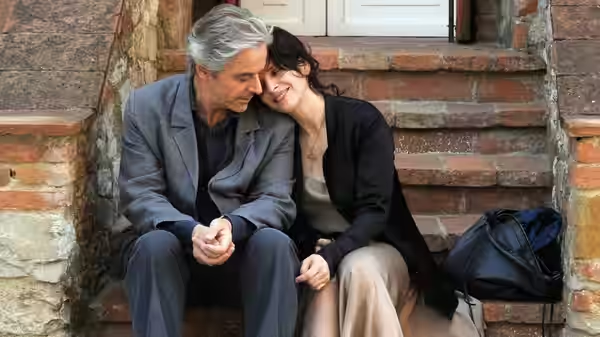
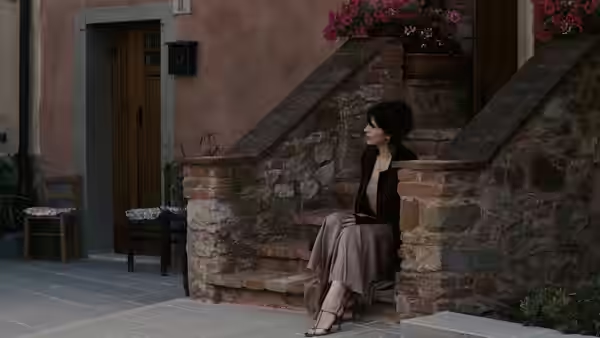
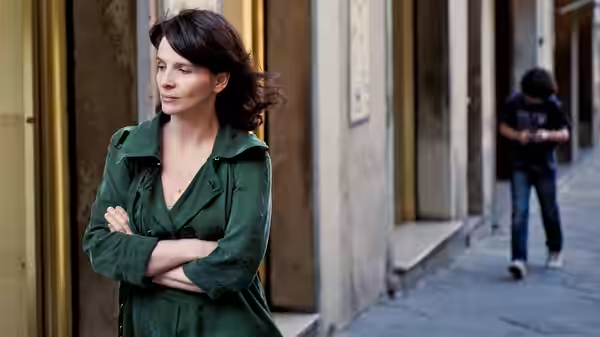
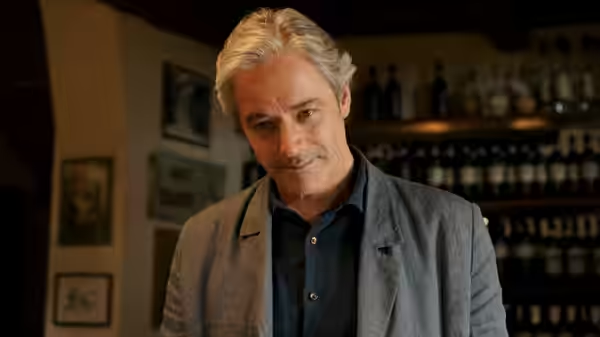
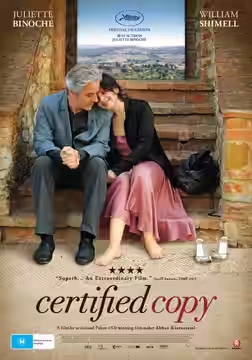
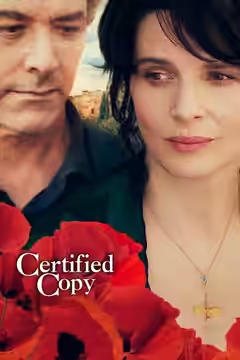
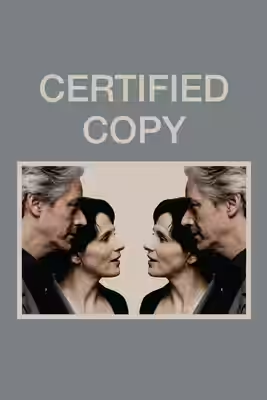
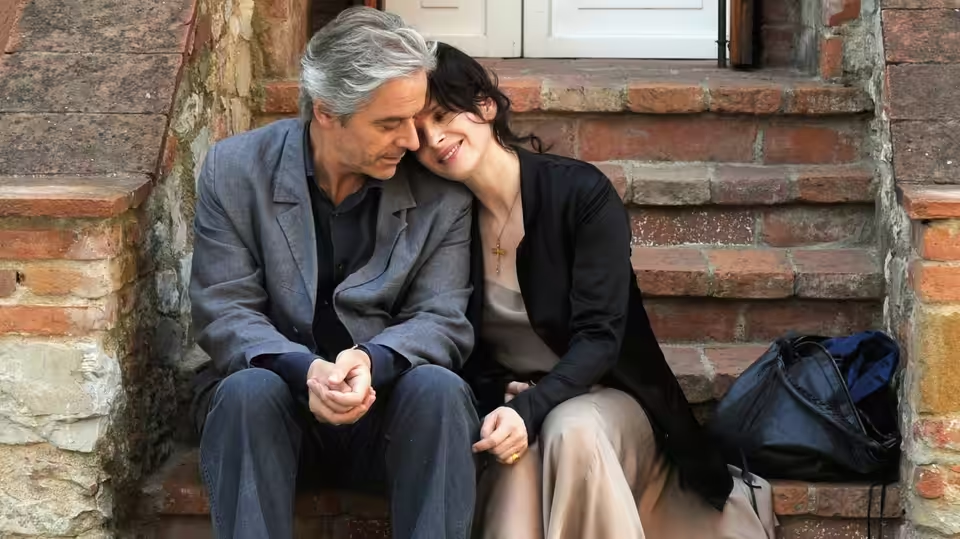
Elle (Juliette Binoche) and James Miller (William Shimell) holding hands on brick steps
Film review

Certified Copy

2010 · Directed by Abbas Kiarostami · 1h 46m · ICAA APTA

In a sentenceJuliette Binoche makes us want to intervene in an argument between two people we barely know

In Tuscany, Elle (Juliette Binoche) and James Miller (William Shimell) talk about art, love and the value of a copy. A drive through the countryside gives them time to debate what makes an original matter. Each tries to get the other to understand, but the conversation keeps producing disagreements, and questions about objects become questions about people. Reflections fill the car windows as they travel through the landscape. Neither can get the other to accept a view of art or relationships for long. Adrian Moore also appears as The Son.

Plays from YouTube when you press play; nothing loads from them until then.

Fi1m review

Abbas Kiarostami makes a moving, occasionally taxing romance out of two people arguing about authenticity. Juliette Binoche gives the talk its urgency, though the film asks for more patience than every exchange deserves.

Certified Copy is a moving romance, provided we can forgive some laborious talk along the way. Abbas Kiarostami, who writes and directs, starts with the value of originals and copies and considers what that might mean for two people trying to understand each other. Elle and James Miller are capable of turning almost any exchange into a disagreement. The film earns our attention by making those disagreements matter, though it occasionally lets them go on too long.

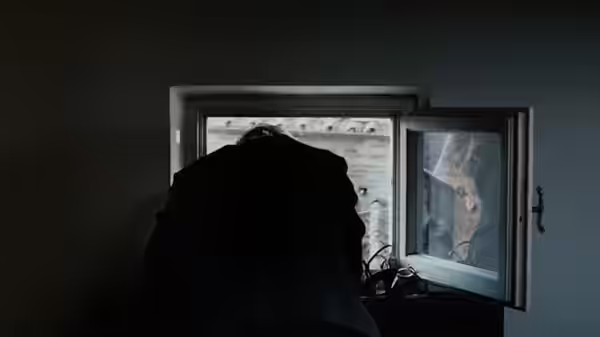
The Tuscan drive gives that talk somewhere to go. Cinematographer Luca Bigazzi uses reflections to keep the passing surroundings visible alongside the people in the car, so we have something to watch while listening. We keep looking between the faces and the reflected light, noticing changes in expression as well as changes in the view. The drive gives us time to look closely at both performers, without making their surroundings feel like something added to relieve the dialogue.

Production designers Giancarlo Basili and Ludovica Ferrario help make Tuscany feel like a place these people can occupy without being overwhelmed by the scenery. We can enjoy looking at the locations without losing sight of how uncomfortable the exchanges have become. The naturalistic soundtrack is useful here, too: it allows us to attend to the friction between the speakers without prescribing an emotion for every remark. We are left to decide when something has hurt.

Juliette Binoche is the reason the film’s uncertainties do not become an excuse to stop caring. Elle has an urgent need to be heard, and the performance makes even the more elaborate discussions feel as if something personal depends on the reply. We were moved by the anger and tenderness passing across her face in the long takes; she seems painfully exposed while the conversation continues. We do not need a settled account of her circumstances to recognise that feeling.

William Shimell makes a useful, sometimes frustrating partner. His reserve gives Juliette Binoche something to push against, though there are exchanges in which James Miller sounds too much like a position the screenplay needs defended. The early dialogue can be laborious, and an argument about authenticity is no more interesting merely because the setting is attractive. Some of these conversations could lose a few lines without losing any of the doubt they are intended to create.

Editor Bahman Kiarostami generally gives the actors the time they need. Holding a face through a lengthy exchange lets us notice the effort of listening, as well as the temptation to stop. The slow pace also makes the weaker dialogue more conspicuous, because there is little opportunity to hurry past it. For the most part, though, the actors reward the attention: we stay interested in how they respond even when the subject under discussion has begun to tire us.

Romantic films often make disagreement entertaining by giving both people a ready supply of sharp replies. Here, the awkwardness persists, and the uncertainty about the relationship may annoy anyone who wants clear answers. There is enough recognisable hurt and affection to make that uncertainty worth accepting. Watch it with someone willing to argue afterwards. Perhaps agree on a different subject for the journey home.

Critical consensus AI synthesised

73
Positive
12
Mixed
2
Negative
3

Most critics respond warmly to Certified Copy, finding Kiarostami’s conversations about art, authenticity and relationships both intellectually engaging and unexpectedly moving. Praise centres on Juliette Binoche, whose performance gives the film emotional weight even for some reviewers unconvinced by its central conceit. Many also admire Shimell’s contribution and the pair’s unsettled chemistry. The use of mirrors, reflections and Tuscan driving scenes draws attention for making the film’s questions about identity work on screen.

The spread is wide, however, and the chief disagreement concerns whether the ambiguity deepens the relationship or makes it difficult to care about. Even favourable reviews acknowledge a strained role-playing premise, lengthy conversations and unanswered questions. The Guardian finds the human relations contrived and the dialogue inert; Digital Spy praises the leads but finds little emotional warmth. Eye for Film is harsher on Shimell, judging his performance wooden while admiring Luca Bigazzi’s cinematography.

Slant Magazine
22 September 2010 · Ed Gonzalez
90*

The film is a resplendently heady yet nimble essay on art, life, landscape, and love whose emotional feeling proves it a certified copy of real life. It singles out Binoche’s profoundly emotional and philosophical consideration of mortality and loneliness in the scene watching an old couple.

Read the full review →
The New York Times
10 March 2011 · NYT Critic’s Pick · Stephen Holden
90*

The critic praises the film as a delicious brain tickler and endless hall of mirrors, a metaphysical labyrinth about a middle-aged couple driving through Tuscany. He singles out the erudite debate on artistic authenticity and the way the story multiplies reflections on copies, originals, and identity.

Read the full review →
Vulture
11 March 2011
90*

The film is a thrilling exploration of fluid identities and relationships that becomes intensely real despite its artifice, with tactile emotion, shocking anger, tenderness, and devastating epiphanies. It singles out Binoche’s dissolving performance in long takes and the director’s skill at car scenes.

Read the full review →
The New Yorker
10 March 2011 · Richard Brody
85*

The critic calls the film mysterious, paradoxical, and deeply ambitious, a lovely manifesto on freedom and the bonds of self and marriage. He singles out its portrayal of the eternal return and the aesthetic value of the copy, along with its sensual and conceptual delight in light, reflections, and shifting identities.

Read the full review →
Empire
23 July 2010 · David Parkinson
80*

The film is a philosophically provocative and mischievously rom-comic pastiche of bickering couple pictures, using mirrors and shifts of perspective to keep the audience guessing about the central relationship. The leads respond splendidly to Kiarostami’s playful mockery of arthouse and mainstream clichés.

Read the full review →
Screen Daily
18 May 2010 · festival review
80*

This is Kiarostami’s most commercial film to date, a captivating divertissement that marries post-modern reality games with mature romantic comedy in a breezy, thought-provoking package. It conforms on one level to Hollywood genre conventions while remaining smartly Euro-friendly and targeted beyond hardcore cineastes.

Read the full review →

Straight answers AI written, from our review

Is Certified Copy worth watching?
Certified Copy is worth watching for anyone who can sit through two people arguing for 106 minutes, and we scored it 84. Juliette Binoche gives the talk about originals and copies a personal urgency, though some of the early dialogue runs on longer than it needs to. Those who want a clear account of the relationship may find it annoying.
How long is Certified Copy, and what is it rated?
Certified Copy runs 1h 46m and is rated APTA by the ICAA in Spain. It is a drama and romance film.
Where can I watch Certified Copy in Spain?
Certified Copy is streaming on MUBI, Amazon Prime Video and Apple TV in Spain. Availability is checked daily; the links above go straight to each service.
How violent or frightening is Certified Copy, and is it suitable for children?
Certified Copy carries a UK 12A certificate and contains no violence or frightening material that we noticed; its discomfort comes from two adults quarrelling. Children are unlikely to be upset by it, but they are also unlikely to be interested, since it is almost entirely conversation about art and relationships. It suits patient adults rather than families.
How does Certified Copy compare to Before Sunset?
Certified Copy is the harder and more uncertain of the two, where Before Sunset is the one we would hand to almost anyone. Both films are long conversations between two people with unfinished feeling between them, but Richard Linklater makes his gripping and warm, while Abbas Kiarostami lets the awkwardness persist and leaves the relationship unresolved. Choose Linklater for pleasure, Kiarostami for an argument.
What should I watch after Certified Copy?
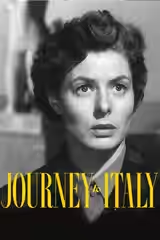
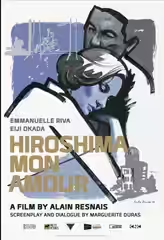
After Certified Copy, try Before Sunset (2004, Fi1m 91): Two people walk and talk, with years of unfinished feeling between them. Then Journey to Italy (1954, Fi1m 82): Another Italian journey exposes a couple’s unhappiness through small, persistent disagreements; and Hiroshima mon amour (1959, Fi1m 87): Intimacy and uncertain memories complicate a romance that resists easy explanations.

Cast

If you liked this, try…

  1. Before Sunset (2004, Fi1m 91)Two people walk and talk, with years of unfinished feeling between them.

  2. Journey to Italy (1954, Fi1m 82)Another Italian journey exposes a couple’s unhappiness through small, persistent disagreements.

  3. Hiroshima mon amour (1959, Fi1m 87)Intimacy and uncertain memories complicate a romance that resists easy explanations.

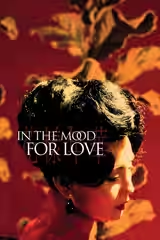
  4. In the Mood for Love (2000, Fi1m 91)Two neighbours struggle to contain feelings that their careful manners keep betraying.

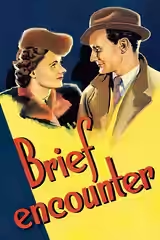
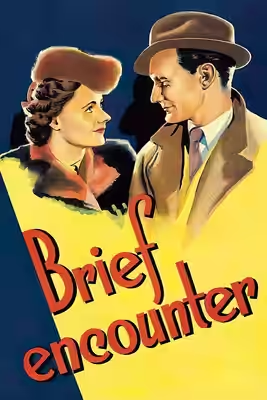
  5. Brief Encounter (1945, Fi1m 90)Ordinary conversations become difficult when two people cannot admit what they want.

Free account

Know what to watch tonight

Two lists that know where things are streaming, collections you can share, your own score beside ours, and Discover that remembers what you have seen.

  • Want to see, sorted by what is streaming now
  • Seen, with your score out of ten
  • No adverts, ever