Damien Chazelle’s musical is worth seeing for Emma Stone, Ryan Gosling and the pleasure of watching romance turn into dance. The characters are thinly written, but the songs linger and the affection between the leads is easy to believe.
Damien Chazelle asks us to accept a Los Angeles where people sing and dance without having to apologise for it. We recommend La La Land for the pleasure it takes in that proposition, and for two actors who make its romance worth caring about. There is a problem with the writing: Mia and Sebastian need fuller lives beyond their creative hopes and their attraction to one another. The film gets a considerable amount of help from Emma Stone and Ryan Gosling.
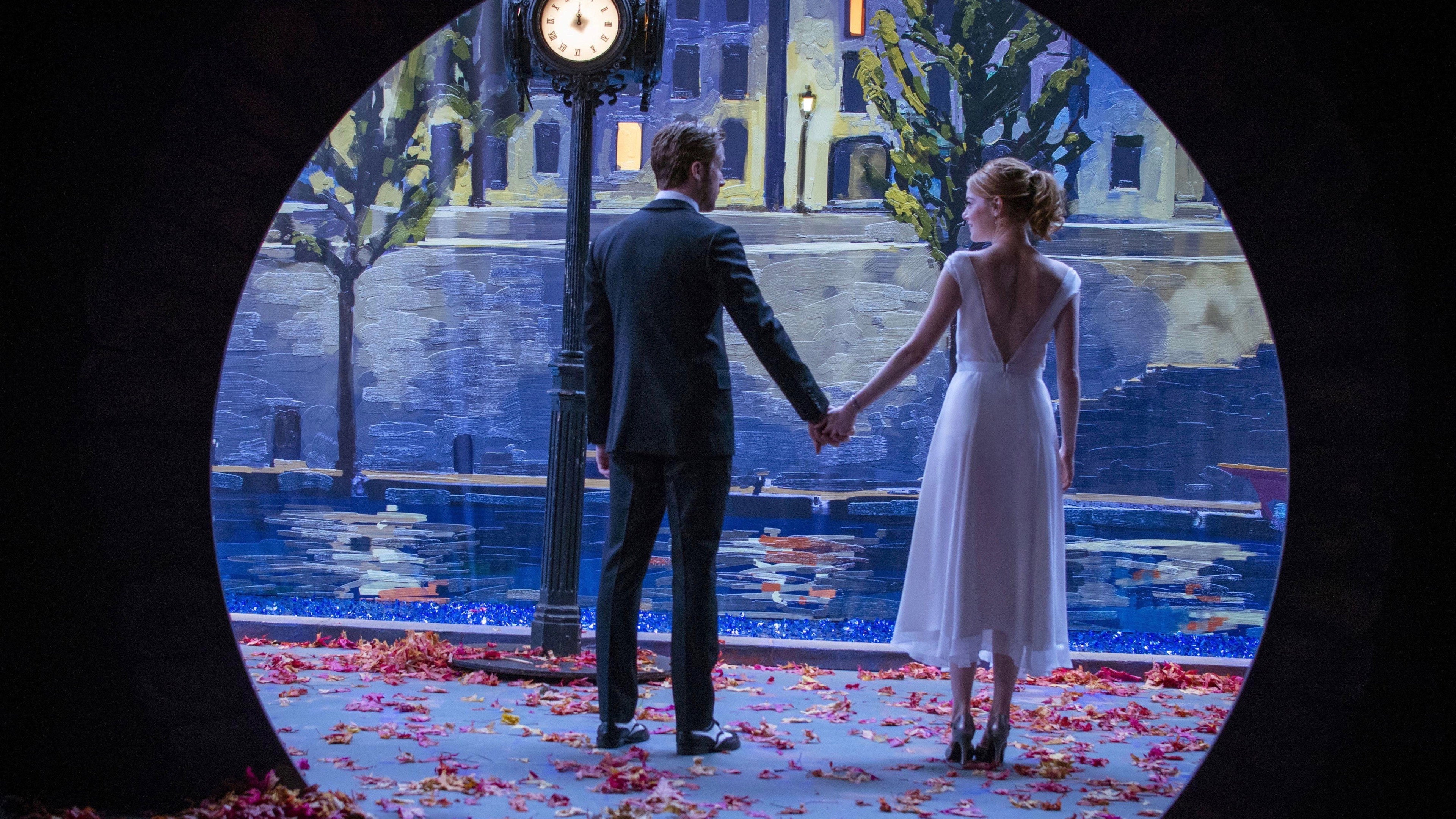
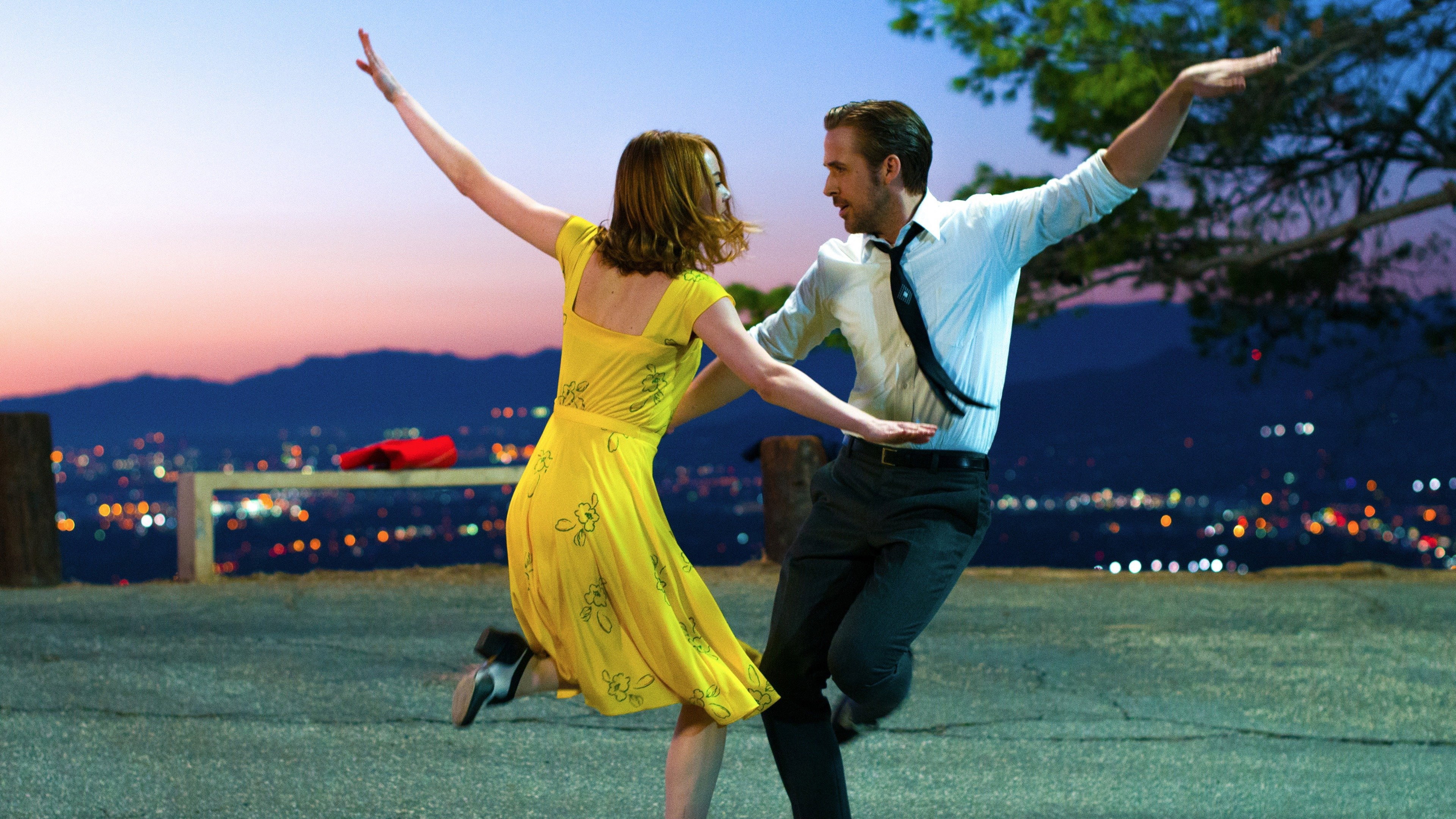
The opening freeway number is a useful test of how readily we are prepared to go along with this. We grinned, because the dancing in that unlikely setting is staged with confidence and without an apologetic wink. Linus Sandgren’s fluid camera keeps the dancers readable even as it joins in. The bright colour helps make the singing feel at home in Los Angeles.
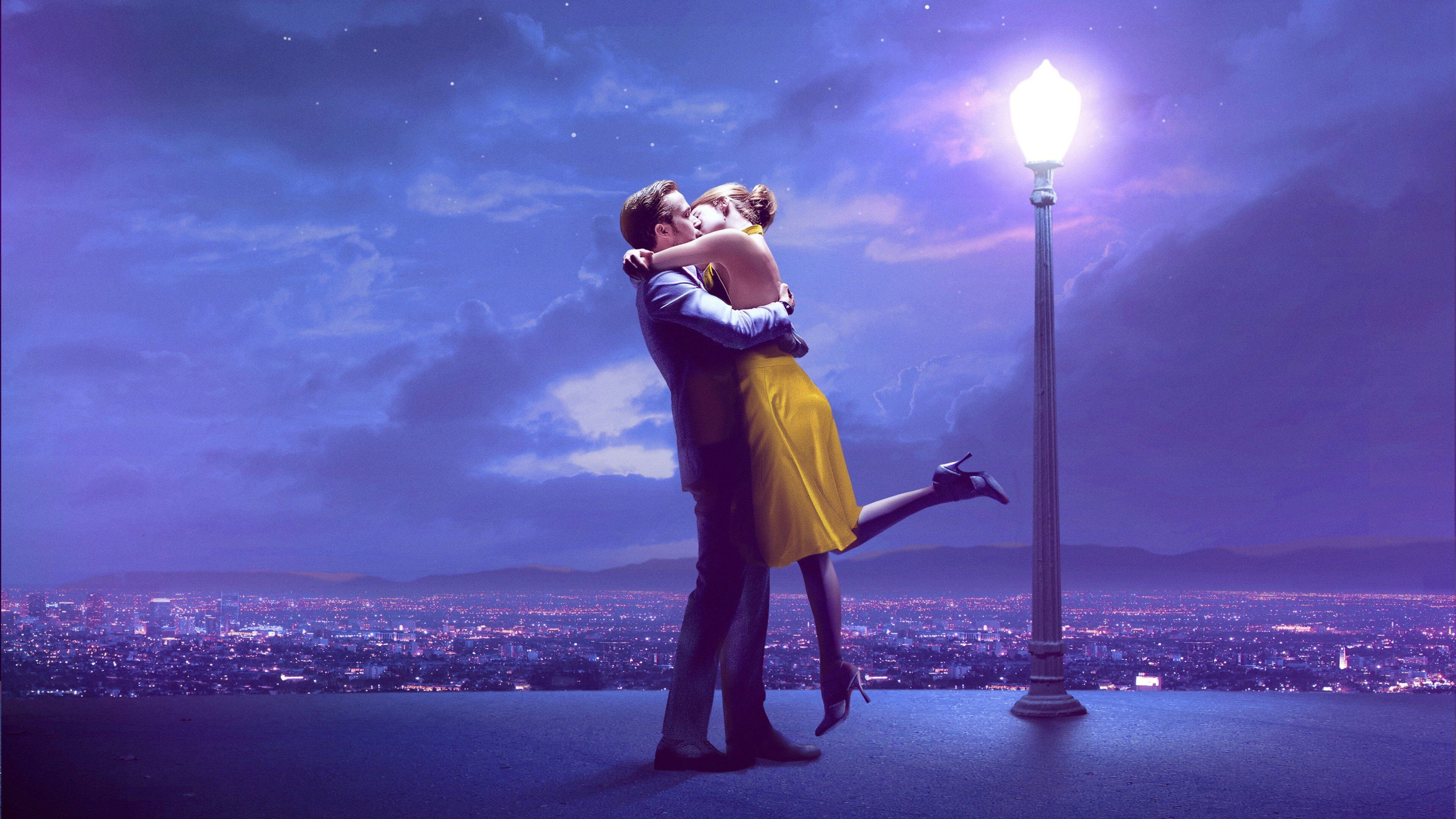
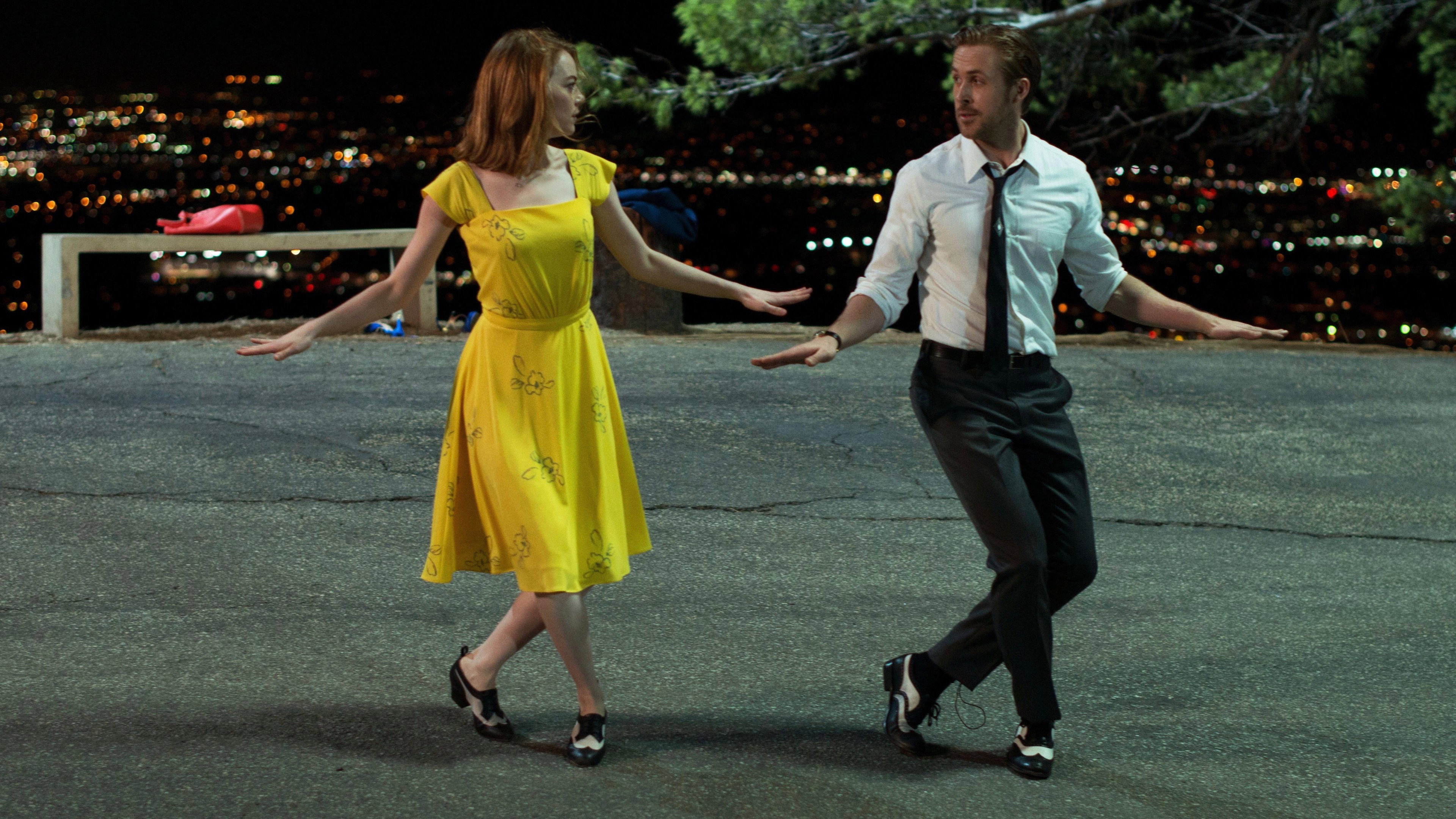
David Wasco’s production design works well with that colour, making the city look ready for a dance to start. It can also seem too carefully arranged to accommodate anyone who is not in love, which is less helpful when we are meant to worry about ordinary disappointments. Justin Hurwitz supplies melodies that can hold our attention without help from the pictures. They are easy to remember, but they also give the performers feelings to work through, rather than simply another occasion to charm us.
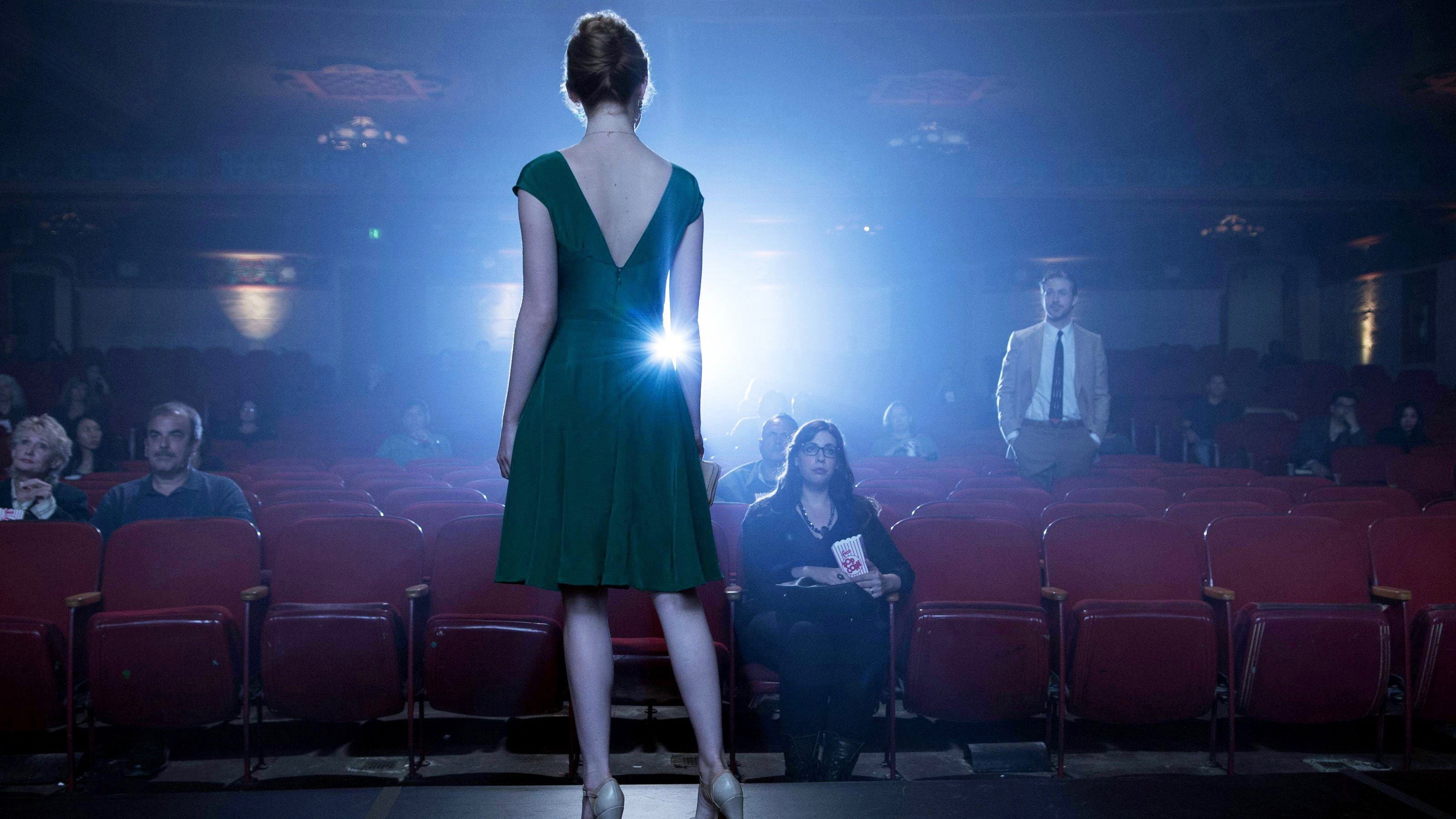
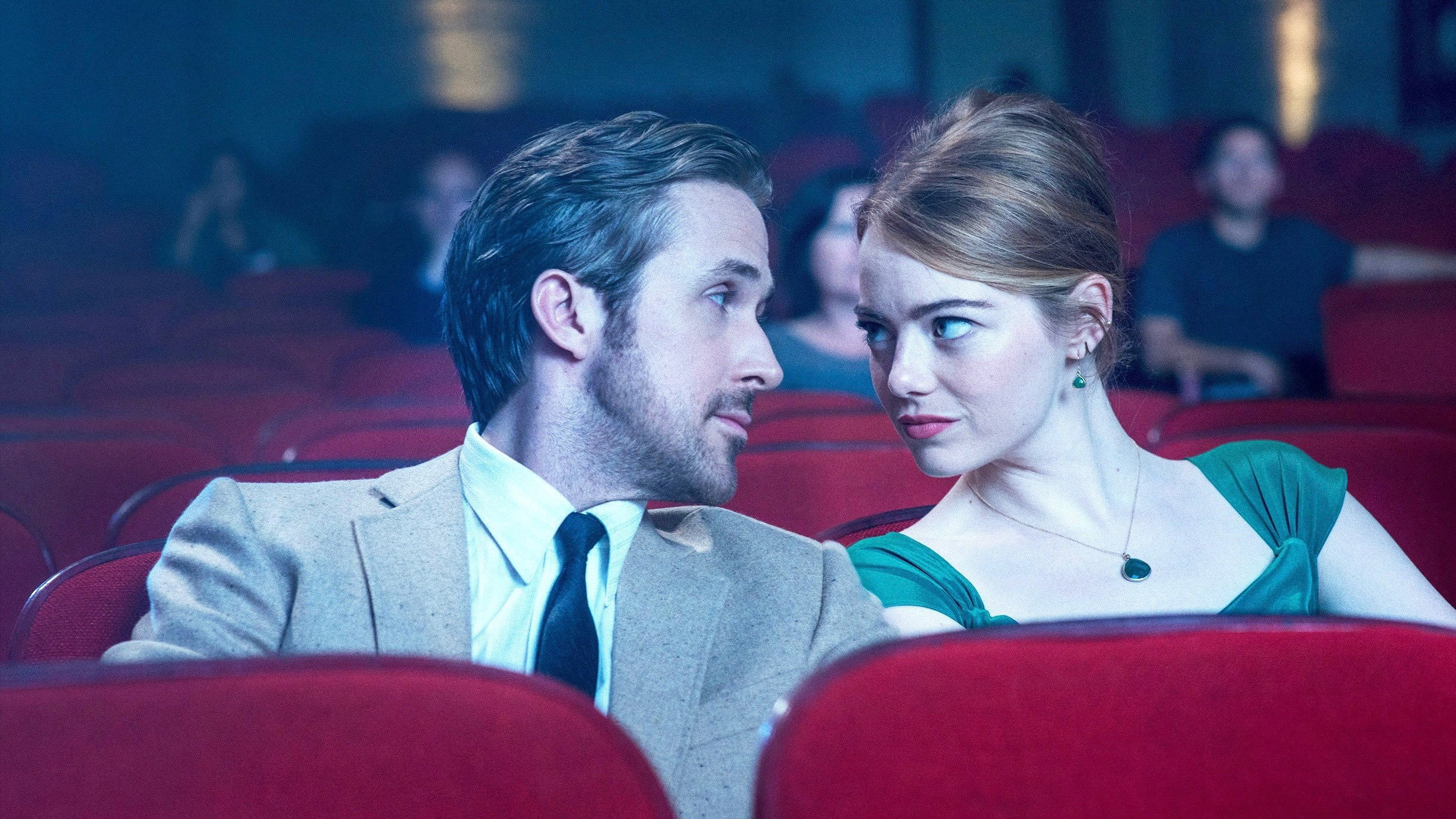
Emma Stone makes Mia’s enthusiasm appealing because she also allows it to look vulnerable; there is something at stake whenever she asks us to take a hope seriously. Ryan Gosling brings a useful lightness to Sebastian, a character whose seriousness could otherwise become hard work. The pleasure of watching them together comes from their responsiveness, and neither seems determined to win every exchange. We believe their attraction, and that carries scenes which would look slight on the page.
Damien Chazelle’s screenplay is less persuasive about the creative ambition that occupies so much of their lives. Wanting to make something matters here, but the wanting is sometimes asked to do the work of a developed personality. We can understand the pull of their dreams without finding every obstacle to those dreams equally interesting. Tom Cross’s editing gives the musical passages room to build; between them, the slightness of the story becomes harder to overlook, and 129 minutes feels a little generous.
Against the musical’s own standards, its chief strength is the ease with which attraction becomes song and movement. There is nothing especially new about the competing claims of love and work, and the borrowed Hollywood style occasionally draws too much attention to itself. But the film understands why we might want to spend time with people who still expect something from their lives, even when their expectations are unreasonable. See it for Emma Stone and Ryan Gosling, and allow the screenplay a little more patience than it earns.