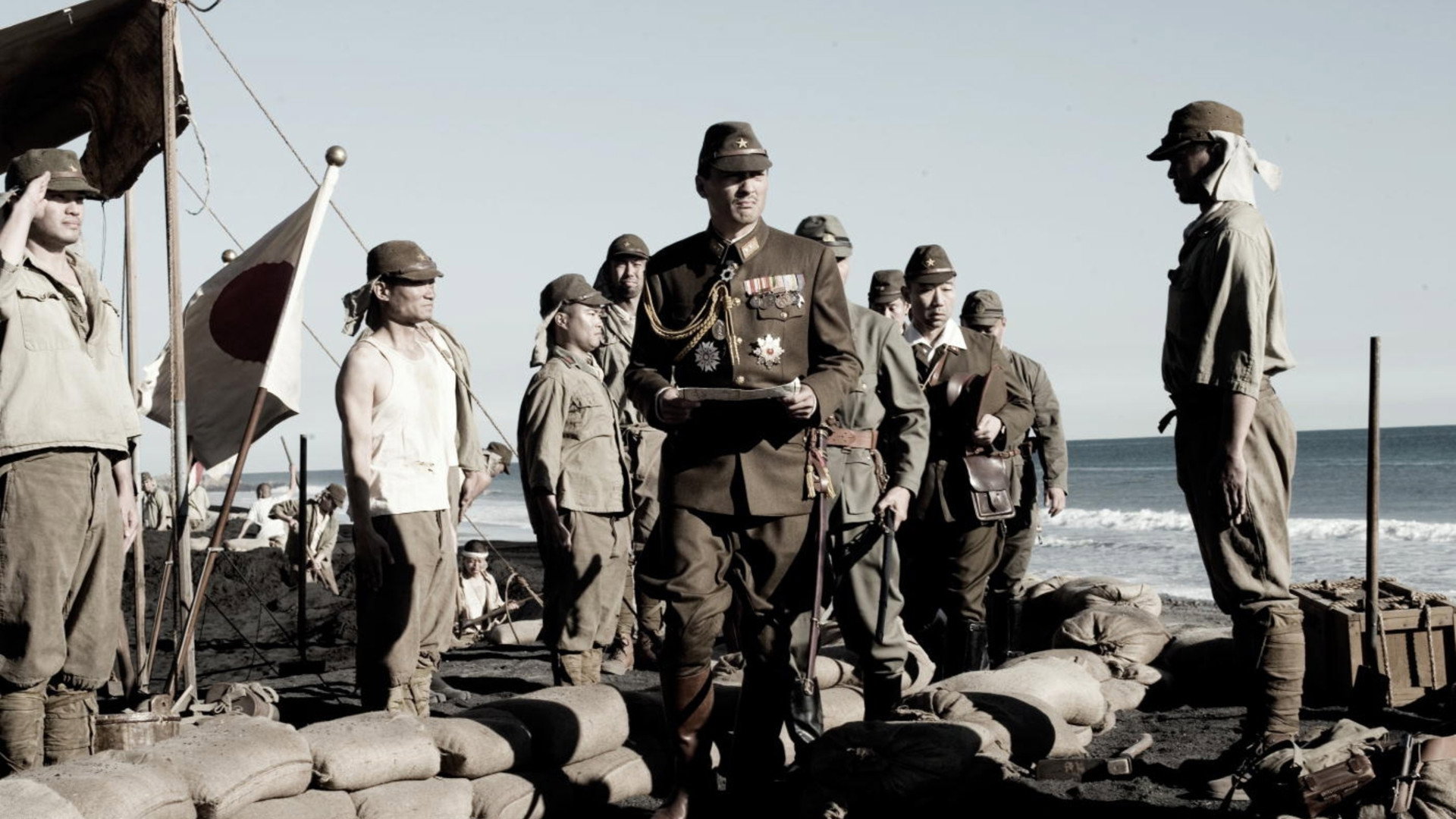
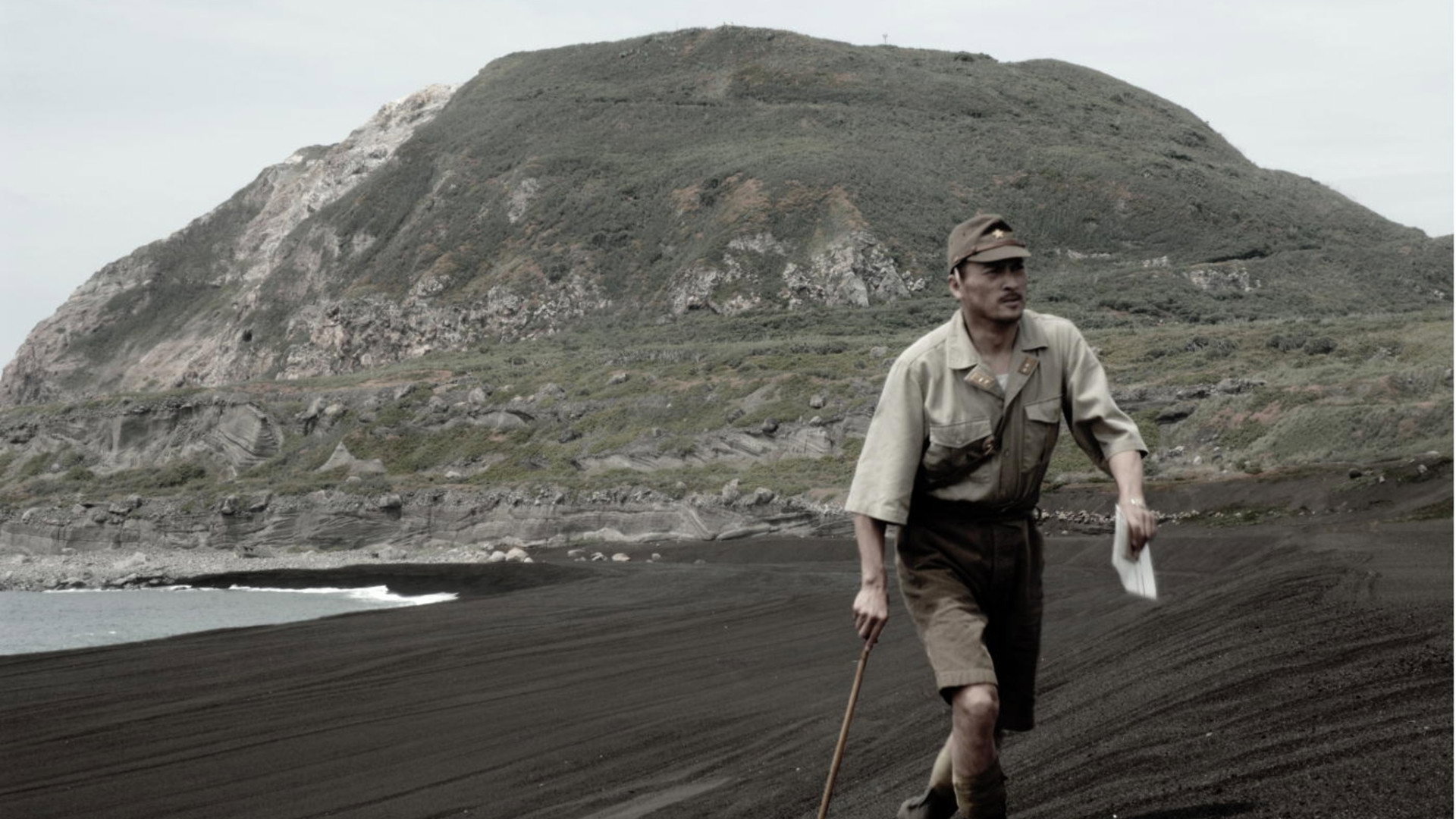
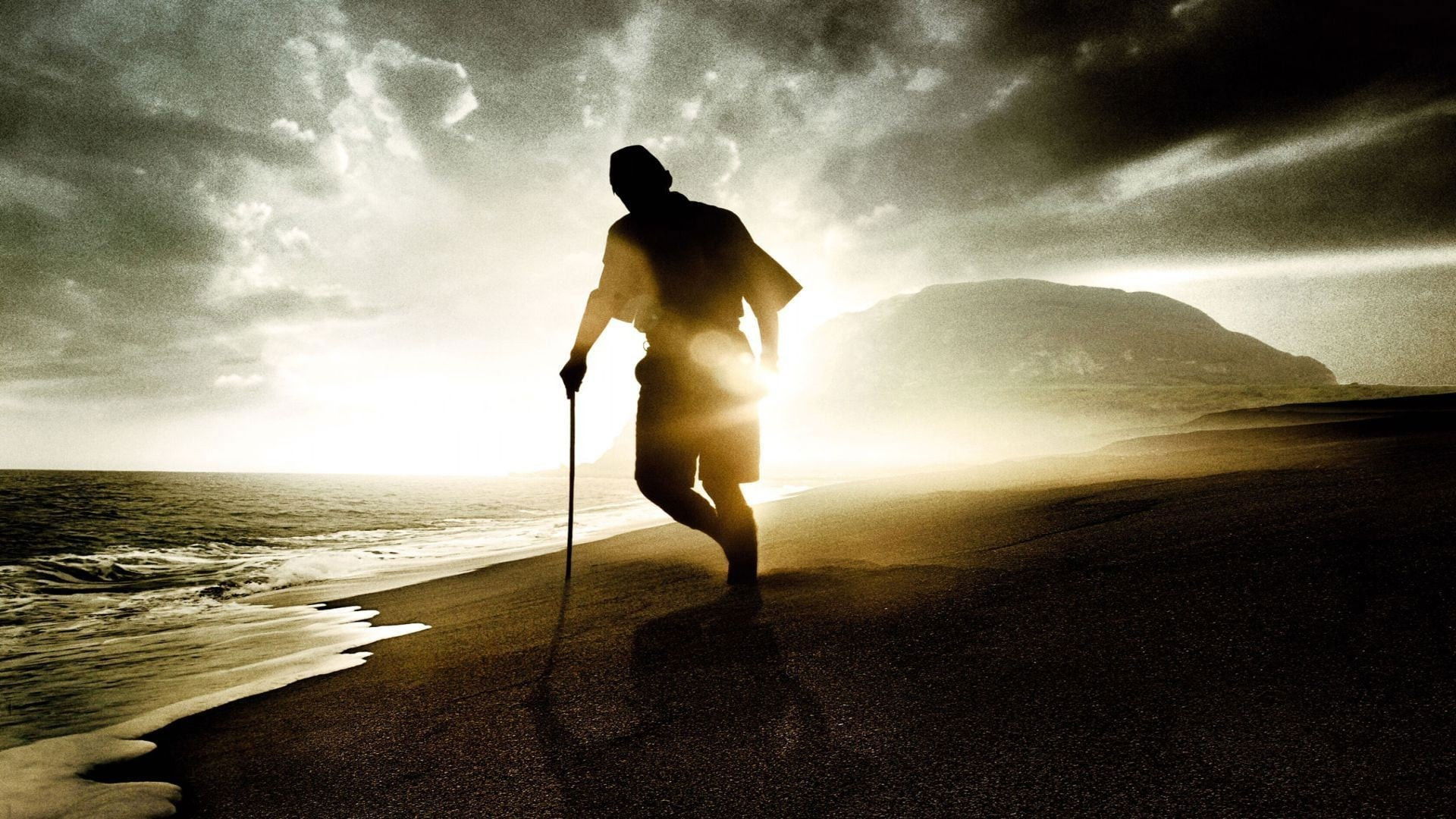
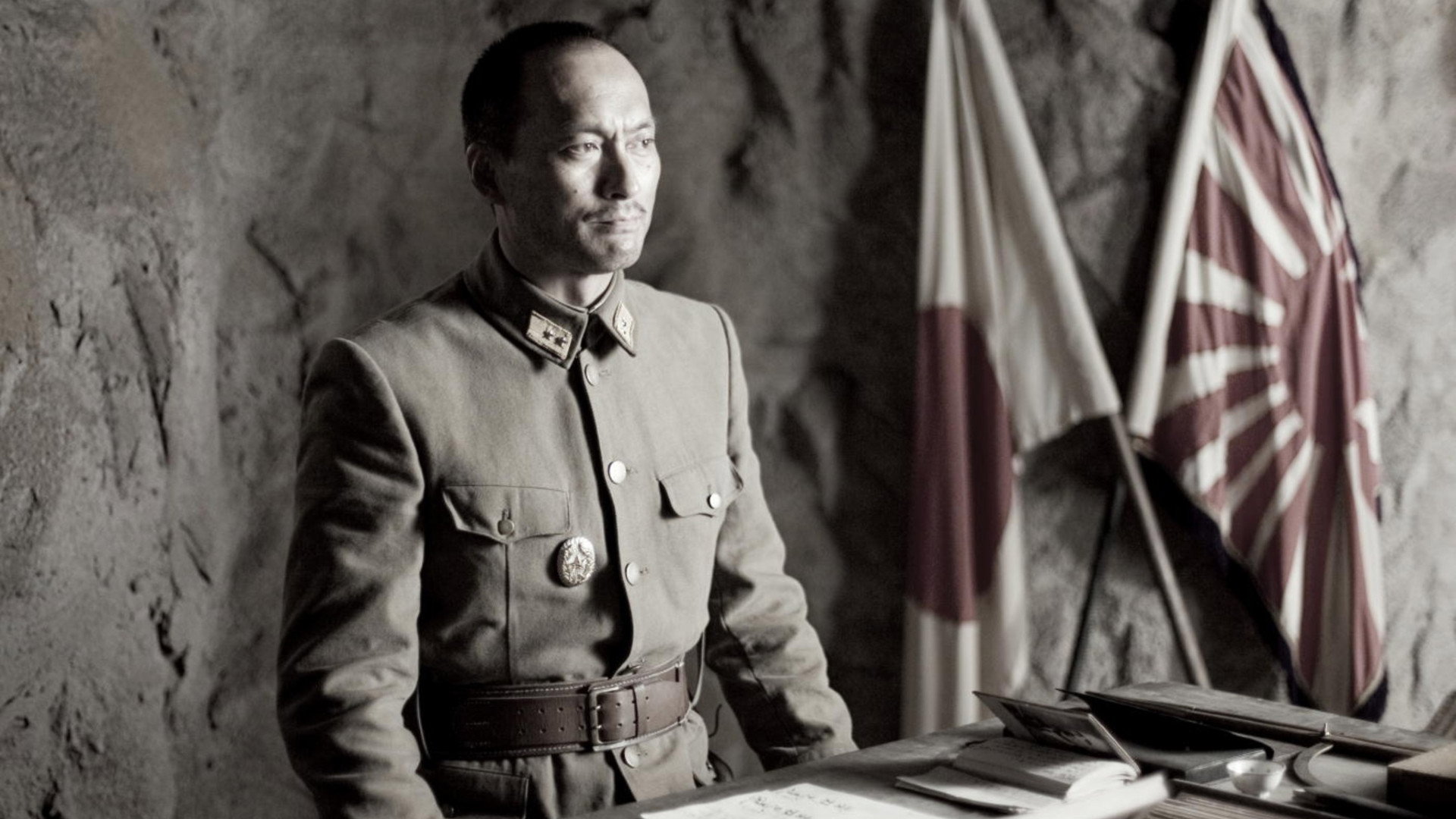
Clint Eastwood’s account of Iwo Jima from the Japanese side is patient, humane and deeply affecting, with Ken Watanabe and Kazunari Ninomiya giving its military ranks individual faces. The script sometimes explains feelings the performances have already made clear.
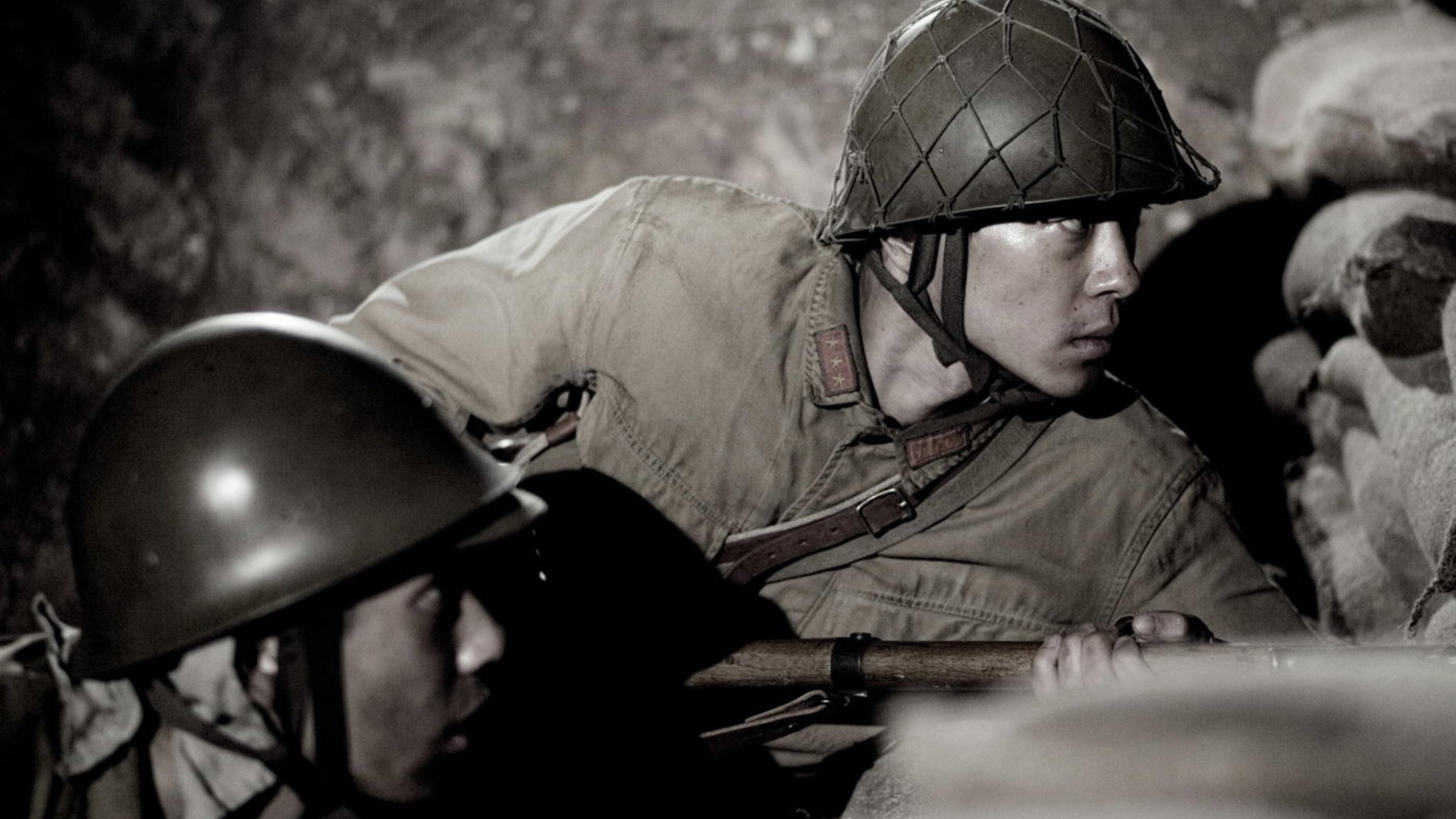
Letters from Iwo Jima is a war film willing to spend time with men whose uniforms might otherwise do all the explaining. Clint Eastwood approaches the battle from the Japanese side, asking us to consider what military duty requires of the people expected to carry it out. We recommend it warmly: it is grave, attentive and often painful, though it occasionally tells us what we have already understood. Its strength is the patience it gives Ken Watanabe and Kazunari Ninomiya to establish separate, recognisable people.
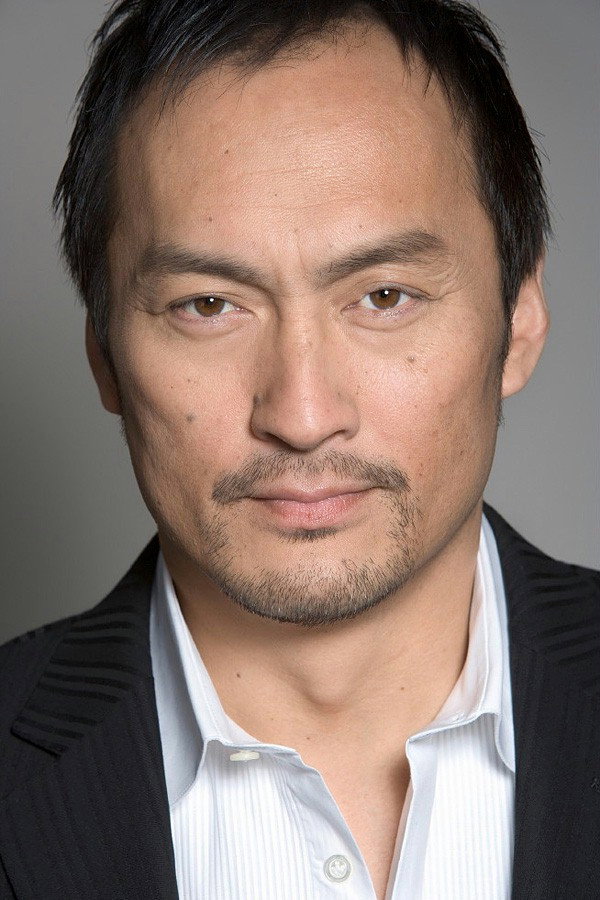
Watanabe’s General Tadamichi Kuribayashi has the authority the part requires, but the performance is most interesting when that authority cannot settle his doubts. Watanabe makes being responsible for other men look exhausting. He gives orders the weight of decisions somebody will have to live with, and keeps the general’s decency from becoming an excuse to stop examining him. The film respects Kuribayashi, sometimes too readily, but Watanabe never makes him comfortable company.
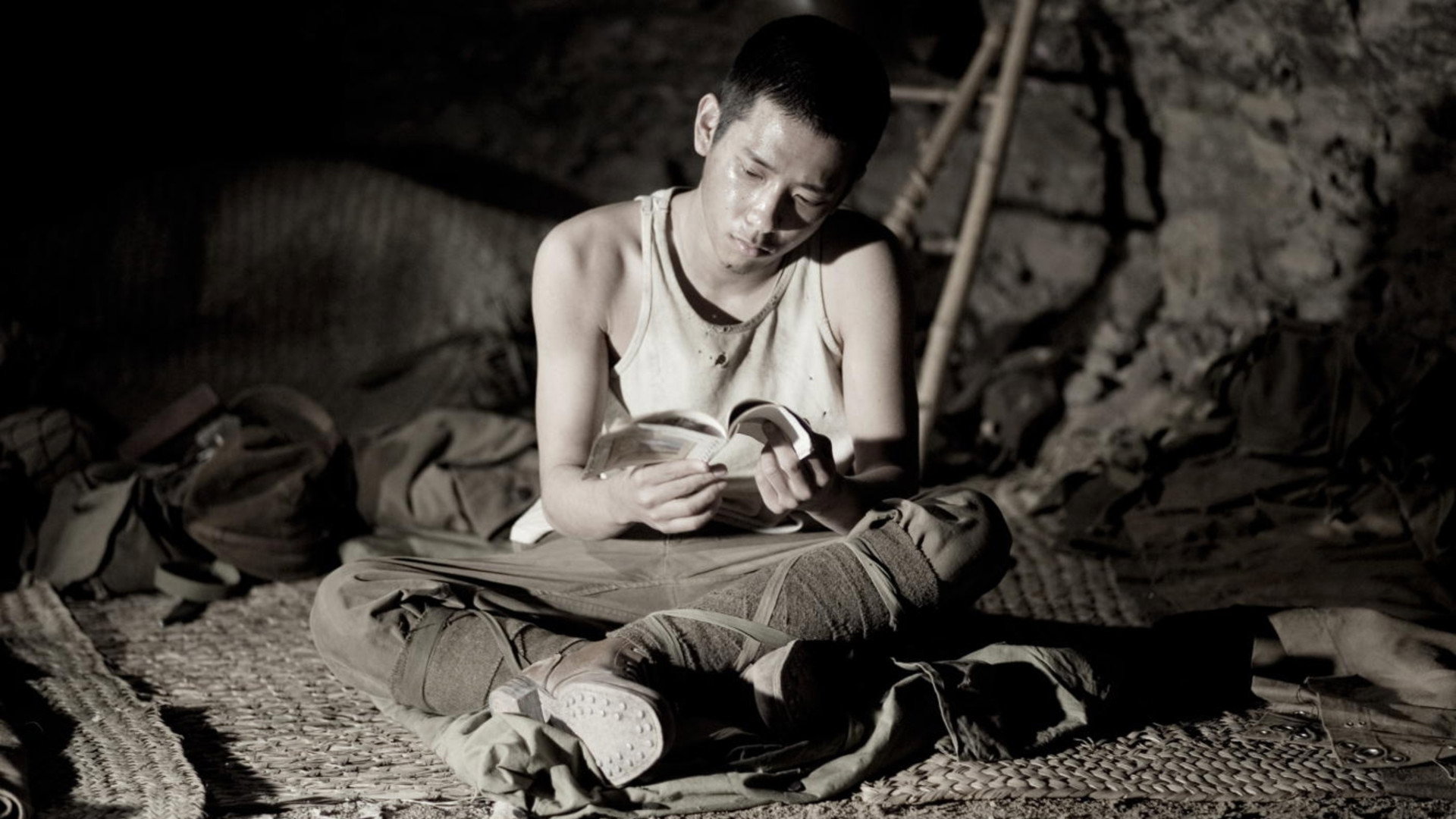
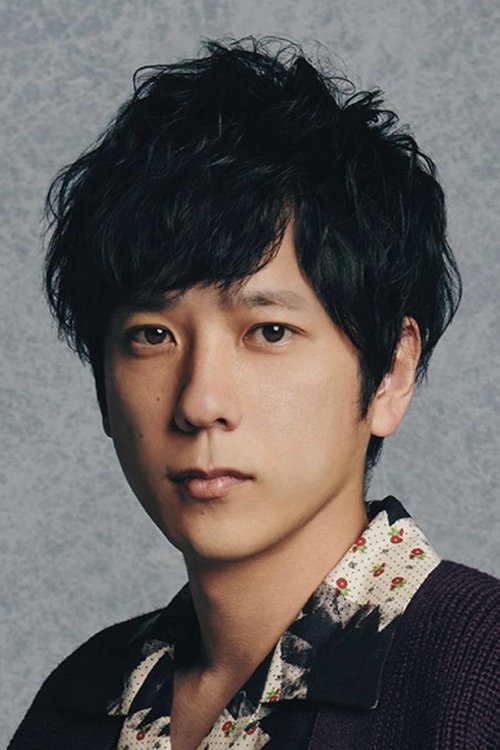
Ninomiya’s Private Saigo is crucial because the film needs someone who cannot make duty sound so persuasive. His unease gives the military talk a practical consequence: we keep thinking about the man who must do what has been decided. We were moved by Saigo’s fear; Ninomiya lets it show without making him plead for our sympathy. Eastwood allows the performance to remain ordinary enough that caring about Saigo never feels like a reward for exceptional bravery.
Tom Stern’s cinematography drains the battlefield towards charcoal, making the men seem worn down before any speech can tell us so. The restricted colour keeps faces and uniforms within the same sombre range, without making the people indistinguishable. Production designers James J. Murakami and Henry Bumstead give the soldiers’ surroundings a constricting, practical feel. There is little encouragement to admire the scenery. Their work helps keep the fighting close to the people inside it.
Joel Cox’s editing gives performances enough time to affect how we see the battle. At 141 minutes, the film asks for patience, and Cox is generally right to let the actors determine the pace. Some pauses last beyond the point at which a scene has made itself clear, although the larger problem is how firmly we are guided towards a response. Michael Stevens and Kyle Eastwood’s music can be touching, but its encouragement towards sadness is occasionally unnecessary. The performances have already given us enough reason to care.
Iris Yamashita’s screenplay, from a story credited to Yamashita and Paul Haggis, is weakest when it presses the lesson about recognising ourselves in an enemy. The flashbacks sometimes provide emotional instructions where a little uncertainty would have served the characters better. Eastwood’s restraint does not quite disguise how carefully these men have been arranged to earn our understanding. We do not need to be shown quite so firmly that they deserve it.
The war-film tradition often asks us to admire endurance, and Eastwood pays close attention to what enduring actually costs these men. His restraint can verge on excessive respect, particularly around Kuribayashi, but it also leaves space for fear without treating fear as a failure of character. That makes the familiar military ranks and questions of obedience worth returning to. Give it an evening when there is no need to be cheered up, and no temptation to keep checking the clock.