Albert and Allen Hughes deliver a forceful, uneven crime drama. Tyrin Turner and Larenz Tate make its young men worth worrying about, even when the writing seems to have decided everything for them.
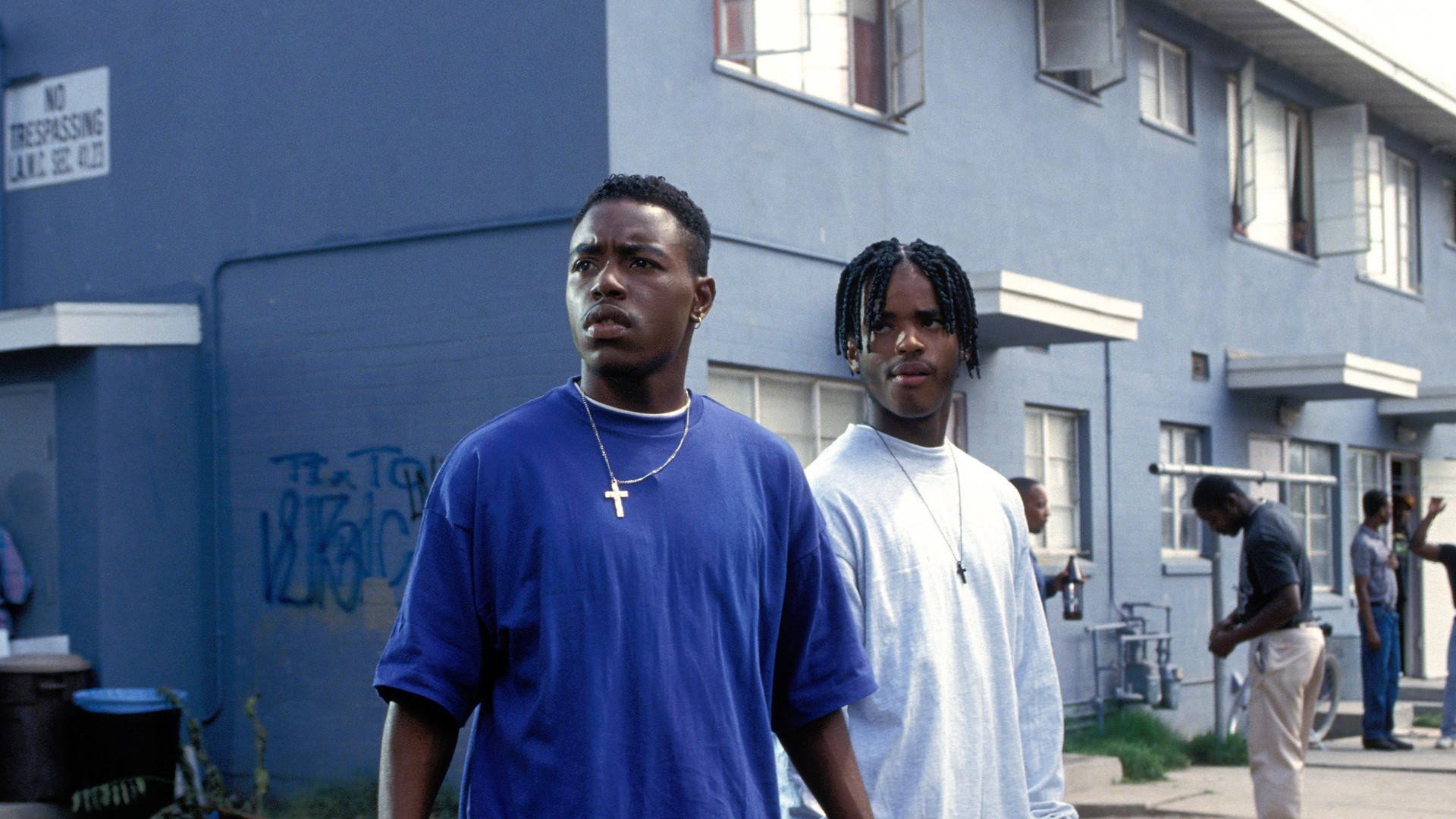
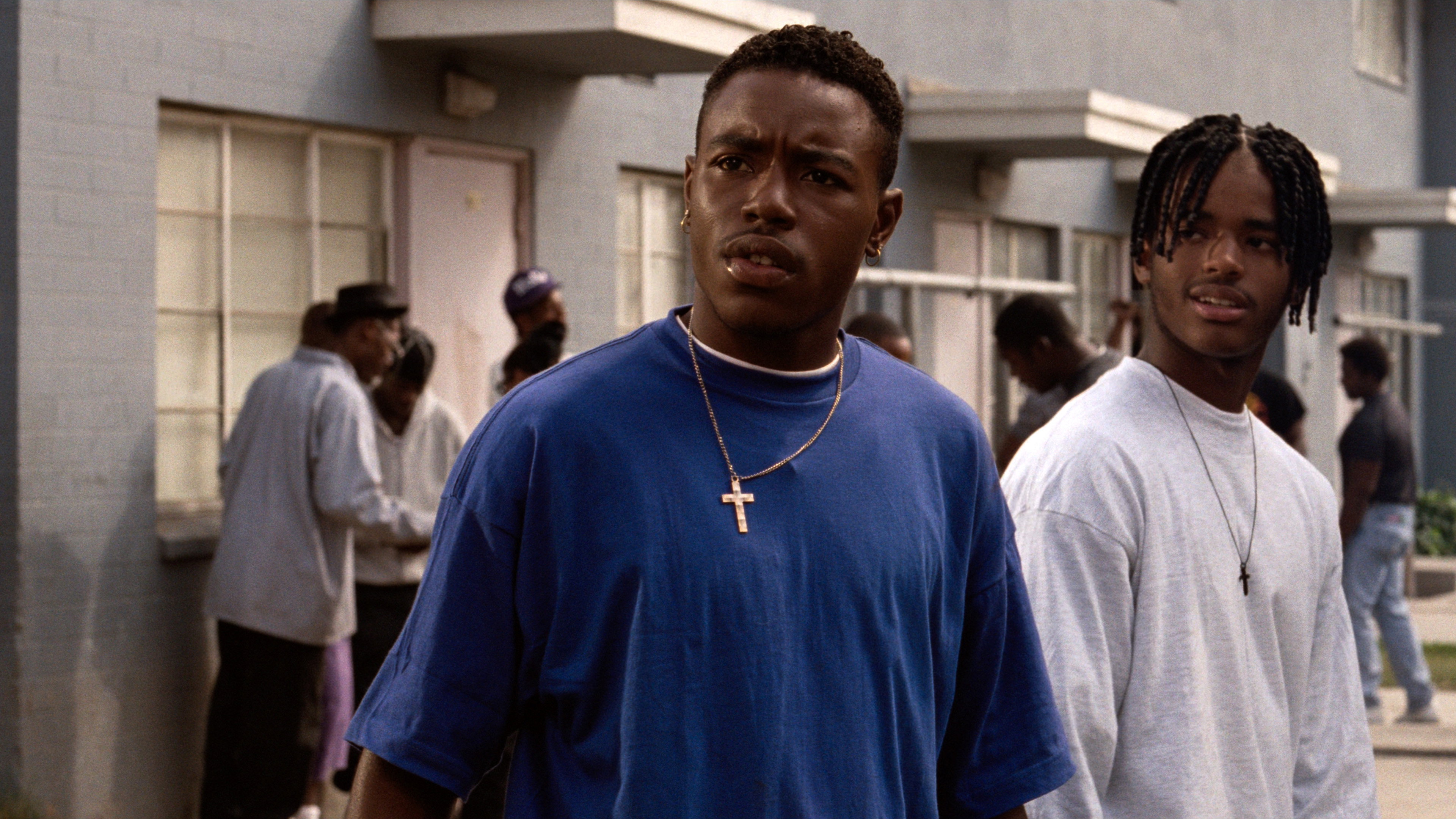
Menace II Society is a powerful crime drama, hampered by writing that too often makes its young men seem to have no choice. Albert and Allen Hughes follow Caine ‘Kaydee’ Lawson through a Watts neighbourhood where a young man’s options are already badly narrowed. Their subject is the ease with which brutality becomes ordinary, and their impatience with reassuring explanations serves them well. We are given little room to watch these lives from a comfortable distance. The script sometimes makes individual decisions seem beside the point.
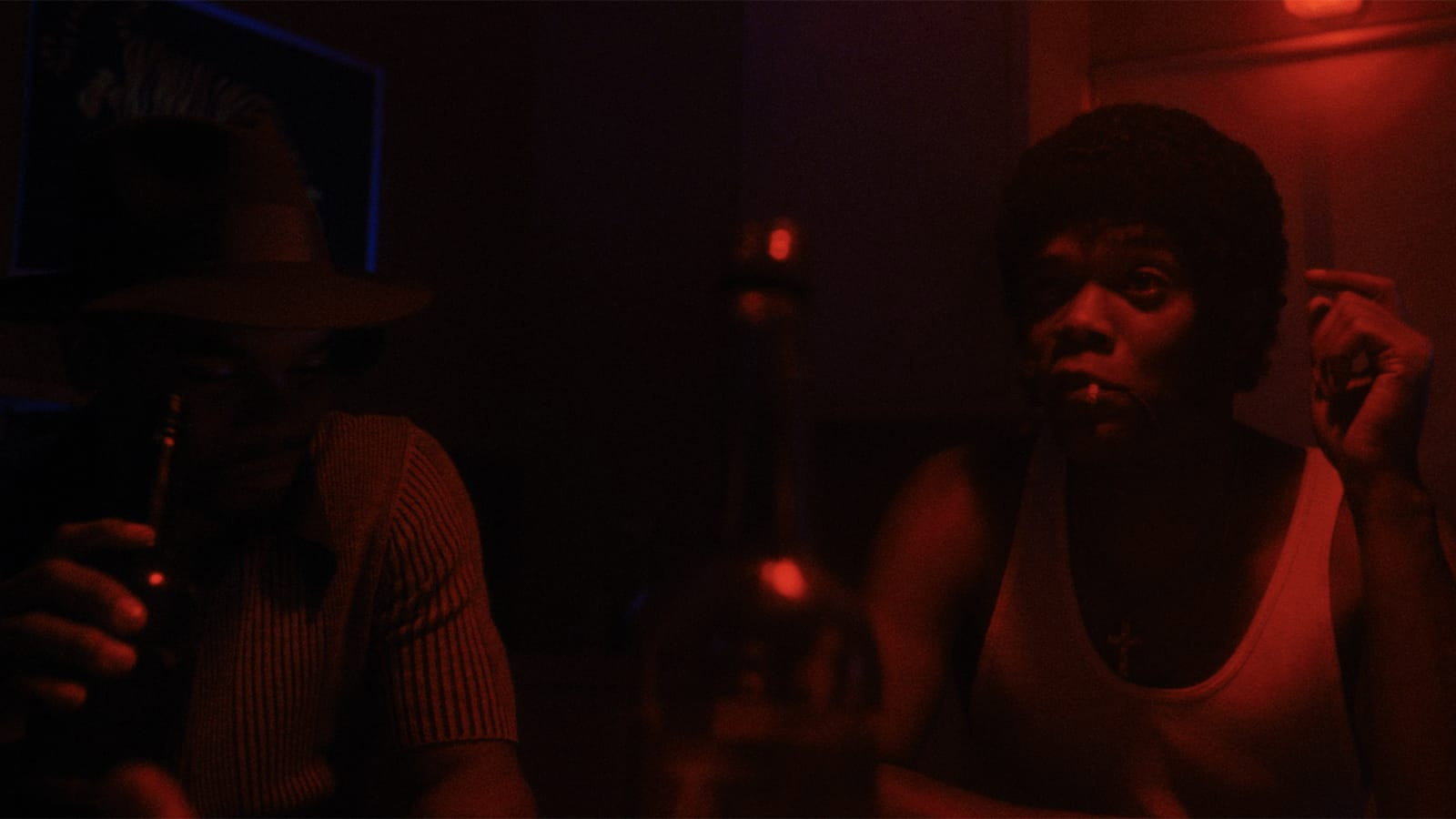
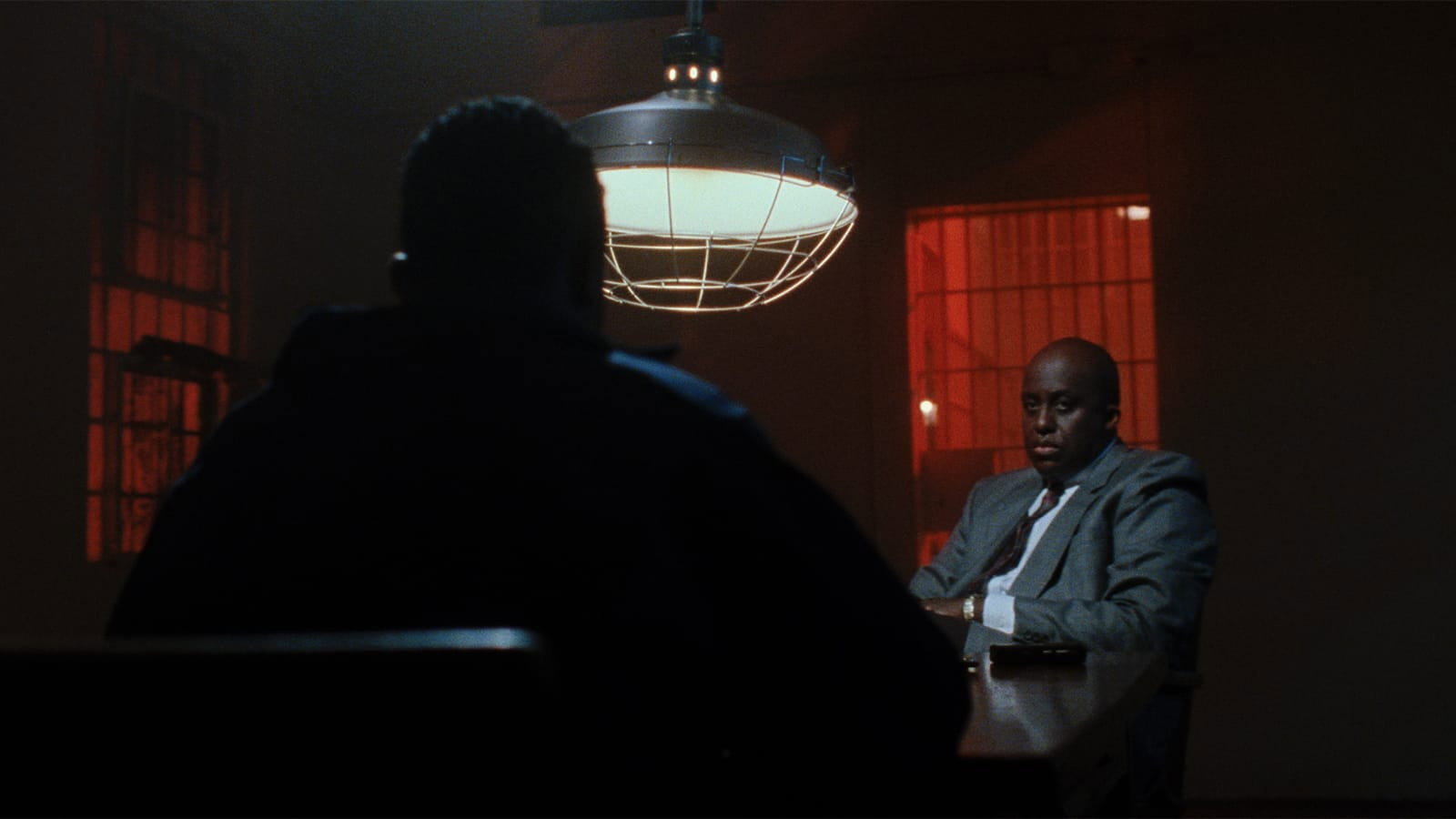
The directors’ brisk handling of violence does much of the damage. We were horrified by how quickly brutality becomes routine among these young men. Lisa Rinzler’s cinematography keeps us uncomfortably close to that behaviour, while Christopher Koefoed’s editing allows little breathing space between episodes. That pressure works, although the film’s 97 minutes become crowded when a new encounter arrives before the previous one has had time to register.
Tyrin Turner is the reason Caine remains worth following. He makes the young man’s better instincts visible without asking us to overlook his involvement in the violence. Larenz Tate gives Kevin ‘O-Dog’ a harder, more volatile energy, and the performances make the danger of this company credible. Turner also gives us time to notice a person who might have been different, something the film’s fast pace can obscure. His performance makes the bleakness harder to shrug off.
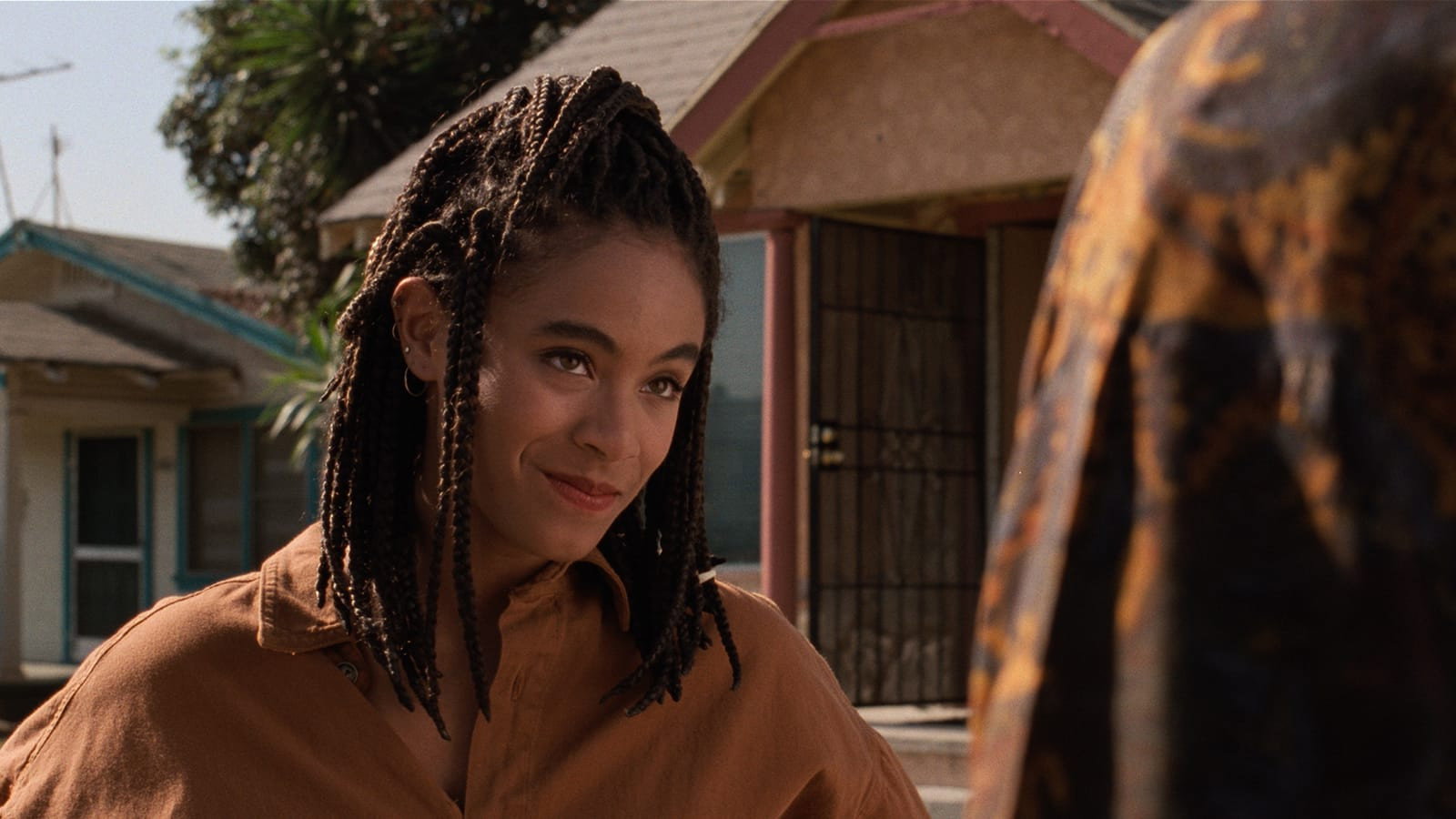
Penny Barrett’s production design gives the neighbourhood an everyday credibility that matters to the Hughes brothers’ approach. The surroundings feel inhabited, allowing the violence to seem horribly at home there. Quincy Jones III’s music adds to the nervous energy, though the performances and cutting do most of the work. The film is most persuasive when these contributions let us observe the young men without stopping for a lesson about them.
Tyger Williams’s screenplay is less sure about how to join its episodes into a convincing progression. There is plenty of urgency from scene to scene, but repeated demonstrations of the same bleak outlook gradually reduce what each new encounter can tell us. When the writing makes room for hope, it can feel inserted to make a point rather than allowed to grow from the people involved. Some of the dense dialogue carries too much of that explanatory burden.
Compared with the gangster film’s familiar interest in ambition and power, this is a narrower account of young men learning how little control they have. The Hughes brothers are good at making that restriction felt. They are less convincing when they suggest that understanding the neighbourhood means already knowing where every choice must lead. A story can acknowledge the force of someone’s circumstances and still give his decisions more weight than this one sometimes does.
Turner keeps Caine’s capacity for something better visible through all this, and Tate makes it difficult to relax whenever he is present. Their performances give us reasons to remain concerned even when the writing becomes repetitive. We recommend it to those drawn to crime dramas about how people acquire the habits that harm them, with a caveat about the episodic storytelling. Save it for an evening without distractions, and do not expect much comfort.