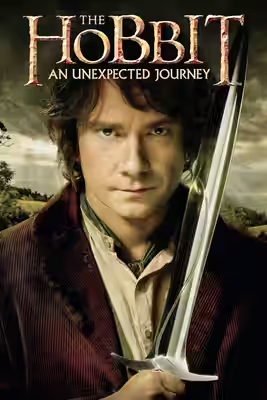
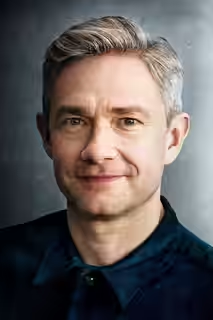
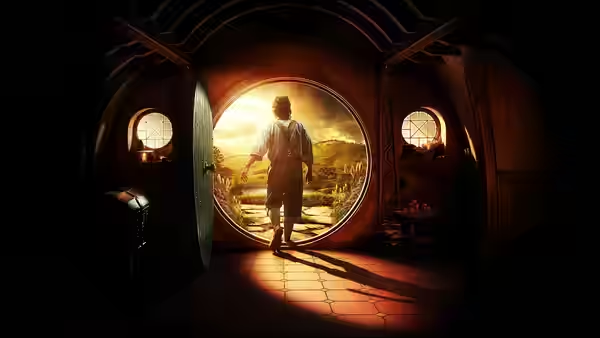
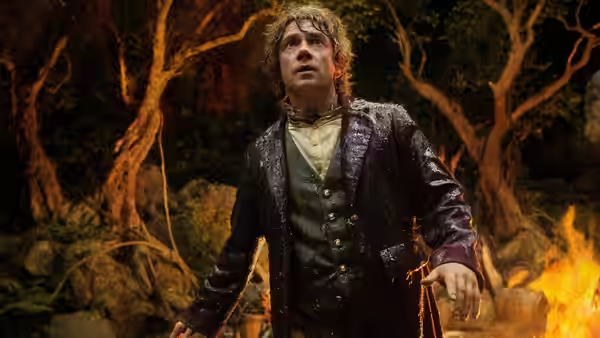
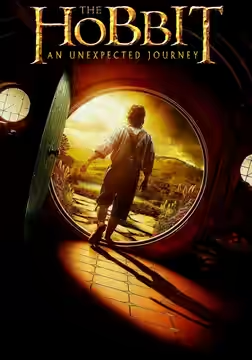
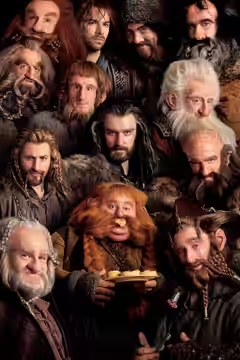
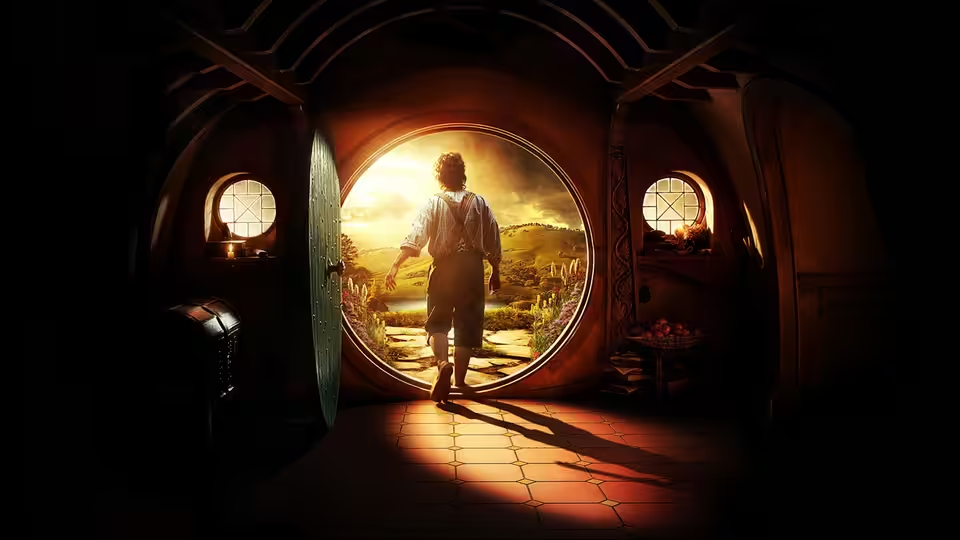
Bilbo Baggins (Martin Freeman) standing in the round doorway of Bag End
Film review

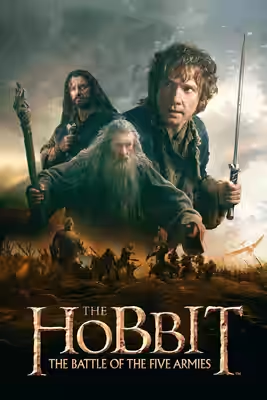
The Hobbit: An Unexpected Journey

2012 · Directed by Peter Jackson · 2h 49m · ACB M

In a sentenceThirteen dwarves, one hobbit, and a walk to the mountain that takes three films and still has not got there

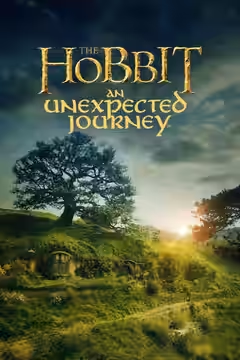
Bag End, in the Shire, sixty years before The Lord of the Rings. Bilbo Baggins (Martin Freeman) is a hobbit of comfortable habits and a well-stocked pantry, and wants to keep both. Gandalf the Grey (Ian McKellen) has other plans and scratches a mark on Bilbo’s door. That evening thirteen dwarves arrive for supper, empty the larder, sing at the table and lay out a map. Their leader, Thorin Oakenshield (Richard Armitage), means to march east to the Lonely Mountain and take back the dwarf kingdom of Erebor from the dragon Smaug who drove his people out. The company needs a burglar, and Gandalf has decided it is Bilbo. A contract is produced. Bilbo faints, sleeps on it, and in the morning runs down the lane after them.

Plays from YouTube when you press play; nothing loads from them until then.

Fi1m review

Peter Jackson returns to Middle-earth with a children’s book stretched across 169 minutes, and the strain shows. Martin Freeman is a near-perfect Bilbo and the riddle game in the dark is a small marvel; much of what lies between is handsome, noisy and far too long.

Nine years after The Return of the King, Peter Jackson goes back to Middle-earth for J. R. R. Tolkien’s slimmest book and makes the first of three films from it. This one runs 169 minutes and covers roughly the first third of a story that fits comfortably in a coat pocket. The odd result is that the best of it is the slowest: a long evening at Bag End with a flustered host and too many guests. Once the company sets out, the film gets bigger and louder and worse, with one exception we will come to.

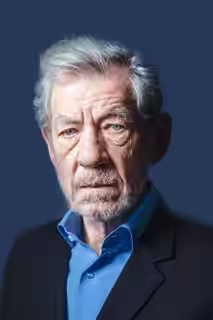
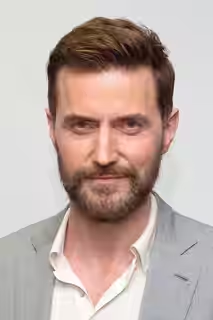
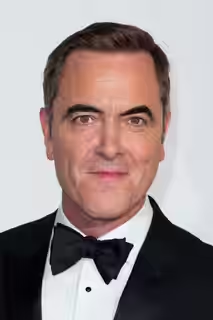
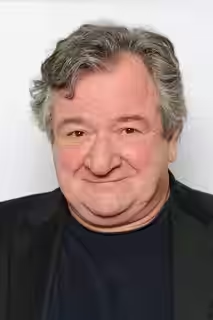
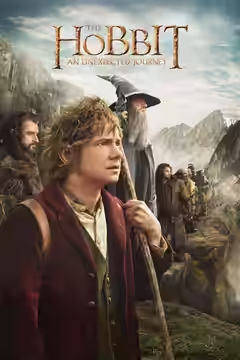
Martin Freeman is the reason to see it. His Bilbo is a man who has arranged his life so that nothing happens in it, and Freeman plays the arrival of thirteen dwarves as an assault on the crockery. He counts plates, rescues a doily, watches his pantry emptied and mouths small objections nobody hears. It is very funny and it is exact. Ian McKellen slips back into Gandalf as if he had never taken the hat off. Richard Armitage gives Thorin a brooding, wronged dignity that the script keeps confirming with speeches. Ken Stott is warm as Balin, James Nesbitt’s Bofur gets the jokes, and the other dwarves are largely a matter of hats.

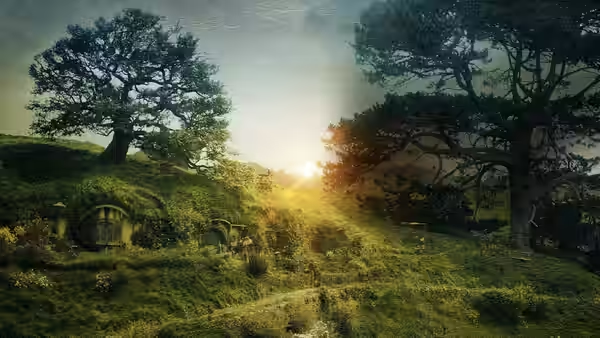
The craft is what you would expect from these people. Dan Hennah’s Bag End is all round doors, low beams and honey-coloured wood, a home you could draw from memory after one visit. Andrew Lesnie shoots the Shire green under a low sun and the road east in grey and rock. Howard Shore brings back his old themes and adds a low, slow dwarf song that is the film’s one new tune worth humming. Jabez Olssen has cut it as though every scene had been told to run long enough to justify the trilogy, and most of them obey.

We saw it as many cinemas showed it, at a doubled frame rate in 3D, and we did not like it. Motion smooths out, the image sharpens, and sets start to look like sets and costumes like costumes. The Shire, which in 2001 looked like a place, here looks like a very good exhibition about a place. At home, at the ordinary frame rate, this problem disappears and the film looks like its predecessors again, which is a point in favour of the sofa.

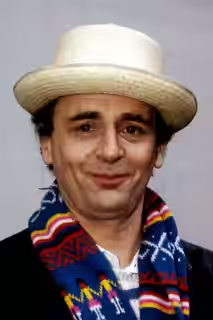
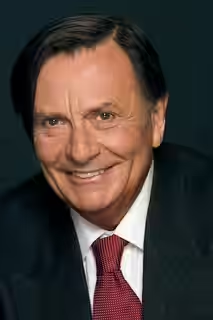
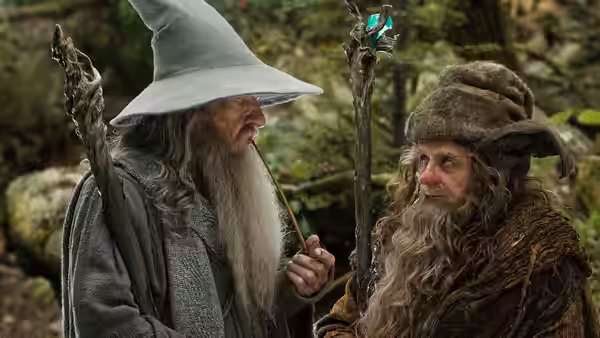
Then there is the action, of which there is a great deal. Three trolls (Peter Hambleton doubles as William Troll) argue about cooking, and the scene has the book’s shape and some of its comedy. Sylvester McCoy’s Radagast the Brown arrives on a sled pulled by rabbits, with birds nesting under his hat, and we winced. The goblin town, ruled by Barry Humphries’s Great Goblin, is a long tumble through wooden walkways in which dwarves fall hundreds of feet onto rock and stand up, and here we were bored, and then irritated at being bored by something that plainly cost so much. Nothing in it has weight. When nobody can be hurt, the noise is just noise.

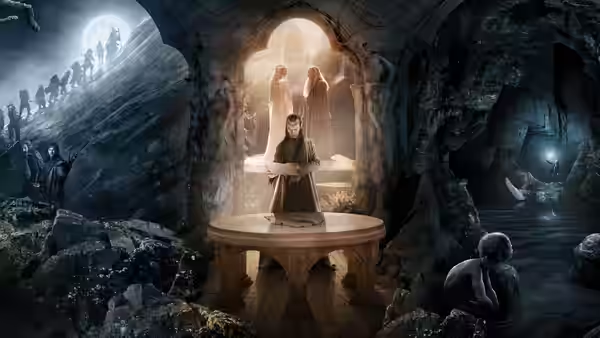
And then, deep in the second half, the film stops running and starts to think. There is a stretch in which Bilbo is on his own with a single creature and nothing to fight with but his wits, and Andy Serkis makes that creature pitiable and lethal by turns, sometimes within a line, while Freeman answers him with a terrified politeness that is exactly right. For ten minutes there are two figures, some water and a light, and the film is better than anything around it. We were gripped in a way the stone giants and the wolf-riders never managed. It is also the only stretch in which Bilbo has to be clever rather than lucky.

The Fellowship of the Ring had the same shape, home, road, a night in the mines, and got through it in less time with a great deal more at stake. Jackson knows this journey; what he has lost is the sense that it has to move. The 12A is fair, and the children around us were happy enough throughout. If you are ten, or you own the extended editions, this is for you. Everyone else should bring a cushion and know that the mountain is still a long way off when the lights come up.
Critical consensus AI synthesised

59
Positive
12
Mixed
7
Negative
6

The reviews lean positive by a narrow margin, and almost every critic finds the same things to enjoy. Martin Freeman’s Bilbo is praised repeatedly as the film’s anchor, and the riddle scene between Bilbo and Gollum is named as the highlight by critics on every side of the argument, including several who dislike the film. Most agree Jackson recaptures some of the scale and detail of the Lord of the Rings films, with a lighter, more comic tone than before.

The reservations cluster around two things. Nearly everyone finds the film overlong, with a slim book stretched into the first of three parts and a slow opening in the Shire; several call it bloated or padded. The 48-frames-per-second presentation draws widespread complaint for making Middle-earth look like television or a stage set, though a few critics think it merely unfinished. The spread is wide: Screen Daily calls it robustly entertaining, while The New York Times finds it plodding and mercenary.

Screen Daily
4 December 2012 · festival review
90*

Jackson delivers a robustly entertaining epic that recaptures the spectacle of the Lord of the Rings films. The critic singles out the mythic grandeur of the battle scenes and visual astonishments for praise.

Read the full review →
Empire
1 January 2012 · William Thomas
80*

The adaptation embellishes the story effectively as a prequel while centering on Bilbo's personal arc of committing to adventure and helping the dwarves reclaim their home. Martin Freeman's performance as Bilbo is singled out as flawless and emotionally anchoring amid the jauntiest Middle-earth entry yet.

Read the full review →
Sight and Sound
12 December 2012
80*

Peter Jackson juggles homely and epic tones effectively in this expansive first part of the trilogy. The critic singles out the humorous, theatrical quality and the standout Gollum scene for praise.

Read the full review →
Slant Magazine
8 December 2012 · Ed Gonzalez
70*

The 48fps format gives the film an unpleasant televisual quality that flattens Middle-earth's grandeur, but the long opening in the Shire builds to an emotional realization about leaving one's comfort zone, and the set pieces deliver with ravishing sweep.

Read the full review →
The AV Club
13 December 2012 · B- · Tasha Robinson
70

The film recaptures some of the Rings movies' breadth, detail, and beauty but feels muddled and overextended, with too many stories mashed together and an erratic tone that makes it feel more like a Harry Potter installment.

Read the full review →
The New Yorker
17 December 2012 · Anthony Lane
70*

The expansion into a trilogy slows the dash of the original and the moral shape has yet to emerge, though much is still to relish in the performances and thrills. On balance, honor has been done to Tolkien, especially in the riddle game between Bilbo and Gollum.

Read the full review →

Straight answers AI written, from our review

Is The Hobbit: An Unexpected Journey worth watching?
The Hobbit: An Unexpected Journey is worth watching for children and for anyone who owns the extended editions of The Lord of the Rings, and we scored it 60. Martin Freeman's flustered Bilbo and the riddle game in the dark are the reasons to see it; much of the rest is handsome, noisy and far too long at 169 minutes. Bring a cushion.
How long is The Hobbit: An Unexpected Journey, and what is it rated?
The Hobbit: An Unexpected Journey runs 2h 49m and is rated M by the ACB in Australia. It is an adventure and fantasy film.
Where can I watch The Hobbit: An Unexpected Journey in Australia?
The Hobbit: An Unexpected Journey is streaming on Stan and Amazon Prime Video in Australia, and it is also available to rent from Amazon Prime Video and Apple TV from A$4.99. Availability is checked daily; the links above go straight to each service.
How does The Hobbit: An Unexpected Journey compare to The Lord of the Rings: The Return of the King?
The Hobbit: An Unexpected Journey is the lighter and slacker of the two: a children's book stretched across three films, where The Return of the King is a finale with everything at stake. Jackson's earlier film is the better one by a distance, thrilling and moving despite its own long stretches; the Hobbit has Martin Freeman and one fine scene in the dark. Choose the earlier film unless you are ten.
Is The Hobbit: An Unexpected Journey based on a true story or a book?
The Hobbit: An Unexpected Journey is based on J. R. R. Tolkien's novel The Hobbit, not a true story, and covers roughly the first third of a book that fits in a coat pocket. Peter Jackson keeps the book's shape in scenes such as the troll supper and the riddles, but stretches everything around them to justify a trilogy. Knowing the book is not required, though readers will notice how much has been added.
Do you need to have seen the other Middle-earth films before The Hobbit: An Unexpected Journey?
The Hobbit: An Unexpected Journey is set sixty years before The Lord of the Rings and needs no prior viewing; it begins at Bag End with a hobbit who has never left home. Ian McKellen's Gandalf and a few other faces return, which rewards those who know the earlier films, but nothing depends on it. As a starting point it is a reasonable one, though not the best film in the set.
What should I watch after The Hobbit: An Unexpected Journey?
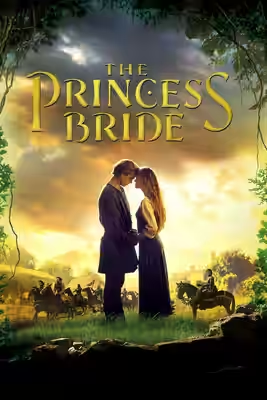
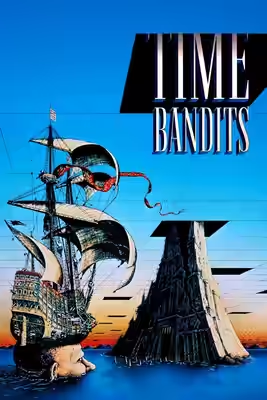
After The Hobbit: An Unexpected Journey, try The Lord of the Rings: The Fellowship of the Ring (2001, Fi1m 90): The same journey done first, tighter, and with real danger on the road. Then The Princess Bride (1987, Fi1m 86): A fairy tale that knows it is one, and never outstays its welcome; and Time Bandits (1981, Fi1m 80): Small people, big adventure, a map, and Terry Gilliam’s cheerful disrespect.
What order should I watch the Middle-earth films in?
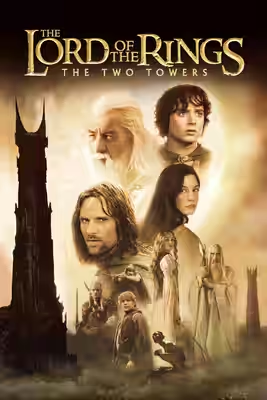
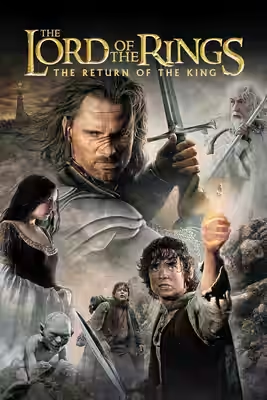
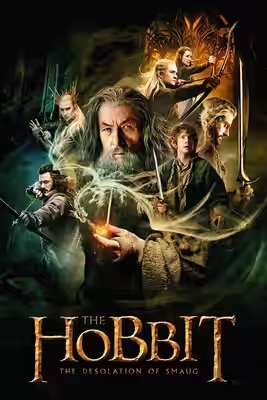
Release order is the safe choice for Middle-earth, and it is the order our collection page lists them in. The Hobbit: An Unexpected Journey is number 4 of the 6 Middle-earth titles on Fi1m; before it comes The Lord of the Rings: The Return of the King and after it The Hobbit: The Desolation of Smaug. The full order.

Part of · 4 of 6

Middle-earth

6 films on Fi1m · 2001–2014 · average 74 · best The Lord of the Rings: The Fellowship of the Ring 90

All 6 in order

Cast

Awards

Academy Awards, 2013

Nominated
Best Makeup and Hairstyling
Nominated
Best Production Design
Nominated
Best Visual Effects

If you liked this, try…

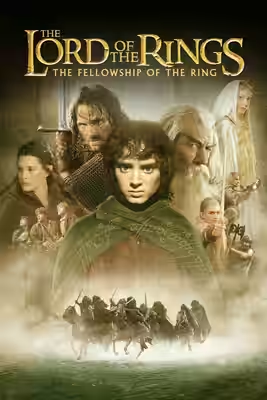
  1. The Lord of the Rings: The Fellowship of the Ring (2001, Fi1m 90)The same journey done first, tighter, and with real danger on the road.

  2. The Princess Bride (1987, Fi1m 86)A fairy tale that knows it is one, and never outstays its welcome.

  3. Time Bandits (1981, Fi1m 80)Small people, big adventure, a map, and Terry Gilliam’s cheerful disrespect.

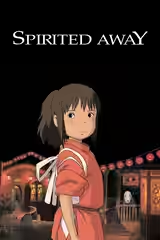
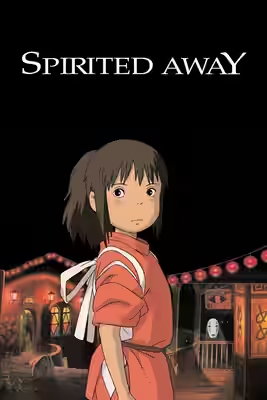
  4. Spirited Away (2001, Fi1m 92)A reluctant child in a strange world, drawn with more wonder than any computer.

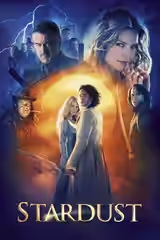
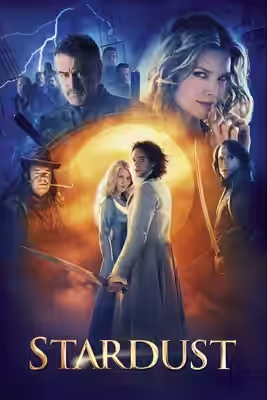
  5. Stardust (2007, Fi1m 75)British fantasy with a light touch, a quest, and a sense of proportion.

Free account

Know what to watch tonight

Two lists that know where things are streaming, collections you can share, your own score beside ours, and Discover that remembers what you have seen.

  • Want to see, sorted by what is streaming now
  • Seen, with your score out of ten
  • No adverts, ever