Film review

There's Something About Mary

1998 · Directed by Peter Farrelly, Bobby Farrelly · 2h 00m · MPA R

In a sentenceBen Stiller looks as though he would like to apologise to his own body

RomanceComedy

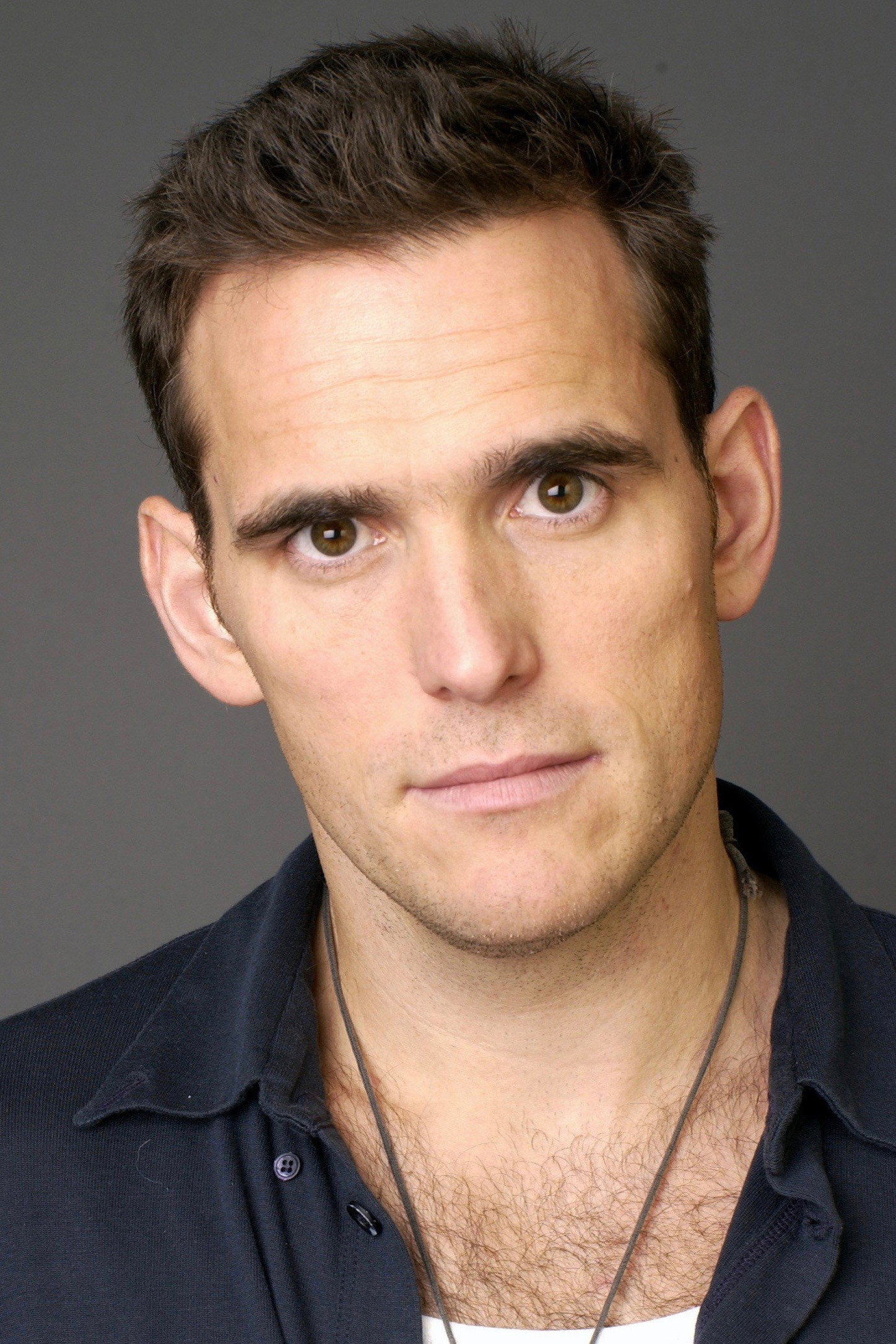
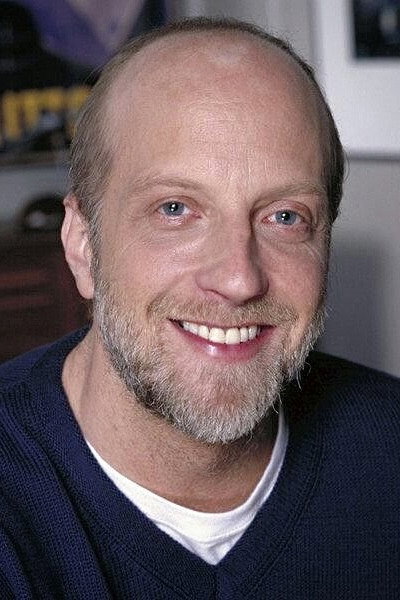
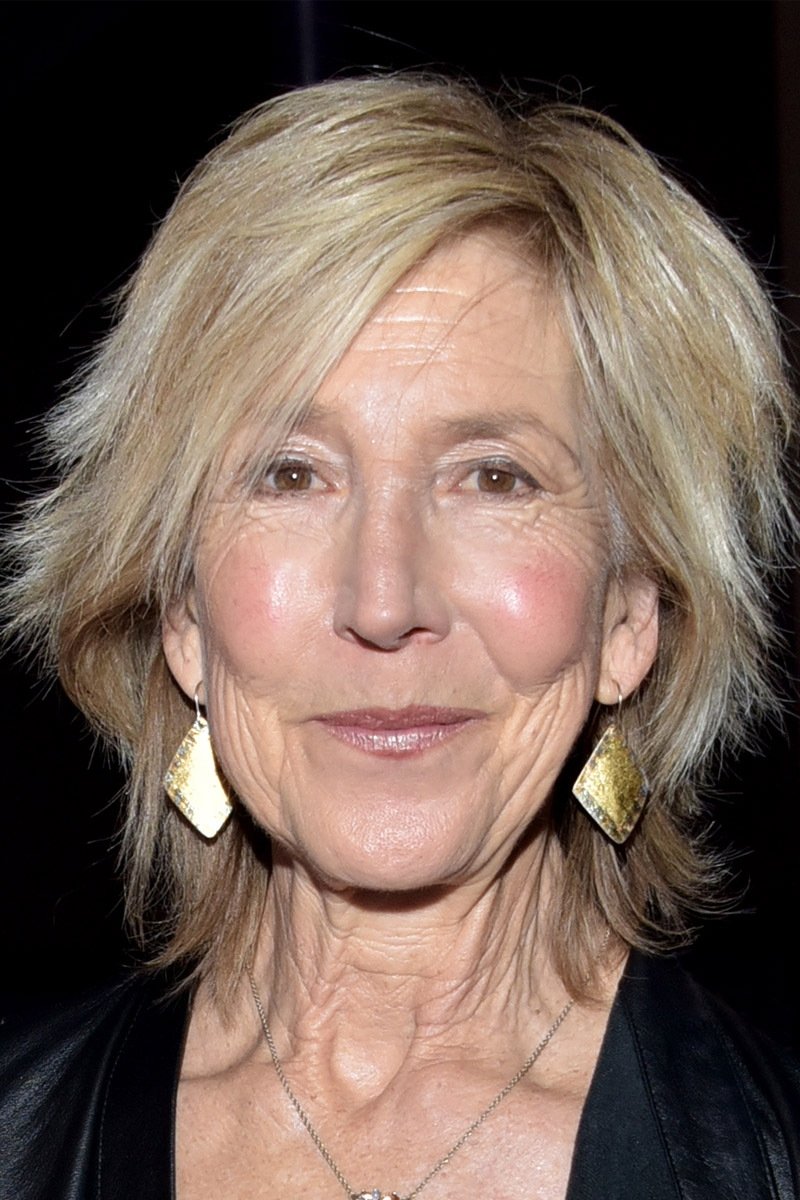
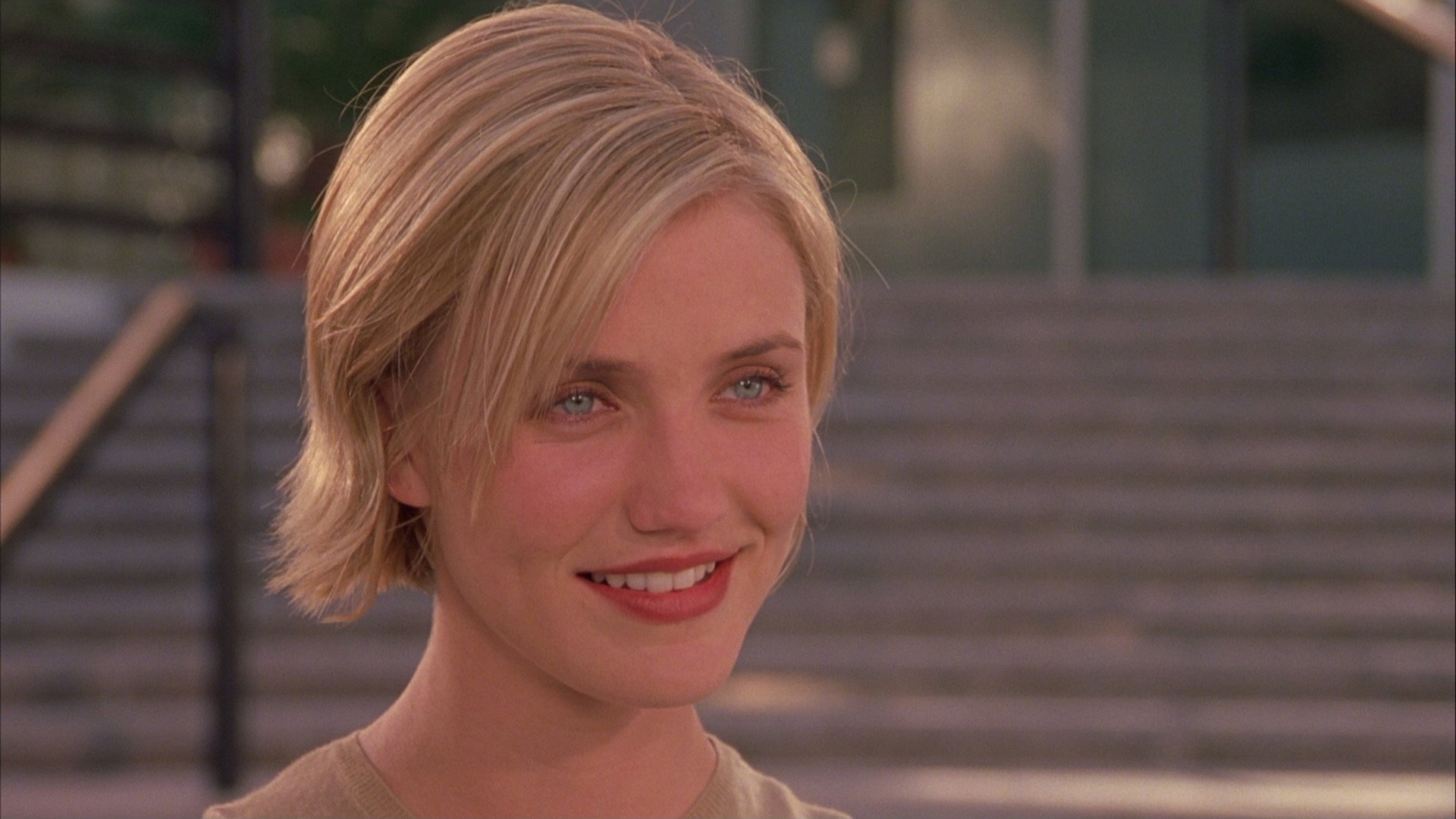
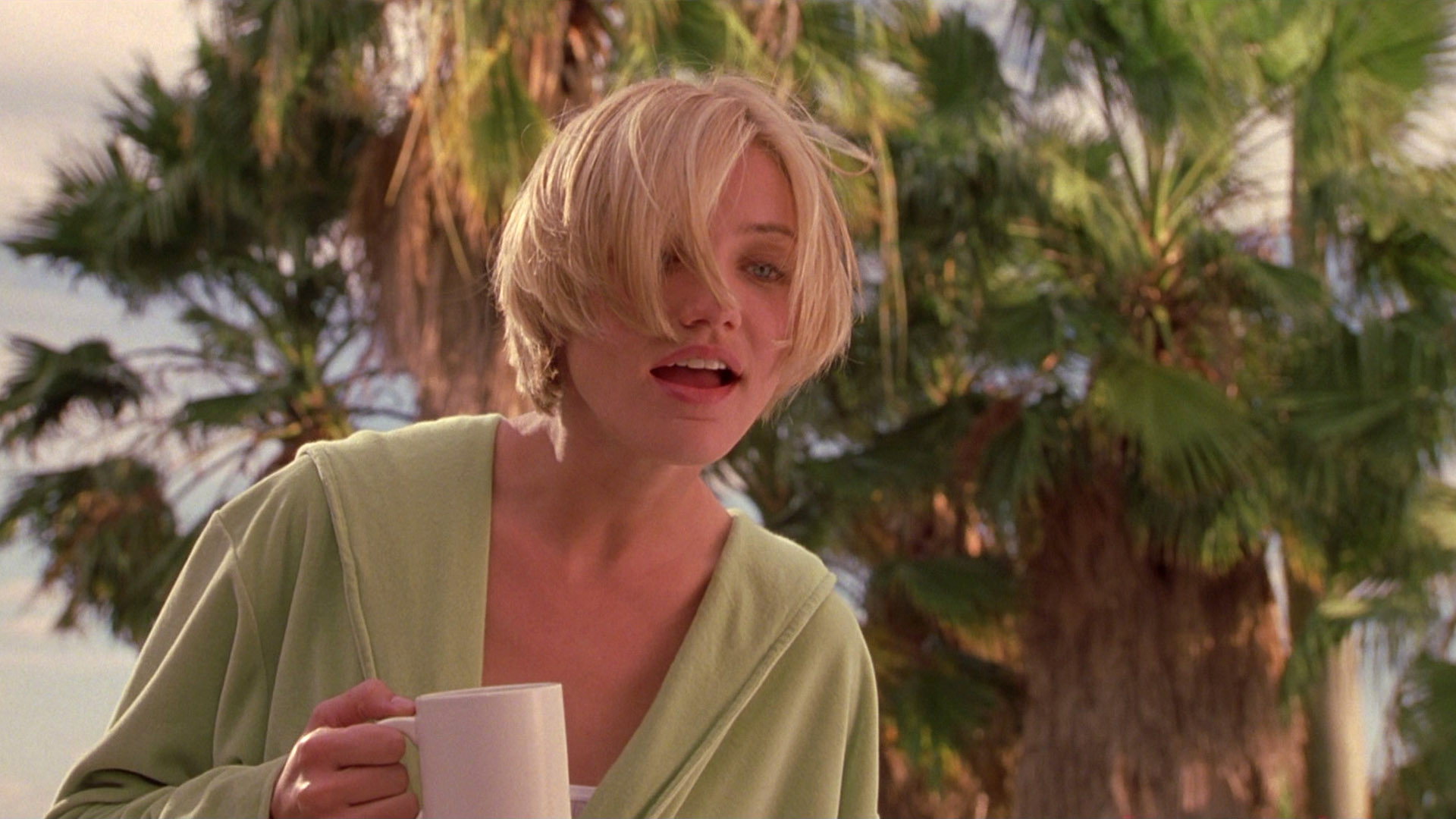
Mary Jensen (Cameron Diaz) becomes the focus of romantic attention in a comedy about attraction, embarrassment and the difficulty of behaving well. Ben Stiller plays Ted Stroehmann, with Matt Dillon as Pat Healy, Lee Evans as Tucker and Chris Elliott as Dom Woganowski. As romance and physical comedy collide, sexual humiliation and crude behaviour crowd out the usual niceties of courtship. Peter and Bobby Farrelly direct, with Lin Shaye as Magda and W. Earl Brown as Warren Jensen among the supporting cast.

Fi1m review

There’s Something About Mary earns its biggest laughs through Ben Stiller’s discomfort and Cameron Diaz’s ease. We recommend its cheerful indecency, with patience required for the slack middle and a romance that gives its men too much attention.

There’s Something About Mary is a funny, overlong romantic comedy whose appetite for humiliating its characters sometimes gets ahead of its affection for them. Peter and Bobby Farrelly make bad taste feel welcoming, which takes more care than the apparent carelessness suggests. We recommend it to anyone who enjoys physical comedy and does not need the people performing it to behave sensibly. Some trimming would have helped, particularly when the film expects its courtship to hold our attention between the larger jokes.

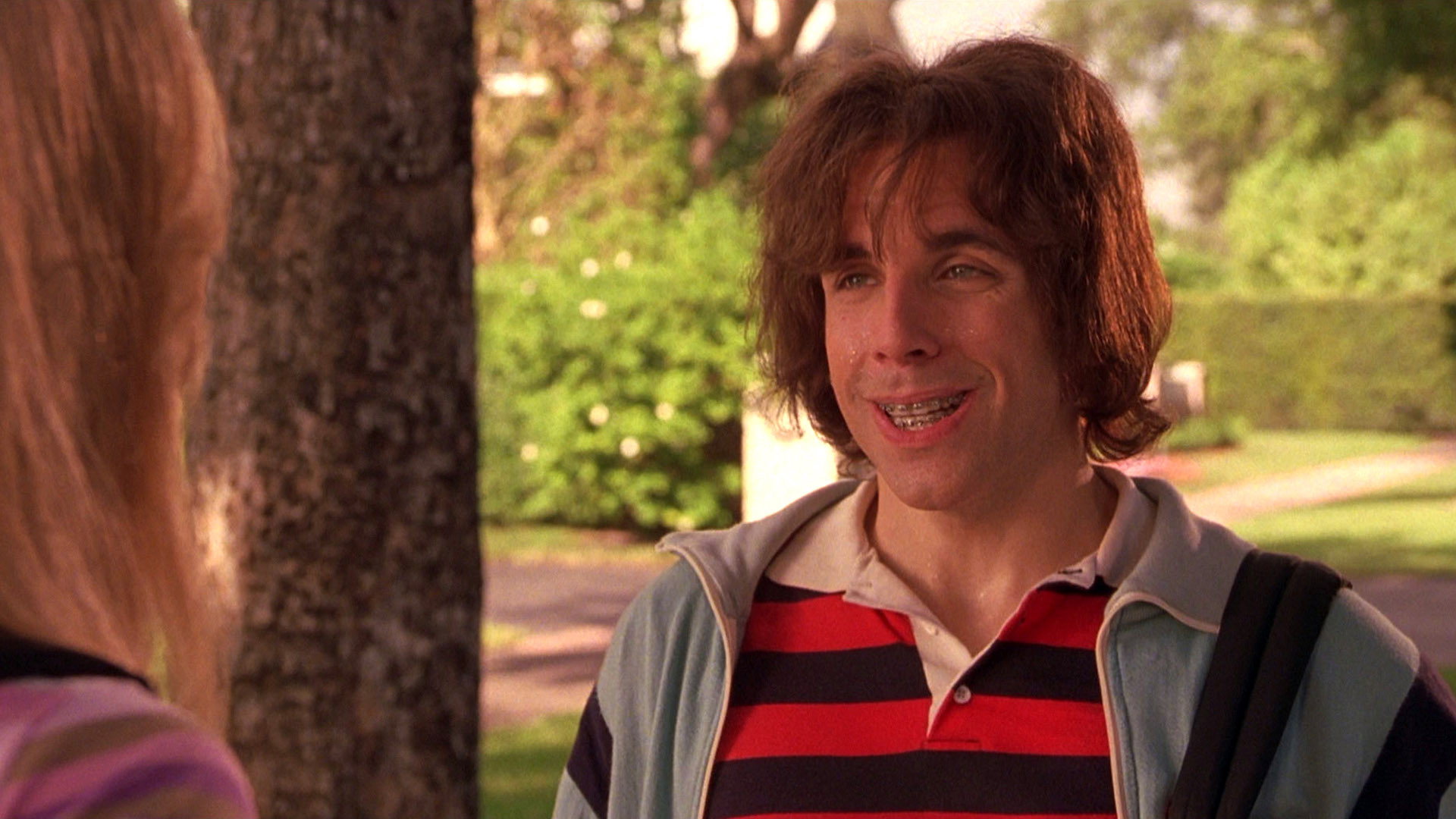
Ben Stiller’s Ted Stroehmann gives the comedy someone worth worrying about. Stiller plays embarrassment with the anxious concentration of a man who believes he can still put things right by trying harder. We laughed, then felt a little ashamed of ourselves, at how much of the pleasure comes from Ted’s physical distress. Stiller keeps him recognisably anxious throughout the indignities, so there is usually a person to care about once the laughter subsides.

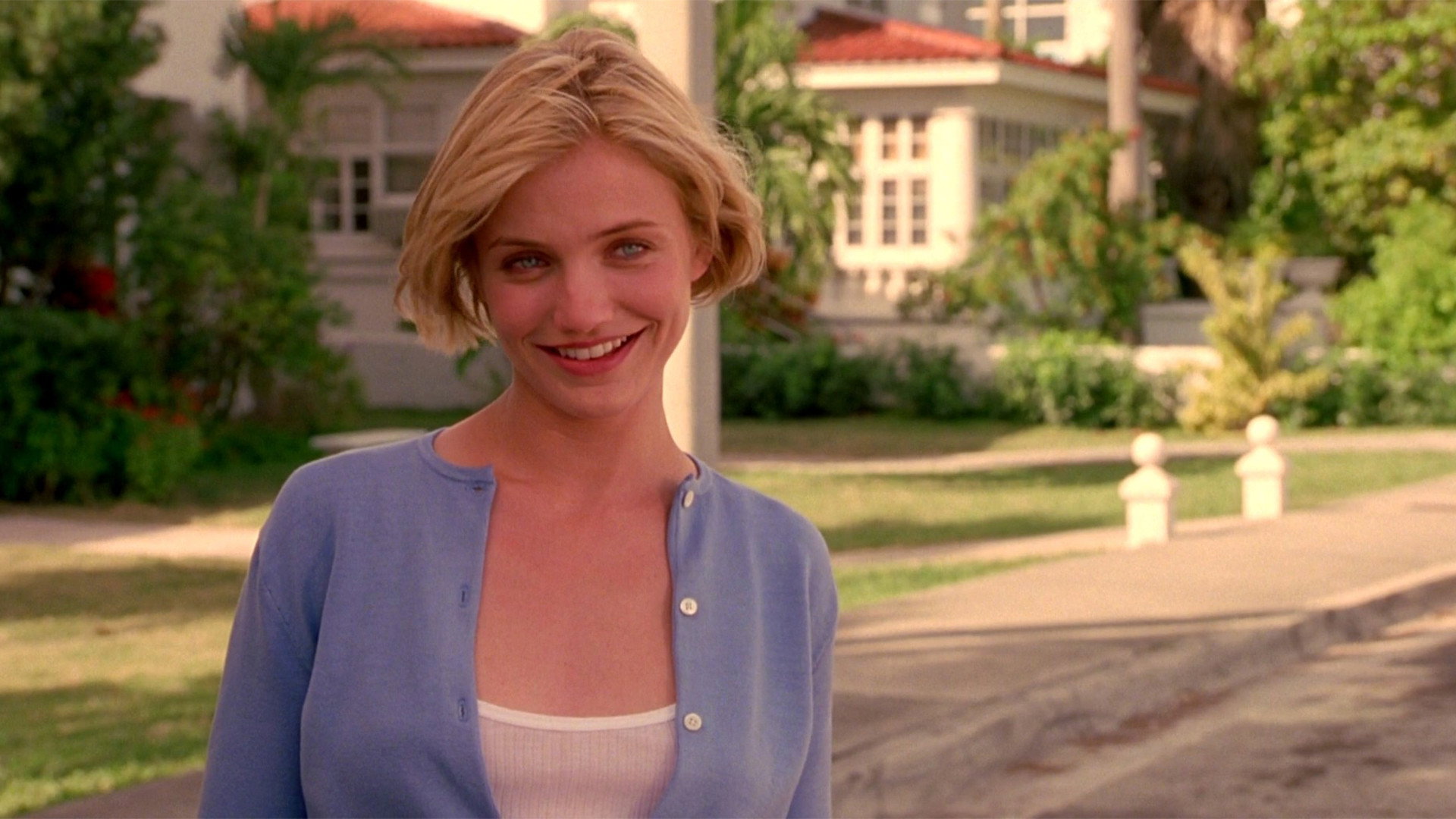
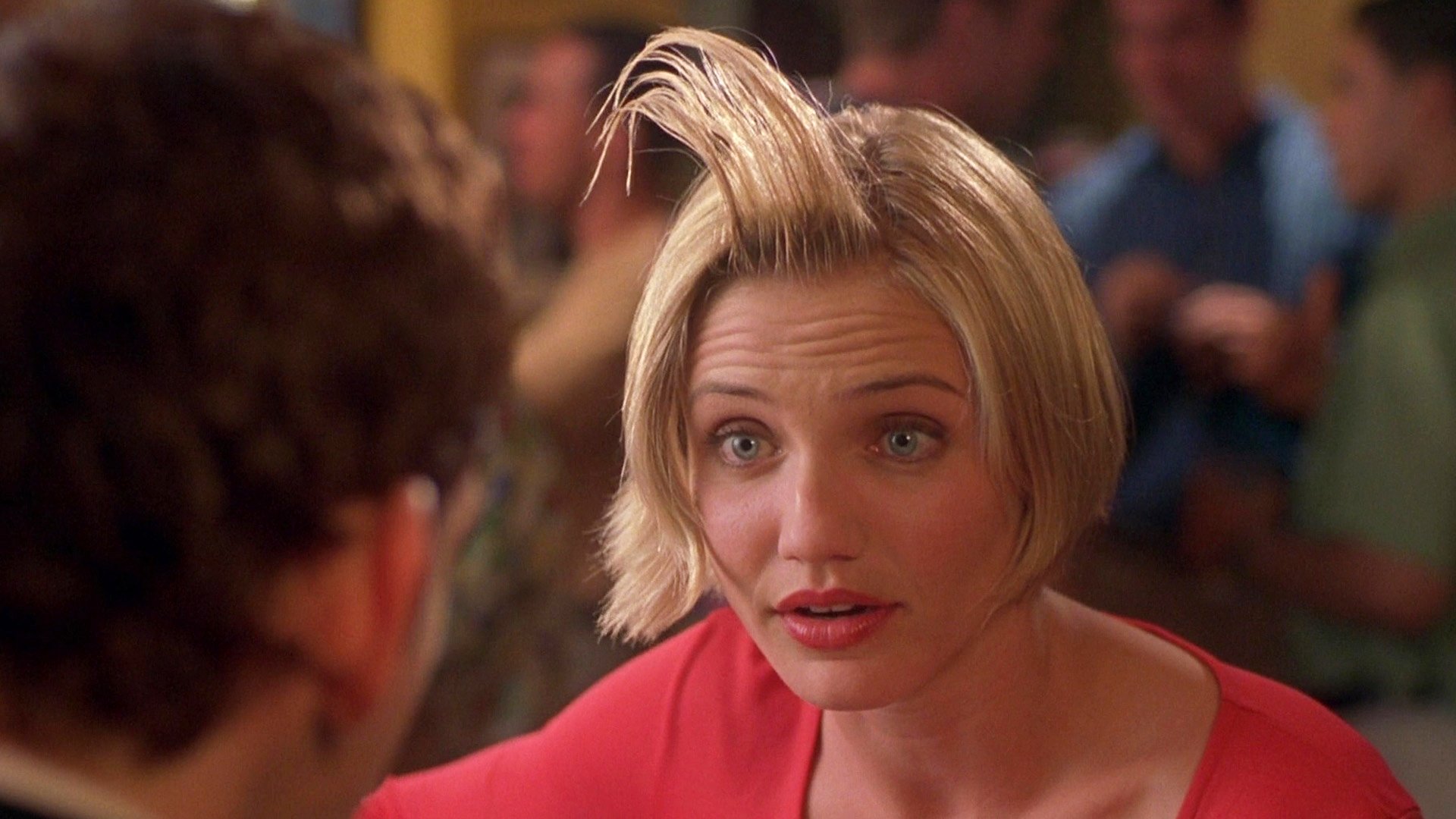
Cameron Diaz’s Mary Jensen is equally important, though the writing gives her less help. Diaz has an ease that makes the attention paid to Mary comprehensible, and she does not strain to match the comic exertions around her. The problem is how little messiness Mary is permitted compared with the men: being desirable occupies too much of her character. Diaz supplies humour and warmth, but we kept wishing the screenplay would give her the same freedom to be foolish or difficult.

The screenplay, credited to Ed Decter, John J. Strauss and the Farrellys, gives the men ample opportunity to advertise their inadequacies. Matt Dillon’s Pat Healy is particularly useful here, because Dillon makes self-satisfaction funny without asking us to find it lovable. Yet too much of the surrounding comic business keeps returning to variations on male foolishness. The individual performances supply more variety than the writing, and a few fewer detours would have helped the jokes that remain.

Mark Irwin’s straightforward cinematography keeps the performers easy to read, a useful service in a film so dependent on bodily embarrassment. The images seldom supply much comic pleasure of their own, but they do not compete with the actors. Christopher Greenbury’s editing gives discomfort time to become funny, although the middle lets too much material hang about after its comic possibilities have been exhausted. At 120 minutes, the film asks for more patience between its substantial laughs than it consistently earns.

Jonathan Richman’s music helps keep the tone amiable, providing some relief from the competitive foolishness. That lightness matters, because relentless ridicule would make the film exhausting. The Farrellys generally seem fond of the people they embarrass, and the actors give us reasons to share that fondness. There are still moments when someone’s humiliation is expected to be sufficient in itself, without a further surprise or a revealing response, and those jokes feel cheaper.

For a romantic comedy, it spends a disproportionate amount of energy on the men and their indignities. That imbalance matters, but Diaz brings enough warmth to make the romantic attention credible, while Stiller makes the prospect of further embarrassment oddly worrying. The Farrellys are often good at prolonging that worry until laughing becomes difficult to resist. Choose it for an evening of physical comedy, with fair warning that the courtship is the less convincing part.

Critical consensus AI synthesised

5 of 6
Positive
4
Mixed
1
Negative
0

With only 5 reviews in so far, most critics find the Farrellys’ gross-out comedy rude, puerile and funny enough to justify much of its excess. Praise centres on the big comic set-pieces and the performances, particularly Cameron Diaz’s easy comic manner and Ben Stiller’s grounding presence. Reservations concern slack pacing and the treatment of women, with some reviews finding the female characters implausible or the humour sexist. Eye for Film is less persuaded by the whole, finding that a strong opening gives way to a weak middle and poor ending, though it too praises Diaz.

Empire
1 January 2000 · Darren Bignell
80*

The review calls the film the opposite of highbrow but praises the Farrellys for exceeding bounds of taste and decency to create outrageous, entertaining screwball comedy with an enjoyable cast and stand-out hilarious scenes. It notes it slows in places but remains highly entertaining overall.

Read the full review →
Variety
9 July 1998 · Todd McCarthy
80*

The film delivers spectacularly irreverent and rude big scenes that will have audiences laughing hard, anchored by Cameron Diaz's game and gorgeous performance. It proves a comedy can succeed commercially even if crudely made and overlong.

Read the full review →
Time Out
1 May 2012 · TCh
75*

The Farrelly brothers deliver crude, offensive and sexist gross-out humour that is embarrassingly hilarious. The one element they treat with relative restraint is the character of Mary herself.

Read the full review →
The Independent
26 September 1998
70*

The critic finds the film puerile, irreverent and very funny in its gross-out gags, with strong performances especially from Ben Stiller that give it a centre of sanity. They single out implausibilities in the female characters and the Farrellys' limited grasp of female psychology as the main flaws.

Read the full review →
The New York Times
15 July 1998 · NYT Critic’s Pick · Janet Maslin

The Farrelly brothers have made a raunchy romantic comedy that delivers helpless laughter without being mean-spirited. Cameron Diaz stands out with her blithe comic style as the dazzling object of affection.

Read the full review →
Eye for Film
19 January 2001 · Angus Wolfe Murray
55*

The critic finds the film has a strong start but weakens in the middle and ends poorly, appreciating its politically incorrect humor while noting it mocks physical disabilities. He singles out Cameron Diaz's portrayal of Mary as providing genuine character amid the chaos.

Read the full review →

Cast

Stills

Awards

MTV Movie Award for Best Villain, 1999

Won
MTV Movie Award for Best Villain

If you liked this, try…

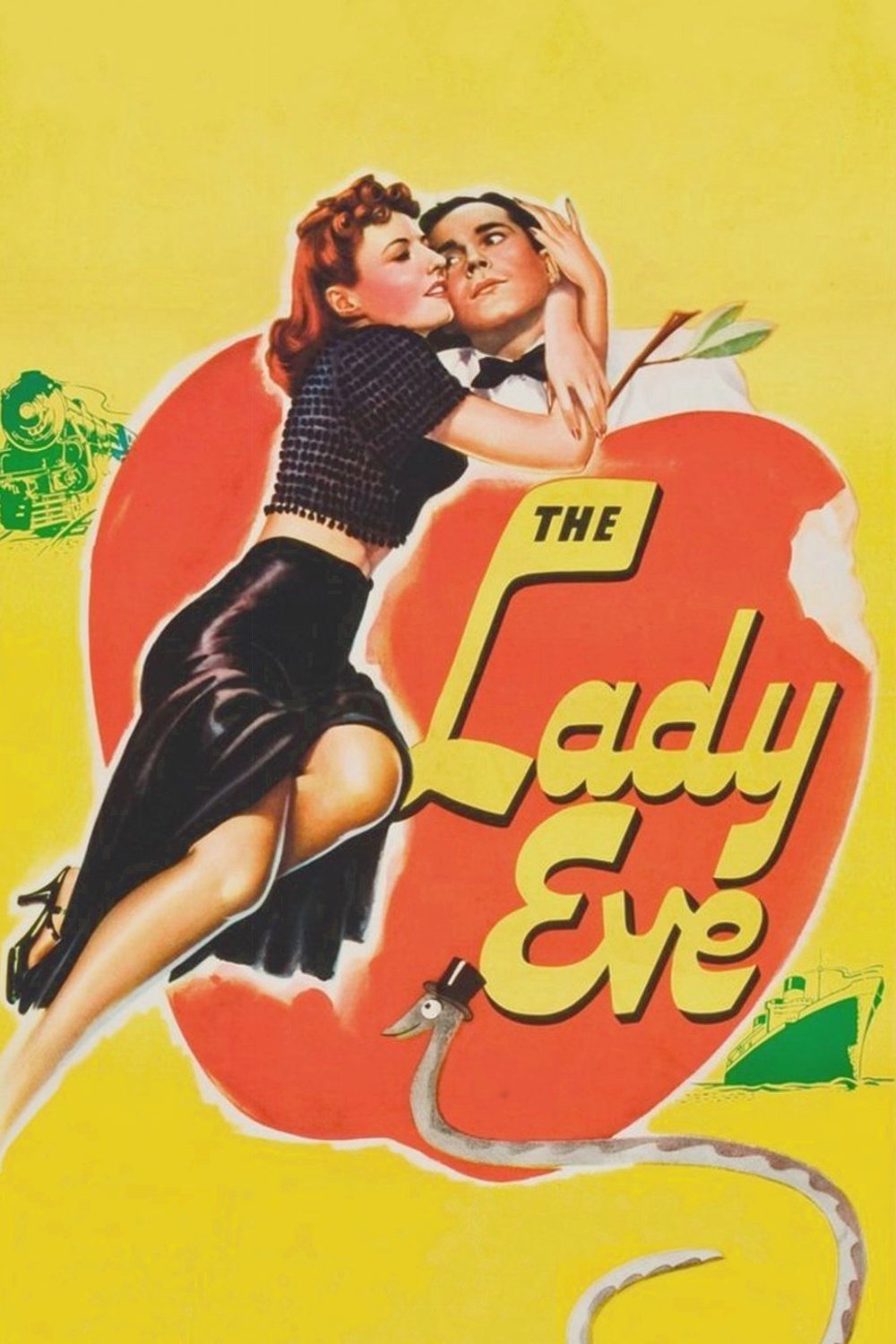
The Lady Eve poster

The Lady Eve

1941 · For romantic deception, physical humiliation and a woman allowed the upper hand

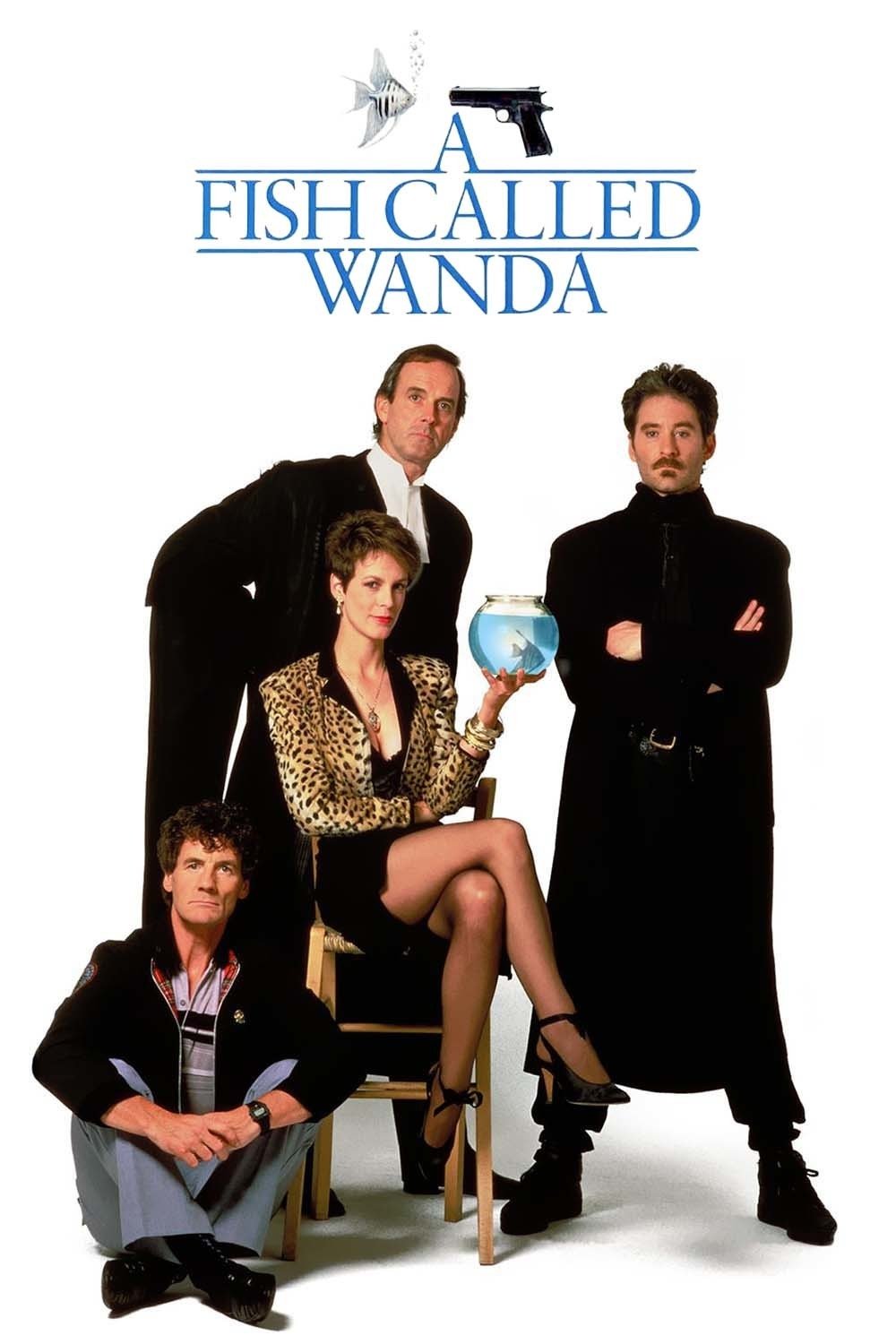
A Fish Called Wanda poster

A Fish Called Wanda

1988 · Another ensemble comedy that makes appalling conduct difficult to disapprove of quietly

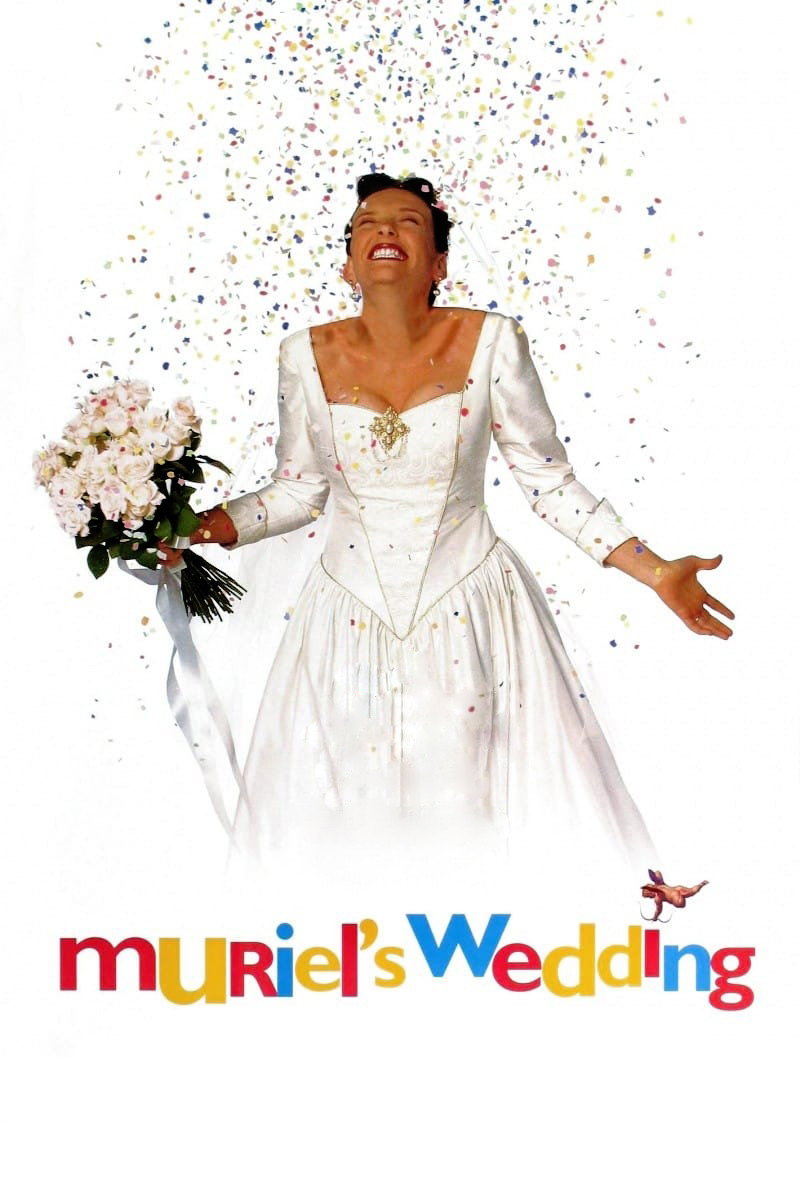
Muriel's Wedding poster81

Muriel's Wedding

1994 · Romantic longing and social embarrassment, with more attention paid to the woman

Le Dîner de cons poster

Le Dîner de cons

1998 · Carefully timed humiliation, with smugness providing most of the necessary fuel

Bridesmaids poster

Bridesmaids

2011 · Bodily indignity and wounded pride, grounded in a friendship worth caring about