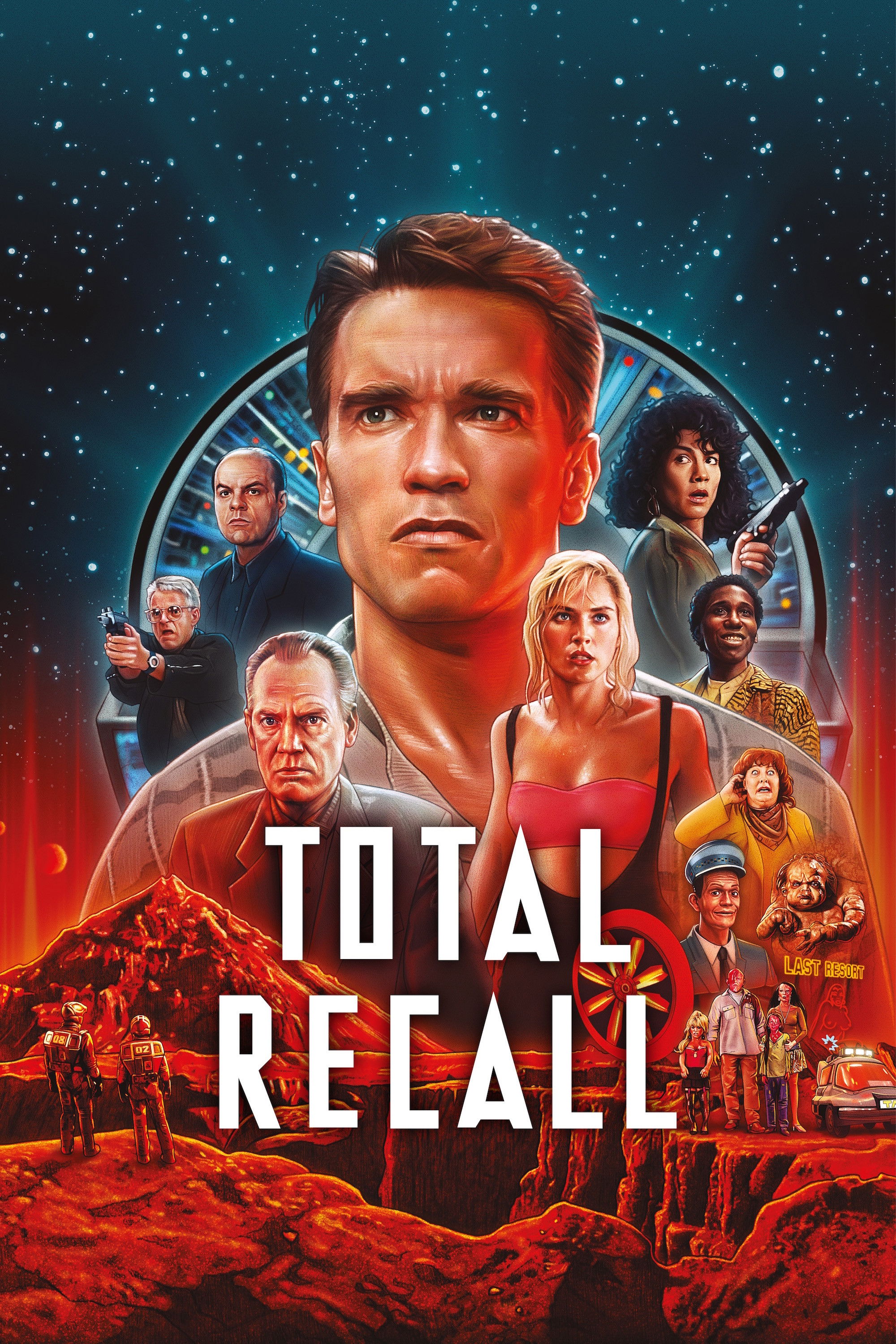
Film review

Total Recall

1990 · Directed by Paul Verhoeven · 1h 53m · MPA R

In a sentenceArnold Schwarzenegger has a memory problem, and hitting people is making surprisingly little difference

ActionAdventureScience Fiction

Quaid (Arnold Schwarzenegger) can no longer trust his memories, leaving him uncertain of his own identity. His attempts to make sense of his situation bring questions about what is real into a story driven by action and violence. Paul Verhoeven directs, with Sharon Stone as Lori, Rachel Ticotin as Melina, Michael Ironside as Richter and Ronny Cox as Cohaagen. Blending science fiction with adventure and black humour, the film follows a man trying to understand who he is when his recollections cannot provide a reliable answer.

Plays from YouTube when you press play; nothing loads from them until then.

Fi1m review

Paul Verhoeven’s science-fiction thriller is clever, horribly funny and unusually well suited to Arnold Schwarzenegger. The relentless violence can be tiring, but Quaid’s inability to trust his own memories gives the action a reason to matter.

Total Recall is a good, viciously funny science-fiction thriller whose appetite for violence occasionally gets the better of it. Paul Verhoeven takes the uncertainty of a man who cannot trust his memories seriously, even while making a considerable mess around him. The question of who Quaid is matters because Arnold Schwarzenegger makes not knowing look frightening. His physical confidence cannot settle it. That gives the film something worth pursuing beyond the next opportunity to hurt somebody.

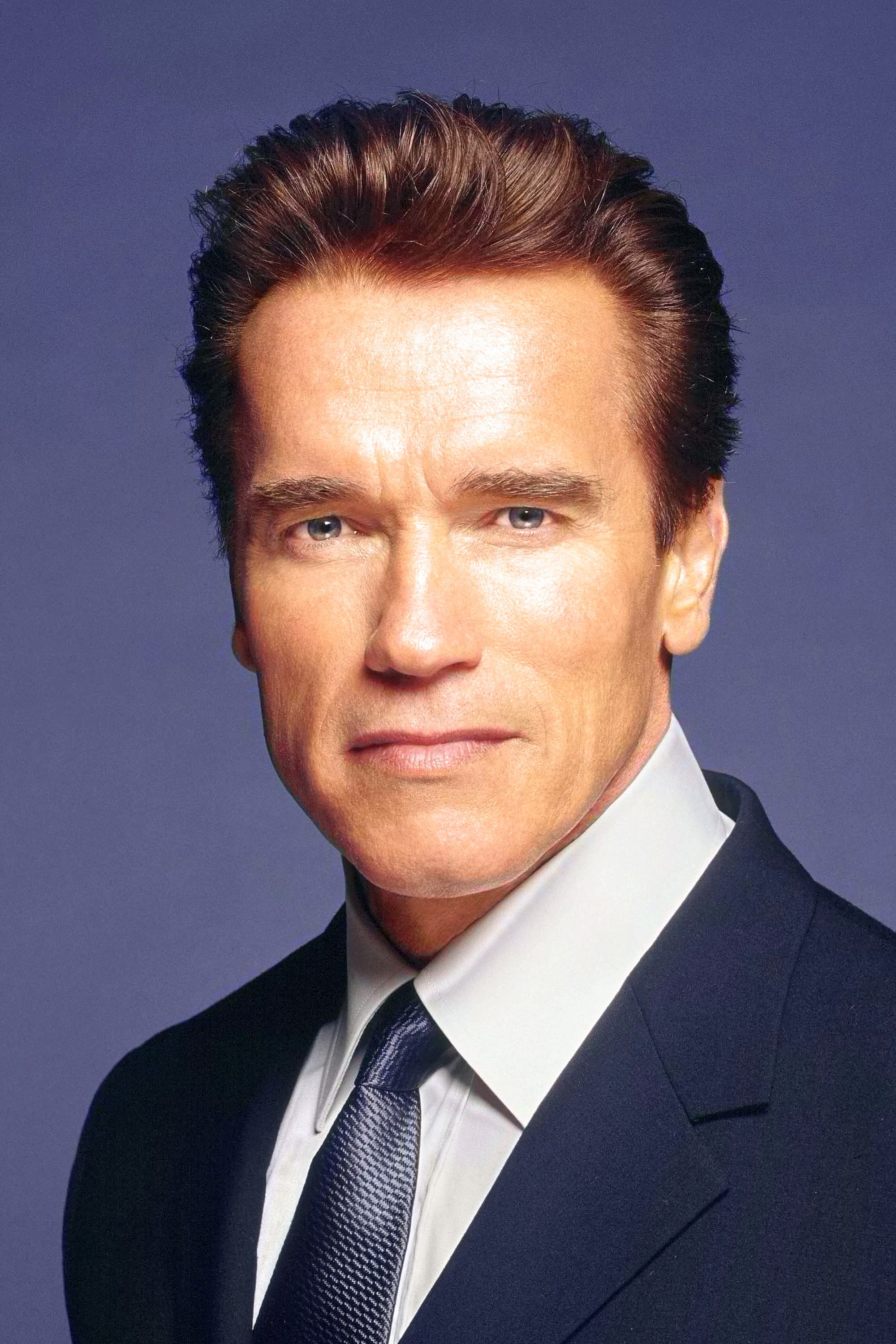
Schwarzenegger’s size is central to the joke, and to the unease. Quaid looks equipped to overpower almost any immediate problem, which makes his uncertainty about himself more interesting than another display of strength. The performance allows confusion to register without making him merely foolish. We found his bewilderment unexpectedly touching, because the threat is something his body cannot deal with. Sharon Stone, as Lori, brings a sharpness that is welcome beside all that mass.

The screenplay by Ronald Shusett, Dan O’Bannon and Gary Goldman keeps memory and identity involved in the action. It gives us reason to question what we are watching without requiring us to stop caring about Quaid. That is a useful discipline in science fiction, where an elaborate explanation can easily take the place of a person. Here the uncertainty gives his vulnerability some force. There are stretches when the action threatens to drown that out, but the underlying predicament remains worth following.

Jost Vacano’s cinematography gives the action a useful solidity: we can register Schwarzenegger’s weight amid the visual clutter. William Sandell’s production design helps by giving him spaces substantial enough to accommodate that presence. The vast sets make the spectacle satisfying to look around, even when the people occupying them are behaving appallingly. Some effects look rubbery, and an occasional image invites more inspection than it can withstand. Yet that physical awkwardness suits Verhoeven’s taste for making the human body ridiculous.

The black humour is often nastier than the fighting, and that is part of its appeal. We laughed, then felt slightly ashamed of ourselves when the bodily damage became the joke. Verhoeven encourages that discomfort by pushing the violence beyond what the action needs. The excess can be funny, but it also makes an objection to the film’s brutality entirely reasonable.

Frank J. Urioste’s editing gives the film a forceful forward movement, though it can leave too little breathing space between assaults. There is a point at which another burst of action adds volume without adding much urgency. Jerry Goldsmith’s score makes Quaid’s predicament sound appropriately enormous, although extra urgency is not always what an already noisy sequence needs. It is the cumulative pressure that becomes tiring. At 113 minutes, this is hardly an endless undertaking, yet a few quieter stretches would have made the violence count for more.

This is one to watch with someone who enjoys arguing about what a film has shown them. There is enough here to sustain that conversation, and enough unruly comedy to prevent it becoming solemn. Allow a little indulgence for the effects, and be prepared for the film to keep battering away after it has made its point. Take the 18 certificate seriously.
Critical consensus AI synthesised

4 of 6
Positive
3
Mixed
0
Negative
1
Radio Times
· John Ferguson
80*

The critic highlights the smart script based on Philip K. Dick and Verhoeven's over-the-top mix of black humour, ultra-violence and spectacular special effects. They single out Sharon Stone's performance as a standout that led to her star-making role in Basic Instinct.

Read the full review →
Slant Magazine
5 August 2012 · John Semley
80*

The critic views Total Recall as a thoroughly Verhoevenian film that succeeds precisely because of its blockbuster scale and corporate trappings. He singles out for praise the way the satire functions at an atomic level through the caricaturing of Schwarzenegger's action-hero persona and the film's playful pitch-black comedy.

Read the full review →
Time Out
6 August 2012 · ★★★★ · Tom Huddleston
80

The critic praises the perfect team-up of Schwarzenegger, Verhoeven and Philip K. Dick, noting that the theme of identity loss and untrustworthy memories remains intact despite deviations from the source story. They single out the film's slick, sly and subversive qualities, along with its charm despite aged effects.

Read the full review →
The New Yorker
11 June 1990 · Terrence Rafferty
20*

The critic finds the film no fun at all despite its action and effects, describing it as heavy-spirited and pounding. The elaborate Philip K. Dick-derived plot is dismissed as useless window dressing for meaty action sequences, with Verhoeven's earlier wit and elegance lost in Hollywood bombast.

Read the full review →
Empire
1 January 2000 · Kim Newman

The critic calls it a nonstop roller-coaster of action entertainment with a brain, full of vast sets, explosions, plot twists and ultra-violence that keeps pulling the rug out from under the viewer. They praise the clever revelations and note that while some rubberized effects have dated, it remains thoroughly enjoyable and worryingly satisfying.

Read the full review →
RogerEbert.com
1 June 1990 · Roger Ebert

The critic praises Schwarzenegger's vulnerable performance as a confused man whose reality is betrayed, which anchors the high-tech spectacle. The film is lauded for its complex, visually inventive sci-fi premise drawn from Philip K. Dick, blending action with mind-bending questions about memory and identity.

Read the full review →

Cast

Awards

Academy Awards, 1991

Nominated
Best Sound
Nominated
Best Sound Editing

Saturn Awards, 1991

Won
Best Science Fiction Film

If you liked this, try…

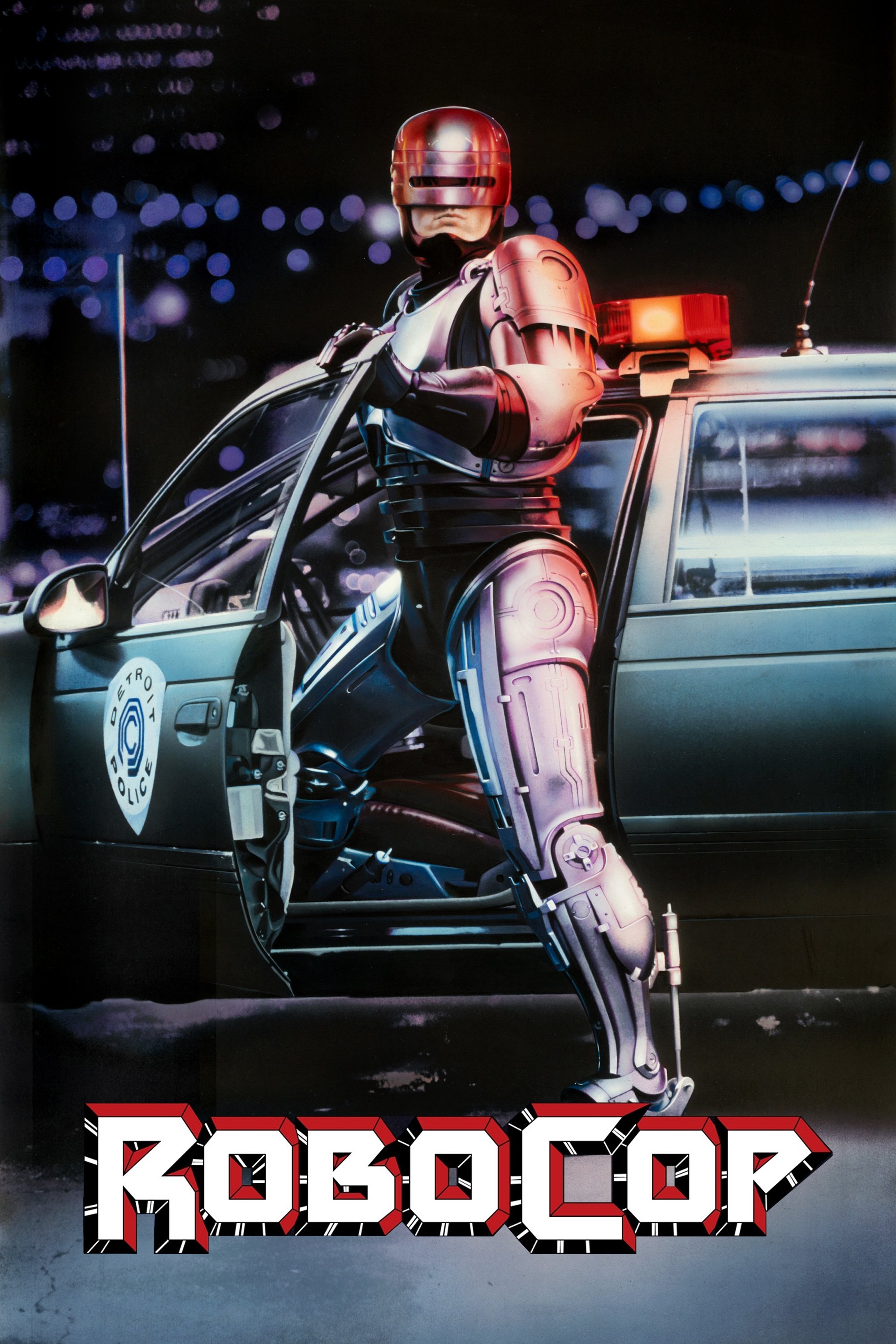
RoboCop poster

RoboCop

1987 · Another bruising collision of corporate cruelty, bodily damage and badly behaved humour

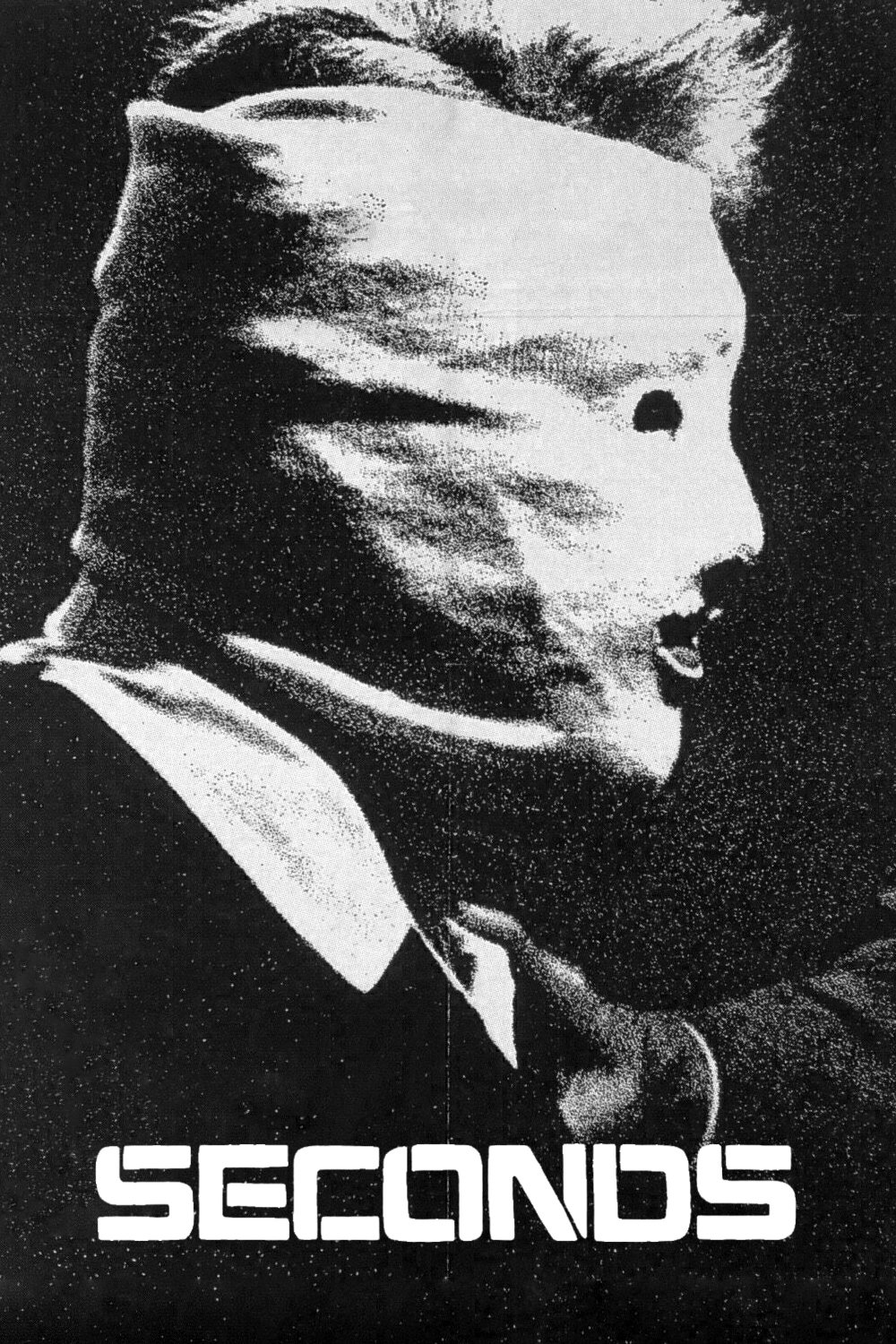
Seconds poster

Seconds

1966 · A bought identity brings deeper unease, with little interest in reassuring anyone

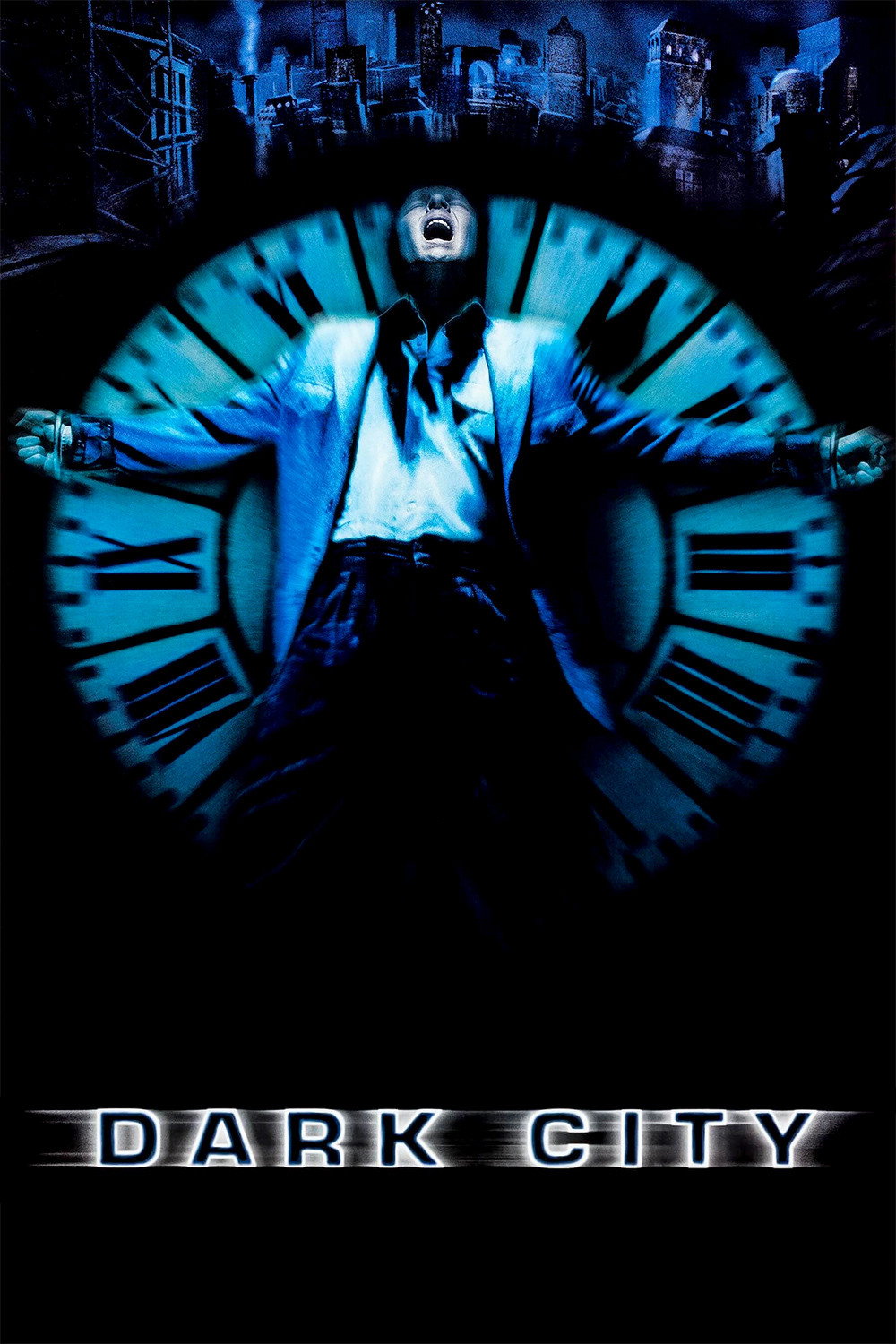
Dark City poster75

Dark City

1998 · More unreliable memories, with an entire city making certainty difficult to maintain

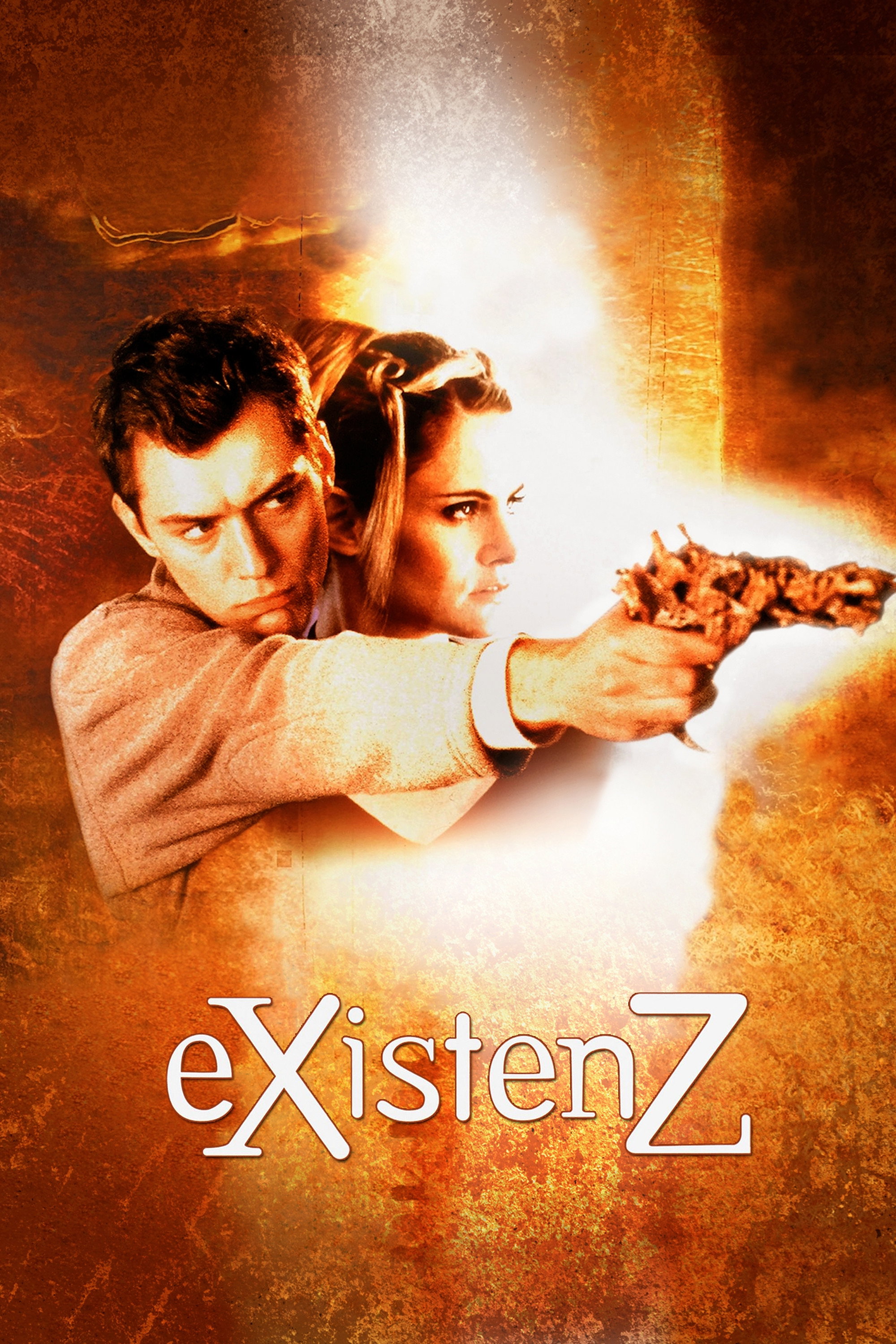
eXistenZ poster

eXistenZ

1999 · Reality becomes slippery again, while the machinery remains unpleasantly close to flesh

Paprika poster

Paprika

2006 · Dreams intrude on waking life with a freedom live action rarely permits