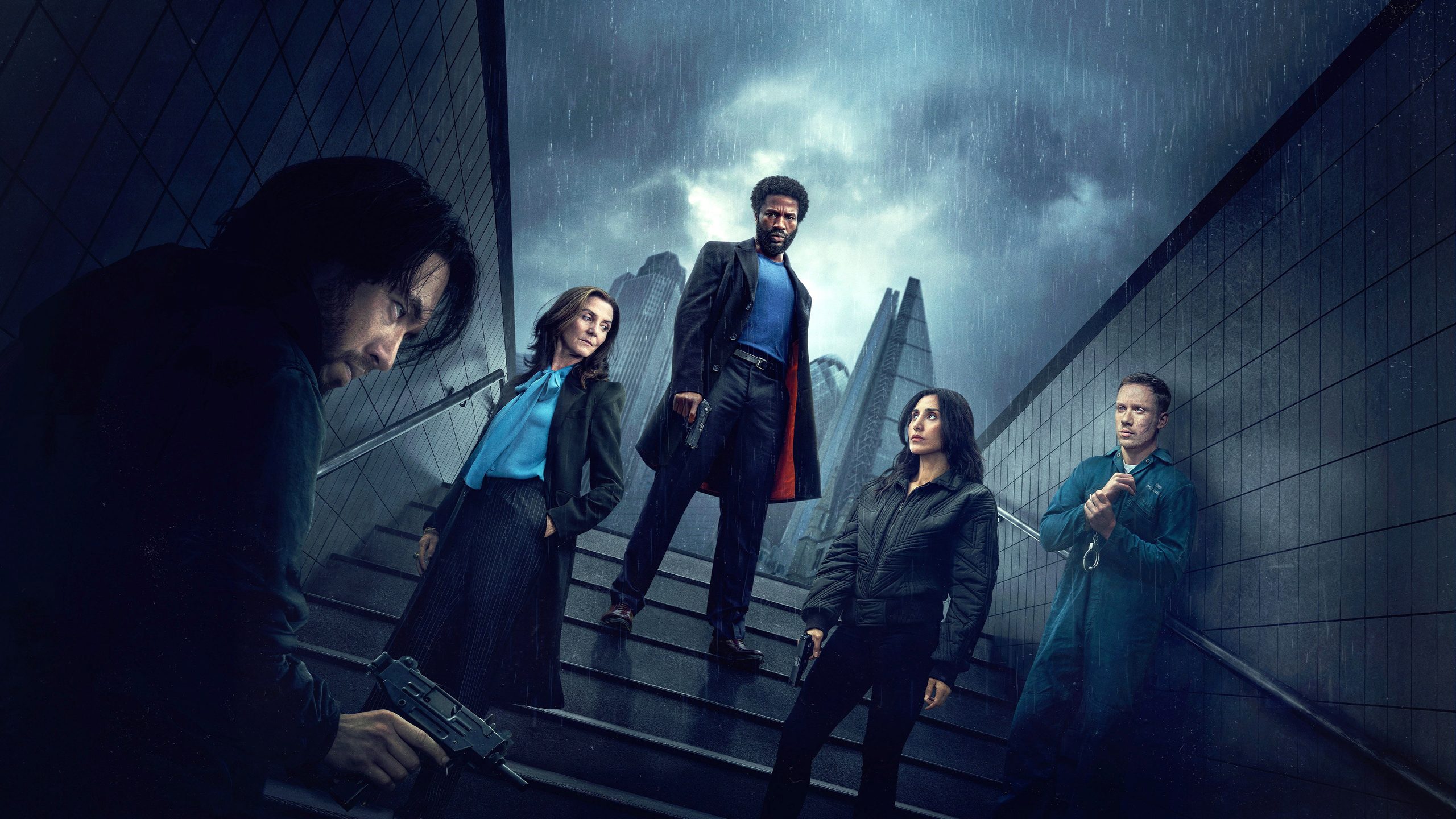
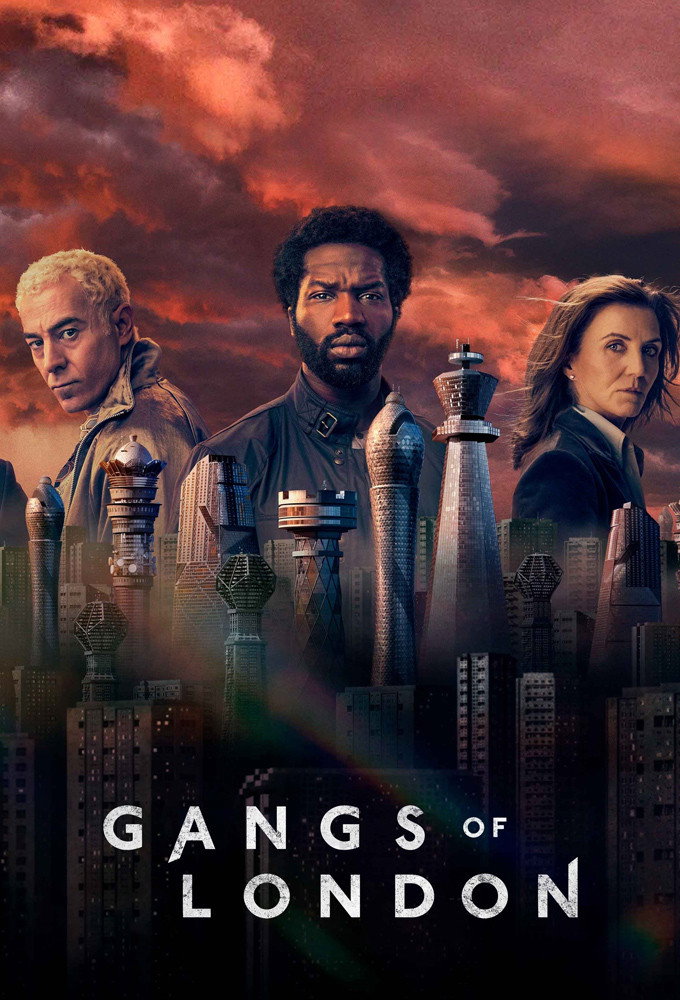
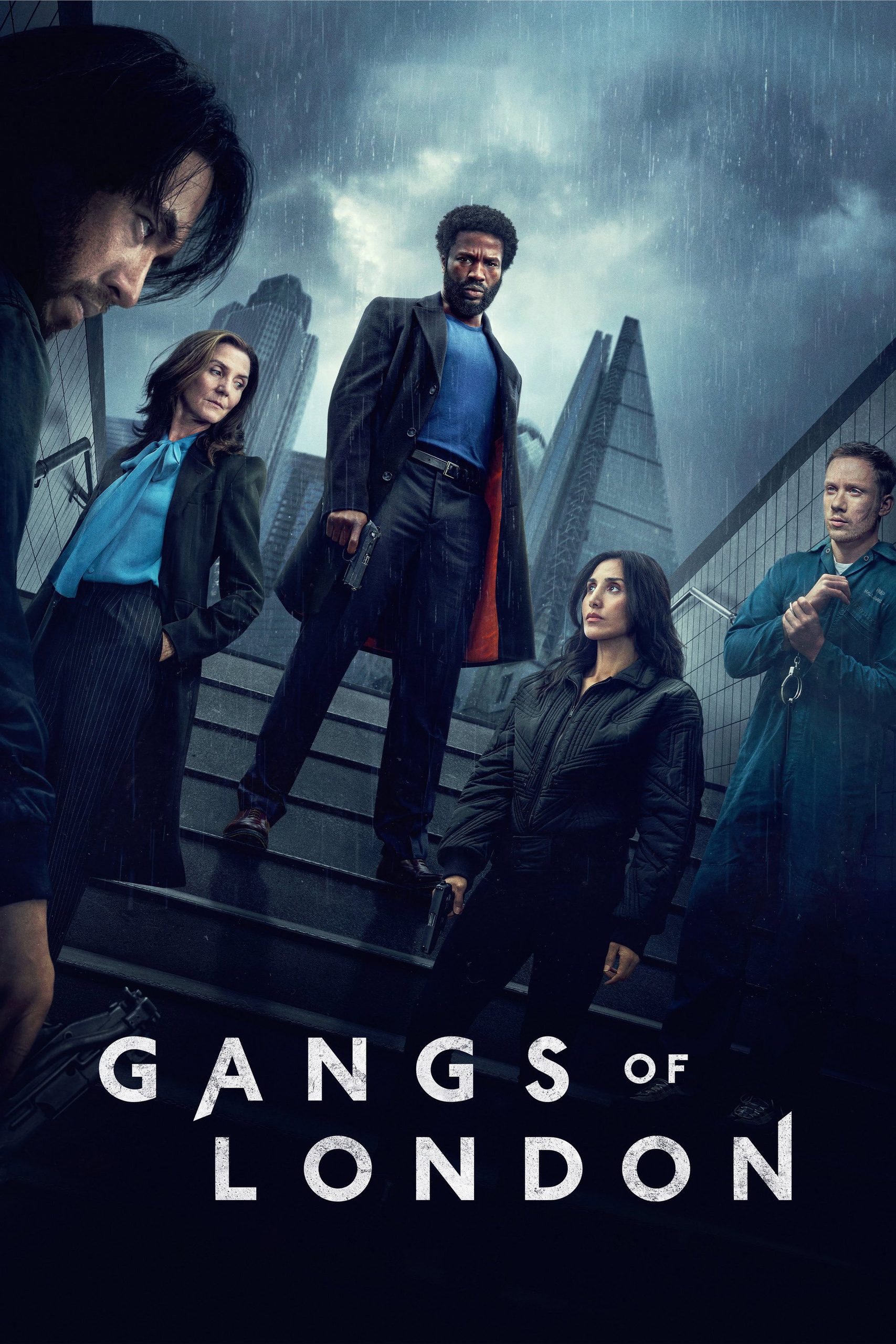
Gangs of London earns its place through inventive fights and Sope Dirisu’s commanding presence. The gangland plotting is less persuasive, and the relentless brutality makes this a recommendation for action enthusiasts with strong stomachs.
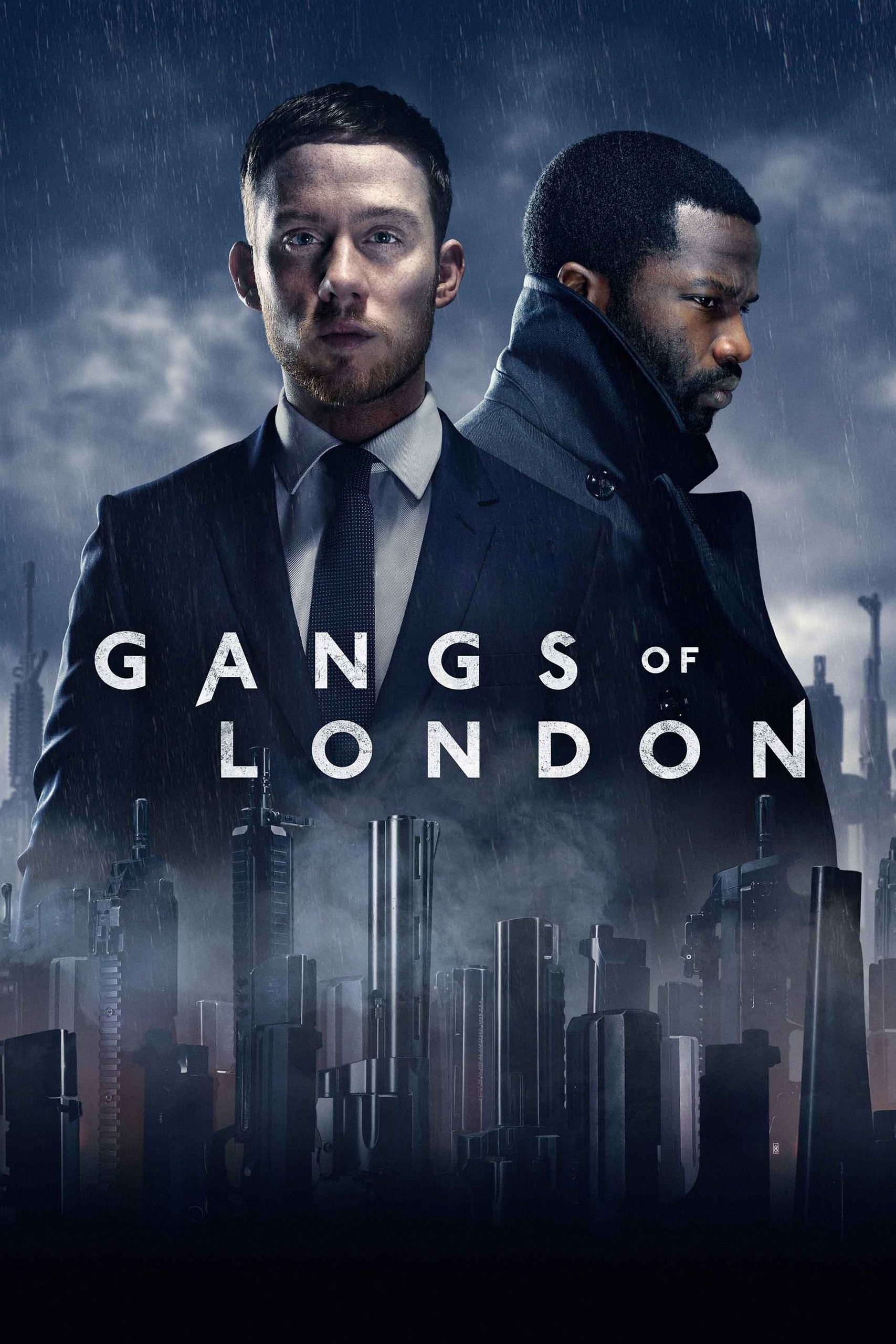
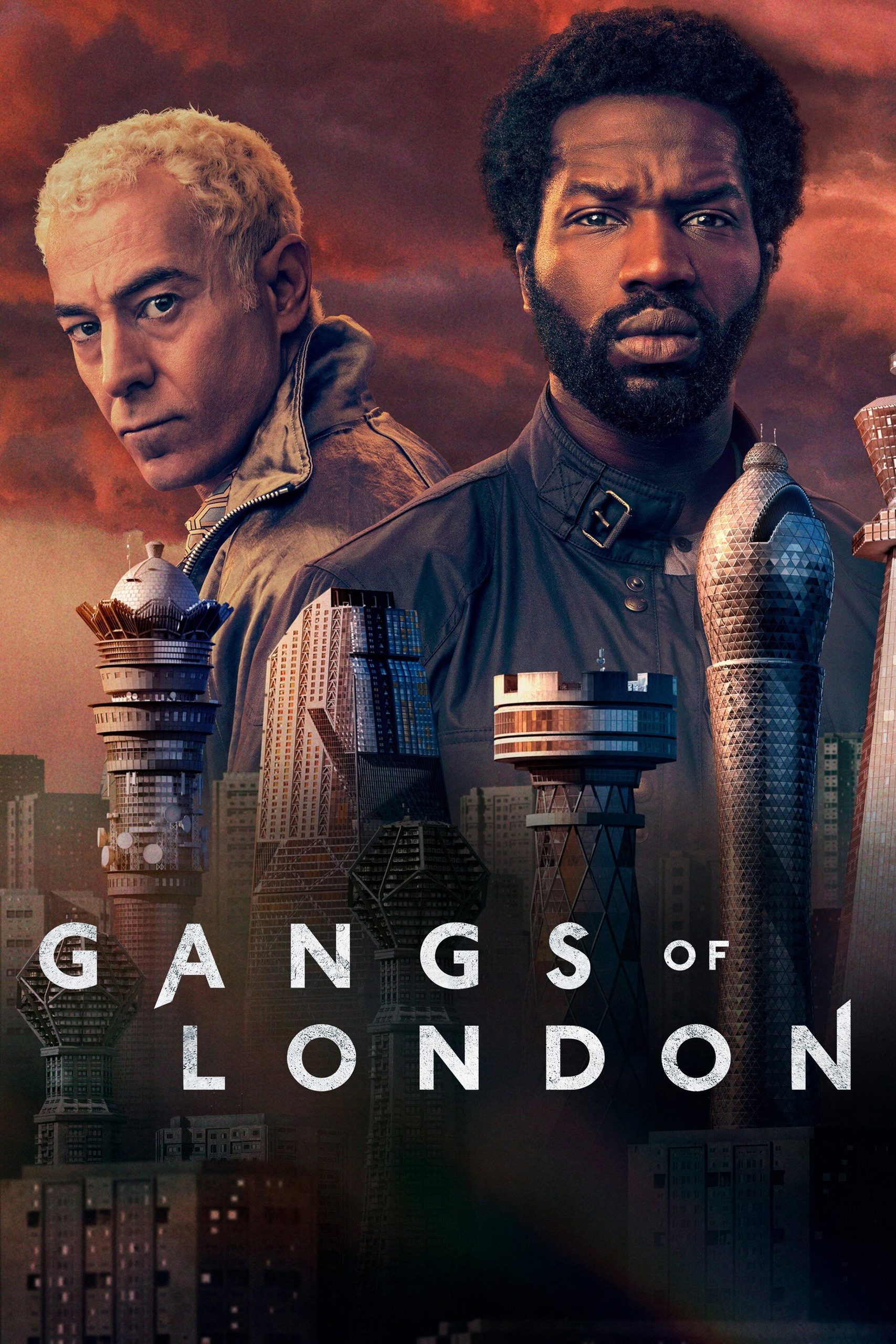
Gangs of London is worth watching for its fights, provided graphic violence is part of the attraction rather than something to endure. Creators Gareth Evans and Matt Flannery approach gangland television with an appetite for physical action that makes the usual business of threats and loyalties feel secondary. The opening series gives that approach nine episodes. It also wants us to care about the families caught in the fighting. We do, although less consistently than we should.
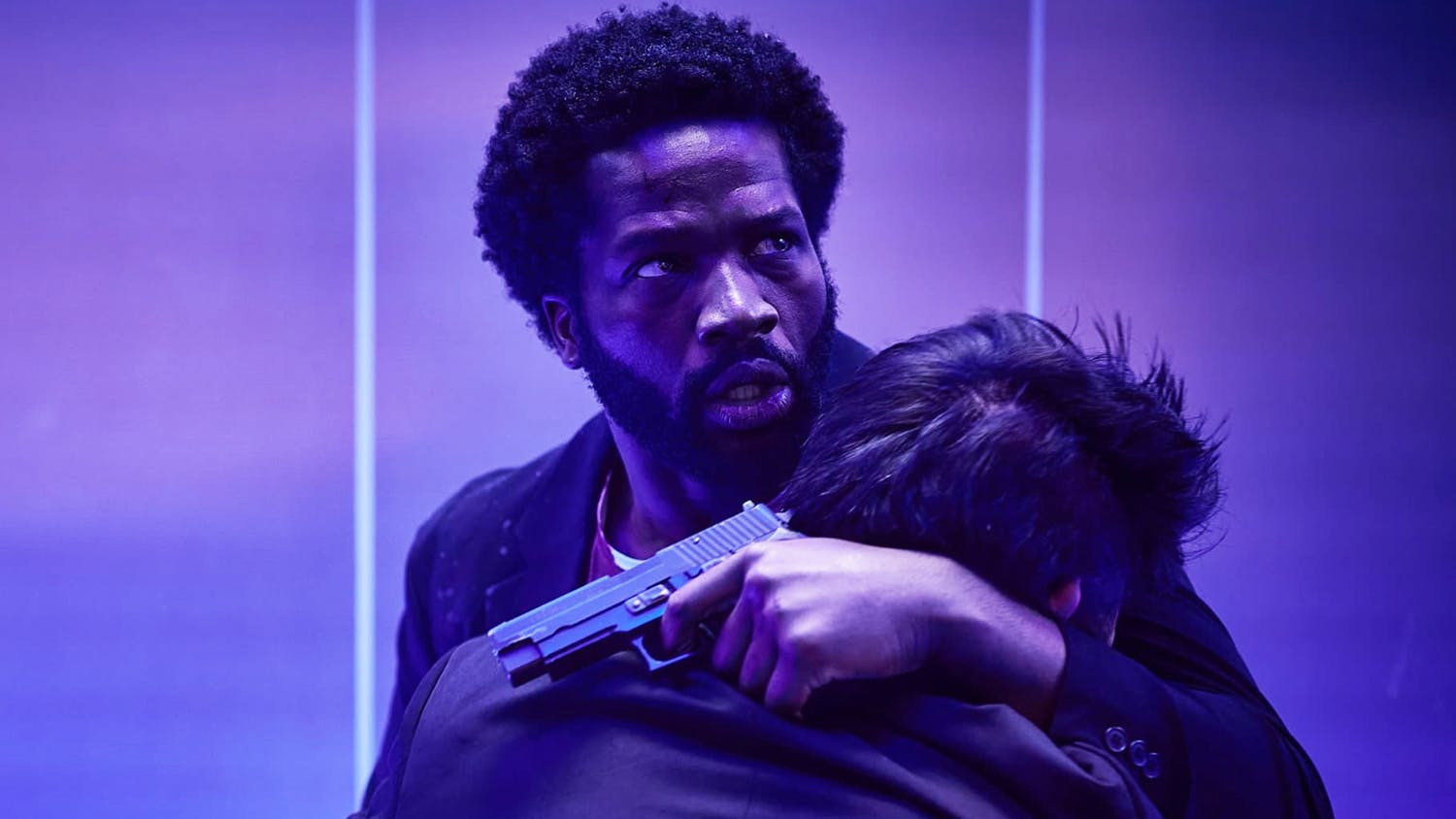
Gareth Evans is also among the directors, and the brawls show what this programme understands most clearly. The choreography keeps finding inventive ways to make a physical confrontation worth following, while the camera gives the movement an exhilarating momentum. We winced, then felt slightly ashamed of how keenly we were waiting for the next fight. The elaborate choreography had kept our attention even when the bodily punishment became unpleasant. That uncomfortable combination of admiration and recoil is a substantial part of the appeal.
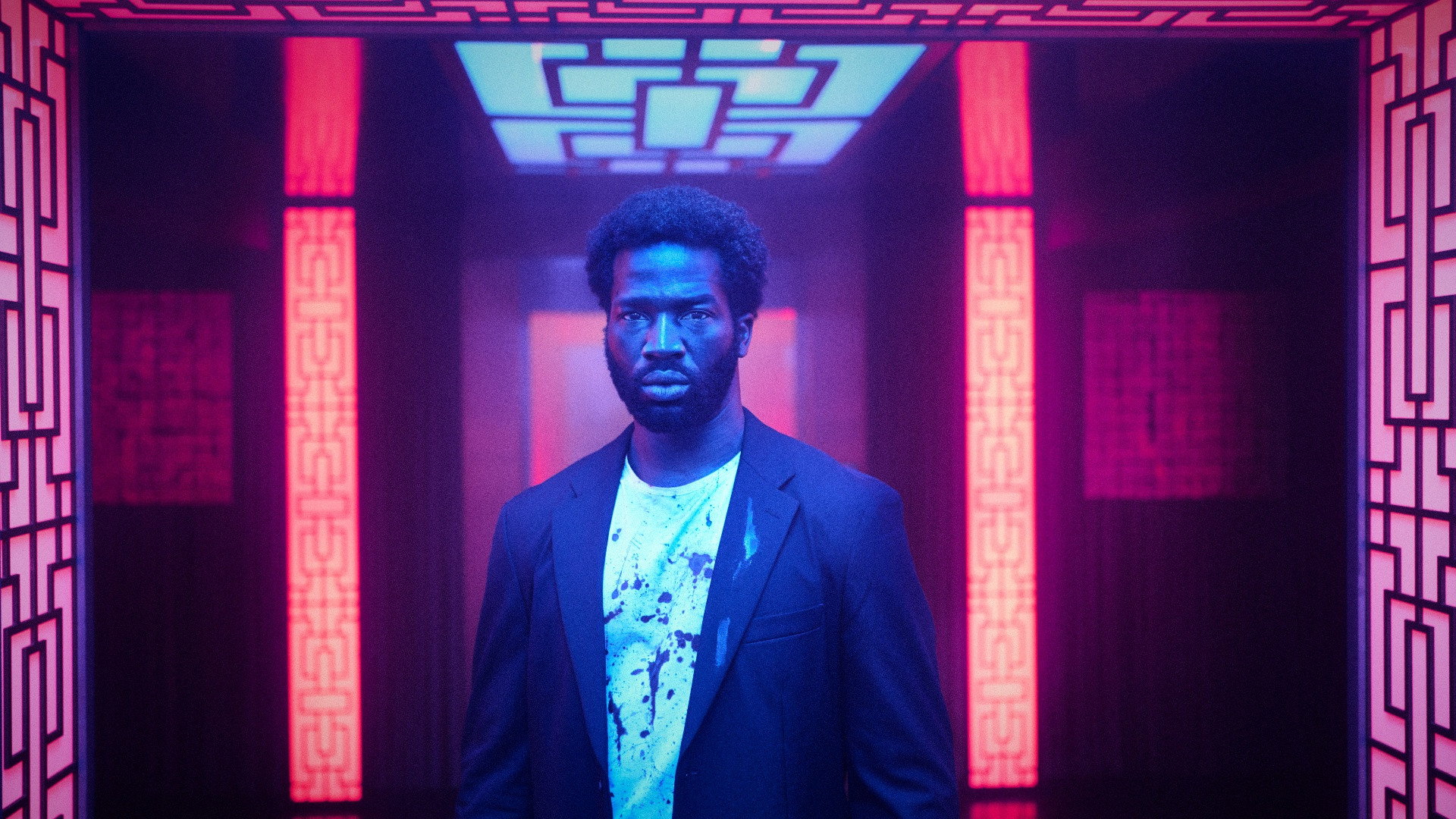
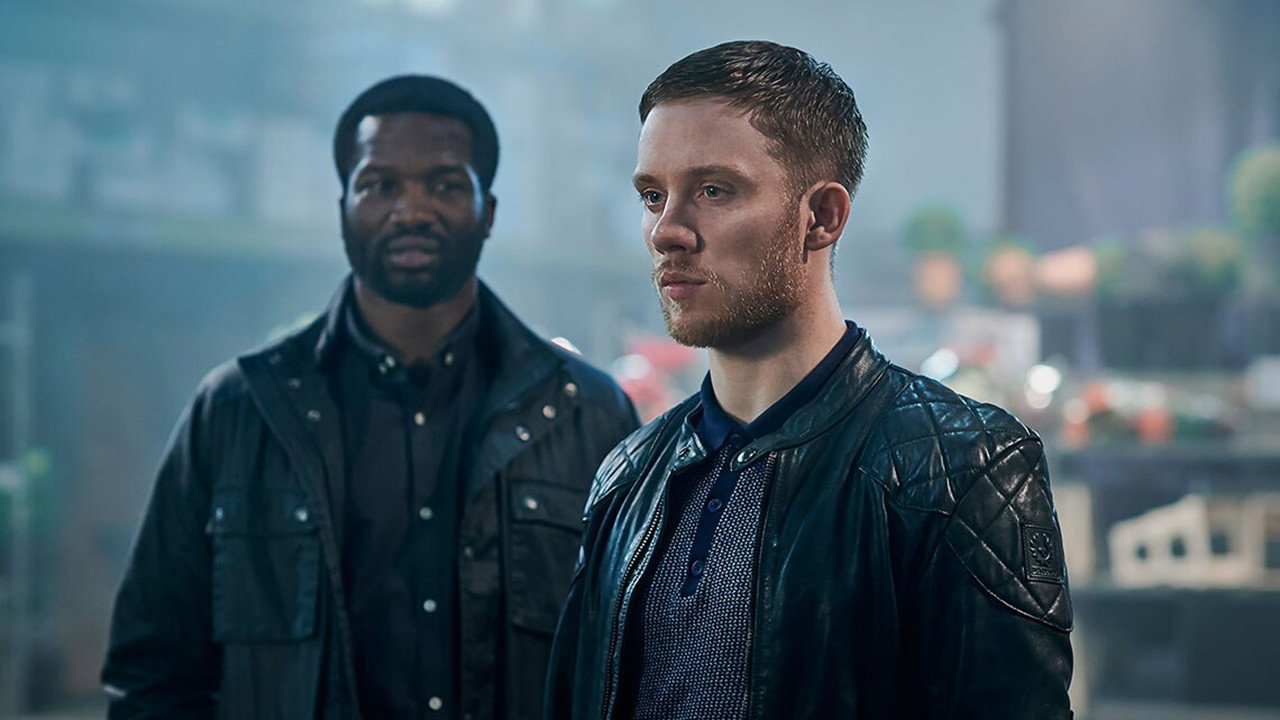
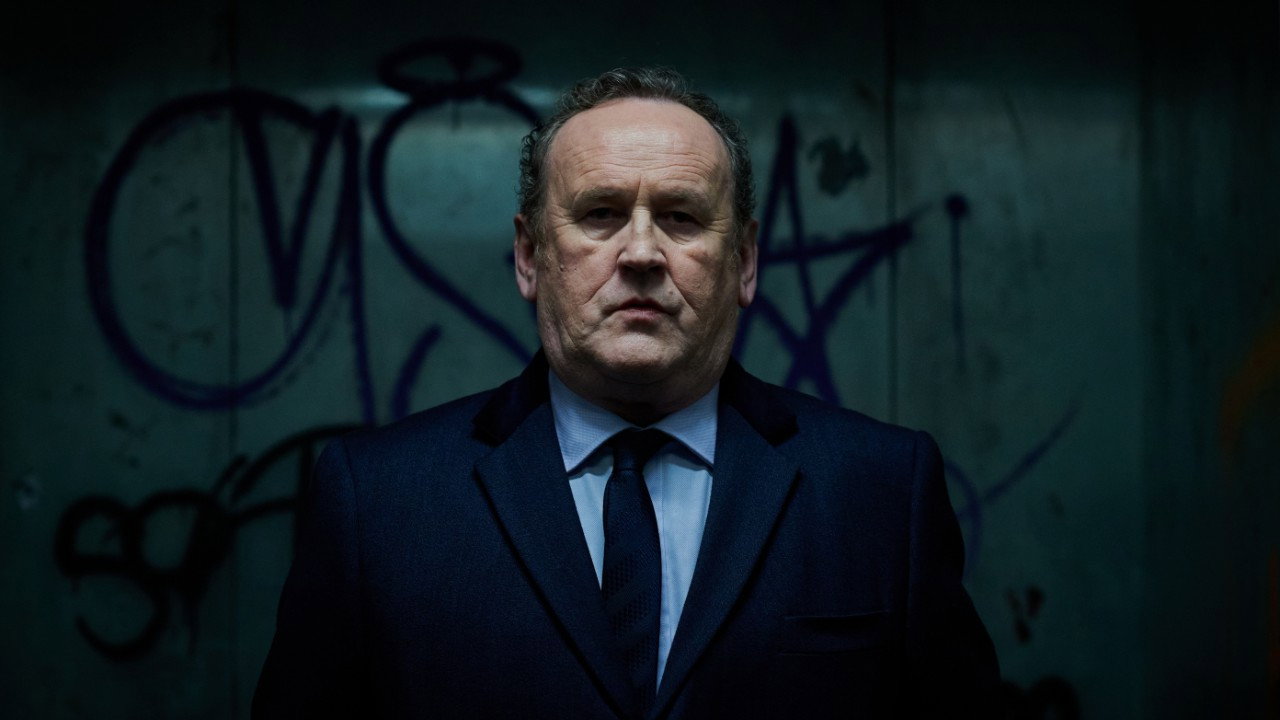
Sope Dirisu gives Elliot Finch a convincing physical presence, which matters in a series so dependent on what bodies can do. He also makes the stretches between fights worth watching, without needing the programme to manufacture another outrage around him. Joe Cole gives Sean Wallace some conviction even when the dialogue pushes towards melodrama. Michelle Fairley and Lucian Msamati help the family material feel worth taking seriously. The cast repeatedly makes us care more than the writing has quite earned.
The writing is the chief limitation. Gareth Evans and Matt Flannery are also credited as writers, and the gangland politics too often rely on familiar threats, declarations and competing claims of loyalty. The melodrama grows until a conversation can seem to be insisting on its importance. That makes the quieter stretches feel longer than they are, even when the underlying business is complicated. Following the competing interests sometimes becomes tiring, particularly when the dialogue offers so little pleasure of its own.
The sharp sound of the violence helps the action register, but also makes the repetition harder to dismiss. The series gives bodily damage enough attention that it can start to distract from the person receiving it. Its excess is deliberate. That does not make every blow necessary, or every prolonged confrontation more troubling than a shorter one would have been. At times the care spent on physical suffering seems disproportionate to the attention given to anyone’s feelings afterwards.
The gangster genre can accommodate exaggeration, and this is not a series we would ask to become a sober procedural. Its extravagant action belongs comfortably enough alongside its family disputes. The difficulty comes when the fighting is precise and the dialogue is merely loud, leaving the actors to supply distinctions the script has not earned. There is room for heightened speech in a heightened drama, but the conversations need the same invention that goes into the confrontations.
We would recommend the opening series to action enthusiasts before crime-drama completists. There is enough acting here to carry the familiar plotting, though patience with its theatrical arguments will vary. Anyone who finds screen brutality exhausting should take the 18 certificate seriously.