Pushing Daisies makes its impossible romance matter, helped by Lee Pace, Anna Friel and a cast that takes the silliness seriously. We recommend it, with fair warning that the sweetness can become exhausting.
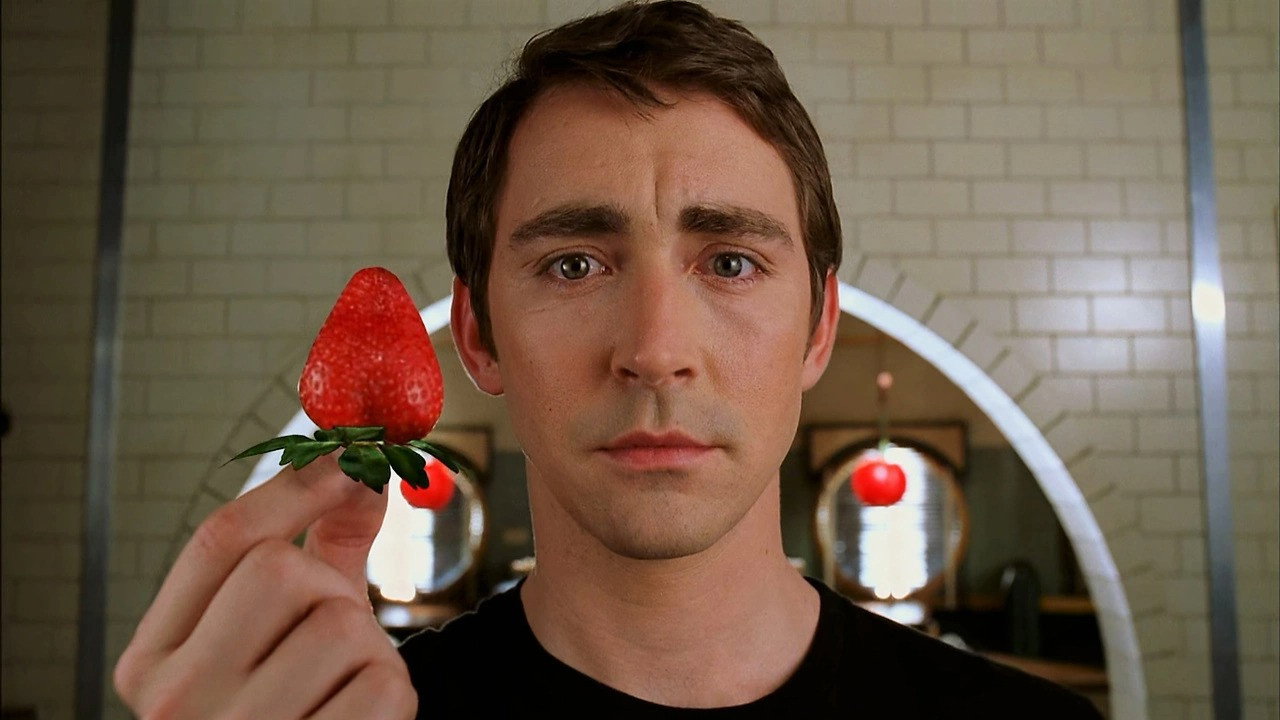
Bryan Fuller’s Pushing Daisies asks us to accept a piemaker who can bring the dead back to life, then worries about whether he can have a relationship. It is funny, touching television, and we recommend it with a warning about the quantity of sweetness. Ned’s gift comes with a prohibition: he cannot touch anyone he has revived again. That is enough to make an ordinary romantic hesitation feel dangerous, and Fuller wisely keeps the longing close to the fantasy.
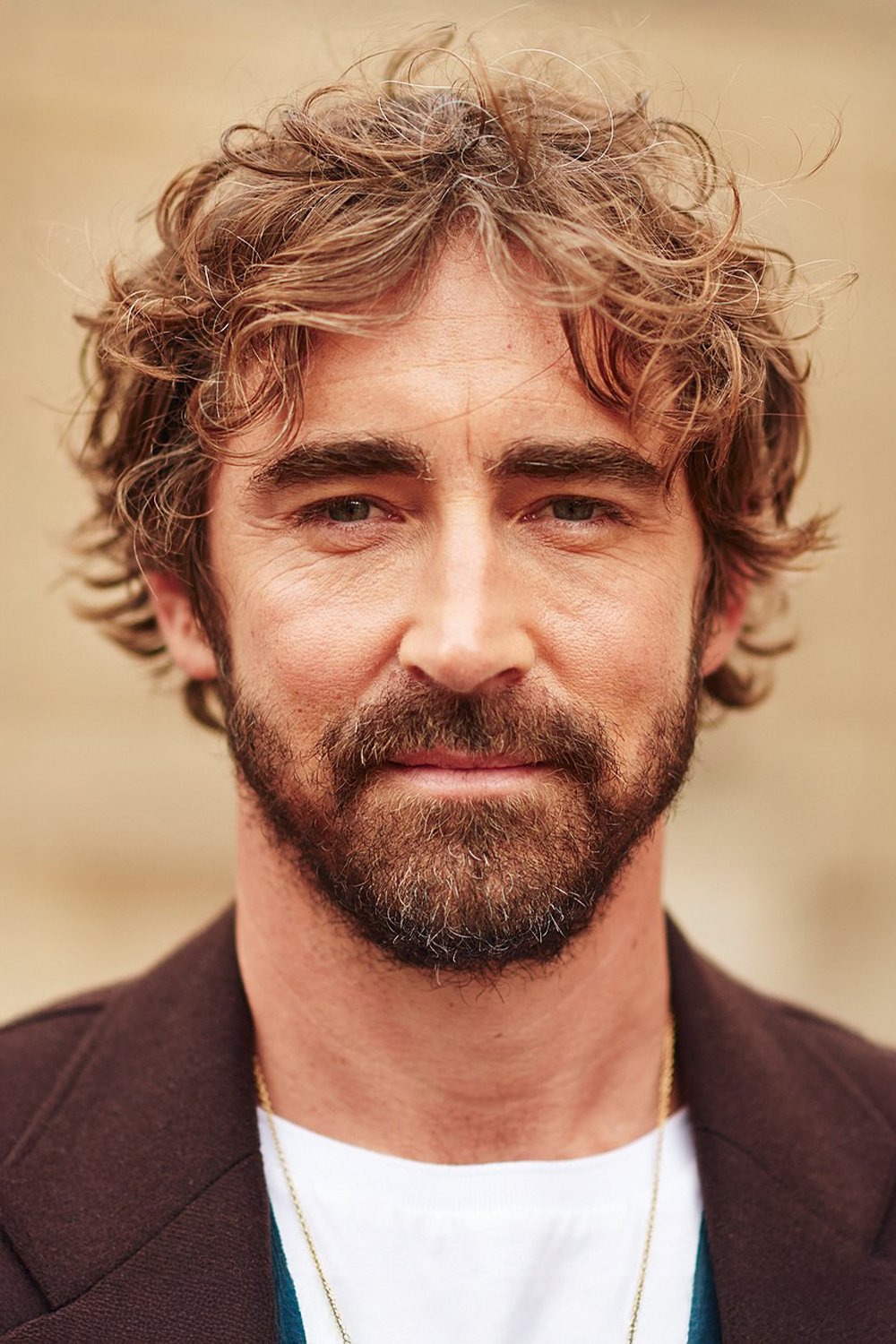
Lee Pace and Anna Friel make the restriction matter as Ned and Chuck. Pace gives the romance a hesitancy that could become tiresome, but Friel brings enough warmth to stop the pair seeming merely trapped by a clever rule. Their enforced physical distance moved us more than we expected. Reaching for someone is such a small comfort to be denied, and Pace and Friel make the prohibition hurt without treating every moment as a tragedy.
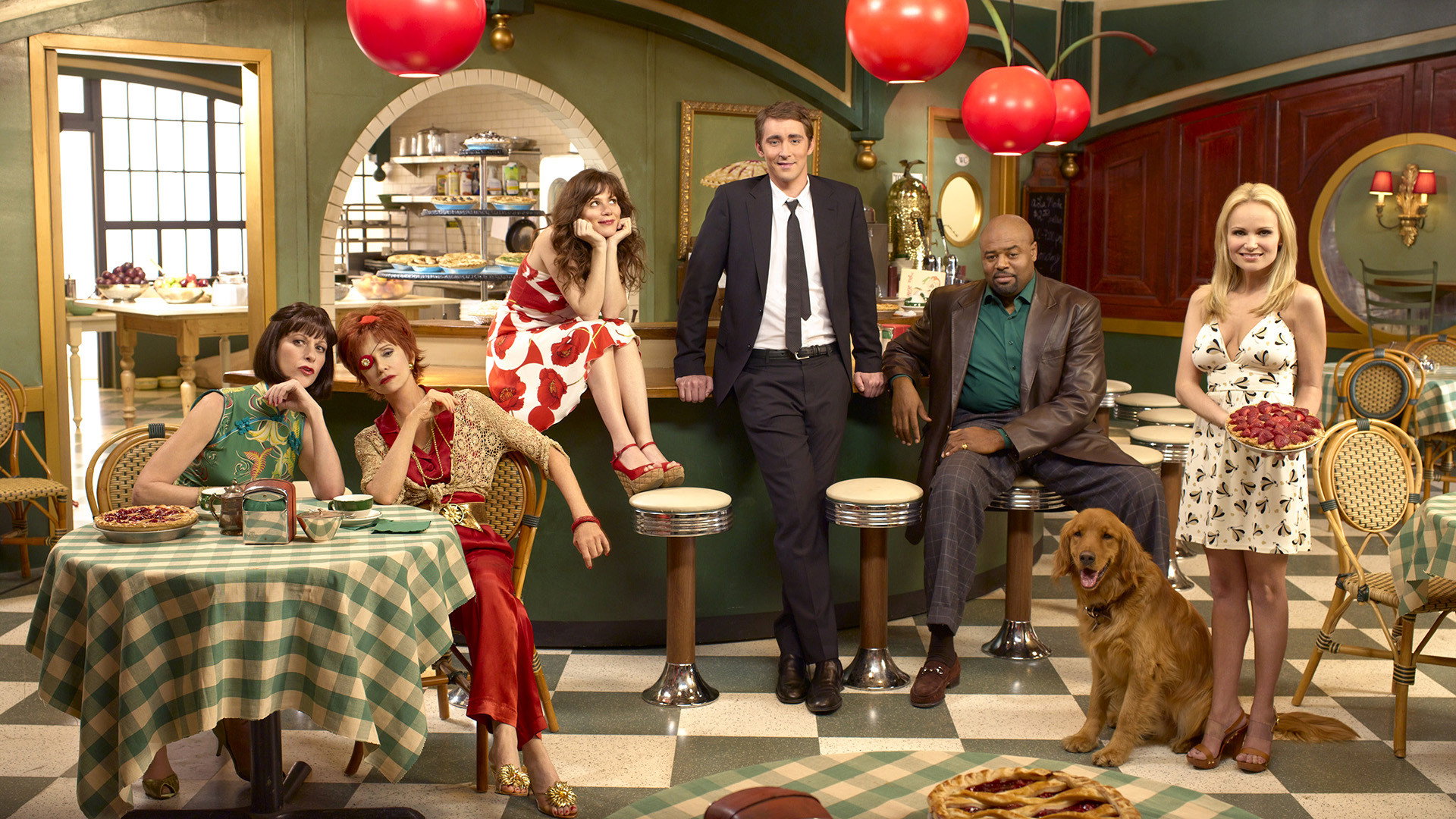
The colour takes more getting used to. Cinematographers Jamie Anderson, David Klein and Michael Weaver keep the screen insistently cheerful, even with death so close at hand. Michael Wylie’s production design gives the fantasy a similarly emphatic artificiality; this is a place arranged to make a piemaker’s impossible gift seem at home. That consistency helps us accept the premise, although we would sometimes welcome a background that demanded less attention.
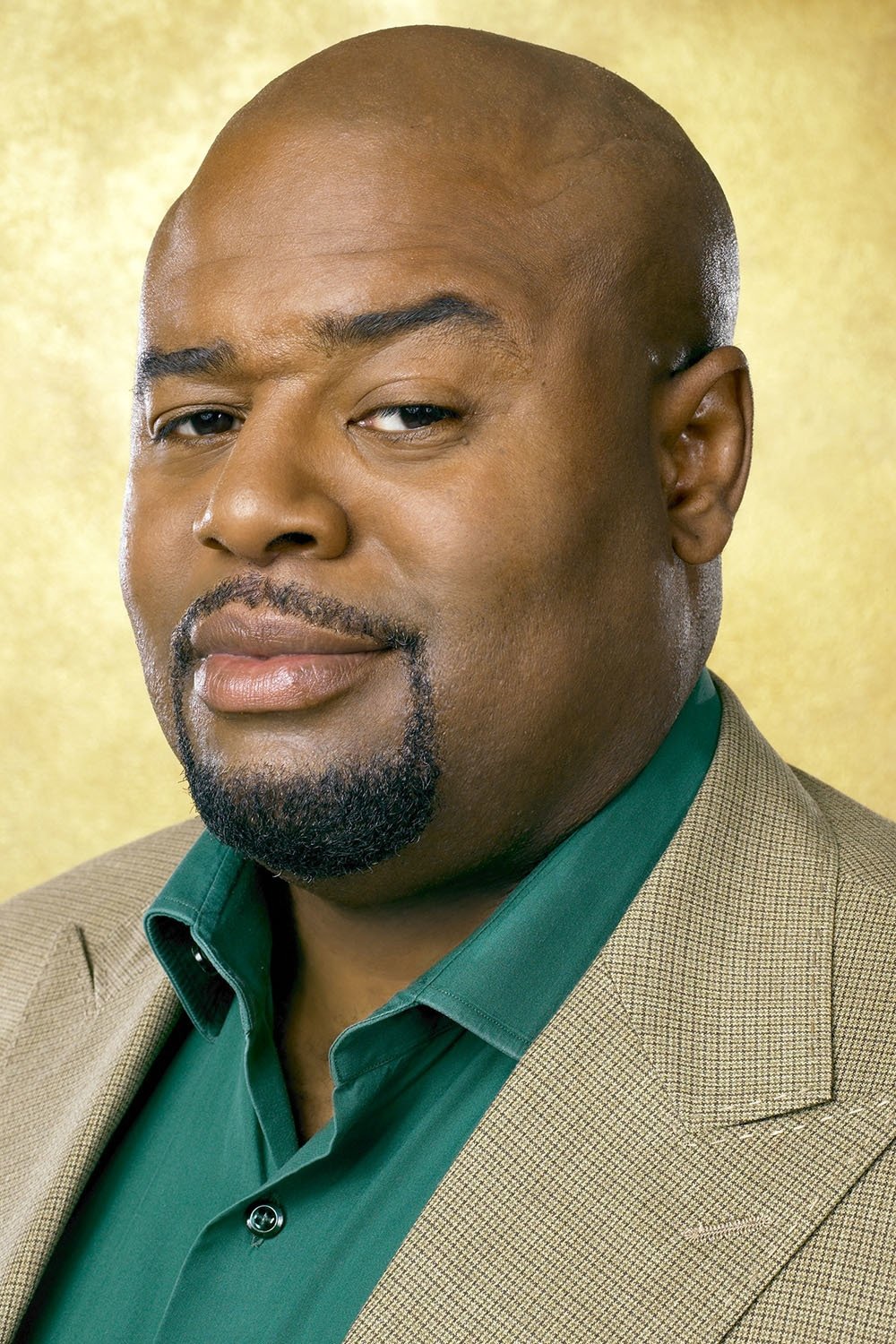
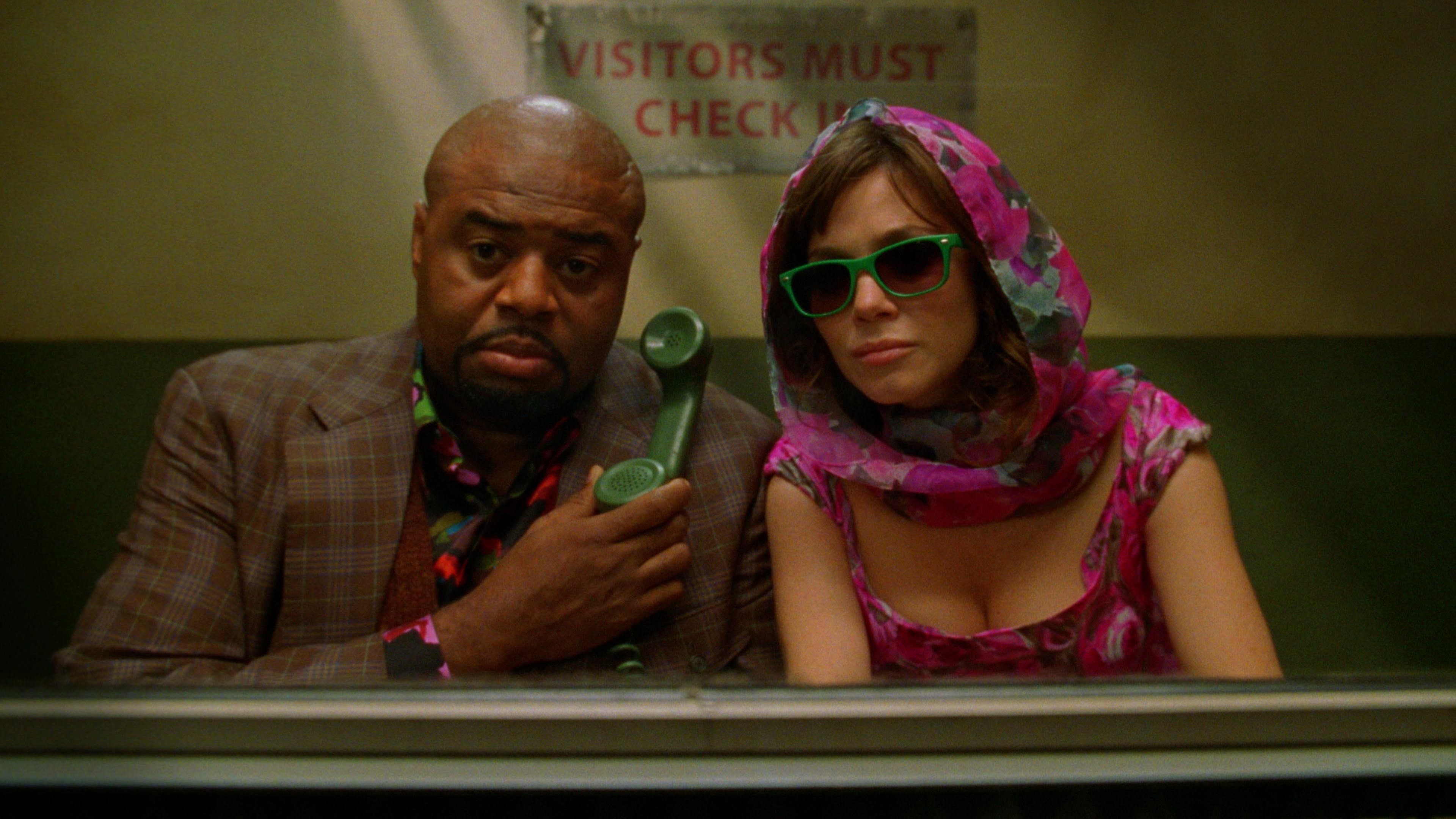
Chi McBride, as Emerson Cod, is especially welcome because his dry delivery does not ask us to find everything adorable. Kristin Chenoweth’s Olive Snook is funny because there is no embarrassment in the performance, however silly the material becomes. Jim Dale’s narration suits the storybook approach, making the strangeness sound like something we ought to have known about already. These are performances confident enough to let us enjoy the absurdity without repeatedly pointing it out.
Editors Andrew Charlton, Stuart Bass, Lisa Lassek and Scott J. Wallace keep the romance and crime strands moving briskly within 42-minute episodes. That pace helps the sillier material, although it sometimes hurries us past a feeling worth sitting with. Jim Dooley’s music supports the buoyant tone, but can add sweetness where the performances already supply enough. The programme would lose little by leaving a few moments less insistently decorated.
A fantasy series has to find fresh reasons for us to care once we have learned its rules. Here the cast does much of that work, giving us reasons to enjoy the company even when the style becomes predictable. The crime element supplies activity, but we would not recommend this chiefly for the detection. Ned and Chuck’s difficulty sustaining a relationship is more involving, because the wish for ordinary physical affection needs so little explanation.
The programme is most persuasive when it lets its actors make a fanciful problem seem ordinary. That happens often enough for us to forgive its fussier habits. Watch an episode at a time; this much sweetness benefits from a pause.