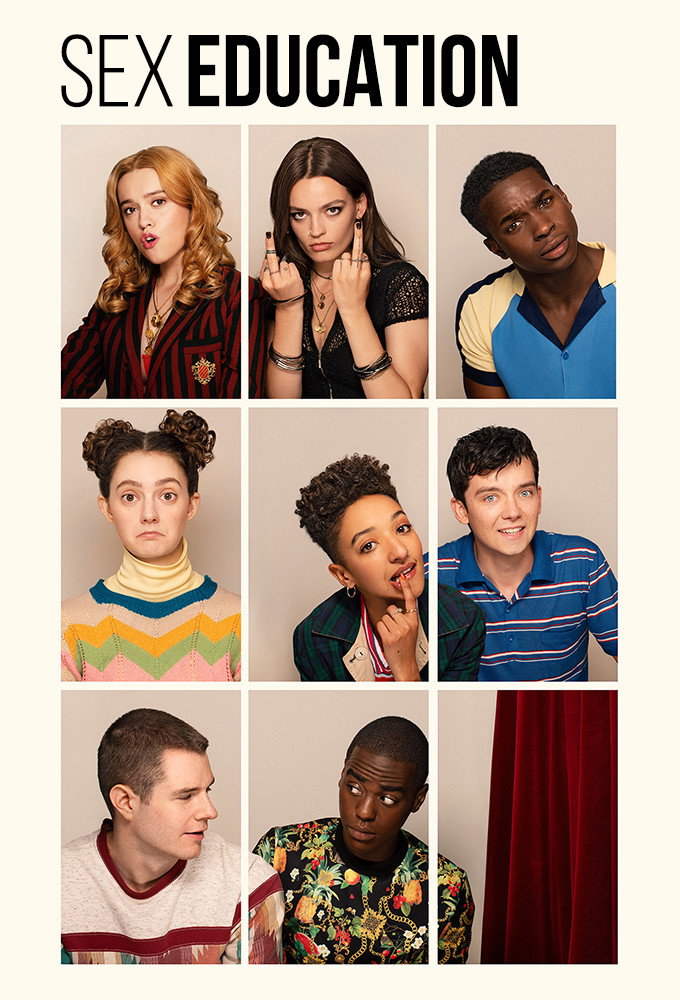
Laurie Nunn’s school comedy is filthier, kinder and better made than its title suggests, and for two seasons it is close to ideal Friday-night viewing. It sprawls after that, and the boy at the centre is the least interesting person in it.
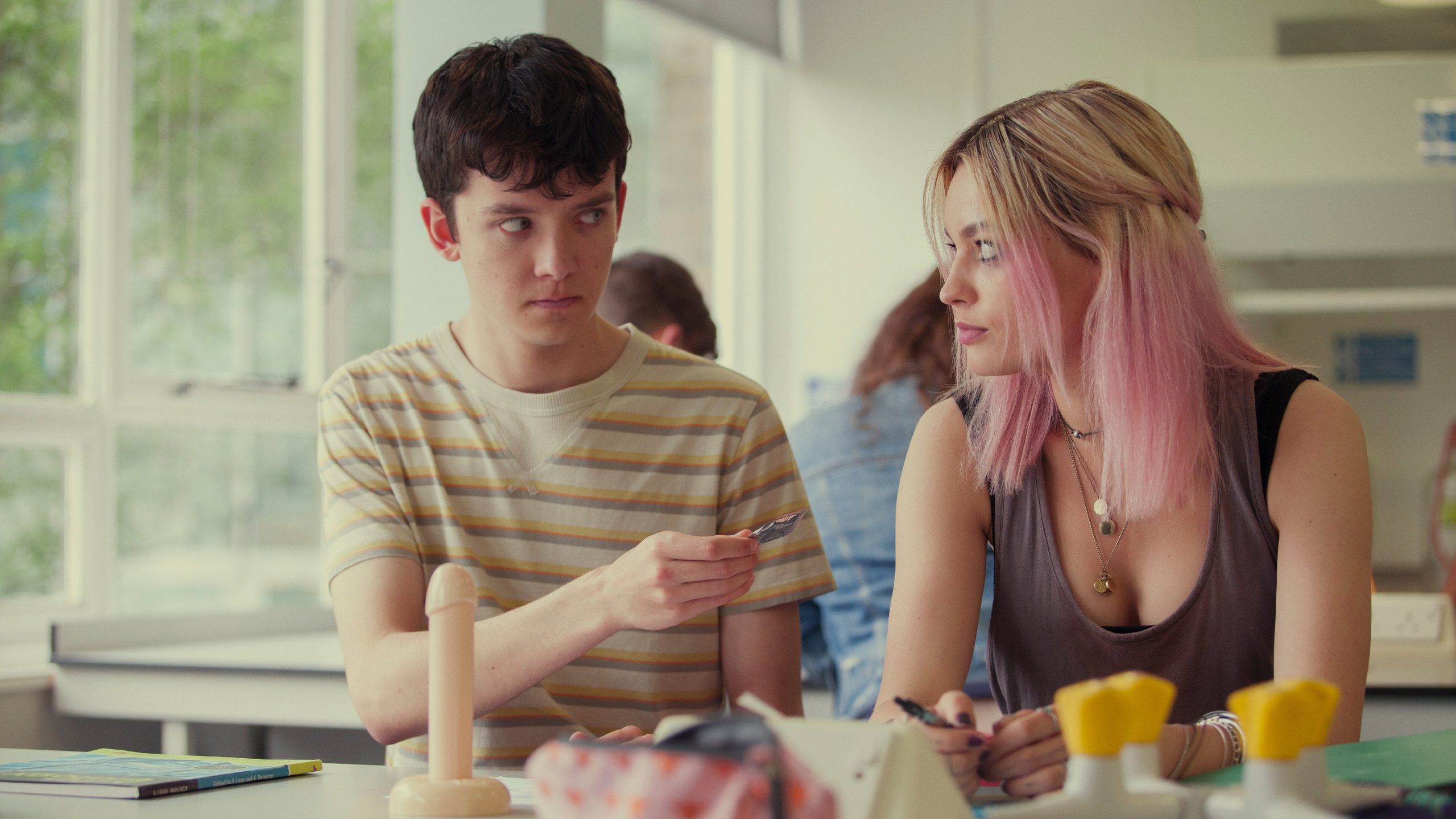
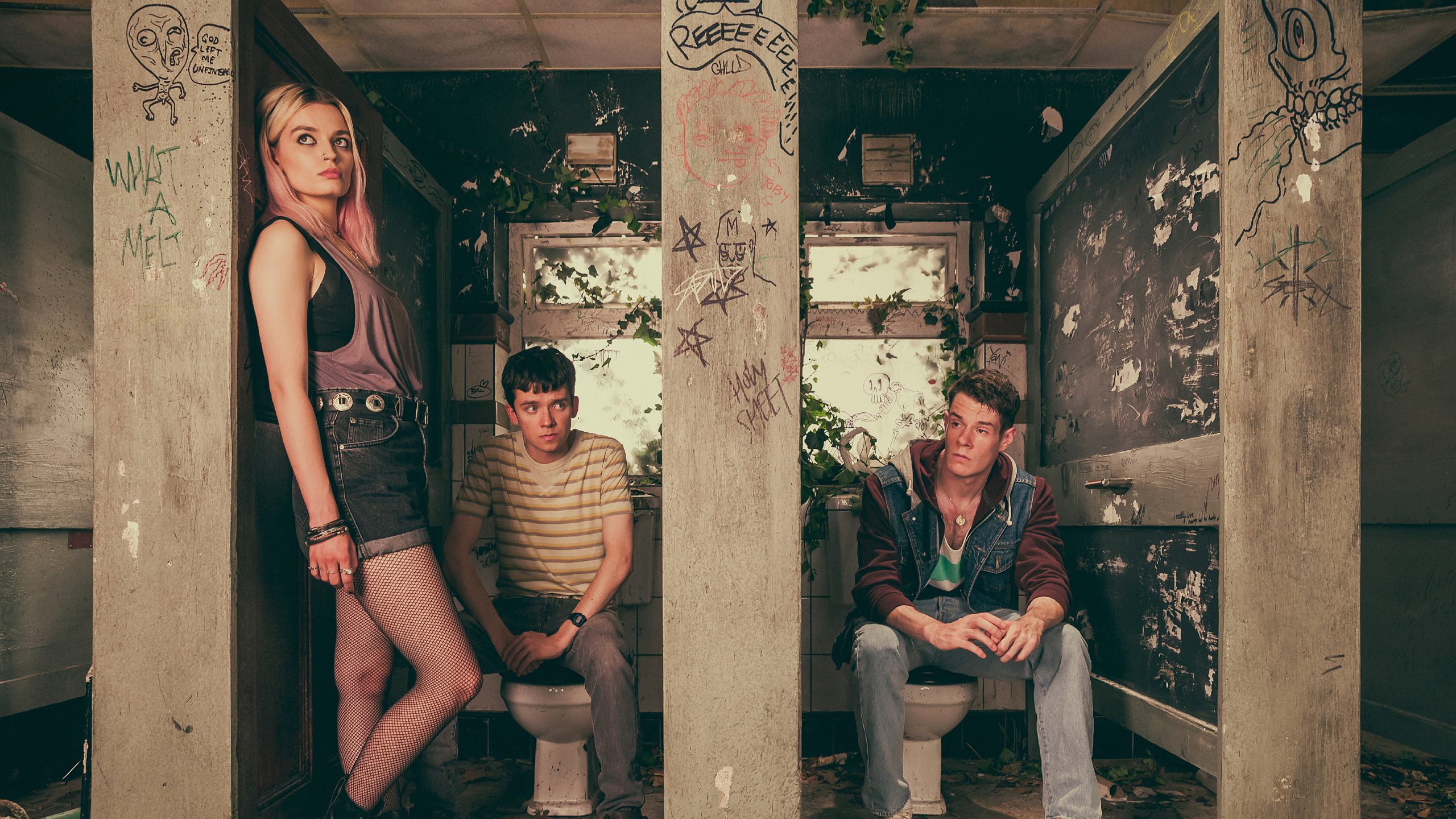
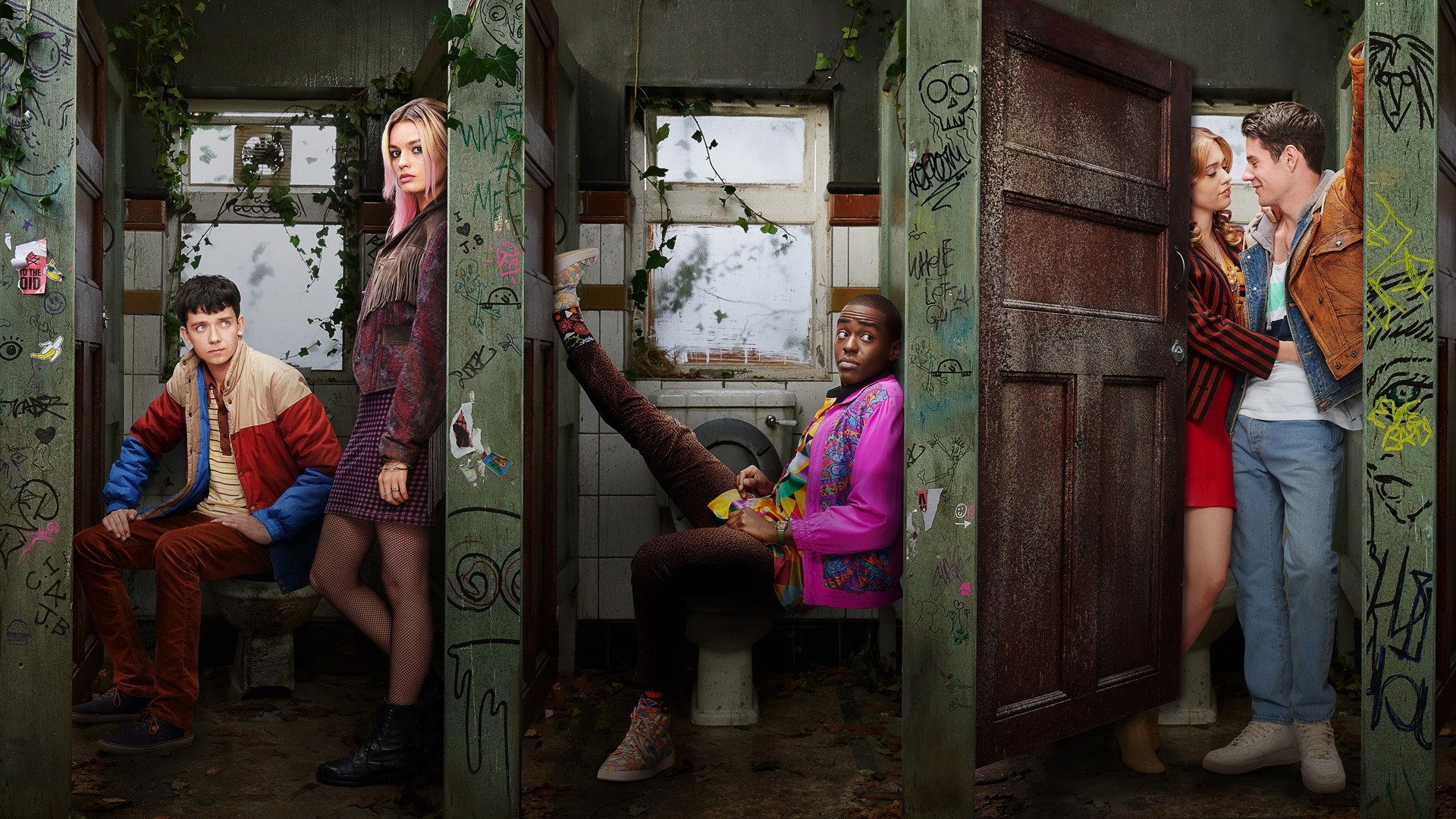
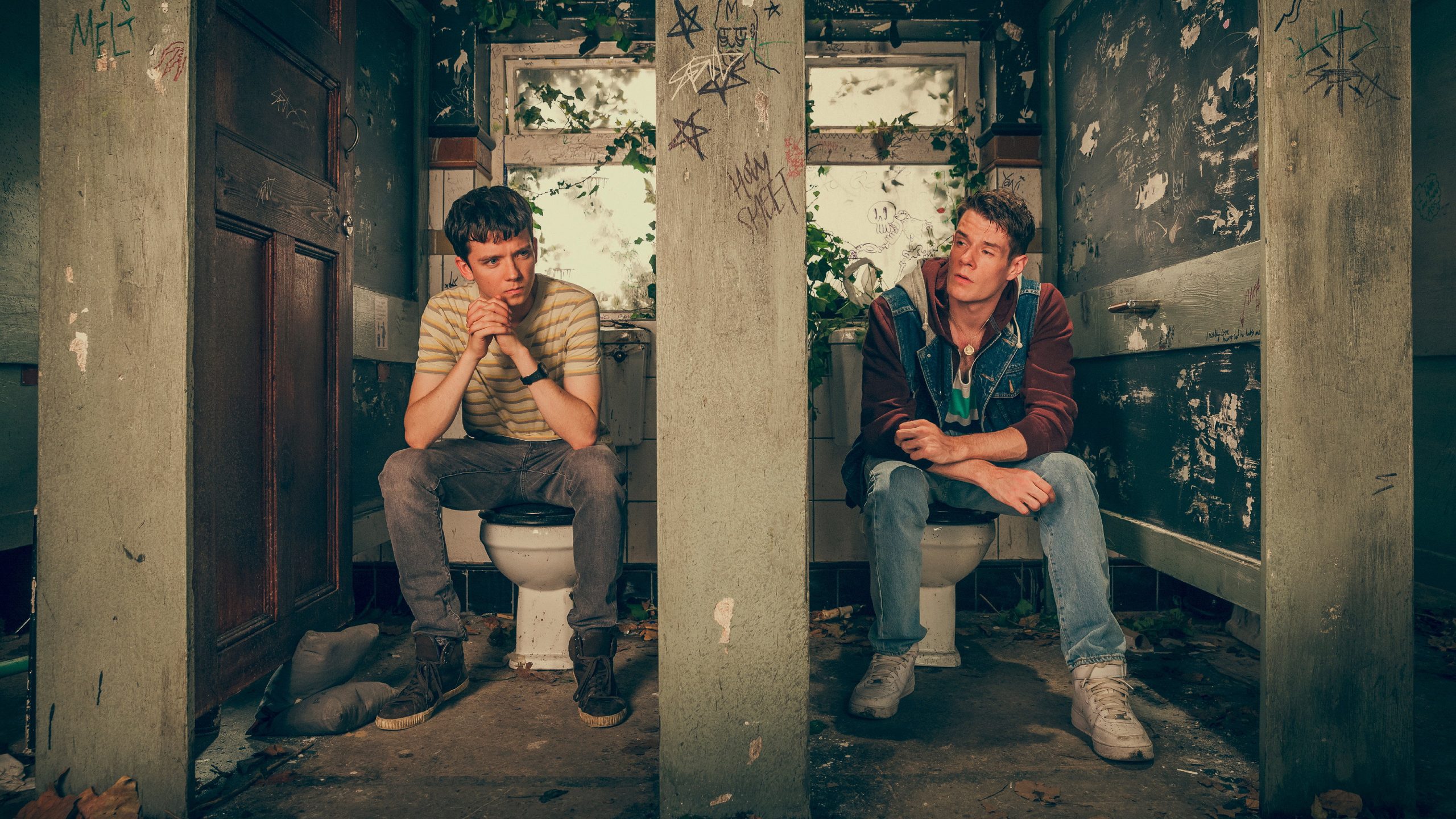
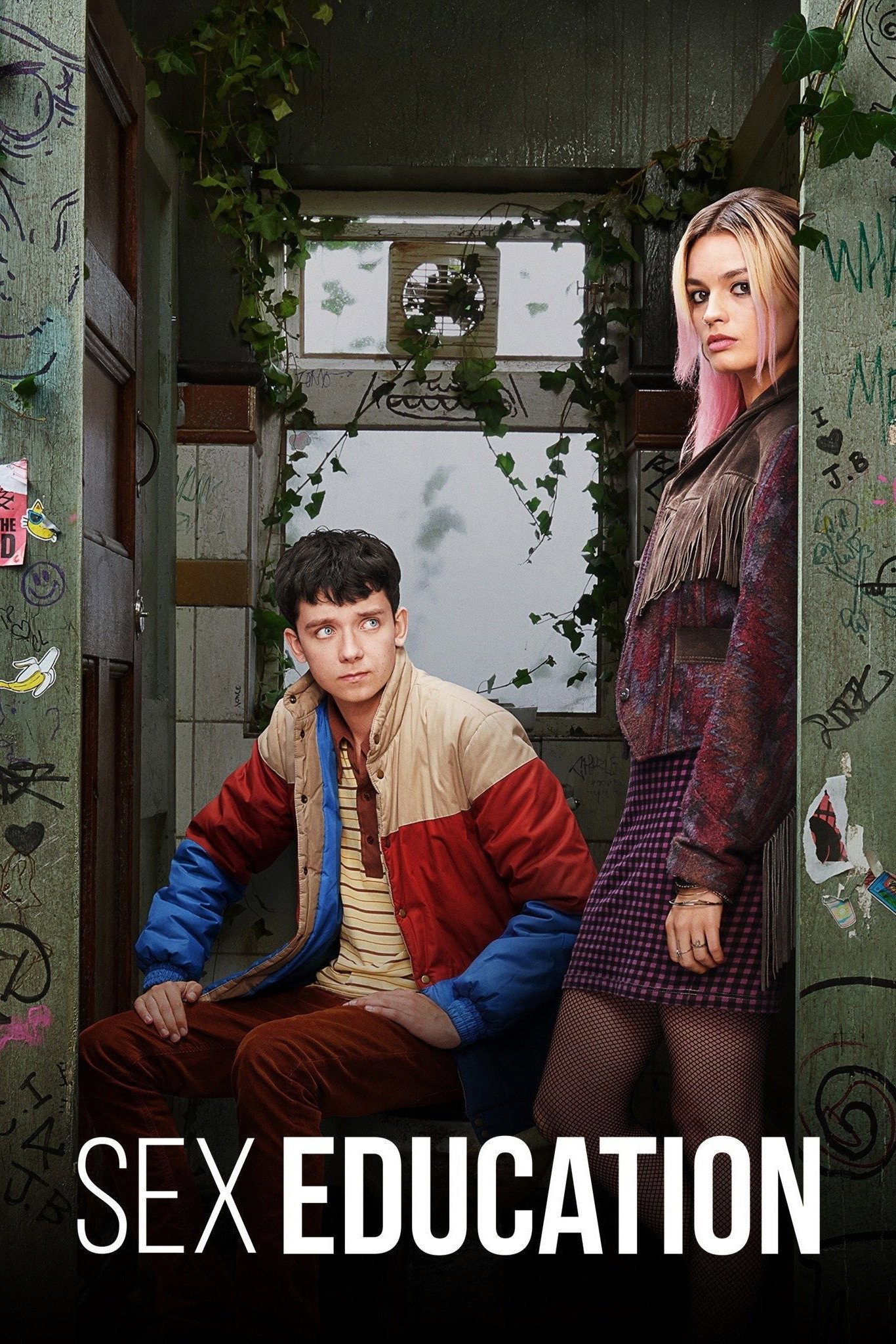
Laurie Nunn’s series has a premise that sounds like a sketch. Otis Milburn (Asa Butterfield) is a boy who cannot do the thing every other boy does alone, and he is the son of a sex therapist, Jean (Gillian Anderson), so he has the vocabulary without the experience. Maeve Wiley (Emma Mackey) notices that he can talk to people about sex without dying of it, and the two of them set up a paid clinic in a toilet block nobody uses. From that, over four seasons, Nunn and her writers build something good and kind about its subject, as British school television rarely is. We recommend it, with two caveats: it is at its best in the first two seasons, and Otis is the weakest person in it.
The first thing you notice is that nobody went to this school. Samantha Harley and Paul Spriggs have built a comprehensive out of American parts: rows of lockers, varsity jackets, a wood that looks borrowed from a fifties picture. Jean’s house is a large timbered place hung with erotic prints. Jamie Cairney and Oli Russell shoot all of it in warm, saturated colour, and it seems never to rain. The place is only England when someone speaks, and that is deliberate: it lets the show be frank without being grim.
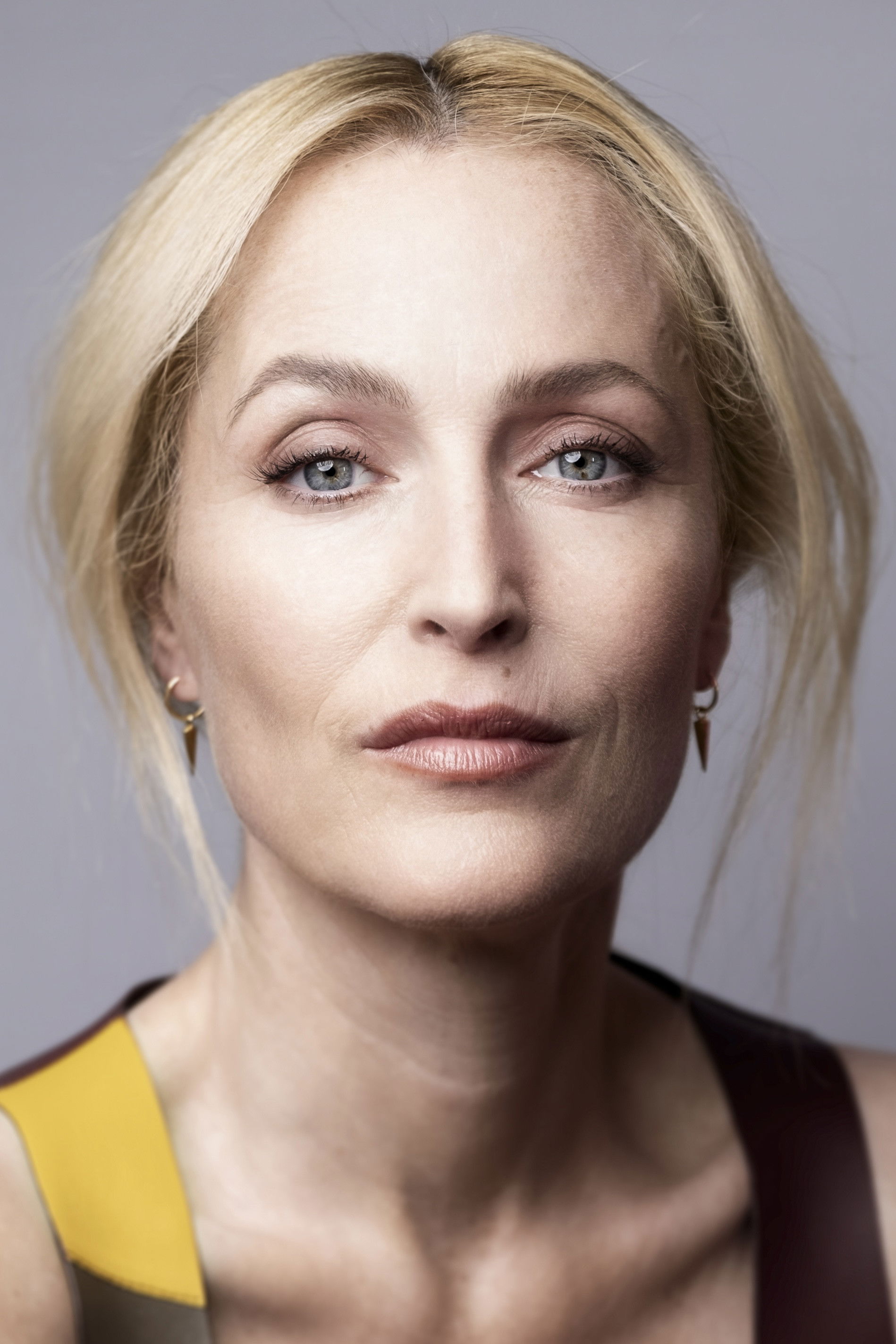
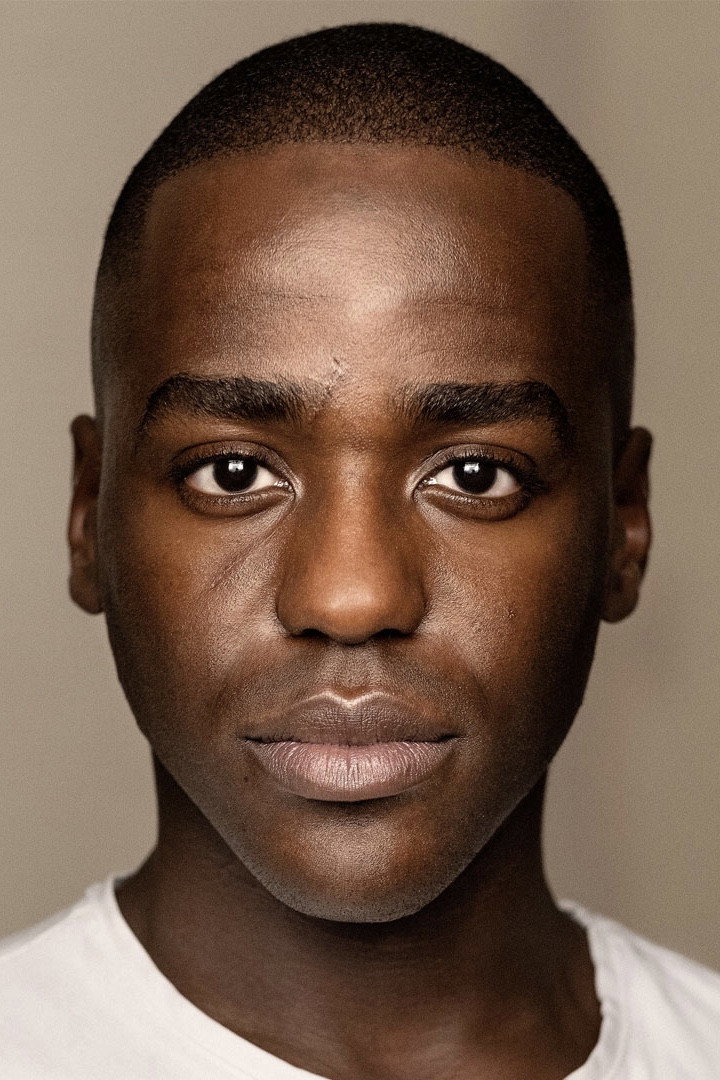
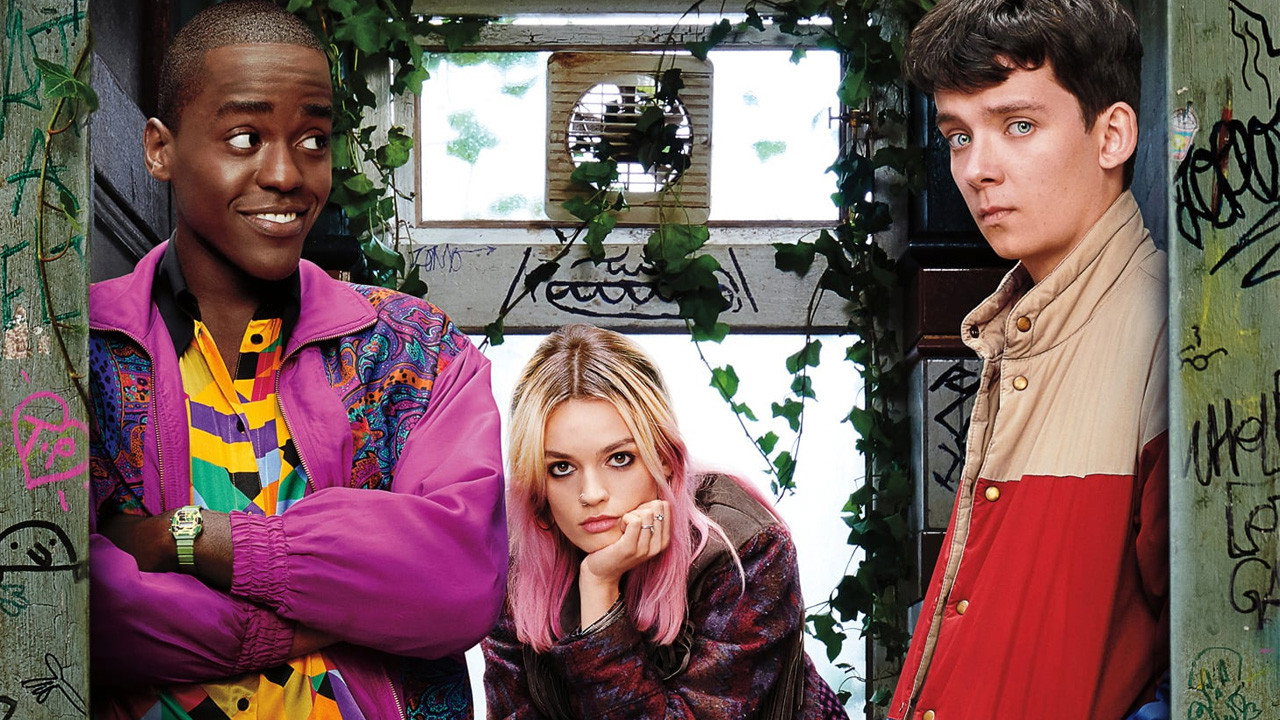
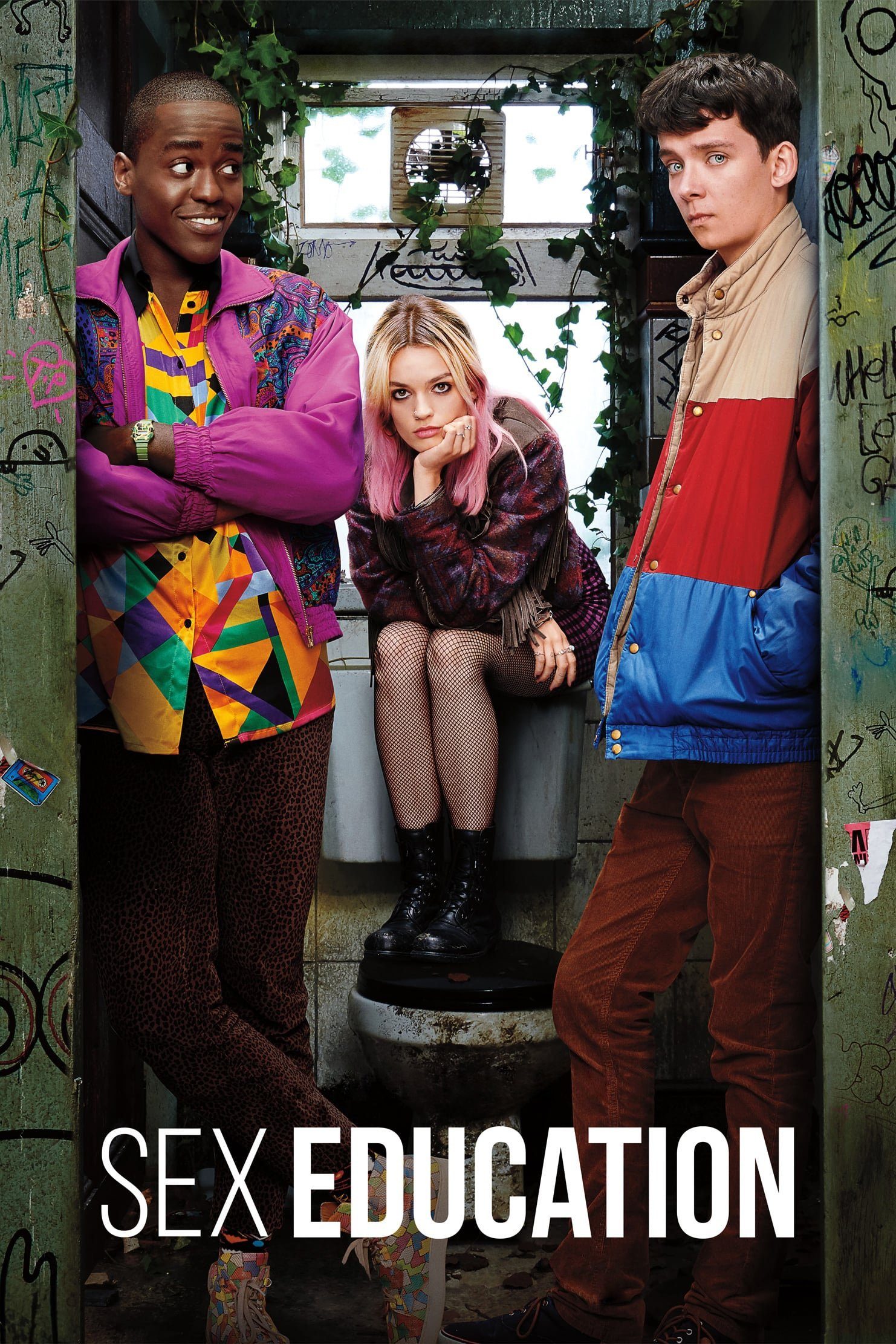
Anderson is the reason many will start, and she is worth it. She plays Jean as a woman who is professionally frank and privately hopeless, interrogating her son’s friends over toast and failing to notice her own life. Ncuti Gatwa’s Eric Effiong is the reason people will keep going. Gatwa dresses like a firework and plays Eric as a boy who has decided to be joyful because the alternative is unthinkable, and whenever an episode flags, Ben Taylor or Kate Herron cuts to him and it lifts. Mackey gives Maeve a stillness the rest of the cast does not have; she is tired in a way teenagers are rarely allowed to be on screen.
The clinic gives each episode a shape. Somebody cannot climax, or can only climax alone, or a photograph has gone where it should not, and Otis, badly, tries to help. The writing staff is wide (Freddy Syborn, Temi Wilkey, Laura Neal, Richard Gadd, Mawaan Rizwan) and the tone is steady across them: rude, precise and never cruel to the person with the problem. Steve Ackroyd and the other editors open episodes cold on a couple mid-act, and the joke is nearly always that the act is going wrong. Oli Julian’s music is bright and bouncy and promises it will be all right, and it usually is.
The moment that got past us belongs to Aimee Lou Wood. Her Aimee Gibbs starts as the popular girl who has never had a serious thought. Something happens to her in the second season that we will not describe, and the series handles it with no speeches at all, and one scene of six girls doing something ordinary together that undid us. It did so because nobody on screen explains what is happening; they just turn up. Connor Swindells does something similar with Adam Groff, the bully, whom he plays as a large sad boy rather than a threat.
Otis is the problem. Butterfield does what he is asked, but what he is asked gets worse each season: the character becomes self-righteous, mopey and a poor friend, and the show cannot decide whether it has noticed. The will-they-won’t-they with Maeve is kept going longer than it can bear. The later seasons add Thaddea Graham, Anthony Lexa and Dua Saleh, and each new person is handed a subject to carry, until episodes feel like a well-meaning syllabus. The final eight, in 2023, are the weakest, and by then we were a little tired of being taught.
Set against Skins and The Inbetweeners, this is the one that likes its teenagers, and it is easily the best made. Most critics rated it higher than we do; they were reviewing the first season, which deserved it. Watch it with the teenager in your house, if you have the nerve. They will already have seen it.