Skins is funny, abrasive and more sympathetic to its teenagers than its appetite for shock suggests. The plotting is often predictable, but the dialogue and performances make the company worth keeping.
Skins is good company if a noisy, aggravating teenage comedy-drama is what the evening calls for. Its dialogue and cast justify the time, even when its plots are doing something we have seen coming. Creators Bryan Elsley and Jamie Brittain follow Bristol A-level students through college, parties, sex and drugs, refusing to make good behaviour a condition of our interest. The question is how much we can care about them once the initial amusement at their misbehaviour wears off.
The dialogue is the main reason to stay. Jack Thorne and Lucy Kirkwood are among the writers, and the scripts understand how adolescent self-importance can share a sentence with doubt. We felt unexpectedly protective of these irritating people. Their speech keeps exposing how unsure they are, even when they sound pleased with themselves, and the jokes leave enough room for that discomfort.
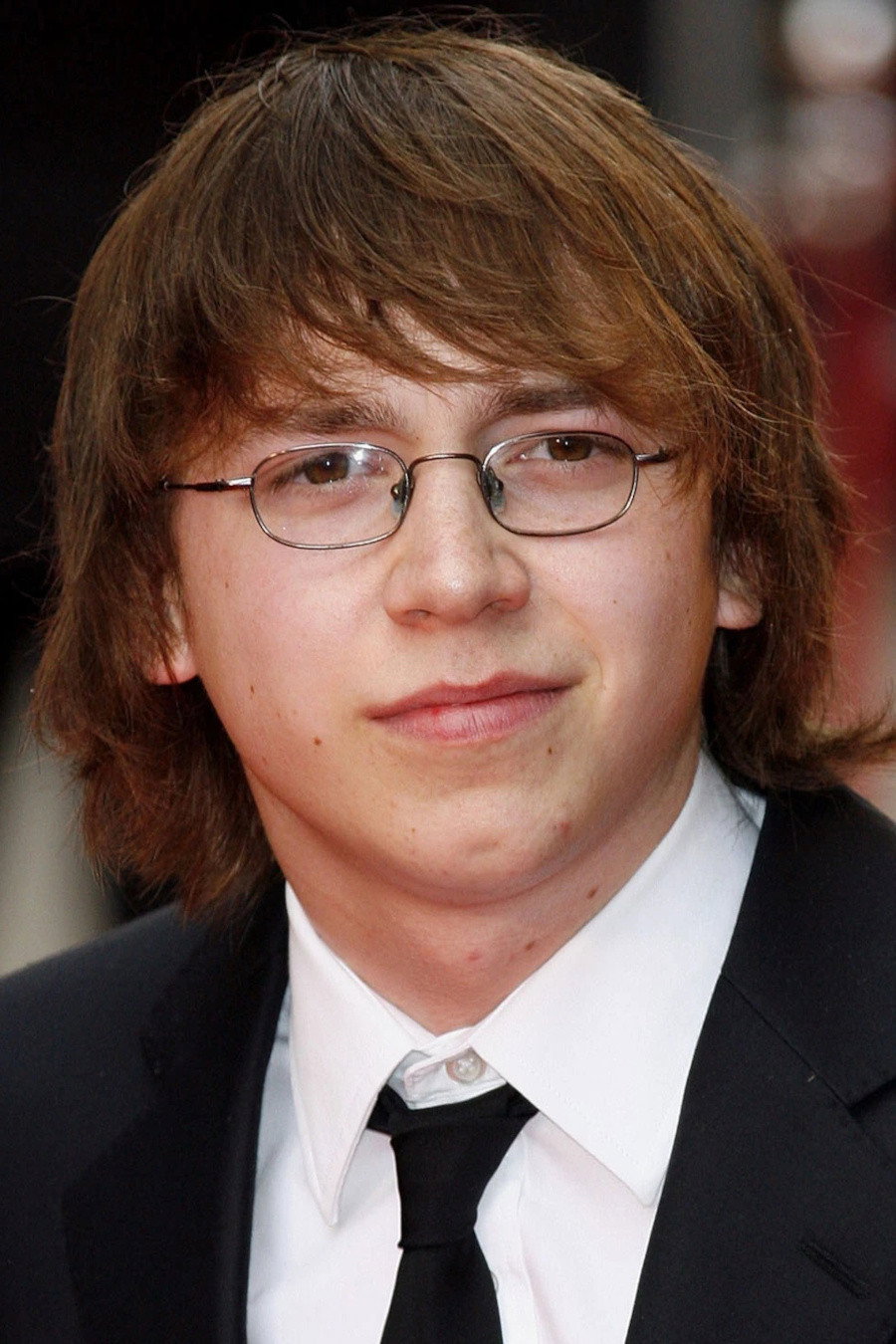
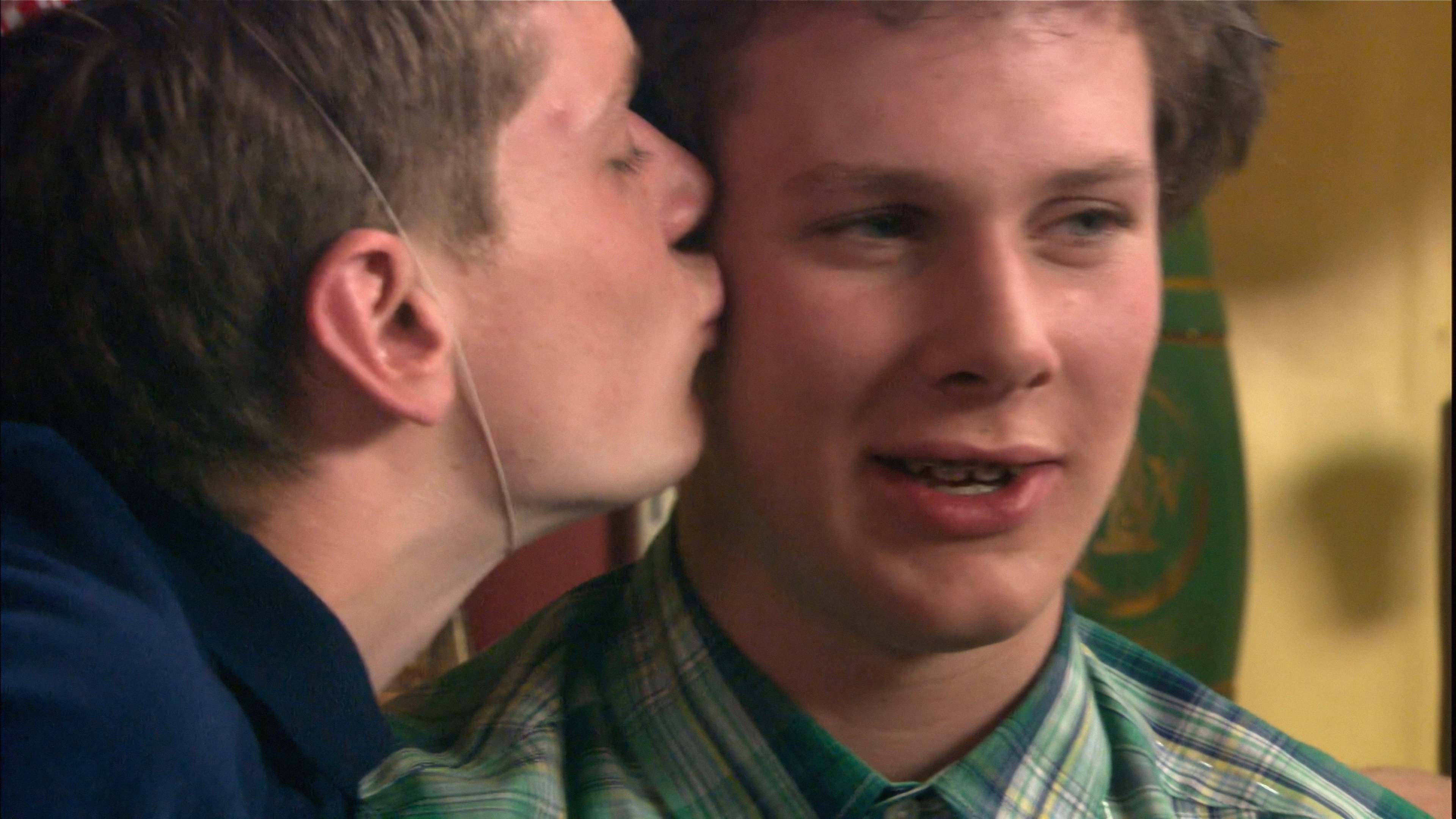
Nicholas Hoult’s Tony Stonem is an arresting presence, though Mike Bailey’s Sid Jenkins makes the warmer impression. Neither performance needs us to find the character agreeable all the time. April Pearson as Michelle Richardson, Joe Dempsie as Chris Miles and Larissa Wilson as Jal Fazer give the ensemble enough variety to keep its abrasiveness from becoming monotonous. The casting is less persuasive as a broad picture of teenage life: there is a social narrowness here that the amount of bad behaviour cannot disguise.
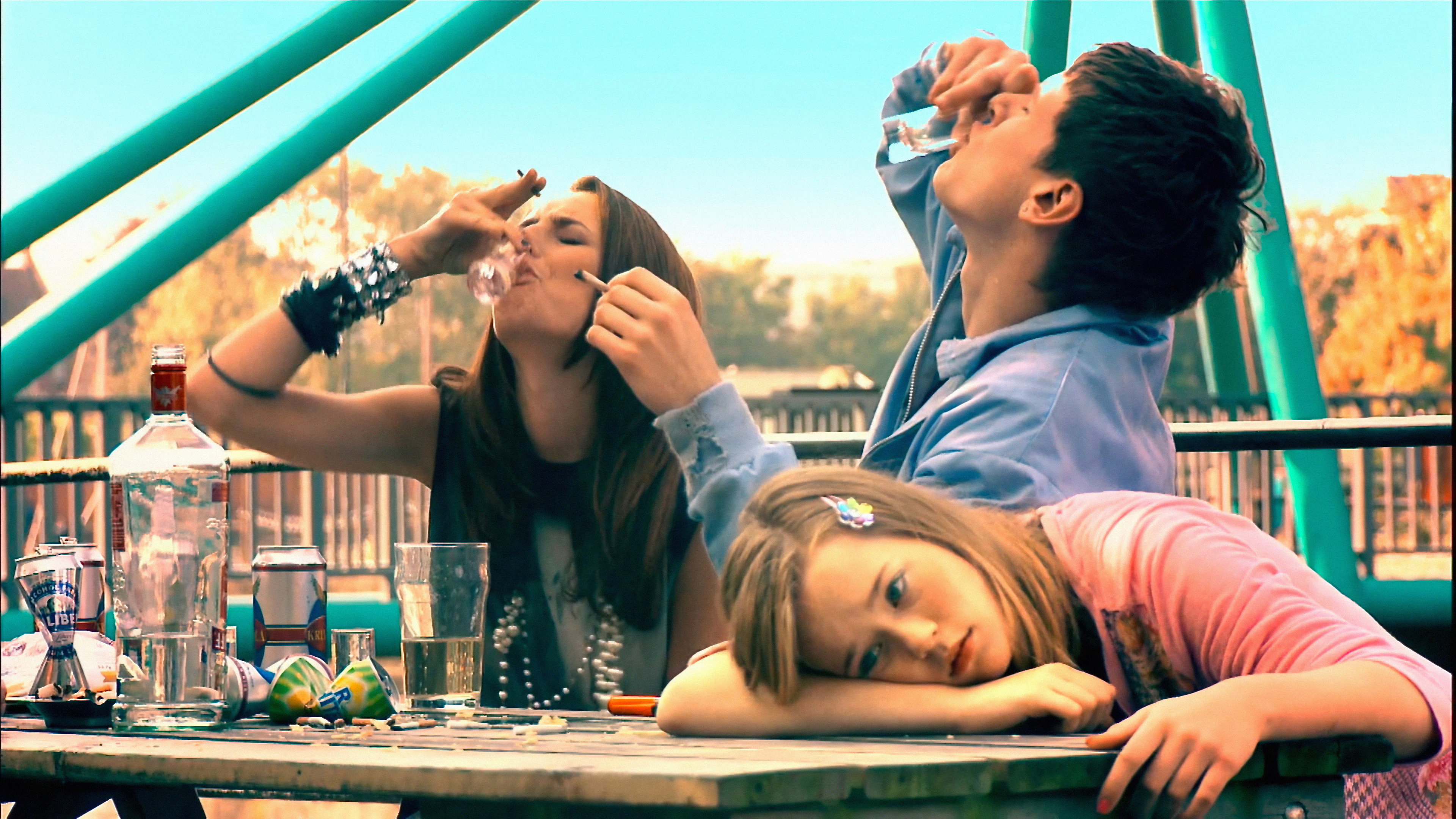
Sam Care’s cinematography and Matthew Robert Cooper’s music serve the programme’s considerable energy. The partying has the necessary appeal: it is easy to understand why these people want to be there. That matters in a drama which could otherwise spend all its time condemning its characters for enjoying themselves. The presentation is most useful when it draws us into their company rather than simply insisting that we notice how badly they are behaving.
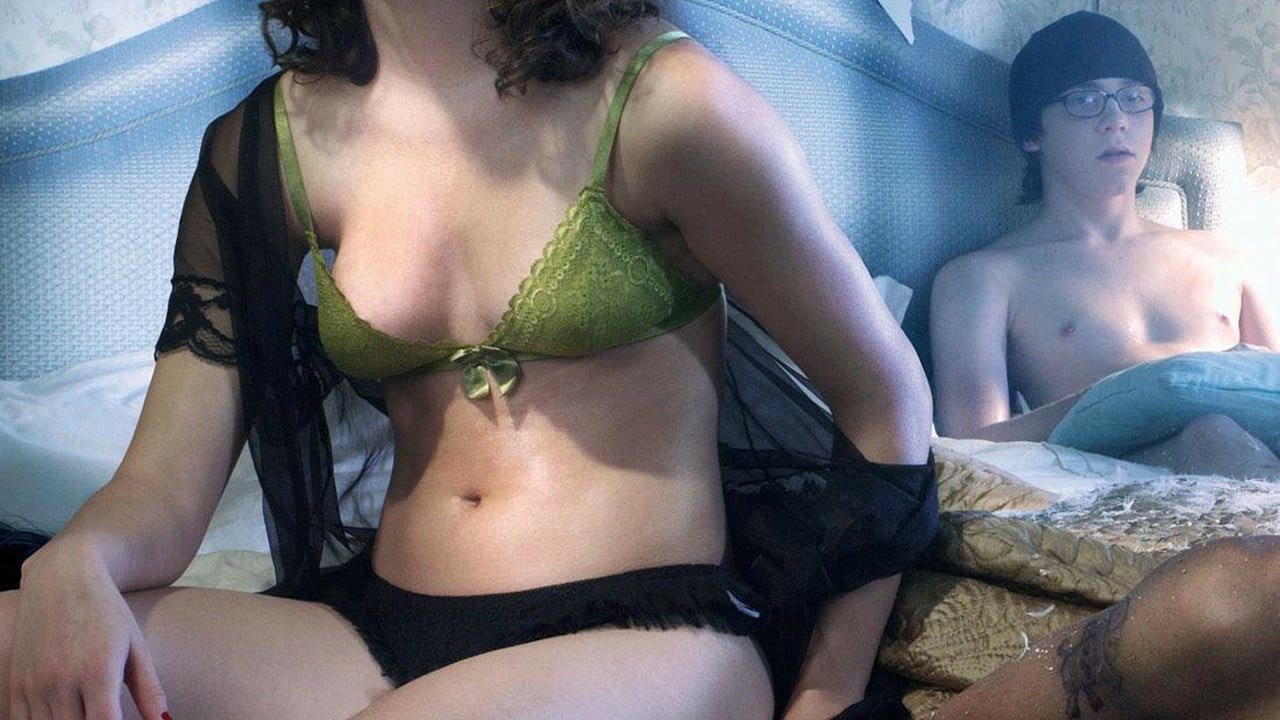
This is where Elsley and Brittain’s approach becomes wearing. The sex and drug use would be less tiring if the programme did not keep treating them as sufficient reason to pay attention. There are stretches when the teenagers seem selected from a stock list, then sent towards equally familiar difficulties. By then we depend on the cast to make us care about what is coming, because the writing has made it too easy to guess.
Against the standards of teenage drama, its sympathy is worth something. A programme about adolescence should be allowed to find young people funny, selfish and difficult without deciding that they deserve whatever happens to them. Skins generally manages that, and its comedy is better for it. It is also more involving when it lets embarrassment or uncertainty matter than when it seems anxious to prove how far it can go.
Give it an evening for the cast, with some patience for the plotting. The teenagers can be exhausting, and the programme does not always know when to leave them alone. Being glad not to be that age is a perfectly reasonable response.