Ann Biderman’s Los Angeles police series is at its best in a patrol car with Michael Cudlitz and Ben McKenzie, handheld, almost unscored, shot in hard daylight. In the detectives’ office it is a cop show you know. Worth your evenings, with that caveat.
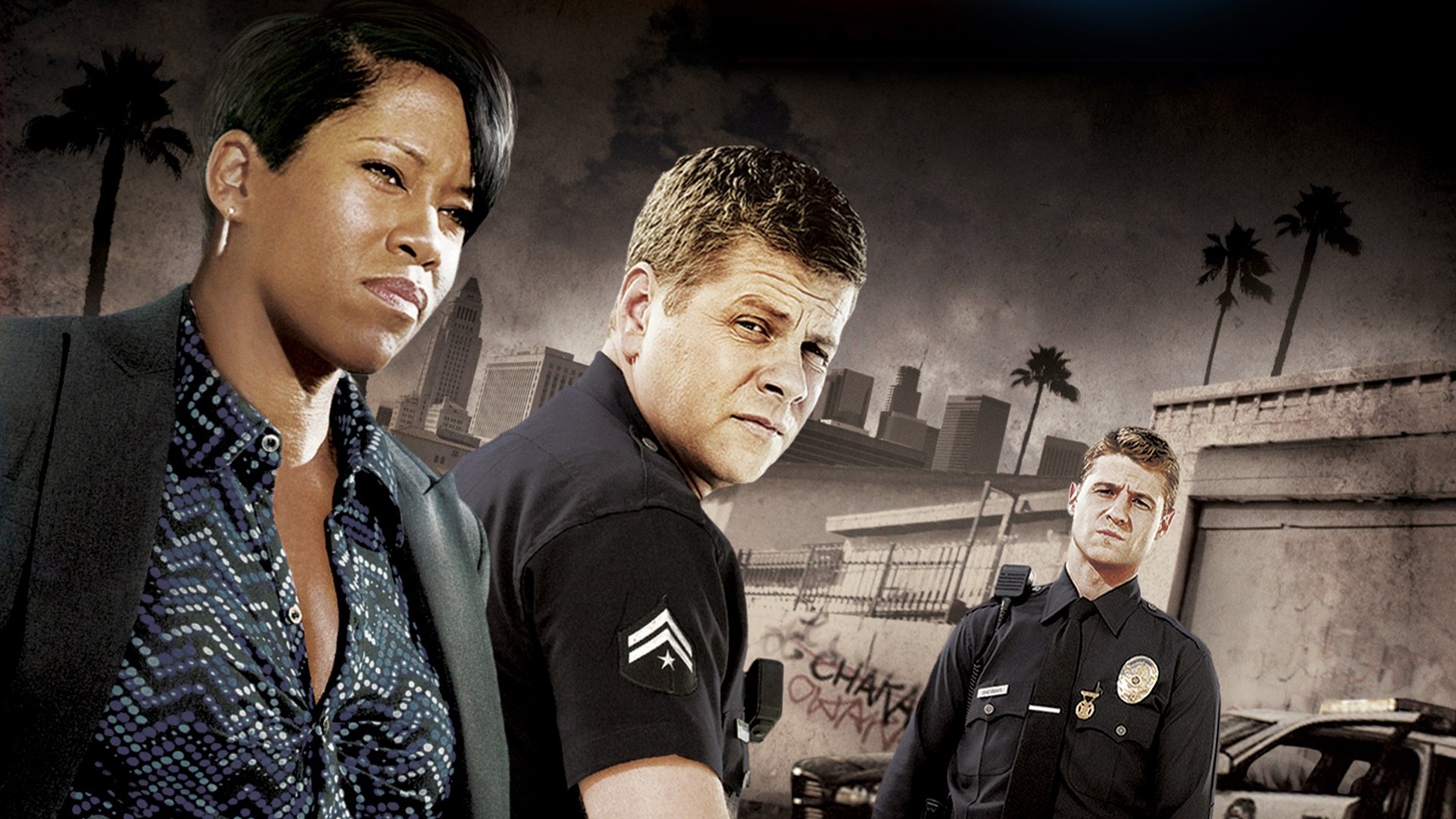
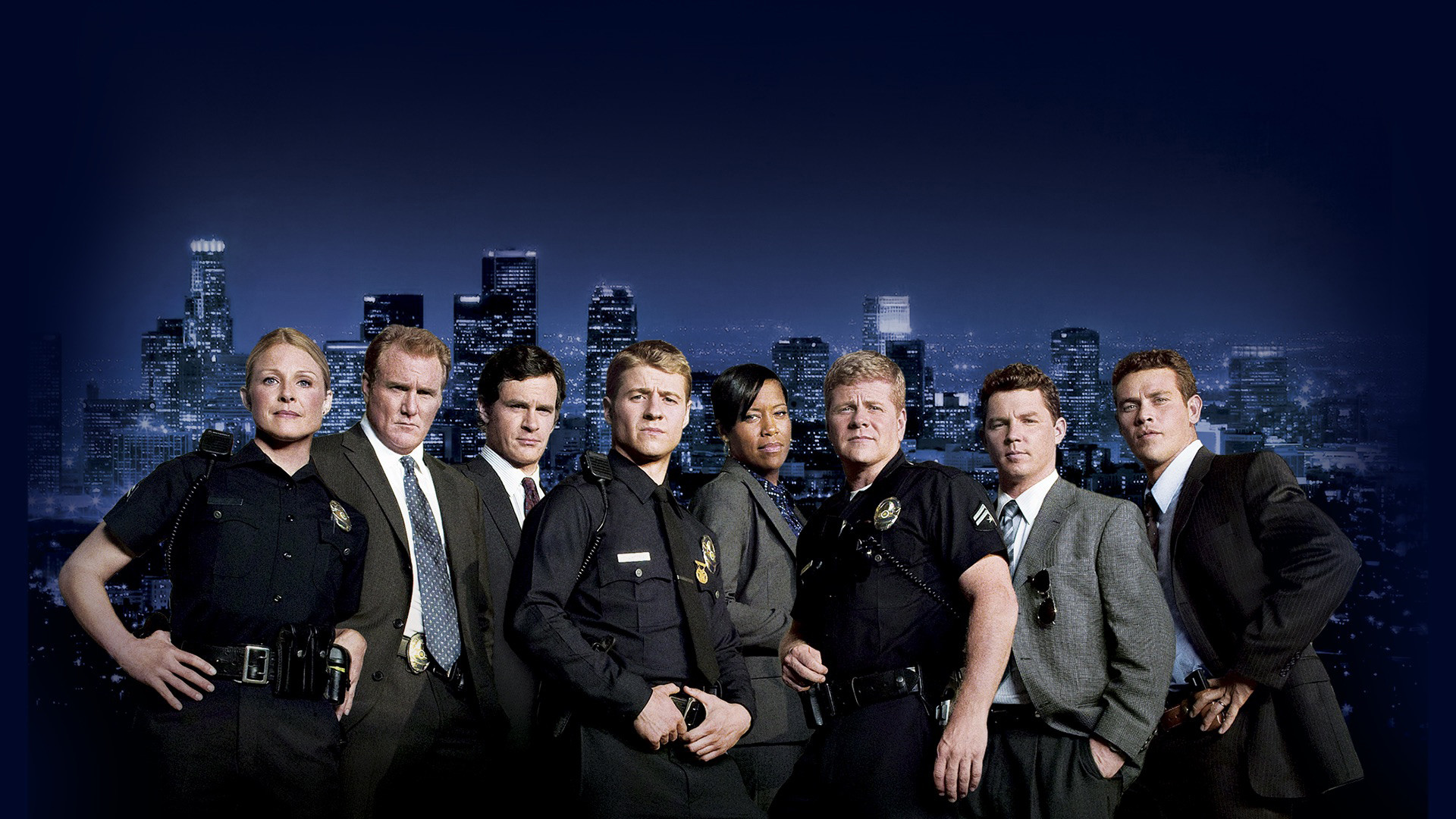
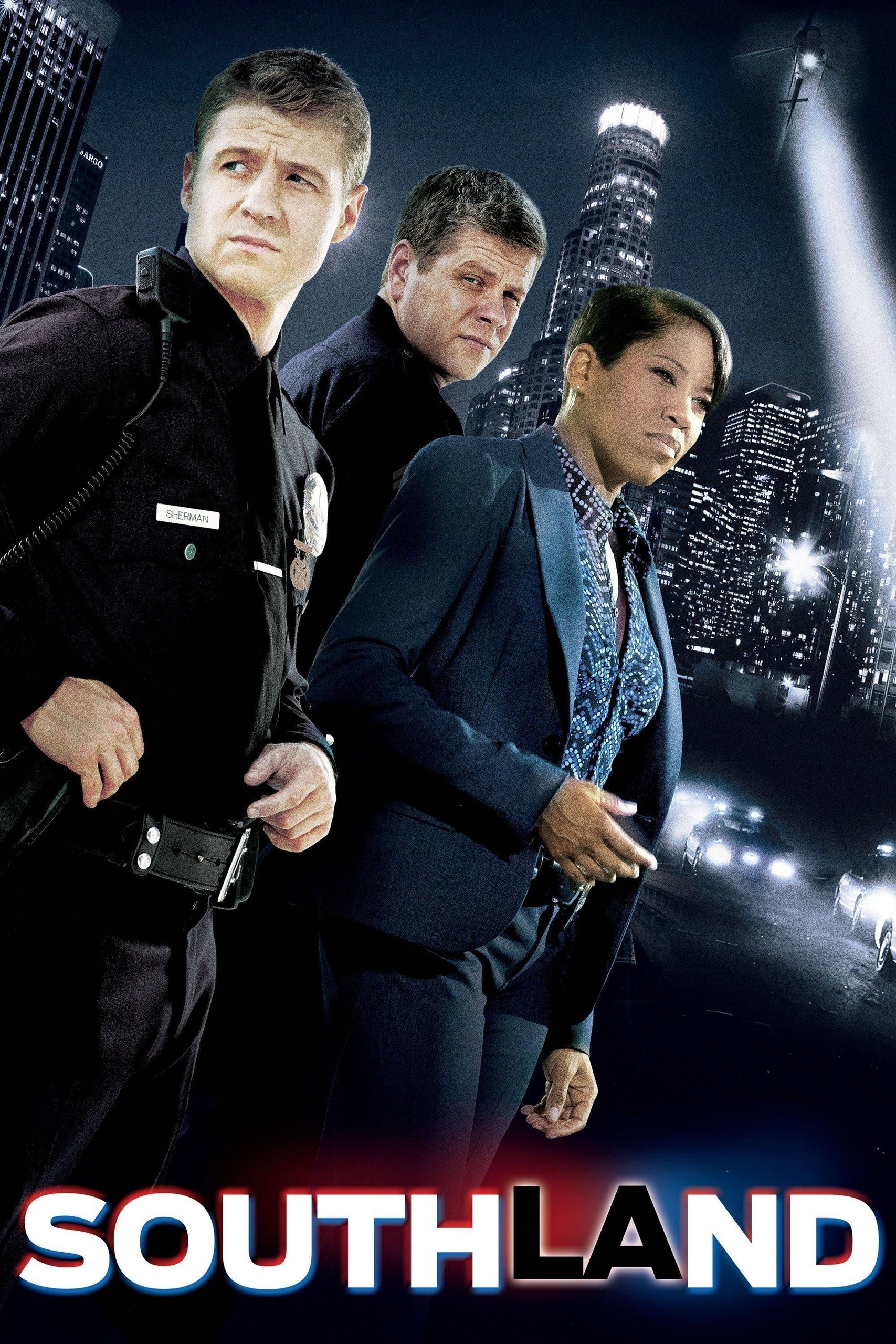
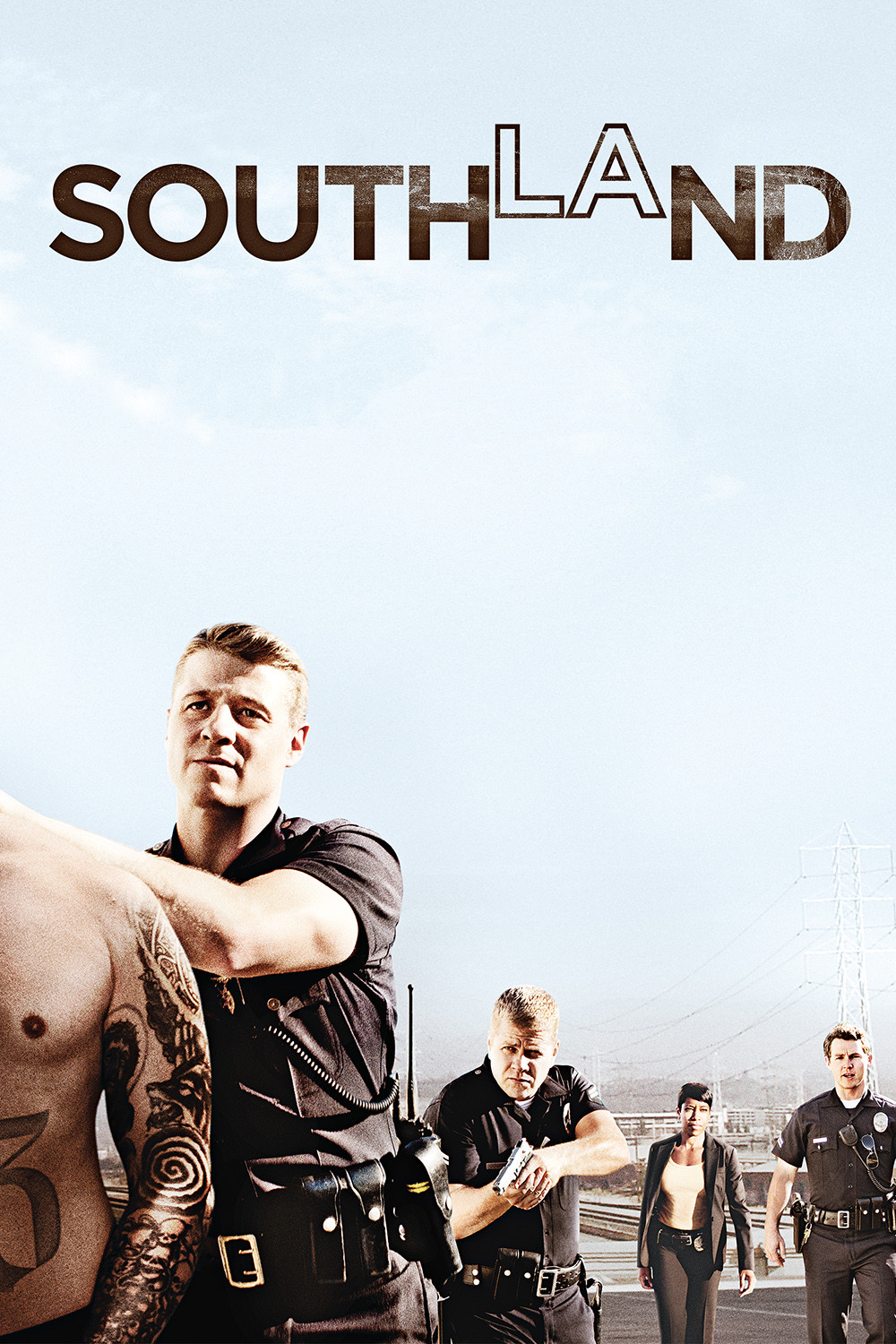
Ann Biderman’s Southland opens the way every episode will: a freeze-frame, a dry voice telling us what the man in the picture is about to learn, and then a patrol car pulling out into hard daylight. It is a Los Angeles police drama with nine regulars, produced by John Wells, and its first season ran to seven episodes in 2009. It looked like nothing else American network television was making at the time, and for long stretches it behaves like it. It is worth your evenings, with a caveat: it is two programmes stitched together, and only one of them is unusual.
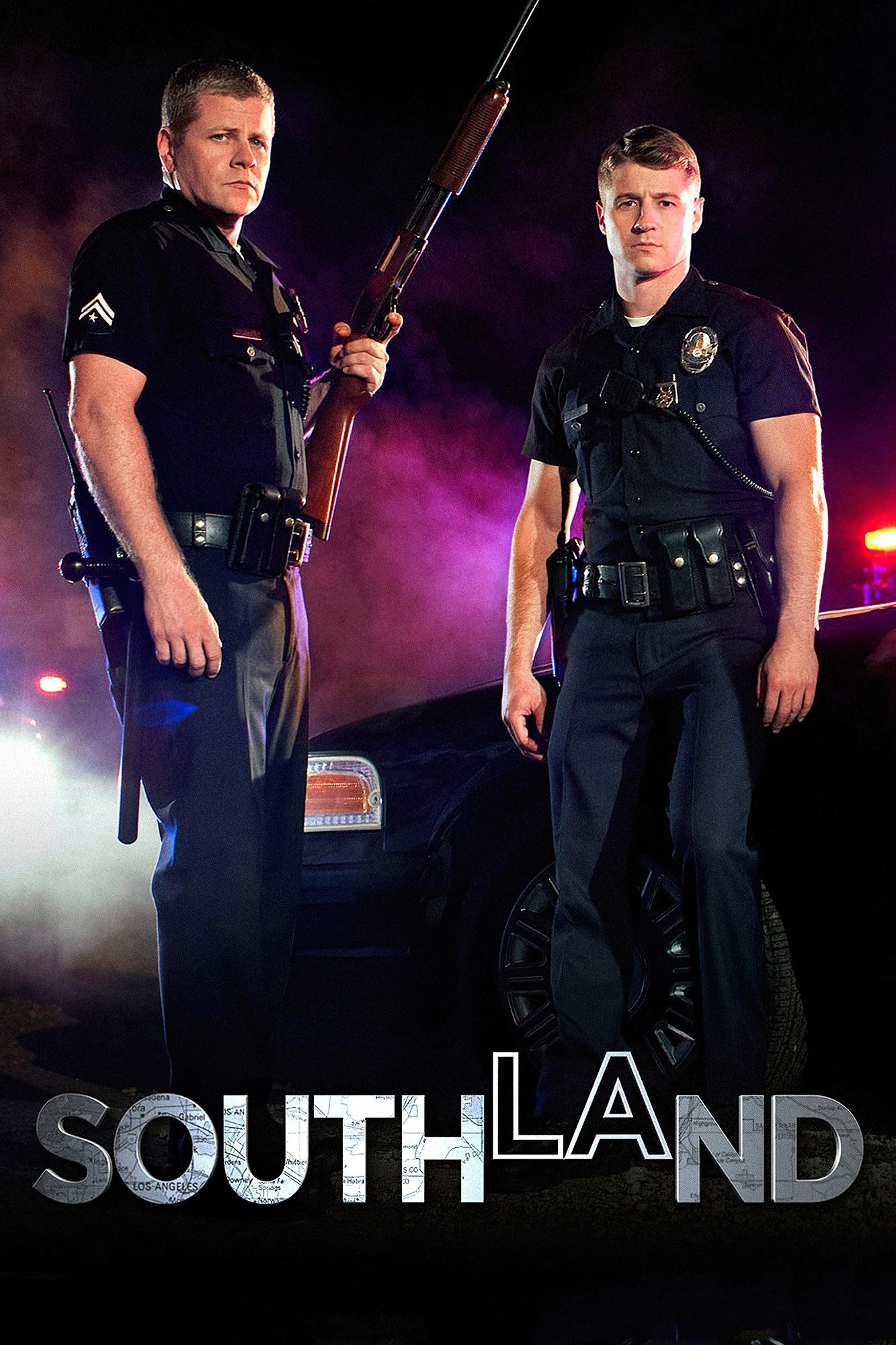
The unusual one is in the car. Officer John Cooper (Michael Cudlitz) is a training officer with a rule for everything, and Ben Sherman (Ben McKenzie) is the rookie he has been handed. The camera rides with them, handheld, usually over a shoulder, and it does not know where the trouble is coming from any more than they do. There is next to no music. Radio chatter, engine noise and shouting do the job a score would do elsewhere, and the swearing is bleeped, which sounds like a network compromise and ends up as part of the sound: you hear the shape of the word and the anger under it. Christopher Chulack, Nelson McCormick, Allison Anders and the other directors keep the light flat and the shots short, and a traffic stop at noon is more frightening here than most car chases at midnight.
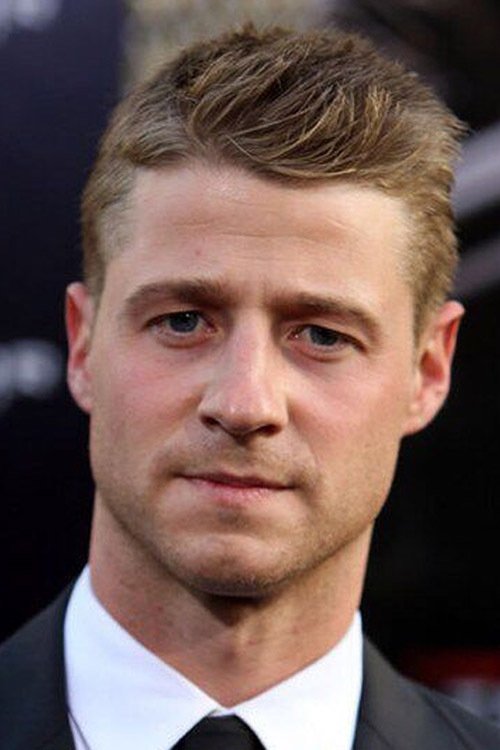
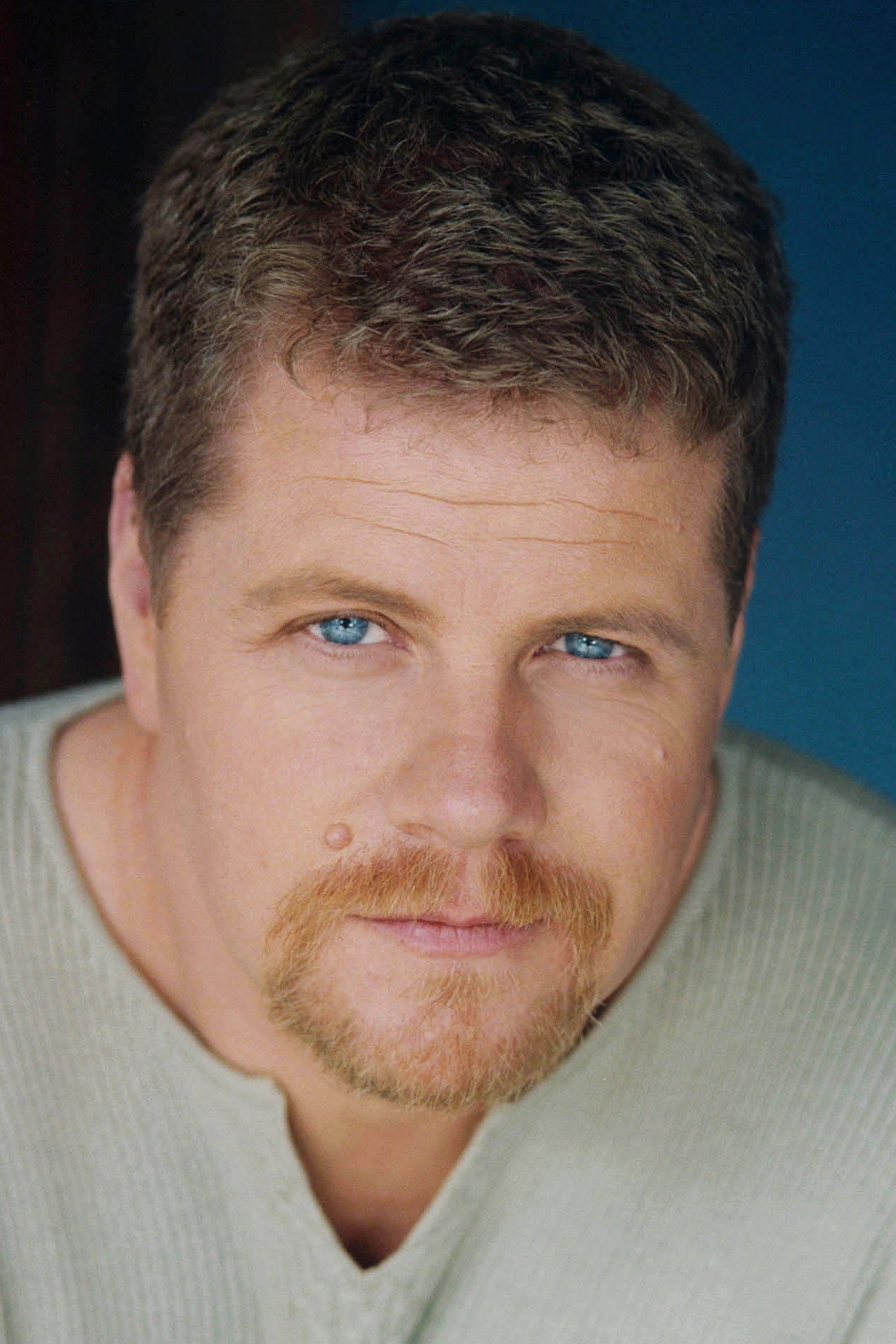
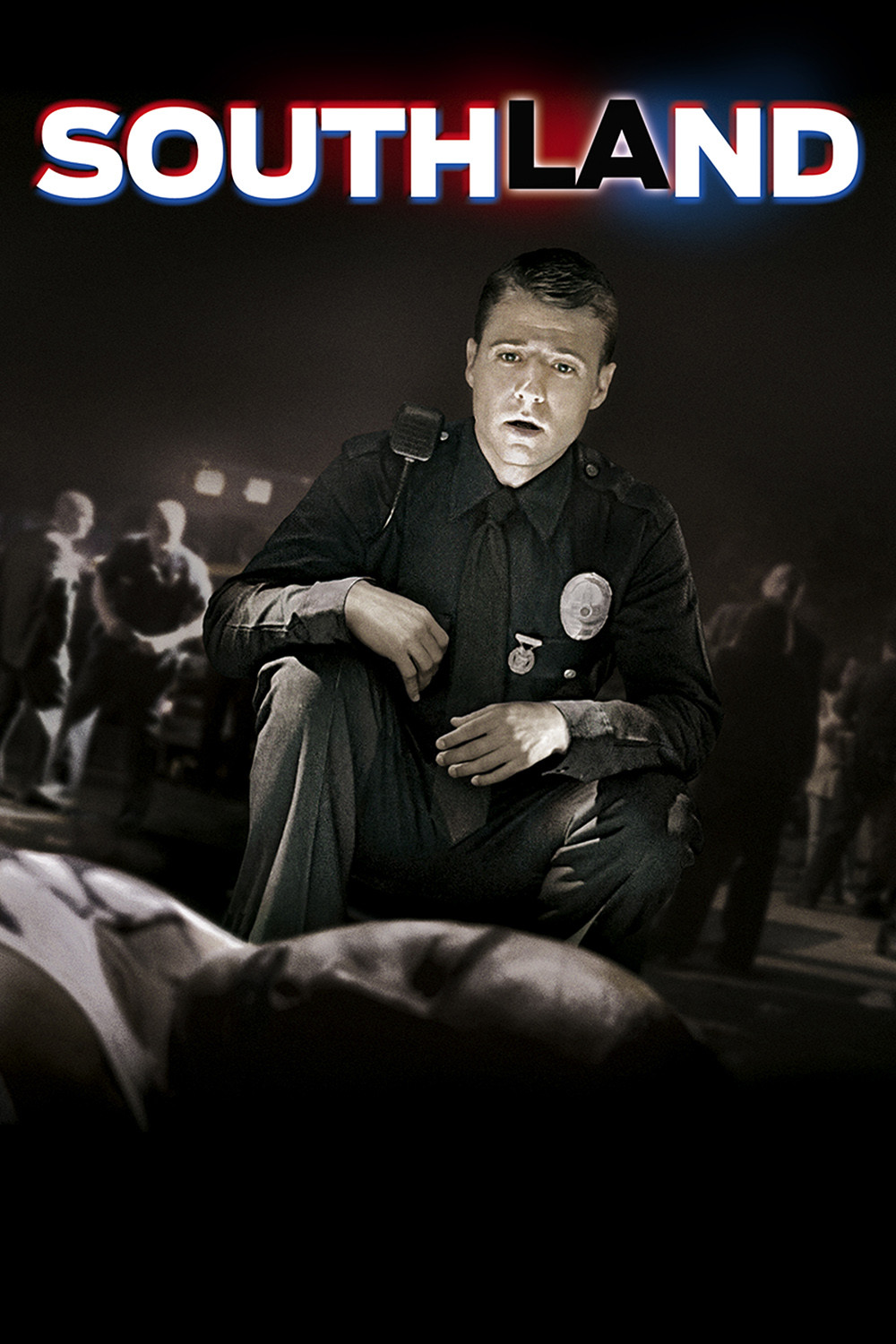
We were tenser through those first hours than a network cop show has any right to make us, and most of that is Cudlitz. He plays Cooper as a man who is usually right and never pleased about it, and he shows us the effort of staying patient with a partner who could get him killed. When he does lose his temper the show does not underline it. McKenzie has the face for money, which is the point, and he spends most of the first season being appraised, by Cooper, by the people on the pavement, by the camera. He holds up.
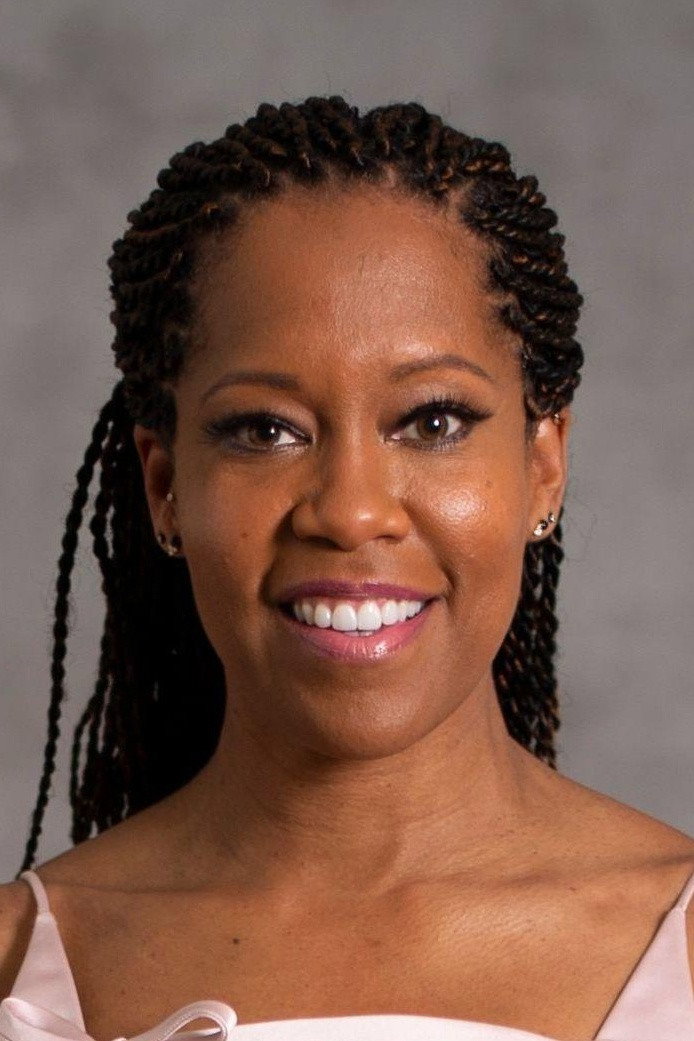
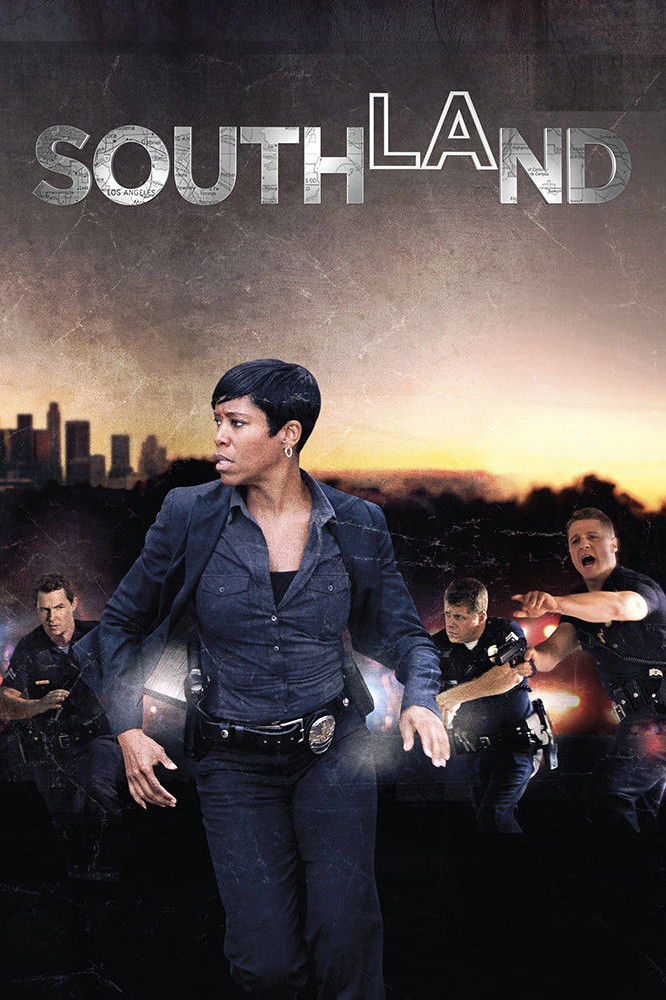
Regina King’s Detective Lydia Adams is the other reason to stay. She works homicide with Russell Clarke (Tom Everett Scott), and Biderman’s writers, among them Robin Green, Mitchell Burgess, Dee Johnson and Angela Amato Velez, give her the cases that hurt. King plays her tired and exact. She is at her best in the interview rooms, where the show finally stops moving and lets her listen, and her stillness moved us more than any of the shootings did, because everyone else in the programme is in a hurry and she has decided not to be.
The second programme is the detectives’ office, and you have seen it. Nate Moretta (Kevin Alejandro) and Daniel Salinger (Michael McGrady) work gang cases in scenes that would slot into any procedural of the previous twenty years, briefing, door, interrogation, and cutting between their strand and the patrol car only makes the gap obvious. Sammy Bryant (Shawn Hatosy) is given a marriage in trouble and plays it hard, but the writing gives him a wife rather than a character. Chickie Brown (Arija Bareikis) and Dewey Dudek (C. Thomas Howell) are barely there in the first season, and it takes the show a while to find a use for either. Seven episodes are not enough for nine regulars, and the second season, at six, does not help.
The obvious ancestors are Hill Street Blues and NYPD Blue, which also ran a squad room’s worth of cops through overlapping cases, and the obvious rival is The Shield, which got to the handheld camera and the sunlight first. Southland is less violent than The Shield and less interested in corruption. Its cops are mostly trying, and the series is about what the trying costs them. That is a smaller idea, and over five seasons it wears better than we expected. The narrator we never made peace with. Telling us at the top of every episode what somebody is about to learn belongs to a cornier programme, and this one is better than that.
Watch the first two episodes back to back. If the car has you, the office will not put you off, and by the third season the show has worked out which of its nine cops it most wants to look at.