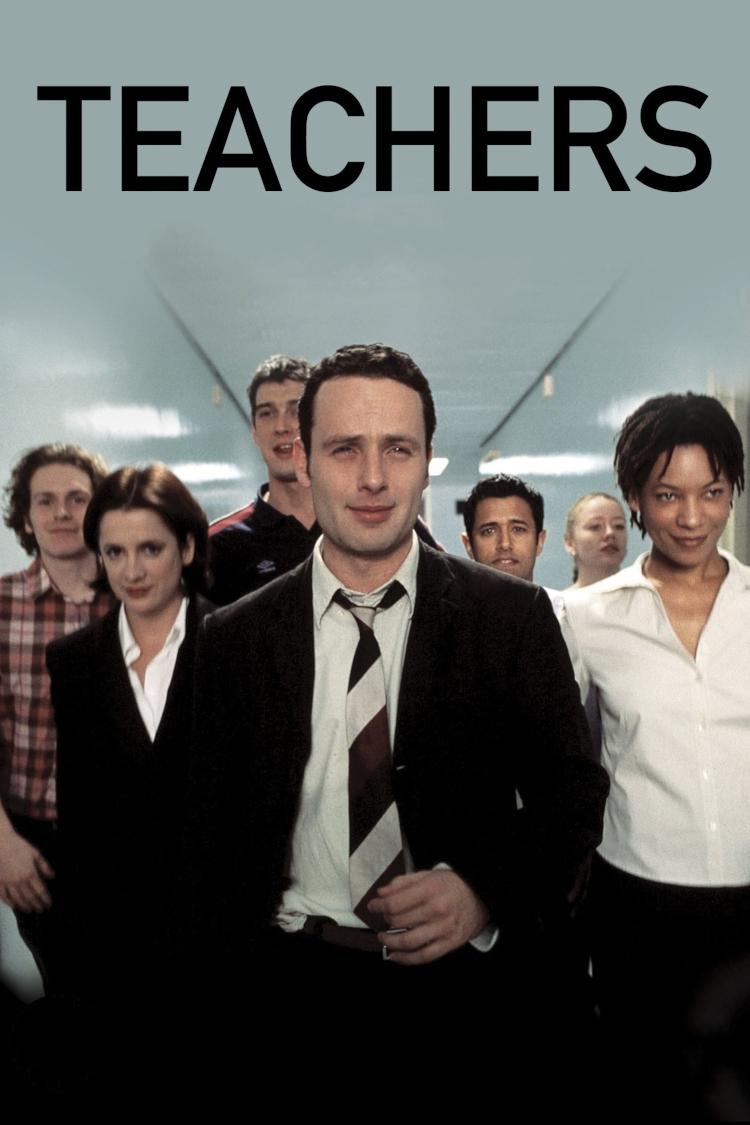
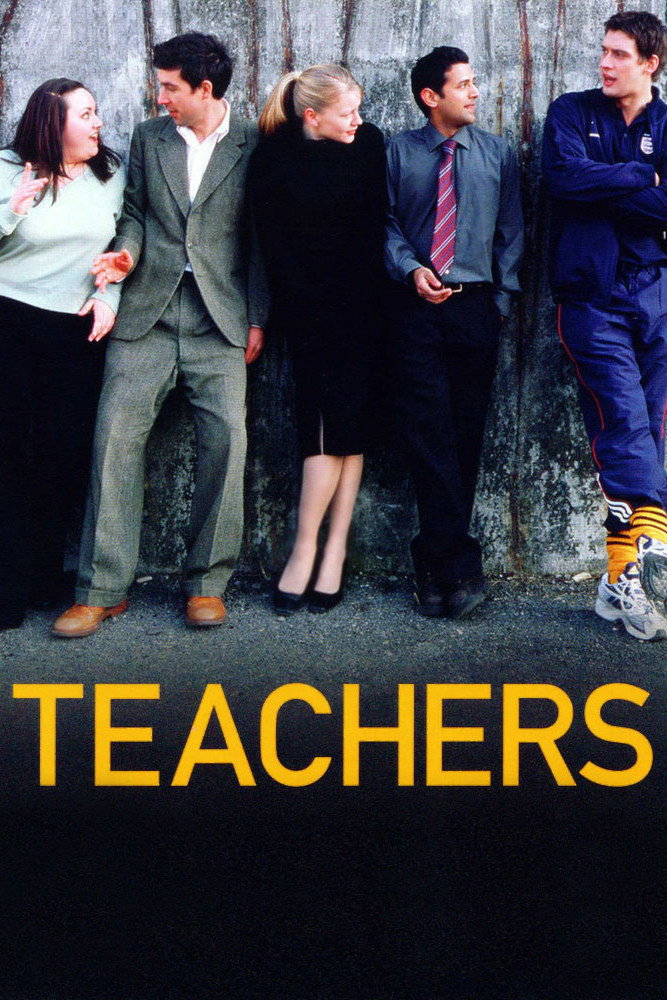
Tim Loane’s staffroom comedy-drama treats teachers as the overgrown pupils they are, and for two series it is as sharp and sly as British television of its time managed. Stay for Lincoln and Sosanya; do not feel obliged to stay to the end.
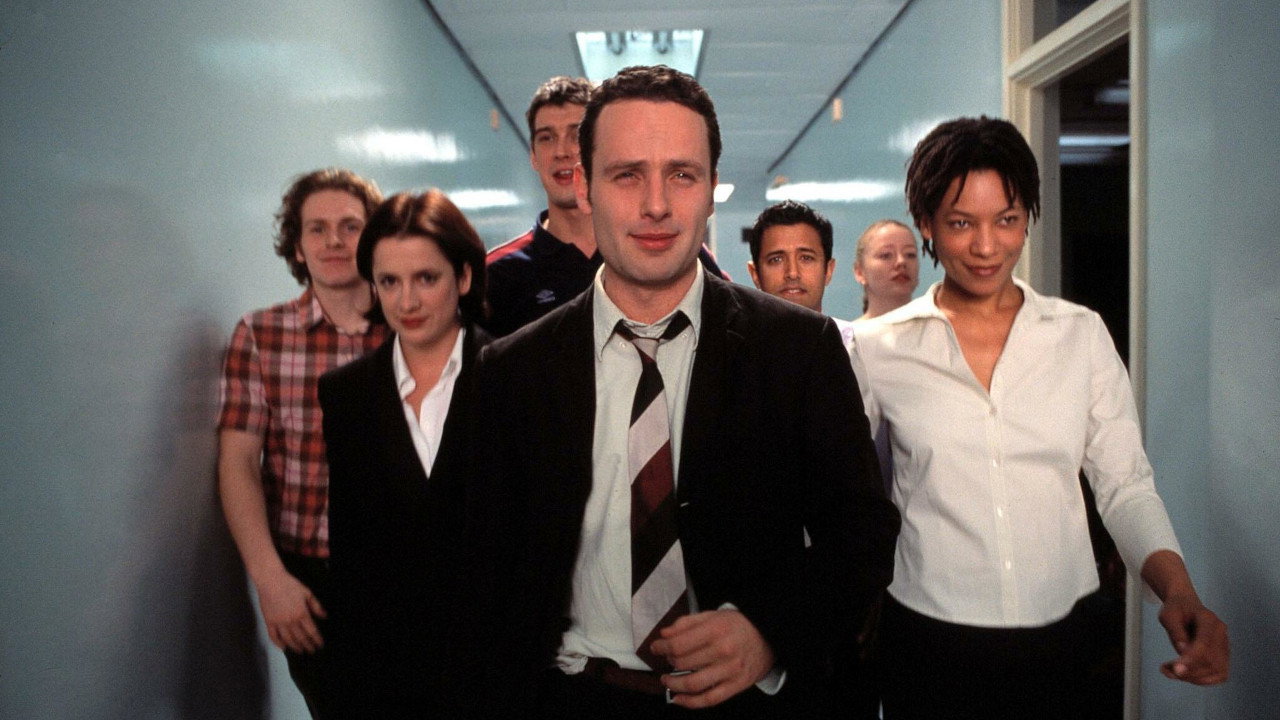
Tim Loane’s idea was a simple one and it held for two series: the teachers at Summerdown comprehensive are worse behaved than the children, and the programme will side with them anyway. Simon (Andrew Lincoln) teaches English, after a fashion. He arrives on a bicycle with a cigarette lit, avoids Clare (Gillian Bevan) whenever she has paperwork for him, and lies to everyone about how his lessons went. His colleagues are no better. The show is good, the first two series are close to excellent, and it goes off in the second half of its run in ways we will come to.
There is no glamour in the making of it, and that is the point. The school is scuffed lino, strip lights and a staffroom kettle nobody descales. What the directors, Jeremy Lovering and Susanna White among them, add is a second programme running silently in the background of the first: a donkey in a corridor, pupils in fancy dress for no reason anyone mentions, something happening outside a classroom window that belongs to no subject on the timetable. Nobody in the foreground reacts. It is the best running joke in the series and it never has a punchline. Between scenes the show cuts on a guitar song, and the songs do a good deal of the work of telling you these people are still in their twenties, whatever their birth certificates say.
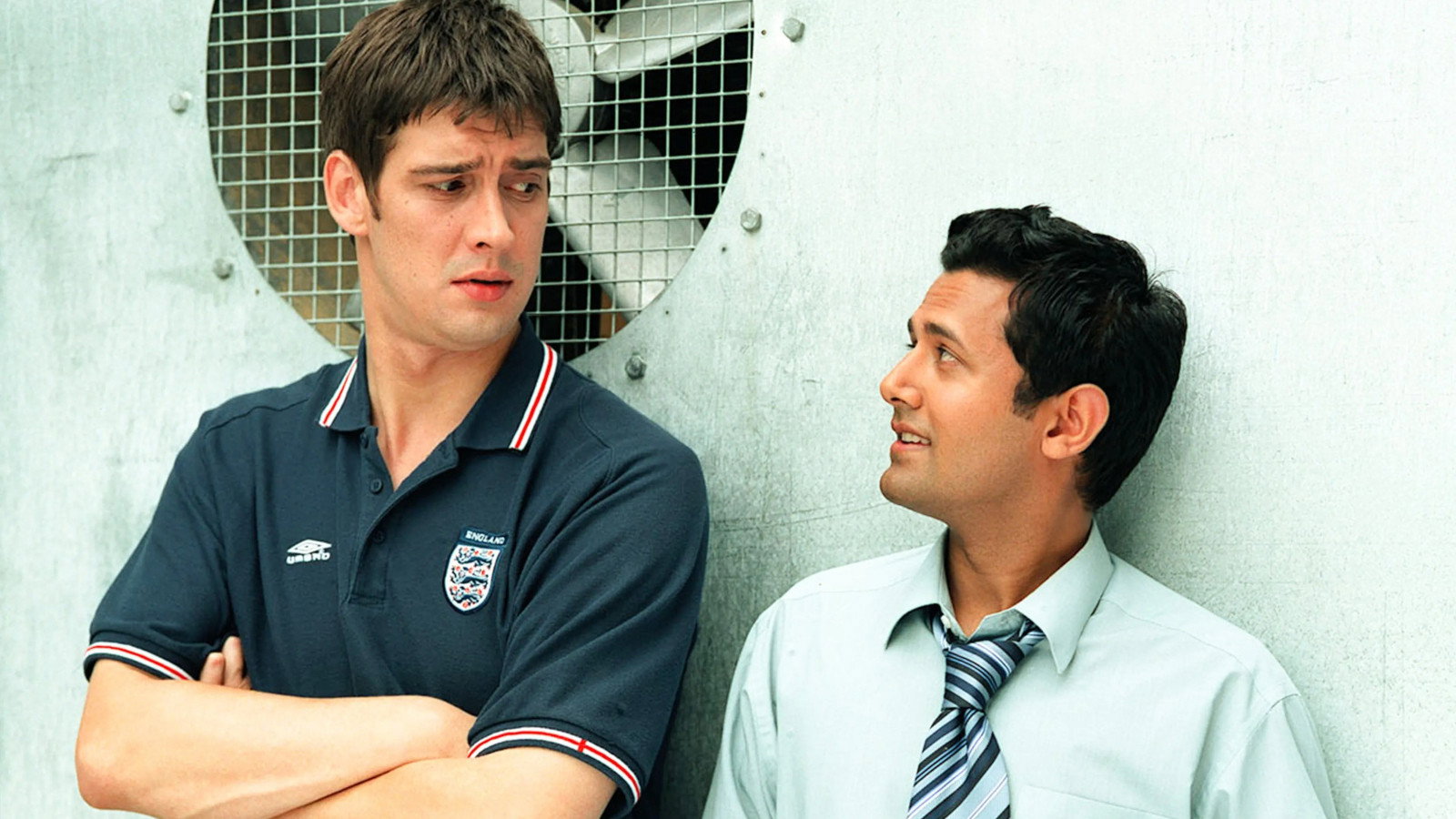
Lincoln is the reason it works. Simon is lazy, vain, kind when caught off guard, and convinced he is the only adult in the building, which he is not. Lincoln plays him with a slouch and a grin and lets you watch him decide, in the middle of a sentence, to lie. Nina Sosanya’s Jenny is his opposite and the show’s conscience: ambitious, exact, unable to understand how he is still employed. Their scenes together have a snap that most British comedy-drama of the period did not attempt. Adrian Bower and Navin Chowdhry, as Brian and Kurt, are the mates in the pub, and the pub is where most of the actual plot gets decided, over pints, after the bell, with the marking left in the car.
We laughed a great deal, and then, somewhere in the first series, we were caught out by how fond we had become of people who would be sacked from any real school by half term. It happened in the pub, Simon saying nothing and watching the others argue about something that did not matter, and the show let it sit. The jokes are about people who will not grow up. The sadness underneath is that they know.
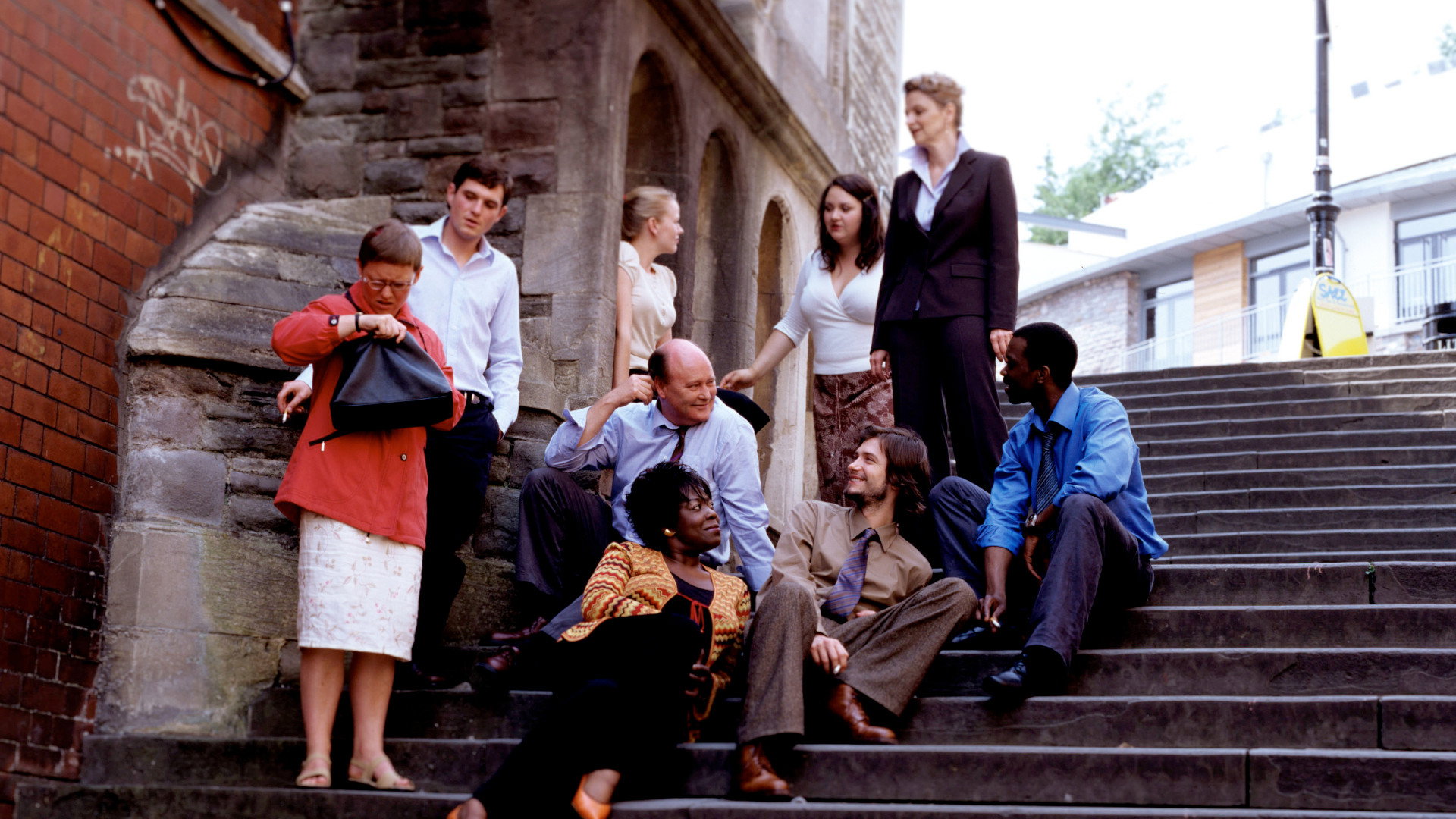
The writing room is large. Charlie Martin, Julie Rutterford, Loane himself and half a dozen others share the credits, and for two series the voice stays even. The episodes are built on small things: a report deadline, an inspection, a fancied colleague, a bet. Penny (Tamzin Malleson), Liz (Ellen Thomas) and Carol (Ursula Holden-Gill) fill the staffroom with women who are funnier than the men and more tired. Lincoln takes a turn on the directing roster himself, which tells you how much the show belonged to him.
Then it gets longer and looser. The third series runs to thirteen episodes, five more than the first, and you can feel the padding. The cast turns over; Mathew Horne’s Ben and Lee Williams’s Ewan are likeable, but they are replacements and the show treats them as such. By the fourth series the background gags have become the foreground, and we were bored, then irritated at being bored by something we had liked so much.
Against British comedy-drama of its time it sits well above the sitcoms still running on laughter tracks, and below the few dramas prepared to make their characters pay for anything. Watch the first two series, and treat what follows the way Simon treats his timetable.