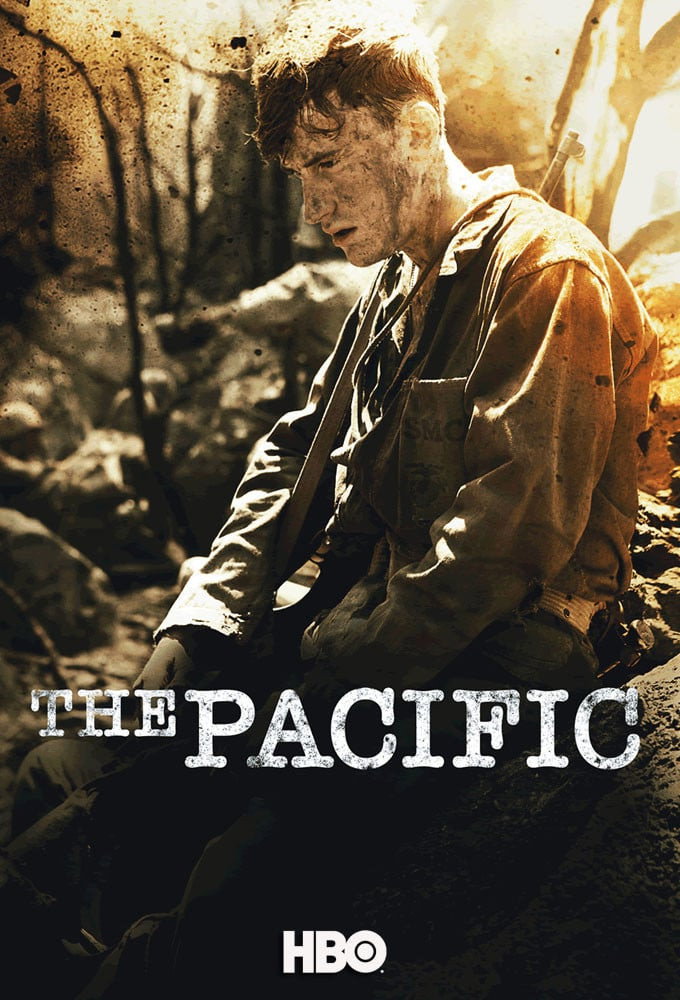
Bruce McKenna’s ten-part follow-up to Band of Brothers is bleaker, harder to follow and less easy to love, and for three episodes we struggled to tell the Marines apart. Stay with it: from the midpoint it is a fine, punishing piece of work.
Bruce McKenna’s ten-part series follows three United States Marines across the Pacific war, from the landing on Guadalcanal in August 1942 to the islands that came after it. It arrives in the shadow of Band of Brothers (2001), and it has decided not to be that programme. There is no single company to belong to, no roll-call of faces learned over the first hour, no warmth from the men’s home towns. The Pacific is a long, hard, frequently ugly piece of television, and for its first third it is also a confusing one. It is good, and it is not comfortable.
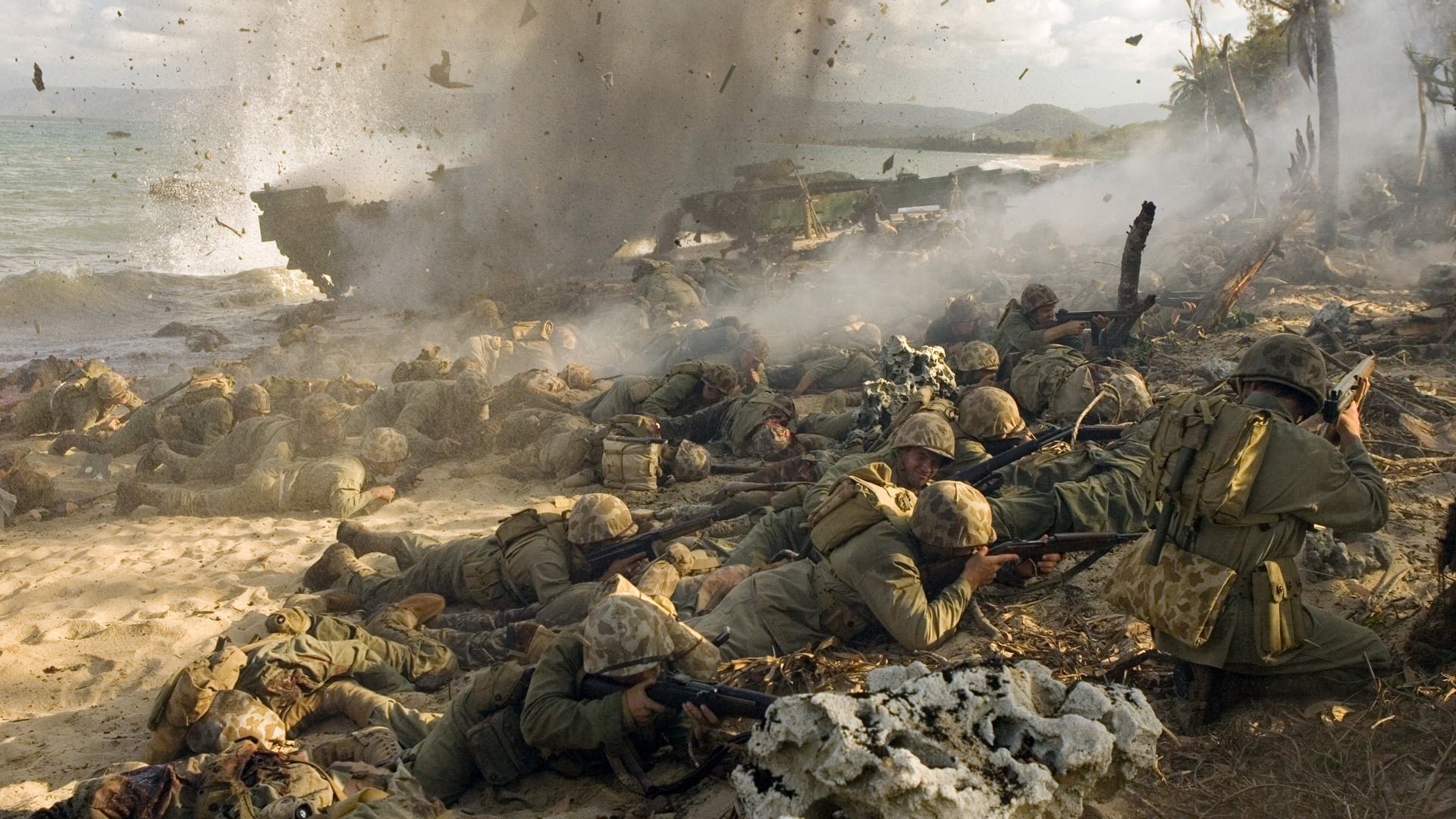
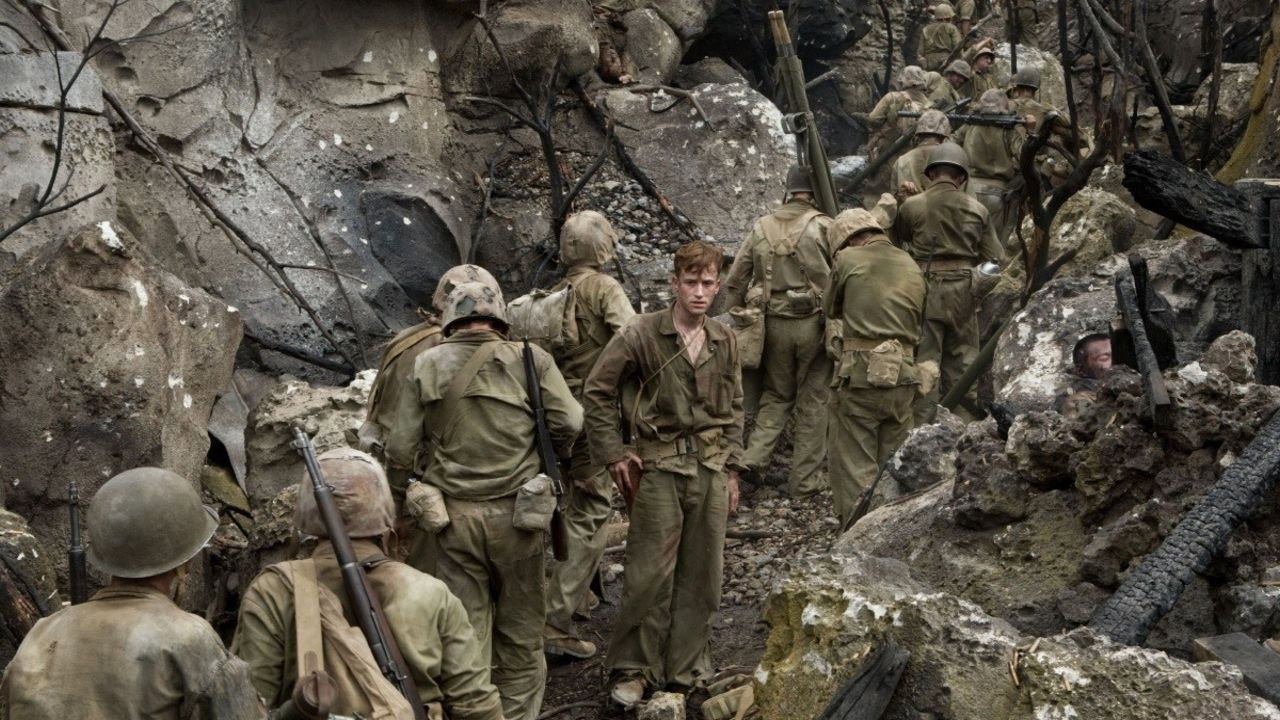
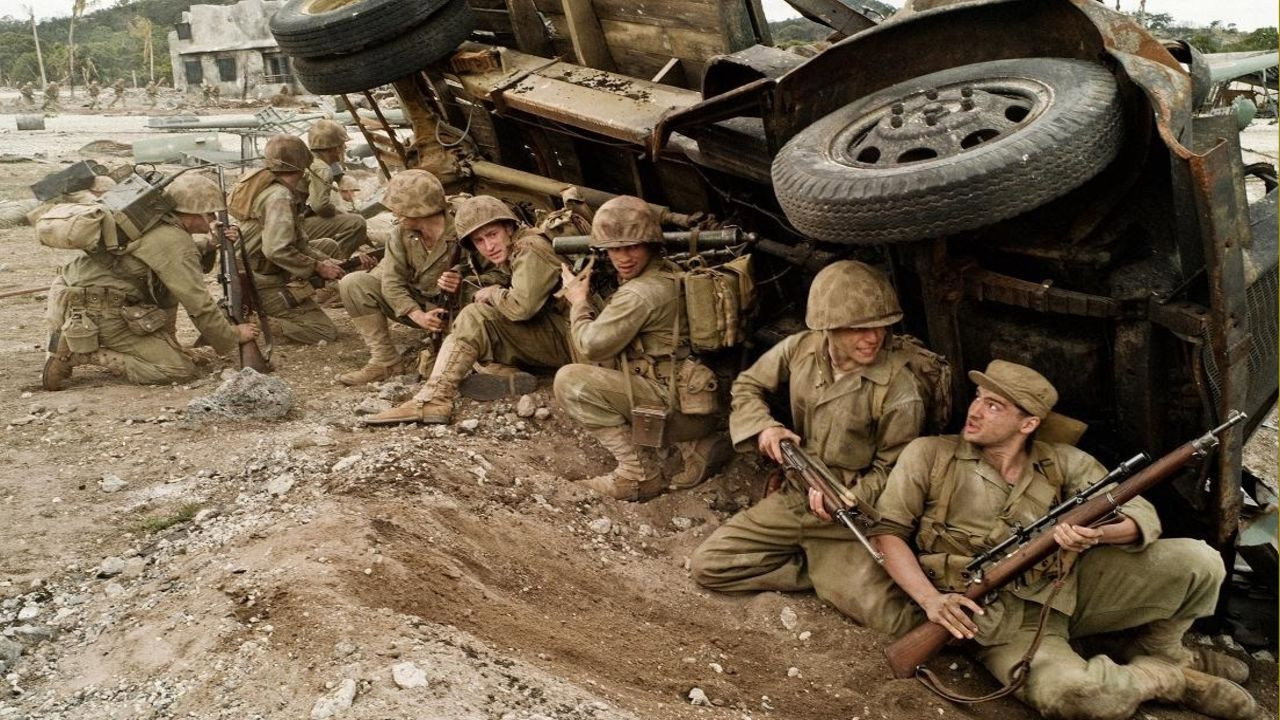
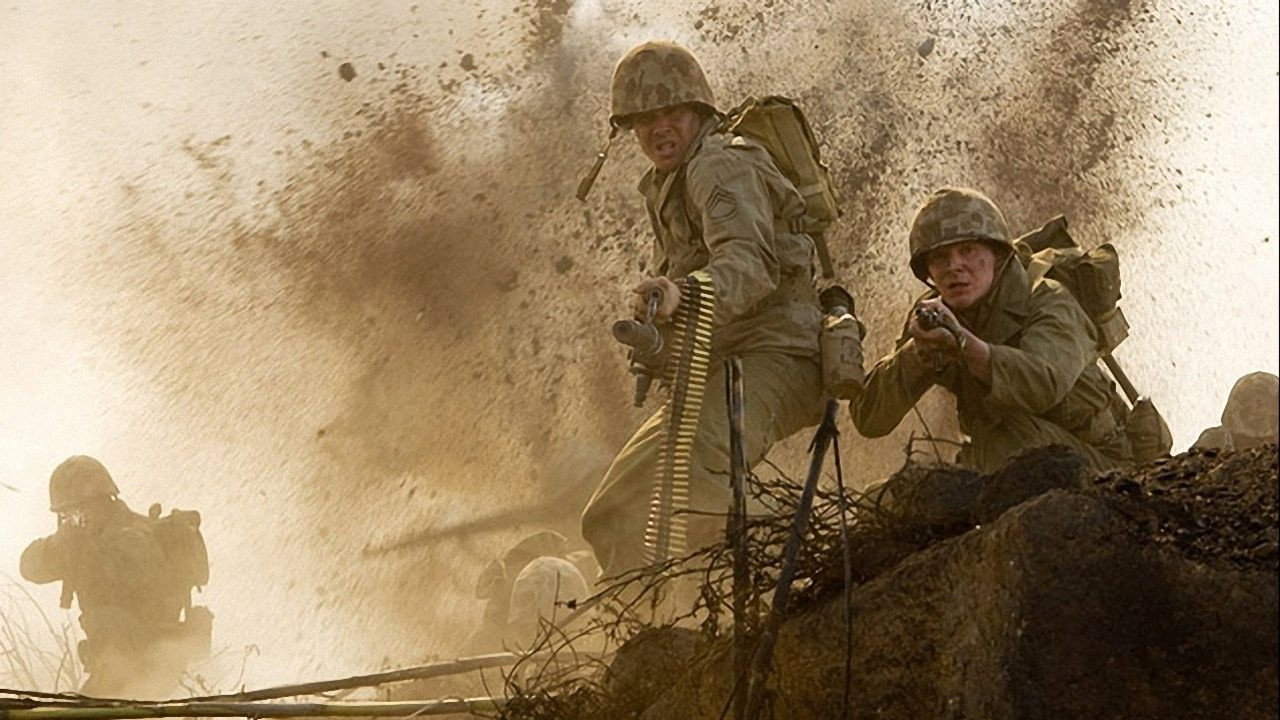
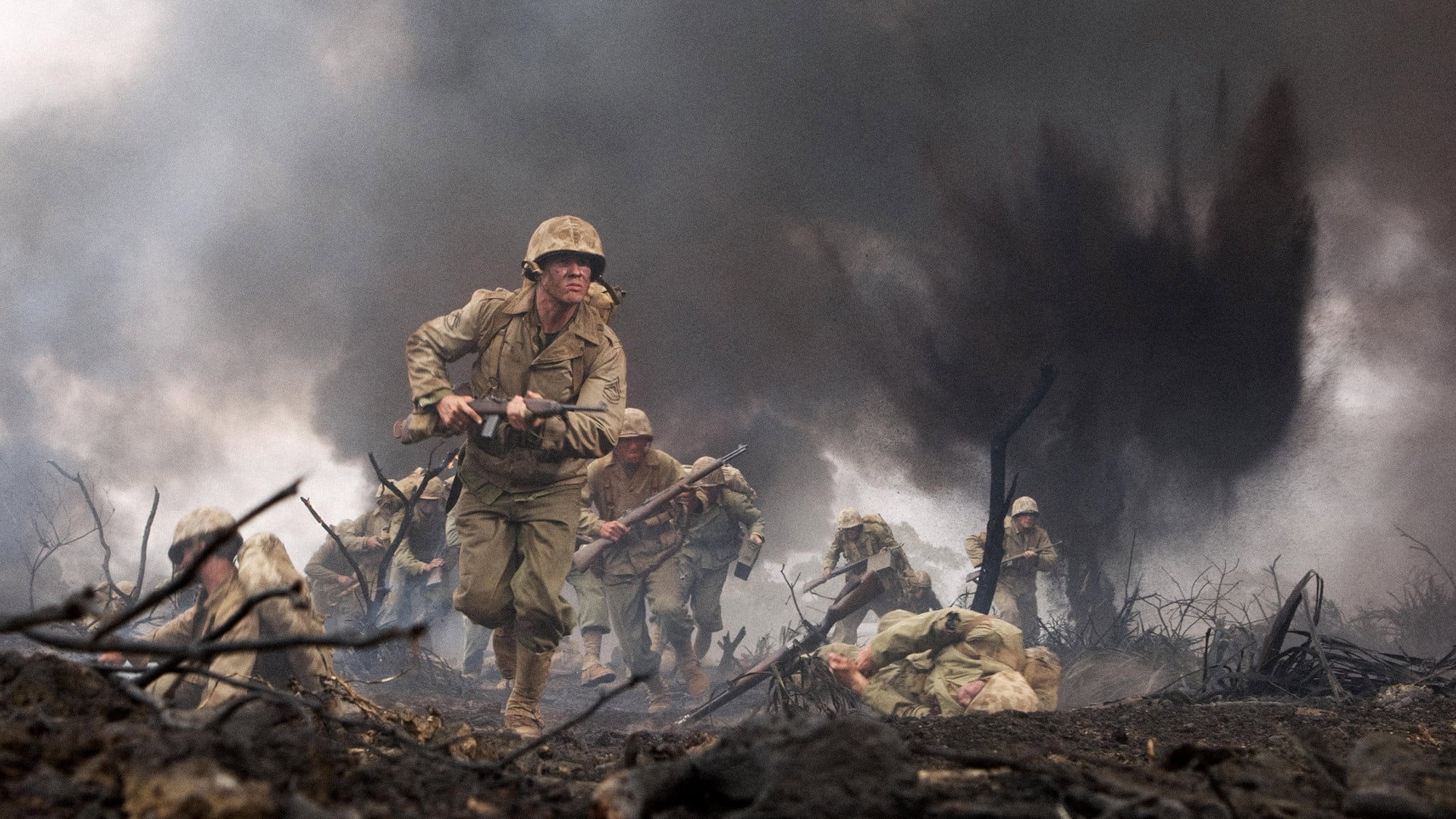
The ground is the thing it gets most right. Anthony Pratt builds Guadalcanal as a wall of wet green with a river and an airstrip cut into it, and the later islands as something worse: white coral that holds the heat, no shade, no soil to dig into. Remi Adefarasin and Stephen F. Windon shoot the jungle nights almost black, so the fighting is a matter of tracer, muzzle flash and shapes in the water, and the coral days so bright the men squint through whole scenes. Penny Rose’s uniforms start olive and end the colour of the mud the men are lying in.
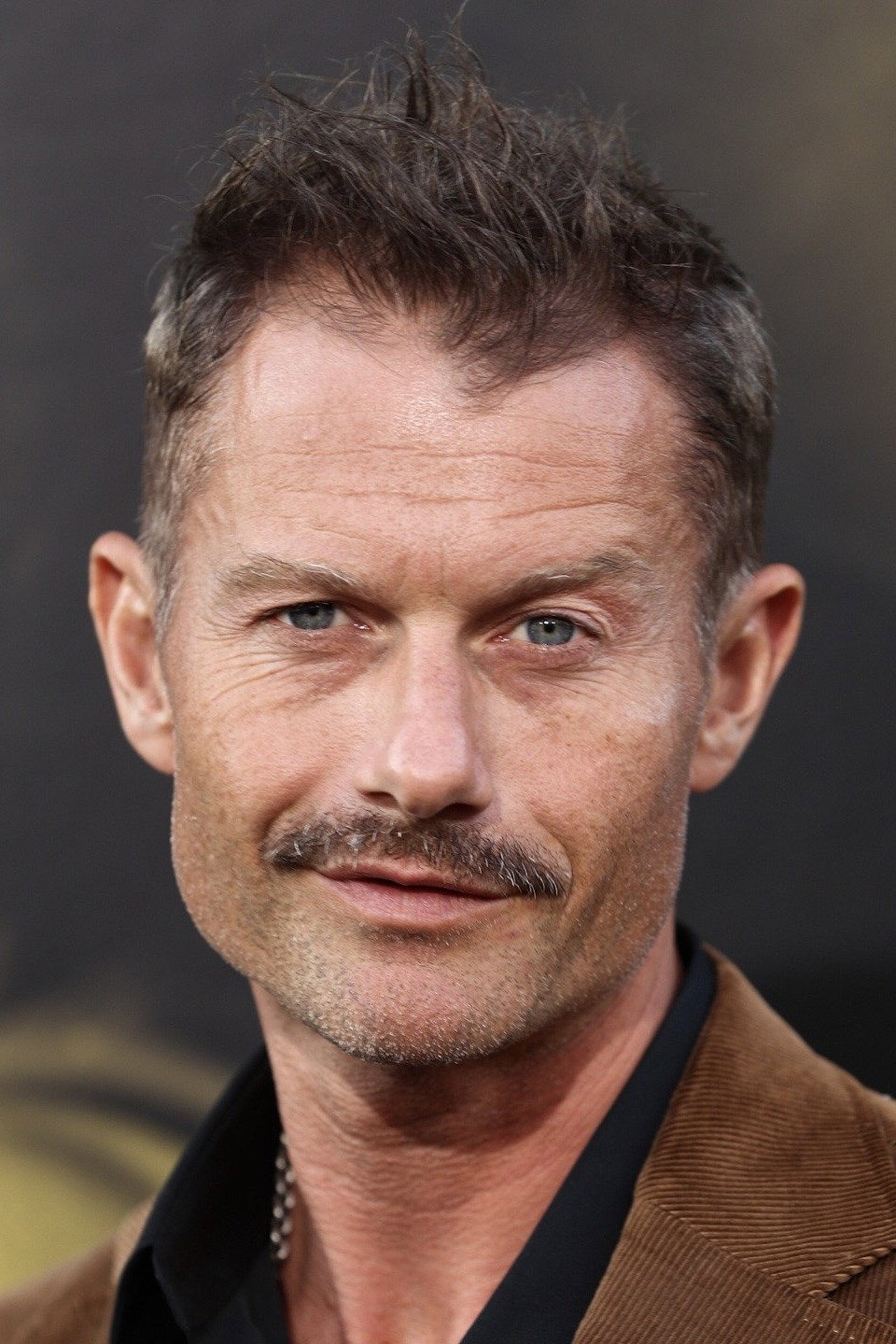
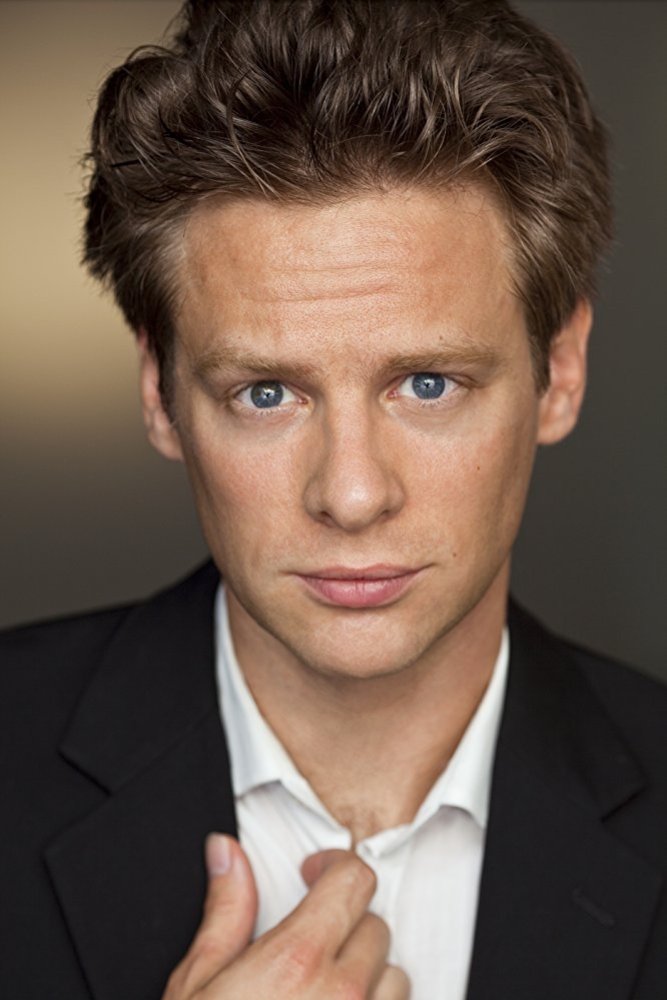
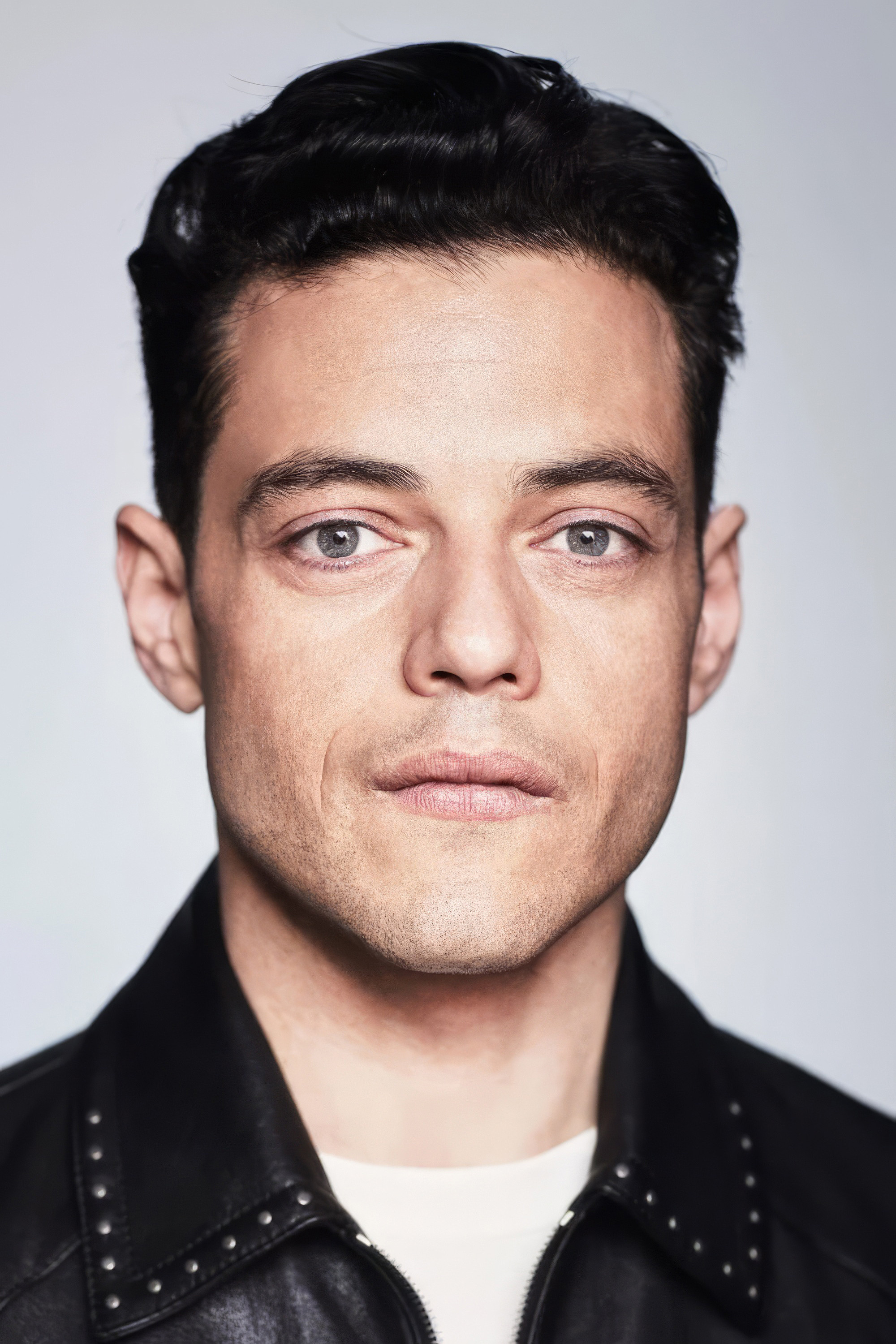
James Badge Dale carries the early hours as Robert Leckie, a newspaperman turned rifleman who talks too much, writes to a girl (Caroline Dhavernas) he has met once, and uses his wit as a shield until it stops working. Joseph Mazzello’s Eugene Sledge arrives late, soft-faced and eager, and Mazzello lets us watch the softness go a scene at a time without ever announcing it. Rami Malek, as Snafu Shelton, does most of his acting with a stare and a slow chewing jaw, and he is the one you remember. Jon Seda’s John Basilone is the odd thread; his episodes sit slightly apart from the others, decent but never as gripping as the men around Leckie.
Then the trouble. Six directors, among them Tim Van Patten, David Nutter and Carl Franklin, share the ten episodes, and the seams show early. Under helmets and dirt the Marines are hard to tell apart, and for two hours we were not always sure which unit we were with or why it had moved. The officers, William Sadler’s Chesty Puller chief among them, are played as monuments rather than people. The Japanese are almost never faces; they are shapes in the dark, and the series notices this about its Marines without noticing it about itself. Hans Zimmer, Blake Neely and Geoff Zanelli write a main theme of slow strings and piano that is lovely over the titles and, under a scene, tells us what to feel a beat before the actors have.
Here is what got to us. The night fight at the river on Guadalcanal, cut by editors Alan Cody, Edward A. Warschilka and Marta Evry as tracer, water and shouting with no angle from which we could tell who was winning, frightened us more than television usually manages. Later, and we will not say where, the men stop reacting to the dead around them, and the series does not comment. We felt sick, and then realised the programme had been building to that sickness for hours, and that the confusion of the early episodes was part of the build. By the last two hours we were moved in a way we had not expected from a programme that spends so long refusing to be liked.
The reviews are split: three of the six we read admire it, two do not, and the complaint from the doubters is that it favours accuracy over character and cannot be followed. The first half of that is fair; the second only for the first three episodes. After the halfway mark it is a different programme, and the best of it stands with any war drama made for television.
Watch it in order, at home, with the lights off, and do not judge it on the first two episodes. It carries a 15 certificate, which if anything undersells the middle.