Band of Brothers earns its ten episodes through patient attention to the men of Easy Company. Damian Lewis anchors a moving ensemble drama, with occasional overstatement in the action and music the chief reservation.
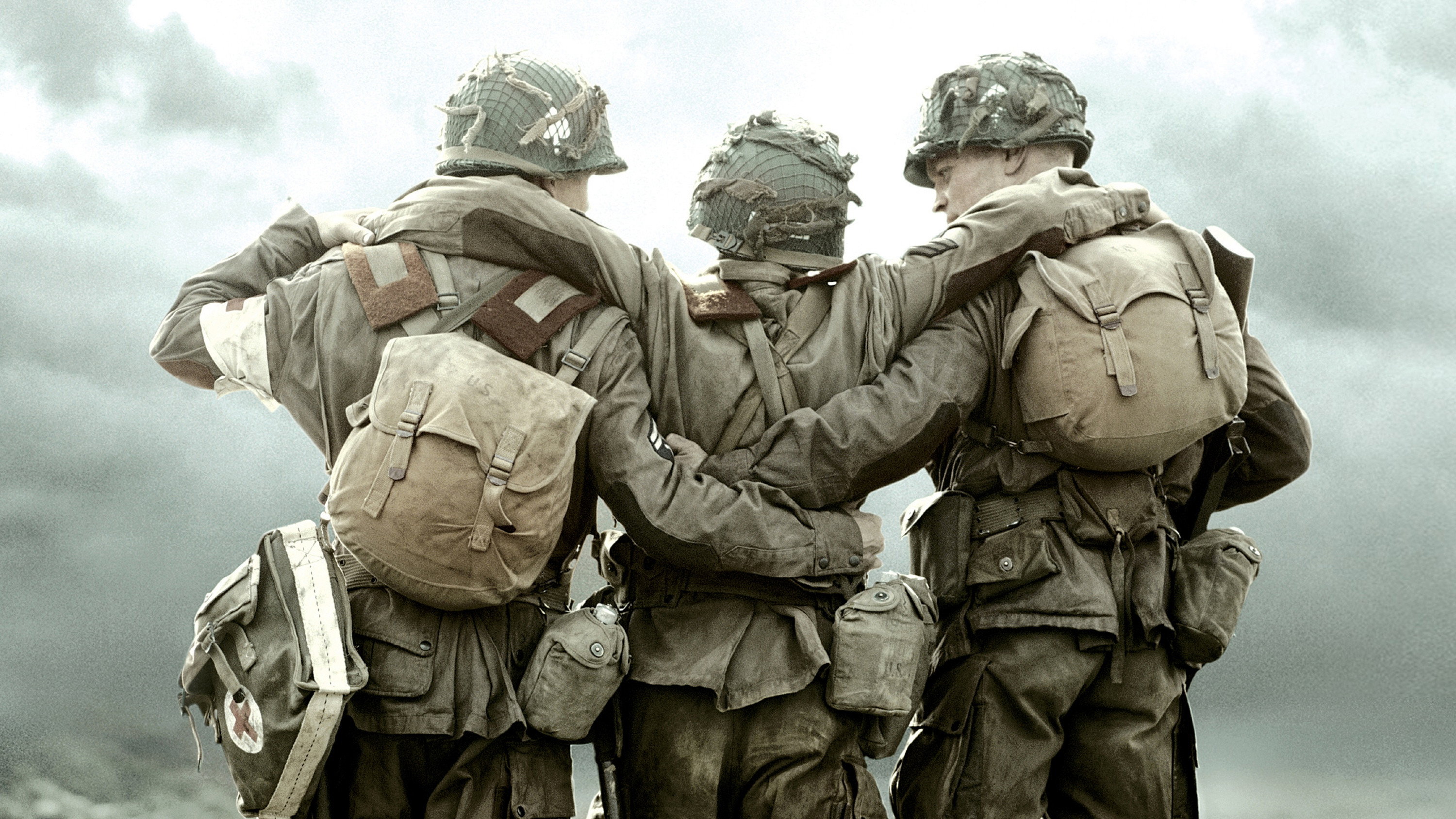
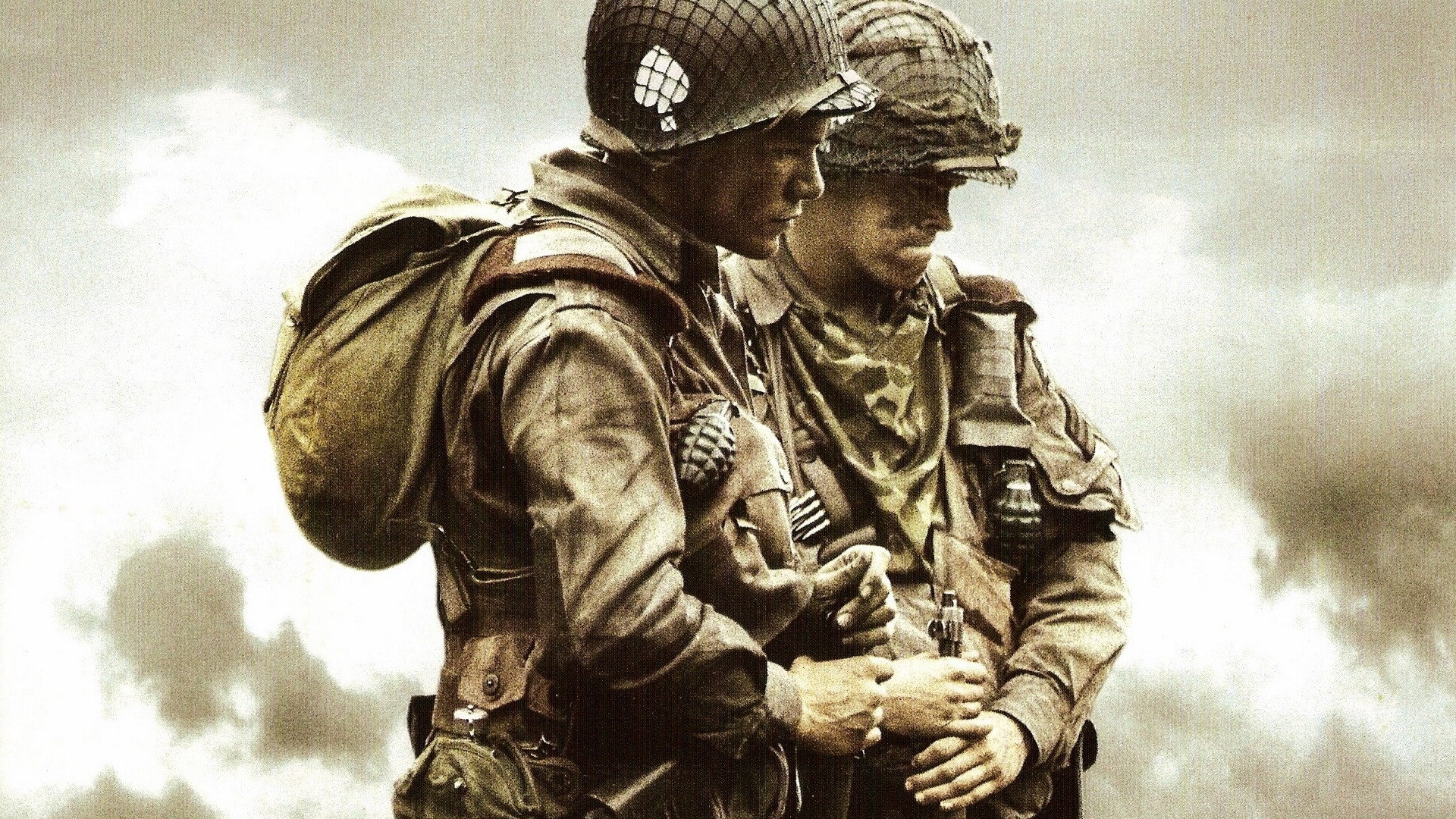
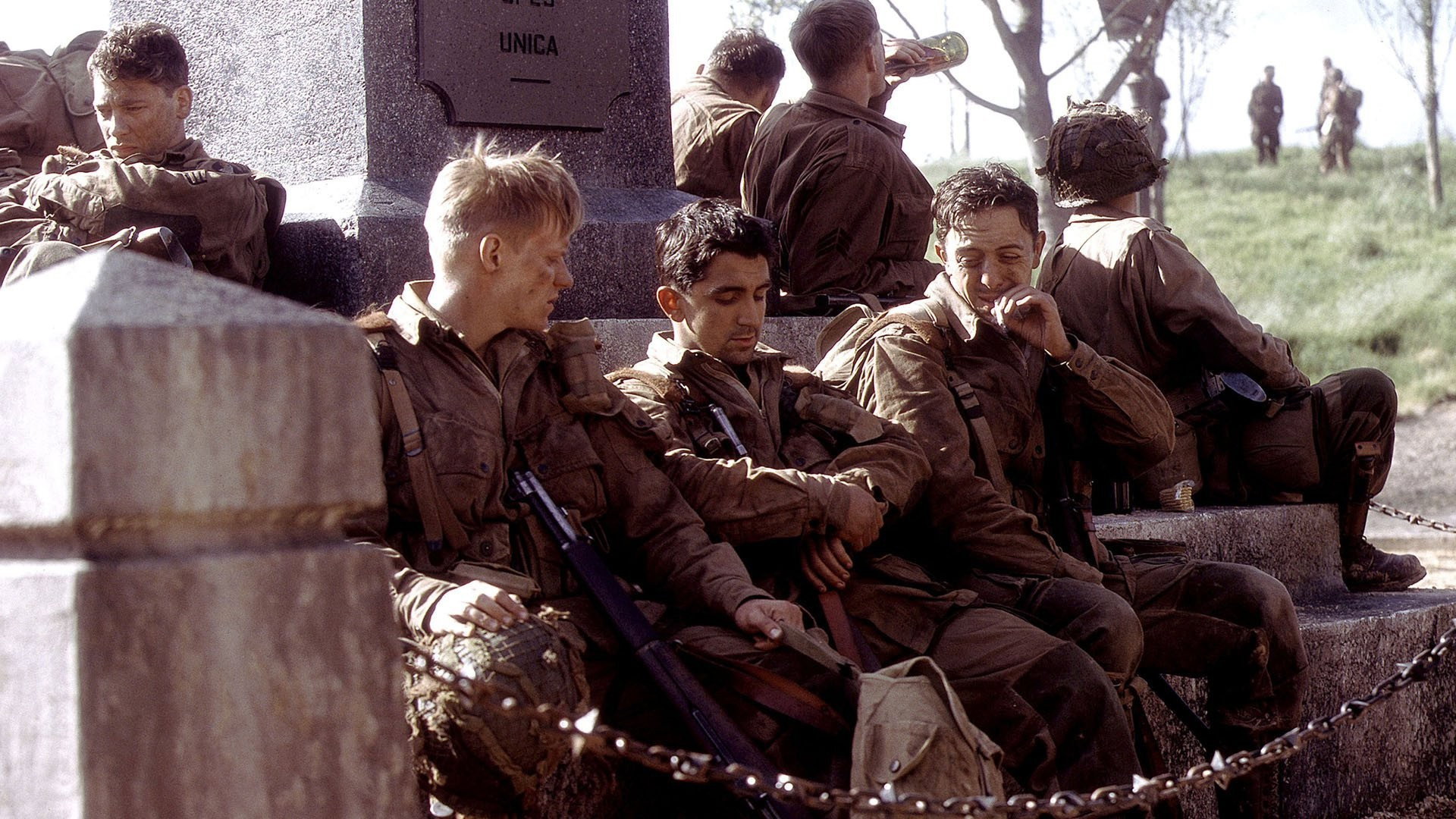
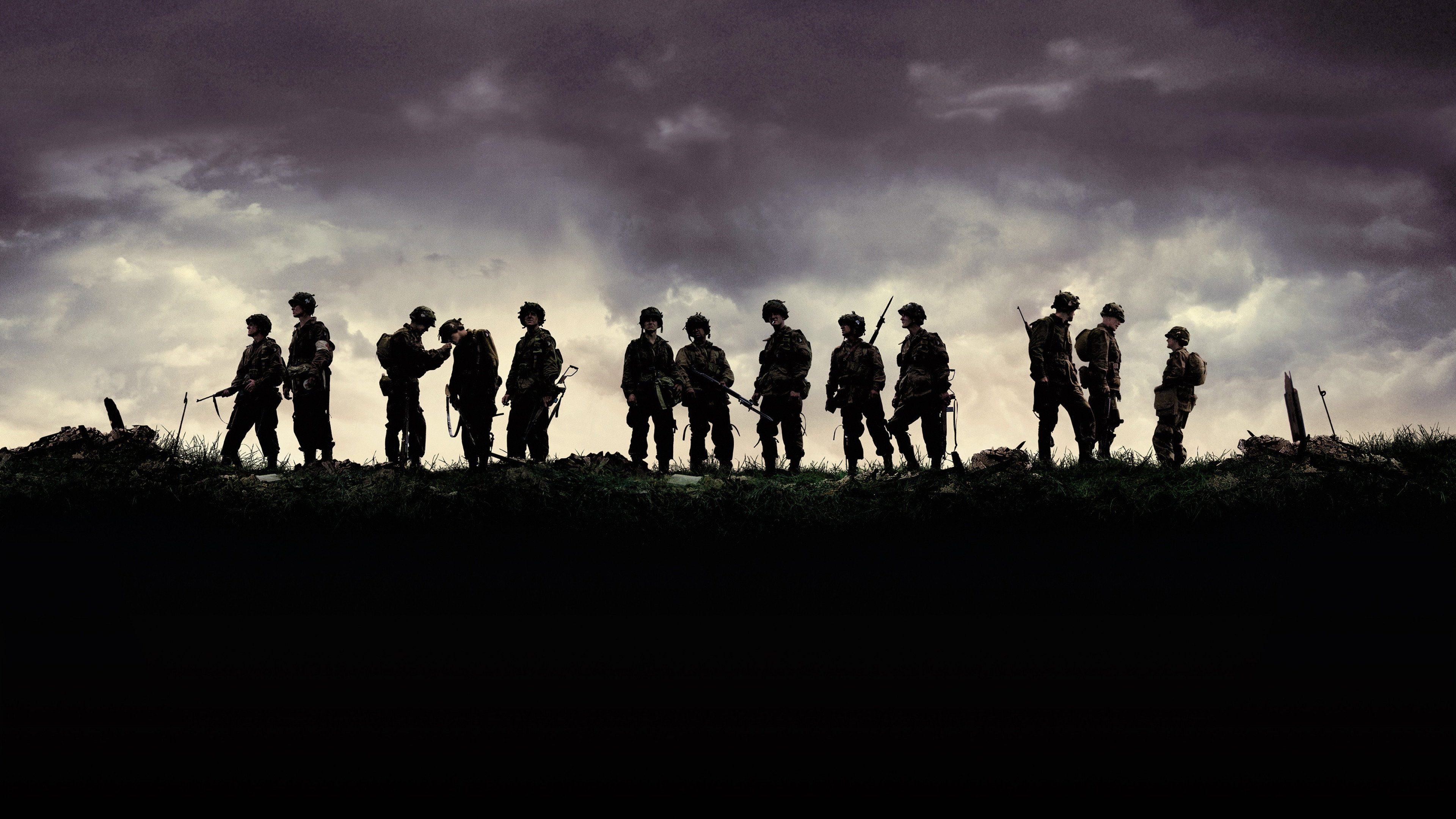
Band of Brothers is a patient, moving war drama, and its length is largely justified by the attention it gives its soldiers. Across ten episodes, Easy Company’s passage through the Second World War allows us to watch a group of men change without expecting every change to announce itself. The series takes their work seriously, including the effort of carrying on in one another’s company. It gives the actors room to establish differences in temperament that become important as we get to know them.
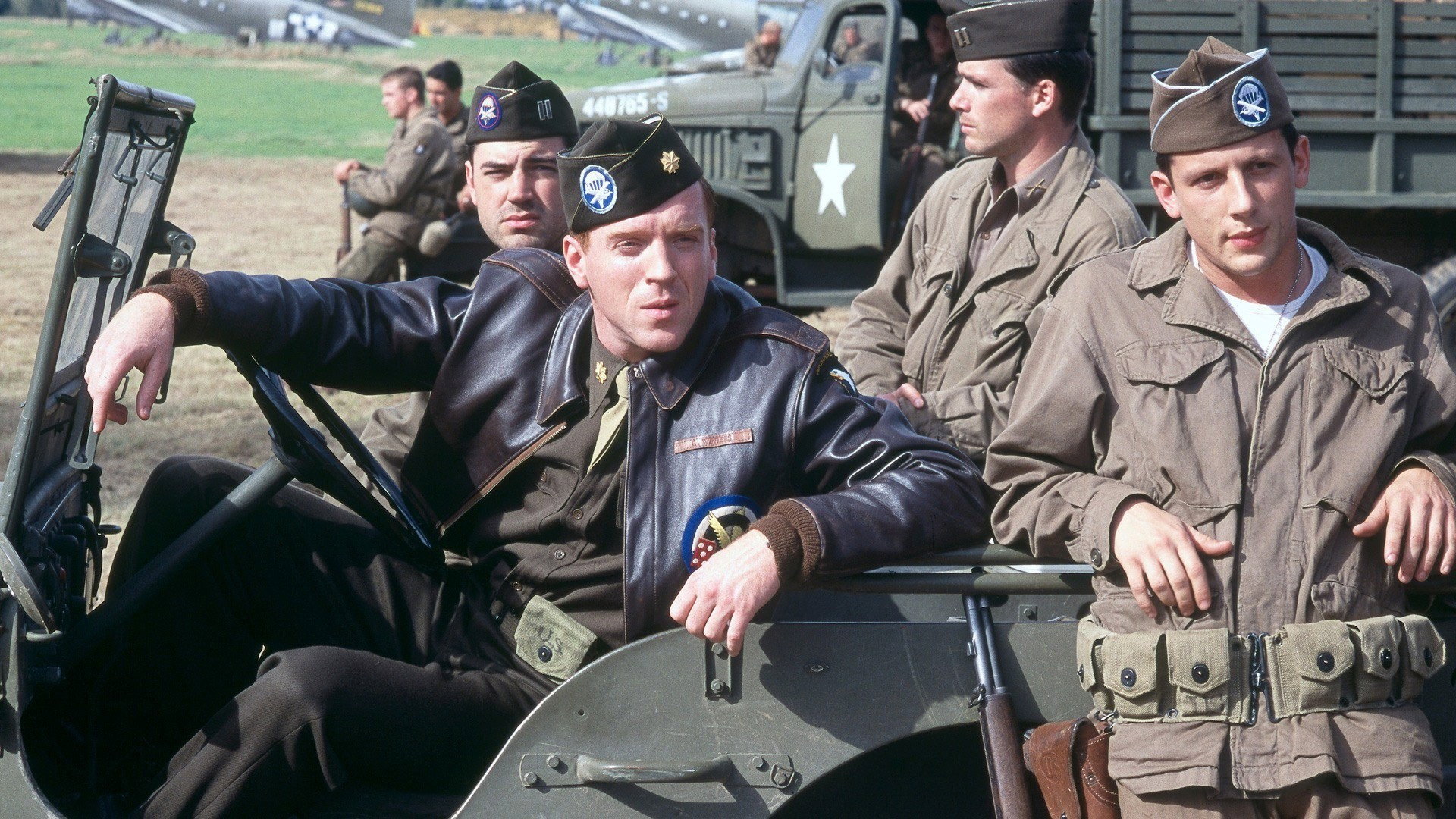
Damian Lewis’s Richard D. Winters gives that approach a steady centre. Lewis makes restraint interesting: his attention seems to be going towards the other men even when he has little to say. We were moved by how tiring he makes responsibility look. He allows care and worry to show without turning either into a request for applause. Ron Livingston’s Lewis Nixon provides a welcome difference in temperament, and their scenes benefit from the sense that these men do not have to approach everything in the same way.
The ensemble is crucial to this. Michael Cudlitz, Rick Gomez and Scott Grimes help keep the company from becoming an indistinct crowd. Their performances have enough separate character for us to register a man even when he is not the centre of attention. Donnie Wahlberg’s C. Carwood Lipton is especially valuable here: he makes listening seem active, so another actor’s line can reveal something about him as well.
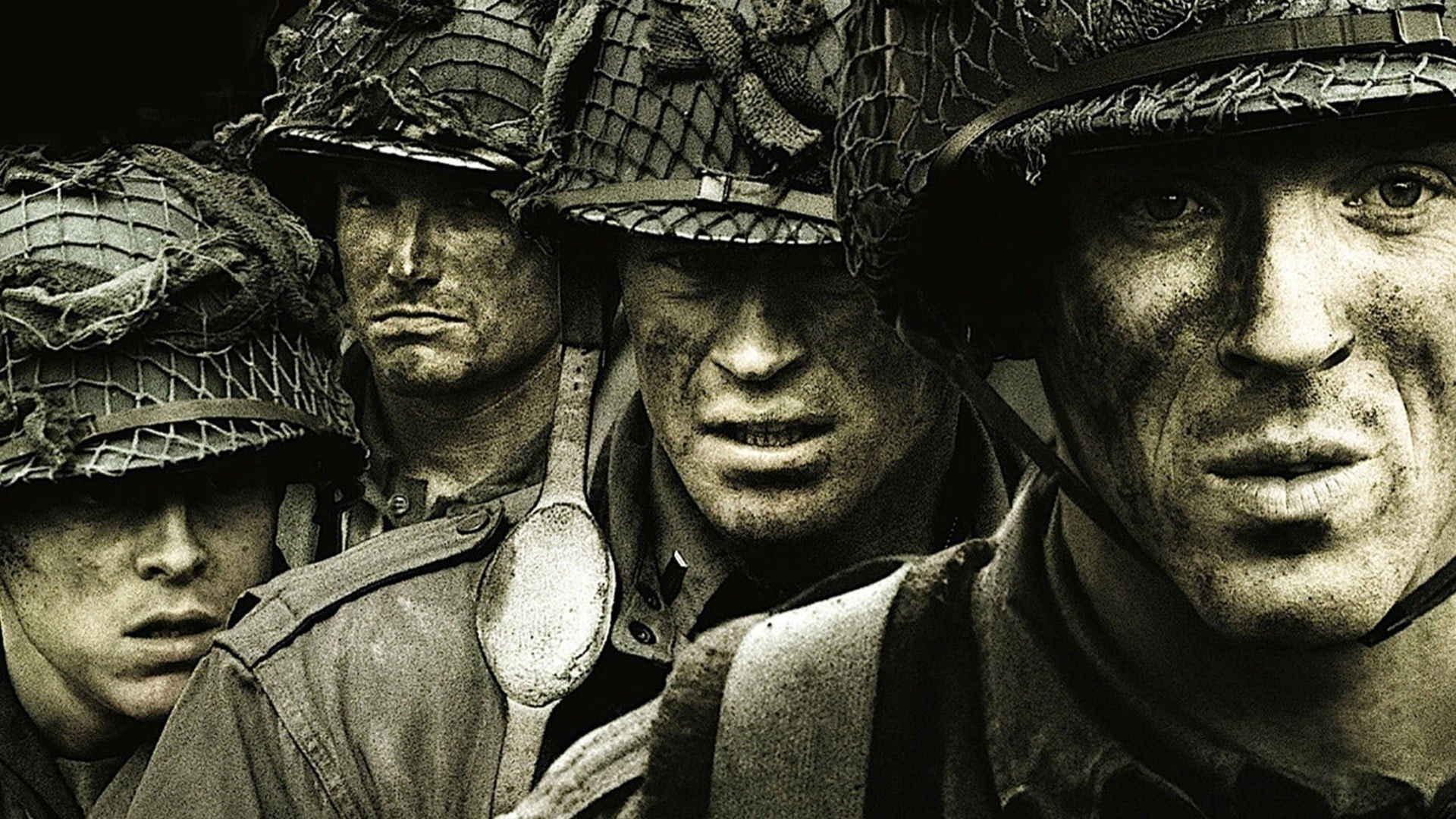
Cinematographers Joel Ransom and Remi Adefarasin make the faces within the combat worth attending to, though some of the action is too emphatic about its own force. At those moments we become more conscious of the filming than of the men’s predicament. Anthony Pratt’s production design is more consistently persuasive, making the surroundings feel uncomfortable to live in. The men belong in those surroundings, and the detail never feels like an invitation to stop following them and inspect the workmanship.
The editors, Billy Fox, Frances Parker, Oral Norrie Ottey and John Richards, have the less conspicuous job of making the company’s gradual changes readable. Their pacing lets familiarity do useful work; a response means more when we have learnt something about the man giving it. Michael Kamen’s music is openly solemn, and occasionally gets ahead of the performances in telling us how much they should mean. It remains affecting, but Lewis in particular can carry that weight without help.
War dramas can struggle to make friendships convincing while concentrating on acts of bravery. This series gives us enough differences between its men for their attachment to feel earned. Its close attention to the company also sets the limits: anyone looking for a broad explanation of the conflict will need to look elsewhere. The concentration is worthwhile because we come to recognise the soldiers’ particular ways of coping, and notice when those ways become harder to sustain.
For anyone willing to spend ten episodes getting to know these soldiers, we recommend it with a reservation about the more insistent action and music. There is no requirement to hurry through it, and the ensemble rewards an attentive watch. Leave a little space between instalments; there is no need to treat watching it as another endurance exercise.