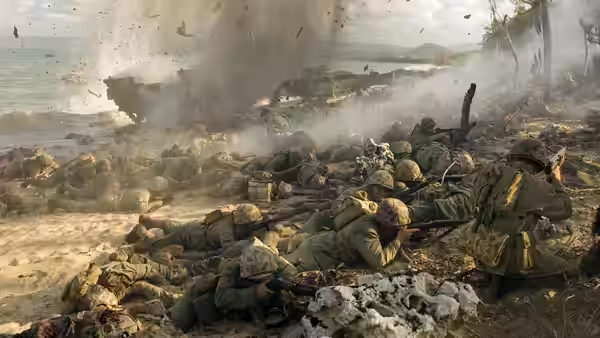
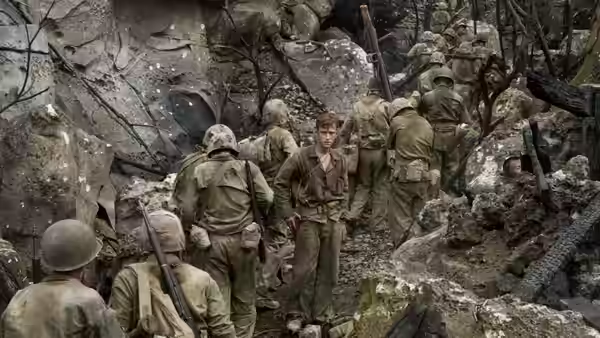
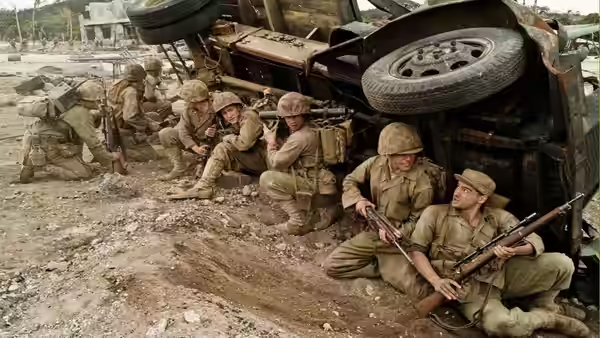
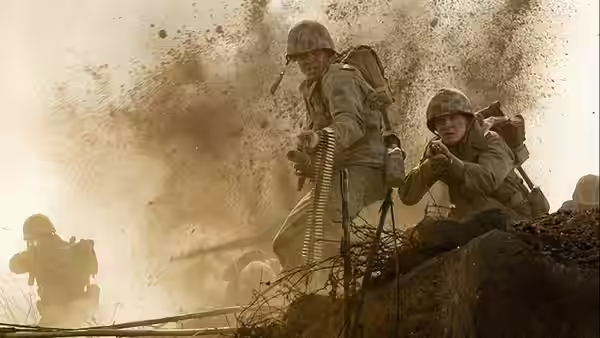
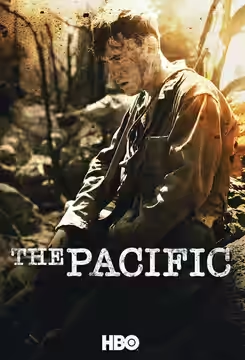
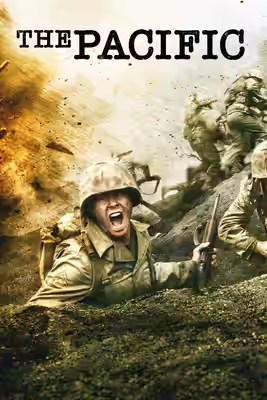
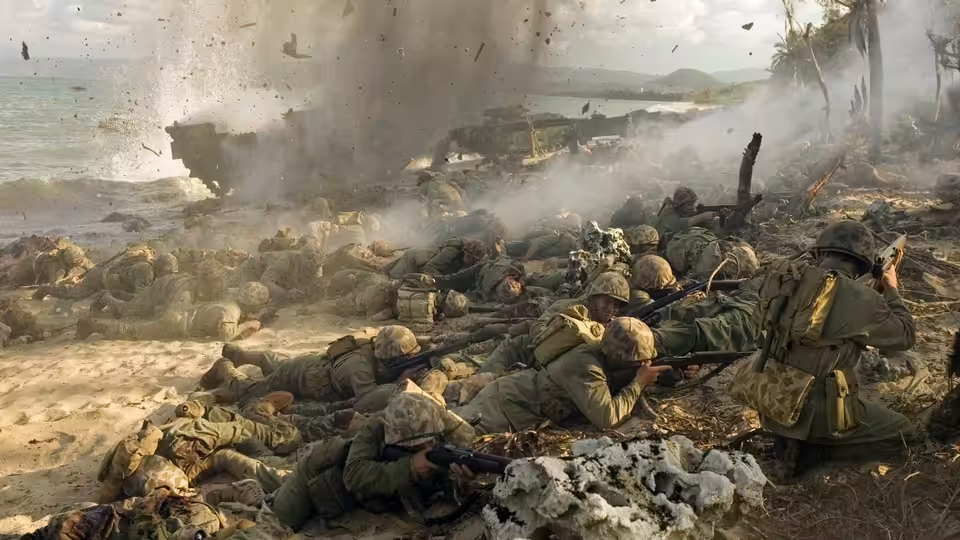
Soldiers firing rifles while taking cover on a beach amid explosions
Series review

The Pacific

2010 · Created by Bruce McKenna · Series

In a sentenceTen hours in which the mud gets a better part than most of the cast

December 1941, days after Pearl Harbor. In New Jersey, newspaperman Robert Leckie (James Badge Dale) enlists in the Marines. In Mobile, Alabama, Eugene Sledge (Joseph Mazzello) is kept home by a heart murmur while his friend Sidney Phillips (Ashton Holmes) ships out without him. Sergeant John Basilone (Jon Seda) is already in the corps and bound for the fighting. In August 1942 the 1st Marine Division lands on Guadalcanal to hold an airfield the Japanese want back. What follows is a night battle at a river, months of jungle, rain and malaria, and rations that run out long before relief arrives. Leckie’s platoon includes Bill ‘Hoosier’ Smith (Jacob Pitts), and he writes home to Vera Keller (Caroline Dhavernas), a neighbour he barely knows.

Plays from YouTube when you press play; nothing loads from them until then.

Fi1m review

Bruce McKenna’s ten-part follow-up to Band of Brothers is bleaker, harder to follow and less easy to love, and for three episodes we struggled to tell the Marines apart. Stay with it: from the midpoint it is a fine, punishing piece of work.

Bruce McKenna’s ten-part series follows three United States Marines across the Pacific war, from the landing on Guadalcanal in August 1942 to the islands that came after it. It arrives in the shadow of Band of Brothers (2001), and it has decided not to be that programme. There is no single company to belong to, no roll-call of faces learned over the first hour, no warmth from the men’s home towns. The Pacific is a long, hard, frequently ugly piece of television, and for its first third it is also a confusing one. It is good, and it is not comfortable.

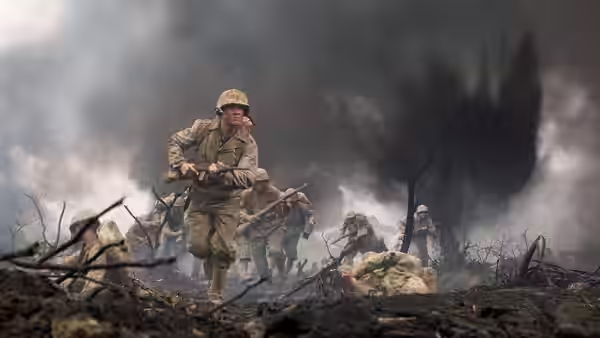
The ground is the thing it gets most right. Anthony Pratt builds Guadalcanal as a wall of wet green with a river and an airstrip cut into it, and the later islands as something worse: white coral that holds the heat, no shade, no soil to dig into. Remi Adefarasin and Stephen F. Windon shoot the jungle nights almost black, so the fighting is a matter of tracer, muzzle flash and shapes in the water, and the coral days so bright the men squint through whole scenes. Penny Rose’s uniforms start olive and end the colour of the mud the men are lying in.

James Badge Dale carries the early hours as Robert Leckie, a newspaperman turned rifleman who talks too much, writes to a girl (Caroline Dhavernas) he has met once, and uses his wit as a shield until it stops working. Joseph Mazzello’s Eugene Sledge arrives late, soft-faced and eager, and Mazzello lets us watch the softness go a scene at a time without ever announcing it. Rami Malek, as Snafu Shelton, does most of his acting with a stare and a slow chewing jaw, and he is the one you remember. Jon Seda’s John Basilone is the odd thread; his episodes sit slightly apart from the others, decent but never as gripping as the men around Leckie.

Then the trouble. Six directors, among them Tim Van Patten, David Nutter and Carl Franklin, share the ten episodes, and the seams show early. Under helmets and dirt the Marines are hard to tell apart, and for two hours we were not always sure which unit we were with or why it had moved. The officers, William Sadler’s Chesty Puller chief among them, are played as monuments rather than people. The Japanese are almost never faces; they are shapes in the dark, and the series notices this about its Marines without noticing it about itself. Hans Zimmer, Blake Neely and Geoff Zanelli write a main theme of slow strings and piano that is lovely over the titles and, under a scene, tells us what to feel a beat before the actors have.

Here is what got to us. The night fight at the river on Guadalcanal, cut by editors Alan Cody, Edward A. Warschilka and Marta Evry as tracer, water and shouting with no angle from which we could tell who was winning, frightened us more than television usually manages. Later, and we will not say where, the men stop reacting to the dead around them, and the series does not comment. We felt sick, and then realised the programme had been building to that sickness for hours, and that the confusion of the early episodes was part of the build. By the last two hours we were moved in a way we had not expected from a programme that spends so long refusing to be liked.

The reviews are split: three of the six we read admire it, two do not, and the complaint from the doubters is that it favours accuracy over character and cannot be followed. The first half of that is fair; the second only for the first three episodes. After the halfway mark it is a different programme, and the best of it stands with any war drama made for television.

Watch it in order, at home, with the lights off, and do not judge it on the first two episodes. It carries a 15 certificate, which if anything undersells the middle.

Critical consensus AI synthesised

59
Positive
3
Mixed
1
Negative
2

The reviews split widely. What nearly everyone agrees on is the combat: the firefights are staged with a ferocity and ground-level realism that most critics find more brutal than anything in Band of Brothers, and the effects and production values draw praise even from those who dislike the series. The stronger notices go further, calling the depiction of the campaign as complete as any film’s and picking out James Badge Dale’s Leckie among a strong cast.

The reservations cluster on the people rather than the battles. Several critics find the marines hard to tell apart in the early episodes, the characterisation thin and the plot difficult to follow, with The Guardian and The Independent both arguing that period detail has been favoured over psychology. Variety goes furthest, finding the series weighed down by its own importance, though it rates the final hours highest. Den of Geek’s enthusiasm rests on the first two episodes only.

The Hollywood Reporter
14 October 2010
90*

The critic calls it a gem that conveys the combat experience as completely and realistically as any film, with raw stories of personal triumph and adversity in a random, contained approach. It singles out abundant strong performances, especially James Badge Dale as Leckie, and outstanding effects.

Read the full review →
Empire
2 November 2010 · William Thomas
70*

The critic emphasizes that The Pacific is bleaker and more brutal than Band of Brothers, depicting a hard-R campaign with unsparing ferocity and racial undertones. It singles out the strong character focus on three Marines and the powerful quiet moments amid the intense battle scenes.

Read the full review →
The Independent
10 April 2010
45*

The expensive series educates viewers on the Pacific campaign and stages thrilling battles, but it suffers from simplistic characters, lantern-jawed officers, and a lack of psychological depth in its portrayal of the Japanese.

Read the full review →
The Guardian
11 April 2010
40*

The lavish production values and attention to historical detail are impressive, but the series favours verisimilitude over characterisation, making it difficult to distinguish the marines or follow a clear plot in the early episodes.

Read the full review →
Variety
4 March 2010 · festival review · Brian Lowry
30*

The review finds the miniseries weighed down by its own importance and lacking cohesion compared to Band of Brothers, with powerful sequences spaced too far apart. It praises the unflinching ground-level view of war but notes the final hours as the strongest for their emotional depth.

Read the full review →
Den of Geek
24 February 2010 · Nick Horton
90*

The critic finds the first two episodes a worthy, blockbuster-quality follow-up to Band of Brothers that is visually spectacular and compelling. They single out the visceral firefights and epic yet intimate production values for praise while noting it is an unashamedly American perspective on the war.

Read the full review →

Straight answers AI written, from our review

Is The Pacific worth watching?
The Pacific is worth watching for anyone who can sit through three confusing, hard-to-love episodes to reach the fine, punishing programme underneath, and we scored it 74. The Marines are hard to tell apart under helmets and dirt at first, and Jon Seda's John Basilone episodes sit slightly apart from the rest. From the midpoint it stands with any war drama made for television.
Where can I watch The Pacific in the UAE?
The Pacific is not on any streaming or rental service in the UAE at the moment. It is available in 49 other countries; change your country at the top of the page to see where. Availability is checked daily.
How violent or frightening is The Pacific, and is it suitable for children?
The Pacific carries a 15 certificate and is not suitable for children; it is a long, frequently ugly war drama, and we think the certificate undersells its middle stretch. The night fight at the river on Guadalcanal, shot almost black and cut so nobody can tell who is winning, frightened us more than television usually manages, and later episodes left us feeling sick. Teenagers of fifteen and over who can take sustained combat will manage it; the squeamish should not.
How does The Pacific compare to The Thin Red Line?
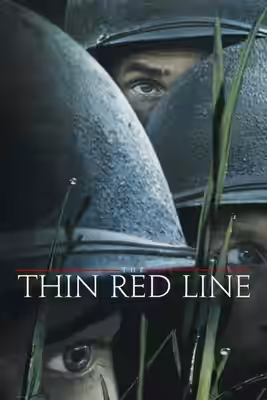
The Pacific and The Thin Red Line both fight on Guadalcanal, but Terrence Malick's film slows the war to grass, light and men thinking aloud, while Bruce McKenna's ten-part series is louder, muddier and harder to follow. Malick's is the more moving and the more beautiful, if occasionally too fond of its own questions; the series is bleaker and, after its midpoint, the more gripping. Both leave some soldiers barely distinguishable as people.
What should I watch after The Pacific?
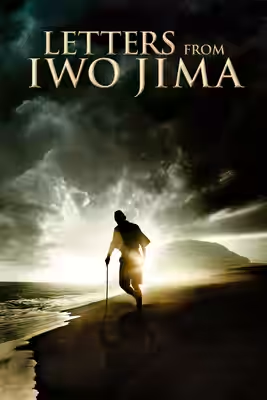
After The Pacific, try The Thin Red Line (1998, Fi1m 84): Guadalcanal again, but Malick slows it to grass, light and men thinking aloud. Then Letters from Iwo Jima (2006, Fi1m 84): The other side of the same beaches, given the faces this series withholds.

Cast

If you liked this, try…

  1. Band of Brothers (2001) · not reviewed yetThe warmer, tidier elder sibling; one company, learned face by face, from Normandy on.

  2. The Thin Red Line (1998, Fi1m 84)Guadalcanal again, but Malick slows it to grass, light and men thinking aloud.

  3. Letters from Iwo Jima (2006, Fi1m 84)The other side of the same beaches, given the faces this series withholds.

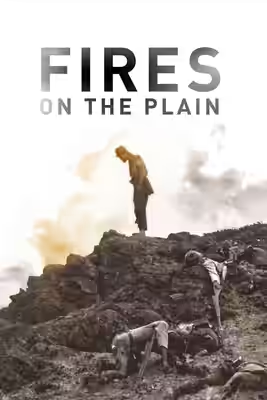
  4. Fires on the Plain (1959) · not reviewed yetJapanese soldiers starving in the Philippines; the bleakest war film we know, and the plainest.

  5. Generation Kill (2008) · not reviewed yetSame seven-part patience applied to Iraq, with sharper talk and fewer heroics.

Free account

Know what to watch tonight

Two lists that know where things are streaming, collections you can share, your own score beside ours, and Discover that remembers what you have seen.

  • Want to see, sorted by what is streaming now
  • Seen, with your score out of ten
  • No adverts, ever