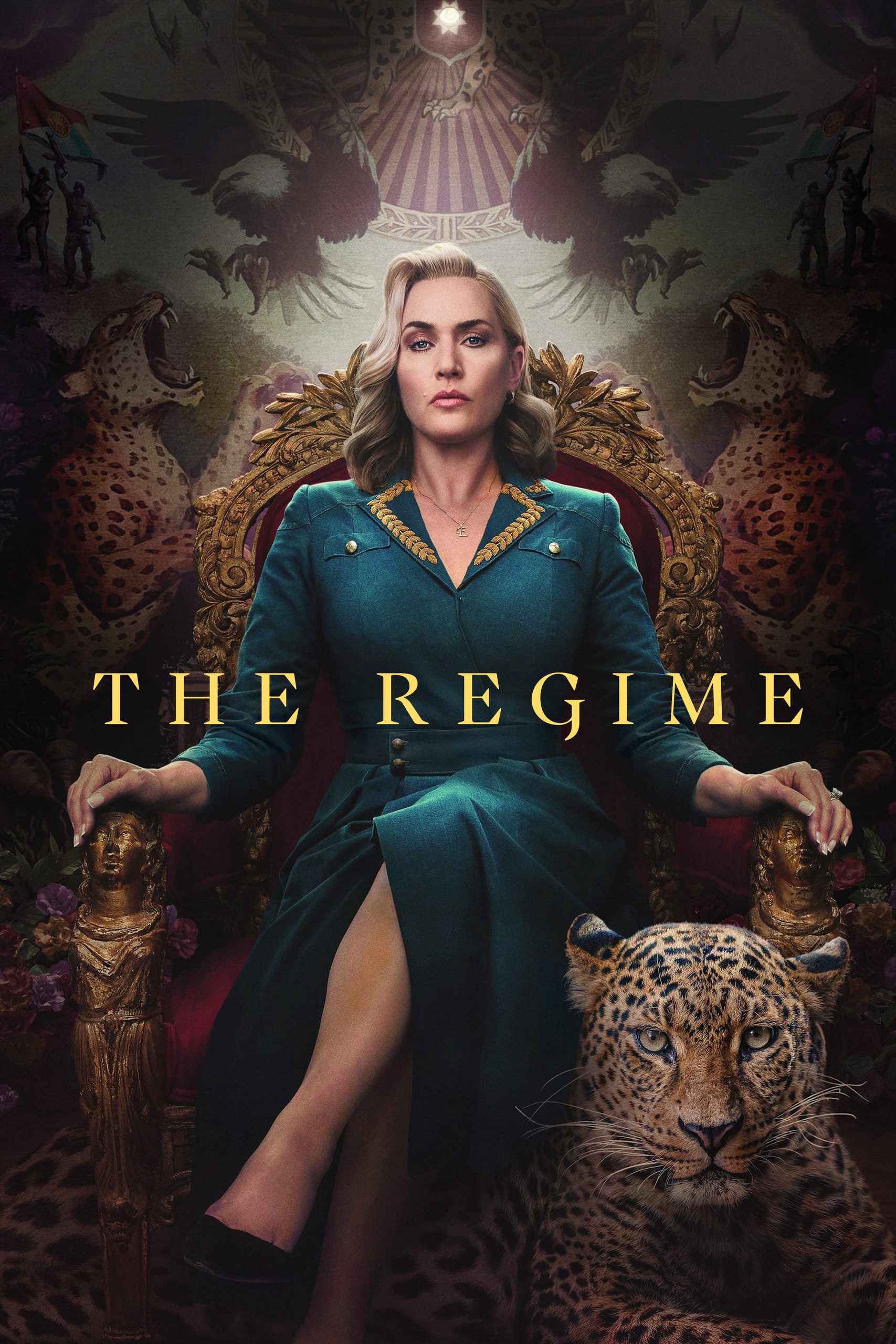
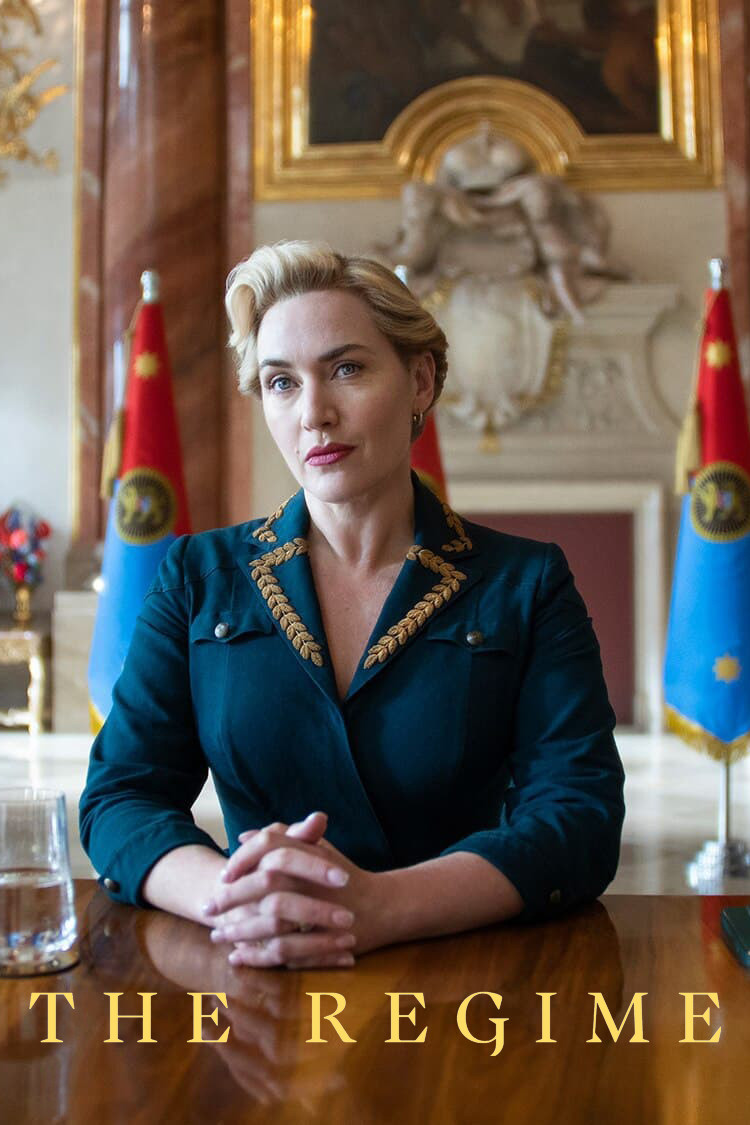
Kate Winslet plays a woman who has decided the country is her bedroom, and the performance is worth seeing. The series around her cannot decide whom it is mocking, and five hours is a long time to wait for it to choose.
Will Tracy, who created The Regime and wrote it with the novelist Gary Shteyngart, has built a six-part comedy about a dictator and left the dictatorship out. Chancellor Elena Vernham (Kate Winslet) runs a small, unnamed Central European country from a palace she believes is rotting with mould, and the state is whatever her fears happen to be that week. It is a sketch idea stretched over six episodes of 50 minutes, and it keeps raising a target and lowering the rifle. We may as well say that Winslet is the reason to watch and the only one.
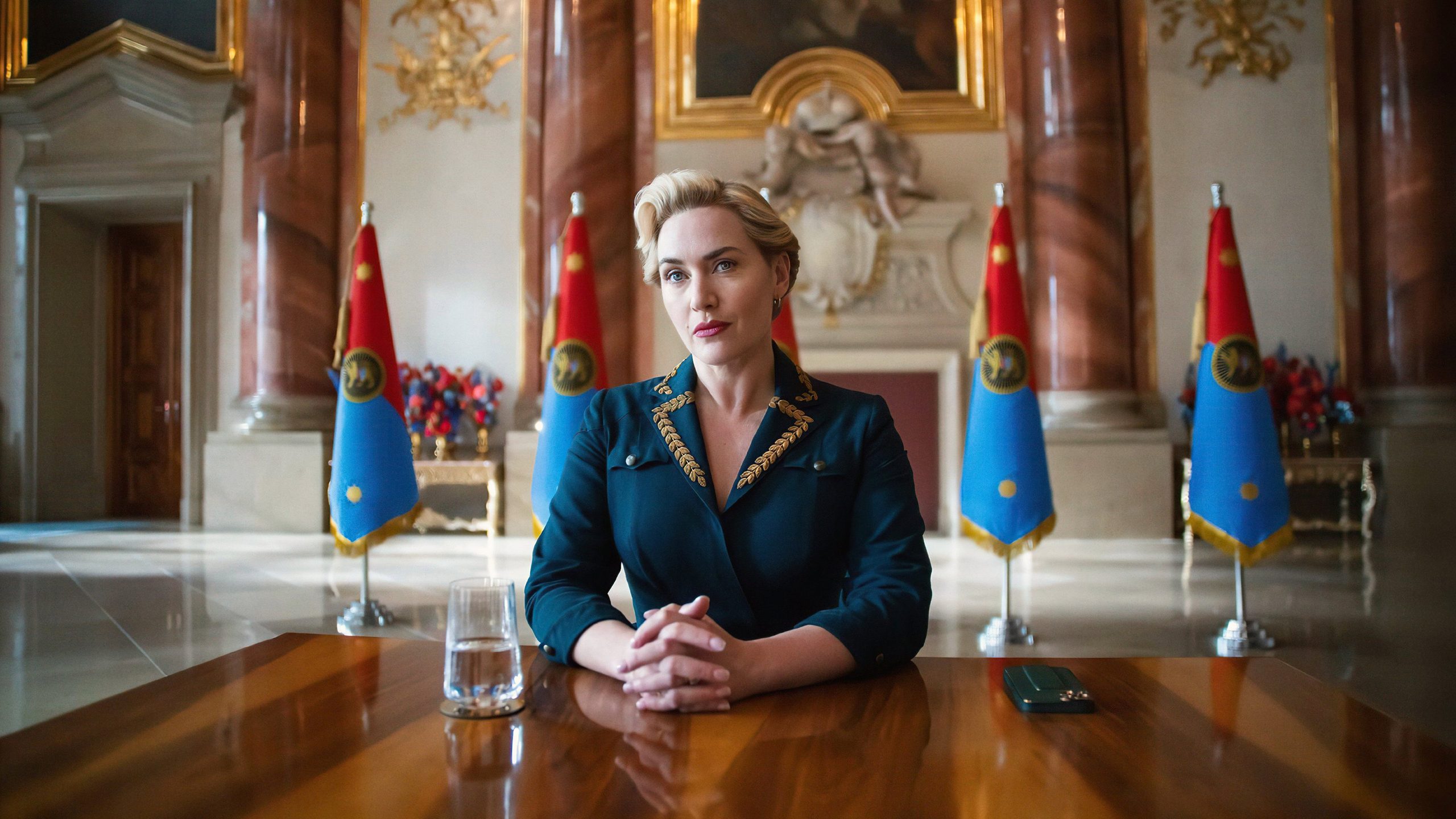
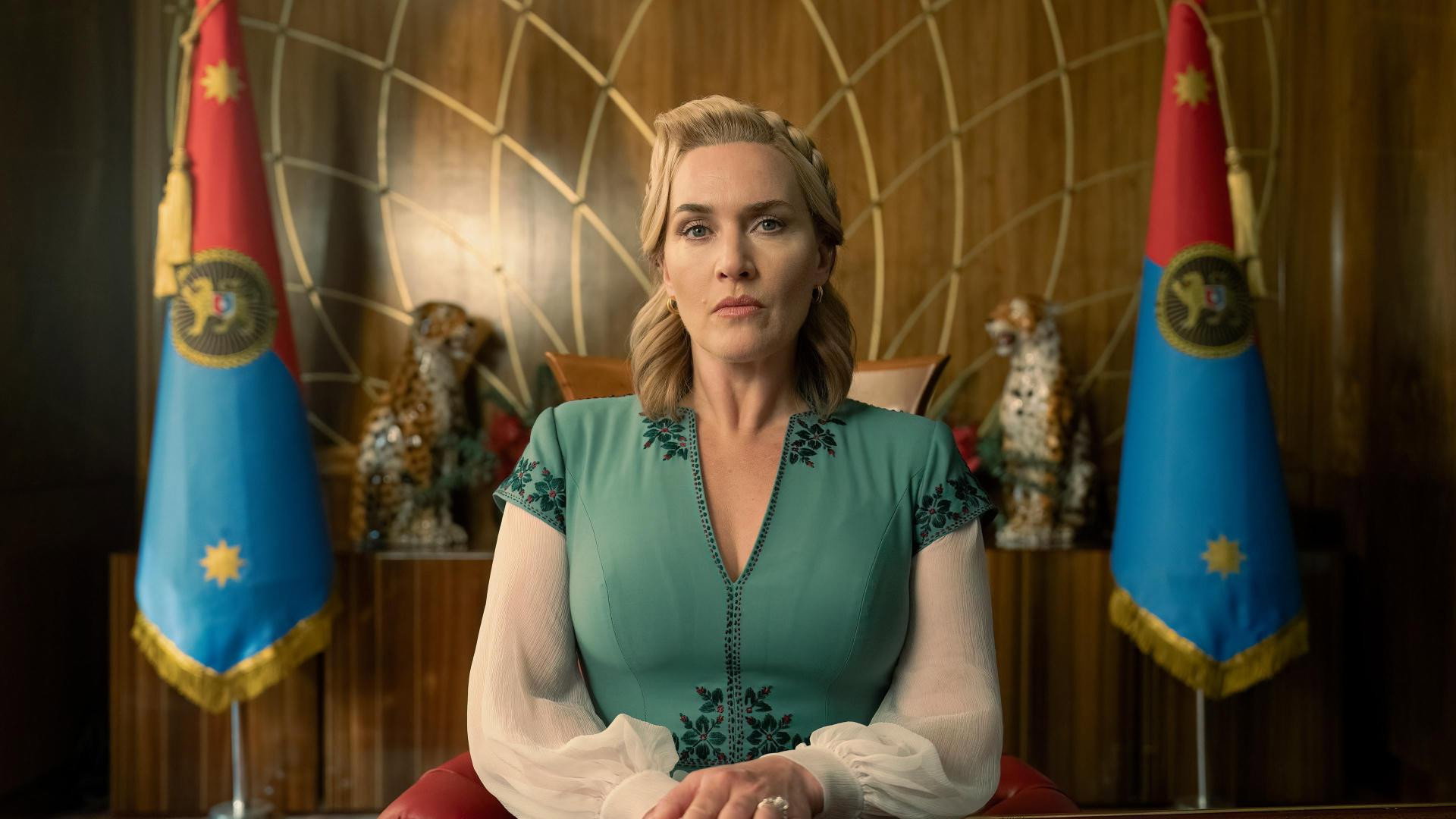
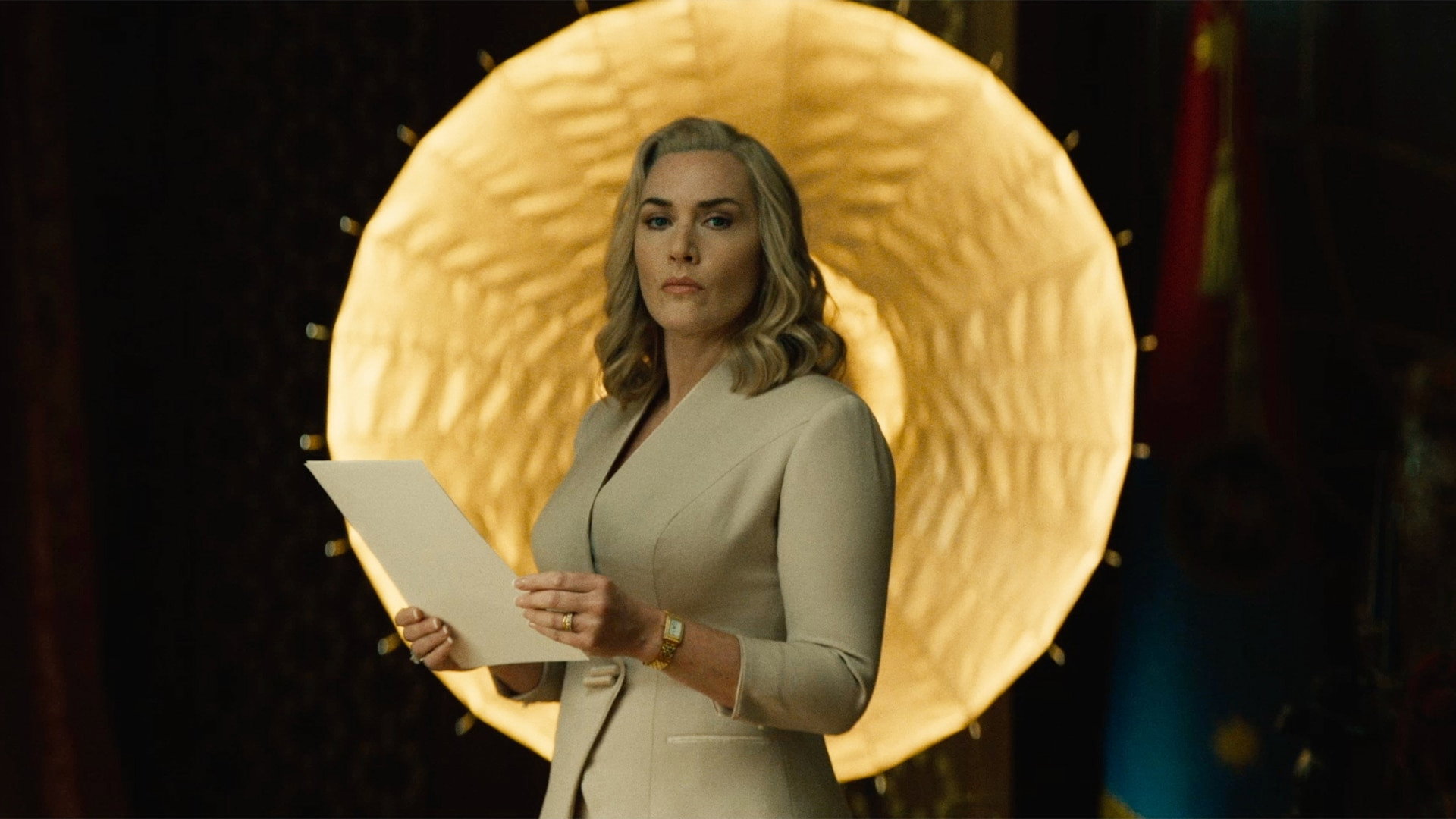
She is remarkable. Winslet plays Elena with a slack half-smile and a voice that keeps sliding up into a coo, a woman who addresses her nation as if soothing a child in the night. She wants to be well and adored, and has arranged the country so that nobody will tell her she is neither. The best scenes are the televised addresses, which Peter Lambert cuts between Elena at her desk and the faces of the people made to watch her, and Winslet plays them dead straight and kind. We found ourselves liking her for whole seconds, then remembering the previous scene, and that small shame is the sharpest thing the series has to offer.
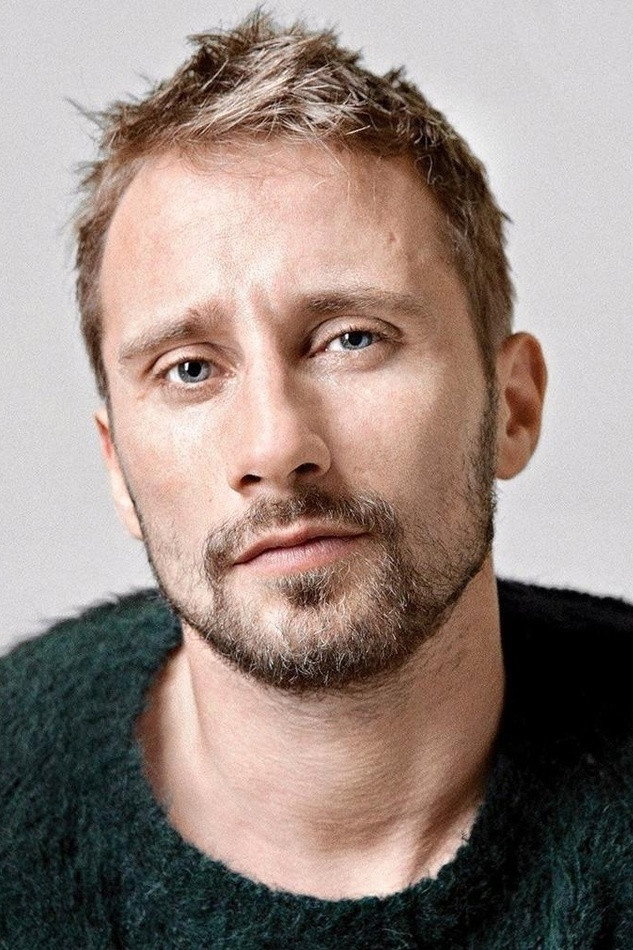
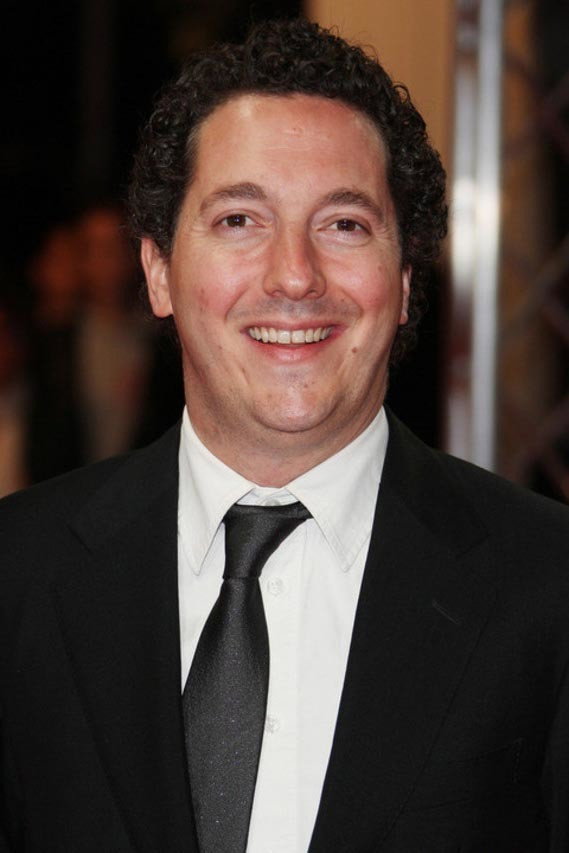
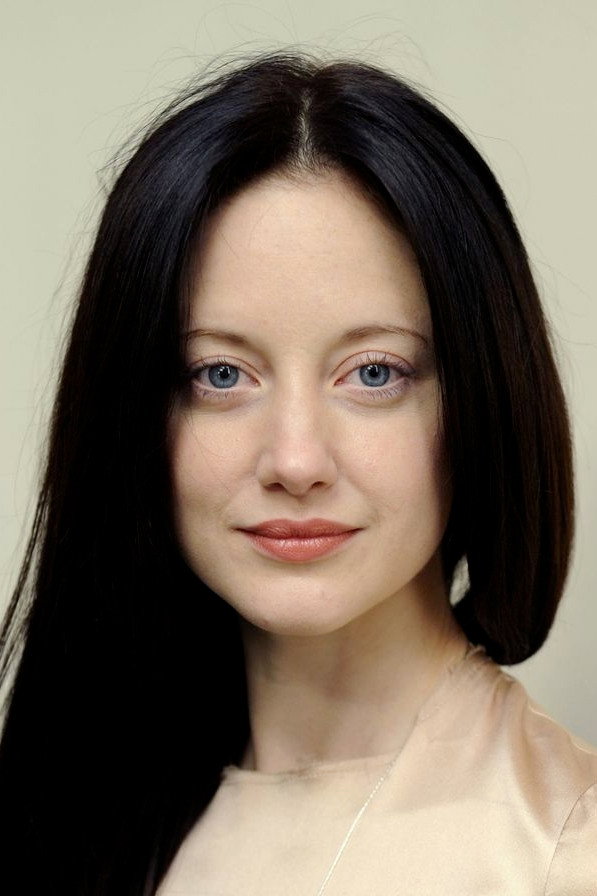
Matthias Schoenaerts is Corporal Herbert Zubak, a disgraced soldier brought in to walk a step behind her and read out the humidity. He plays him as a large, damaged animal that has found a hand to feed it, and his early scenes with Elena are the series at its most alive. Guillaume Gallienne is Nicholas, the husband, who has been in the building so long he has become furniture, and is drily funny about it. Andrea Riseborough’s Agnes runs the household with a face that has stopped registering anything. Around them stand the men of the court, Danny Webb, Henry Goodman, David Bamber and Rory Keenan among them, each given perhaps one scene of real fear before the script moves on.
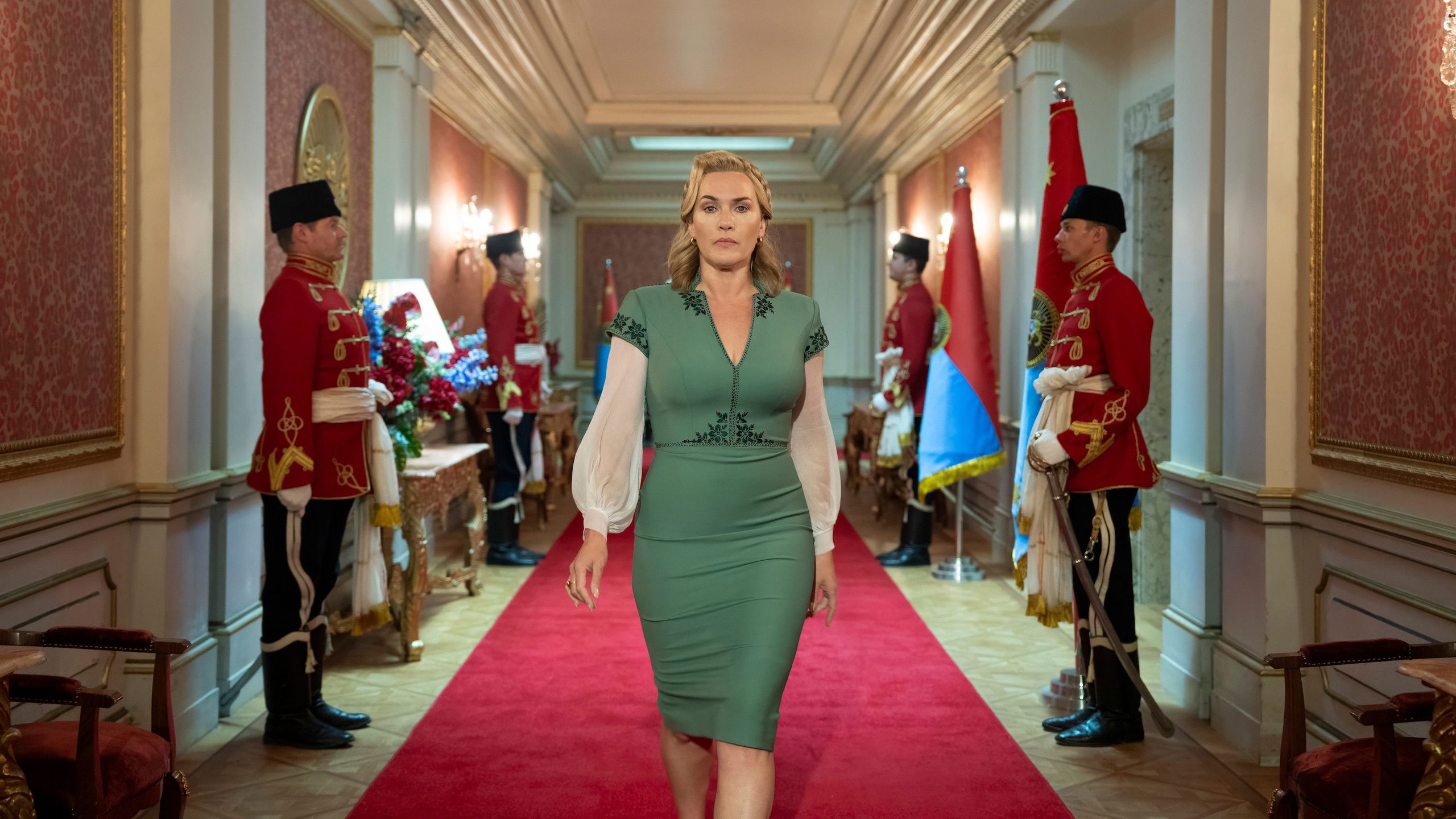
Kave Quinn has designed the palace as a ballroom turning into a hospital: gilt and chandeliers above, plastic sheeting and dehumidifiers below, mould creeping up the plaster. Alwin H. Küchler shoots the corridors dead centre and lets people walk towards the camera for a long time, in a state where everyone is always on their way to be told off. Consolata Boyle puts Elena in pastel suits and sashes, more of them the grander the occasion. Alexandre Desplat writes an operetta score, all skipping woodwind and waltz time, that treats every crisis as a farce, and before long we wished it would stop telling us so.
The trouble is what it is all for. The series borrows a bit of every strongman, a dead father she still consults, a foreign power after the minerals, a brute at the elbow, and refuses to decide which of them it means. The country has no name, no history and no people we meet outside the palace, so nothing Elena does costs anything we can see. Tracy and Shteyngart know tyrants are ridiculous, say so in nearly every scene, and get no further. By the fourth episode we were bored, and cross about it, because everything a proper satire needs is in the building and the writers have not worked out what to do with it.
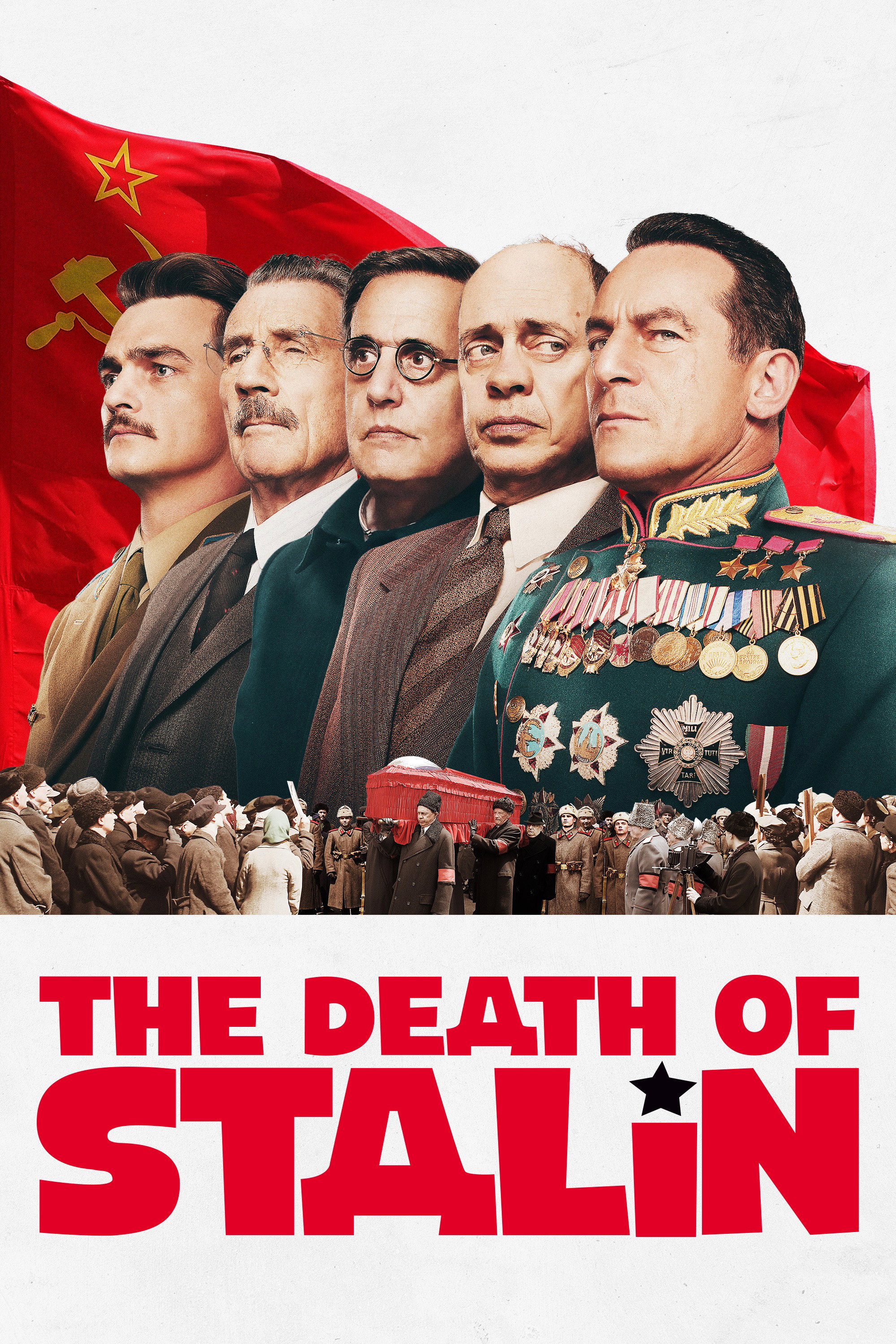
Stephen Frears and Jessica Hobbs share the direction, which is brisk and never the problem. Frears made The Queen, which was funny about power because it knew exactly who paid for the palace and who cleaned it. Beside The Death of Stalin, whose comedy came from men who knew what happened to anyone who laughed at the wrong moment, The Regime looks like a series that would like to be dangerous but has not decided to whom.
Watch the first two episodes, for Winslet, Schoenaerts and the plastic sheeting. If by the end of the second you can say what the series is about, you are ahead of the people who made it. The final episode takes a turn we will not describe, except that it is loud and does not change our mind.