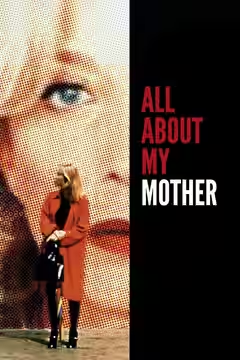
Pedro Almodóvar’s melodrama is funny, compassionate and carried by Cecilia Roth and Antonia San Juan. We recommend it warmly, with a reservation about images that sometimes look too polished for these troubled lives.
Pedro Almodóvar’s All About My Mother is funny, compassionate and moving enough to justify its considerable appetite for melodrama. We recommend it warmly, with a small reservation about the gloss on its pictures. Almodóvar lets women be entertaining company even when their lives are painful. His screenplay takes grief seriously without requiring everyone within reach to speak in a whisper.
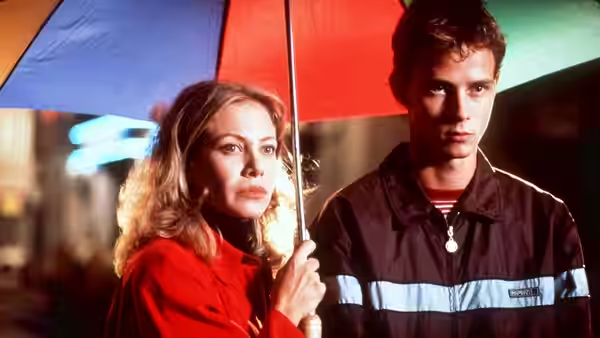
Cecilia Roth’s Manuela gives the film someone we can follow through its changes of mood. Roth does not overstate the character’s suffering, and she makes listening seem as important as speaking. There is a danger, in a story about grief, of turning the bereaved person into somebody too solemn to have an ordinary conversation. Roth keeps Manuela interested in other people, even when attending to them seems to cost her. That is a difficult performance to make look this straightforward.
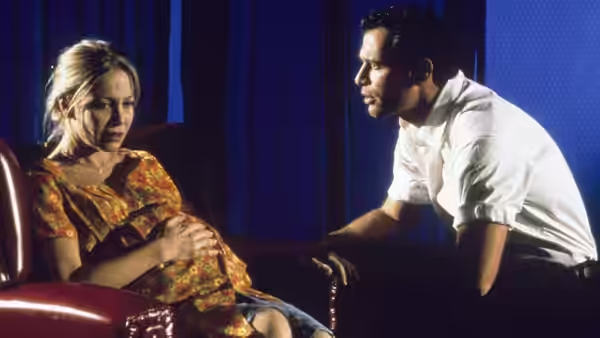
We laughed at the teasing among the women, and felt relieved that the film gave them permission to be funny. Antonia San Juan’s Agrado is especially good company: her comic assurance stops the sadness from becoming oppressive. The humour also lets affection develop without everyone having to announce it, which matters in a film already so willing to express its feelings. Penélope Cruz gives Rosa a touching openness, though Almodóvar gives her less room to be awkward or disagreeable than we would have liked.
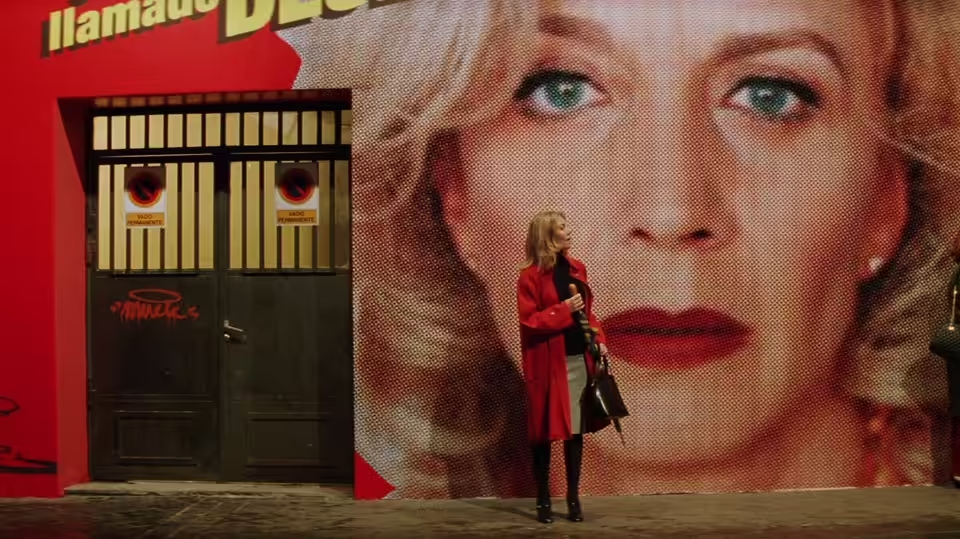
Affonso Beato’s cinematography gives the colours an intensity that suits the film’s emotional directness. Bina Daigeler and José María de Cossío’s costumes help establish how each woman chooses to present herself, giving the performers something useful to work with. The care is welcome, although the visual polish occasionally becomes distracting. At those points, the image looks a little too carefully arranged beside Roth’s unshowy performance, and the suffering becomes easier to look at than it should be.
José Salcedo’s editing keeps the various stories legible, an important job in a film that asks us to care about several people’s troubles. At 101 minutes, it has time for company without making a ceremony of every new connection. Alberto Iglesias’s music supports the emotional openness of the acting without making the humour feel out of place. The changes in mood usually feel comfortable, even when the screenplay asks a good deal of our willingness to accept melodrama.
Melodrama often makes suffering a punishment for somebody’s behaviour. Almodóvar has little interest in that: illness and grief do not arrive here as proof that someone deserves them. The allusions to All About Eve and A Streetcar Named Desire make his affection for theatrical stories about women explicit. There is no need to recognise every reference to follow his interest in people helping one another. The unconventional families are convincing because their members need not become agreeable before they can belong.
Anyone suspicious of melodrama should allow for some impatience with the weight placed on Rosa’s innocence. Cruz makes the character affecting, but a little more difficulty in the writing would have helped her. Elsewhere, the teasing makes the tenderness easier to believe, because affection need not sound reverent. See it with someone who understands that laughing during a sad film need not mean anything has gone wrong.