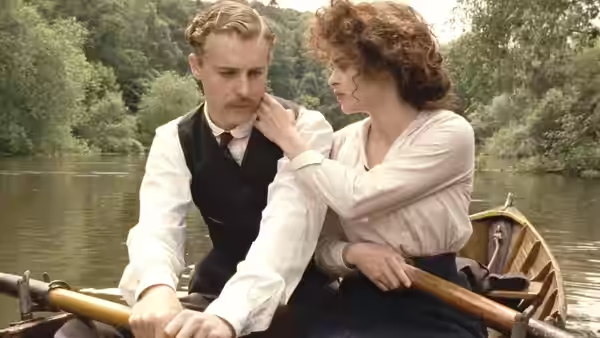
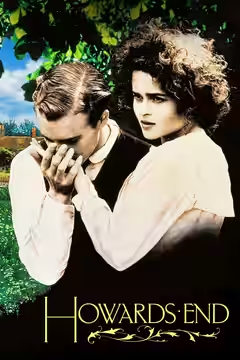
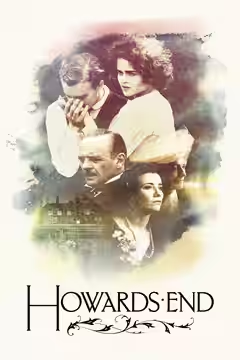
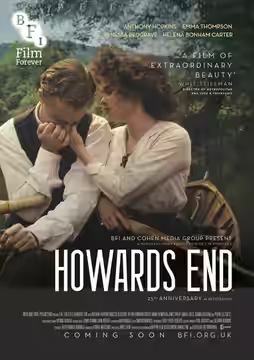
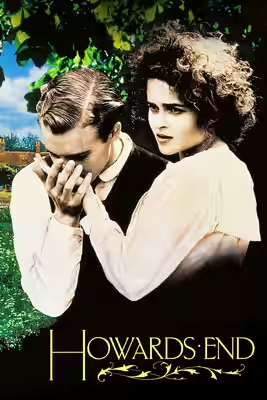
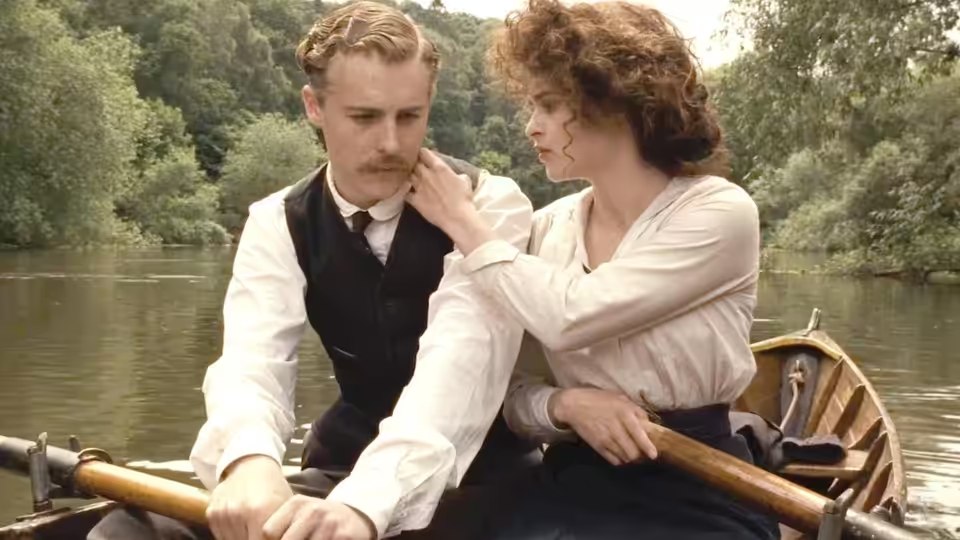
Helen Schlegel (Helena Bonham Carter) touching a man's face in a rowboat
Film review

Howards End

1992 · Directed by James Ivory · 2h 22m

In a sentenceEmma Thompson makes patience look exhausting, and the company she keeps explains why

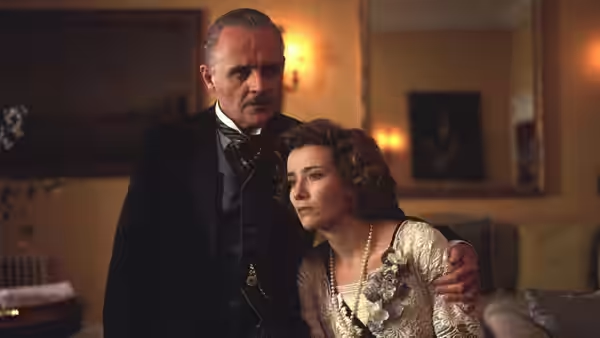
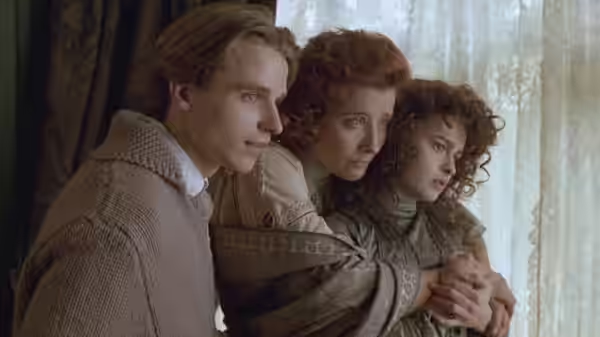
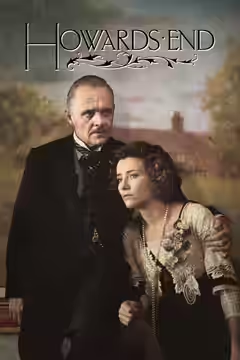
Margaret Schlegel (Emma Thompson), Helen Schlegel (Helena Bonham Carter) and Leonard Bast (Samuel West) find their lives drawn into the affairs of the Wilcox family in Edwardian England. Anthony Hopkins plays Henry J. Wilcox, with Vanessa Redgrave as Ruth Wilcox. Across these connections, differences of class shape relationships and expectations, while questions of property and inheritance carry personal consequences. Adapted by Ruth Prawer Jhabvala from E.M. Forster’s novel and directed by James Ivory, the drama follows people whose attempts to understand one another are complicated by the unequal social positions they occupy.

Plays from YouTube when you press play; nothing loads from them until then.

Fi1m review

Emma Thompson gives James Ivory’s adaptation of E.M. Forster’s warmth, wit and a reason to care about every social slight. We recommend it warmly, despite some hurried relationships and pauses that make the storytelling feel more episodic than it should.

Howards End is a fine literary adaptation with enough feeling to make its social distinctions matter, and a few too many pauses between them. James Ivory directs E.M. Forster’s story of class and inheritance without treating the people in it as an excuse to inspect the period furnishings. The film asks how much kindness can achieve when money has already decided whose comfort counts. Its performances give even the least generous characters reasons to feel secure in themselves.

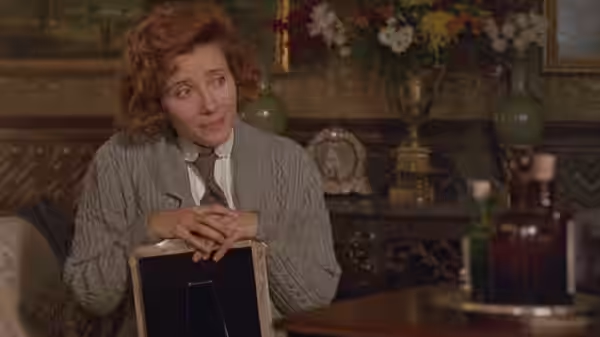
Emma Thompson’s Margaret Schlegel is the reason to stay with it. Thompson makes her intelligence approachable: the humour matters as much as the compassion, and she listens as though another person might still change her mind. We were moved by the care in that listening, because it makes Margaret’s concern for others feel like something she must keep choosing. There is a danger of making her too saintly, but Thompson gives the goodness enough wit to keep it human.

Anthony Hopkins, as Henry J. Wilcox, makes self-interest sound so reasonable that we can understand how it escapes examination. He does not need to advertise Henry’s faults; his assurance does the work. Vanessa Redgrave’s Ruth Wilcox offers a quieter kind of authority, and her presence keeps the film from becoming a debate conducted only by its most articulate people. Samuel West as Leonard Bast is important to the balance: sympathy cannot stop with those who can afford to be sympathetic.

Tony Pierce-Roberts’s cinematography and Luciana Arrighi’s production design make the period world inviting, which is useful in a story about the people it excludes. The care spent on its appearance helps us understand the attraction of belonging to it. We never feel that Ivory dislikes comfort; he is interested in the ease with which comfortable people mistake their circumstances for their merits. At times, though, the finish is so immaculate that hardship feels less immediate than the rooms surrounding it.

Ruth Prawer Jhabvala’s screenplay is intelligent about these inequalities, but less consistently patient with the relationships through which they become personal. Some attachments feel established before the film has given us enough time to believe them. Andrew Marcus’s editing compounds this: the repeated black-outs draw attention to the separate episodes, and the next stretch occasionally arrives before the previous one has settled. The film runs for 142 minutes; a little more of that time could have gone to these people getting to know one another.

Richard Robbins’s score gives the film a steadiness that the editing sometimes lacks, and its emotional weight feels earned by the acting. This is a literary period drama content to let conversation carry much of the interest. Ivory’s control serves it well when we are allowed to watch people consider one another, less well when the screenplay hurries on to the next connection. Thompson and Redgrave reward the attention.

We recommend it warmly, particularly for Thompson, and with a little patience for the gaps between episodes. Anyone put off by the prospect of well-dressed people discussing their difficulties should know that the acting keeps those difficulties worth attending to. The humour is welcome, too, and stops the good intentions becoming a sermon. Allow it an unhurried evening, and forgive the black-outs.

Critical consensus AI synthesised

83
Positive
10
Mixed
0
Negative
0

Most critics warmly recommend Howards End, with praise centred on Emma Thompson’s emotional precision and the strength of the ensemble, particularly Anthony Hopkins. The reviews admire the period detail, assured storytelling and intelligent handling of class and social connection. Several see the adaptation as evidence that traditional literary filmmaking can be both entertaining and searching, with the handsome settings allowing a troubling account of money and privilege to emerge.

Reservations concern what is lost in adapting Forster. The AV Club and The New Yorker find that some complexity falls away, while Time Out objects to the screenplay’s length and reliance on black-outs. The spread is largely between enthusiasm and qualified approval, though Slant Magazine offers a sharper dissent: it finds the decorative style empty and the dialogue too explicit, while still valuing Thompson and Vanessa Redgrave. Even where critics disagree about the adaptation, the performances retain considerable support.
Radio Times
★★★★★ · Tom Hutchinson
100

This elegant adaptation never hides grim insights into the upper middle classes while delivering perfect period detail and extraordinarily convincing portraits from Anthony Hopkins and Emma Thompson. It stands as one of the finest conversions of a novel to cinema.

Read the full review →
Los Angeles Times
15 April 1992 · Kenneth Turan
90*

The critic urges surrender to the film's assured storytelling, remarkable acting, and rich period detail as a peak of traditional filmmaking. They single out the complex emotional depth achieved by the long-collaborating Merchant-Ivory-Jhabvala team and especially Emma Thompson's performance.

Read the full review →
The Guardian
30 April 1992 · Derek Malcolm
90*

The critic praises the film as one of Merchant Ivory's best, highlighting the excellent performances, particularly by Anthony Hopkins and Emma Thompson, and its faithful adaptation of the novel's themes of class and connection.

Read the full review →
Empire
1 January 2000 · Angie Errigo
85*

Merchant Ivory delivers a handsome, intelligent and witty adaptation with a perfect cast. Thompson is wonderful in this delightful, pacey period piece that stands as one of their most memorable films.

Read the full review →
Sight and Sound
· Lizzie Francke
80*

The film delivers a more troubling and rigorous inquest into a bygone era than usual Merchant Ivory adaptations. It highlights the grasping Wilcoxes as villains and gives moral weight to the Basts' perspective on class and modernity.

Read the full review →
The Independent
1 May 1993 · Laurence Earle
80*

Merchant-Ivory's third and most successful adaptation of Forster is a complex tale of class distinction in Edwardian England. Emma Thompson and Anthony Hopkins deliver standout performances in this story of social connections.

Read the full review →

Straight answers AI written, from our review

Is Howards End worth watching?
Howards End is worth watching for anyone who enjoys a literary period drama carried by conversation and acting, and we scored it 84. Emma Thompson's Margaret Schlegel is the main reason to stay with it, with Anthony Hopkins and Vanessa Redgrave close behind. Allow it an unhurried evening and forgive the pauses between episodes.
How long is Howards End, and what is it rated?
Howards End runs 2h 22m. It is a drama and romance film.
Where can I watch Howards End in Estonia?
Howards End is not on any streaming or rental service in Estonia at the moment. It is available in 16 other countries; change your country at the top of the page to see where. Availability is checked daily.
How does Howards End compare to The Remains of the Day?
Howards End and The Remains of the Day are both James Ivory films pairing Anthony Hopkins and Emma Thompson, and the second is the more restrained of the two. Howards End has more humour and a wider social canvas, but its storytelling feels episodic; The Remains of the Day is tighter and more painful, with even less said aloud. Choose the first for warmth, the second for ache.
Is Howards End based on a true story or a book?
Howards End is based on E.M. Forster's novel, adapted for the screen by Ruth Prawer Jhabvala, and is not a true story. The film keeps Forster's concerns with class, property and inheritance in Edwardian England, though we found some relationships hurried on screen. Knowing the book is not necessary; the performances explain the social slights as they happen.
What should I watch after Howards End?
After Howards End, try The Remains of the Day (1993, Fi1m 88): For another meeting of Hopkins and Thompson, with even less said aloud. Then Tokyo Story (1953, Fi1m 92): Family courtesy conceals disappointments that become harder to dismiss with every visit; and A Separation (2011, Fi1m 93): Class, duty and sympathy become painfully tangled in another dispute over doing right.

Cast

Awards

Academy Awards, 1993

Nominated
Best Cinematography
Nominated
Best Costume Design
Nominated
Best Director
Nominated
Best Original Score
Nominated
Best Picture
Nominated
Best Supporting Actress
Won
Best Actress
Won
Best Production Design
Won
Best Writing, Adapted Screenplay

If you liked this, try…

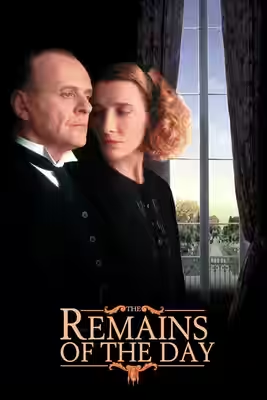
  1. The Remains of the Day (1993, Fi1m 88)For another meeting of Hopkins and Thompson, with even less said aloud.

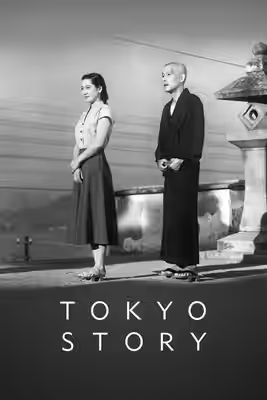
  2. Tokyo Story (1953, Fi1m 92)Family courtesy conceals disappointments that become harder to dismiss with every visit.

  3. A Separation (2011, Fi1m 93)Class, duty and sympathy become painfully tangled in another dispute over doing right.

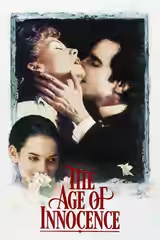
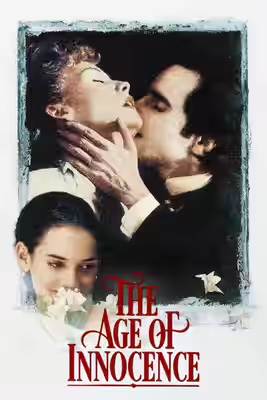
  4. The Age of Innocence (1993, Fi1m 86)For rooms full of beautiful things and people expertly making one another unhappy.

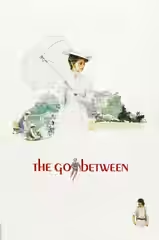
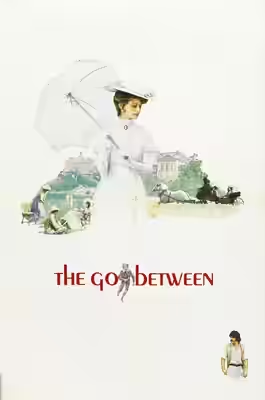
  5. The Go-Between (1971) · not reviewed yetAnother English period drama in which class determines who can afford discretion.

Free account

Know what to watch tonight

Two lists that know where things are streaming, collections you can share, your own score beside ours, and Discover that remembers what you have seen.

  • Want to see, sorted by what is streaming now
  • Seen, with your score out of ten
  • No adverts, ever