Oliver Stone’s JFK is a gripping conspiracy thriller, driven by astute casting and forceful editing. Its confidence outstrips its evidence, but the filmmaking makes the investigation hard to leave alone.
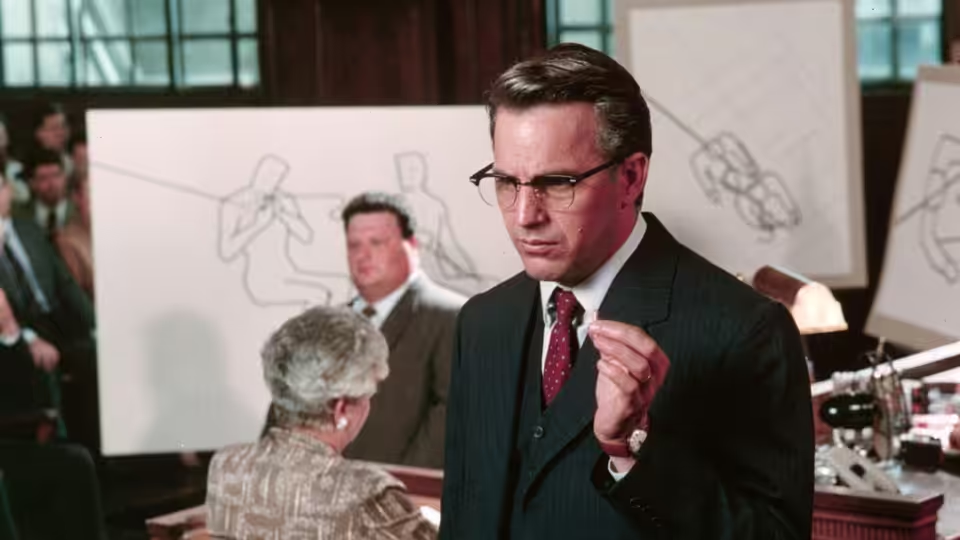
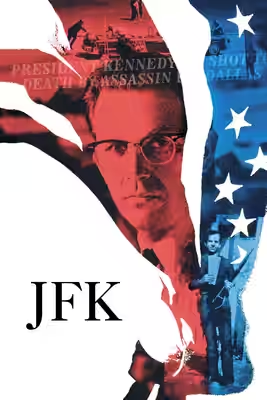
Oliver Stone’s JFK is a gripping conspiracy thriller with a serious weakness: it becomes so determined to persuade that it stops giving doubt a fair hearing. Its 189 minutes follow Jim Garrison’s investigation through a quantity of information that might reasonably have defeated a less forceful director. Stone makes the accumulation itself exciting, so that another name or possible connection feels like progress. He is excellent at making us expect the next explanation to settle matters, however many explanations have come before it.
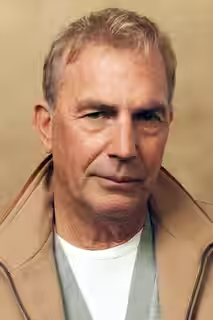
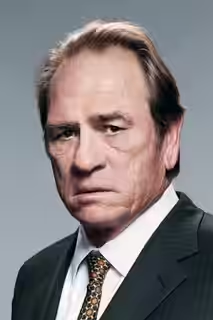
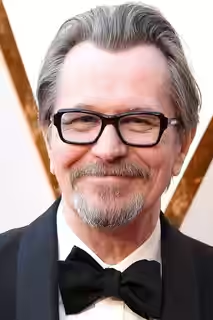
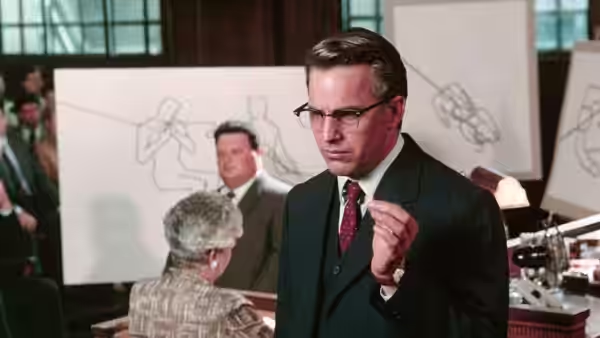
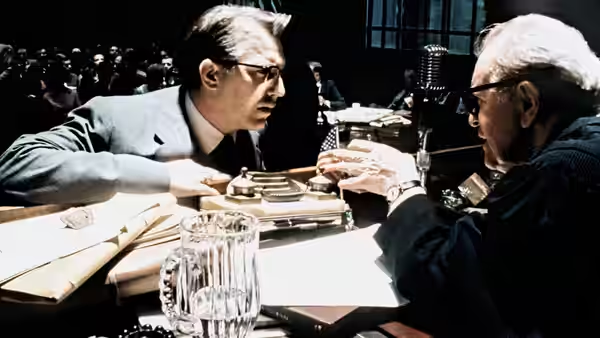
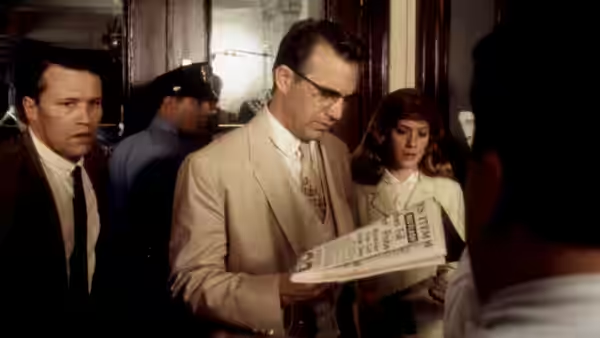
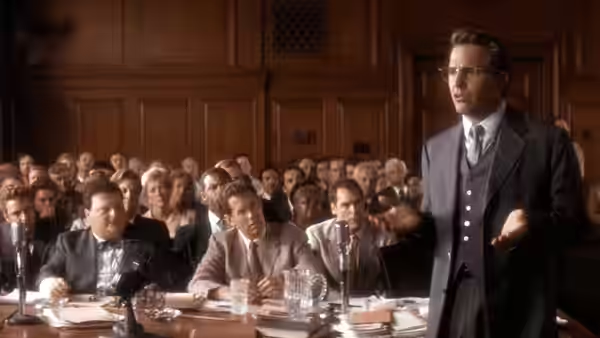
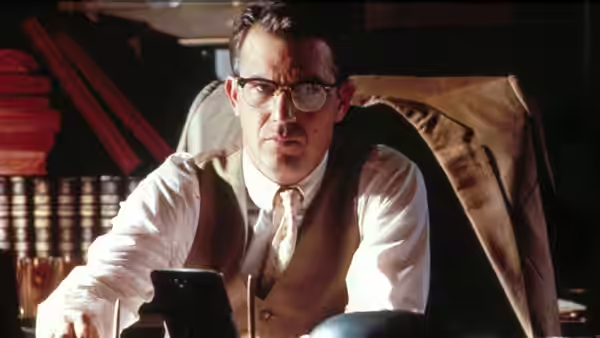
Kevin Costner is central to that persuasion as Garrison. His restraint is a useful choice, because Garrison needs to seem worth listening to before the film can ask us to follow him this far. Gary Oldman’s Lee Harvey Oswald, Tommy Lee Jones’s Clay Shaw and Joe Pesci’s David Ferrie give the crowded inquiry sharply differentiated faces, helping us keep track when the explanations threaten to become exhausting. The casting does some of the work that a less crowded screenplay would have had to do for itself.
Robert Richardson’s cinematography keeps the faces and information readable within the rush, while editors Joe Hutshing and Pietro Scalia make the sheer quantity feel manageable. Their barrage of images encourages us to connect one piece of information with the next before we have finished considering the first. We were gripped by that rush, then uneasy at how quickly we had started accepting the connections it suggested. The cutting conveys Garrison’s urgency so effectively that finding time to question him becomes part of the work of watching.
Victor Kempster’s production design helps make the historical setting credible, even when the claims being made stretch belief. That usefulness is easy to overlook in a film so eager to tell us what to think. John Williams’s music supplies weight and urgency, but presses the importance of the inquiry harder than it needs to when the images are already persuasive. The score contributes to the sense of being hurried towards a judgement.
The problem belongs chiefly to the screenplay by Stone and Zachary Sklar. Questioning the Warren Commission is a workable basis for a thriller; allowing suspicion to spread so widely that almost any objection can feed it makes the investigation harder to assess. The proposed conspiracy remains too vague for the film’s emphatic manner, and the succession of accusations cannot fill in the missing explanation. We need a clearer account of precisely what Garrison thinks happened, and why competing explanations should be dismissed.
We like a political thriller to leave open the possibility that its investigator has misunderstood something. JFK gives that possibility too little weight, and loses some tension through being so sure of itself. Yet there is considerable pleasure in the concentration required to keep pace with its crowded inquiry. For much of its length, Stone trusts us to retain names, recognise faces and follow an increasingly complicated case, which makes the excessive persuasion particularly frustrating.
We recommend it for that demanding, absorbing investigation, with a firm reservation about its treatment of evidence. At 189 minutes, it asks for concentration, and rewards the effort often enough to justify the length. Choose it when you have the energy to keep questioning what you are being told.