Film review

Life Is Beautiful

1997 · Directed by Roberto Benigni · 1h 56m · MPA PG-13

In a sentenceA father distracts his child from the horror, and the film rather too helpfully distracts us too

ComedyDrama

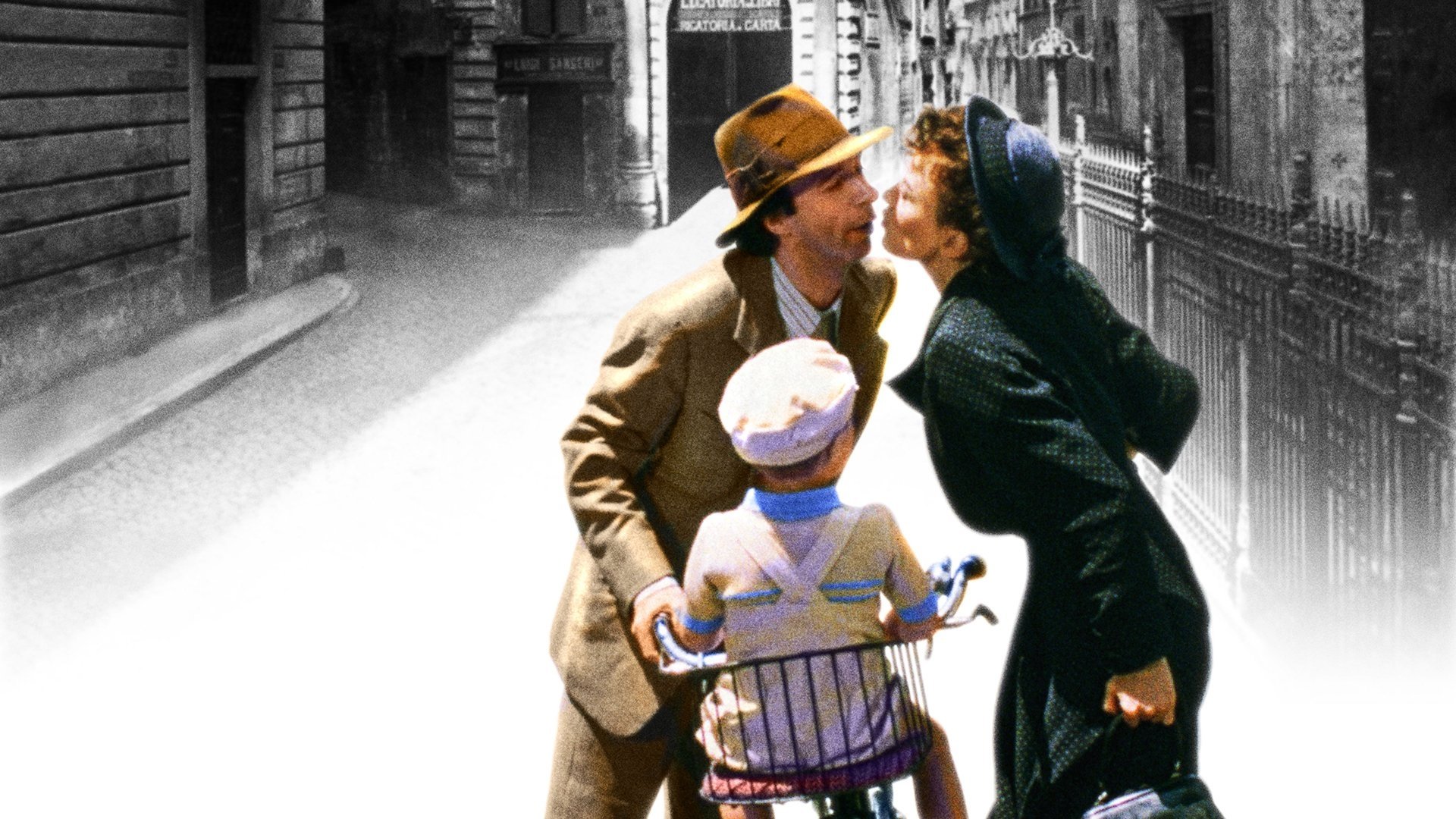
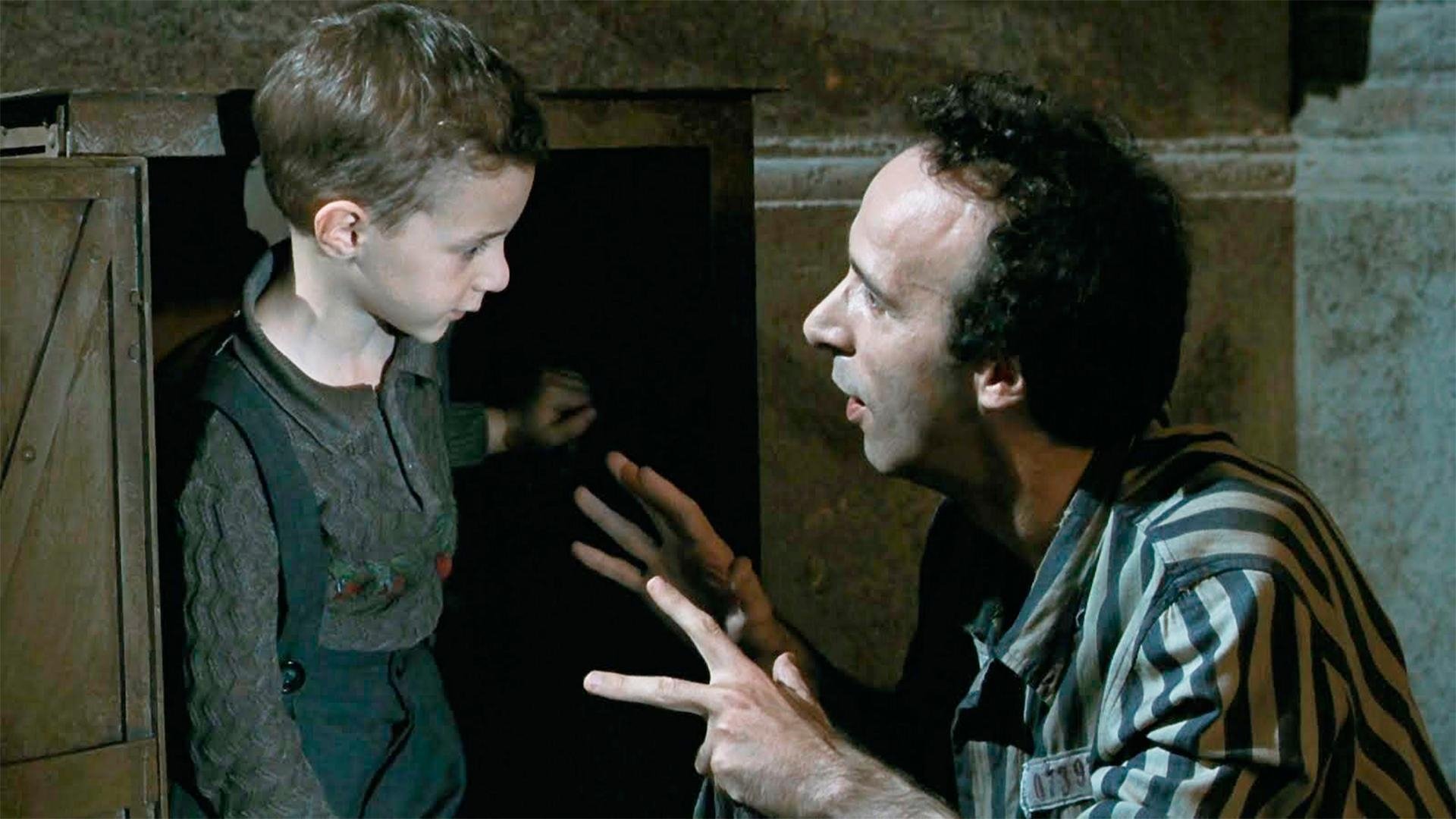
Guido (Roberto Benigni) pursues a romance with Dora (Nicoletta Braschi), using comedy and invention to bring them together. Around their courtship, signs of anti-Semitism intrude. Giorgio Cantarini plays Giosué, Guido’s son, whose understanding of the adult world becomes central to the story. Set against the Holocaust, Life Is Beautiful follows a father who uses his imagination to protect his child from the horror around them. Benigni directs and writes with Vincenzo Cerami, combining a romantic farce with a family drama about what a parent tells a child, and what he keeps from him.

Fi1m review

Roberto Benigni’s Holocaust fable earns its tenderness through an engaging courtship and a father’s desperate ingenuity. But it offers too much reassurance about the surrounding horror, leaving a moving film with a serious weakness.

Life Is Beautiful asks us to accept comedy as a father’s way of protecting his child from the Holocaust. Roberto Benigni, directing and starring as Guido, earns our attention through a romance whose silliness has purpose. We find the film affecting but too reassuring about the horror surrounding its family. The difficulty comes when his determination to comfort the child also governs how much distress the audience is permitted to feel.

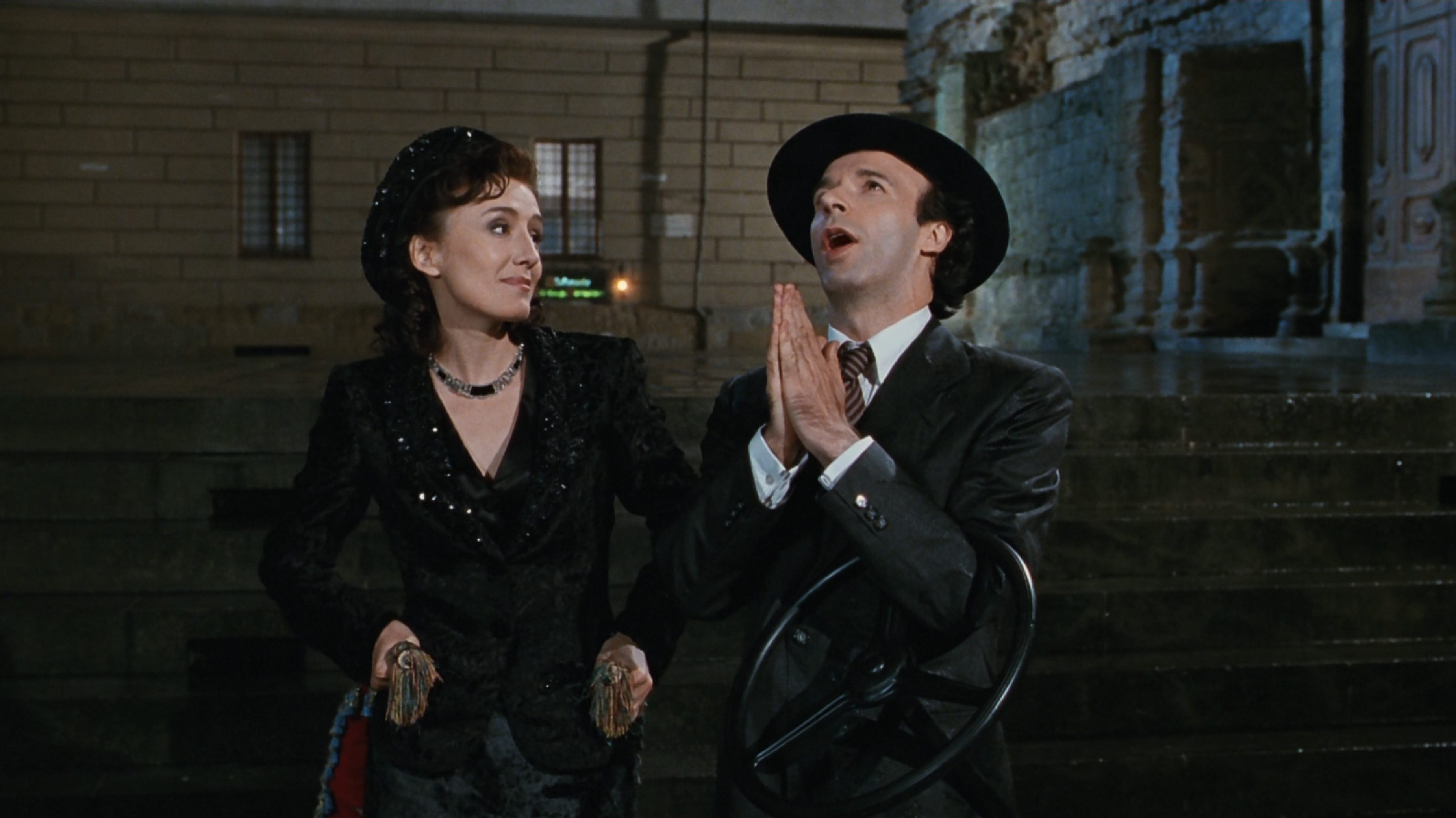
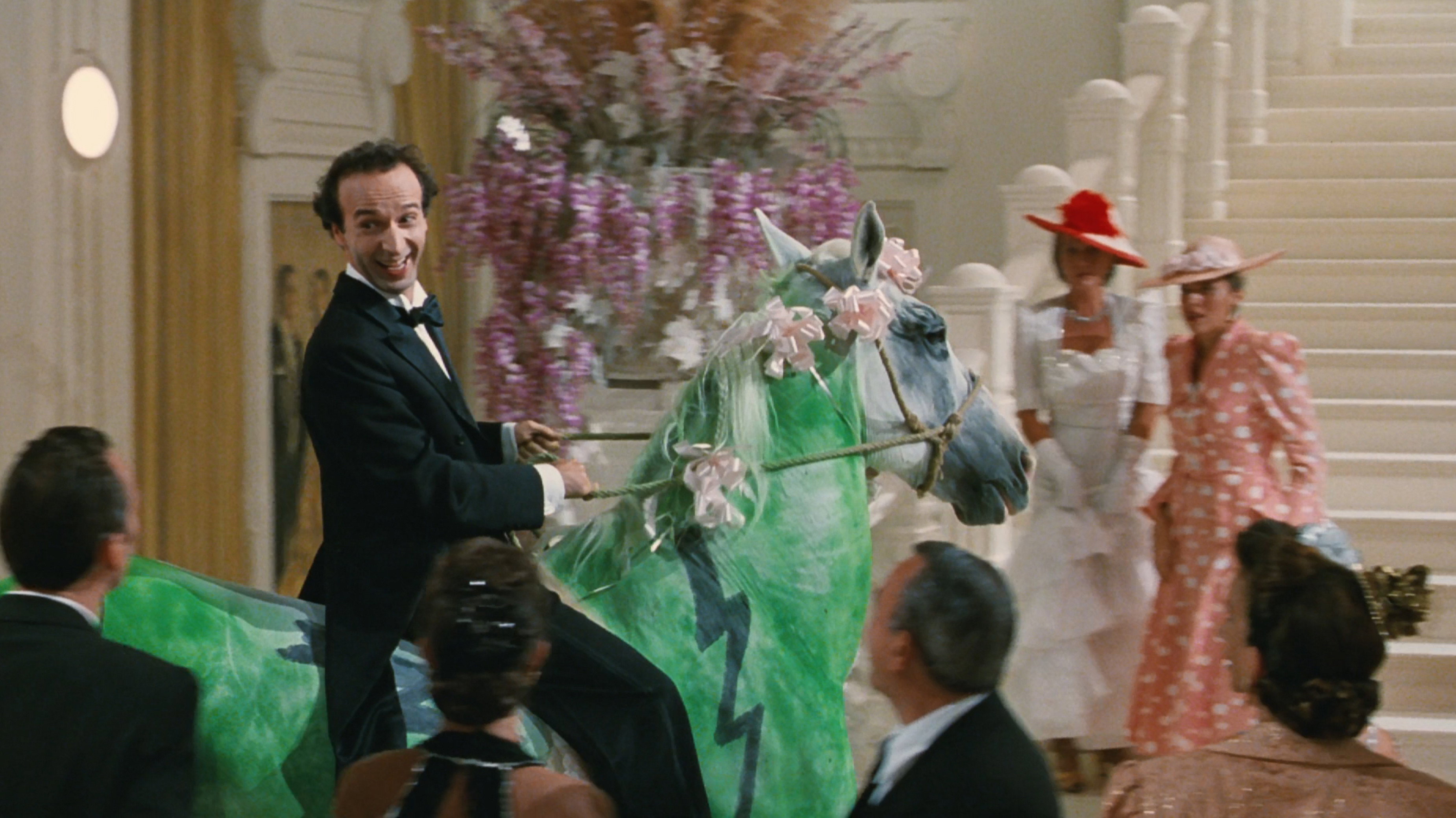
The courtship gives Benigni room to be funny without having to justify every joke as an act of courage. His screenplay with Vincenzo Cerami establishes Guido’s inventiveness through his pursuit of Dora, played by Nicoletta Braschi, so the comedy also tells us how he thinks. Braschi gives the romance a welcome calm beside his energy. We believe in the affection, though the film’s delight in Guido can leave Dora seeming chiefly there to appreciate him.

Tonino Delli Colli’s cinematography is at its most effective when anti-Semitic imagery intrudes on the early romance. We have been encouraged to enjoy Guido and Dora’s courtship, and these reminders of persecution make that enjoyment uneasy. Danilo Donati’s production design helps make their early scenes inviting, although the film’s prettiness becomes a problem when it approaches historical suffering. The settings give the jokes somewhere to work, but do too little to make the family seem vulnerable.

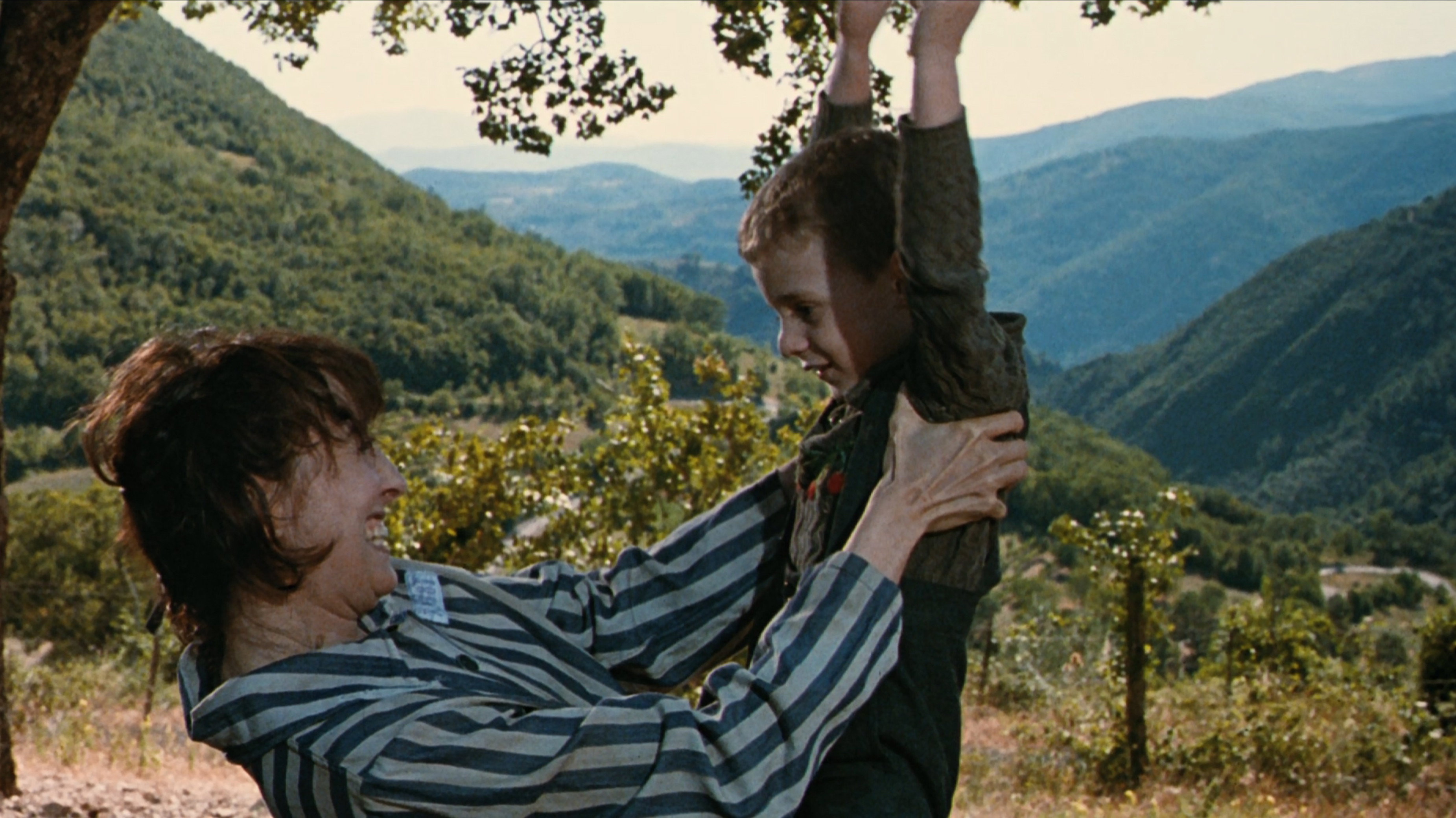
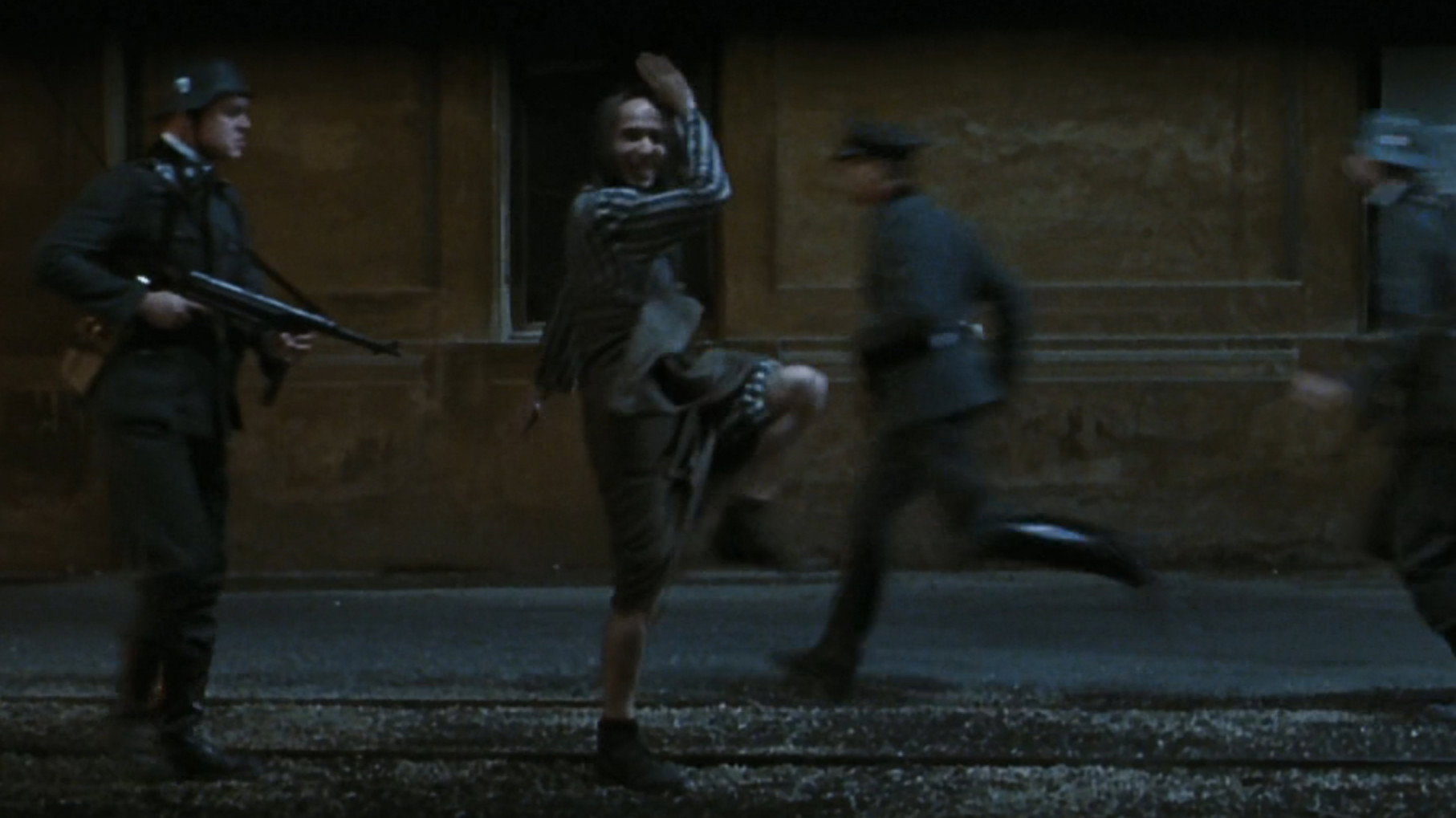
We were moved by Guido’s effort to turn danger into a game for his son, Giosué, played by Giorgio Cantarini. Keeping a child calm is an immediate, understandable task, and Benigni makes the effort feel desperate beneath the comedy. At these moments, the film needs no larger claim about the power of imagination. A parent trying to manage his own fear while taking responsibility for someone else’s gives us plenty to care about.

But the game also asks us to accept too much protection from what is happening around it. A child’s limited understanding cannot settle how gently a film should present the Holocaust to adults. Benigni and Cerami make Guido’s resourcefulness so central that the surrounding cruelty seems to matter chiefly as a test of his ingenuity. That leaves us worrying about the success of his invention when we ought to be more troubled by the danger that makes it necessary.

Simona Paggi’s editing keeps the romantic farce buoyant, but the film allows too little time outside Guido’s reassuring account of things. The shift between comedy and suffering needs more friction than it gets. Nicola Piovani’s music reinforces the tenderness when a less consoling accompaniment might let us experience something more difficult. We wanted less help feeling sad, particularly when Benigni’s effort to keep the game going was already enough to move us.

The licence usually granted to a family fable is harder to grant when its subject is the Holocaust. We do not need comedy excluded from such a story, but we do need the horror to remain beyond a charming man’s ability to explain it away. Benigni’s sincerity keeps the film from feeling cynical, even when the sentiment becomes too insistent. Consider it for the performances, with no obligation to accept the reassurance.
Critical consensus AI synthesised

5 of 6
Positive
3
Mixed
1
Negative
1
The AV Club
29 March 2002 · Joshua Klein
85*

Benigni's film is monumental for its daring mix of humor and the Holocaust, portraying the camps as a game to shield a son's innocence. The critic highlights the surreal weirdness of evil captured by making viewers laugh amid terror, as in the early romantic farce turning ominous with anti-Semitic imagery.

Read the full review →
Empire
1 January 2000 · Caroline Westbrook
80*

Benigni has crafted a genuinely remarkable film as powerful, moving, and capable of indelibly etching itself on the brain as Schindler's List. It transcends controversy over its subject with sheer inventiveness and energy, its emphasis placed firmly on the beautifully staged romance between Guido and Dora.

Read the full review →
The New Yorker
8 March 1999 · David Denby
30*

The film is a soothing but unconvincing and self-congratulatory fable that trivializes the Holocaust by turning it into a game and protects the audience from its true horror.

Read the full review →
RogerEbert.com
30 October 1998 · Roger Ebert

Benigni uses comedy as a weapon to protect his son in a concentration camp, showing human ingenuity and hope amid horror rather than making light of the Holocaust itself.

Read the full review →
Sight and Sound
· Colin MacCabe

The critic praises Benigni's audacious attempt to make a comedy about the Holocaust, highlighting the film's recognition of the impossibility of representing such horror while affirming life through comedy rooted in commedia dell'arte and Chaplin. The first hour's depiction of Guido's love for Dora is singled out for its emotional strength and beauty.

Read the full review →
The Guardian
12 February 1999 · Jonathan Romney

The critic finds Benigni's comedy sincere but horribly misjudged and fundamentally mendacious. It presents the Holocaust as a gently touching tragedy with a happy ending while denying the depth of its horrors through softened camp scenes, kitsch imagery and self-deception as a survival tactic.

Read the full review →

Cast

Stills

Awards

Academy Awards, 1999

Nominated
Best Film Editing
Nominated
Best Picture
Nominated
Best Writing, Original Screenplay
Won
Best Actor
Won
Best International Feature Film
Won
Best Original Dramatic Score

International Submission to the Academy Awards, 1999

Nominated
International Submission to the Academy Awards

Cannes Film Festival, 1998

Won
Cannes Film Festival Grand Prix

European Film Award for Best Actor, 1998

Won
European Film Award for Best Actor

European Film Award for Best Film, 1998

Won
European Film Award for Best Film

If you liked this, try…

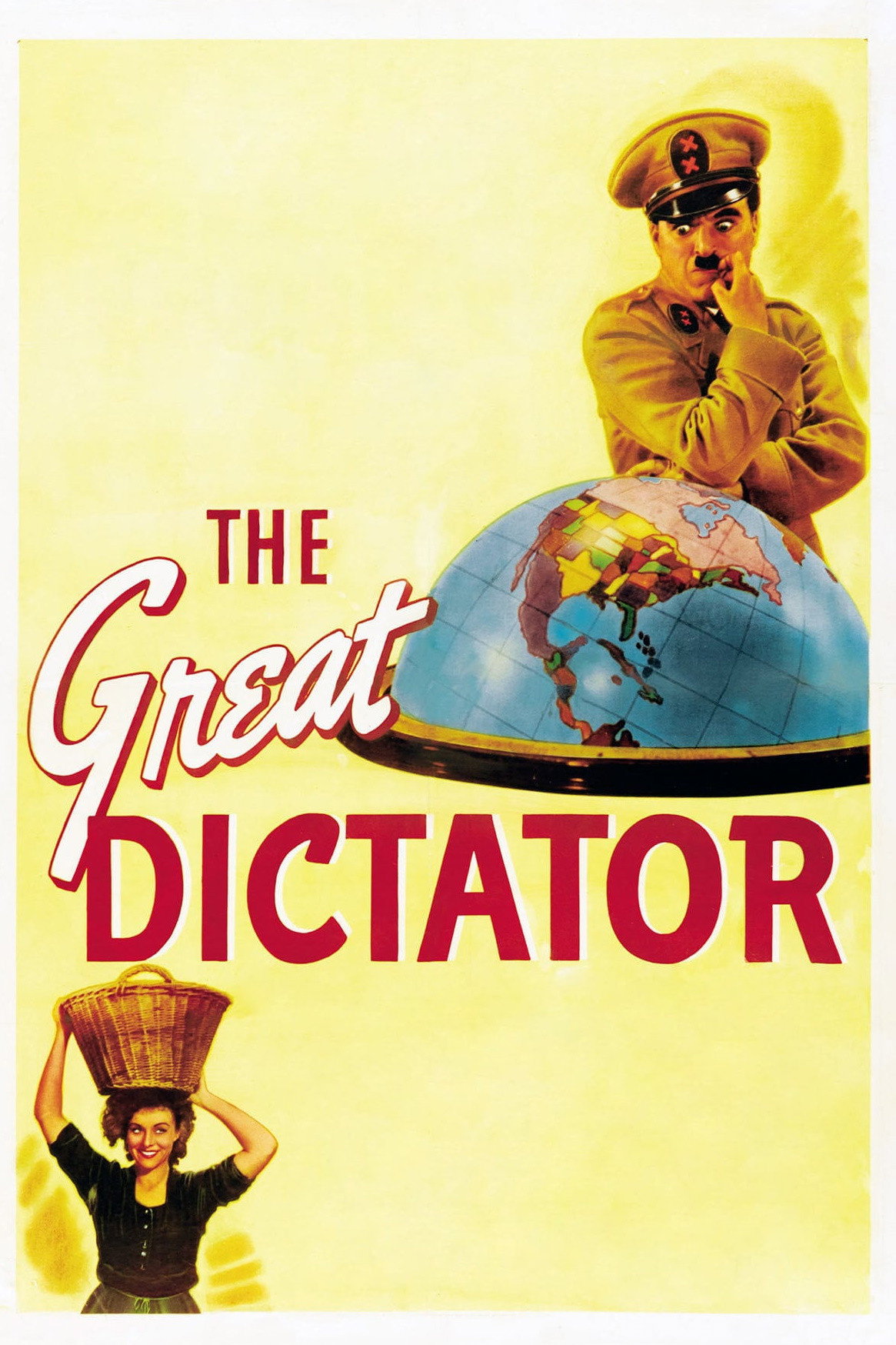
The Great Dictator poster

The Great Dictator

1940 · Chaplin confronts fascism through slapstick, with a less reassuring view of power.

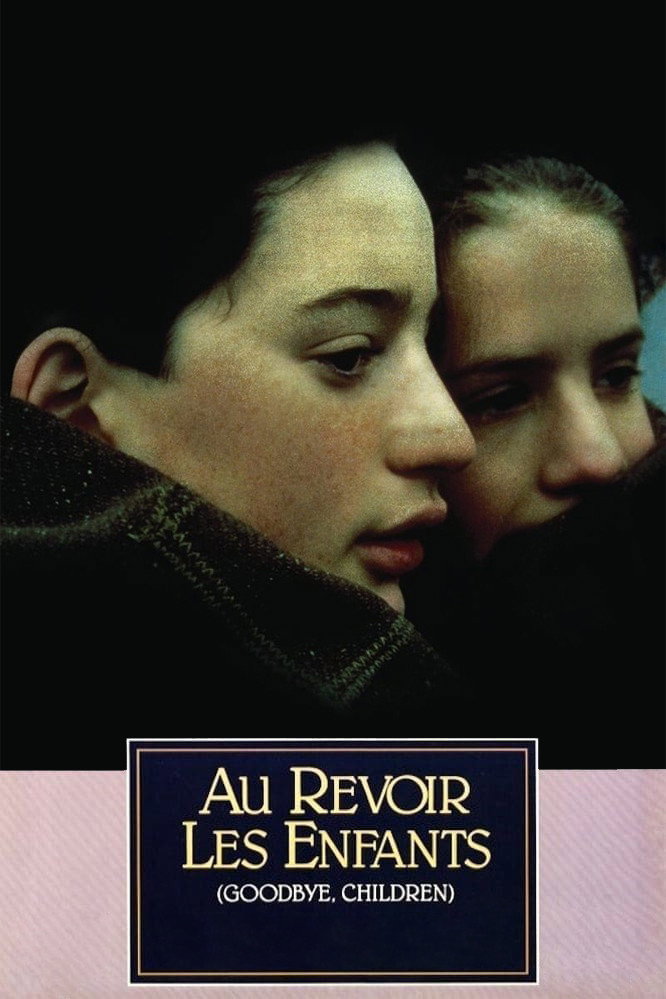
Au revoir les enfants poster

Au revoir les enfants

1987 · Childhood and persecution, with fewer reassurances and a more painful sense of danger.

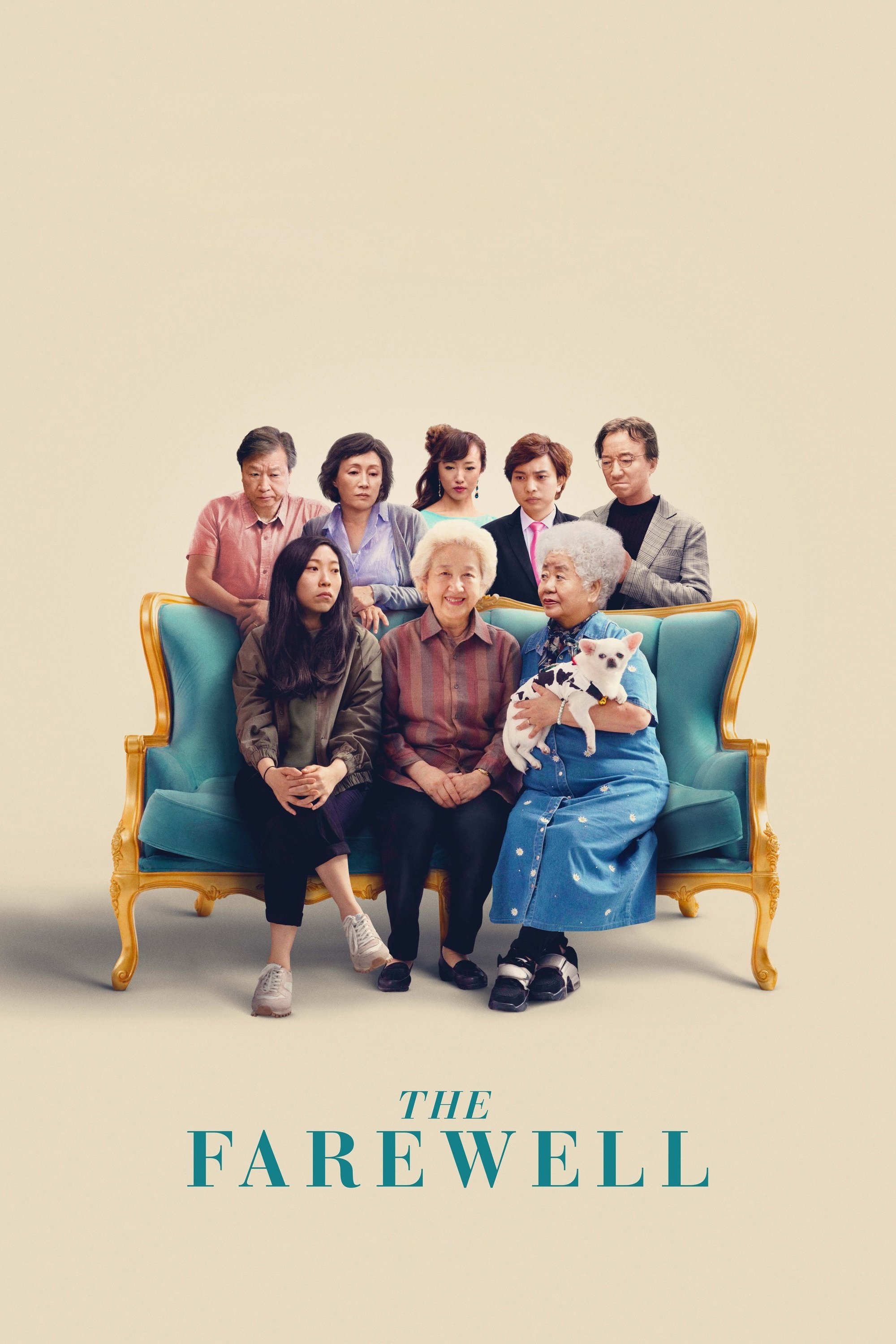
The Farewell poster

The Farewell

2019 · A family shelters someone through deception, with more doubt about who benefits from it.

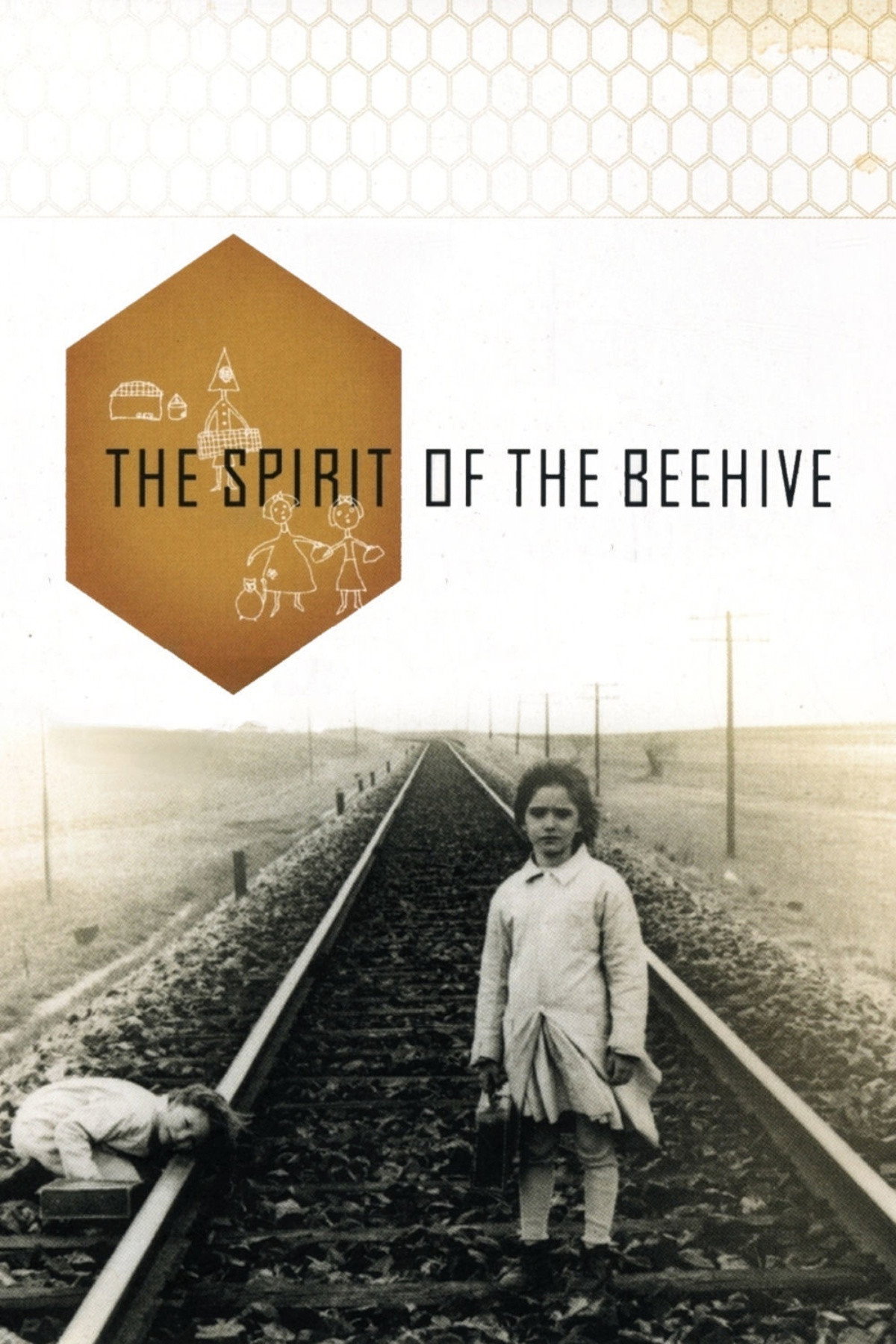
The Spirit of the Beehive poster

The Spirit of the Beehive

1973 · A child’s imagination meets adult violence, with silence doing much of the work.

Hunt for the Wilderpeople poster

Hunt for the Wilderpeople

2016 · For the unruly affection between an adult and child, without the historical burden.