Joss Whedon’s series about people rented out with borrowed minds is slow, cautious and slightly embarrassed of itself for five episodes; then it finds its nerve, and the second season is close to the show he meant to make. Stay with it.
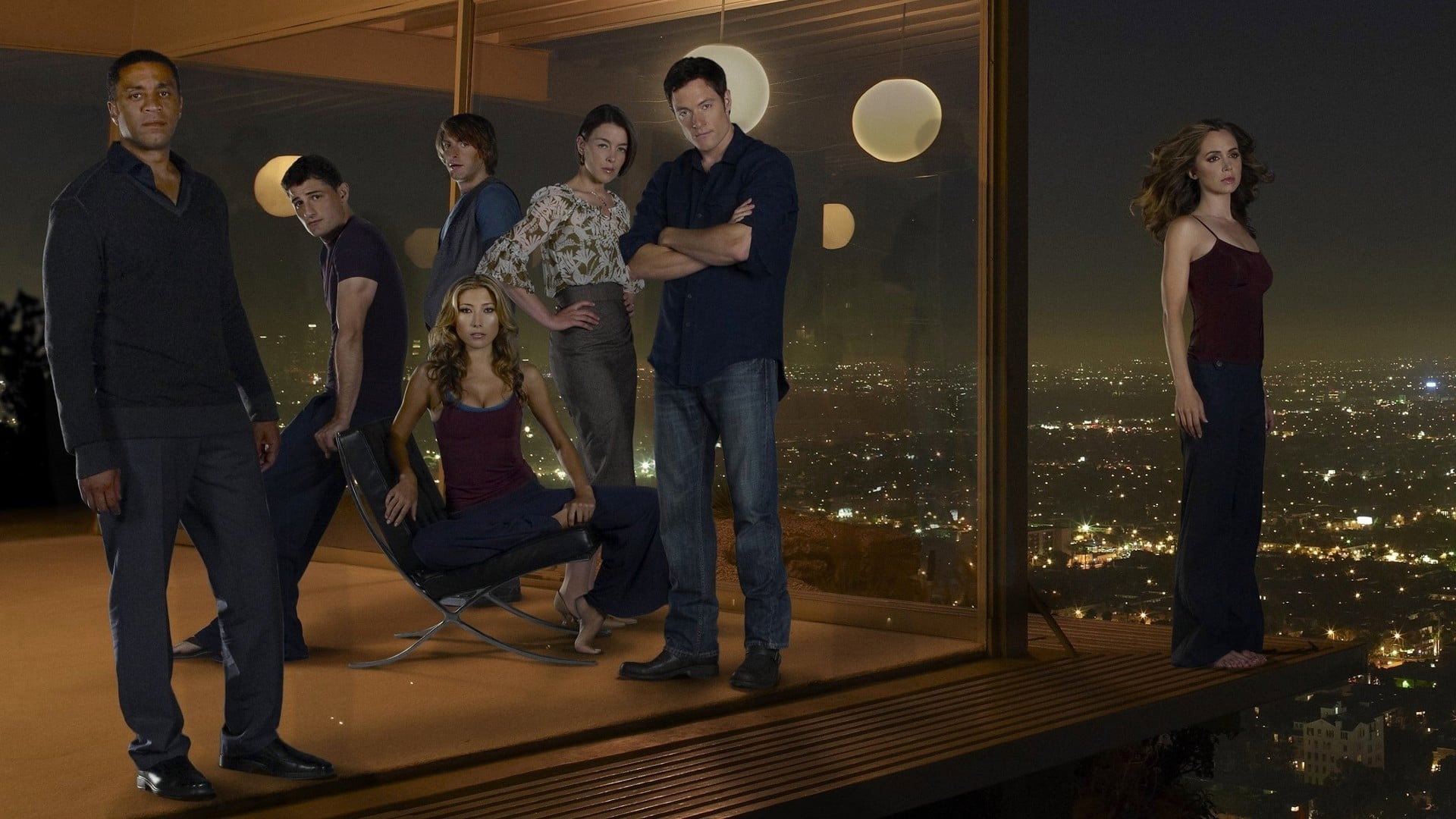
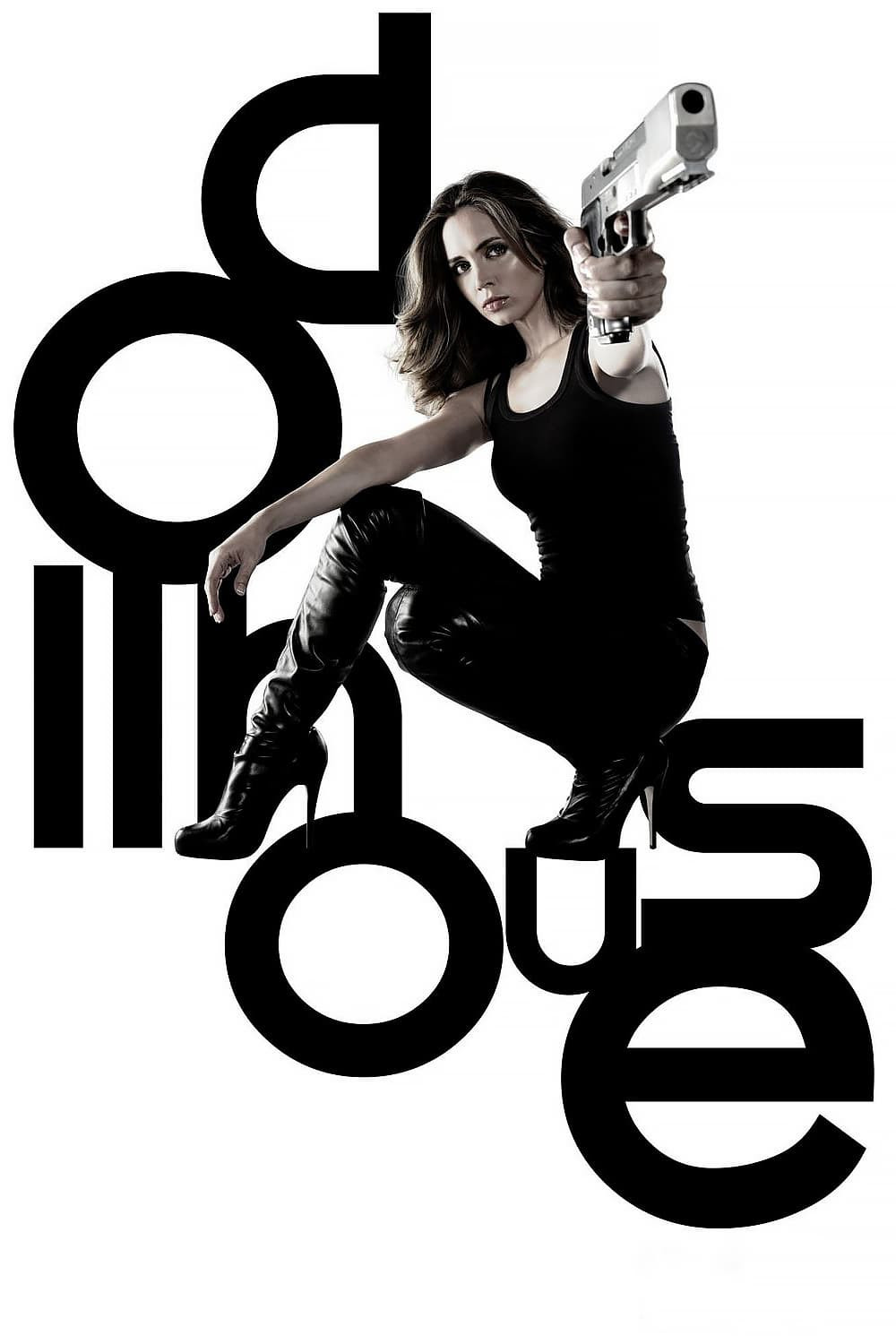
Joss Whedon made Buffy the Vampire Slayer and Firefly, and after them he made this: twenty-five episodes across two seasons in 2009, about a Los Angeles company that rents out human beings with other people’s minds loaded into them. The Actives, or dolls, are wiped clean between jobs and live in a hidden facility under the city. Echo (Eliza Dushku) is one of them. Dollhouse has a real idea, a strong cast and an opening five episodes that nearly wasted both. It gets there. We would tell you to stay with it, and we would warn you that it will test you.
The early episodes are jobs of the week. Echo is programmed as a hostage negotiator, then a bodyguard, then a woman hunted through woods by a man with a bow. Each time she is somebody new, and each time Dushku plays the new person with a different jacket and the same walk. She is far better as the blank Echo between jobs, wide-eyed and obliging, than as anyone written over her. Meanwhile FBI agent Paul Ballard (Tahmoh Penikett) hunts a Dollhouse his colleagues think is a rumour, and Penikett plays him so stiffly that we hoped they would not find each other. We were bored, and surprised to be, because Whedon had never bored us before.
What kept us there was the building. The house is a spa: pale wood, water running down walls, low light, dolls padding about in soft trousers and saying please and thank you. At night they climb into pods sunk in the floor and the lids slide shut. Each wipe, in a reclining chair up in a glass room, ends with the same exchange, “Did I fall asleep?”, “For a little while”, and after a few episodes we could not hear it without flinching. Some critics found the place not sinister enough. We think the calm is the point. It looks like somewhere you would pay to go, and people are kept there.
The staff are better than the stock. Olivia Williams runs the house as Adelle DeWitt with a glass of something and the manner of a headmistress who has seen worse, and she never asks us to like her, which is why we did. Fran Kranz’s Topher Brink, the programmer, is the boy who says the unforgivable thing as a joke, and over two seasons the writers make him hear himself. Harry Lennix is steady and decent as Echo’s handler Boyd Langton, the one person in the building who behaves as if someone might be keeping account. And Enver Gjokaj, as the doll Victor, is the discovery: a nervous Russian informant one week, a boy mooning after Sierra (Dichen Lachman) the next, and neither of them by the end of the hour. It is his work more than Dushku’s that stops the premise being a gimmick.
The turn comes around the sixth episode. The show stops asking whether Echo will be caught and starts asking what the clients want, and why. One engagement, which we will not describe, has nothing to do with sex or violence, and it upset us more than any of the fights, because the client is not a monster and has paid for one anyway. From there the first season darkens quickly, and the second, thirteen episodes from 25 September 2009, takes turns we will not describe. It moves fast, it stops protecting anybody, and for a stretch in the middle it is the best television Whedon had made.
Against his own record this is the odd one. Buffy and Firefly were funny nearly every minute and this is not; the jokes are mostly Topher’s, and they are meant to make us wince. The writers, Tim Minear, Jane Espenson, Steven S. DeKnight, Jed Whedon and Maurissa Tancharoen among them, are circling a story about consent and what money can buy of a person, and a network drama can only look at that for so long before it has to stage a car chase. You can usually feel the chase arriving on schedule.
Each episode runs 44 minutes and it carries a 15. Watch the first five quickly and decide nothing until the sixth. If you are still cold then, stop; the show will not change your mind. If you are not, you will finish it, and you will be annoyed with it the way one is only annoyed by things that came close.