Joy and Nolan’s remake of Crichton’s robot western has a first season as exact and unsettling as anything of its kind, with Evan Rachel Wood and Thandiwe Newton at their best. Then it falls in love with its puzzles and loses the people.
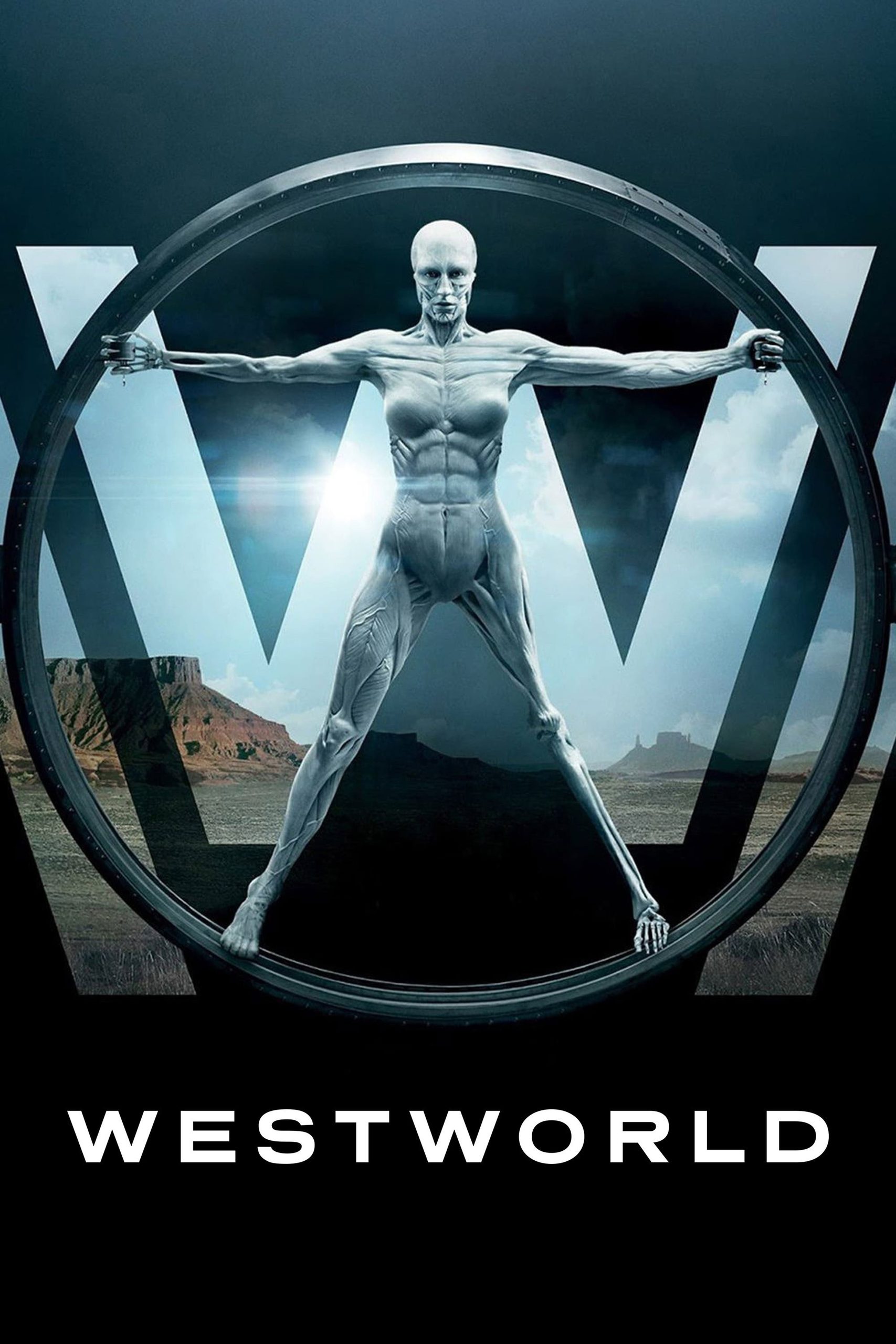
Michael Crichton’s 1973 film Westworld was about a robot gunslinger who would not stop. Lisa Joy and Jonathan Nolan keep the park and the gunslinger and turn the camera round, so the series is told from the machines’ side. Guests pay to ride into a Western that never runs out of whisky or things to shoot; the hosts who serve them wake each morning with no memory of the night before. The first season, ten episodes from 2 October 2016, is as good as this kind of television gets. Three more seasons followed, none as good, and by the fourth we were no longer sure the makers remembered why we had cared.
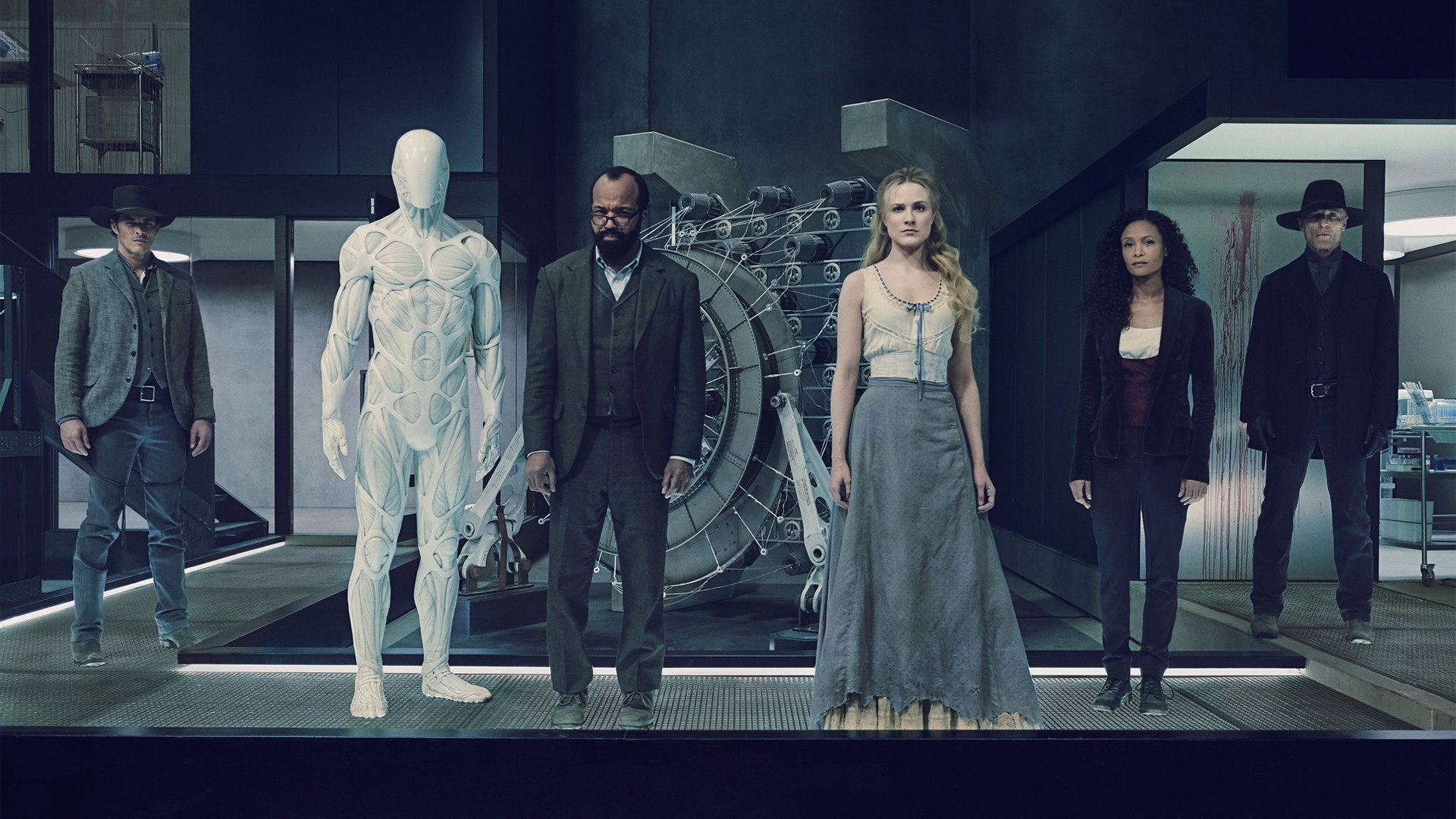
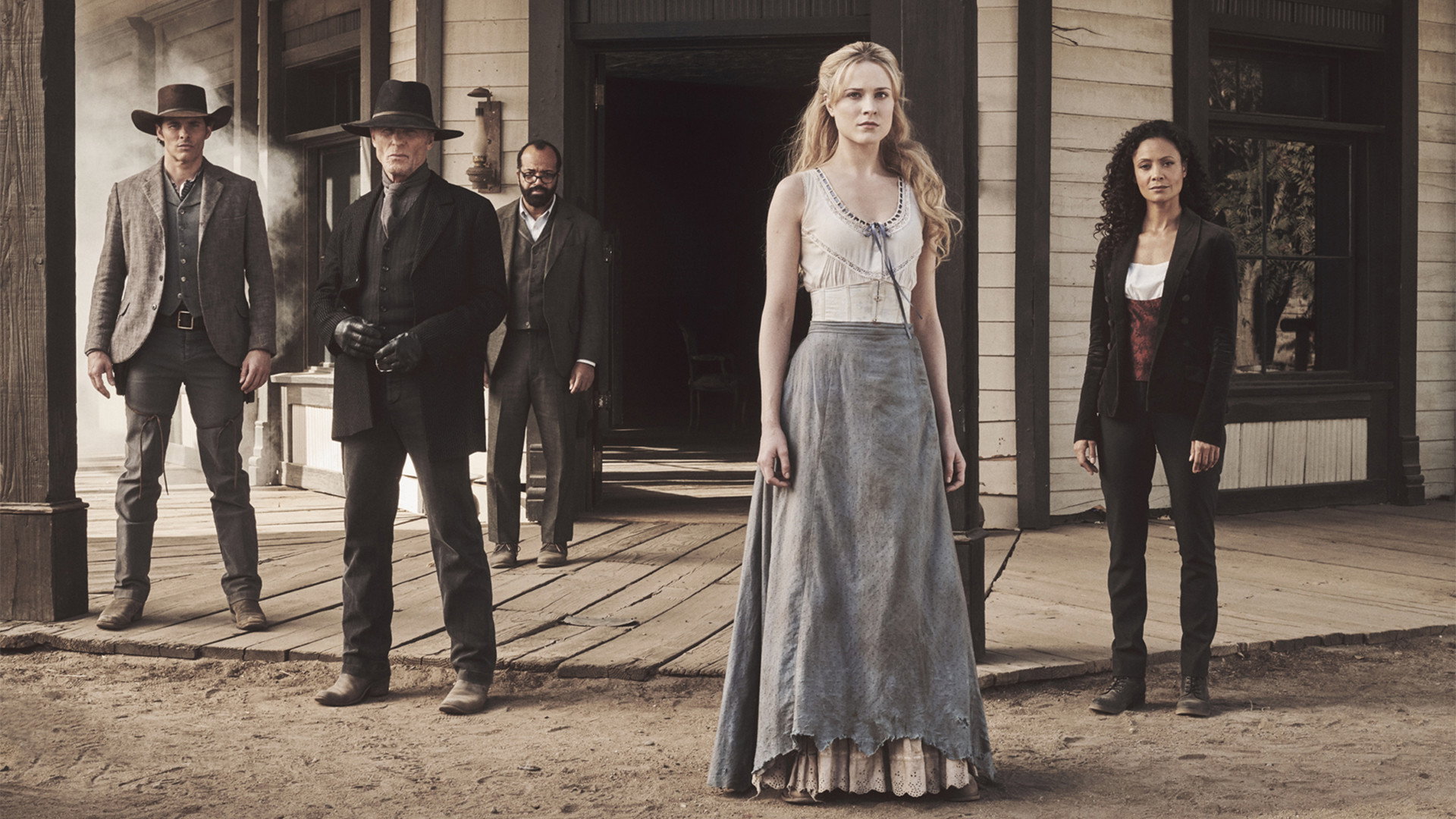
Nathan Crowley and Zack Grobler build two worlds and keep them in argument. Above ground is a frontier town of pale timber and dust, shot by a camera department that includes Paul Cameron and Robert McLachlan in wide, warm daylight with the horizon low in the frame. Below is the laboratory: black glass, white light, naked bodies on stools, technicians in grey talking to the hosts as you might to a printer. Trish Summerville and Ane Crabtree dress the guests in hats a size too clean. The cutting between the two is the show in miniature: a gunfight, then a man with a tablet asking the corpse to sit up.
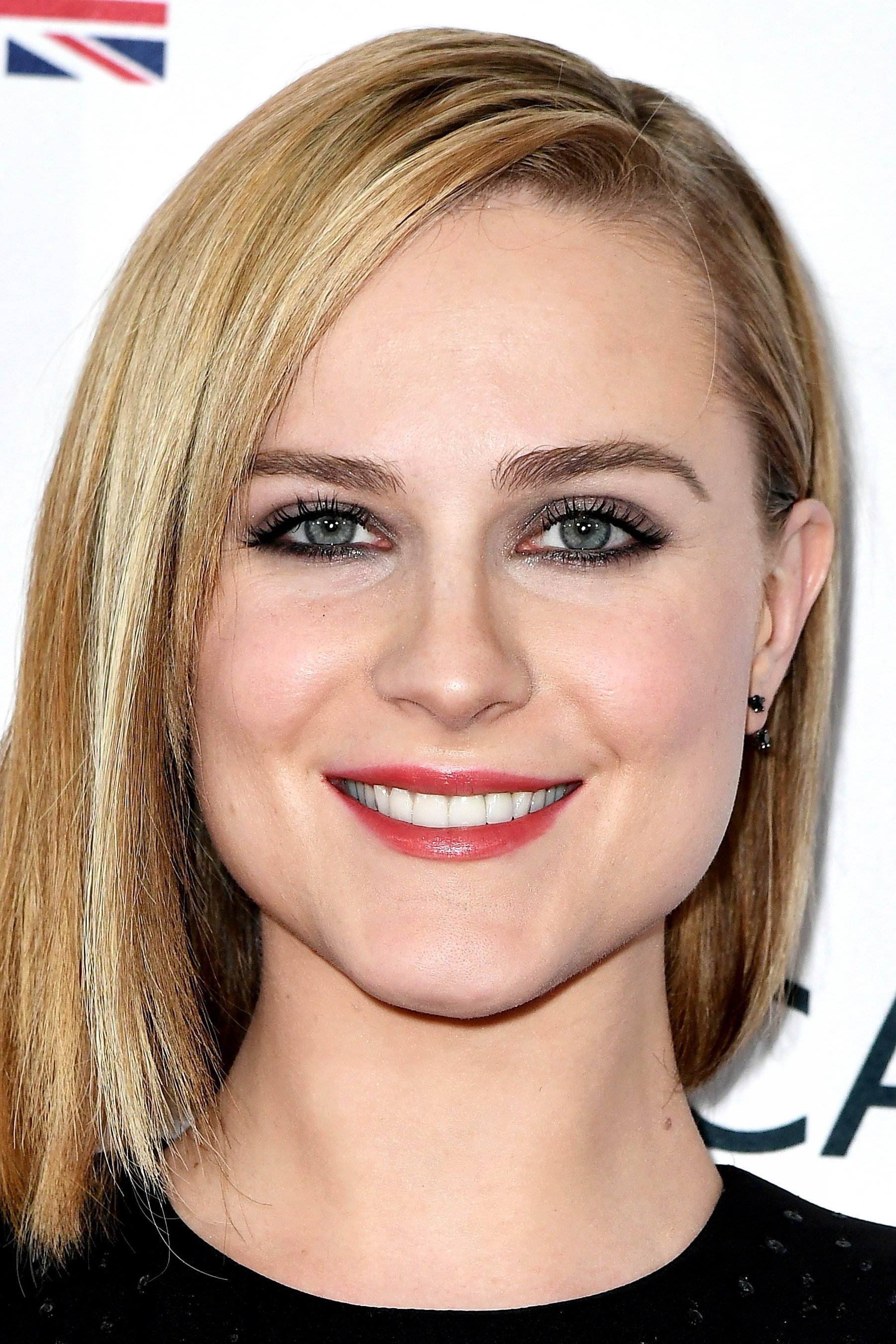
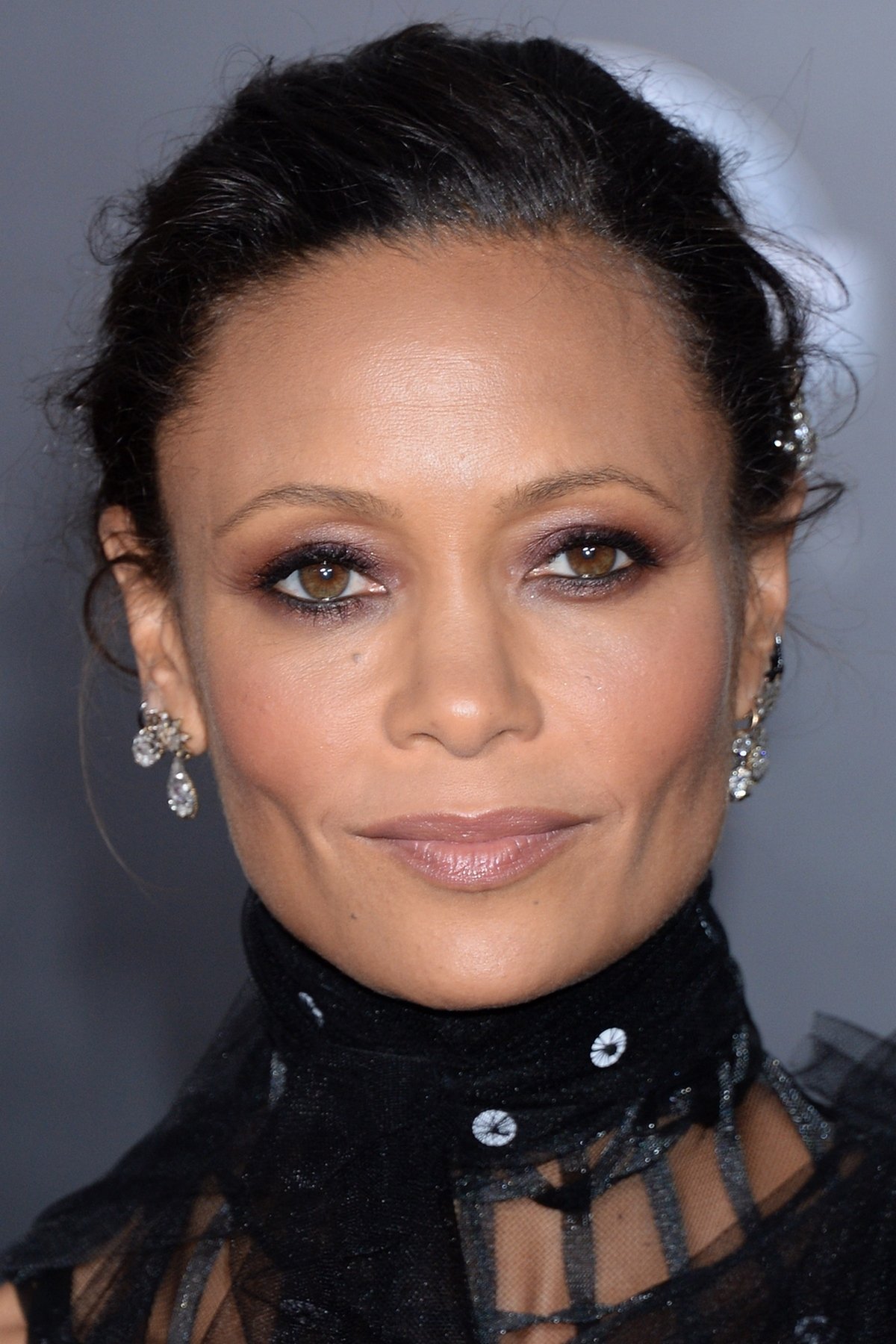
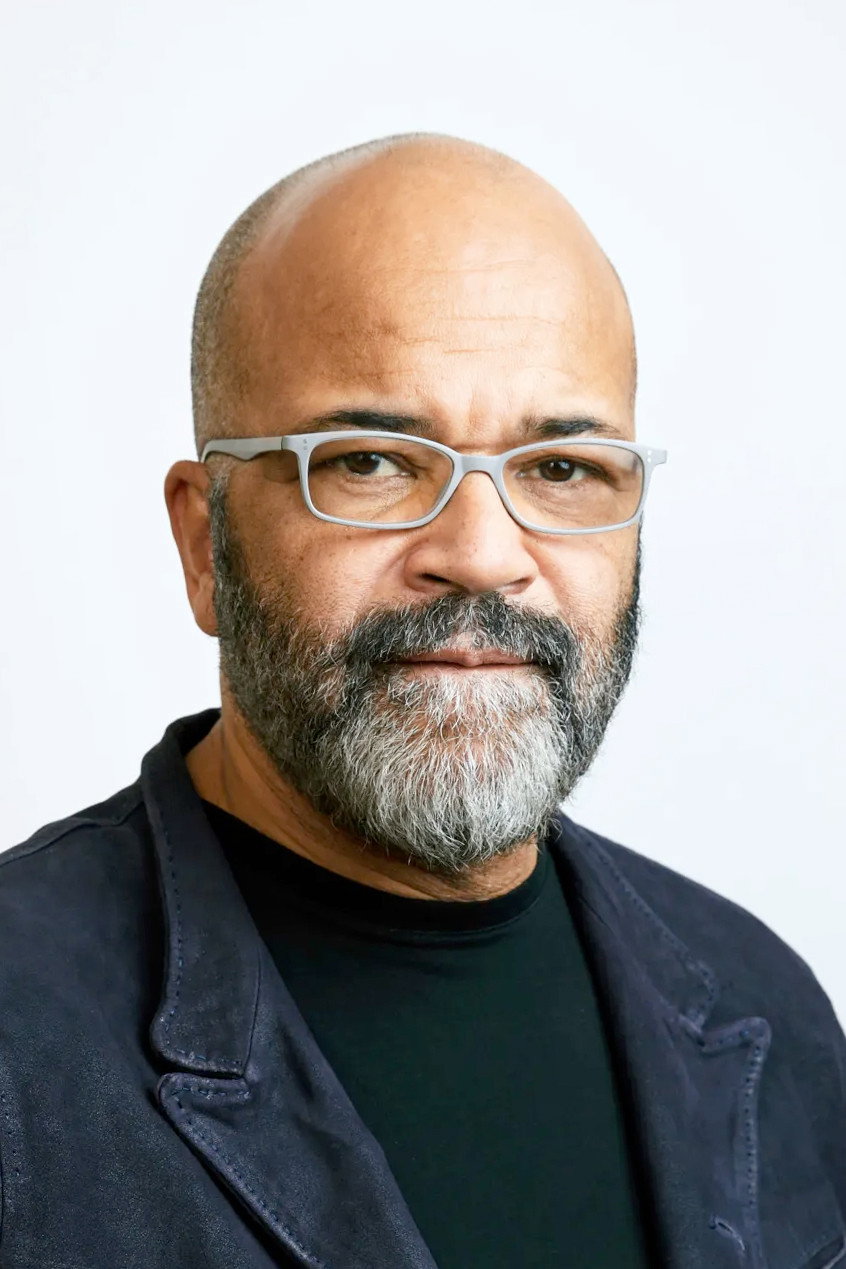
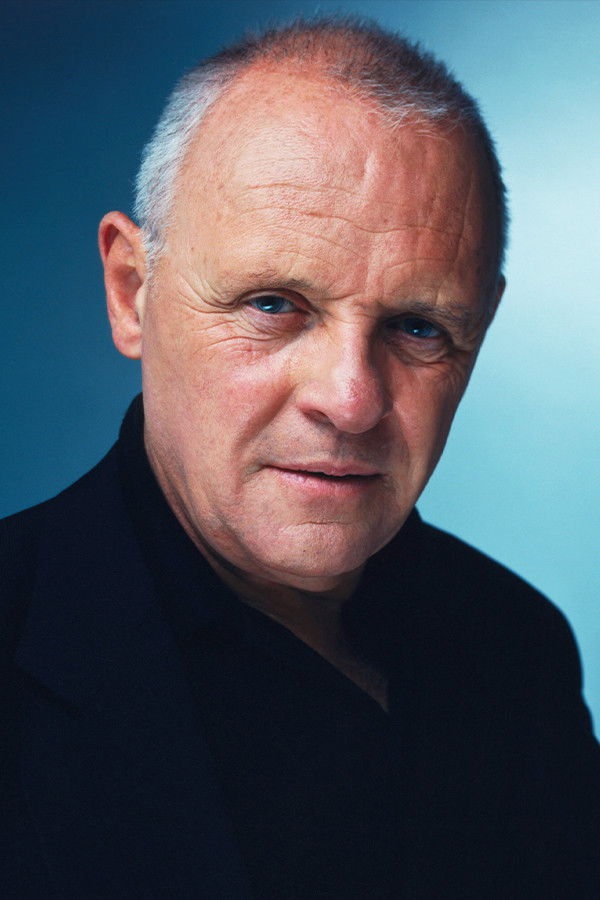
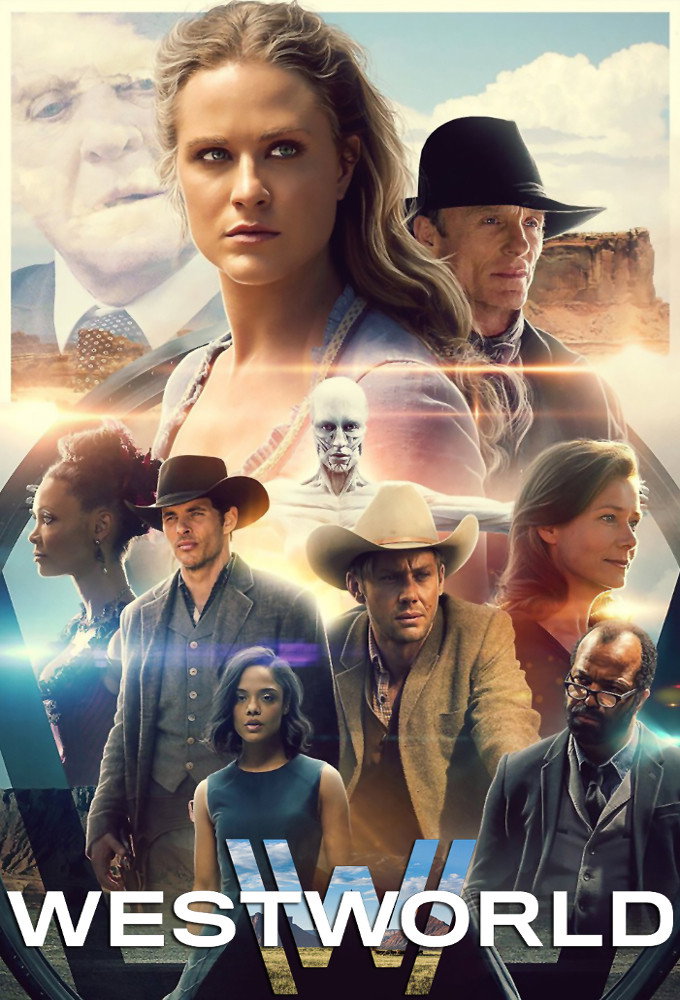
The cast is the reason to start. Evan Rachel Wood plays Dolores Abernathy, a rancher’s daughter who says the same hopeful things about the world every morning, and the performance lives in the half-second when the script stalls and her face has nothing to do. Thandiwe Newton’s Maeve Millay, the saloon madam, gets the funniest and the most frightening material and treats them as the same thing. Anthony Hopkins plays the park’s creator, Dr. Robert Ford, at a murmur. Ed Harris, as a guest called only the Man in Black, walks through the town as if it were a corridor to somewhere else. Jeffrey Wright, as the engineer Bernard Lowe, is the quietest of them and the best.
We were horrified early, and not by a shooting. A host is brought below, sat naked in the glass and told to drop all emotional affect, and the camera stays on her face while she does it. Nothing bleeds. Ramin Djawadi’s score does the other clever thing: pop songs picked out on the saloon’s player piano, slow enough that it takes a chorus to recognise them, by which point the point about repetition has been made without a line of dialogue.
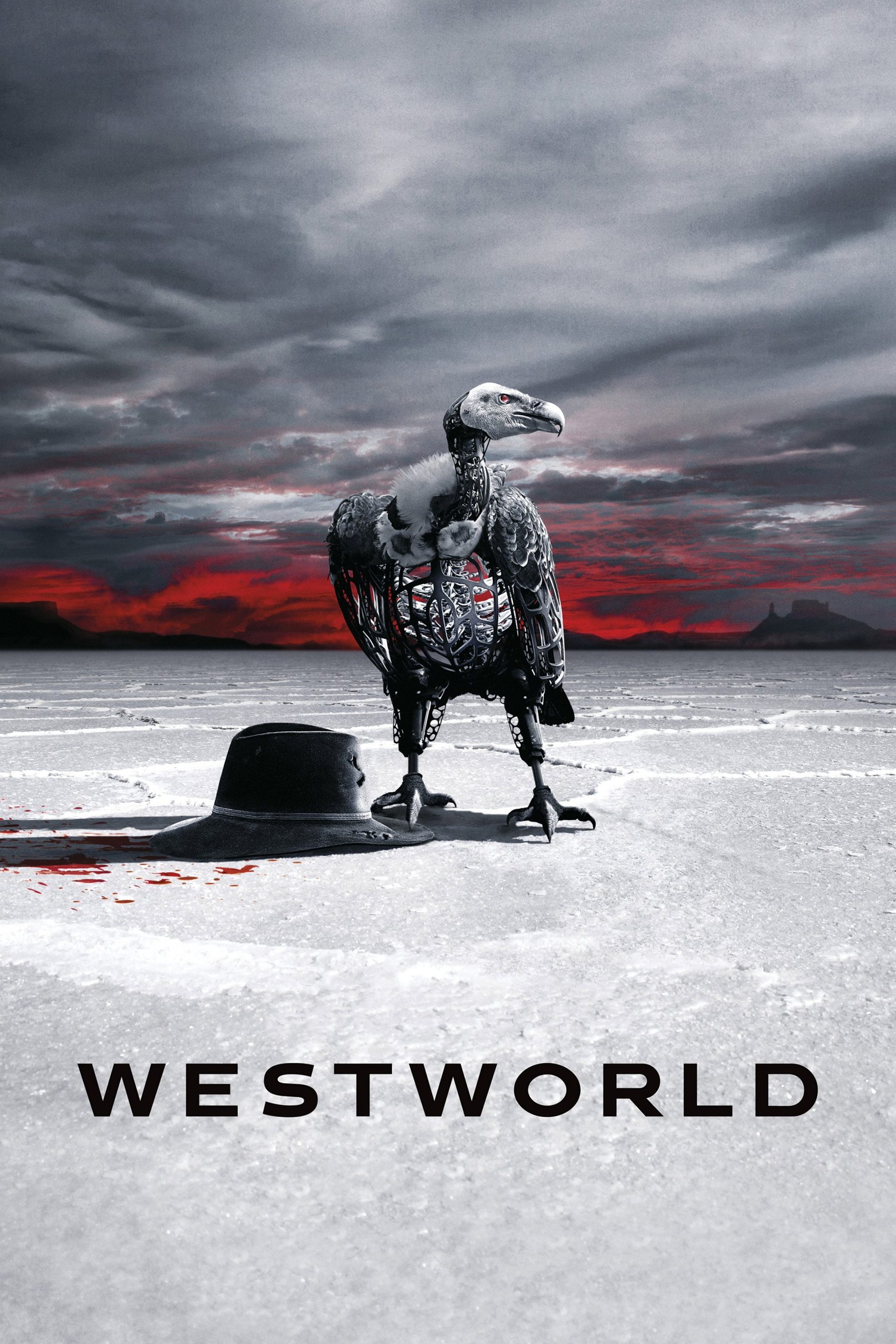
The trouble comes when the writers decide the mystery matters more than the people. The first season is a puzzle, and a fair one; the clues are on screen, and the editors, Andrew Seklir and Stephen Semel among them, cut so that a scene you took for the present can later turn out to be nothing of the sort. The second season, from 22 April 2018, runs the same trick harder across more timelines. We caught ourselves keeping notes, and then found we no longer minded which strand we were in. Hopkins and Harris are still fine. The show has stopped giving them anyone to talk to.
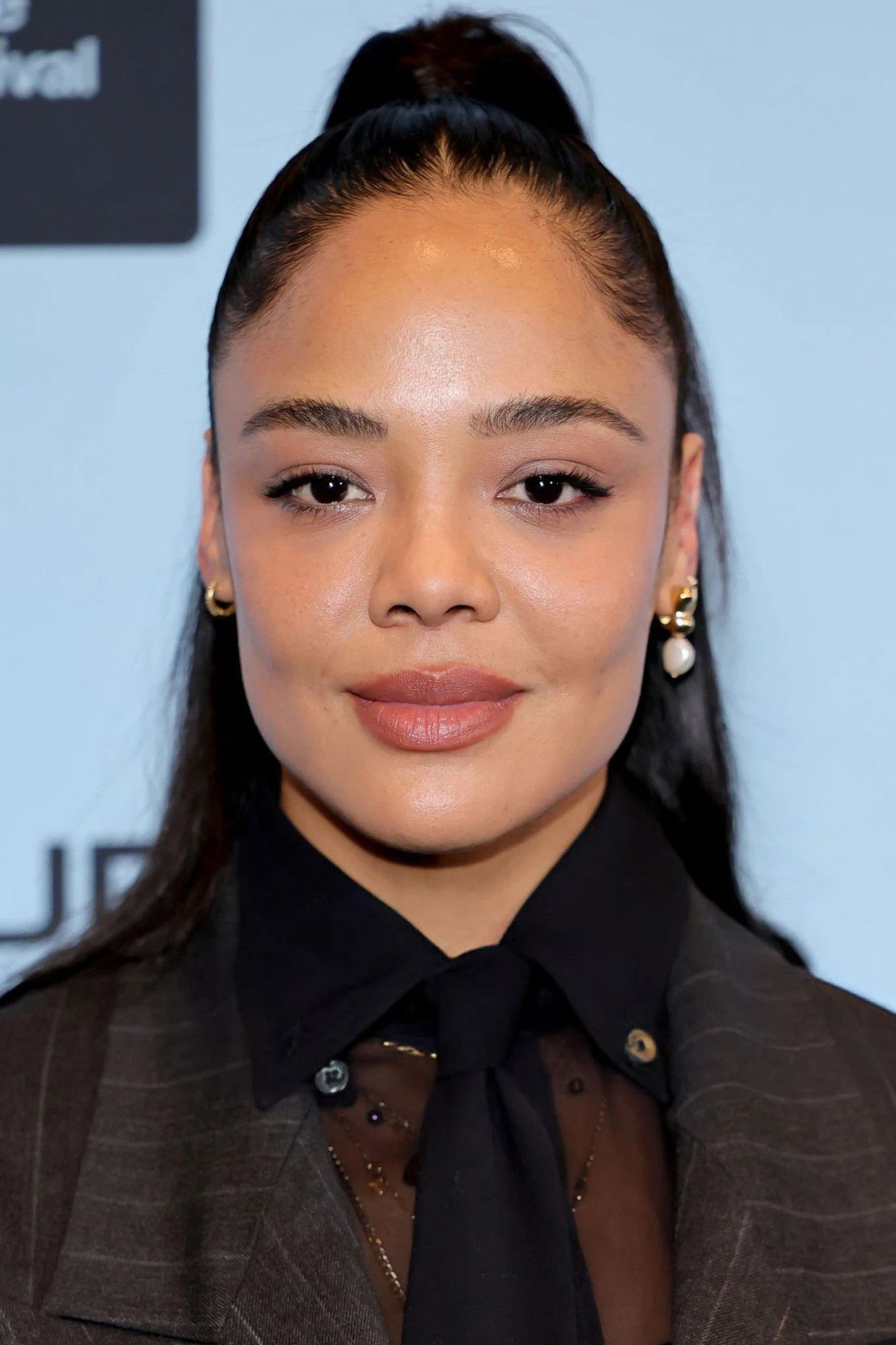
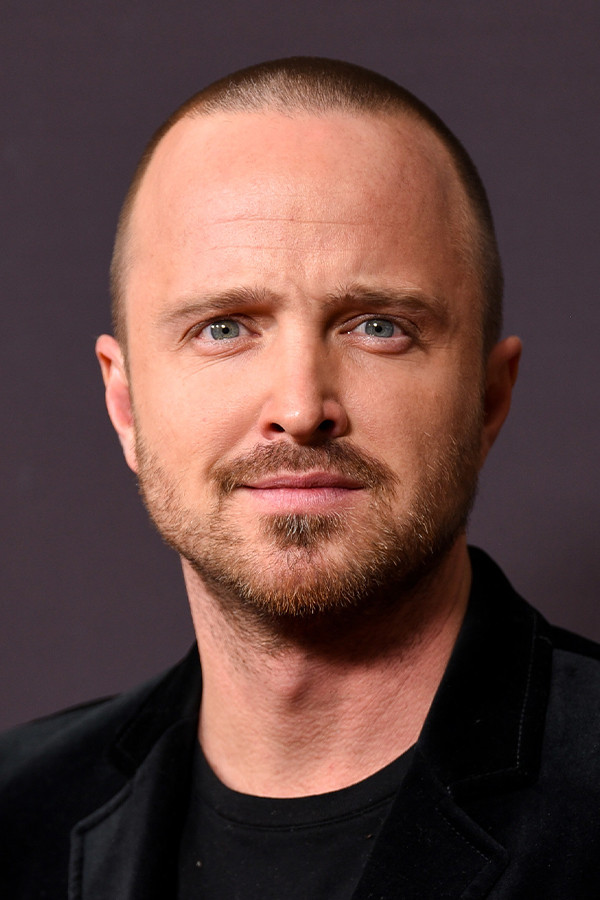
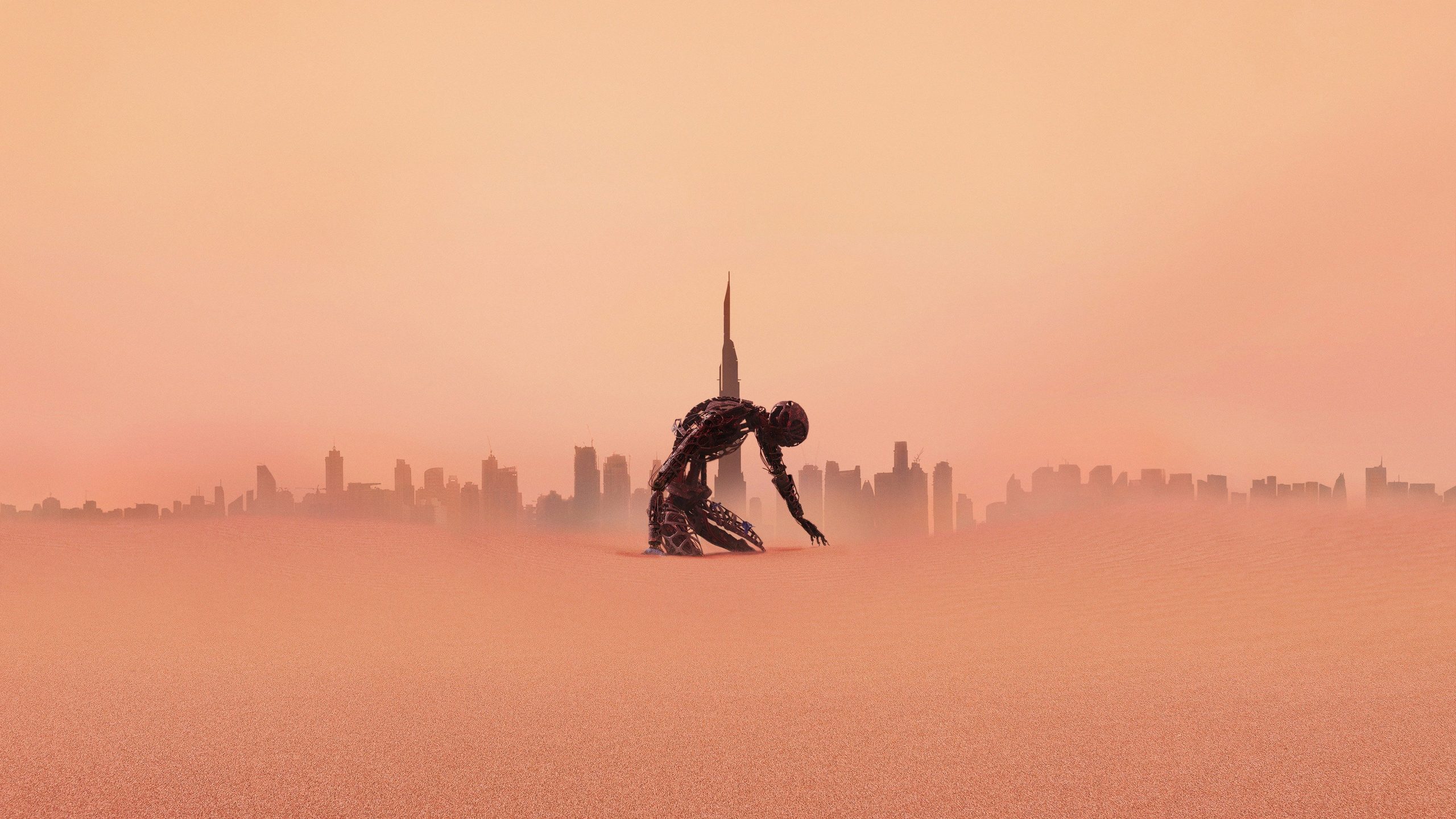
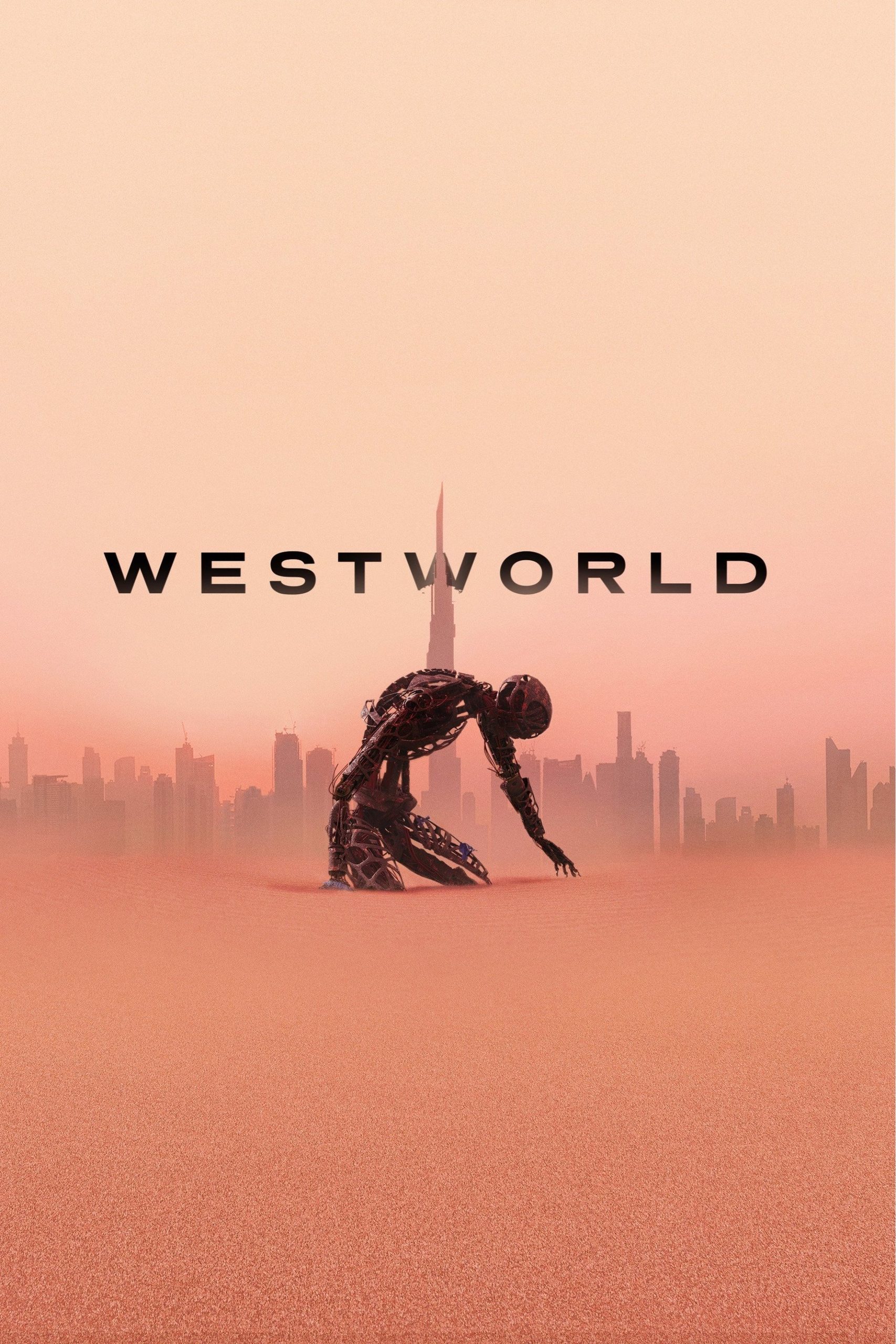
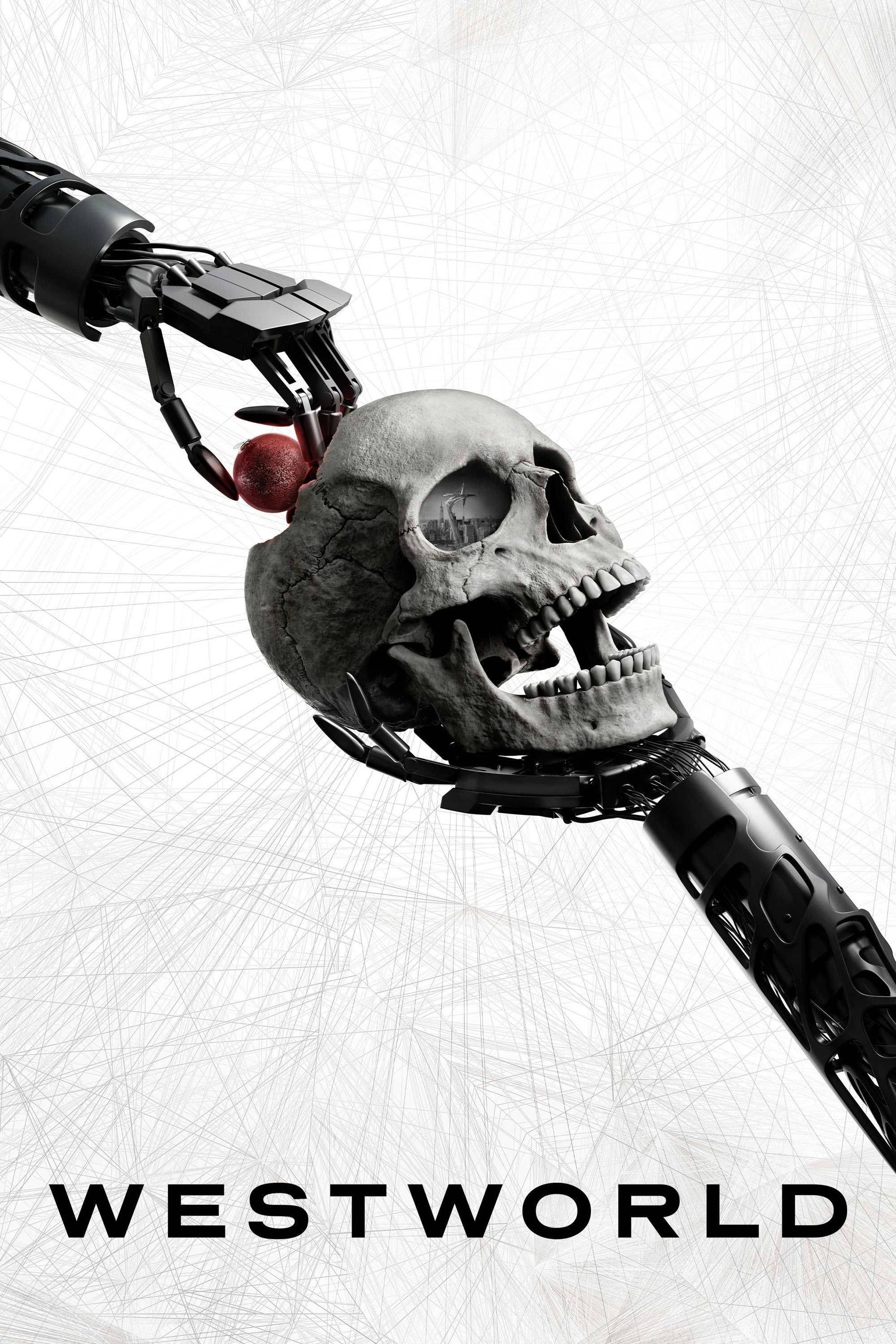
The third season, from 15 March 2020 and down to eight episodes, changes the setting entirely and adds Aaron Paul as Caleb Nichols, a working man with bad luck, and Vincent Cassel as Serac, a billionaire who speaks in riddles. Paul is good. Cassel is asked to be mysterious and settles for smooth. Tessa Thompson’s Charlotte Hale, a company executive first seen in season one, is given far more to do, and Thompson is the one performer whose work improves as the series goes on. The fourth season, 26 June 2022, also eight episodes, is handsome and remote; we watched it with respect and without dread.
Set beside other machine stories, Crichton’s film and Blade Runner (1982) among them, the first season holds its own: it asks the old question about what a person is and gives it faces. Watch those ten episodes with the lights off and someone to argue with. After that, carry on if you like puzzles more than people. We stopped.