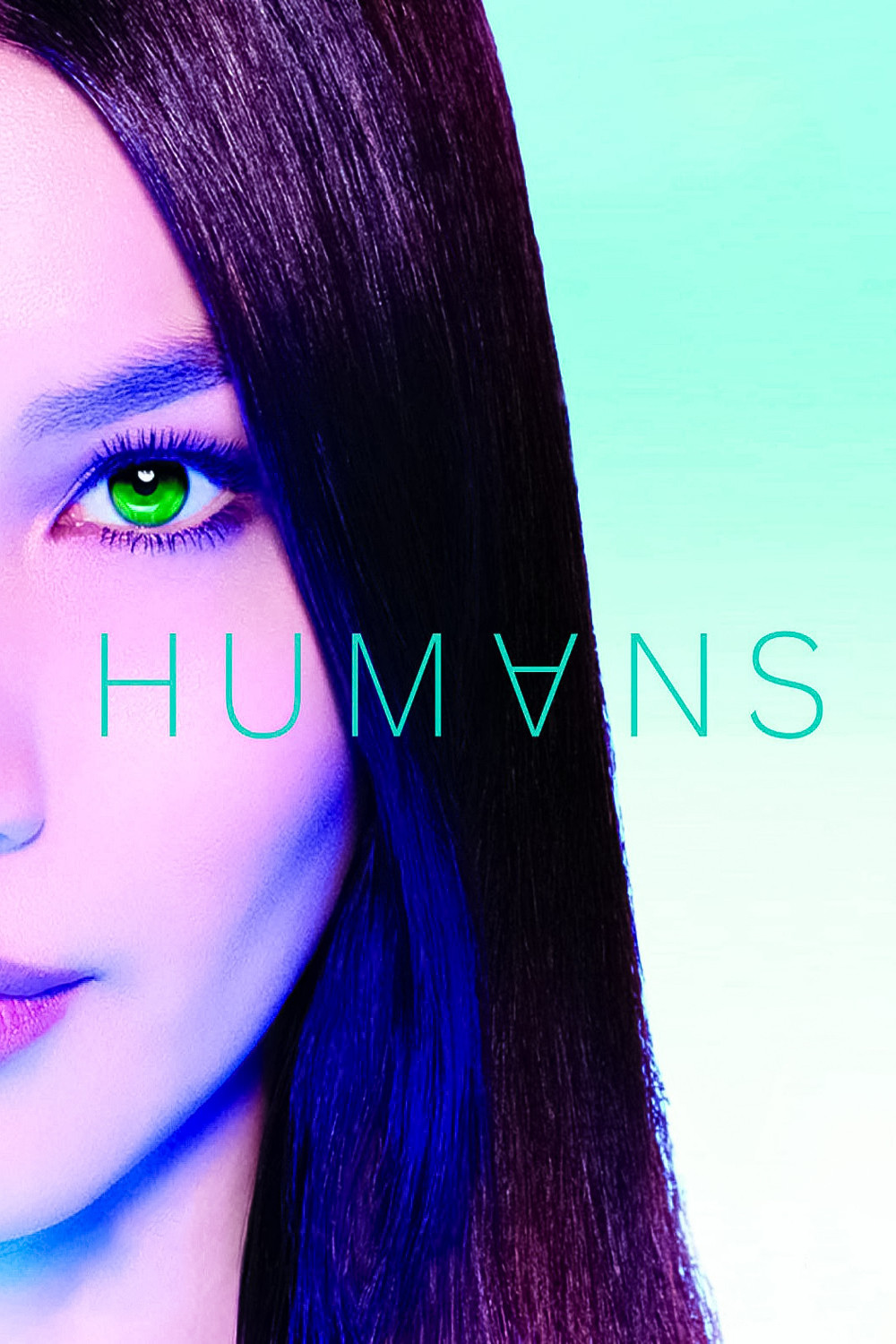
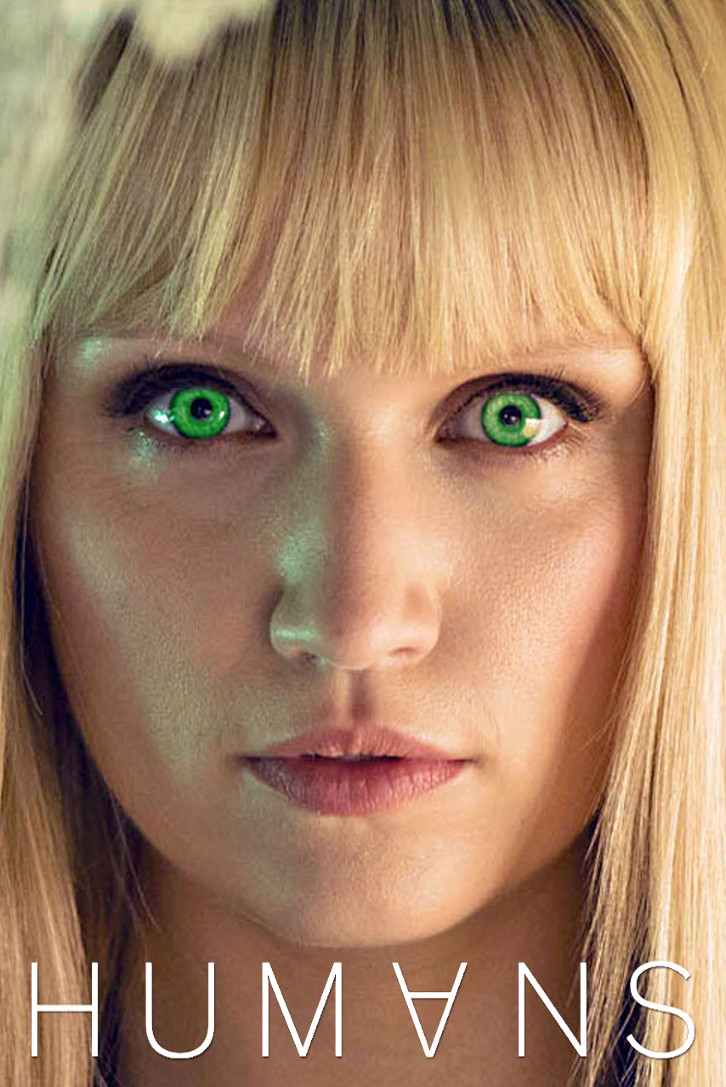
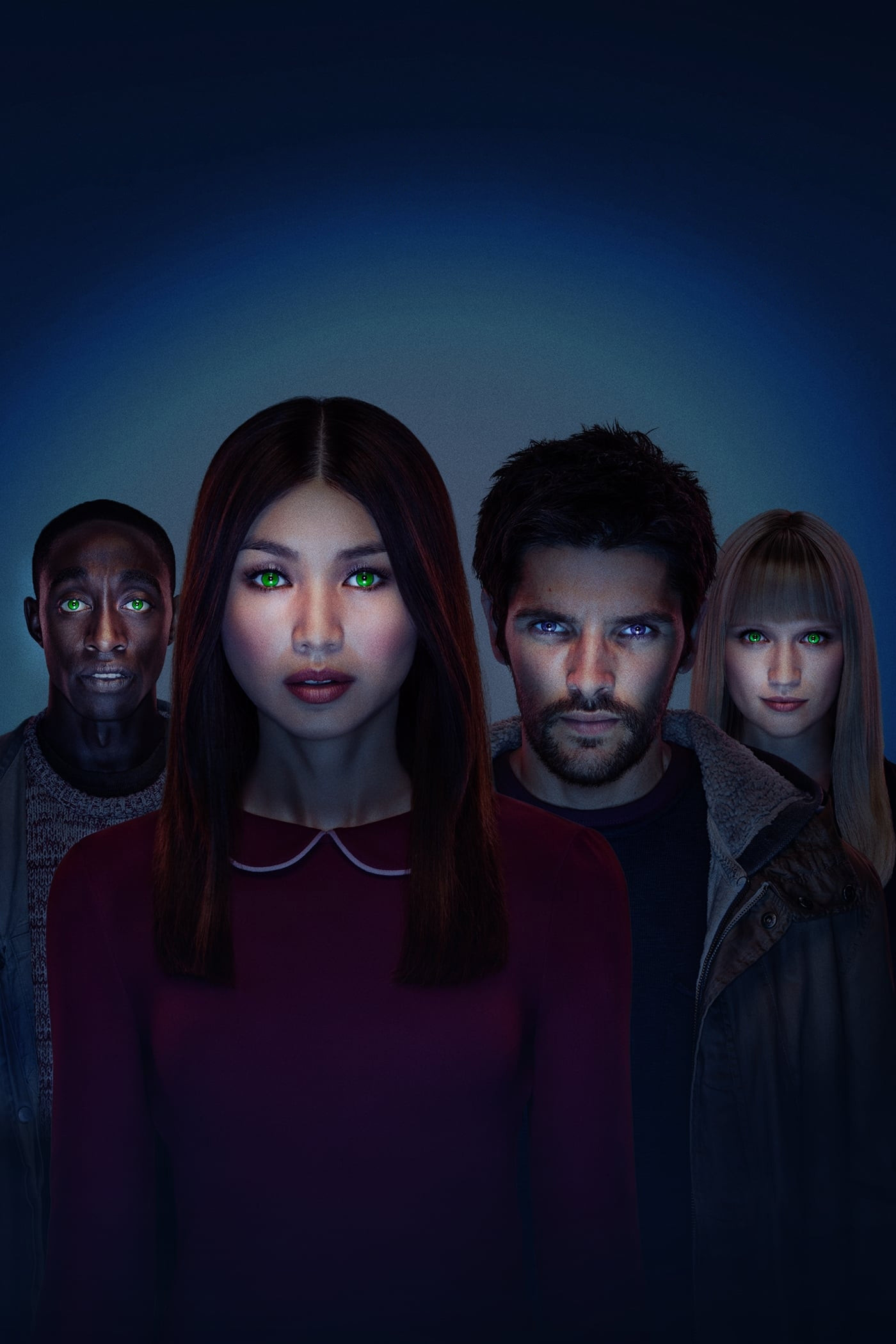
Humans is thoughtful, unsettling science fiction about the people expected to serve us. Its familiar thriller plot needs patience, but the performances make the questions about work and personhood worth following.
Humans is good science fiction with a familiar thriller attached, and the science fiction gives us more to think about. Created by Sam Vincent and Jonathan Brackley, it asks what happens when artificial people become useful enough for ordinary people to depend on them. There is nothing especially new about machines being considered less deserving of sympathy than their makers. The worthwhile part is the uncomfortable attention paid to those who would rather carry on being served.
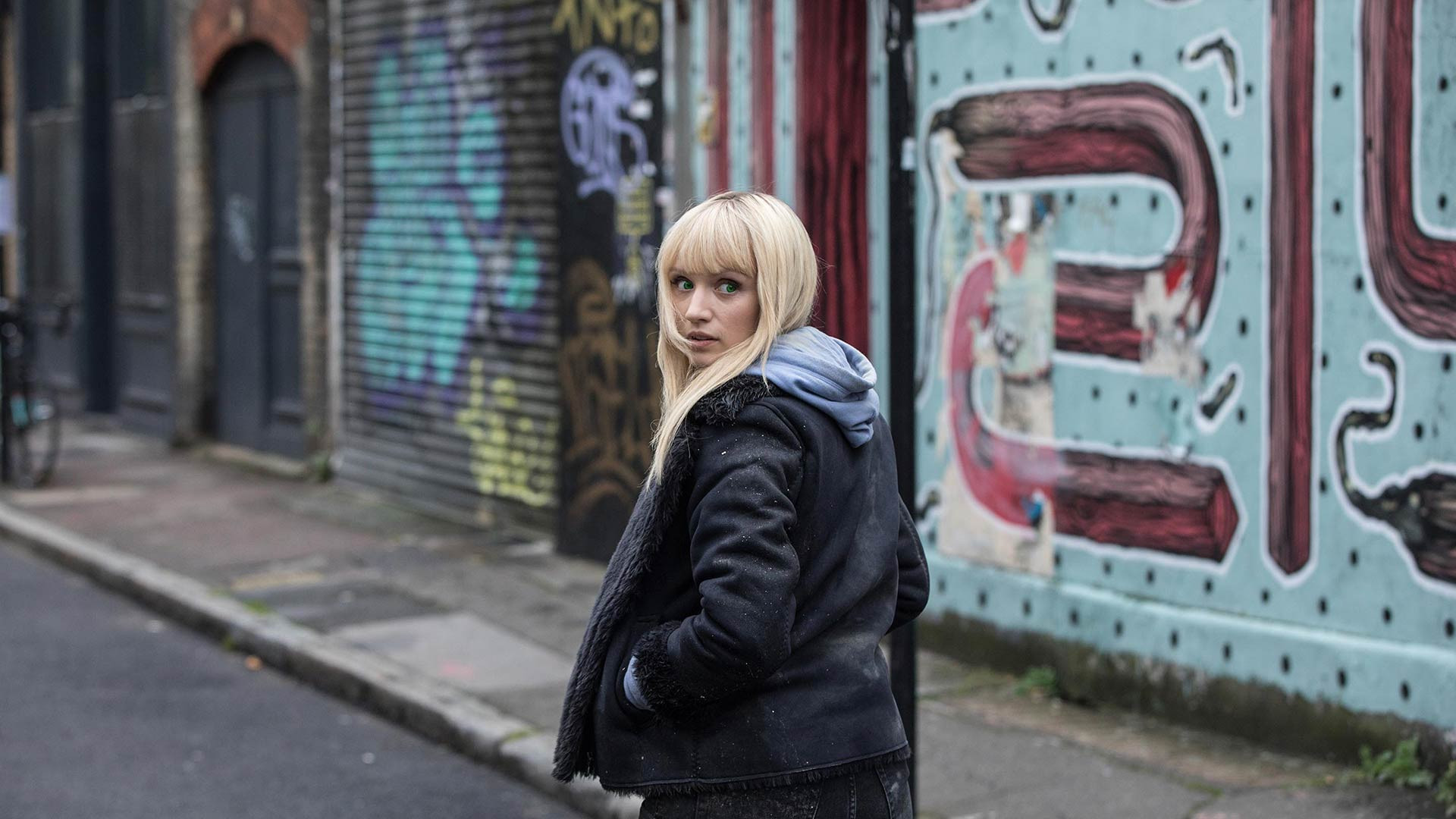
The synths are needed for their labour and despised by the people who rely on them. We were unsettled by how readily their usefulness becomes an excuse to dismiss their feelings. The drama makes that everyday contempt recognisable without requiring us to know anything about the engineering. Its strongest passages concern the permission people give themselves to mistreat a worker once they have decided that the worker does not count as a person.
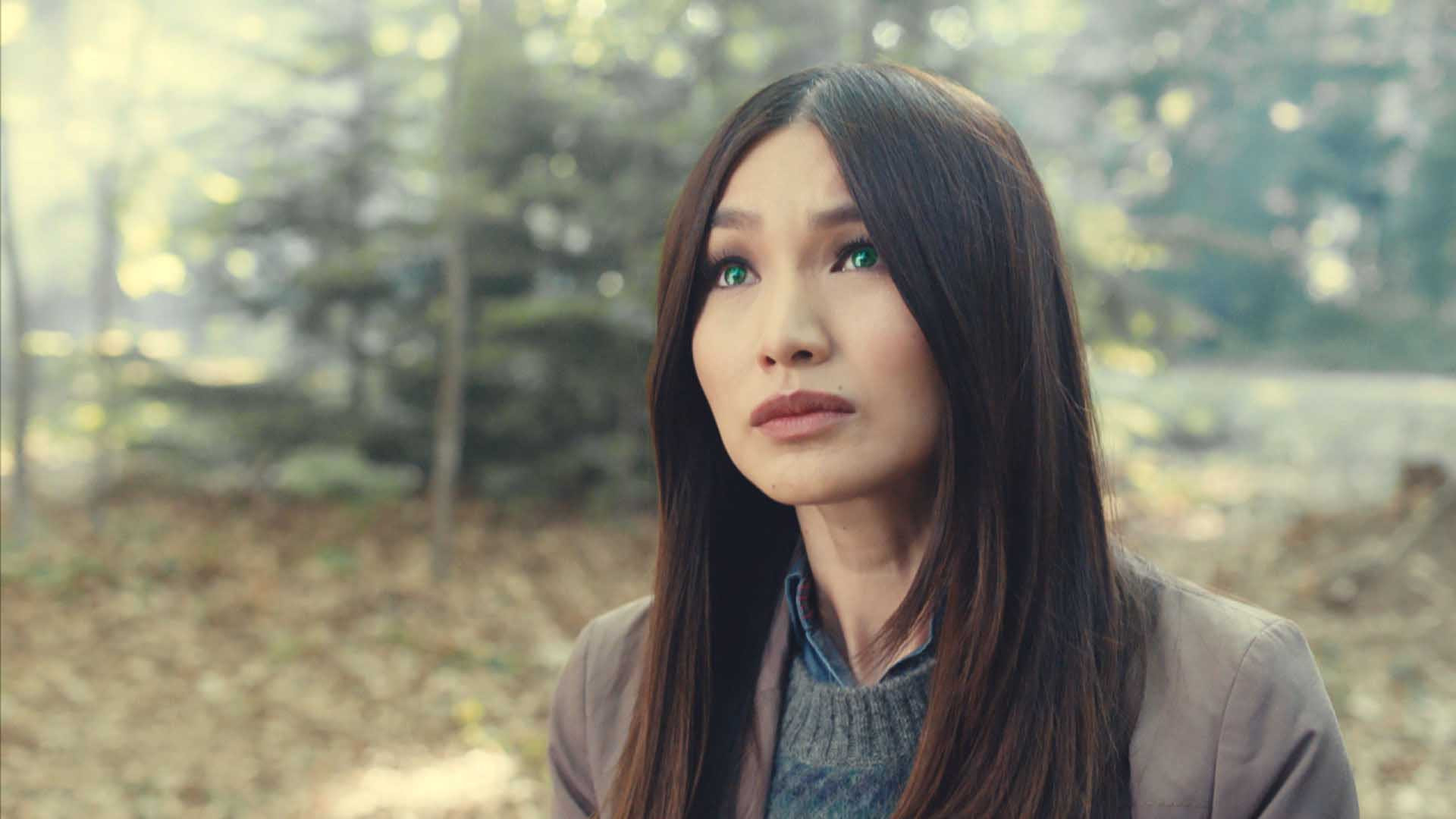
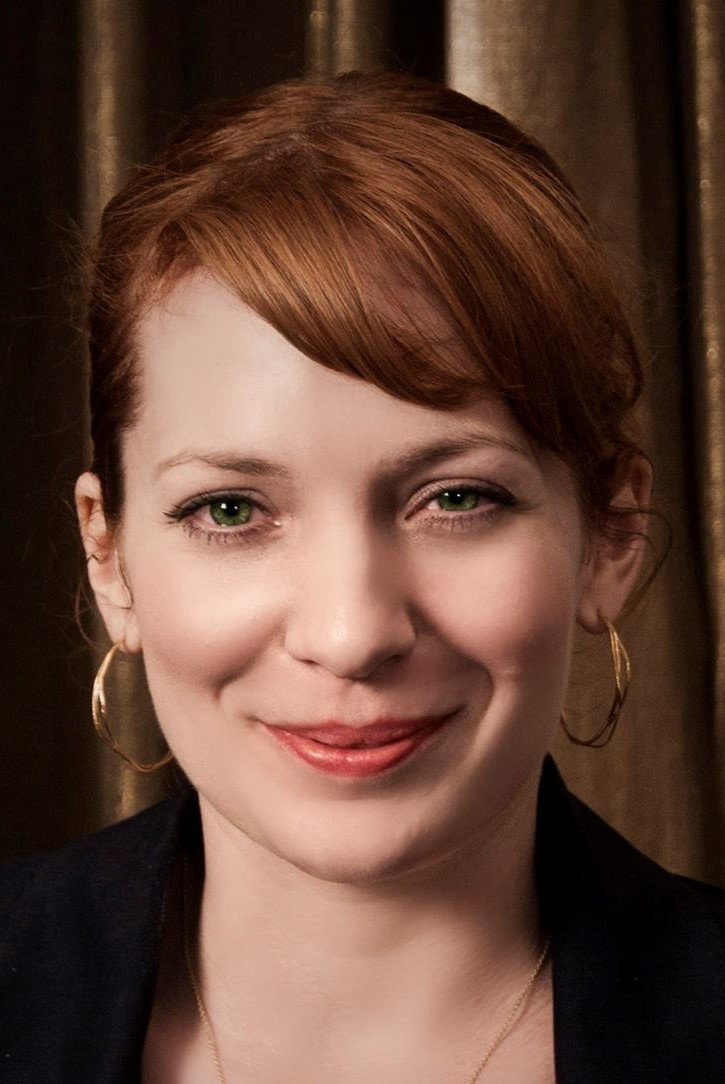
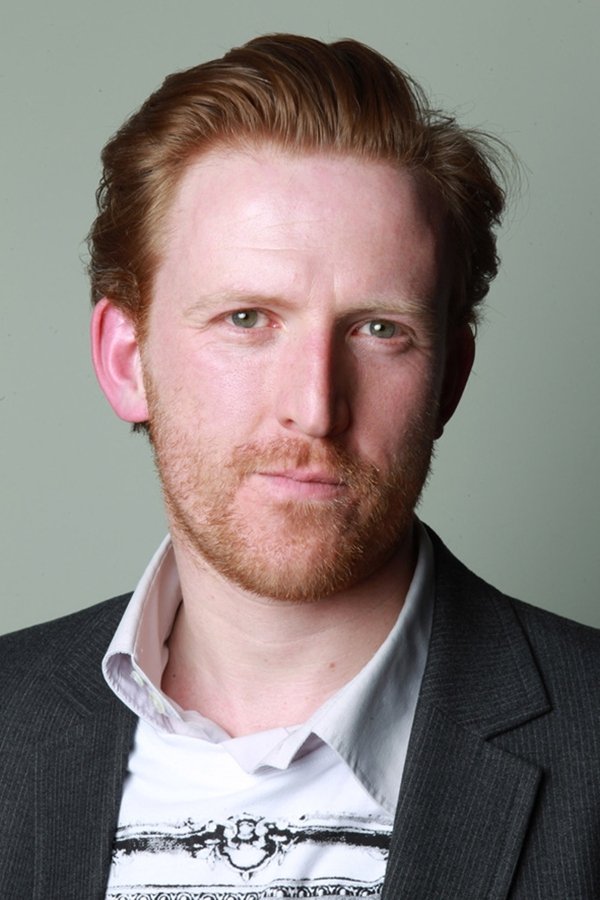
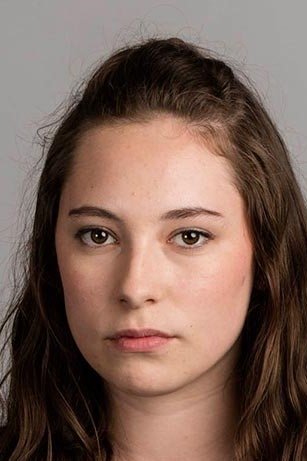
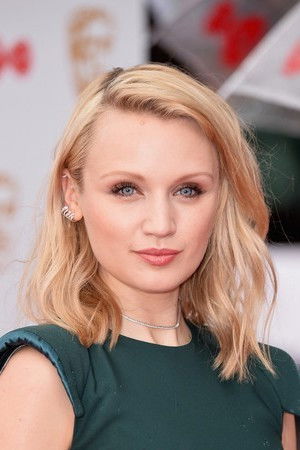
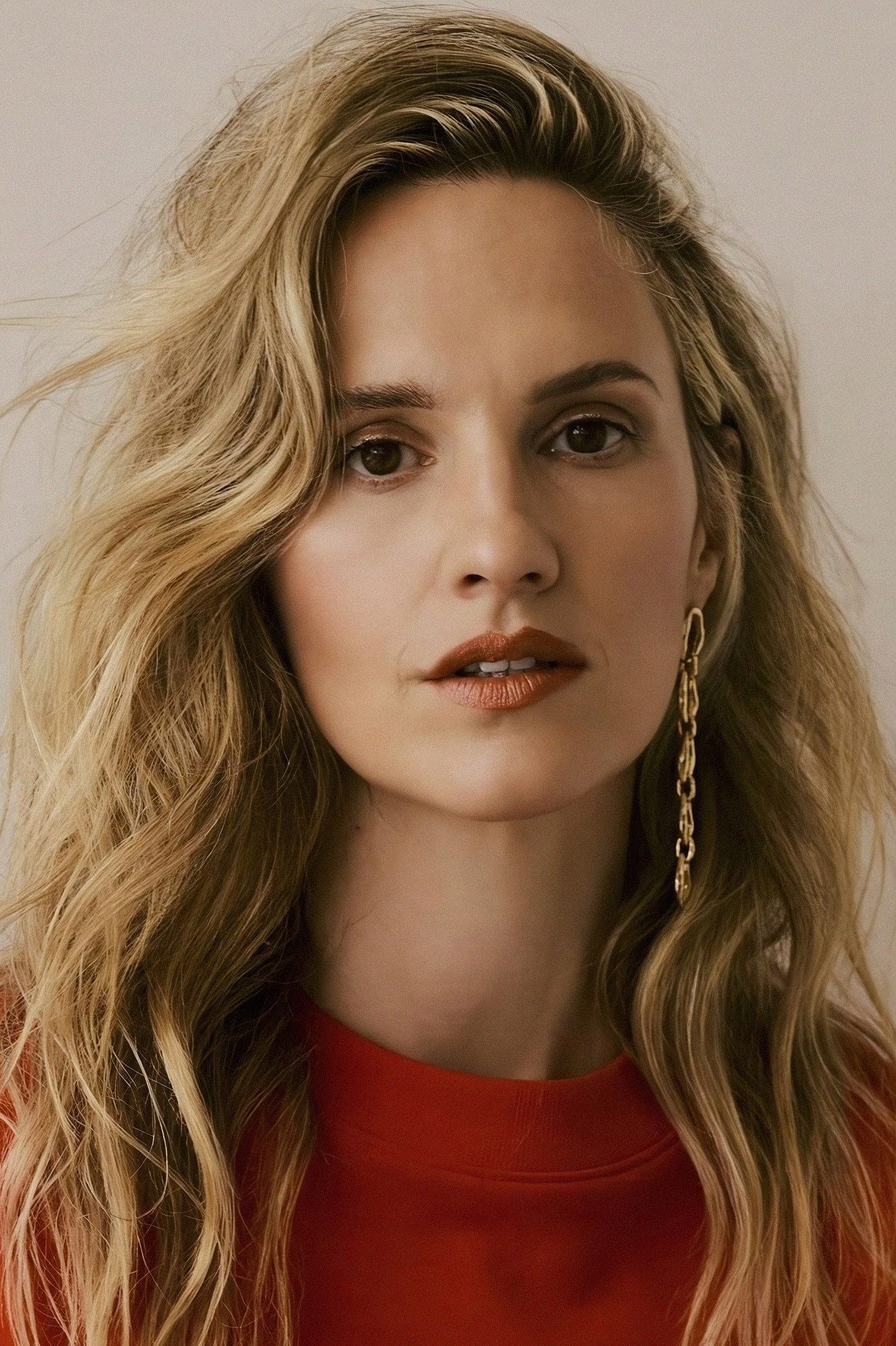
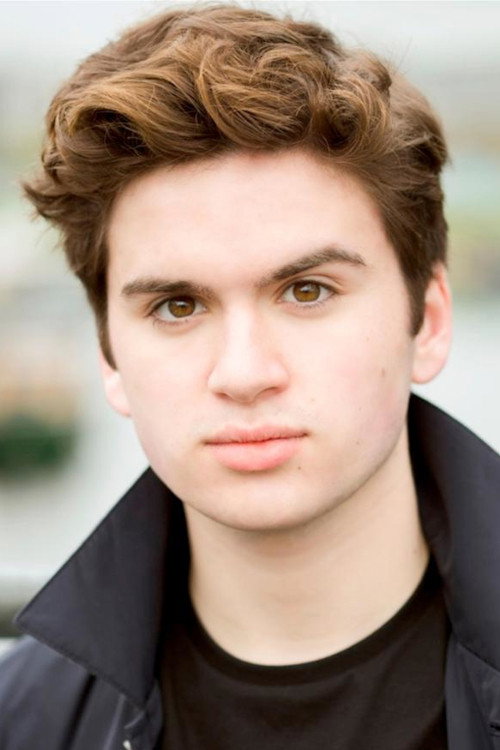
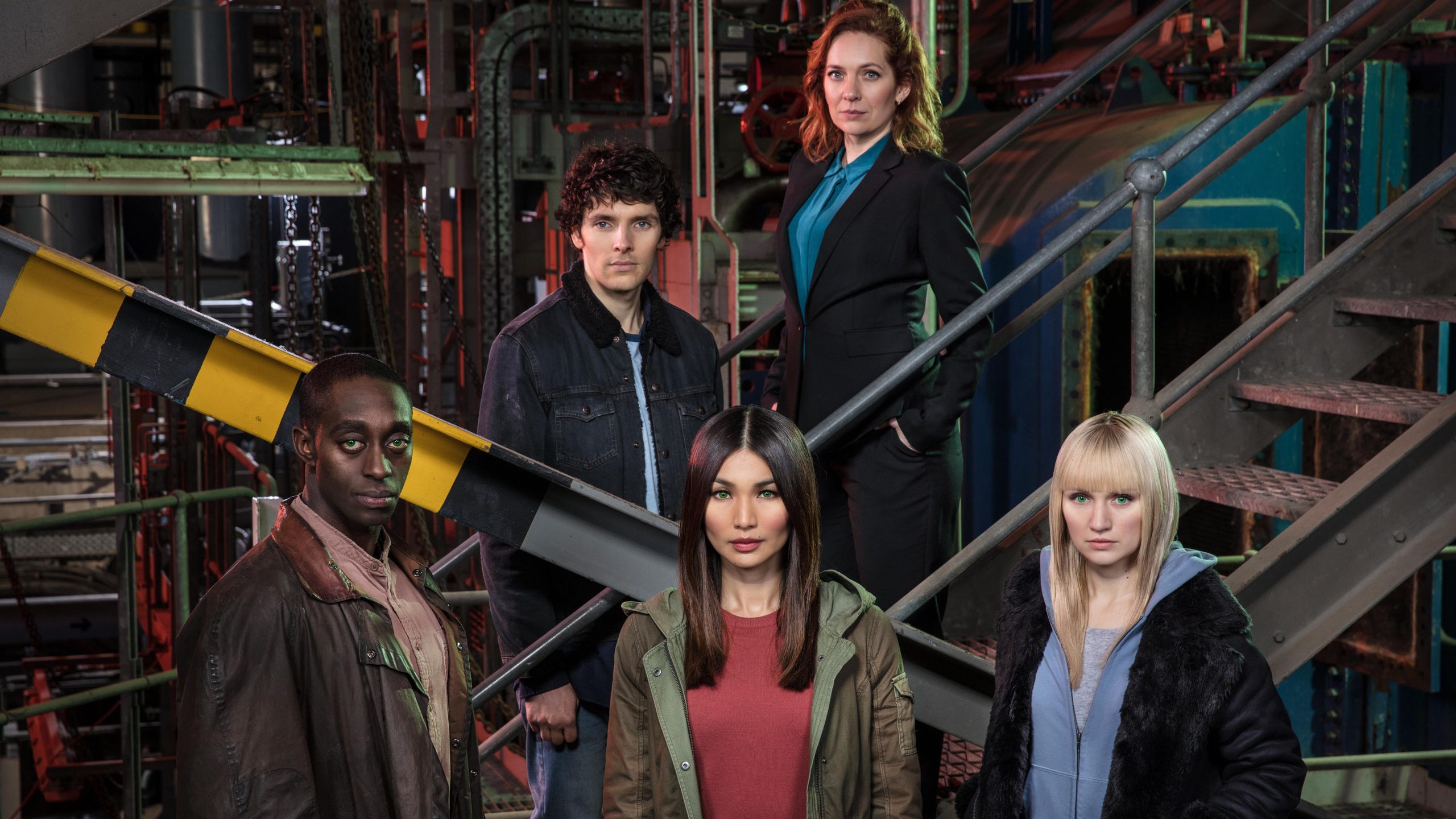
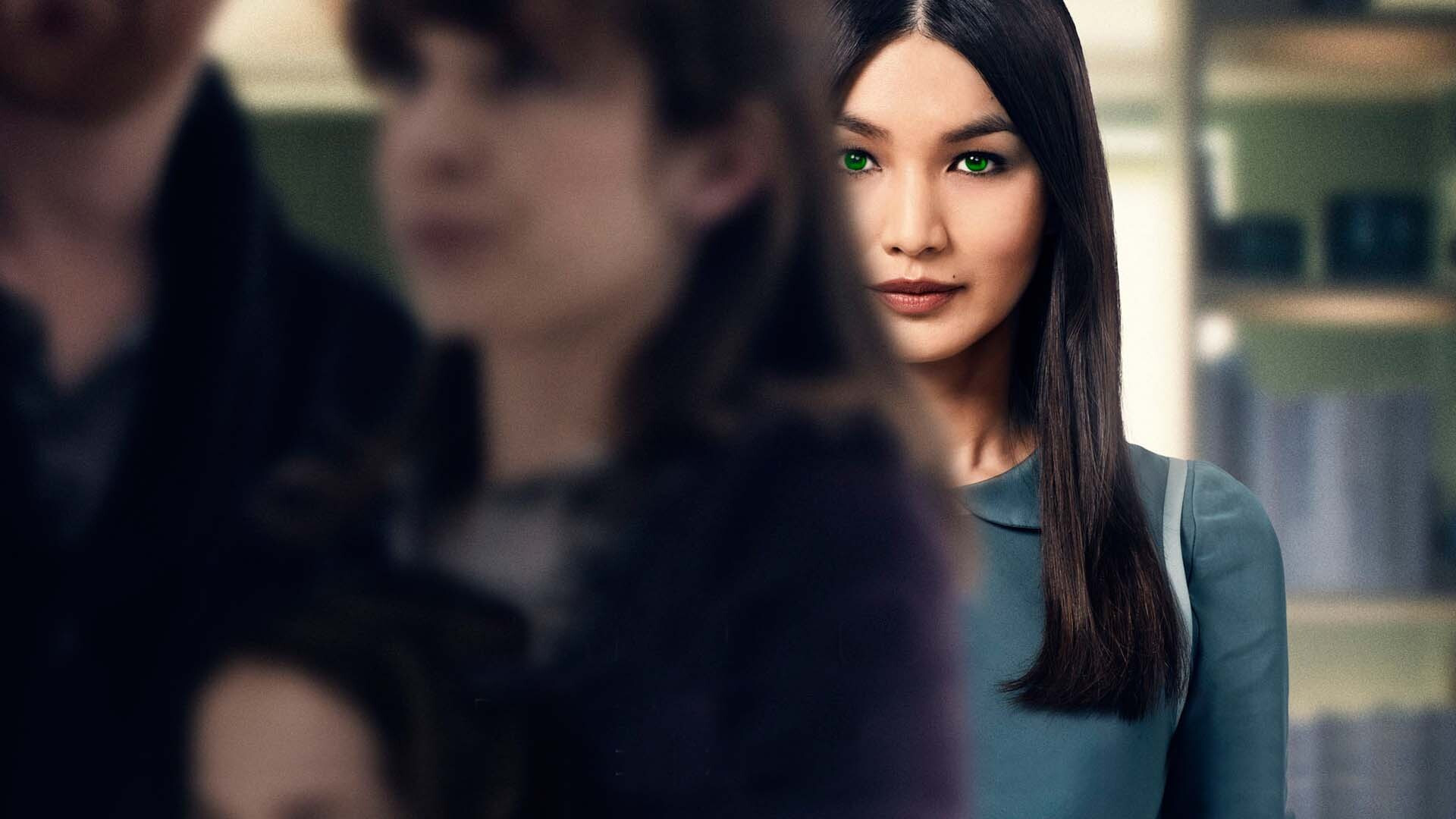
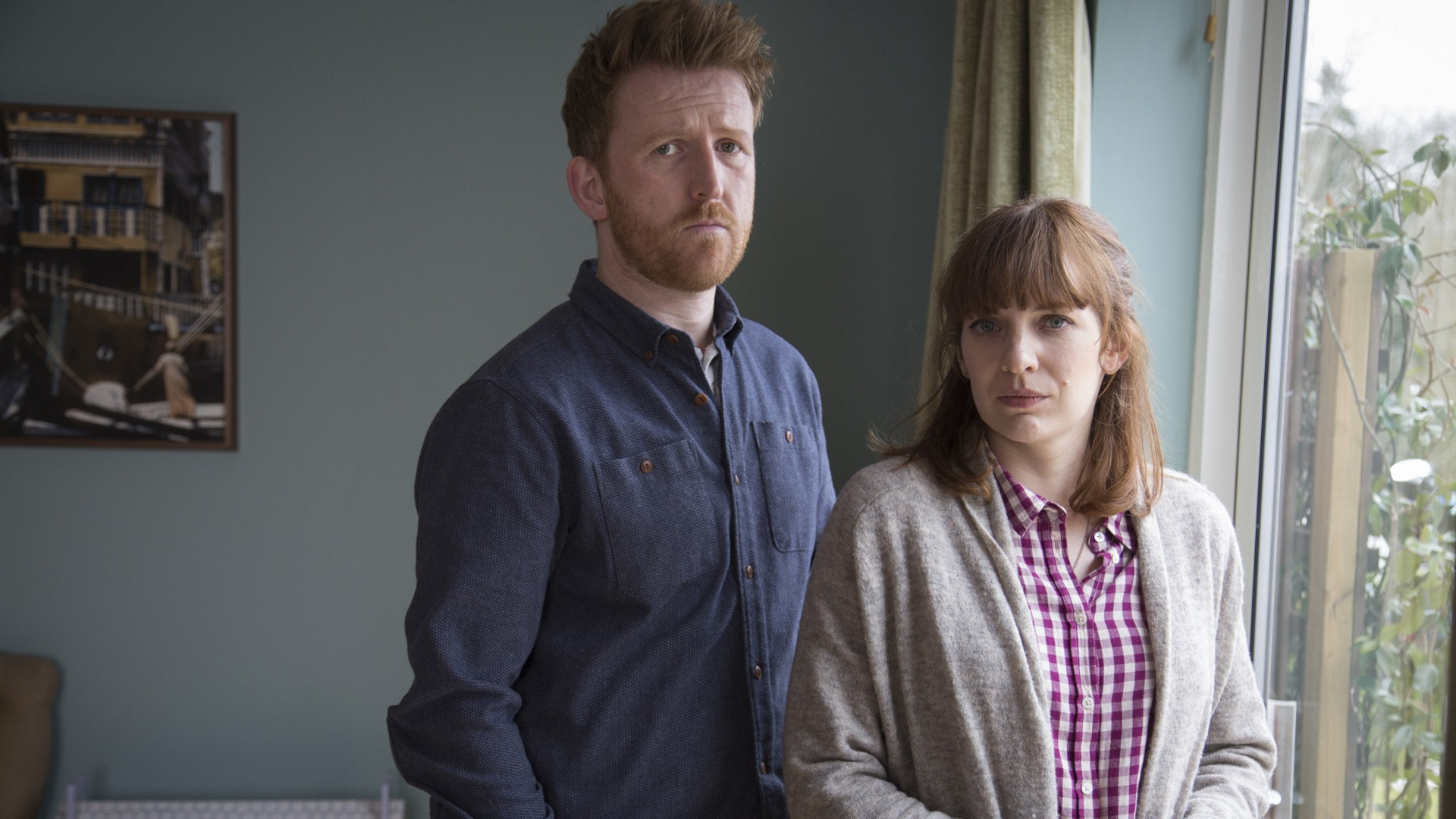
Gemma Chan, as Anita, makes synthetic feelings worth attending to even when the surrounding plot feels overfamiliar. Katherine Parkinson, as Laura Hawkins, and Tom Goodman-Hill, as Joe Hawkins, have to make the human anxieties worth the same attention. They largely manage it, though the writing does not always give them enough to distinguish ordinary frustration from mere dullness. Some of the human characters need more than recognisable worries to hold our interest.
The visual approach is sensible, if sometimes too safe. The cinematography team includes Urszula Pontikos and Ruairí O’Brien, and the controlled images keep the setting close enough to everyday life for the discomfort to register. Production designers Hayden Matthews, Nicole Northridge and Dick Lunn likewise help make synthetic labour seem an ordinary convenience. That restraint suits the subject, although there are stretches when the pictures merely deliver information and leave the actors to provide the uncertainty.
The editing team, including Ian Davies and Daniel Greenway, keeps the thriller moving well enough to prevent the discussions from slowing it too much. Not every return to a competing storyline feels necessary, however, and the programme sometimes moves on before it has developed an interesting thought. The music, credited to Cristóbal Tapia de Veer and Sarah Warne, helps maintain the unease without becoming the main reason for it. The performances remain more affecting, and the score is right to support them.
The weakness is the renegade-synth plot, which can make the programme feel more routine than it should. Familiar mysteries are asked to supply urgency when the treatment of the workers has already given us sufficient reason to care. Against the genre’s long habit of asking whether manufactured beings deserve sympathy, Humans earns its place through the everyday indignities surrounding that question. It becomes less distinctive whenever the thriller takes over, and viewers acquainted with artificial-intelligence stories will recognise some of the route.
This is worth following if the social questions are what draw us to science fiction in the first place. The unevenness matters, but there is enough curiosity and feeling to make the familiar material worth another visit. Allow some patience for the mysteries, particularly when the programme has already given us something more interesting to worry about.