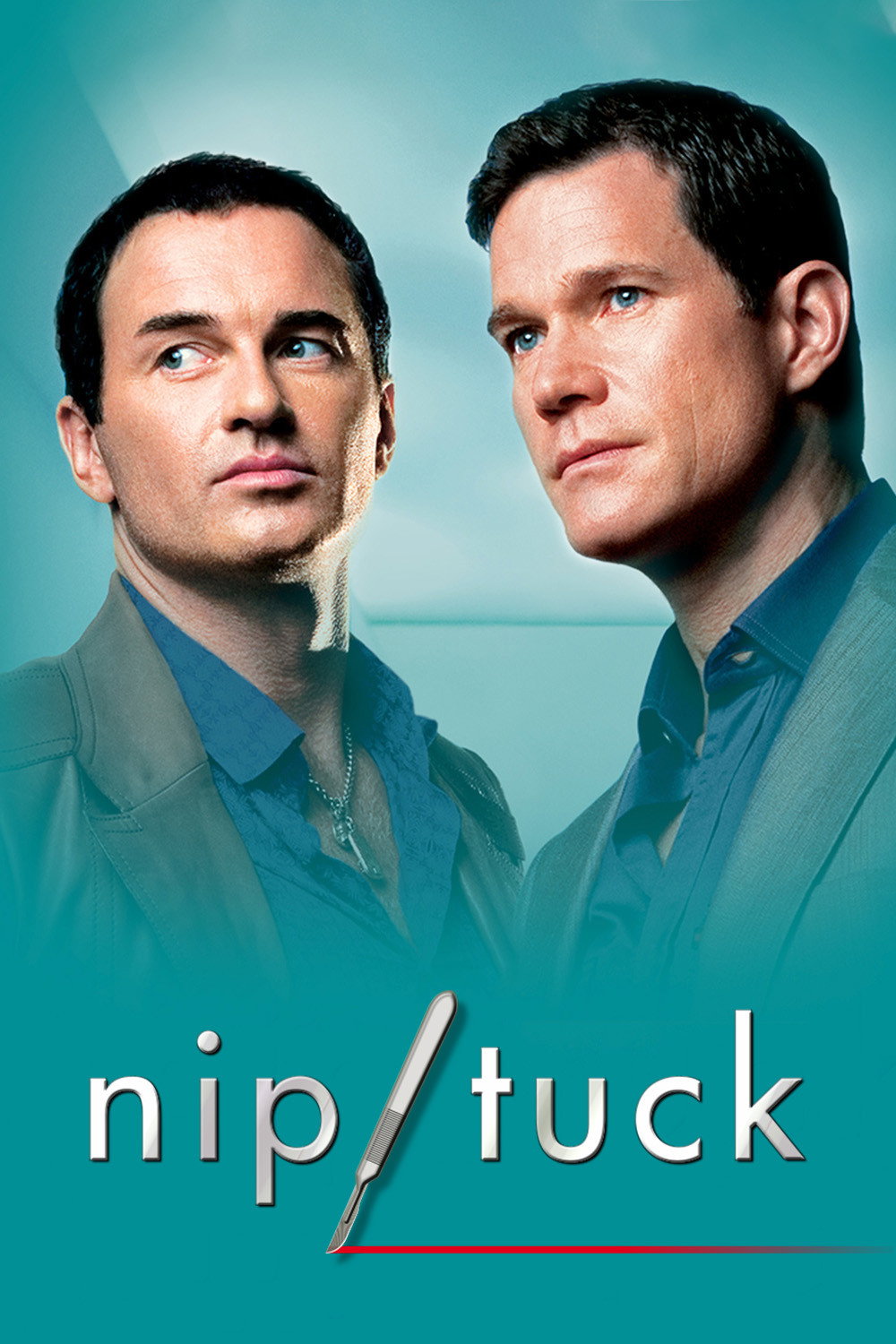
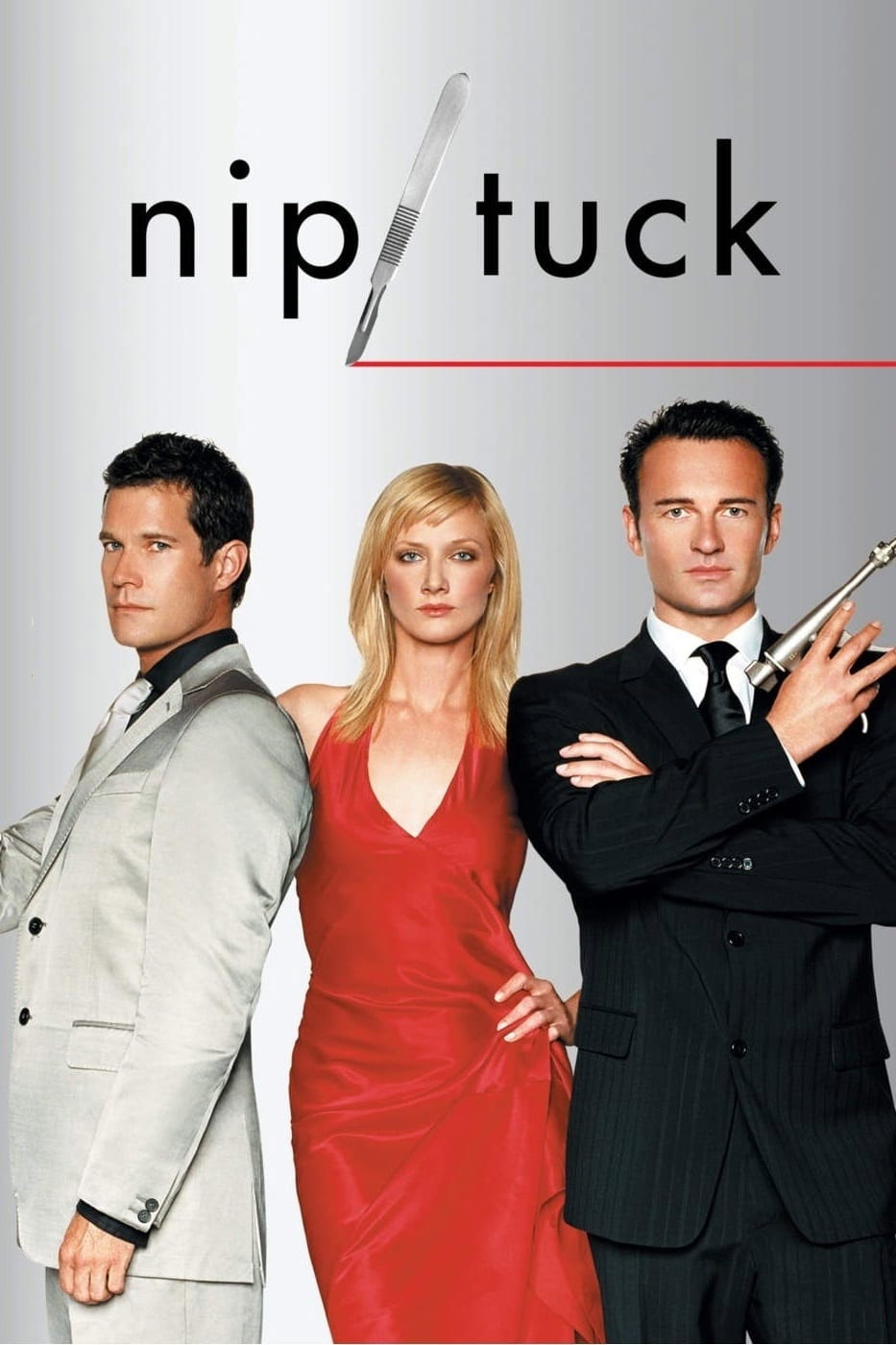
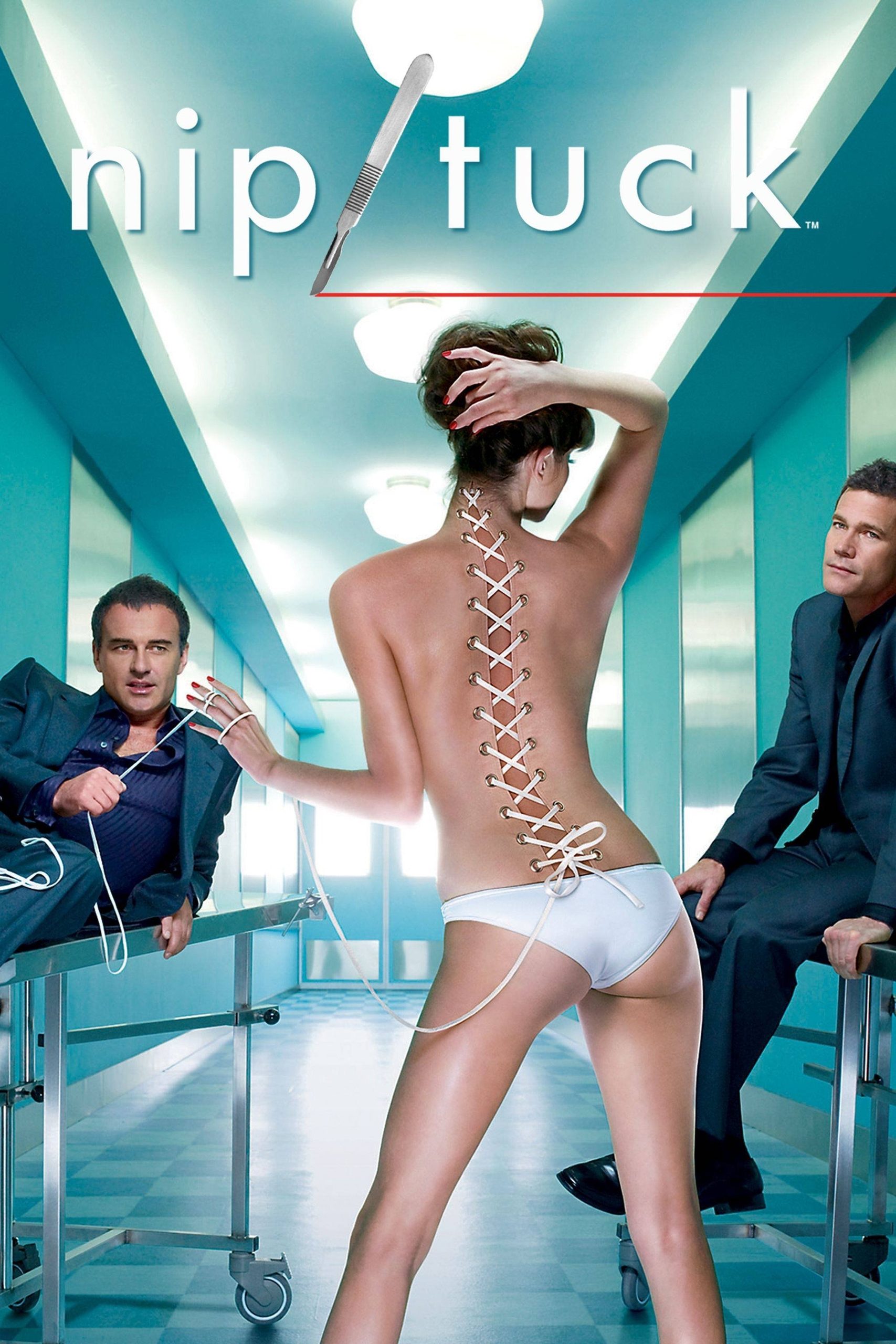
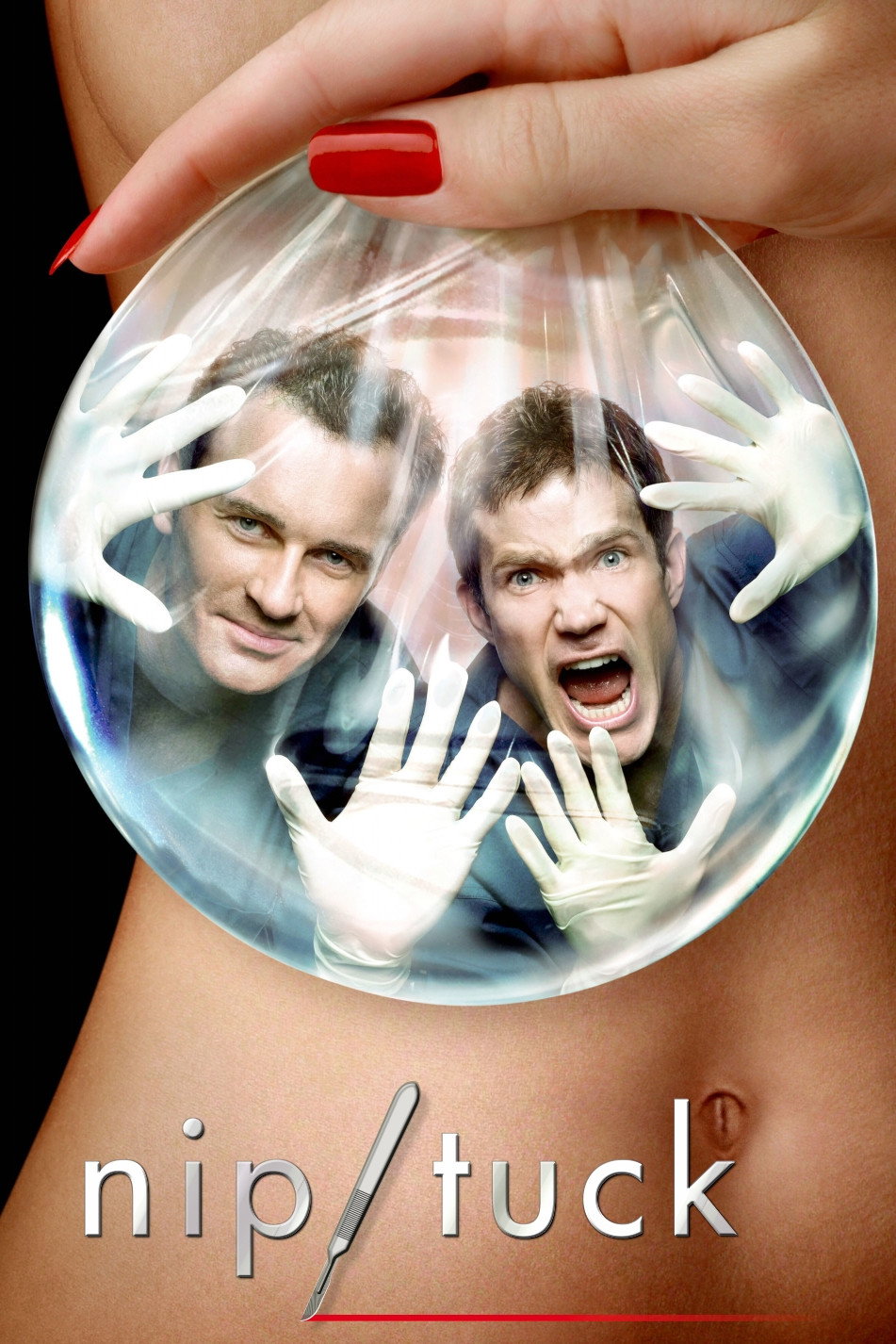
Ryan Murphy’s first big series is a glossy, bloody, often funny satire on the beauty trade, held together by Dylan Walsh and Julian McMahon. For two seasons it is sharp; over seven it loses its nerve and then its mind.
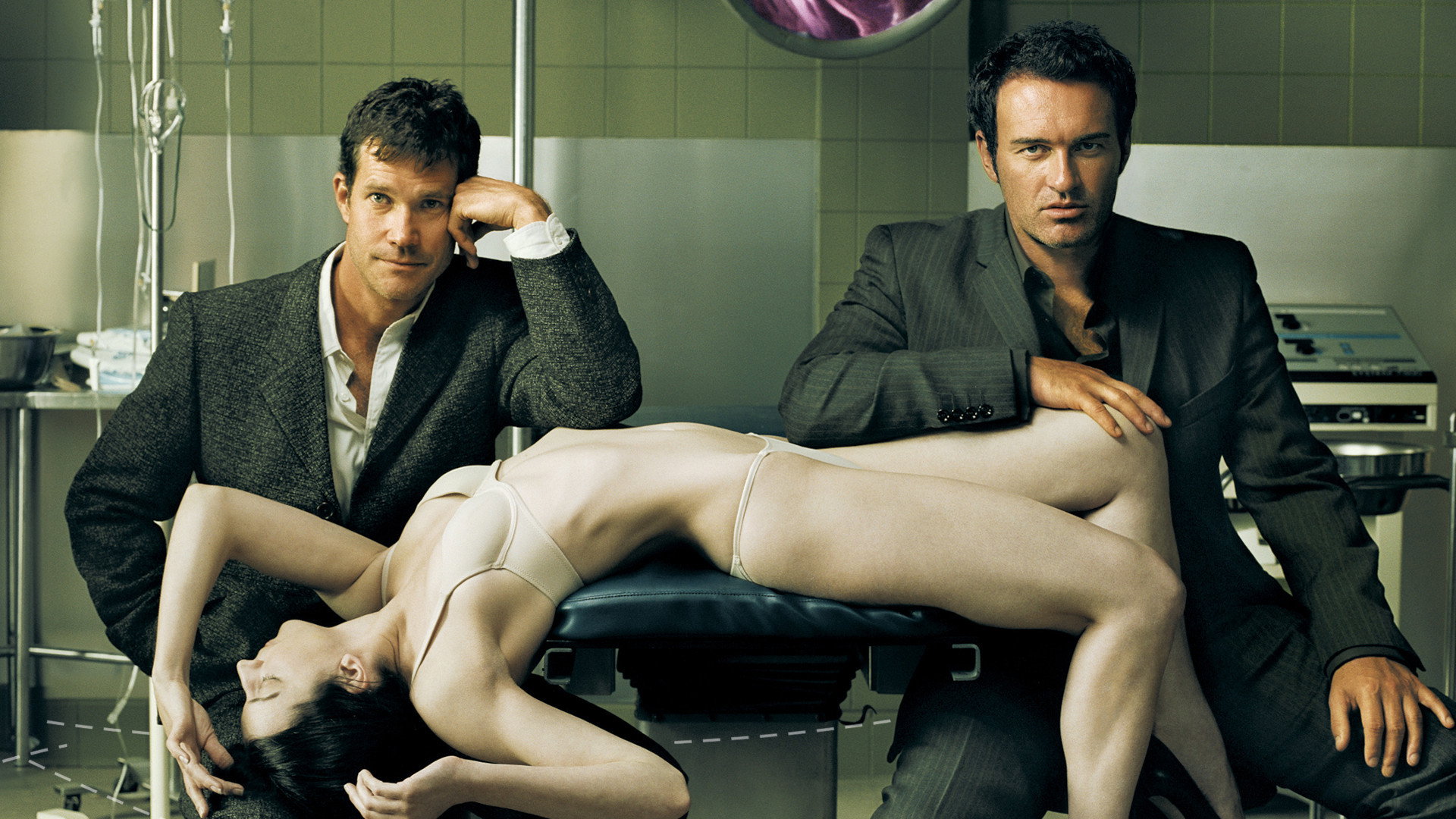
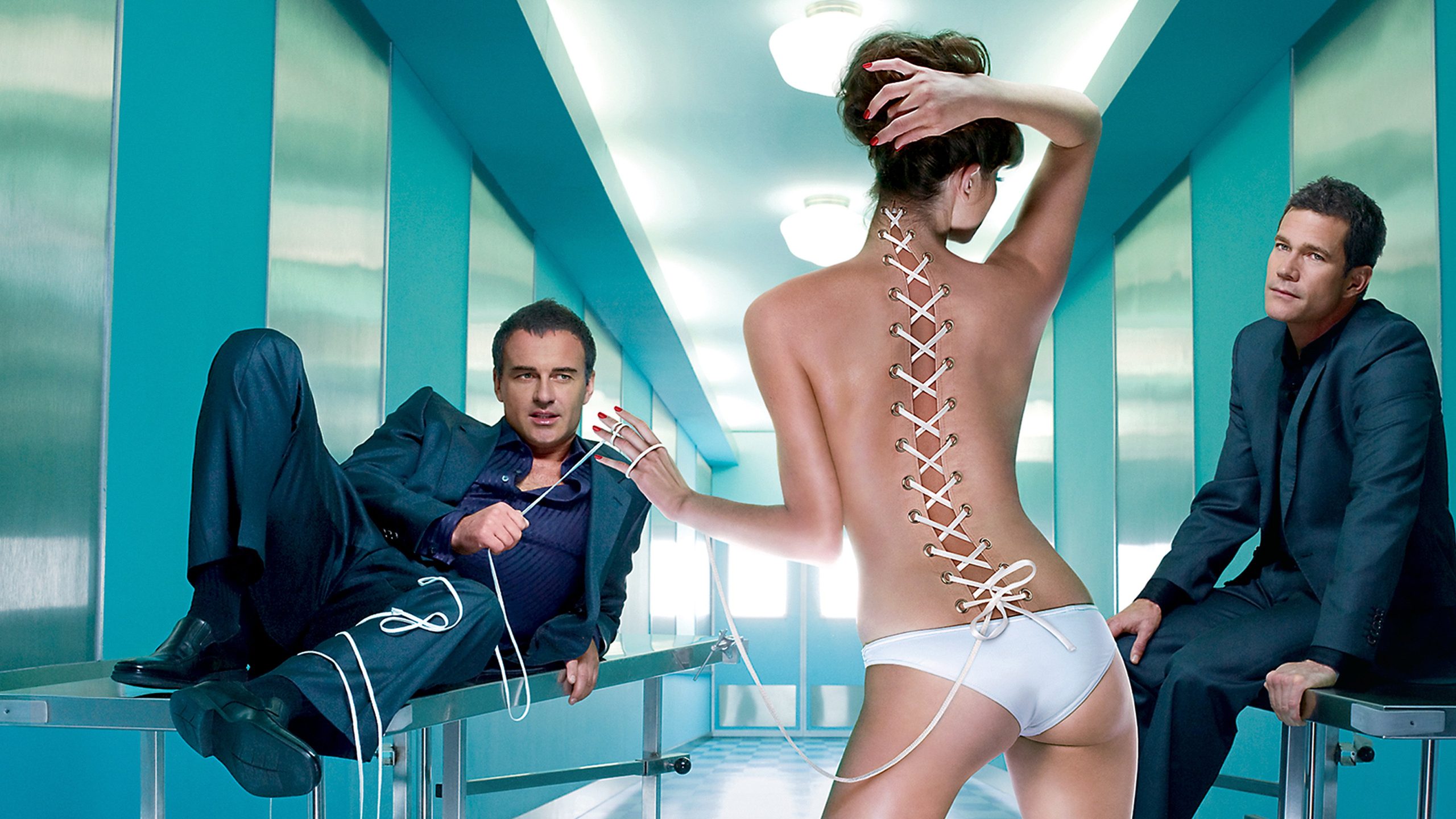
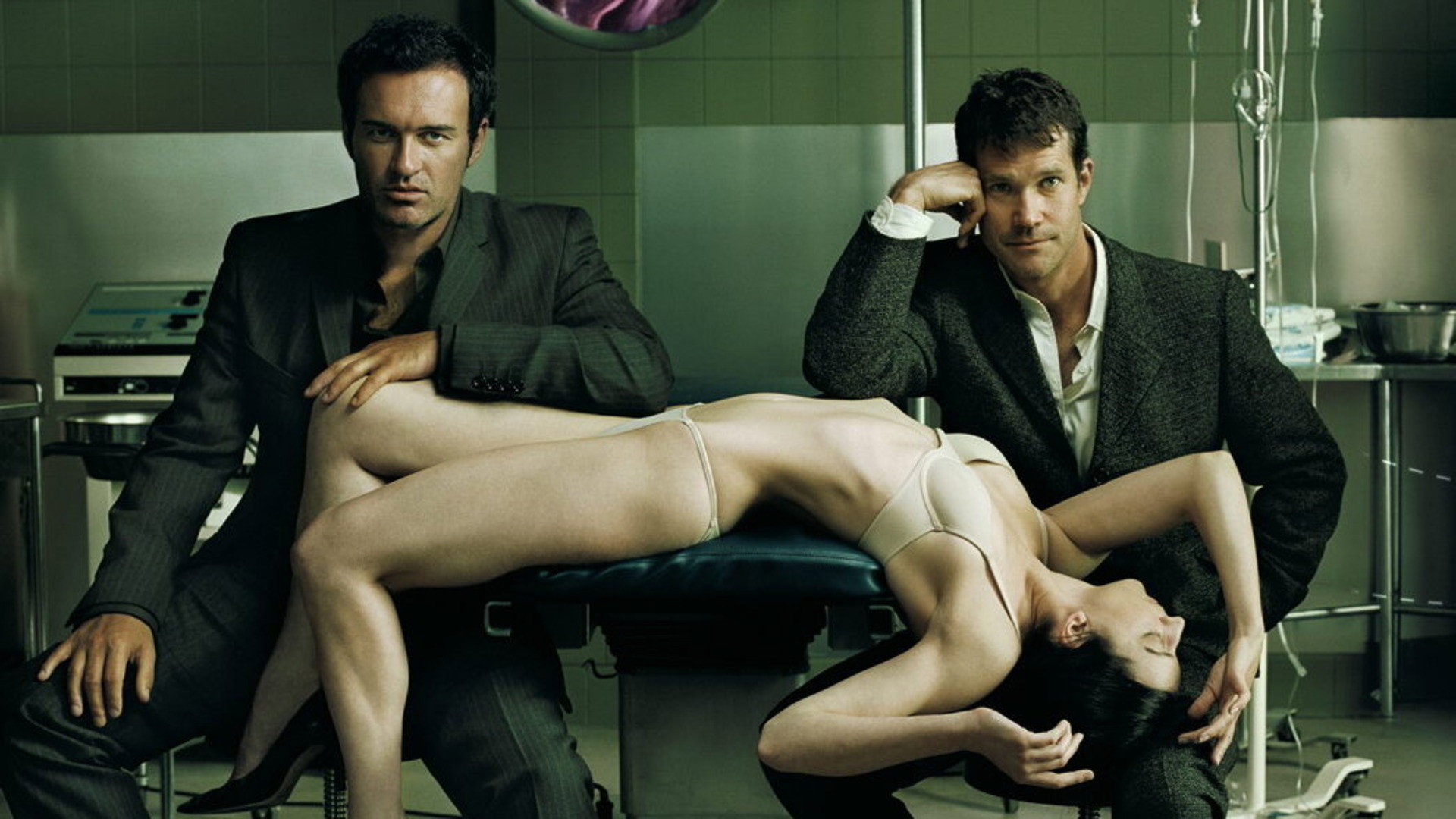
Ryan Murphy’s series opens with a question. Sean McNamara (Dylan Walsh) and Christian Troy (Julian McMahon) run a plastic surgery practice in Miami, and every consultation starts the same way, with the surgeon asking what the patient does not like about themselves. The patient answers, the surgeons nod, and a few scenes later we watch them cut. That is the whole engine, and for two seasons it runs beautifully. Over seven seasons and 100 episodes it does not, and any honest account of the series has to say both things.
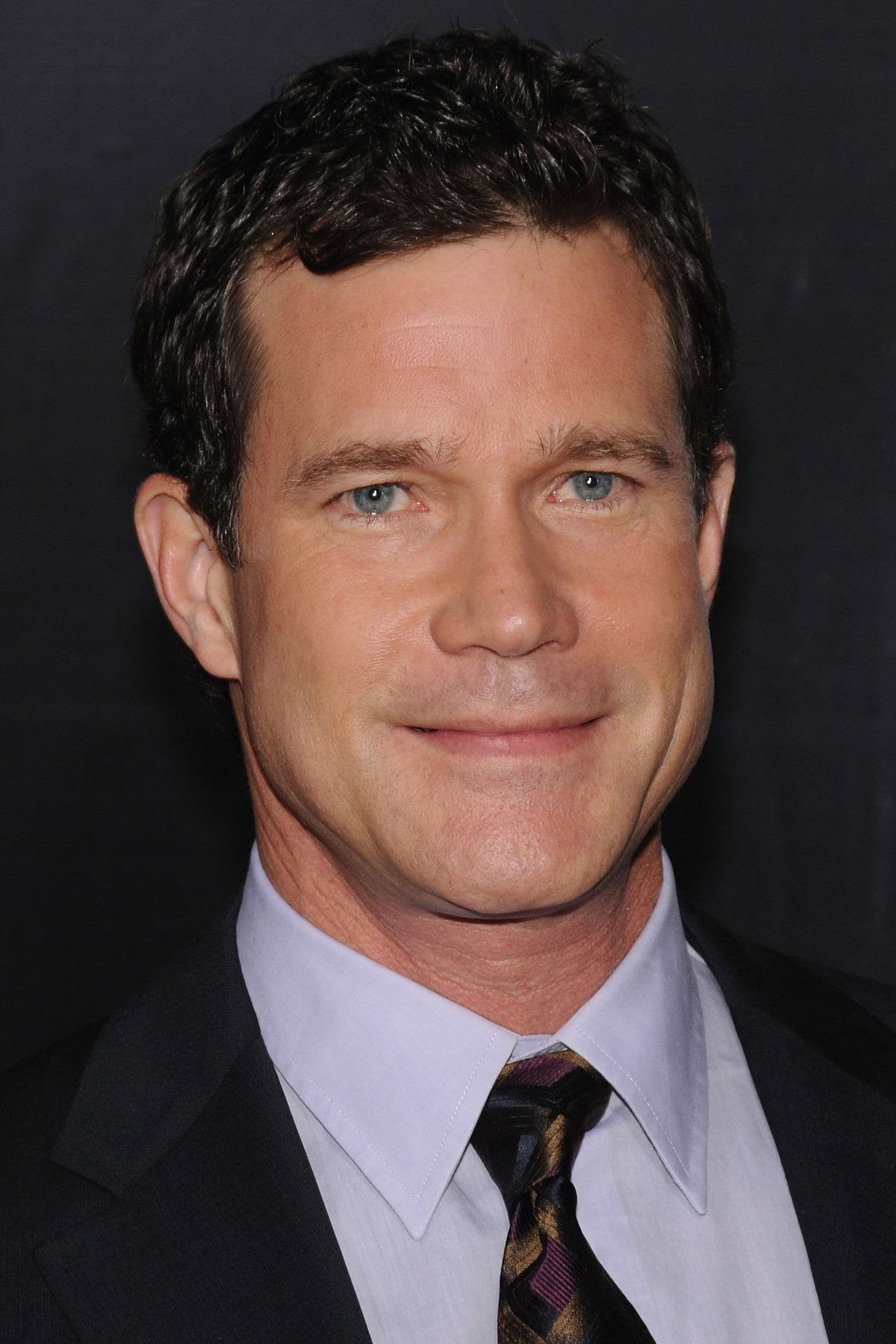
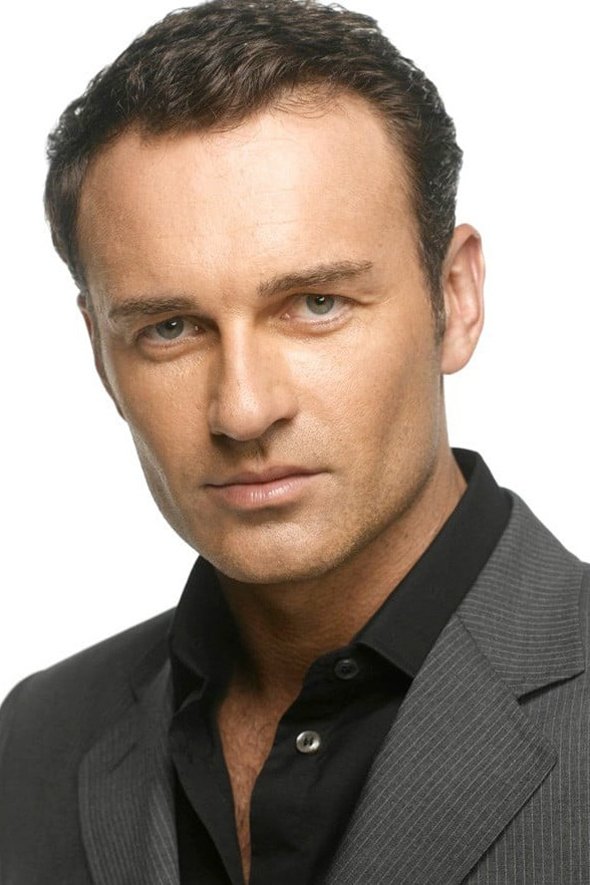
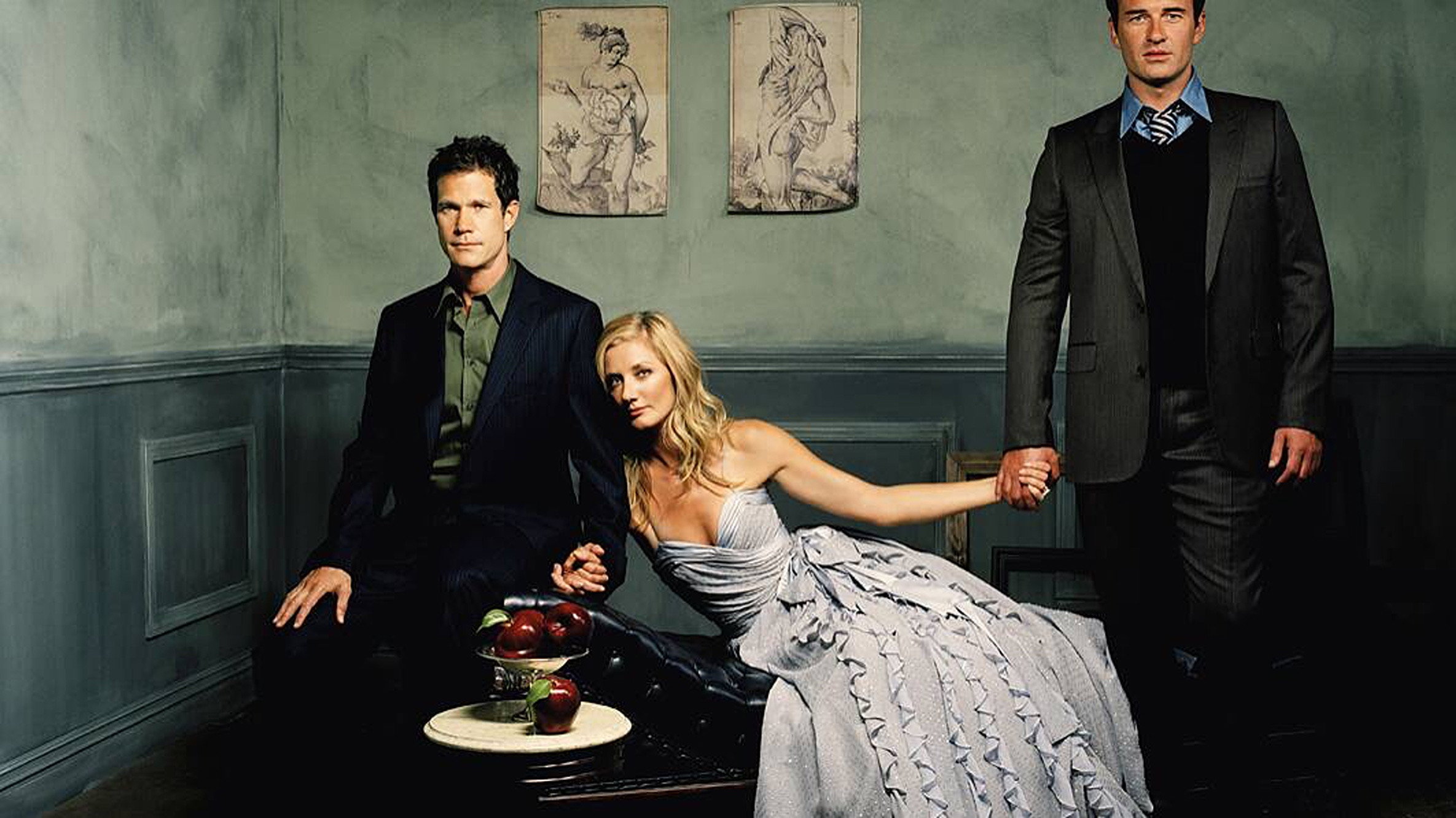
Murphy and his writers, Brad Falchuk, Jennifer Salt and Sean Jablonski among them, want a satire on the American beauty trade dressed as a soap. Walsh plays Sean as the careful one, married to Julia (Joely Richardson), father to Matt (John Hensley), so decent he is faintly tiring to be around. McMahon plays Christian as the salesman, all teeth and tailoring, who brings in the money and the women and treats both the same way. The pairing works because neither actor is asked to be the villain. Walsh lets you see how much Sean envies his partner, and McMahon lets you see, once or twice an episode and never for long, how much Christian would give to be trusted the way Sean is.
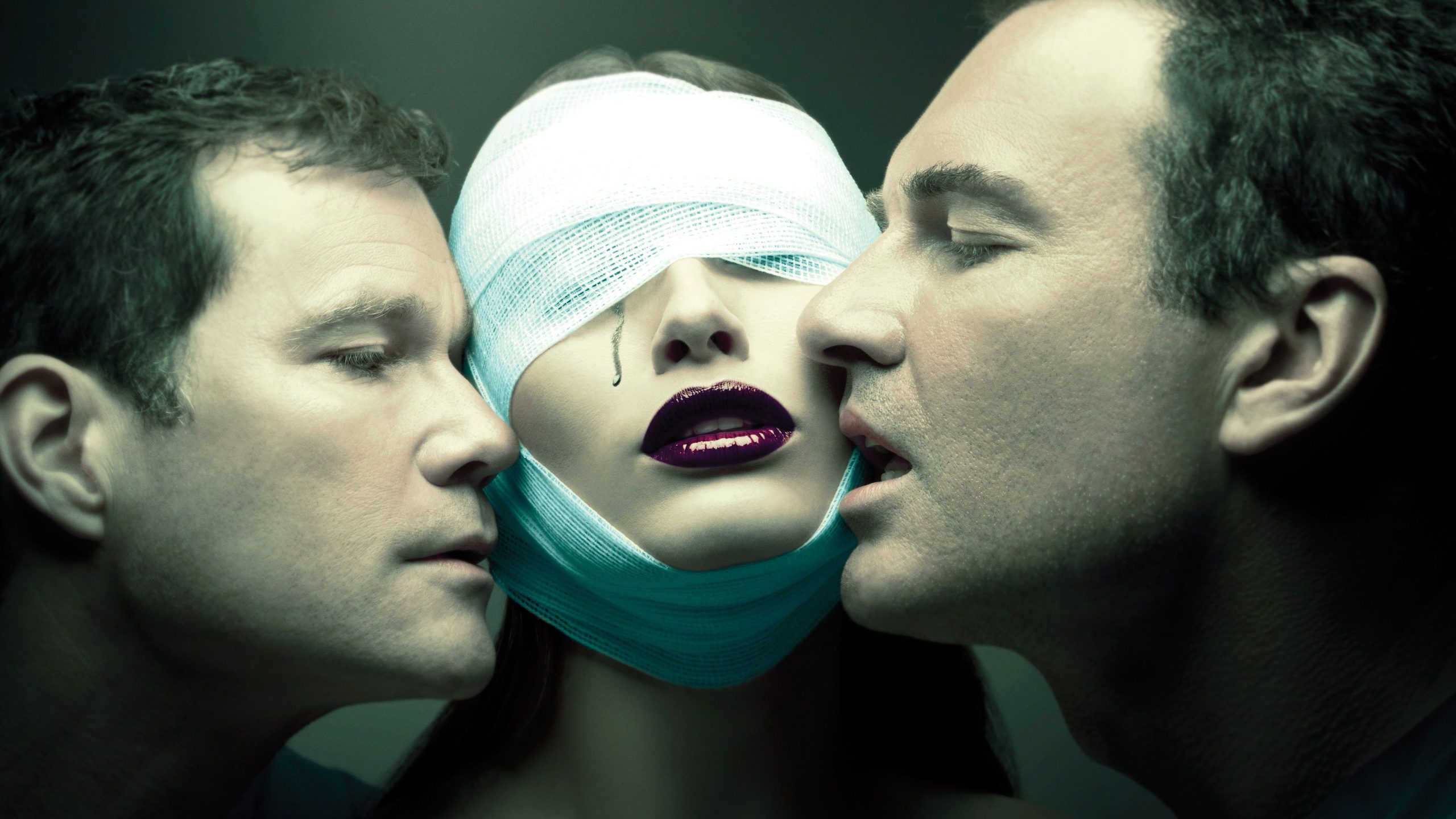
Each episode stops for a surgery, and they are cut fast to pop songs with the camera down at the level of the latex gloves. Fat comes out through a tube. A face is lifted away from the bone and laid back. The first time, we watched through our fingers and felt a little sick; by the third episode we were leaning in, and were slightly ashamed to notice it. That is the point. The programme wants us to feel what the patients feel, that the thing being done is grotesque and that we would still quite like it done to us. It is the sharpest idea the show has, and it never needs a line of dialogue to make it.
The practice is white walls, glass and brushed steel under flat, bright light; the McNamara house is wood and lamps, so every cut from work to home tells you which set of lies is being told. Richardson has the hardest job, a wife written to be dissatisfied at home while the men have all the fun, and she gives Julia a brittle, watchful intelligence the scripts do not always deserve. Roma Maffia’s Dr. Liz Cruz, in the operating theatre, is the one adult in the building and the show knows it. Kelly Carlson’s Kimber Henry starts as one of Christian’s conquests and becomes over the years the character the series treats worst, and Carlson plays every humiliation straight, which is why it lands.
The first two seasons, 13 and 16 episodes, keep the patients and the family in balance. From the third season on, the show starts to believe that outrage is the same as plot. By the fifth season, 22 episodes long, the show has become the thing it set out to mock: it will do anything for a reaction and ask afterwards whether it meant anything. We were bored for long stretches of it, and then cross, because Walsh and McMahon were still there and still good and had nothing left to play. Some of it has also aged badly; jokes about who is allowed to want to be beautiful that were meant as satire now read as agreement.
You can see everything Murphy did afterwards in here, Glee and American Horror Story included: glamour laid over ugliness, shocks arriving on a schedule, the sudden sincere scene that catches you unguarded. This is the clearest version of the method, because it still has two men at the centre it cares about, and when they sit in the office after hours and admit what they have done to each other the whole gaudy machine goes quiet. It runs 44 minutes an episode and carries an 18 certificate, which it earns within the first ten. Watch the first two seasons. Treat the rest as elective.