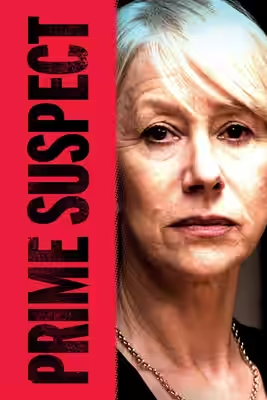
Lynda La Plante’s police drama gave Helen Mirren a detective who is right, tired and resented for both, and the first story is as good as British crime television has been. The later series are uneven, and worth it anyway.
Lynda La Plante’s Prime Suspect begins with a dead woman in a London bedsit and a dead detective in a hospital corridor, and is not really about either. It is about the woman who takes over the case. Jane Tennison has been kept off murder work for more than a year, and when she finally gets one, the men she inherits would rather the killer walked than that she caught him. Our verdict is plain. The first story, two episodes first shown on 7 April 1991, is as good as British crime drama has been, and the six that follow are never less than worth watching, though they are not all this good.
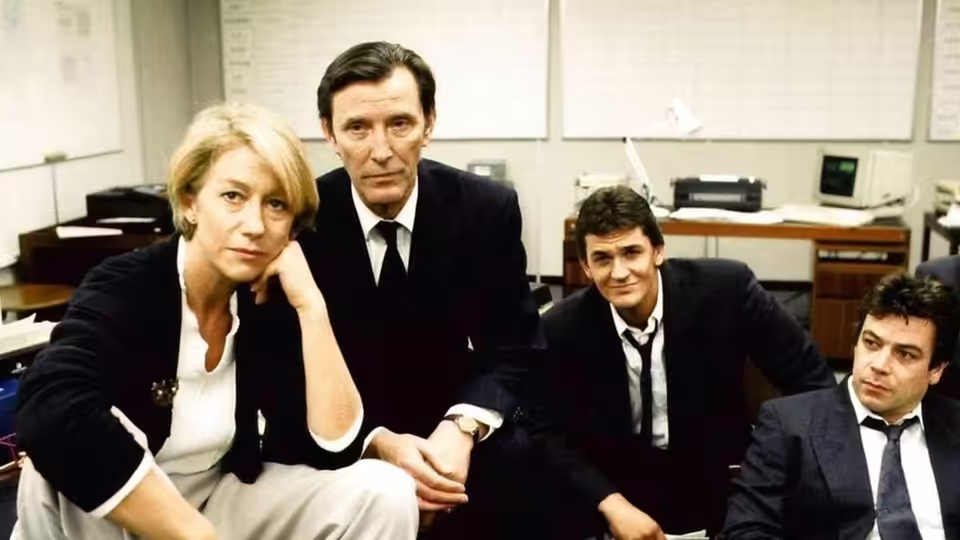
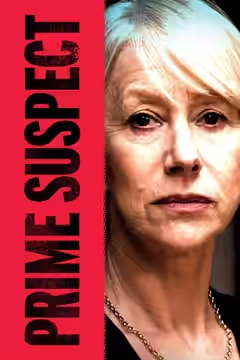
Helen Mirren plays Tennison as a woman who has learnt to think before every sentence about how it will land, and is worn out by it. She is not warm. She is not, at first, even likeable: she pushes for the job while the dead man’s colleagues are still in shock, and the series lets us see that. What she is, most of the time, is right, and Mirren makes the gap between being right and being believed the whole subject of the performance. Watch what she does with her hands when she wants a cigarette and cannot have one.
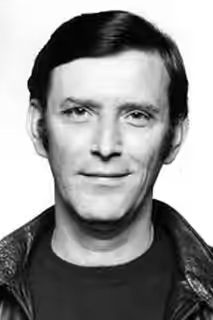
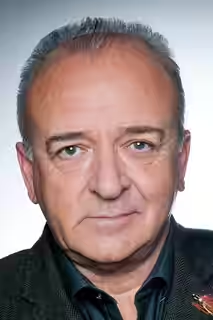
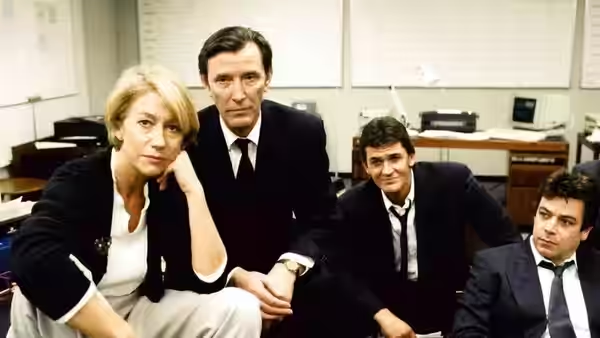
We were angry within the first half hour, and nobody on screen had raised a voice. Tennison walks into the incident room, asks a plain question, and a roomful of men look at Bill Otley to find out whether they should answer. Tom Bell plays Otley, the dead man’s sergeant and friend, with a stillness that is worse than shouting; he never disobeys her, he simply lets every order arrive a beat late. Craig Fairbrass and Jack Ellis, as the two inspectors, spend the early scenes working out which side is safer. It is the most exact picture of a workplace closing ranks that we know.
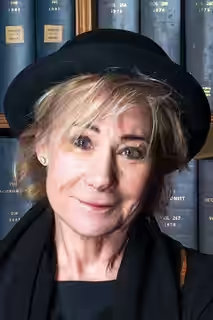
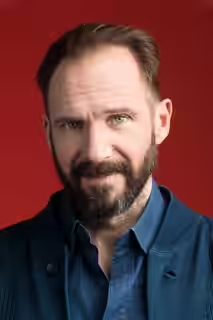
The case is built with unusual patience. John Bowe’s George Marlow is a travelling salesman with an old conviction and a pleasant manner, and Bowe never tips him one way or the other; we watched the interview scenes trying to read him and could not. Zoë Wanamaker gives his partner Moyra Henson a loyalty that is half love and half fury at being asked about it. Ralph Fiennes appears briefly as a young man called Michael, in a part small enough to miss. The police work is slow in the way real police work is: forensics that take days, a whiteboard, a name that does not fit.
Christopher Menaul directs the first story in fluorescent light and magnolia paint. The camera stays at shoulder height, follows people down corridors and flatters nobody; the mortuary is lit like a canteen. Nicholas Hooper’s music is used sparingly, a low pulse under the surveillance scenes and little elsewhere, so most of the series plays to telephones and typewriters. It looks like what it is, television made in 1991, and that suits it. Nothing here was designed to be admired.
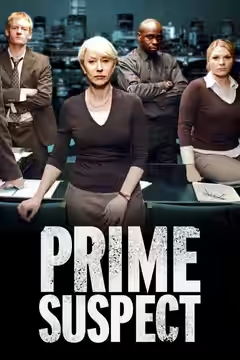
The run stretches to seven series and 15 episodes, with a gap of seven years between the fifth in 1996 and the sixth in 2003, and it is uneven. La Plante wrote the early stories; later ones came from other hands, among them Allan Cubitt, Guy Andrews, Frank Deasy and Guy Hibbert, with directors including John Strickland, John Madden, Tom Hooper and Phil Davis. Some of these later stories pick a social issue and hold it up for us to look at, which the first story never needed to do. The fourth series splits into three shorter cases and feels thinner for it. Tennison’s drinking, a detail in 1991, has become the subject by the final series in 2006, and the last stories lean on it harder than the character needs.
Most critics have placed it among the best things British television has made, and we agree about the first story and part company only over the later ones. Every troubled detective since who keeps a bottle in the desk drawer owes Tennison something, and most of them took the bottle and left the intelligence.
Start with the first two episodes and give them a single evening; they were made to be watched that way. It carries an 18 certificate, for the mortuary as much as the language, and the mortuary earns it.