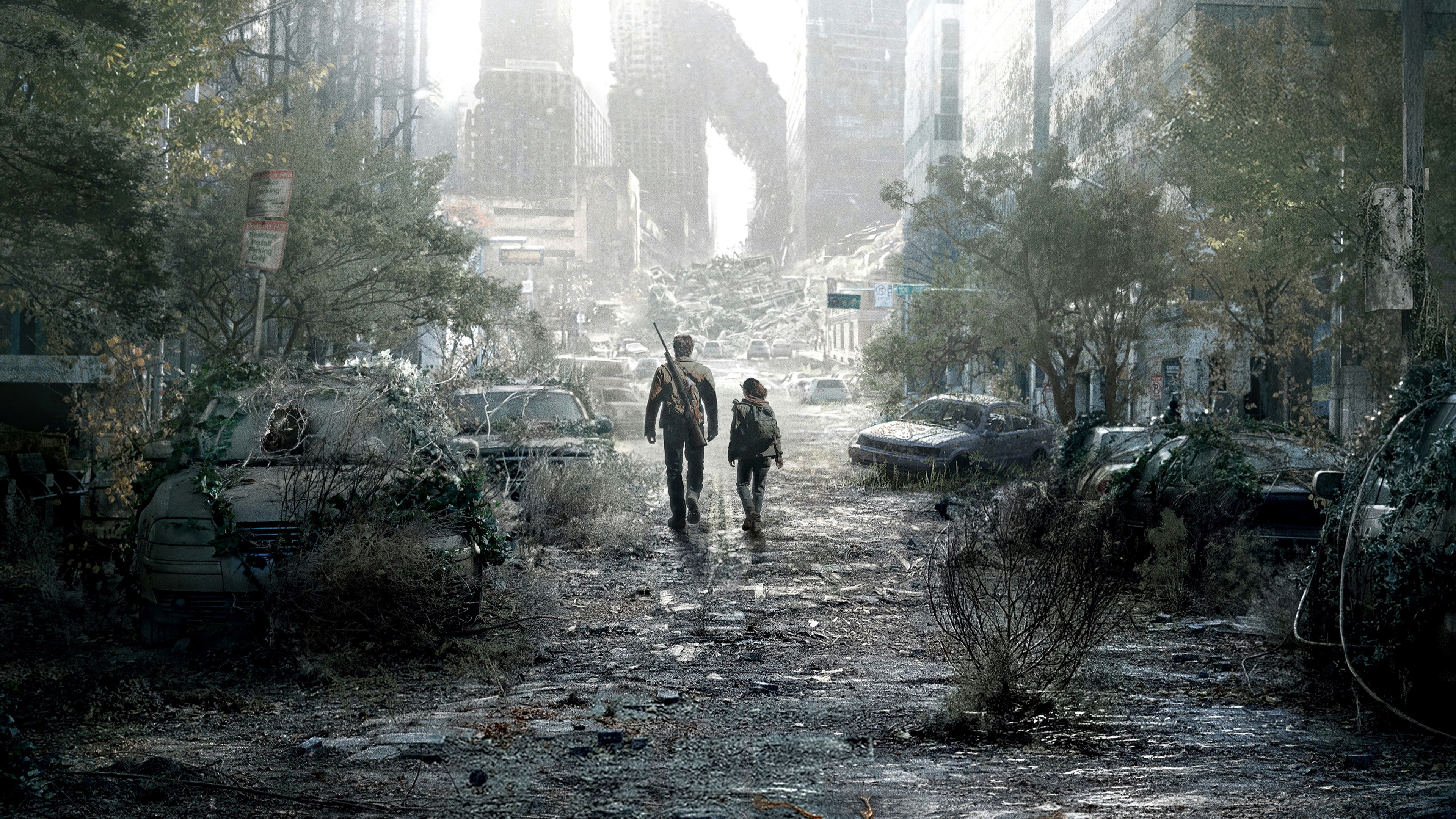
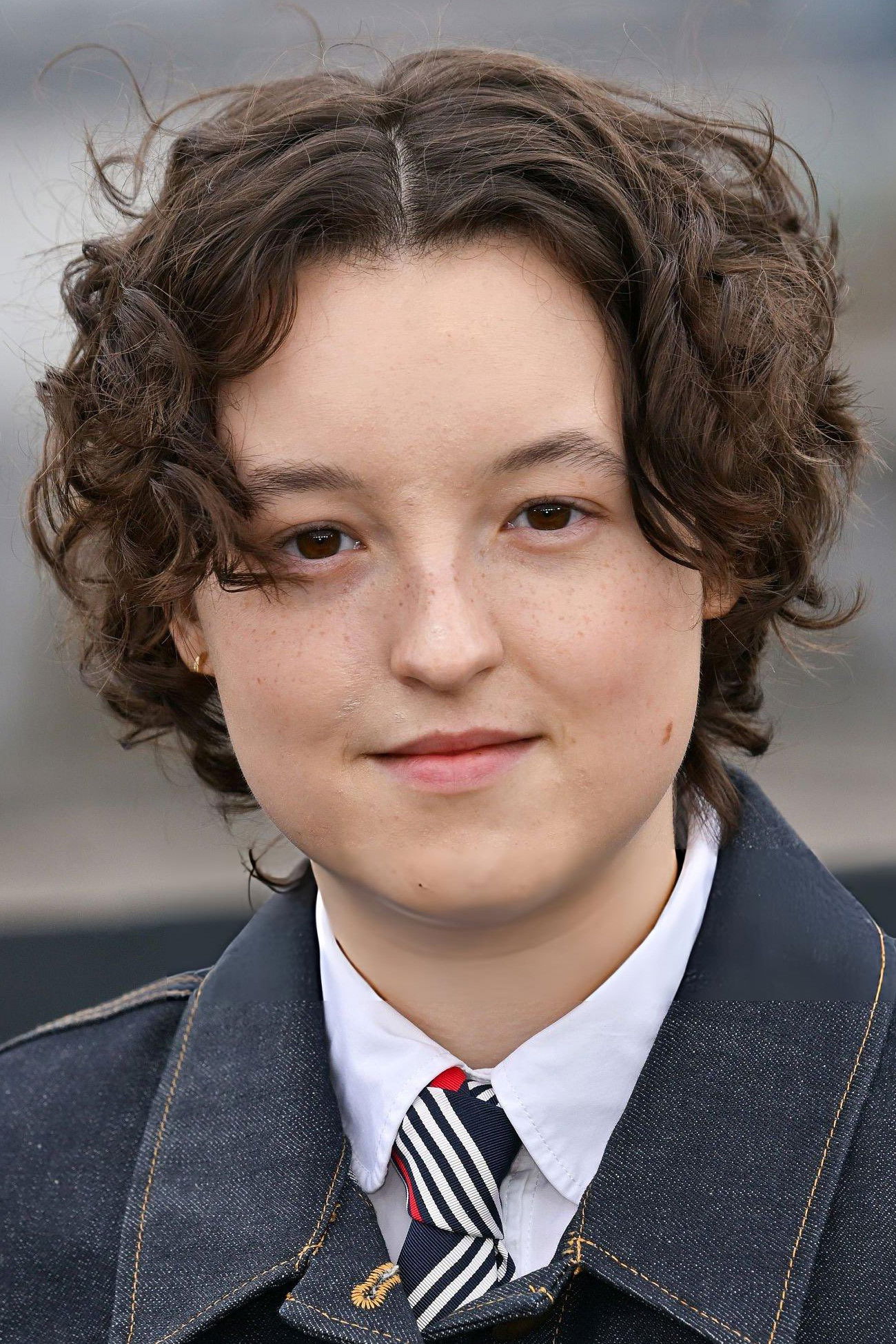
Pedro Pascal and Bella Ramsey make this ruined America worth spending time in. The first series is moving, patient horror-drama, even when its supporting characters deserve more space than the scripts allow.
The first series of The Last of Us is good enough to recommend to people who think they have finished with zombie stories. Across nine episodes, writers Craig Mazin and Neil Druckmann give Joel and Ellie a relationship worth following even when the threats become familiar. There is no shortage of human suffering here, and some of it is predictable. What keeps the series from becoming a dutiful procession of horrors is the time it gives people to care about each other.
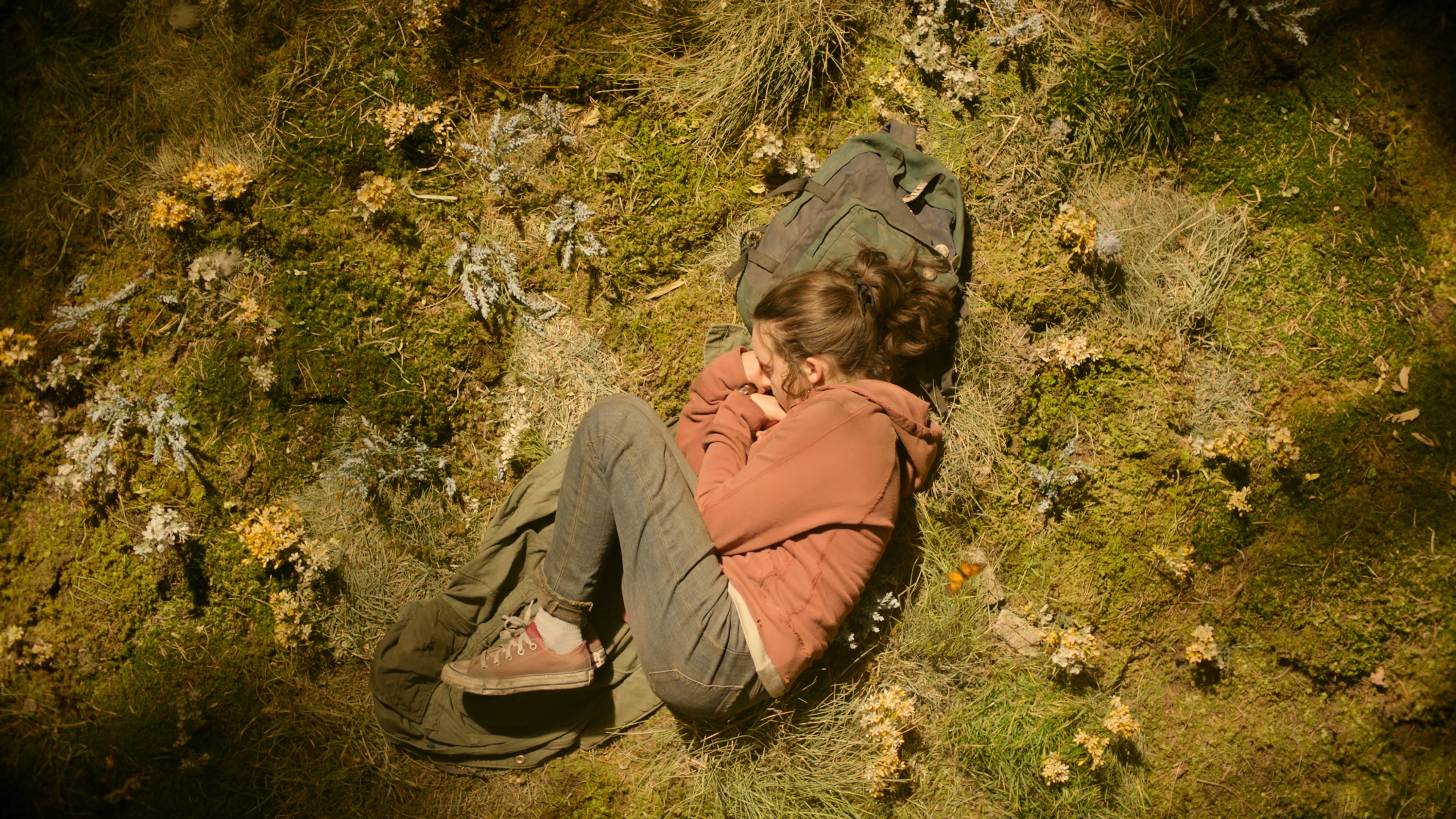
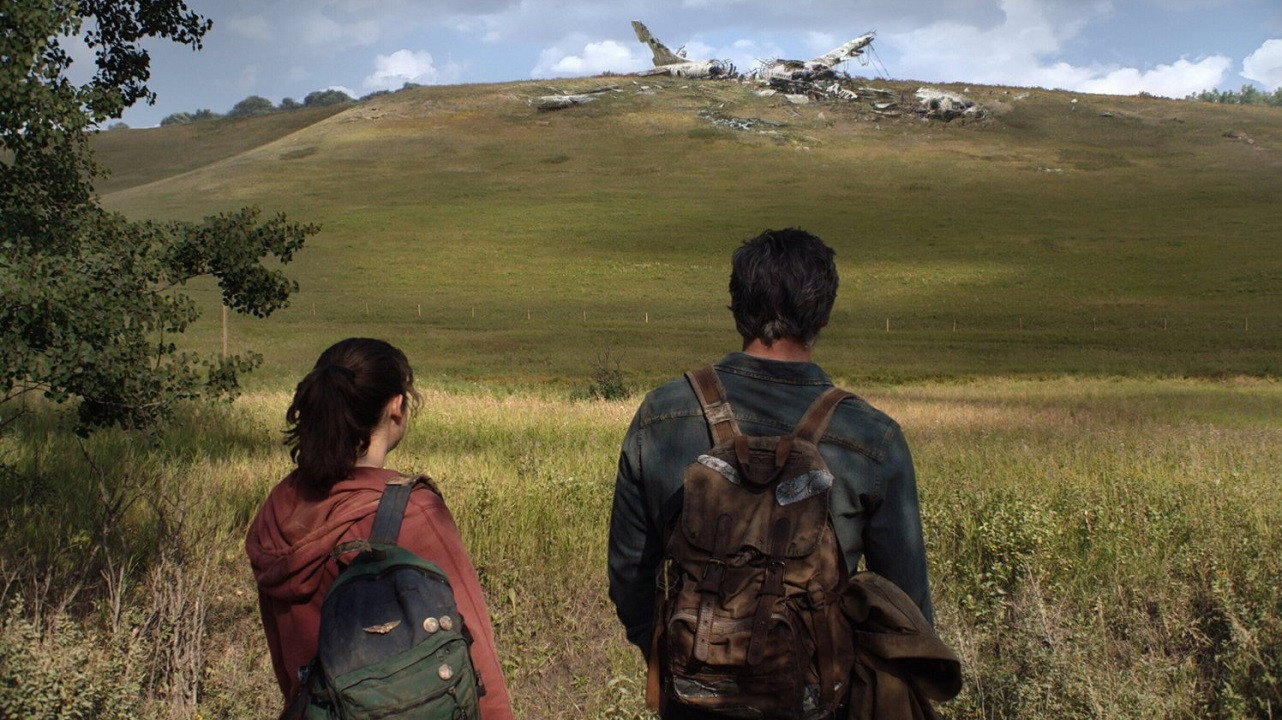
Pedro Pascal and Bella Ramsey do most of that work. Their Joel and Ellie develop a father-and-daughter closeness without making the relationship feel settled or easy. Pascal gives the protectiveness an uncomfortable weight, while Ramsey makes Ellie matter as a person with demands of her own, not simply someone for him to protect. We believe in their attachment before we begin worrying about what it might demand of them, and that is why the danger works.
Peter Hoar’s third episode shows how much the programme gains when it gives another relationship sustained attention. Its expansion of Bill and Frank’s story moved us more than we expected. Their life together is allowed to matter in its own right, with enough time for affection to become something we believe in. The episode also makes a useful case for adapting a game into television. There is value in stopping to look at people the central story might hurry past.
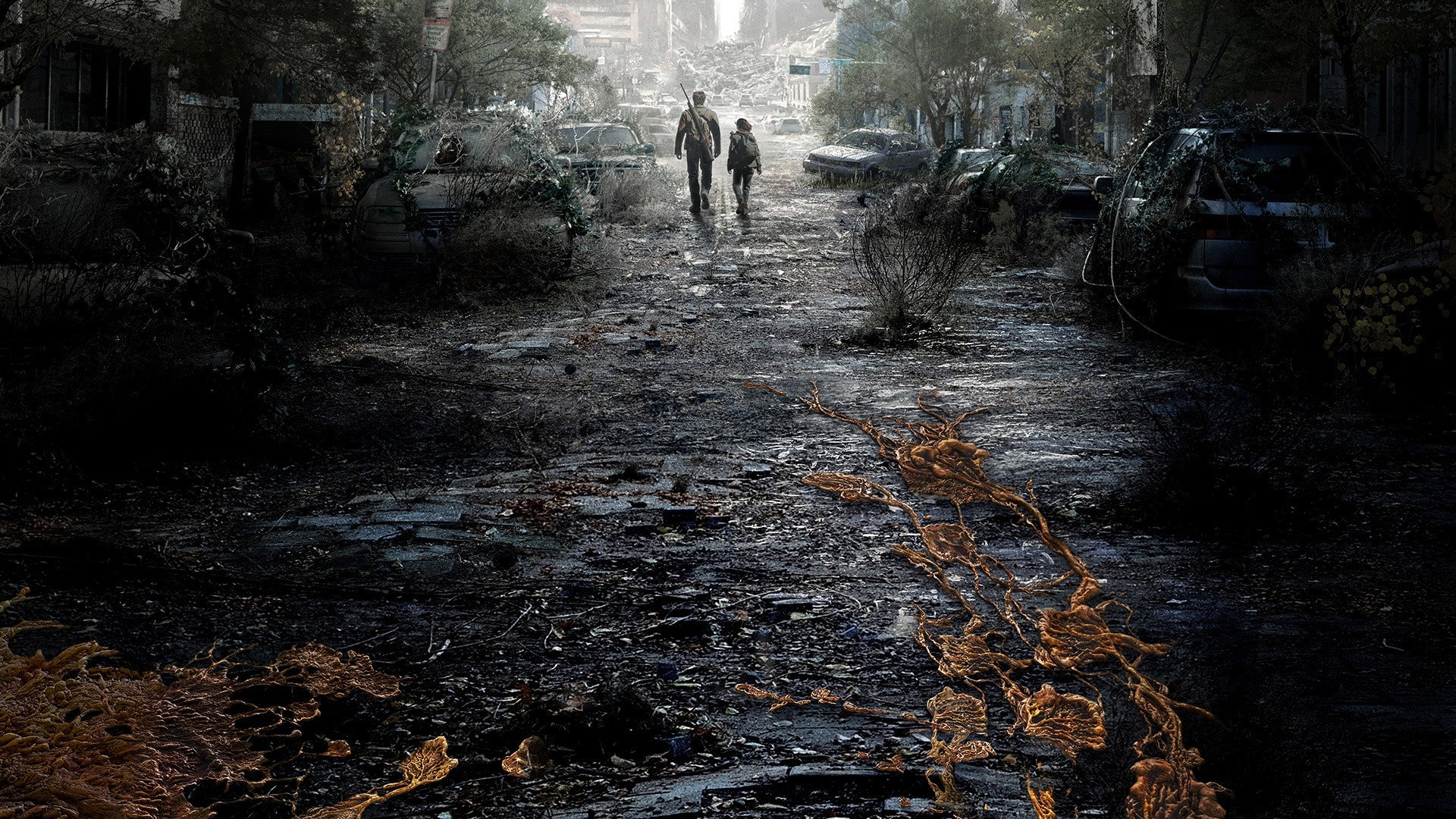
Production designer John Paino makes the ruined surroundings convincing enough to suggest places where people might still try to live. Cinematographers Ksenia Sereda and Eben Bolter help keep attention on the actors amid the devastation. The scale of the setting registers, but it rarely distracts from the person in front of us. That is useful work in a genre where a ruined building can easily become something to admire while waiting for an attack.
Editors Timothy A. Good and Emily Mendez help make the patience work, allowing relationships to carry stretches that could otherwise feel like delays between attacks. Gustavo Santaolalla and David Fleming’s music supports that emphasis on feeling without making the performances seem secondary. The series is strongest when it trusts this slower pace. Against the usual demands of survival horror, spending time with people can feel almost indulgent, but those stretches are the reason we would return.
The limitation is that the same generosity does not reach everyone. Some supporting characters are asked to make an impression before the writing has given them enough room, and the central pair can leave the rest looking underdeveloped. Mazin and Druckmann occasionally ask for an emotional response that a supporting character has not been given time to earn. Familiar apocalypse situations also remain familiar, however seriously they are staged, and the series does not reinvent every encounter.
Give it time between the frightening passages. The quieter stretches deserve attention, particularly when Pascal and Ramsey are working out how close these two people can bear to be. It is not the choice for an evening of uninterrupted action.