Colin Farrell and Cristin Milioti make The Penguin worth the patience its familiar gangland plotting demands. It is a good crime series, though a slow opening and overlong flashbacks keep interrupting the pleasure of watching its leads.
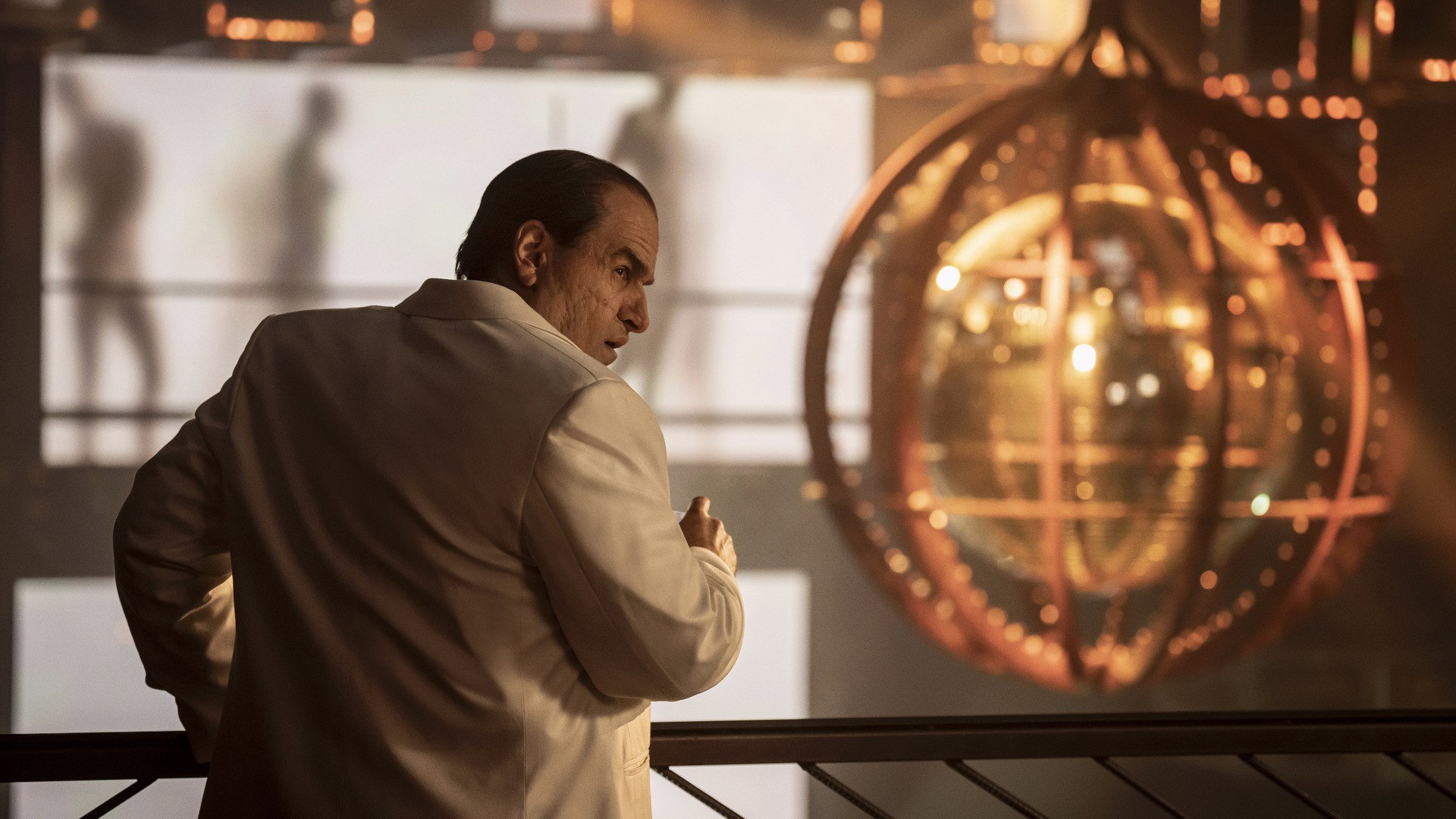
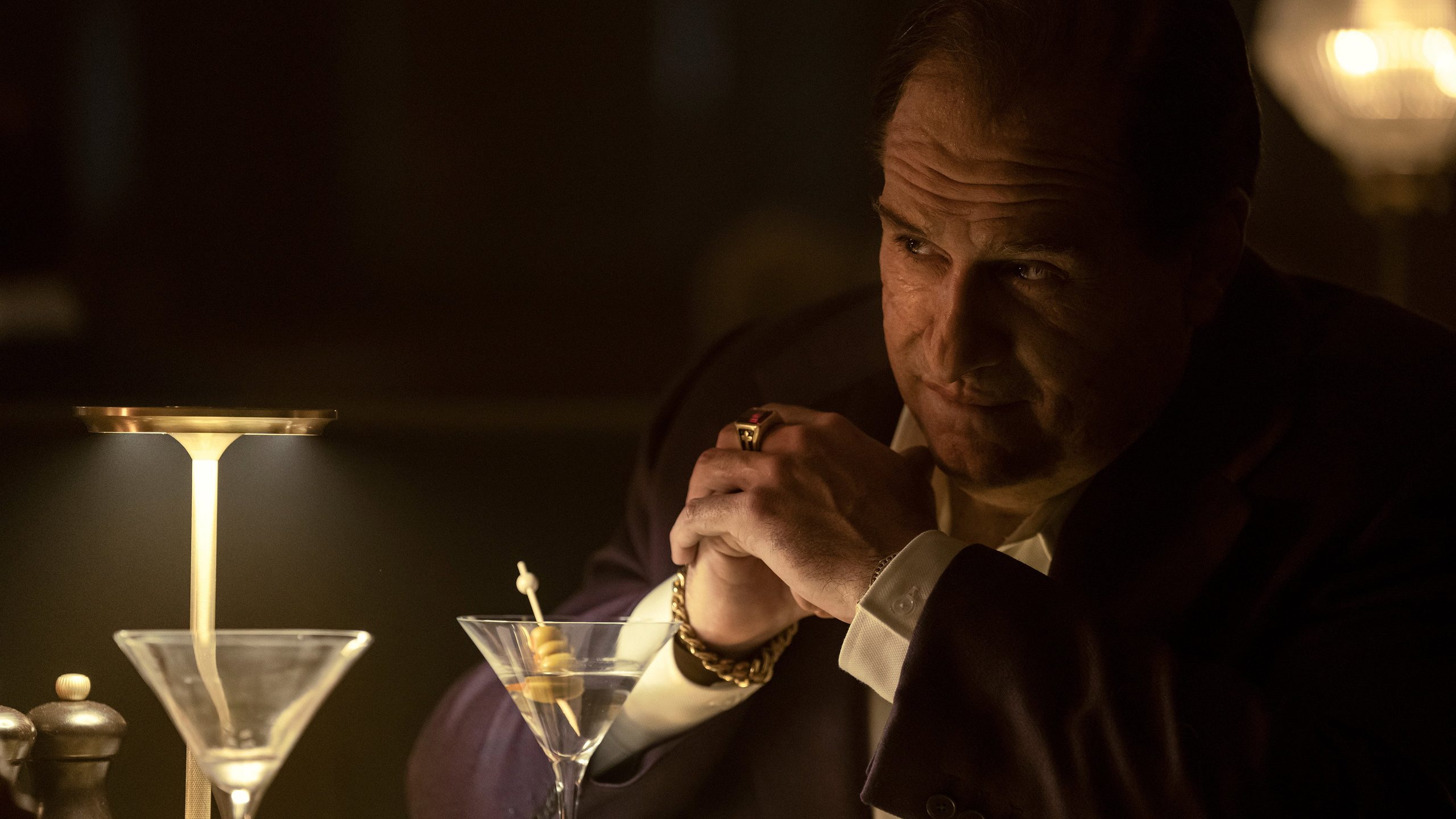
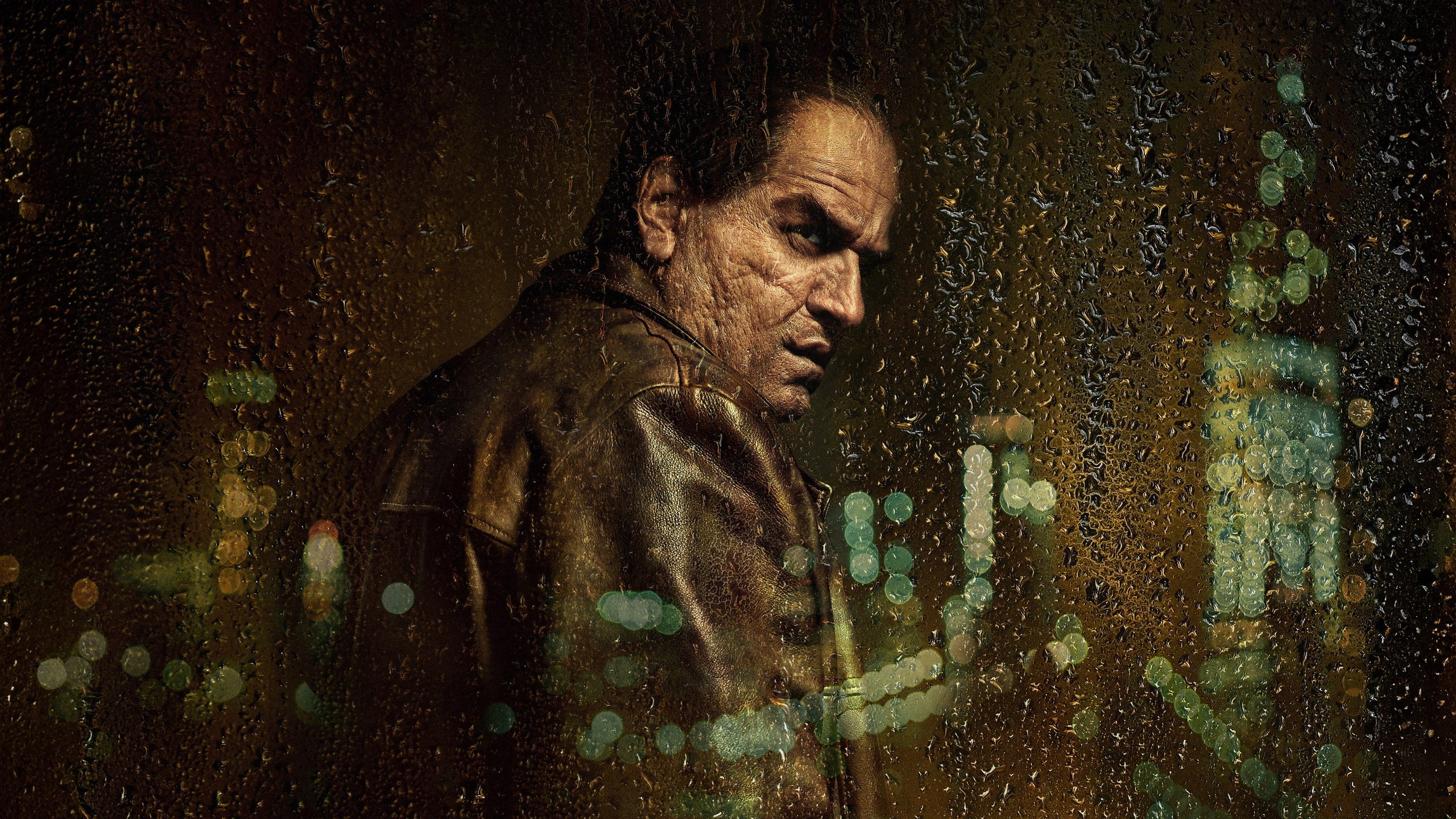
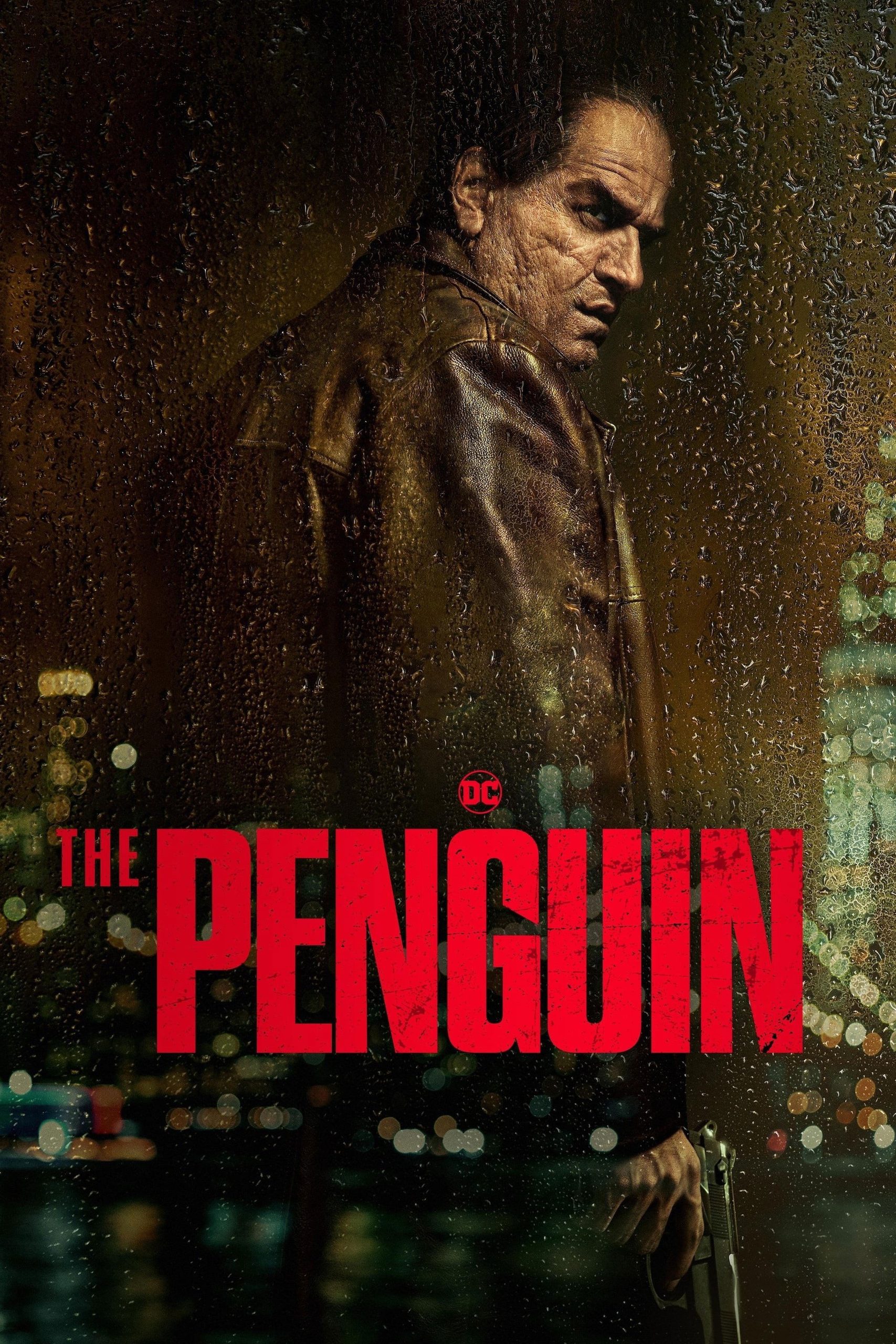
The Penguin is a good crime drama with a familiar problem: its central performances are more interesting than some of the manoeuvring around them. Creator Lauren LeFranc gives Oz ‘The Penguin’ Cobb an ugly hunger for respect, then allows that hunger to drive the struggle for power. Across eight episodes, the series has enough time to make him complicated and enough spare time to repeat itself. Its strongest reason for existing is the uneasy pleasure of watching Colin Farrell try to make this man sound reasonable.
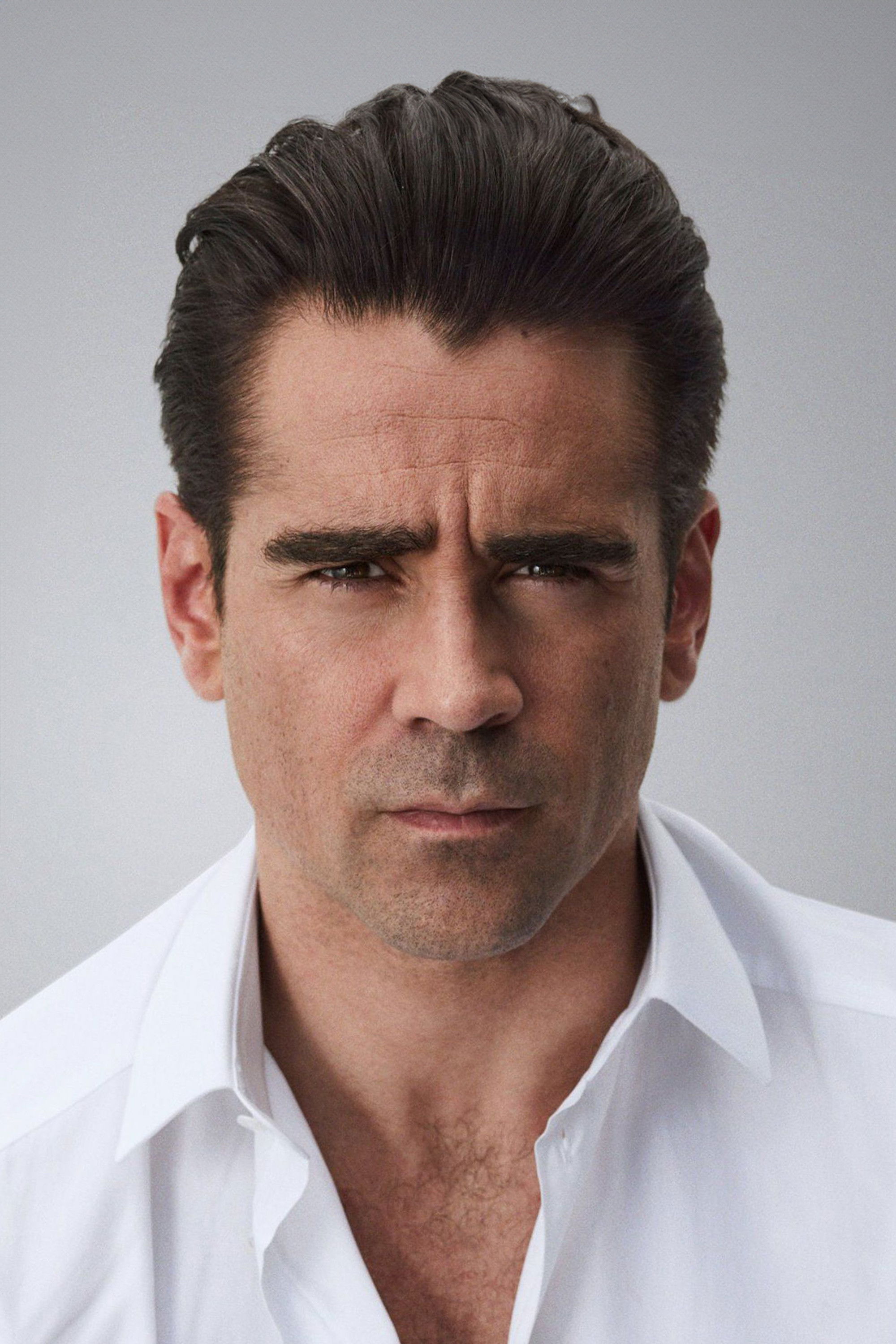
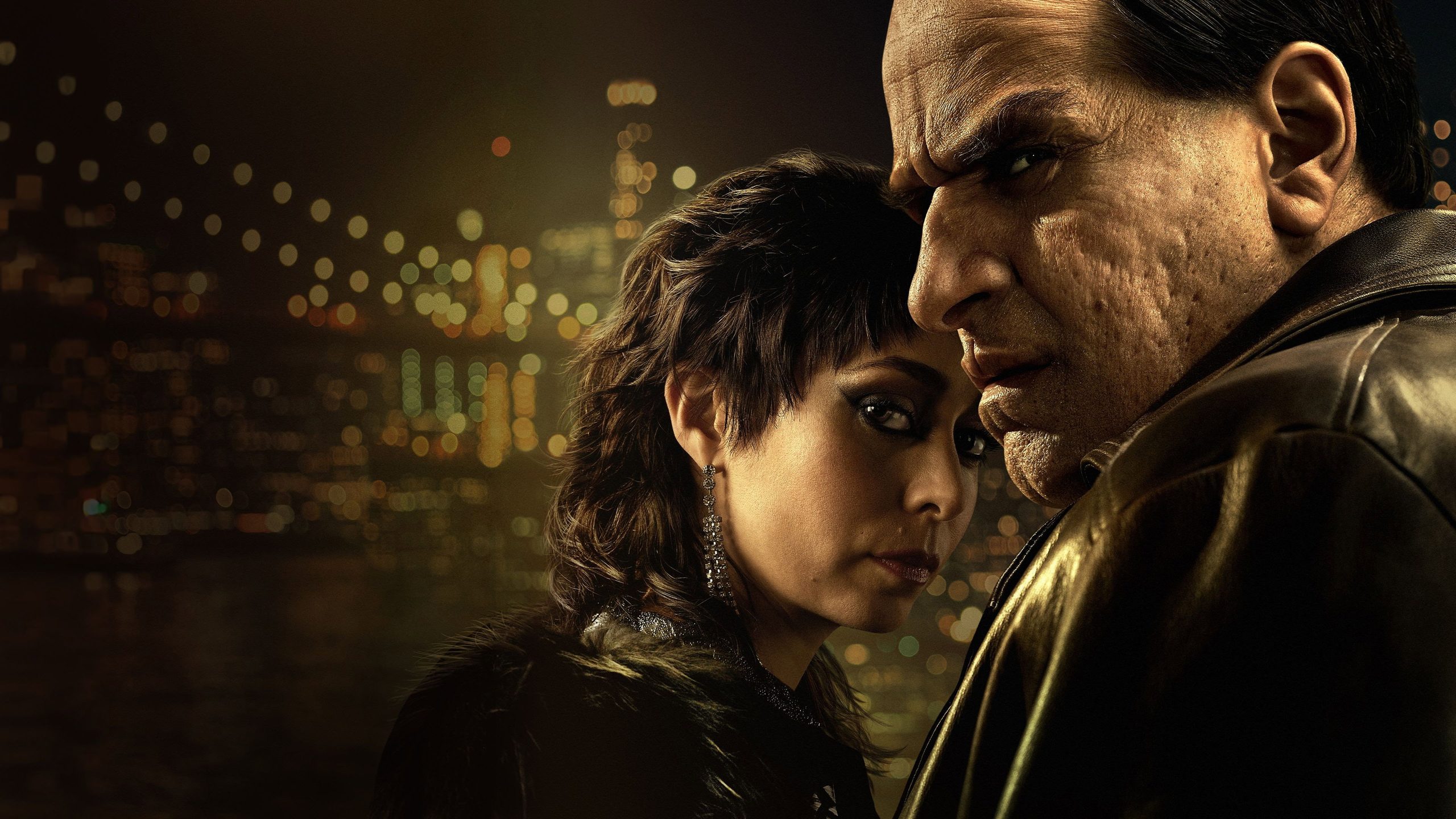
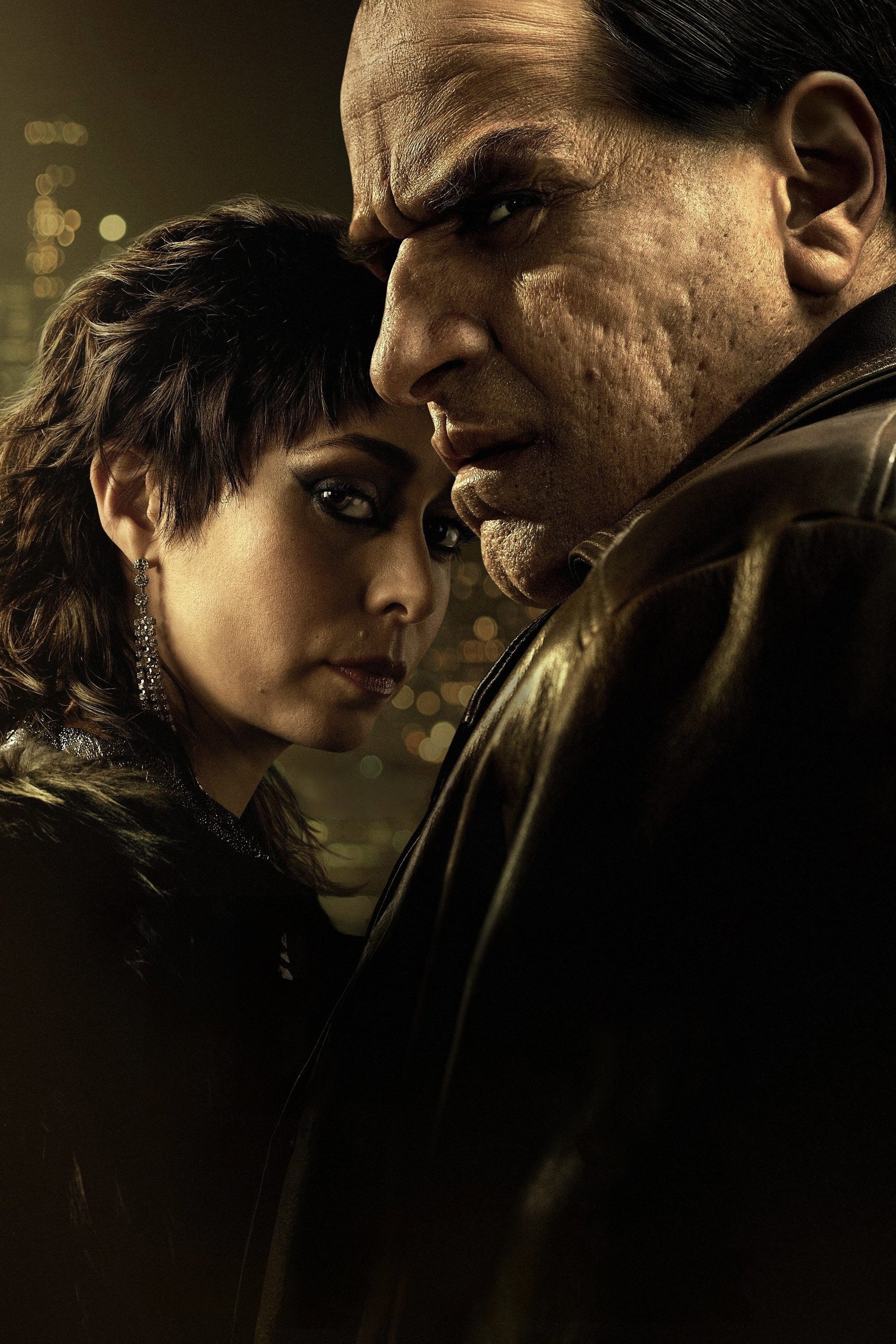
The prosthetics could have turned the performance into a demonstration of how thoroughly an actor can disappear, which is an achievement with a limited dramatic use. Colin Farrell makes the face worth watching because Oz is always trying to improve the account others have of him. We laughed at his efforts to make a desire for power sound like a request for fair treatment. The comedy comes from the self-pity, and the performance keeps enough menace underneath it to make our laughter uncomfortable.
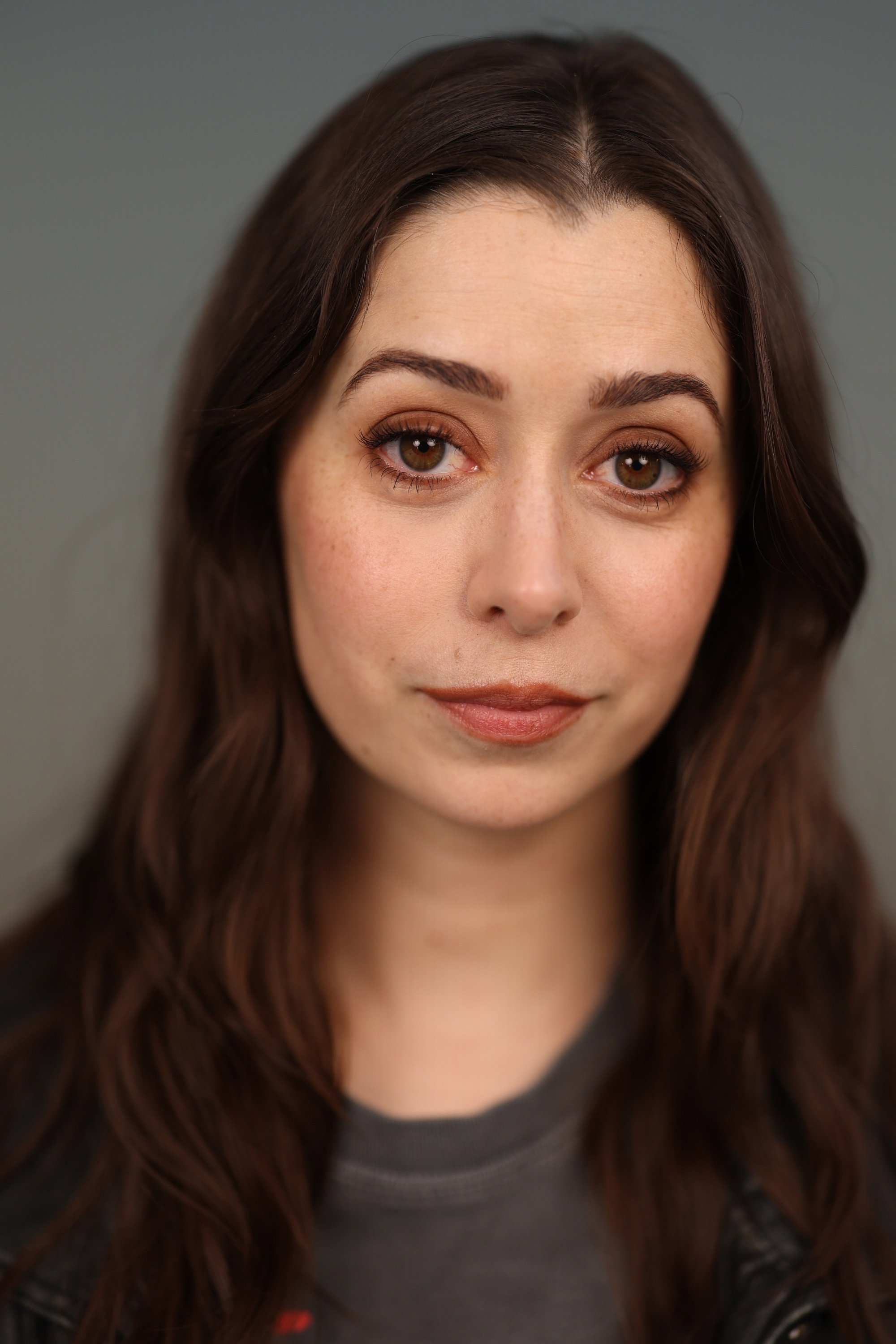
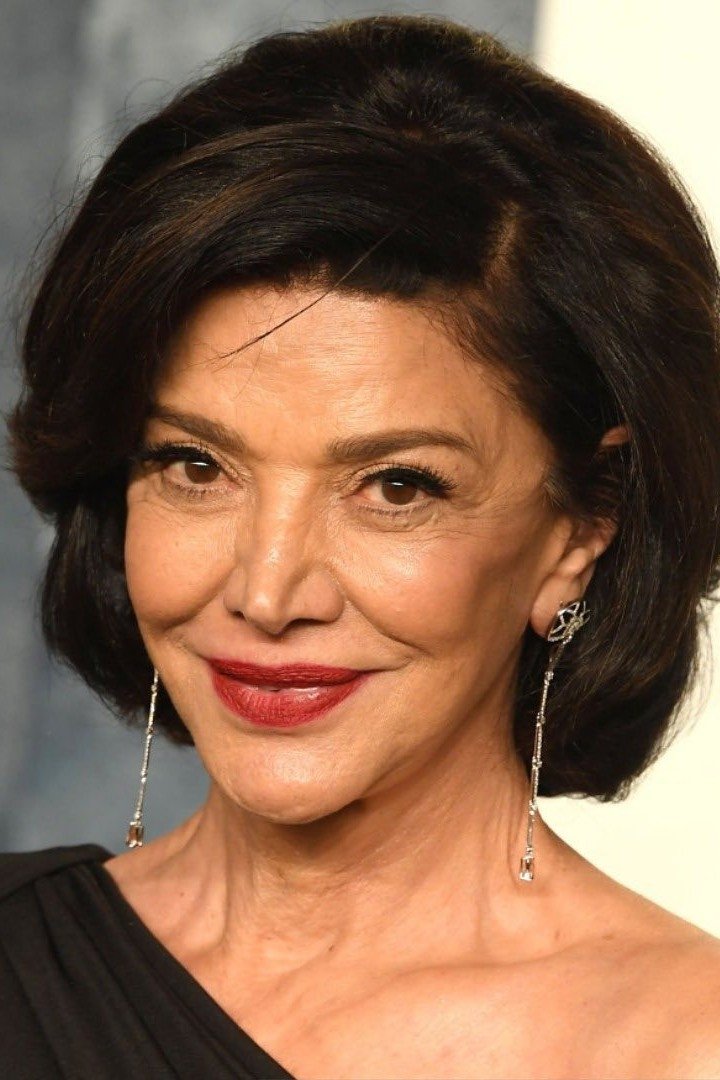
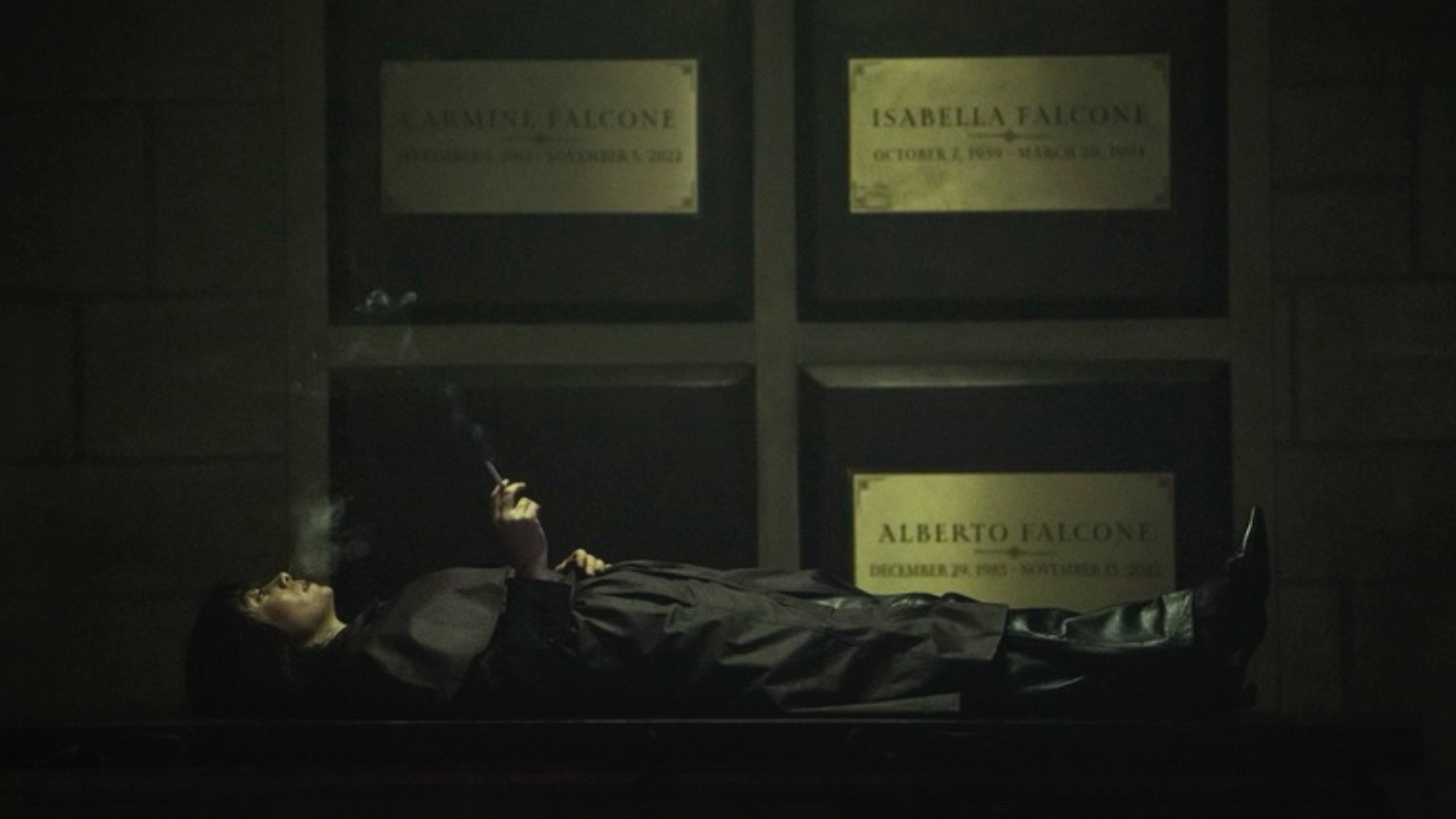
Cristin Milioti gives Sofia Falcone a sharper hold on our attention, particularly when the mob plotting threatens to become a list of competing interests. Her presence makes the danger feel immediate again, and she handles the heightened material without looking embarrassed by it. The series improves when Sofia has more room, partly because Cristin Milioti makes her calculations feel personal. We do not need another explanation of the criminal hierarchy when she is there to show what living inside it costs.
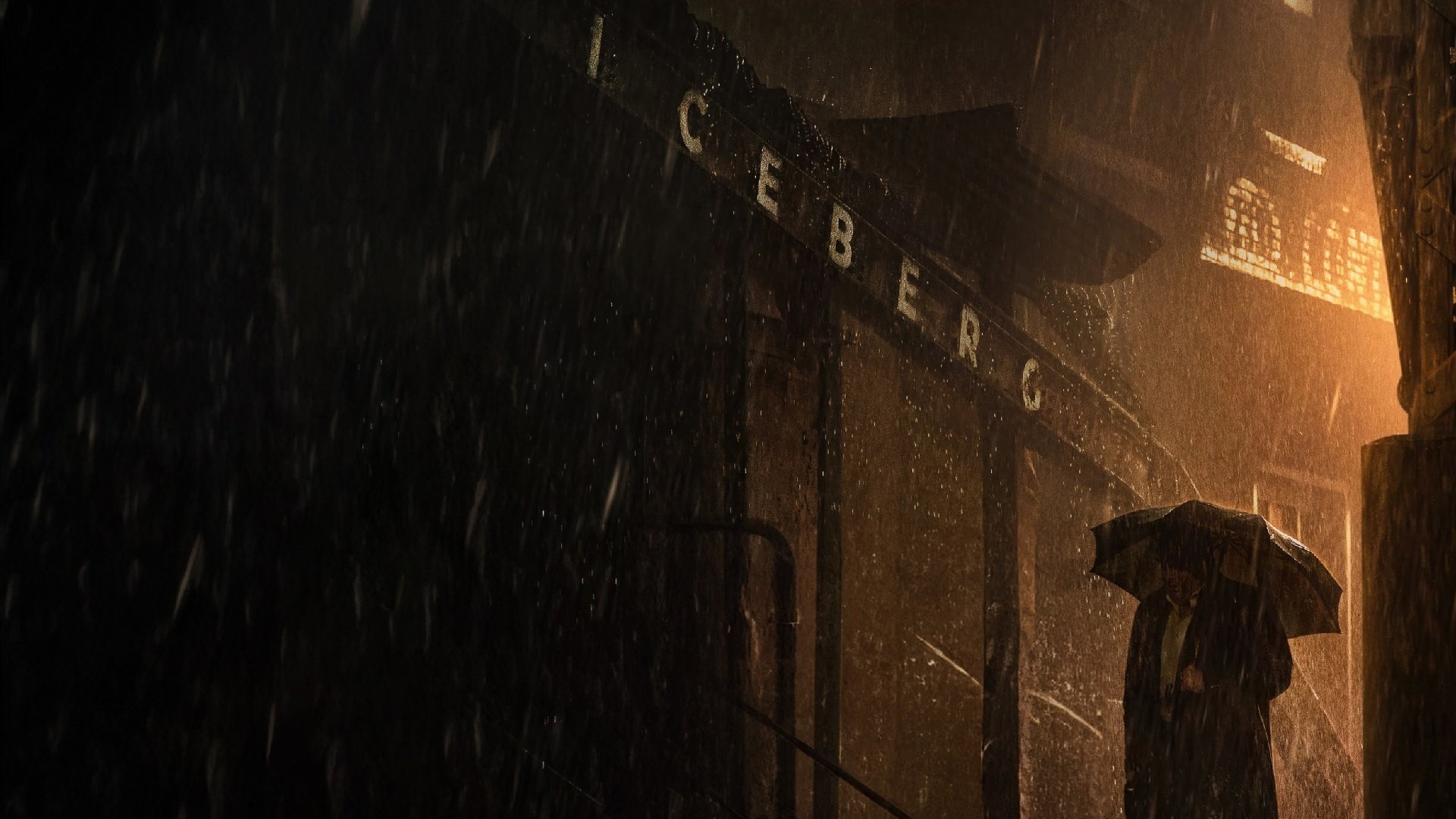
The cinematography by Darran Tiernan and Jonathan Freeman makes Gotham look grubby enough for this criminal business. Kalina Ivanov’s production design gives that ugliness a lived-in feel, rather than making the city a backdrop for people to pose against. The persistent gloom does become wearing, especially when an ordinary conversation seems burdened with more significance than it deserves. Mick Giacchino’s music is effective at sustaining unease, although it sometimes presses a threat the performances have already made clear.
The pacing is the substantial reservation. Editors Meg Reticker, Henk van Eeghen and Andy Keir keep the plot’s turns legible, but cannot disguise how slowly the opening stretch moves. The flashbacks too often delay a story that has just become interesting. Explanations of how someone became damaged can be helpful, but here they sometimes repeat what the actors have already made clear. Lauren LeFranc and the writing team are better at the immediate contest between people than at making every piece of background feel necessary.
The crime-series conventions are familiar enough that regular viewers will seldom feel lost, though that is not always a virtue. What makes the programme worth staying with is its attention to Oz’s resentment, and to how readily a wish to be respected can become a justification for almost anything. The brutal violence stops his complaints from becoming entirely cosy entertainment. Try it for the two leads, provided another climb through a criminal hierarchy still sounds like a good use of several evenings.