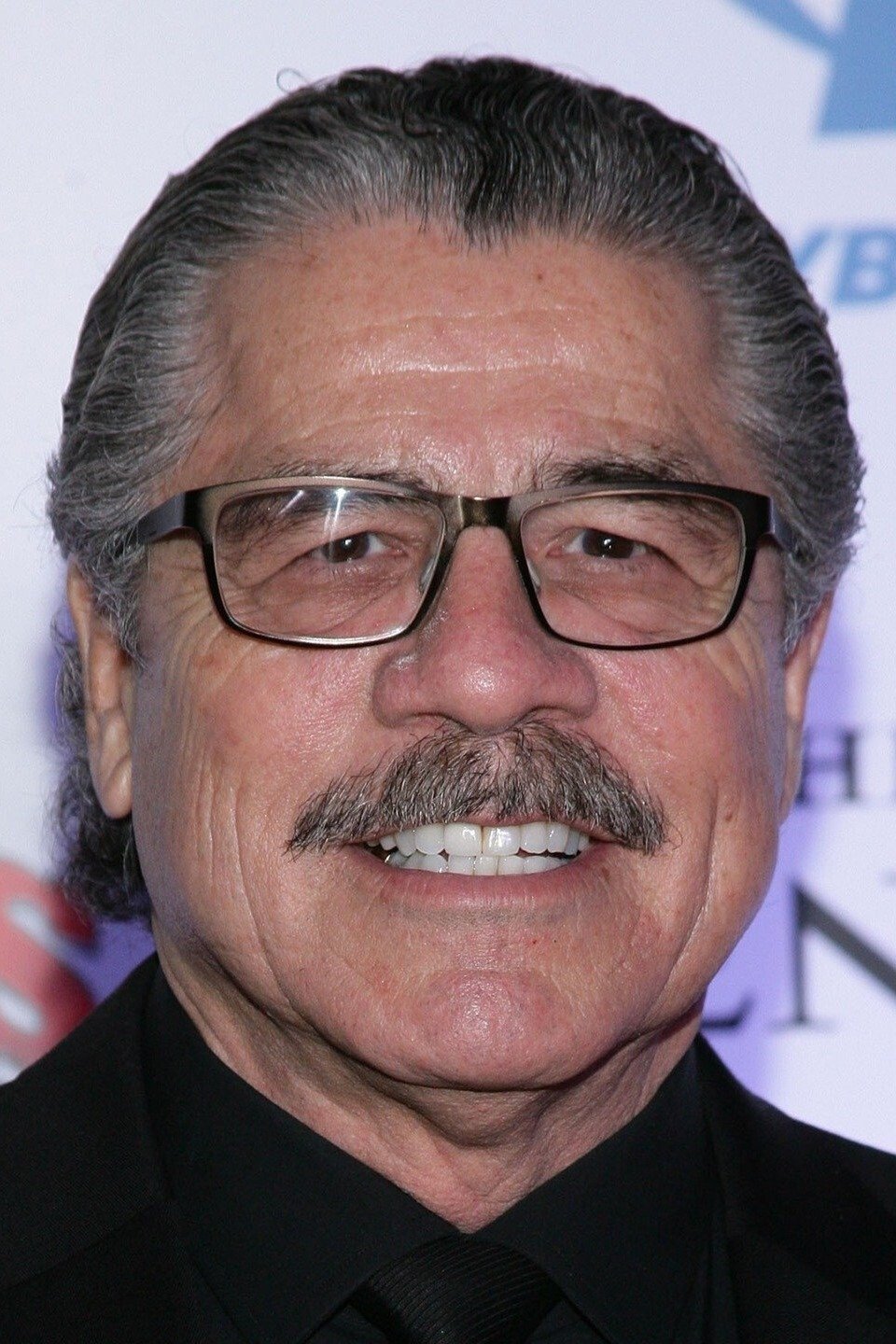
Ryan Coogler makes a familiar boxing story feel worth telling again, helped by Michael B. Jordan and a generous Sylvester Stallone. The plotting is predictable and the pace occasionally slackens, but the affection is earned.
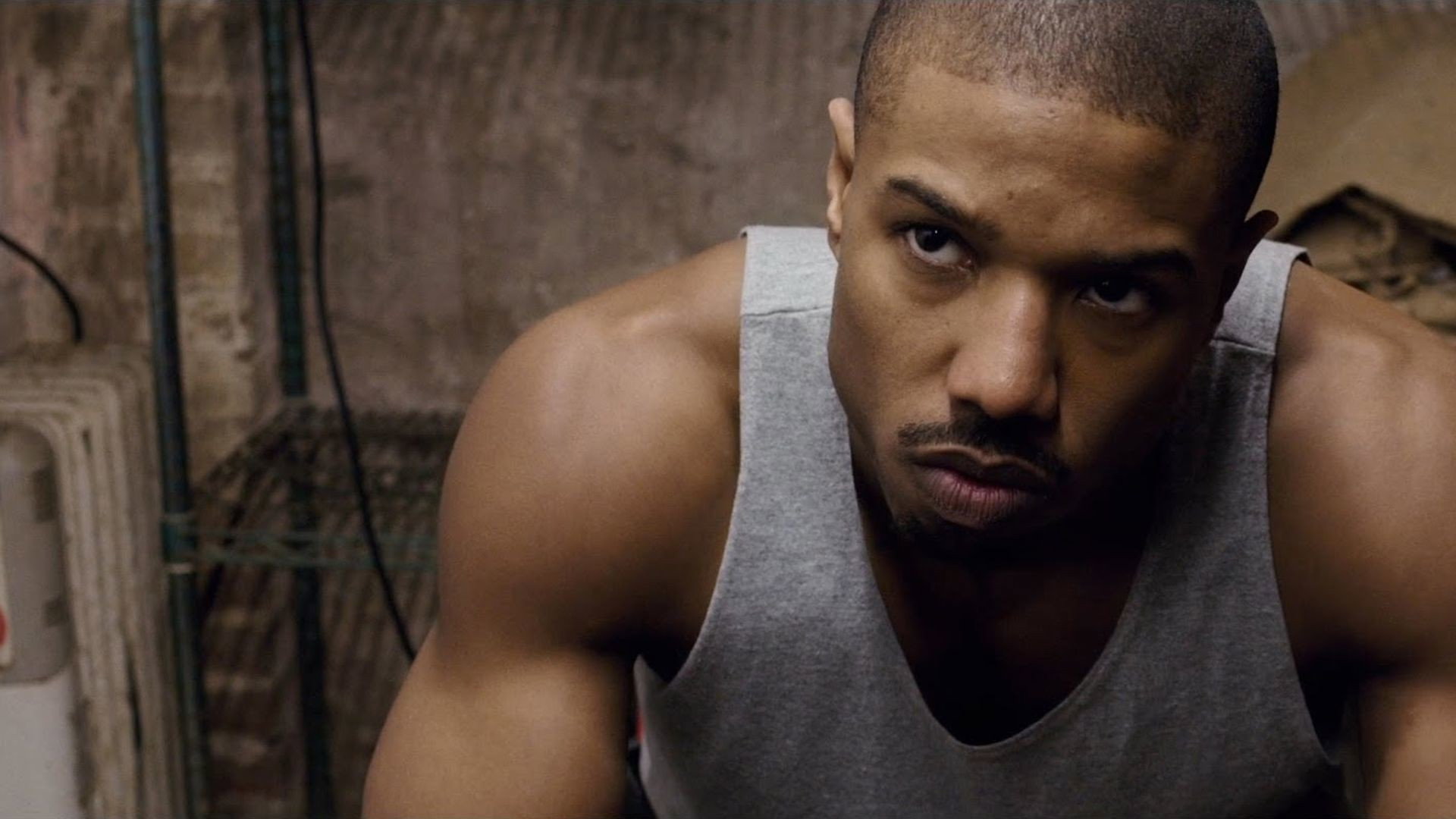
Ryan Coogler makes Creed a warm, forceful boxing drama, with enough care for its people to make the familiar route worth taking. Adonis Johnson wants to establish himself as a fighter, and the son of Apollo Creed has chosen a difficult business in which to escape a surname. The film gives Rocky Balboa a supporting role and trusts its younger lead to carry the story. Its chief limitation is easy to spot: several dramatic turns arrive exactly when a boxing film has taught us to expect them.
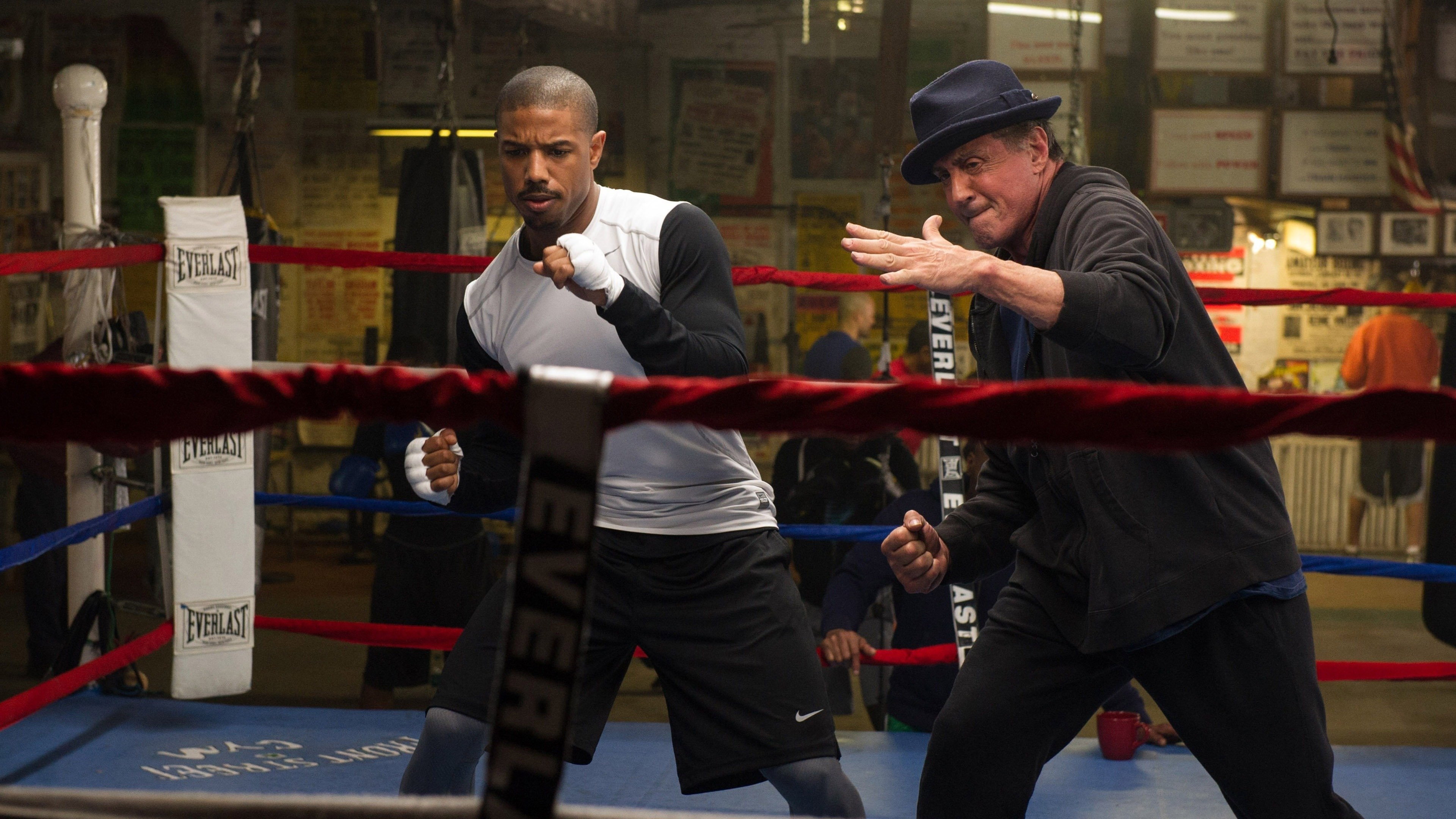
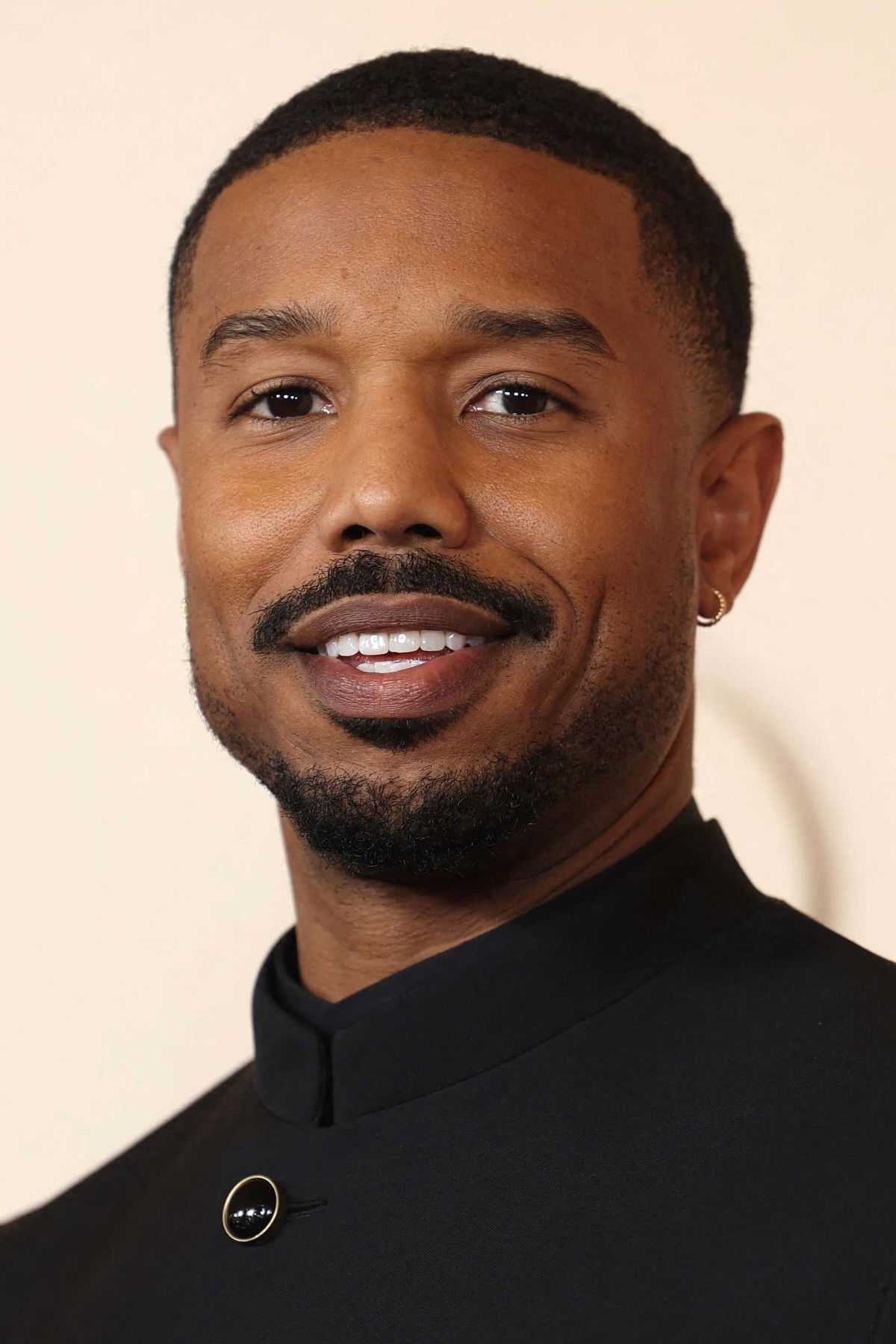
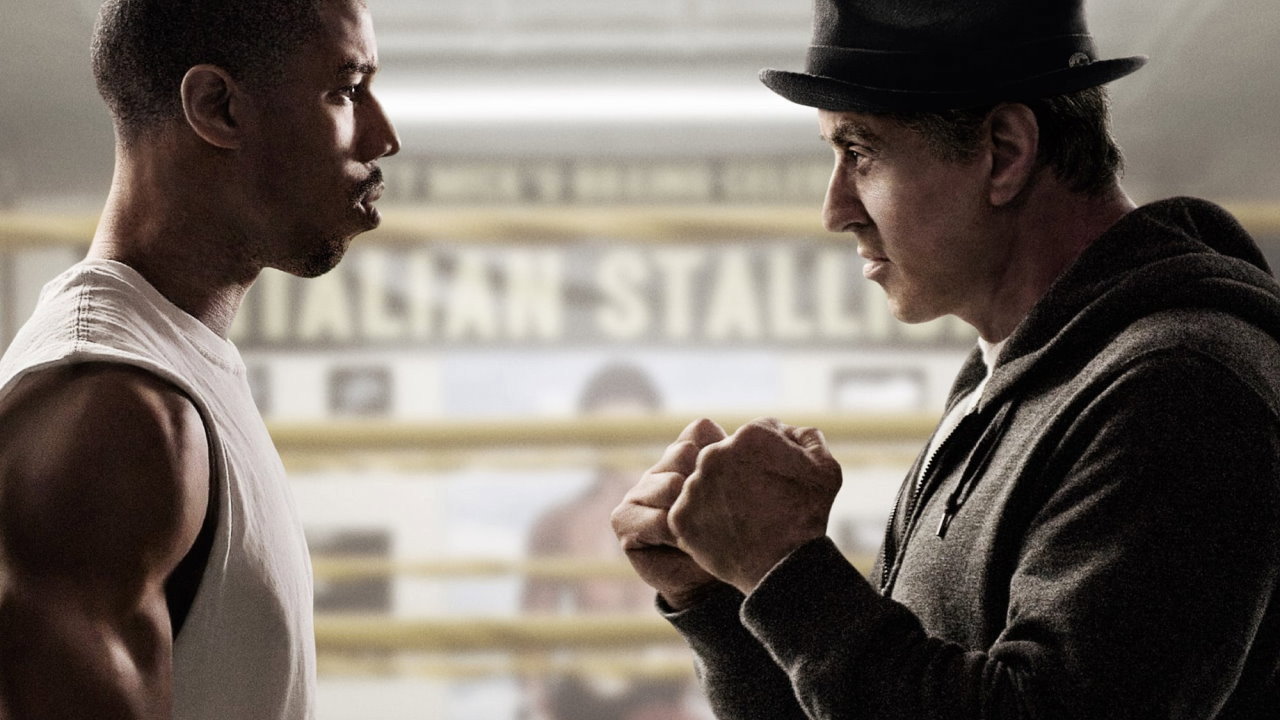
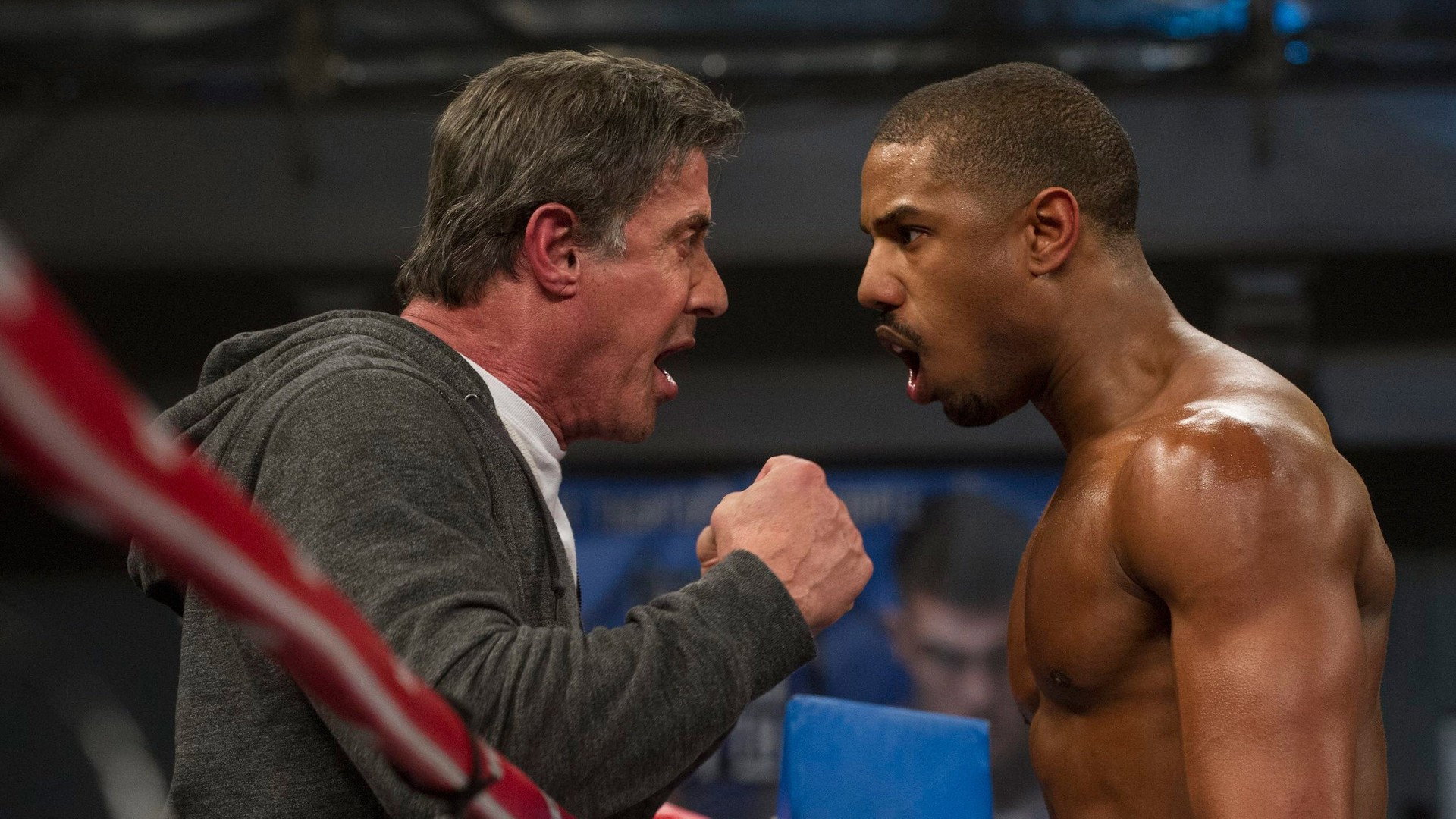
Michael B. Jordan makes Adonis’s pride interesting rather than merely announcing that he has something to prove. His approach to his father’s old friend has an awkward mixture of confidence and need: asking for help is already a concession. The performance lets us see how much proving himself matters without requiring us to approve of every decision. That gives the training and bouts a purpose beyond finding out how much punishment the hero can take.
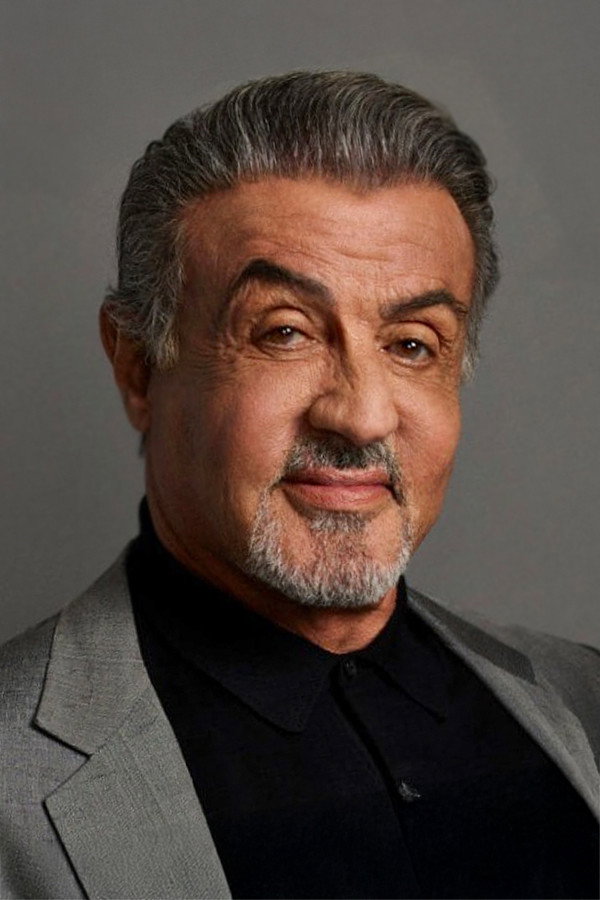
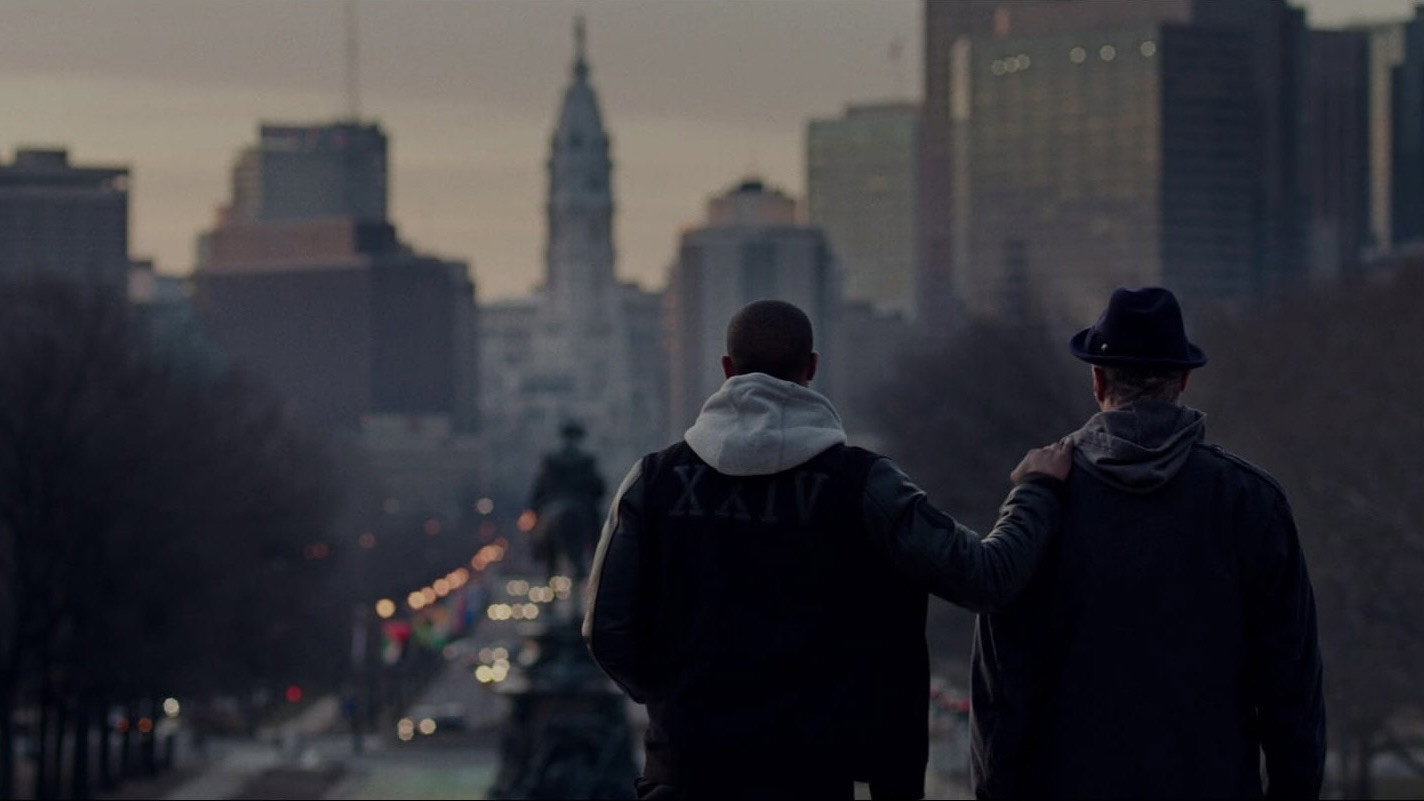
Sylvester Stallone is equally persuasive as Rocky Balboa, accepting the smaller role without seeming to wait for the film to become his again. He plays the mentor’s age and vulnerability plainly, and the exchanges with Adonis benefit from that restraint. The relationship develops through their work together, giving the encouragement a weight that an isolated speech could not supply. We believe that both men have a reason to keep turning up, and the friendship becomes convincing through those ordinary encounters.
Maryse Alberti’s cinematography is especially effective in the single-take fight, which lets the physical work continue without an editor rescuing anyone. The moving camera keeps the bout legible, and the time between punches becomes as important as the blows themselves. We tensed up watching it, because the unbroken shot leaves us waiting for the next hit without the small relief of a cut. Ryan Coogler gets excitement from the fighters’ movement without making the action difficult to follow.
Editors Claudia Castello and Michael P. Shawver have the more awkward job of making familiar training passages and quieter scenes feel like parts of the same life. The rhythm occasionally slackens, and at 133 minutes the film has stretches that repeat how much becoming a fighter means to Adonis. Ludwig Göransson’s music supplies the expected lift without making every scene demand applause. The use of the familiar Rocky theme is well judged, supporting feelings that the performances have already established.
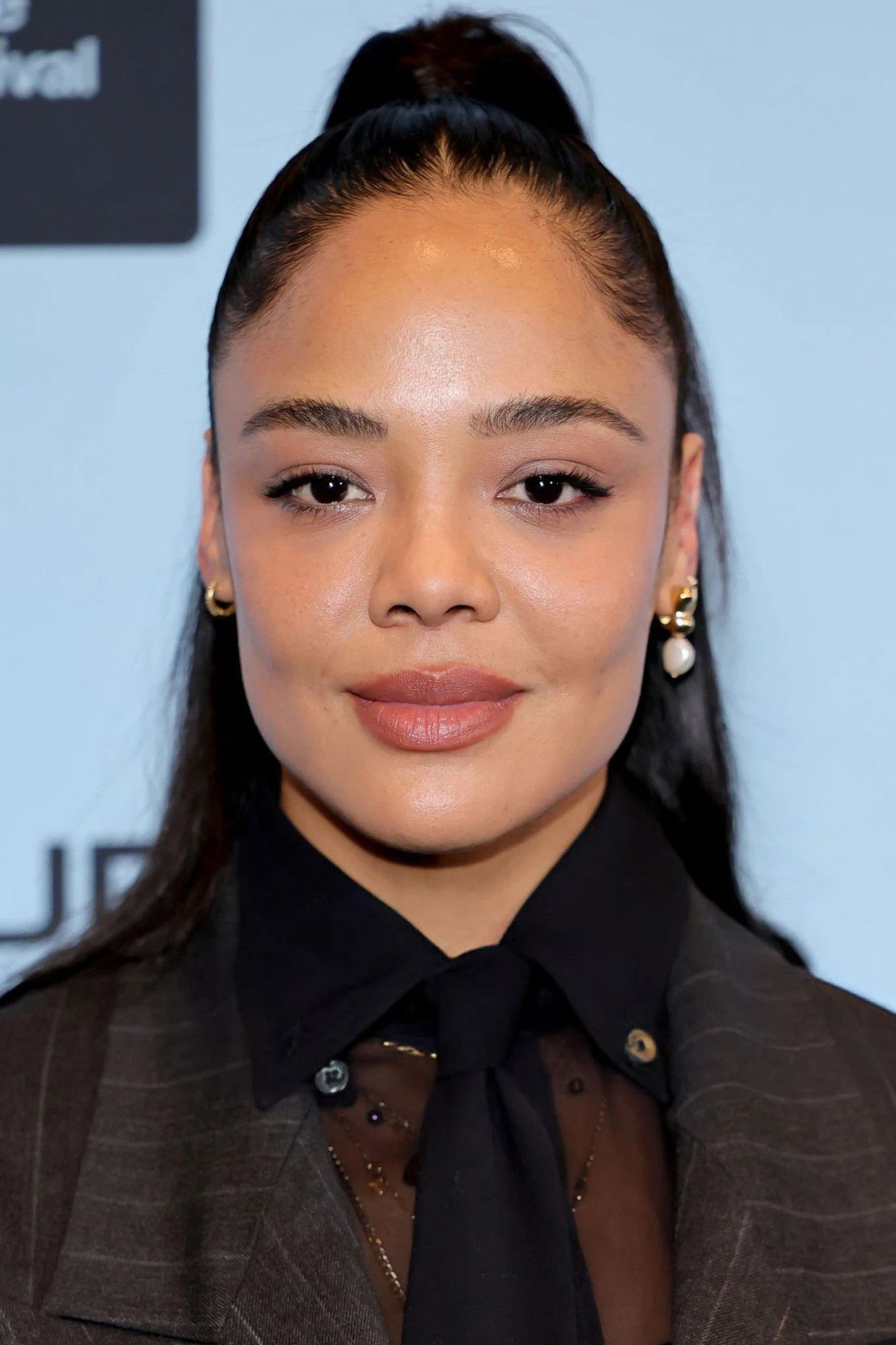
The quieter material helps, particularly the dinner date between Adonis and Bianca. Tessa Thompson gives Bianca enough ease and independence to make the encounter feel like two people discovering some pleasure in each other’s company. Production designer Hannah Beachler makes the dinner setting feel like somewhere people might spend an evening, without distracting from their conversation. The screenplay by Ryan Coogler and Aaron Covington is strongest when it allows that sort of unforced company. These scenes give the film time away from the next contest, and the leads use it well.
There is no need to have exhausted the earlier Rocky films to enjoy the central relationship here. The old sporting routines remain visible, and anyone who finds training passages a chore will have reason to fidget. We would make the time for these actors, even if the ring is not usually where we go for a good evening.