Film review

Rocky

1976 · Directed by John G. Avildsen · 2h 00m · MPA PG

In a sentenceAll that boxing training, and a conversation still looks like harder work

Drama

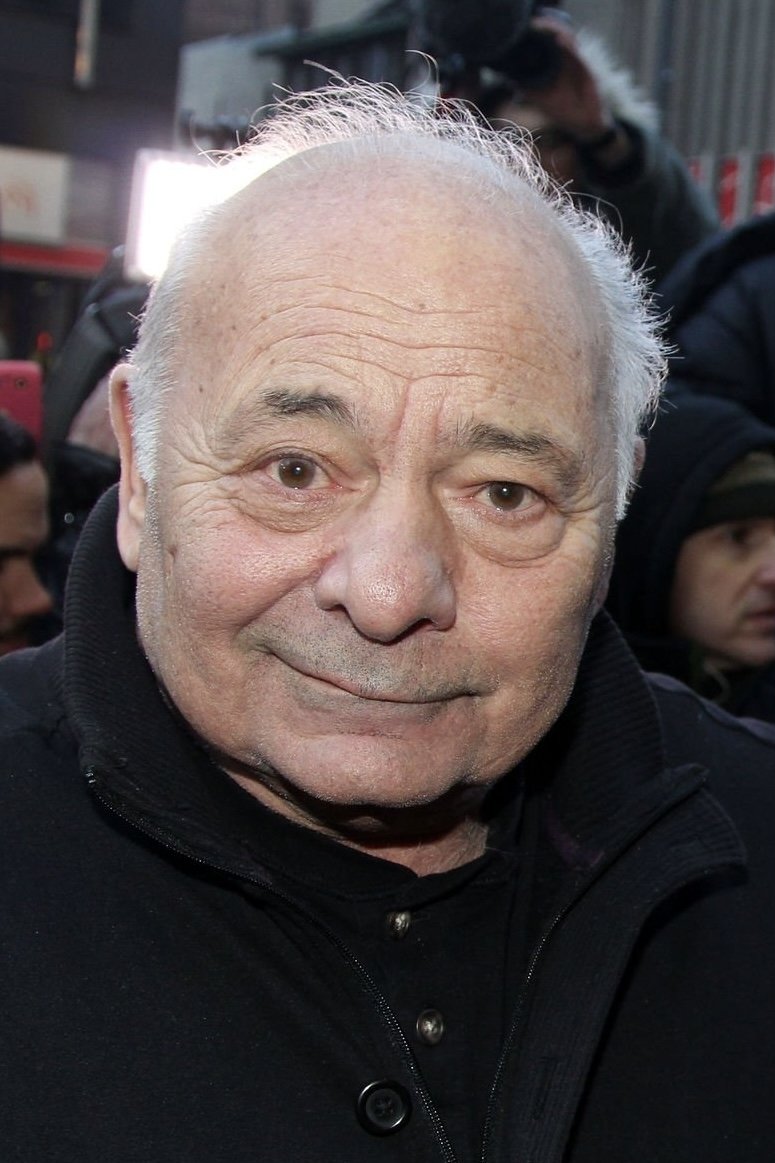
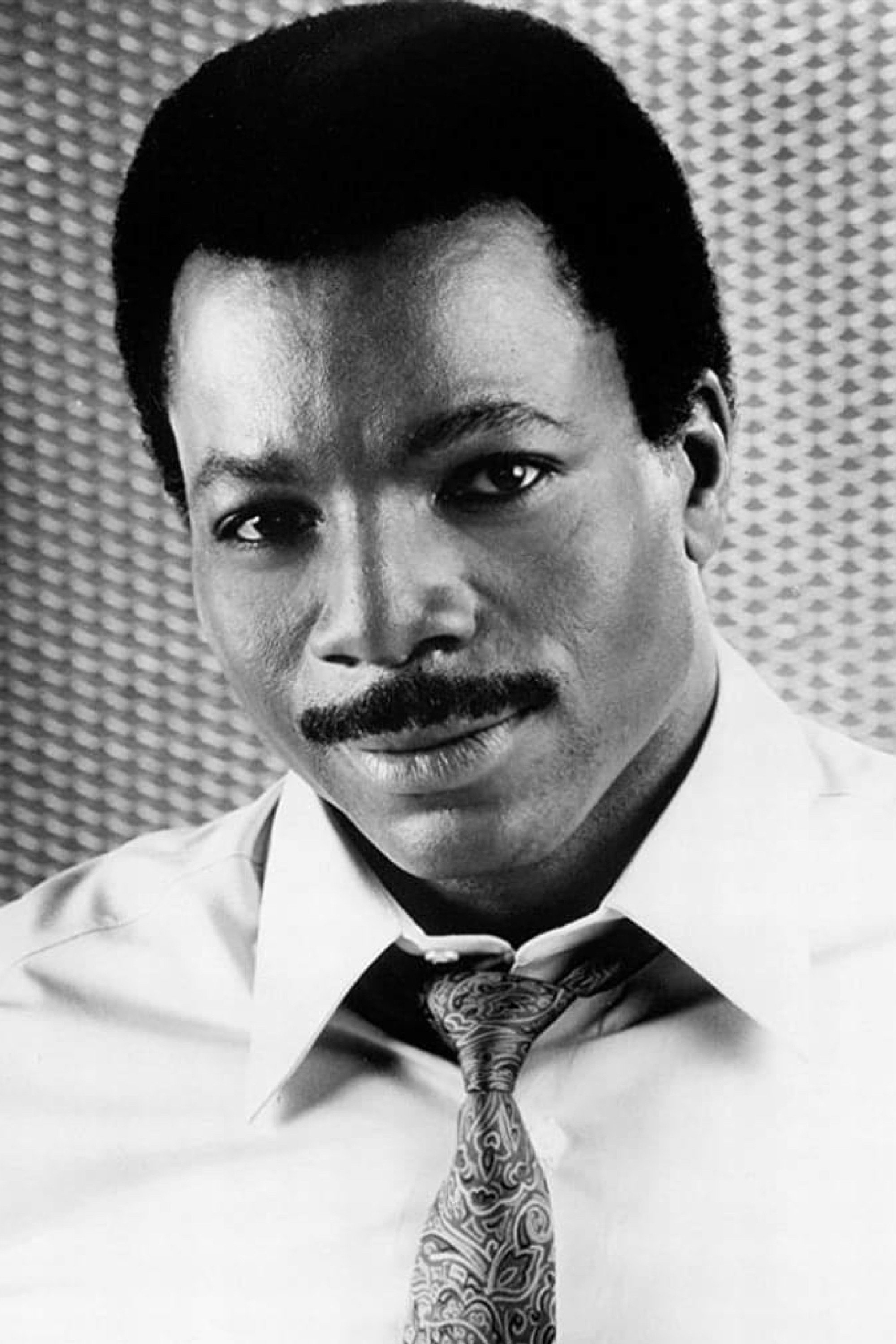
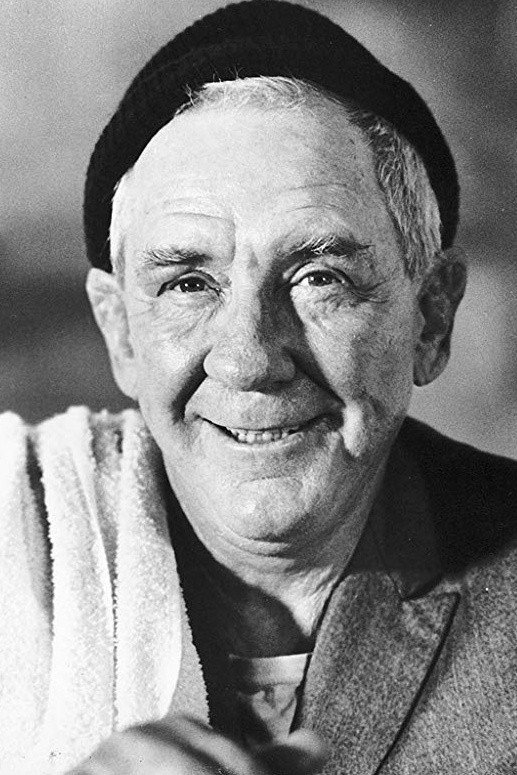
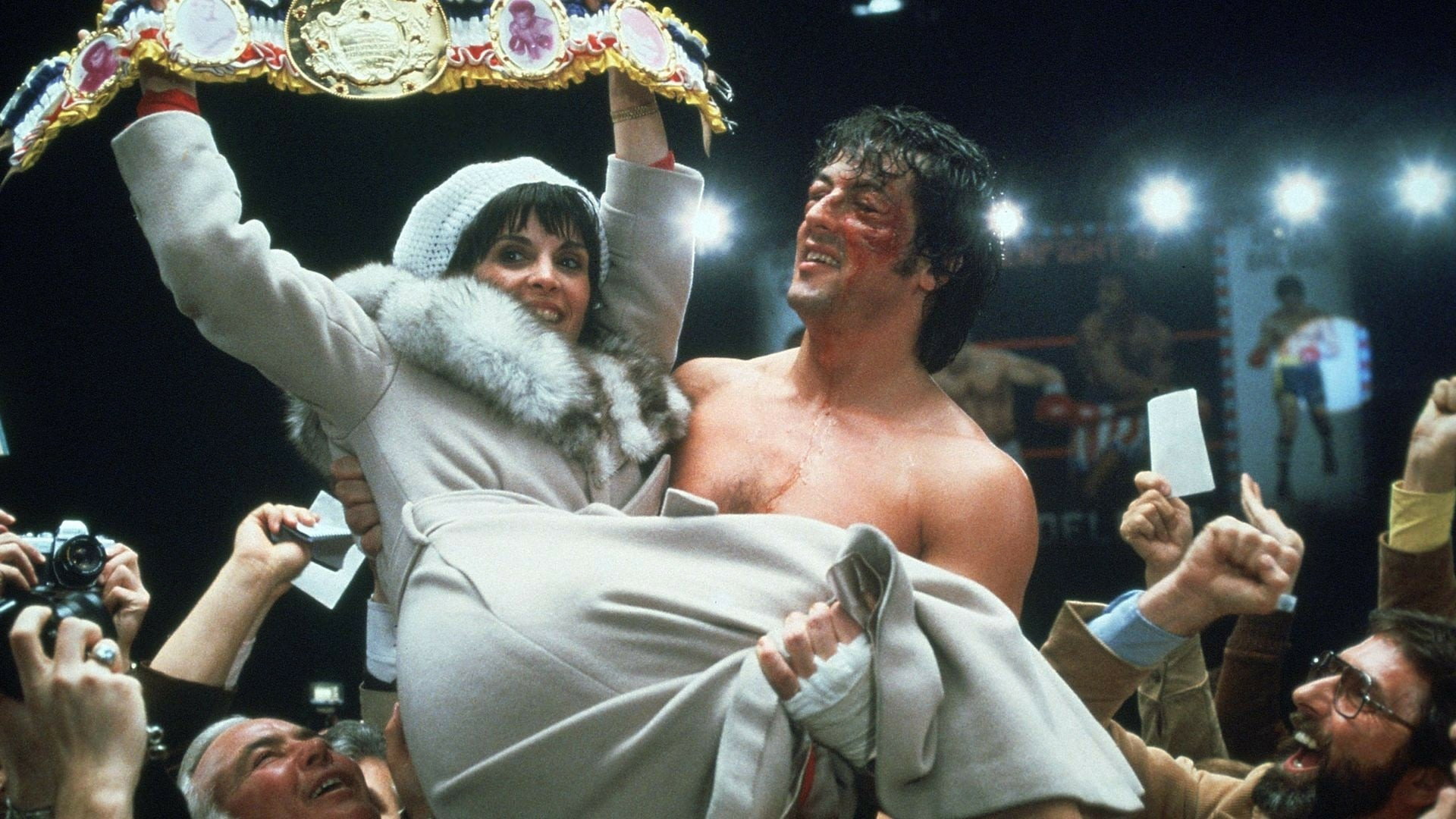
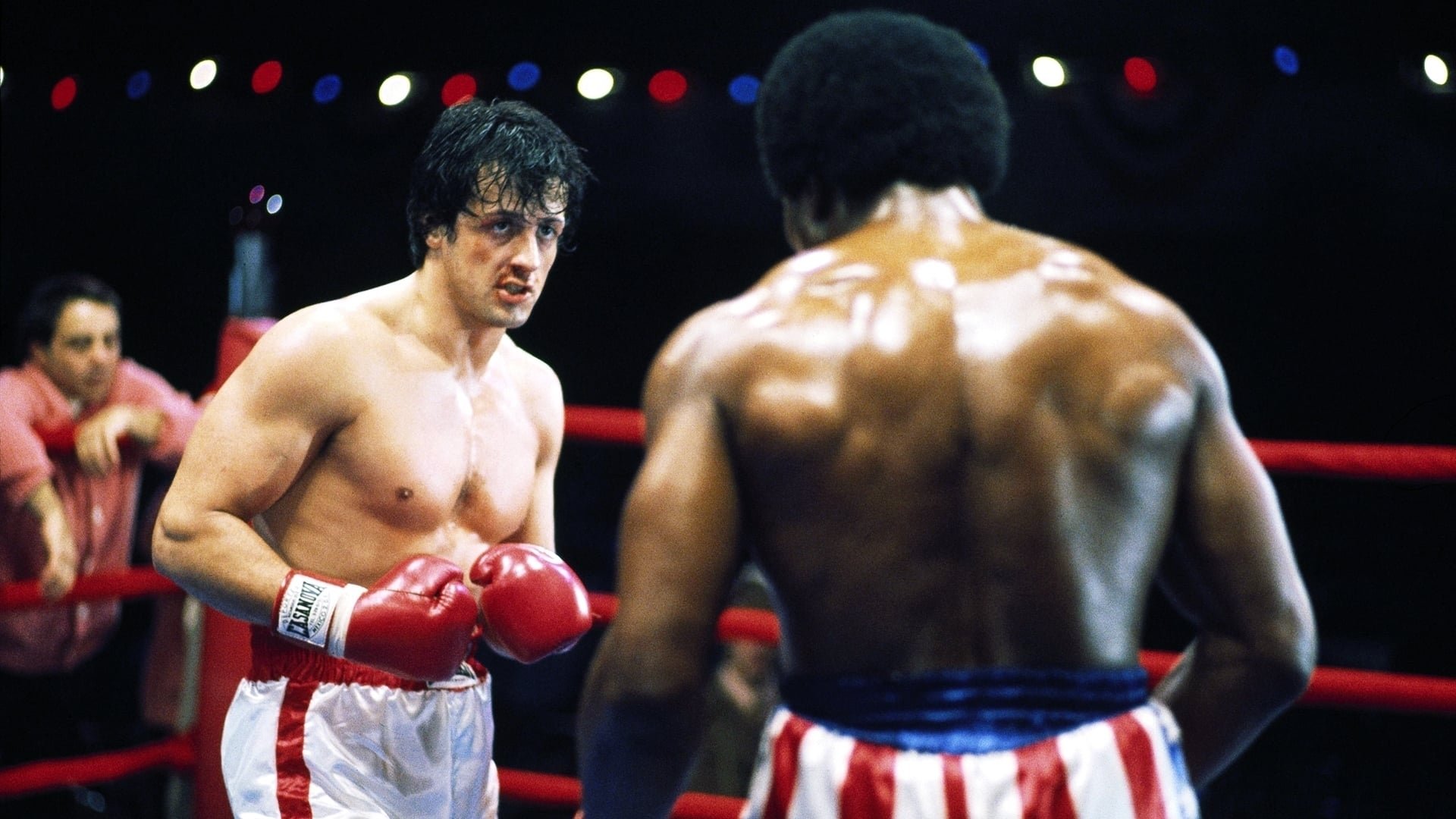
Robert ‘Rocky’ Balboa (Sylvester Stallone) is a boxer trying to make something of himself, with life outside the ring making its own demands. Between the streets, the gym and his dealings with the people around him, he struggles to find a sense of worth. Talia Shire plays Adrian, Burt Young plays Paulie, Burgess Meredith plays Mickey and Carl Weathers plays Apollo Creed. As Rocky commits himself to training, his hopes as a fighter become tied to his need for dignity. John G. Avildsen directs from a screenplay by Stallone.

Plays from YouTube when you press play; nothing loads from them until then.

Fi1m review

Rocky is a touching boxing drama, carried by Sylvester Stallone’s awkward charm and John G. Avildsen’s patient direction. The supporting characters deserve more room, but the film earns its big emotional appeals.

Rocky is a good-hearted boxing drama that earns most of its sentiment, and we recommend it with a reservation: Stallone the writer is rather too generous to Stallone the star. John G. Avildsen gives the underdog story time to establish how someone with little confidence gets through an ordinary conversation. The boxing matters, but so does the effort of getting a sentence out without making a fool of yourself. That patience is the film’s chief strength.

Stallone plays Robert ‘Rocky’ Balboa with a mumbling awkwardness that could easily become a collection of lovable habits. What makes it work is the impression that he has not rehearsed how to present himself to another person. The dialogue lets him be funny without making him a joke, and Stallone resists the temptation to tidy up every exchange. We can see why a more impatient viewer might tire of his manner, but the performance makes his need for respect convincing.

The ice-rink sequence shows how well Avildsen judges the smaller scenes, allowing an encounter to be charming without making it smooth. Talia Shire’s Adrian gives Stallone someone to respond to, and the film improves whenever we can attend to both of them. There is pleasure here in watching people make an imperfect attempt at company. Burt Young’s Paulie and Burgess Meredith’s Mickey also give the drama some life beyond its central performance, though the writing does not always leave them enough room.

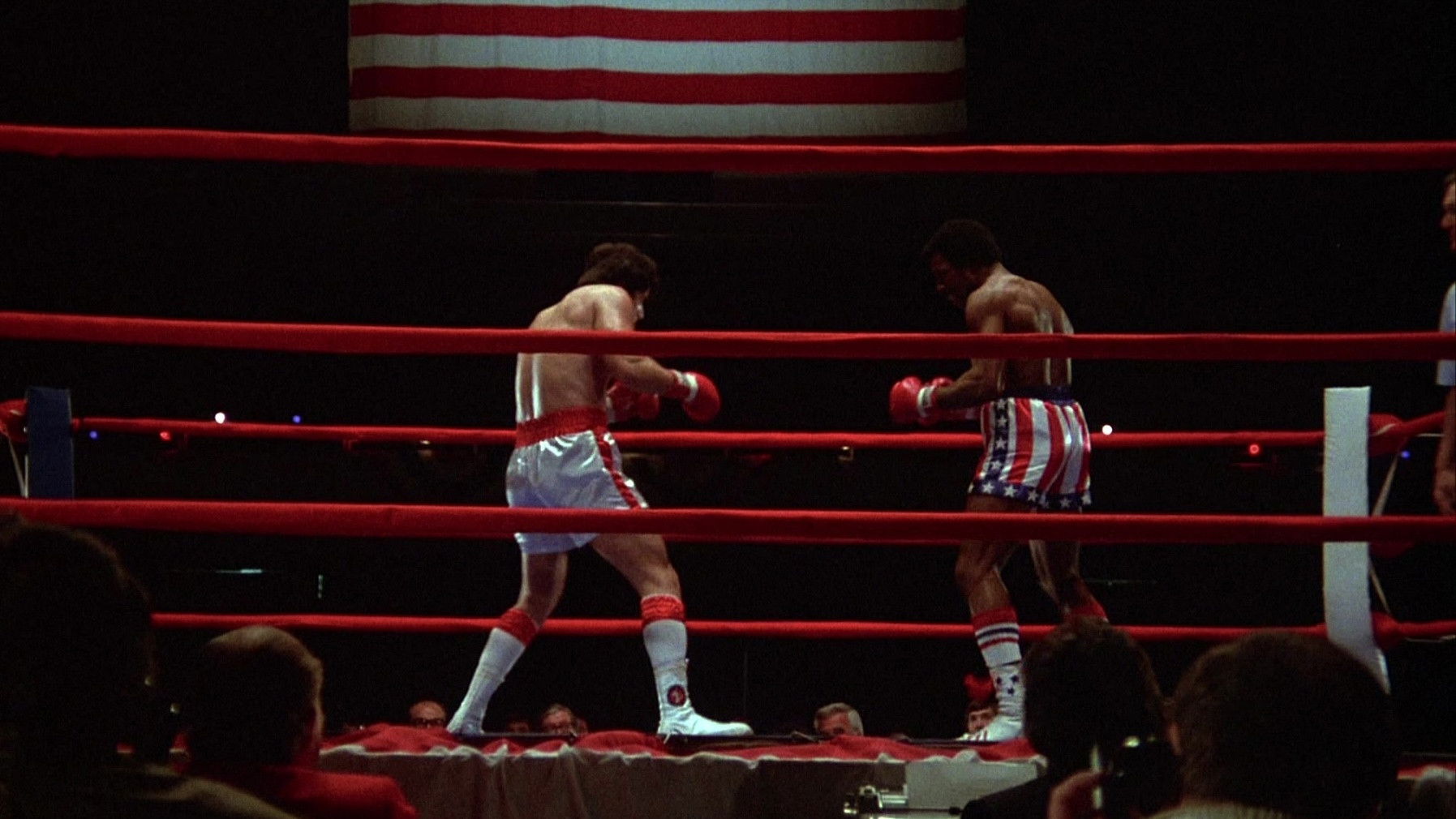
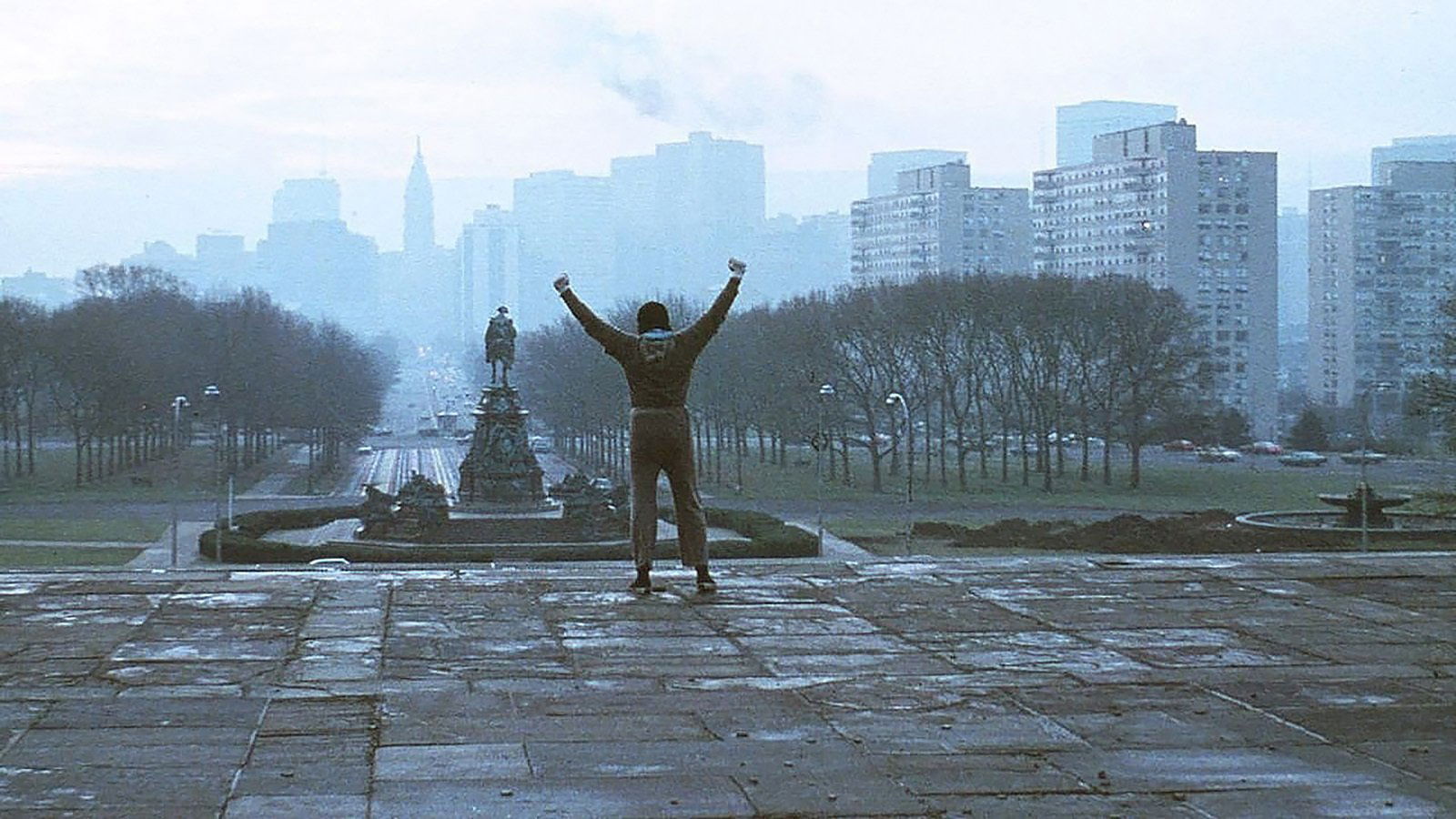
James Crabe’s cinematography gives the streets and gym a rough, ordinary look that helps Avildsen avoid making hardship picturesque. William J. Cassidy’s production design makes those surroundings feel used, giving the gym a purpose beyond supplying a suitably gritty background. Their work helps us believe in the effort required of Rocky, even when the story makes its intentions obvious. Avildsen gets considerable value from spending time in these places, where the familiar underdog plot feels less ready-made than it might on paper.

Richard Halsey and Scott Conrad’s editing is particularly effective in the training sequences, making repeated effort exciting without losing the sense of work involved. Bill Conti’s emphatic music encourages the response without much disguise, and the film would be weaker if it pretended to be above that sort of encouragement. We were moved by the training, because Stallone had made Rocky’s need to feel worthwhile so clear. The shift from hesitant conversation towards physical action feels welcome, and the editors judge that change of pace well.

The limitation is in Stallone’s screenplay, which gives its central character so much attention that the others sometimes seem short-changed. The supporting performances suggest complicated people, yet too much of their value is measured by what they bring to Rocky’s story. Shire and Young make us want to follow them further than the script will go, while Carl Weathers’s Apollo Creed has the difficult task of holding our attention in a film so committed to its leading man. This is where the familiar underdog formula becomes restrictive.

Within that formula, Avildsen is shrewder than the film’s blunt emotional appeals might suggest. He understands that a boxing drama cannot get by on physical exertion alone, and spends enough time with talk, discomfort and everyday company to make us care who is doing the work. At 120 minutes, Rocky allows its people to be awkward before asking them to be stirring. Give it an evening when there is time for the conversation as well as the training.
Critical consensus AI synthesised

77
Positive
6
Mixed
0
Negative
1

Most critics respond warmly to Rocky as an underdog story whose emotional pull outweighs its familiar plotting. Praise centres on Sylvester Stallone’s convincing, charismatic performance, with the supporting cast and awkward, sharp dialogue giving the relationships weight. The reviews also credit John Avildsen’s use of streets, gyms and quieter locations with grounding the fairytale in a recognisable working-class environment. The training and fight sequences draw praise for making that personal struggle exciting.

The divide concerns how much contrivance the film can carry. For its admirers, the manipulation works because the characters and their hopes matter; familiar Hollywood storytelling is no obstacle to involvement. The New York Times dissents sharply, finding the screenplay stale, the direction indecisive and Stallone’s dominance self-serving. The spread is therefore wider than the broadly positive consensus suggests, with disagreement over the same old-fashioned qualities that most critics find affecting.

RogerEbert.com
1 January 1976 · ★★★★/4 · Roger Ebert
100

The film succeeds as an involving story of an underdog hero rather than its clichéd plot. Ebert praises Sylvester Stallone's charismatic lead performance and the emotional power of the training and fight sequences.

Read the full review →
Empire
1 January 2000 · Adam Smith
90*

The film is the second greatest boxing movie of all time after Raging Bull and Stallone's only real cinematic achievement. Avildsen uses locations masterfully and delivers charming scenes like the ice rink sequence while knowing exactly when to stop.

Read the full review →
Radio Times
★★★★ · John Marriott
80

The review highlights the film's genuine impassioned commitment and its roots in Stallone's personal drive for stardom. It praises Stallone's convincing performance as the mumbling underdog and notes the film's Oscar wins over strong 1976 competition.

Read the full review →
Time Out
10 September 2012 · DP
80*

The critic calls it an old-fashioned fairytale brilliantly revamped for the depressed mood of the 1970s, whose underdog success mirrors its theme. They single out the cathartic big fight climax as manipulative Hollywood at its best, along with sharp dialogue and strong supporting performances.

Read the full review →
Variety
10 November 1976 · A.D. Murphy
70*

Strong emotional impact comes from the gritty street and gym environment created by Avildsen. Murphy notes manipulative elements but recommends letting the fairy-tale underdog story work on audiences.

Read the full review →
The New York Times
22 November 1976 · Vincent Canby
40*

The screenplay is pure 1930s Hollywood make-believe executed without verve under indecisive direction. Canby criticizes it as a vanity project overly dominated by Stallone.

Read the full review →

Cast

Stills

Awards

Academy Awards, 1977

Nominated
Best Actor
Nominated
Best Actress
Nominated
Best Sound
Nominated
Best Supporting Actor
Won
Best Director
Won
Best Film Editing
Won
Best Picture

If you liked this, try…

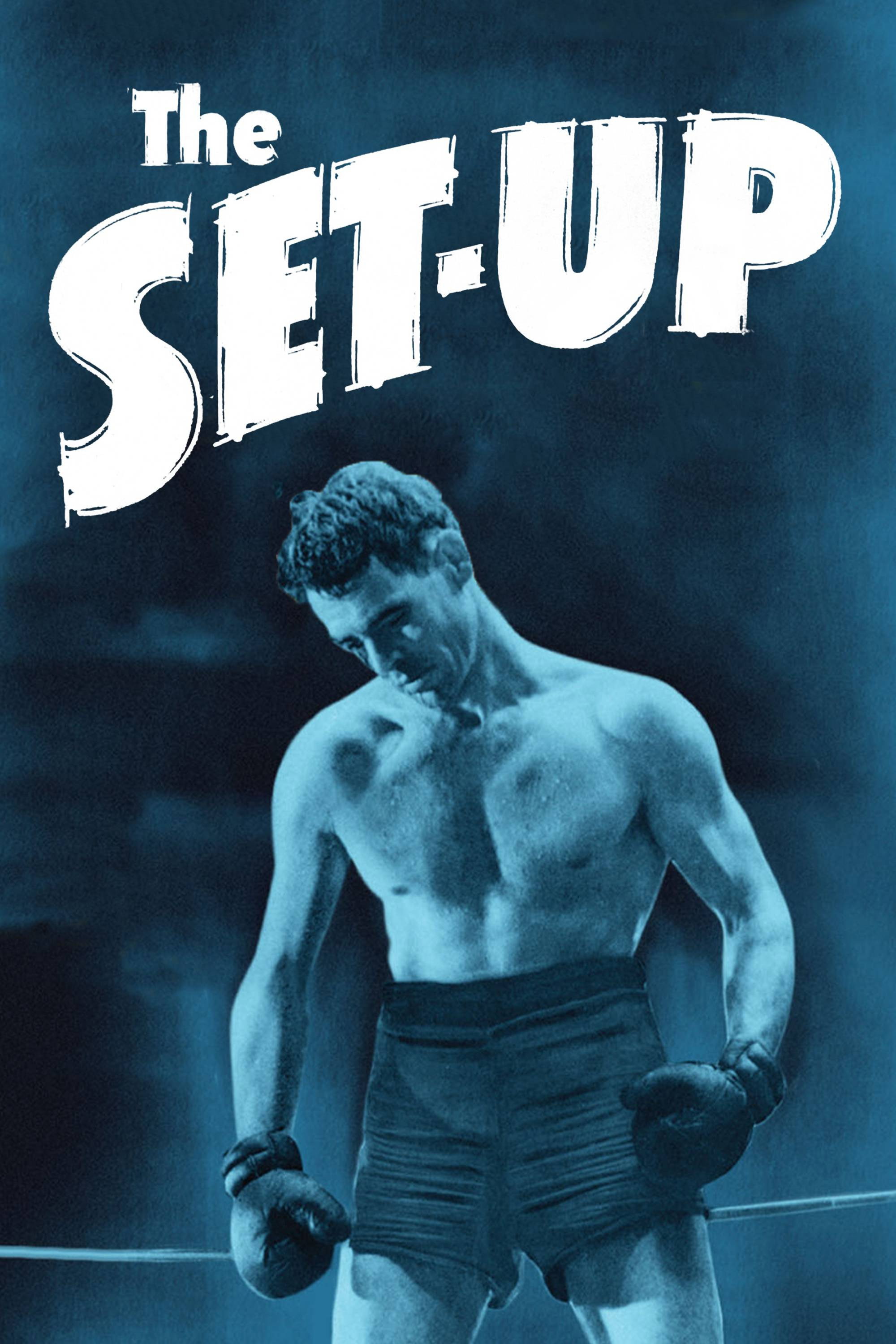
The Set-Up poster

The Set-Up

1949 · Another boxer seeking dignity, with less reassurance and a tighter grip.

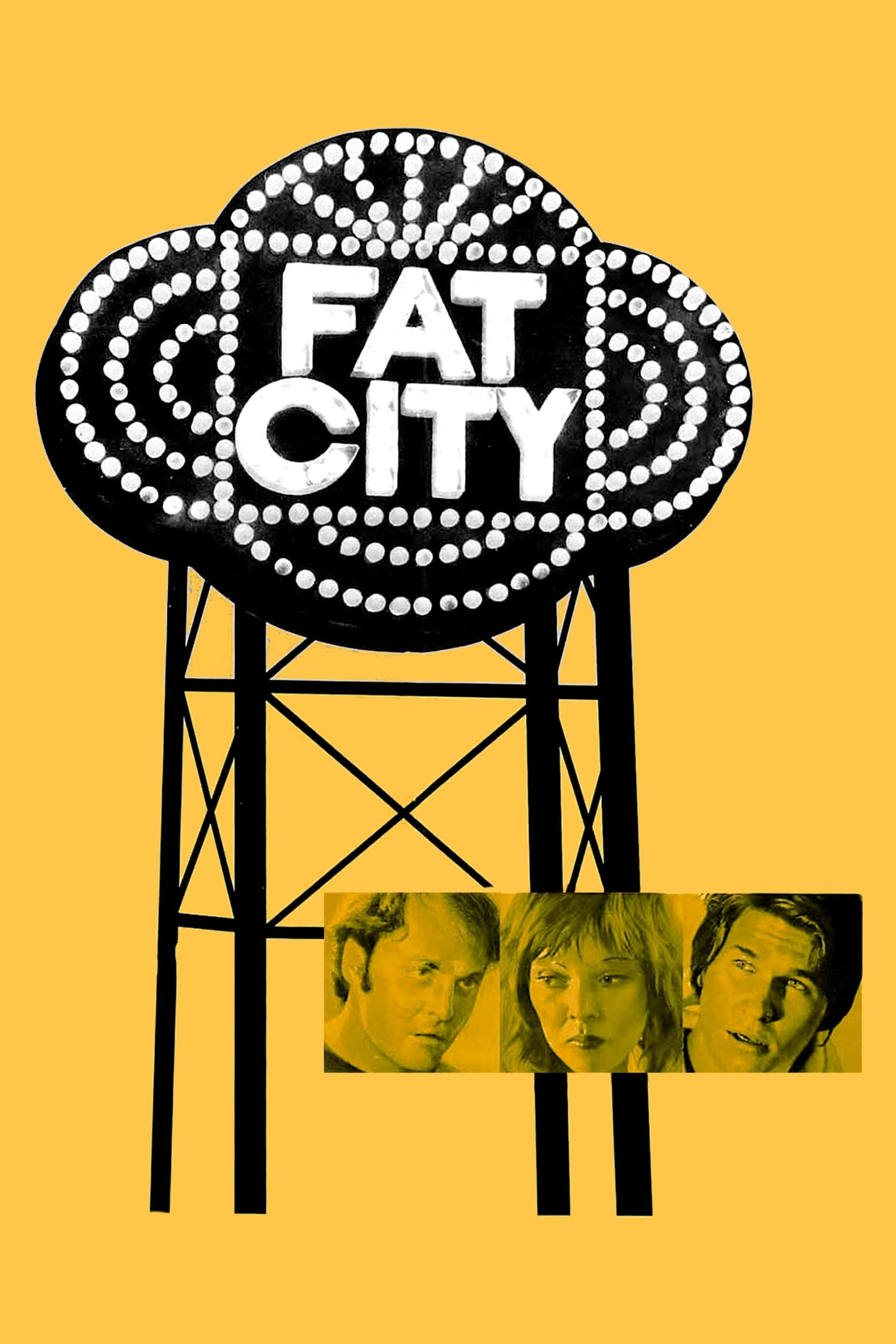
Fat City poster

Fat City

1972 · For the gym’s ordinary disappointments, and people who cannot quite change.

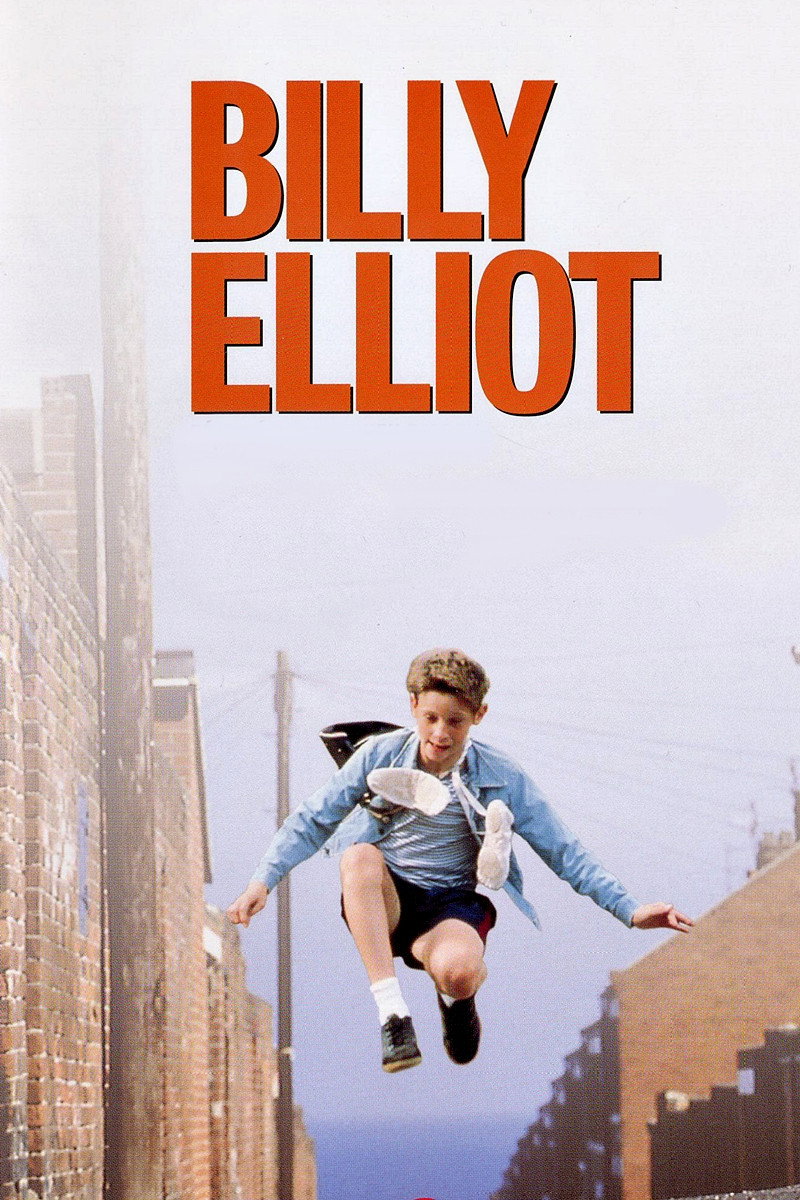
Billy Elliot poster81

Billy Elliot

2000 · Another working-class hopeful discovers how difficult it is to take himself seriously.

The Wrestler poster85

The Wrestler

2008 · Physical punishment and private loneliness, with the comforting promises stripped away.

The Happiest Day in the Life of Olli Mäki poster

The Happiest Day in the Life of Olli Mäki

2016 · A Finnish boxer finds that preparing for a fight complicates everything else.